Shanghai: The Splendor of a Bygone Dream – A Journey Through the Magic Capital's Hidden Lanes
Meta Description: Explore Shanghai beyond the Bund and skyscrapers. Discover the real old Shanghai through quiet lanes, historic architecture, and local secrets. Your journey through the Magic Capital's soul starts here.
Introduction: The Real Shanghai Lies Beyond the Glitter
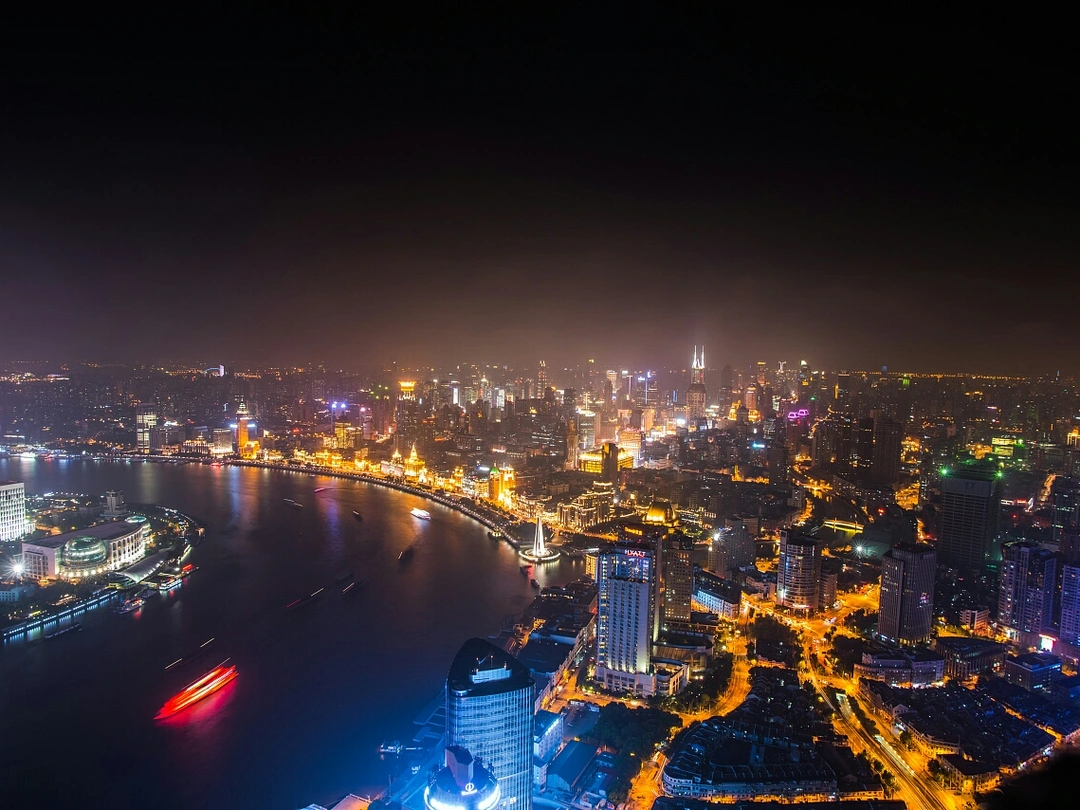
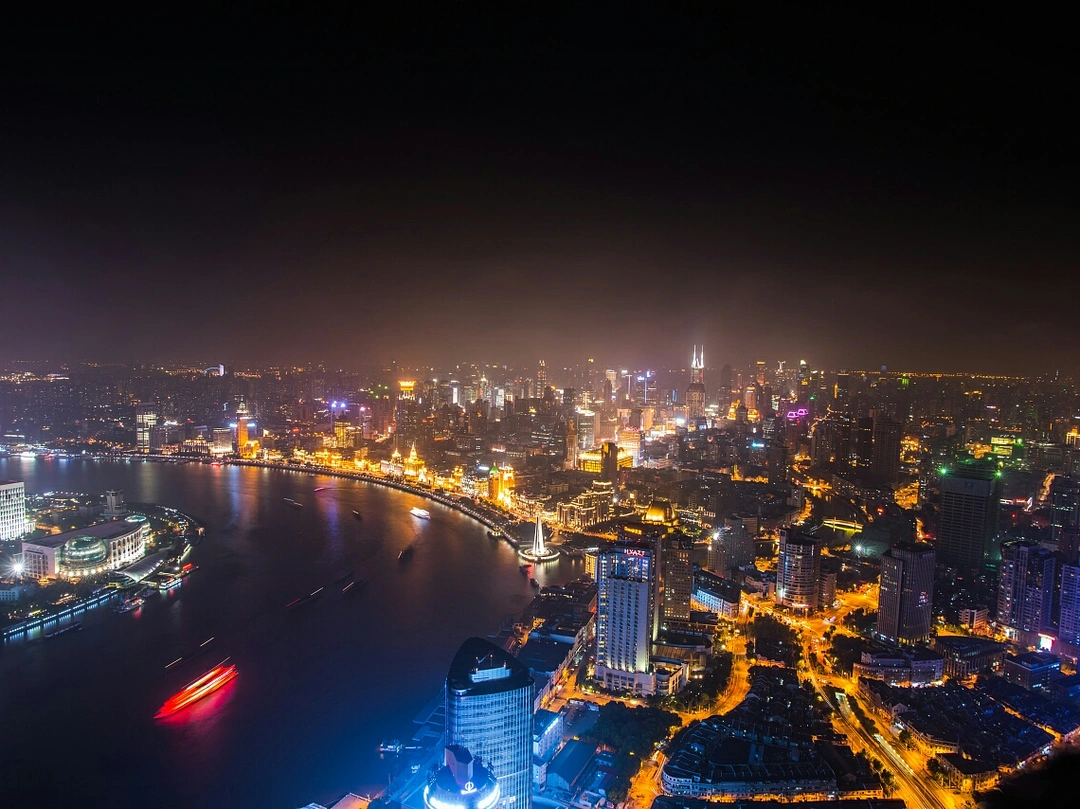
For a decade, I've called Shanghai—the "Magic Capital"—home. And slowly, I've realized that the city's true essence isn't found in the dazzling lights of the Bund, the soaring towers of Lujiazui, or the bustling crowds of Nanjing Road. The real Shanghai, with its old-world charm and whispered stories, hides deep within quiet lanes far from the tourist trail. These streets once witnessed the city's glamorous past as the "Paris of the East." Now, weathered by time, they quietly await those who care to explore.

As an architect, I have an almost obsessive love for cities, buildings, and histories that tell stories. In my rare free moments, I wander aimlessly through Shanghai's streets and alleys—not to check off landmarks or take photos, but simply to soak in the city's atmosphere. Whenever friends visit, I take them to the usual spots—they showcase Shanghai's prosperity. But in my eyes, that's not the real Shanghai. I want to walk them through the paths I've walked, to show them the Shanghai I see.
Strolling Through Shanghai's Streets: Feeling the Old Shanghai Spirit
Yuyuan Road: Where Youth Meets History
Yuyuan Road Shanghai holds a special place in my heart. Back in the day, my teacher's studio was tucked away in a quiet alley on this very street. From eight in the morning until eleven at night, I poured all my effort into that space. Every night, another girl and I—carrying our drawing boards and paint boxes—walked this quiet road countless times. The exhaustion, the joy, the tears, and the laughter are forever etched in my memory.
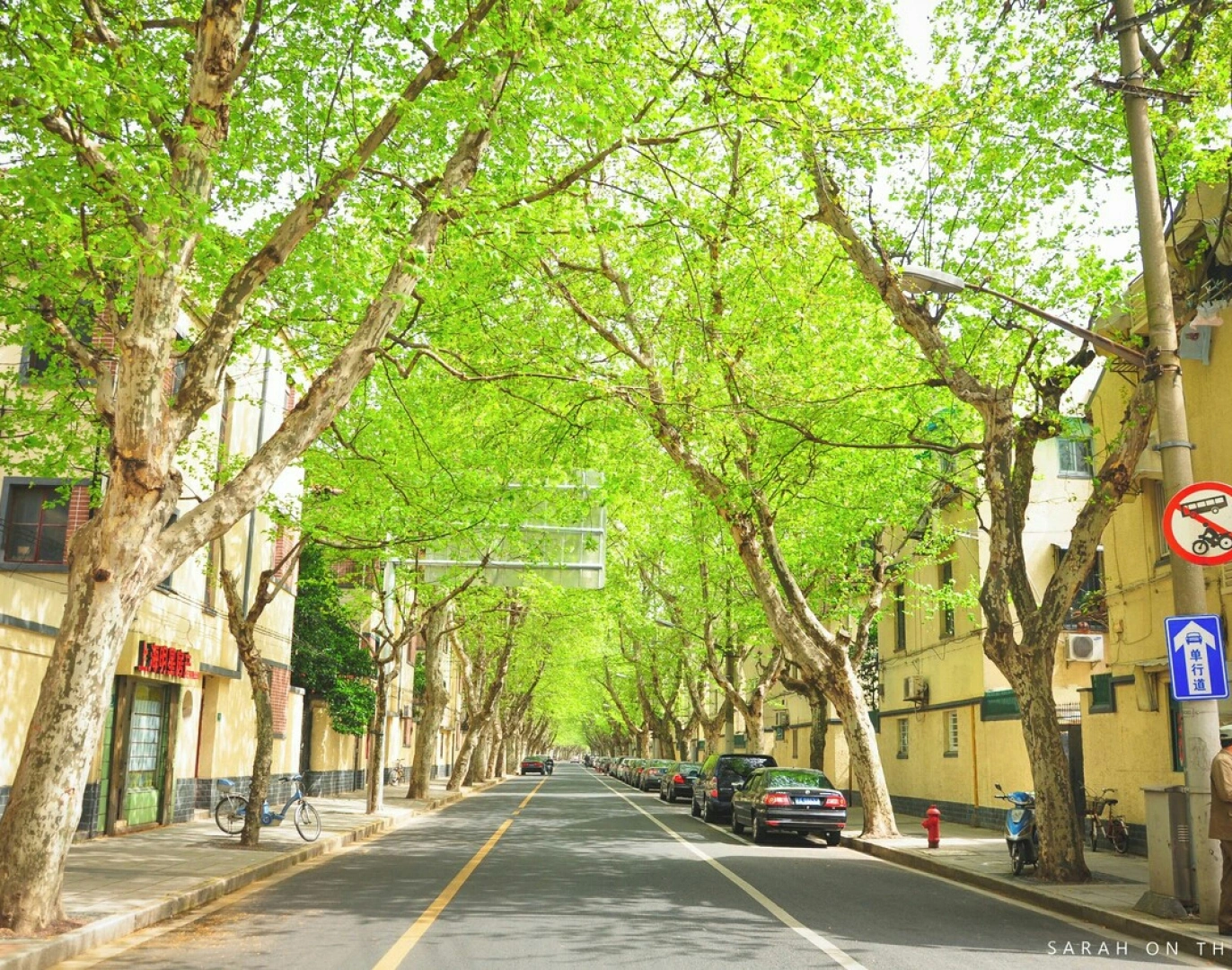
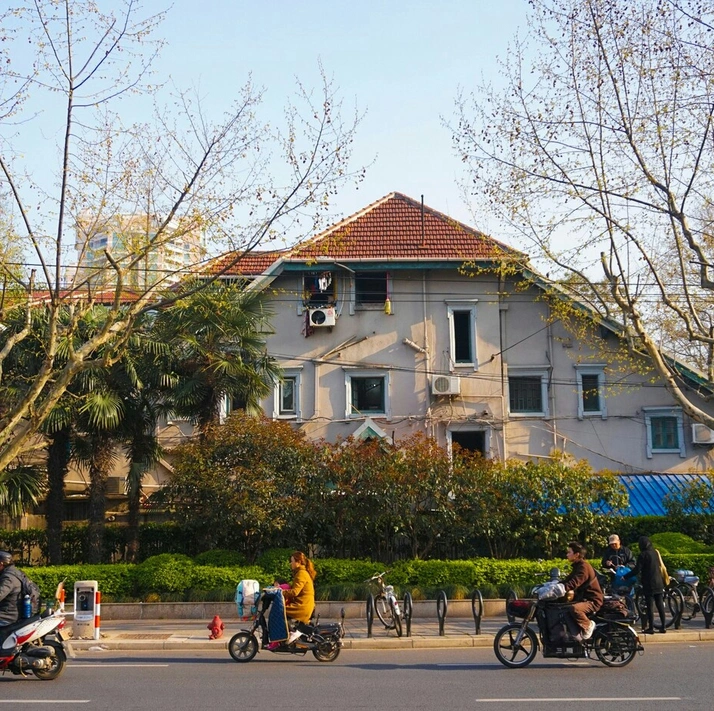
Yuyuan Road isn't wide, nor particularly long. It stretches from Jing'an Temple at its eastern end to Zhongshan Park in the west. As you stroll along this avenue, glancing at the deep, shaded alleys, you might not realize that behind those lush, leafy trees lie stories of intrigue and upheaval. The famous Wang Mansion (Wang Gongguan), Yongquan Fang, and Lane 794 of Yuyuan Road—countless tales from the turbulent decades of the last century are hidden within these garden villas, silently buried in every brick and tile, waiting for the hurried footsteps of a century later.
Every alley here is a labyrinth you can't explore in just a few steps. They twist and turn in ways you'd never expect. One moment you're looking at a grand mansion; the next, you might turn a corner to find a tiny home of just a dozen square meters. If you have patience to explore slowly, you'll discover the true, down-to-earth pulse of Shanghai here.
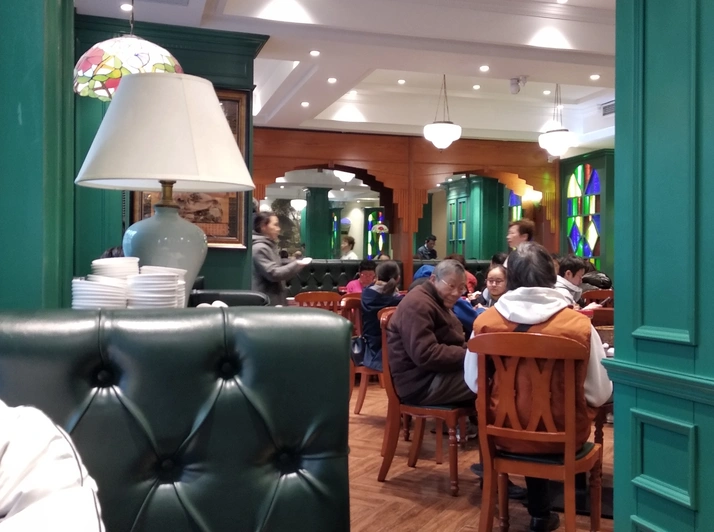
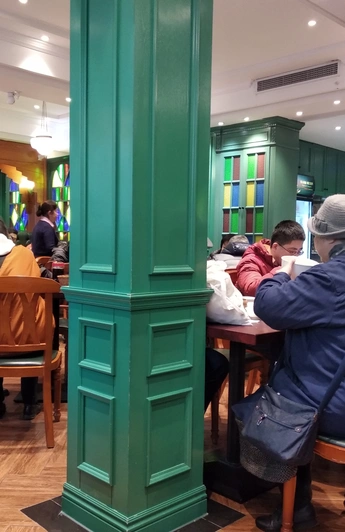
Recommended food: Fuchun Xiaolong (steamed soup dumplings) — Every time I pass by, I have to order a basket. Pair it with a piece of fried pork chop or a bowl of wontons. Friendly tip: It's always packed, so expect a wait.
[Link: Best xiaolongbao in Shanghai]
Wukang Road: Elegant Moments Under Century-Old Plane Trees
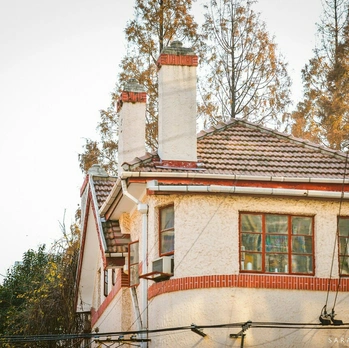
Built in 1907, Wukang Road Shanghai is hailed as one of the most European-style districts in central Shanghai. Unlike Huaihai Road (also in the former French Concession but thick with commerce) or Hengshan Road (known for its nightlife), Wukang Road exudes the refined elegance of 1920s Shanghai.
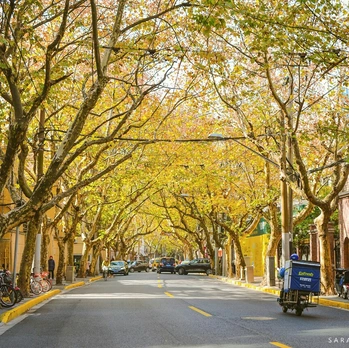
This road was originally built by an American named Fergusson, then superintendent of Nanyang Public School, and was named "Route Fergusson" before being incorporated into the French Concession. The architecture here is predominantly Spanish and French Renaissance style. Plane trees sway on both sides, adding European charm while lending a sense of tranquility. Wukang Road is known as a "street of celebrities that condenses a century of modern Shanghai history." Many influential politicians, military leaders, industrialists, and literary figures once lived here, leaving behind 37 historic buildings or former residences.
The Former Residence of Ke Ling is one of the few places you can tour inside. I particularly love the staircase there. Nowadays, the road is also dotted with trendy cafes, coffee shops, and boutique stores—Peet's Coffee, %Arabica, La Maison, Coffee Tree—so many you can't try them all!
[Link: Shanghai French Concession walking tour]
Hengshan Road: Past Glory, Present Serenity
Not far south of Wukang Road, Hengshan Road Shanghai was once the city's most famous entertainment strip, known for its bars. But in recent years, hotspots like Xintiandi and Huaihai Road have stolen the spotlight, leaving Hengshan Road much quieter and more nostalgic.
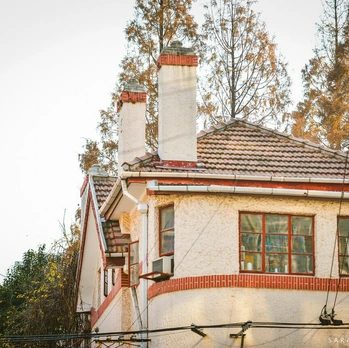
Though its heyday has passed, the lush plane trees lining both sides—whether under a bright sun, a drizzling rain, or the glow of evening lights—never fail to offer a stunning view. I'm lucky to live in Xujiahui, so I often wander these nearby streets. Near the Xujiahui end of Hengshan Road, Hengshan Cinema and Hengshan Fang are my regular haunts.
Hengshan Cinema has stood for nearly half a century. With its unique courtyard-style setting, it has long held the reputation as Shanghai's only "garden cinema," steeped in historical and cultural heritage. Hengshan Fang is a redevelopment project of garden residences and modern lilong (lane houses). After renovation, my favorite spot is the bookstore inside. I can spend half a day by the floor-to-ceiling windows on the third floor.
On Hengshan Road, there's an alley called Yongping Li. After transformation, it hides a variety of exotic cuisines—Cuban, Peruvian, Turkish—making it a foodie's paradise. The stretch from Hengshan Road to West Fuxing Road lies within the former French Concession, filled with high-end garden villas. At the intersection of Hengshan Road and South Urumqi Road stands the famous Community Church of Shanghai (International Church). Though I'm not a believer, my love for old church architecture draws me in for a look every time.
[Link: Best Shanghai food streets]
Sinan Road: A Quiet Corner of the World Architecture Expo
Sinan Road Shanghai, originally named Rue Massenet, is a street in the former French Concession. Towering plane trees line both sides, giving it a deeply cultured air. Walking here, you'll encounter only an occasional car or pedestrian. It's so quiet that you'd never guess you're in the heart of the city. More than twenty garden villas line the road, each with a different style, gathering almost all architectural forms—both Chinese and Western—of old Shanghai. It's like a World Architecture Expo, where the essence of Shanghai's eclectic culture is on full display.
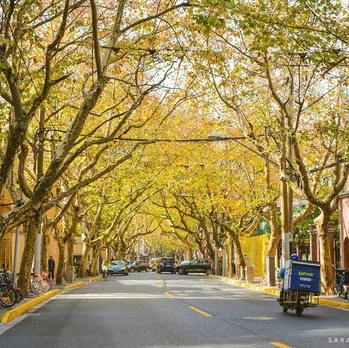
Sinan Mansions (Sinan Gongguan) has become the iconic representative of this architectural cluster. It has been transformed into a unique commercial district blending culture, fashion, history, and art, with a constant stream of literary events, exhibitions, and lectures. Sinan Books, housed in an immovable heritage building under the plane trees, is filled with brilliant minds. It was once the former residence of General Feng Yuxiang, and the great poet Liu Yazi also lived here twice while compiling books. Sinan Road also preserves the "Zhou Mansion" (a memorial to Zhou Enlai), the former residence of Sun Yat-sen, and the former home of Mei Lanfang—offering the tranquility of old Shanghai, the traditions of its lanes, and a leisurely, soothing peace.
[Link: Shanghai historical architecture guide]
Yuanmingyuan Road: 462 Meters of Magic
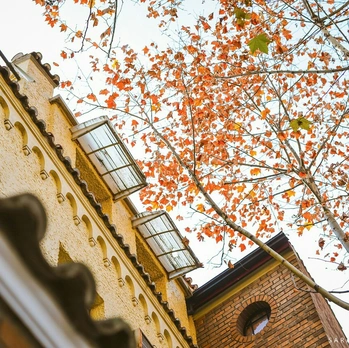
I call Yuanmingyuan Road Shanghai a magical and enchanting street. Stretching just 462 meters from Dianchi Road in the south, it packs an extraordinary concentration of history and beauty. This short road is a hidden gem that perfectly encapsulates the city's layered past. Here, you'll find a mix of Art Deco, Neoclassical, and Renaissance-style buildings that have been beautifully preserved. It's a photographer's paradise and a quiet escape from the nearby crowds of the Bund.
FAQ: Exploring Shanghai's Hidden Lanes
Q1: What is the best time to explore Shanghai's historic streets? A: Early morning or late afternoon on weekdays is ideal. The streets are quieter, lighting is beautiful for photos, and you can avoid peak crowds at popular spots like Wukang Road and Sinan Road.
Q2: Are these streets free to visit? A: Yes, walking the streets themselves is completely free. Some historic residences (like the Former Residence of Ke Ling on Wukang Road) may charge a small entrance fee. Cafes and shops are pay-as-you-go.
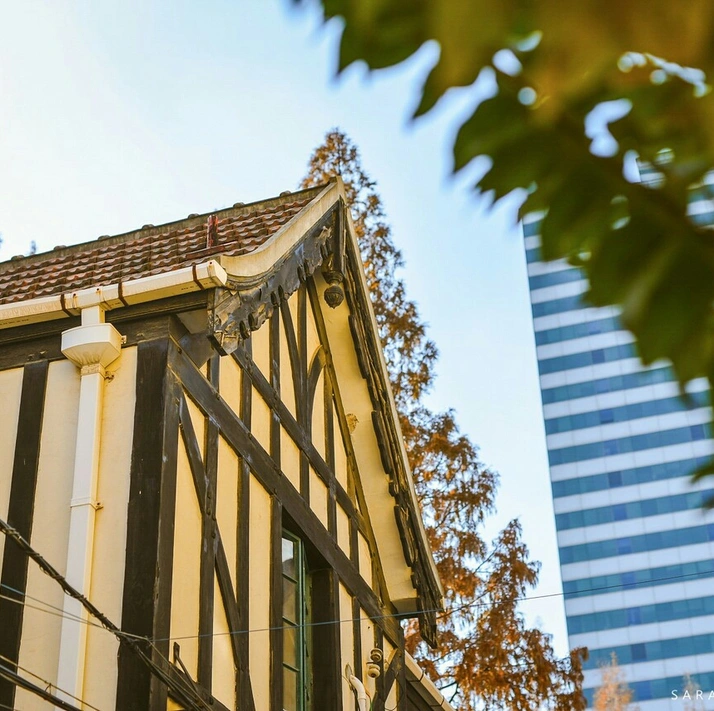
Q3: How many days do I need to explore Shanghai's old lanes properly? A: At least 2-3 days. Day 1: Yuyuan Road and Wukang Road. Day 2: Hengshan Road and Sinan Road. Day 3: Yuanmingyuan Road and surrounding areas. This allows for leisurely exploration without rushing.
Q4: What's the best way to get around these streets? A: Walking is best for the lanes themselves. Use Shanghai's Metro (Lines 1, 2, 10, and 11 serve these areas) to get between districts. Biking is also a great option—shared bikes are widely available.
Q5: Are there guided tours available for these historic areas? A: Yes, several companies offer walking tours focusing on the French Concession, historic architecture, and food. Alternatively, you can use self-guided audio tours available on apps like TripAdvisor or local travel platforms.
[Link: Shanghai travel tips for first-timers]
Conclusion: Your Journey Through Shanghai's Soul Awaits
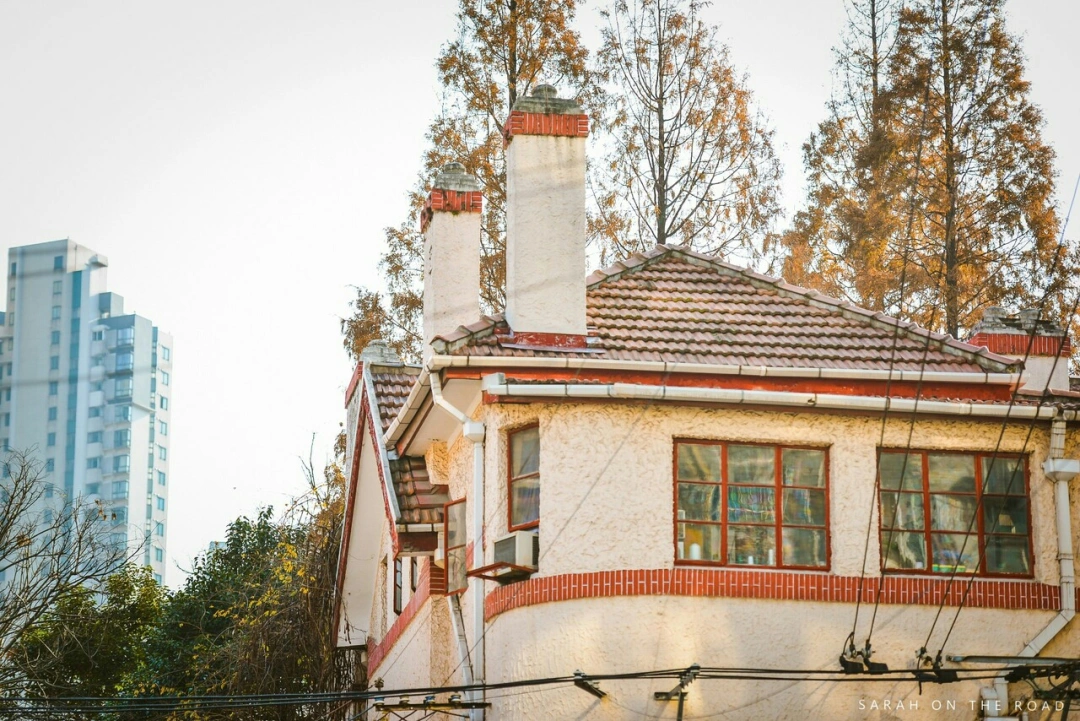
The Shanghai I've come to love isn't found in guidebooks or postcards. It's in the quiet rustle of plane trees on Wukang Road, the lingering scent of history on Sinan Road, and the hidden stories behind every brick on Yuyuan Road. This is the real Magic Capital—a city that rewards those who slow down, look closely, and listen.
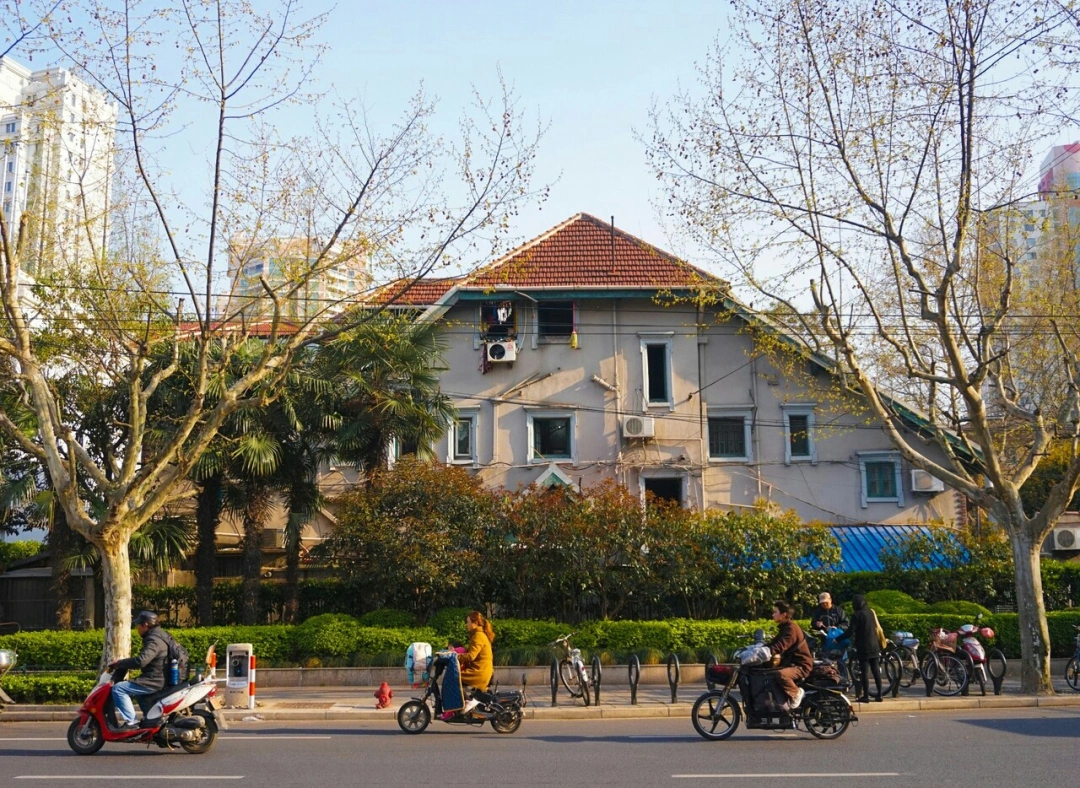
Whether you're a first-time visitor or a long-term resident, I invite you to step off the beaten path. Walk these streets. Taste the xiaolongbao. Sit in a century-old garden villa turned cafe. Let Shanghai's bygone dream become part of your own story.
Ready to discover the real Shanghai? Start planning your journey today. Pack comfortable shoes, bring an open mind, and prepare to fall in love with the city's hidden heart. The lanes are waiting.
Have you explored Shanghai's historic streets? Share your favorite hidden spot in the comments below, or tag us in your photos using #HiddenShanghai.
You may also like