Shanghai Longtang (Alleyways): Discovering the City's Warmest Pulse in the Cracks of Concrete and Steel
Meta Description: Explore Shanghai's hidden longtang alleyways—where authentic local life thrives amid laundry flapping, breakfast stalls, and neighborly chats. Discover the city's warmest pulse beyond the skyscrapers.
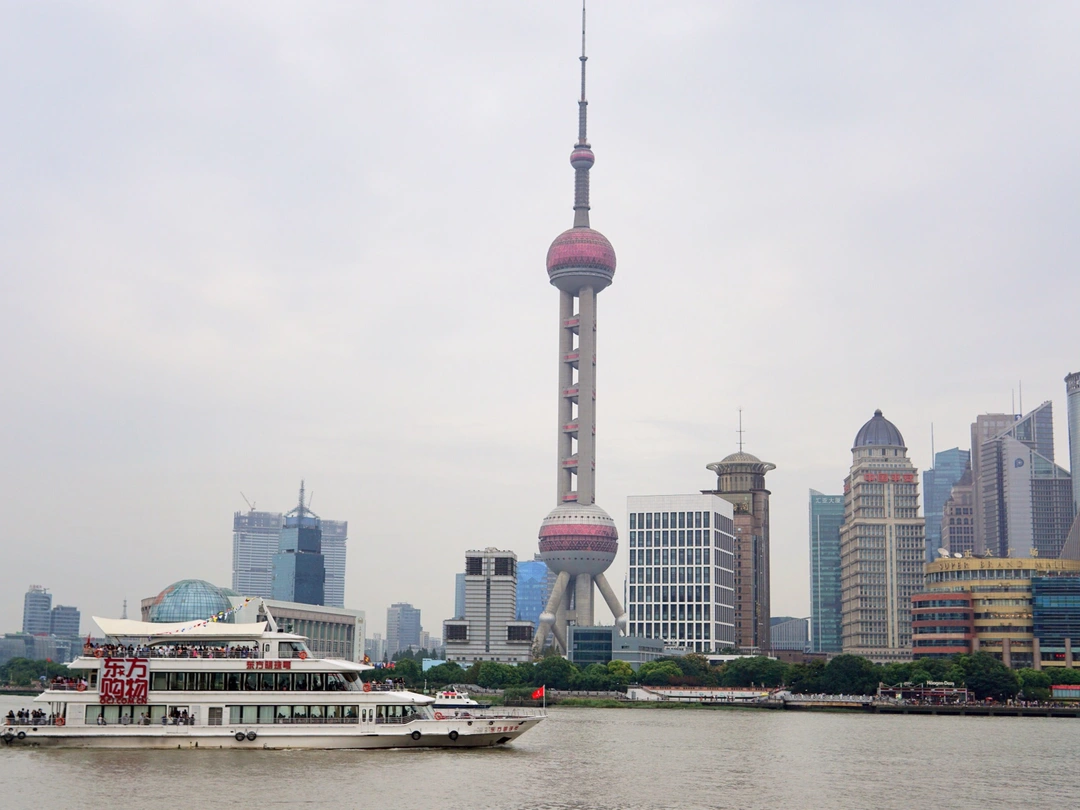
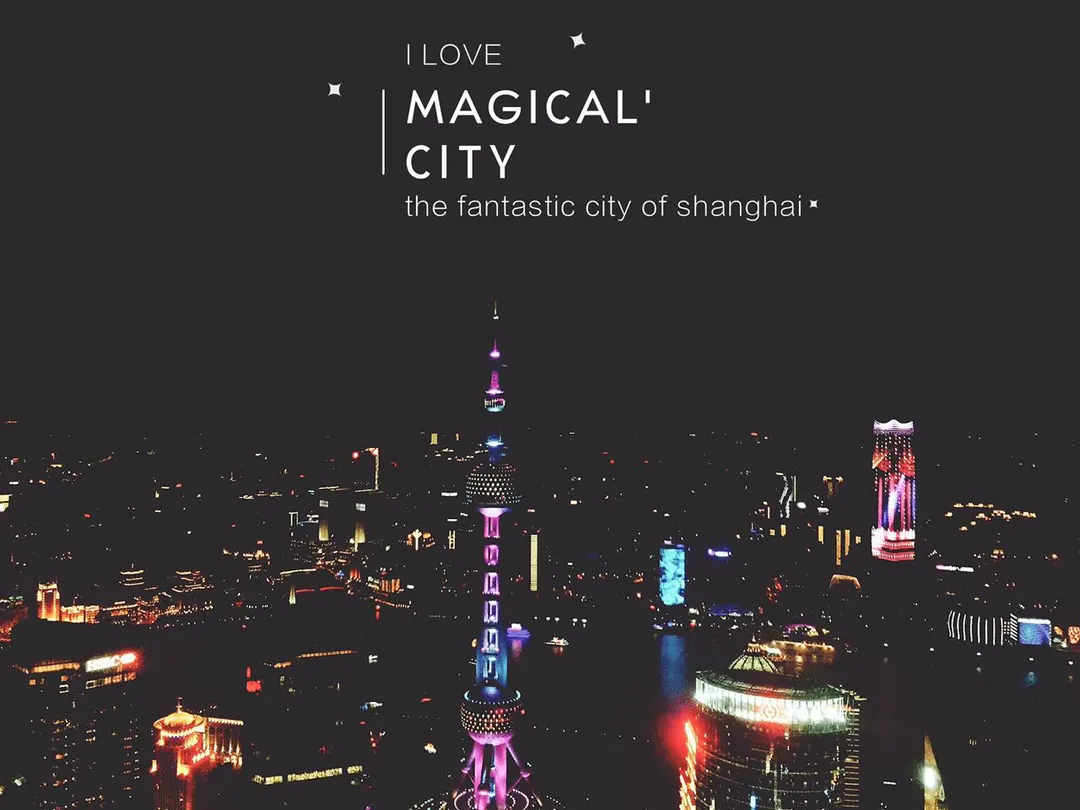
If the Bund is Shanghai's glamorous coat and Lujiazui its straight spine, then the longtang (traditional alleyways) are the city's most hidden capillaries. These winding, crisscrossing lanes—like raised veins on an old person's hand—record the traces of time's passage. Every time you step into a Shanghai longtang, it feels like falling into a forgotten era. The bustling traffic and towering skyscrapers outside are instantly shut out, replaced by the "flag display" of laundry fluttering on poles, mottled walls, and the air thick with the smoky, lively atmosphere of everyday life.
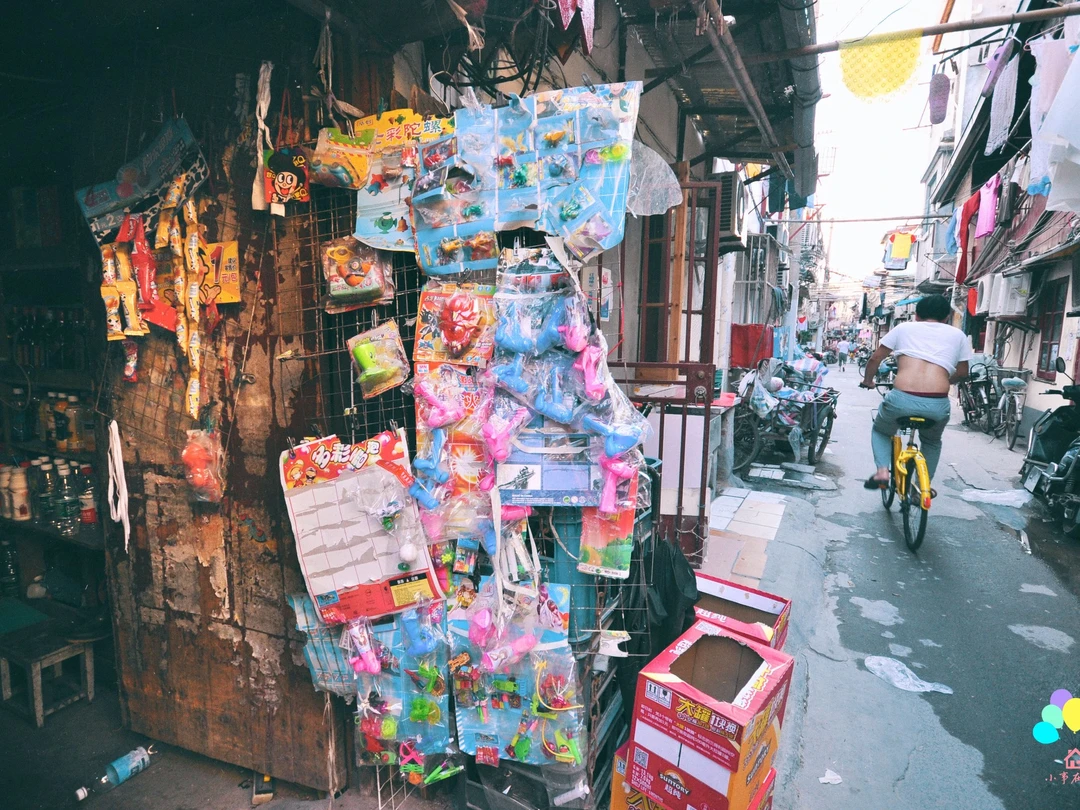
For native Shanghainese, the longtang is not just a living space but a living photo album of memories. As children, we darted through these maze-like lanes playing hide-and-seek, and behind every black wooden door lay an untold story. The tiny cigarette-and-paper shop at the alley entrance was the sweetest landmark of childhood—salted plum candies costing five cents each, orange popsicles that steamed with cold in summer, and the always-smiling shop owner's wife. Today, as urban renewal accelerates, large swaths of longtang are vanishing from the map, replaced by glass-curtained skyscrapers. But the Shanghainese attachment to the alleyways grows richer with time, like aged wine.
If you visit Shanghai and miss the chance to duck into an old longtang, your trip will be incomplete. Because here, you'll find the city at its most down-to-earth and human.
Morning in the Longtang: Waking to the Rhythm of "Shua Shua Shua"
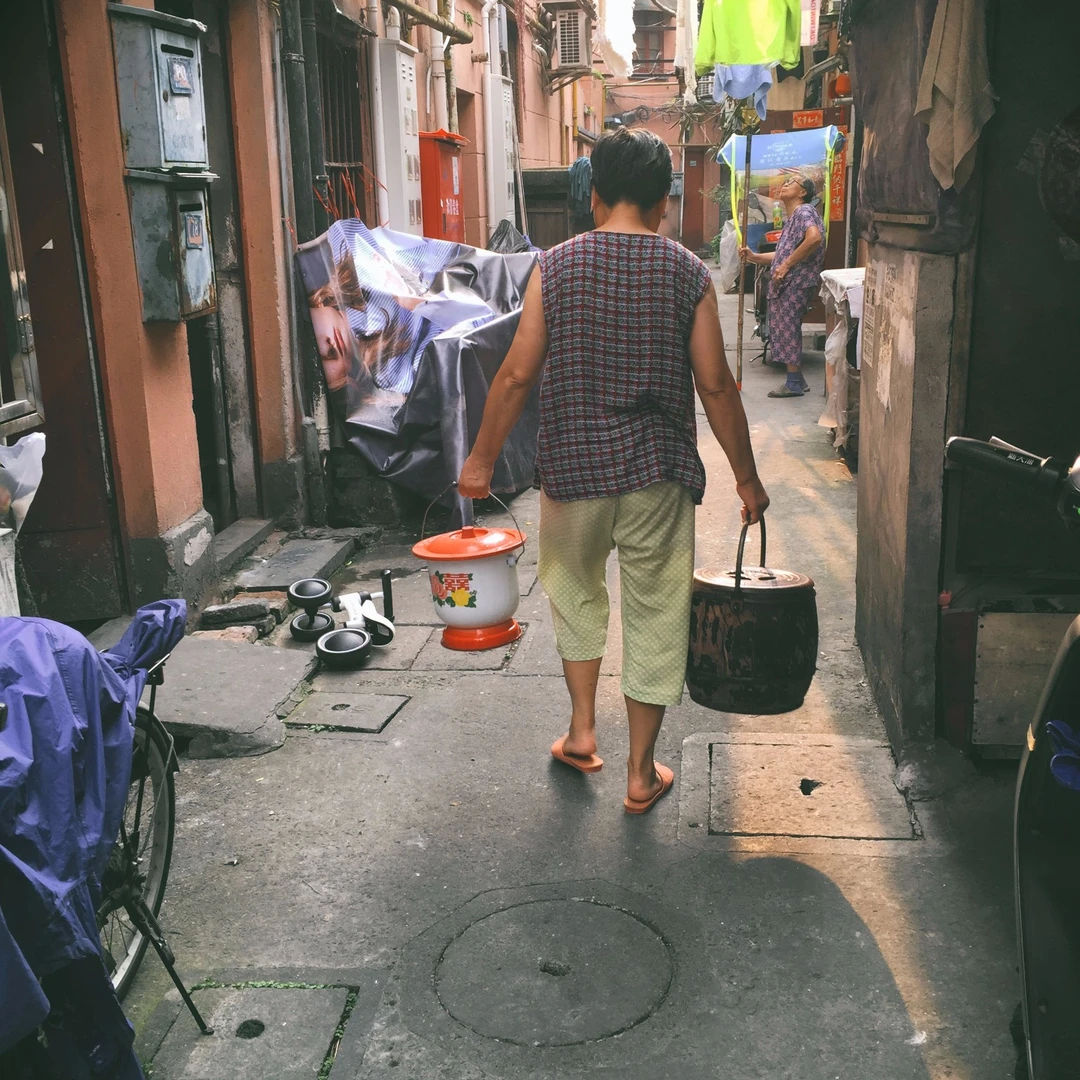
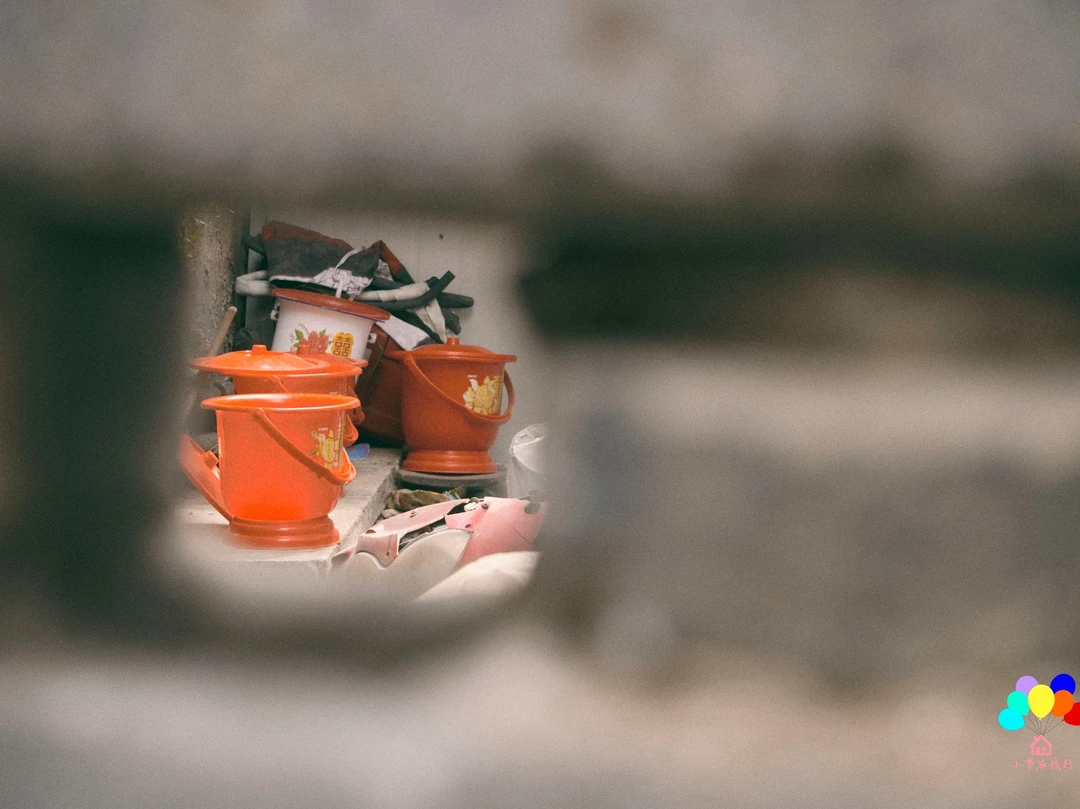
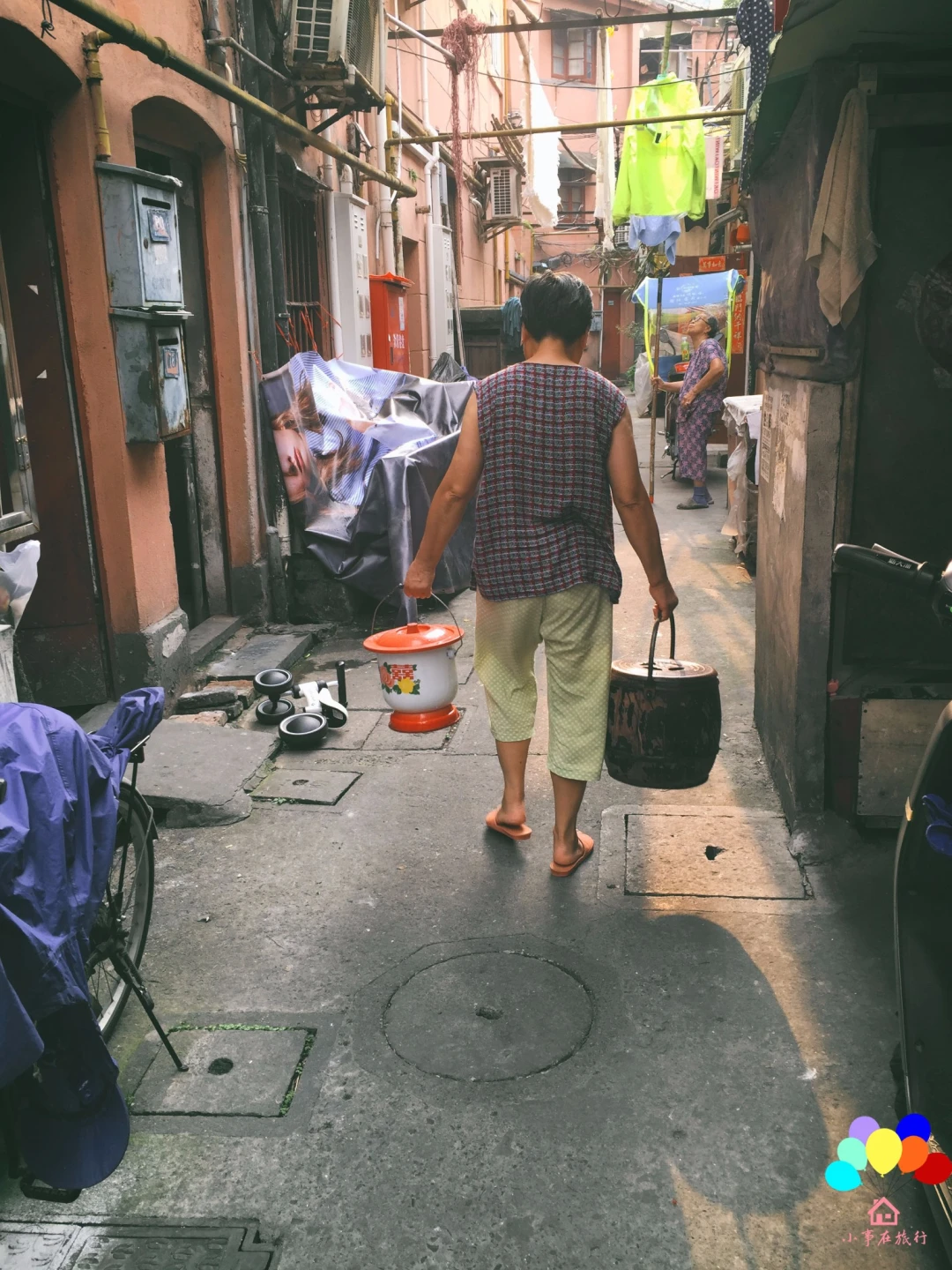
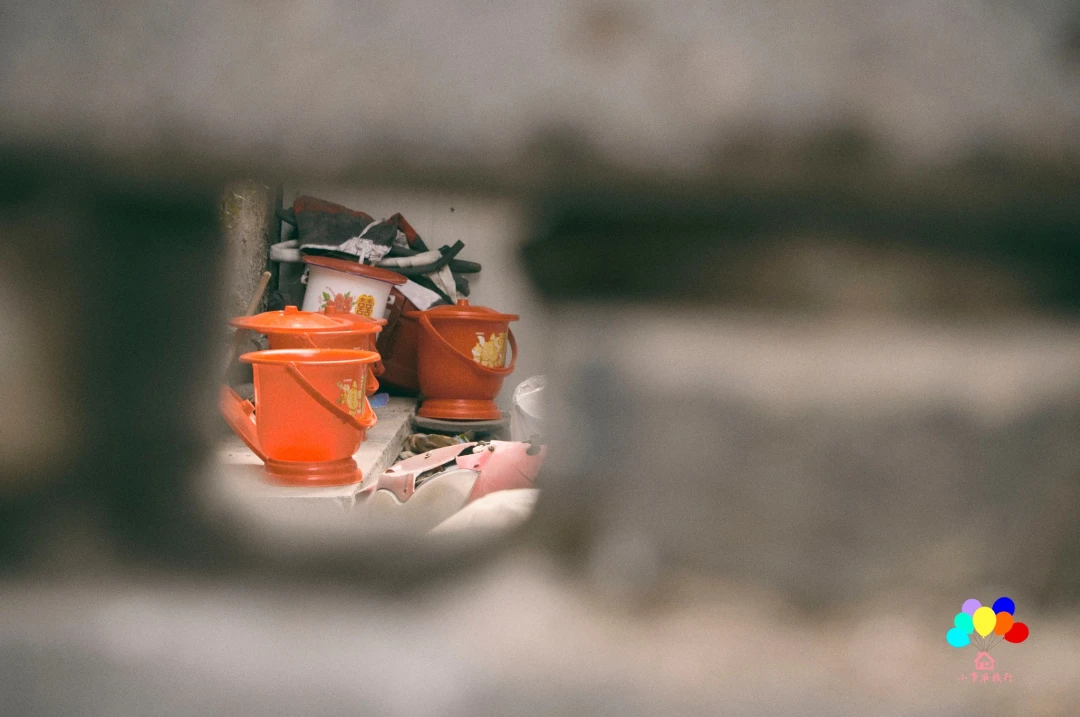
In memory, an old Shanghai day began with the "shua shua shua" sound of scrubbing chamber pots. The sound was crisp and rhythmic, like a unique morning symphony. Although most longtang households now have flush toilets, the older generation—the uncles and aunties—still occasionally miss those early mornings carrying their red, improved chamber pots to the communal dumping station. It wasn't just a habit; it was a ritual belonging to that era.
Hidden Breakfast Stalls: A Bowl of Soy Milk, Two Fried Dough Sticks—the Most Solid Happiness
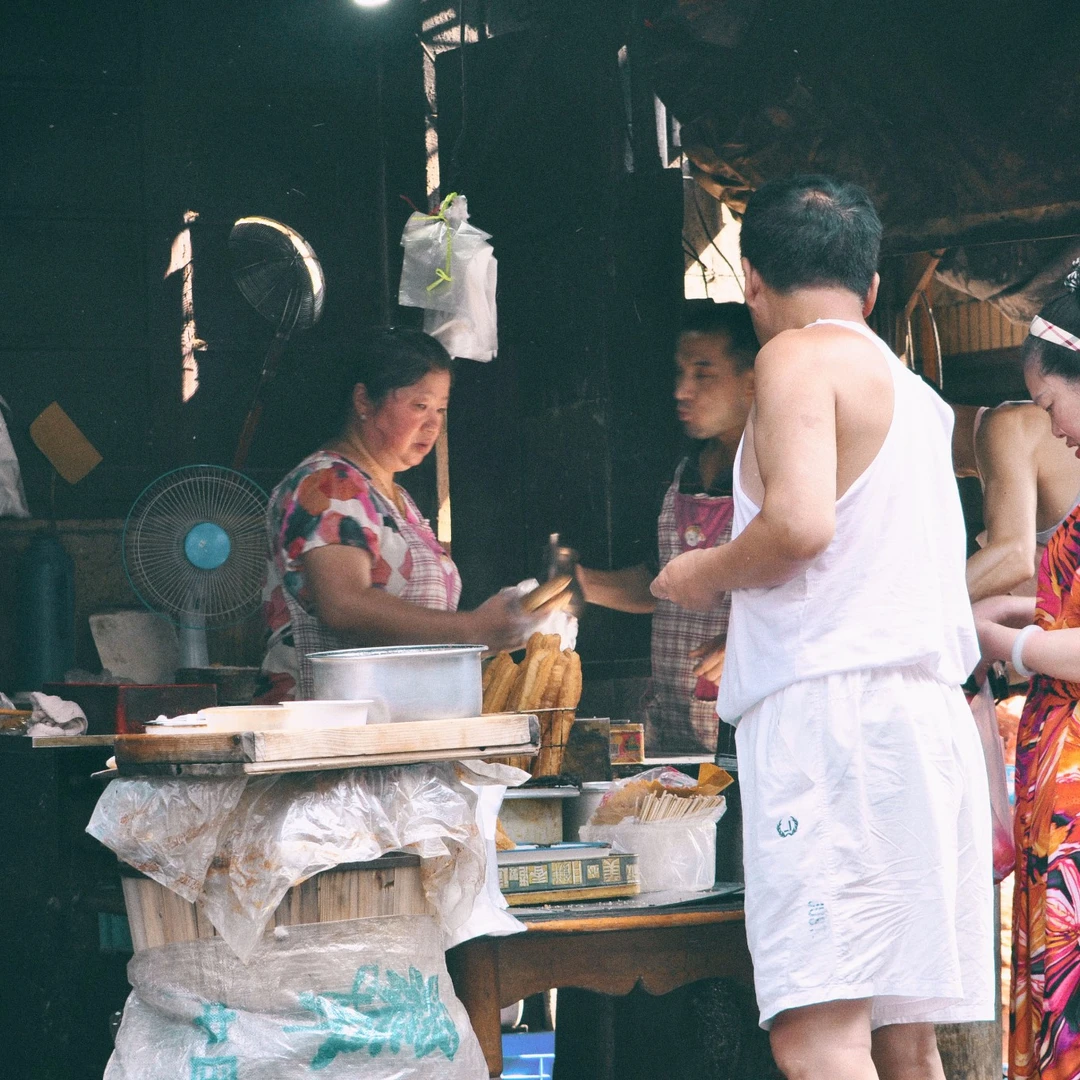
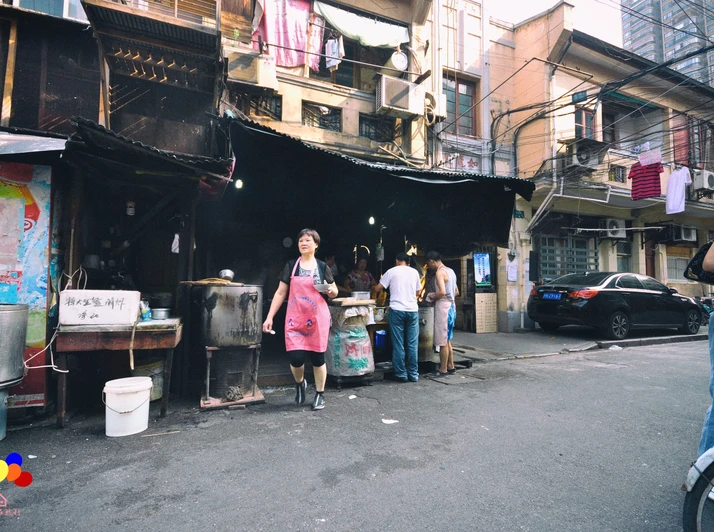
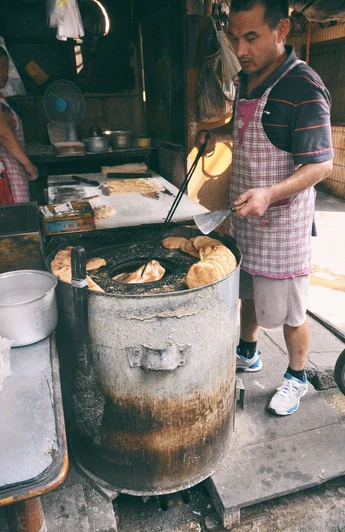
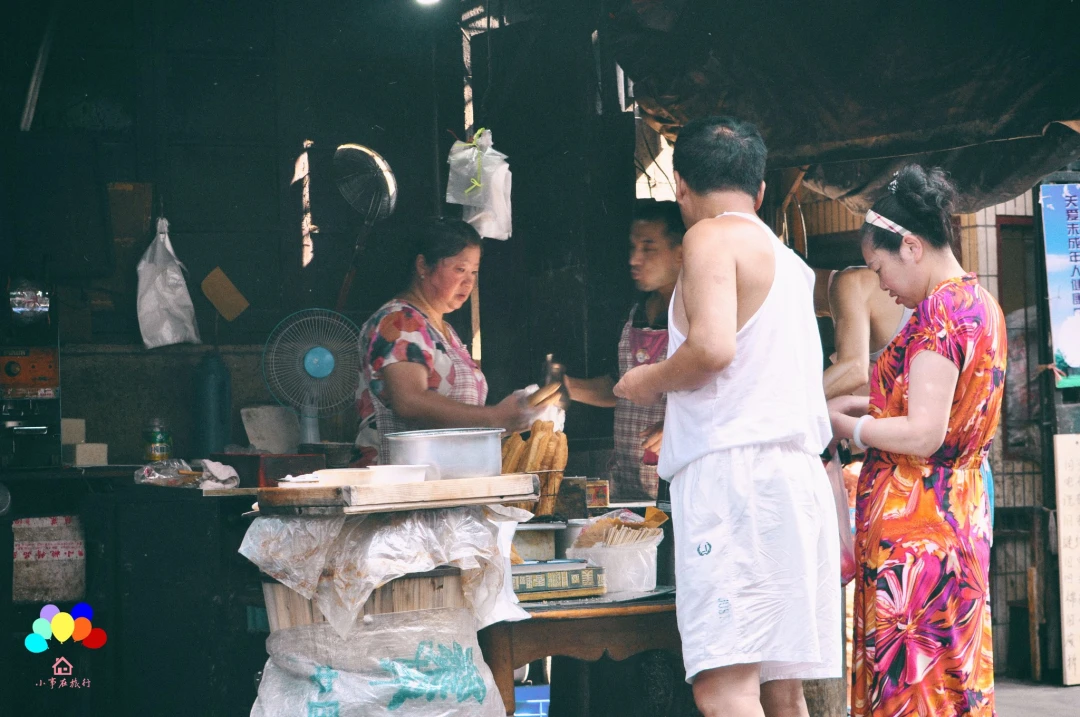
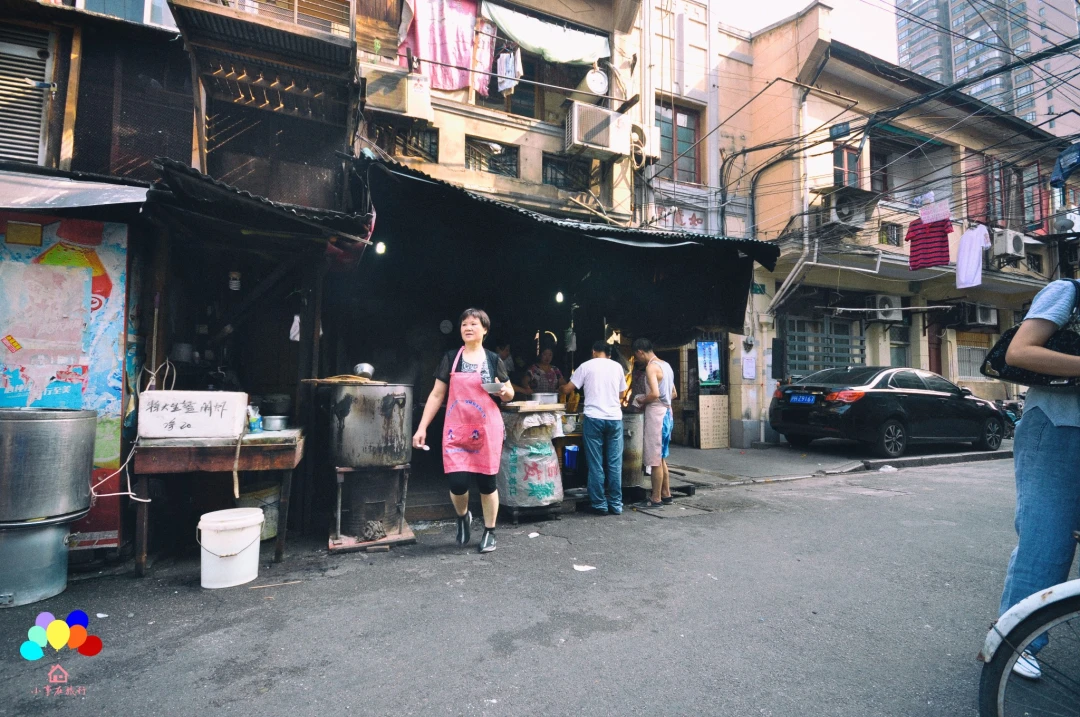
While exploring old longtang, we unexpectedly found two non-street-front breakfast stalls deep inside Jinjiafang Road. These Shanghai longtang breakfast spots were tucked into the folds of the alley, known only to regulars. One sold soy milk and fried dough sticks. The iron pot was rusted, the soy milk bubbling with steam, the white mist carrying the aroma of beans and human kindness. The customers were all nearby residents—some carrying thermoses or small pots to take breakfast home for their families; others clutching newspapers, sitting on simple plastic stools, eating while reading.

We were drawn in by the warm scene, ordered a bowl of tofu pudding and a fried dough stick. The tofu was silky, the fried dough crispy, topped with a spoonful of soy sauce and a pinch of dried shrimp—the most authentic Shanghai taste.
The other stall was a noodle shop. The shop owner told us she had been there for nearly 15 years. Prices had barely changed, almost the same for a decade. As she deftly cooked noodles, she chatted with us: "This place is going to be demolished next year. When I move to the new public housing, I'll stop working and take a good rest." On the table sat a large bowl of self-serve pickled vegetable soup, refreshing and palate-cleansing—the perfect companion to scallion oil noodles. Perhaps this is the last stubborn stand of the longtang breakfast stall: offering the cheapest prices and the warmest comfort to neighbors.
The Slow Time of the Longtang: Human Connection, the Most Luxurious Luxury
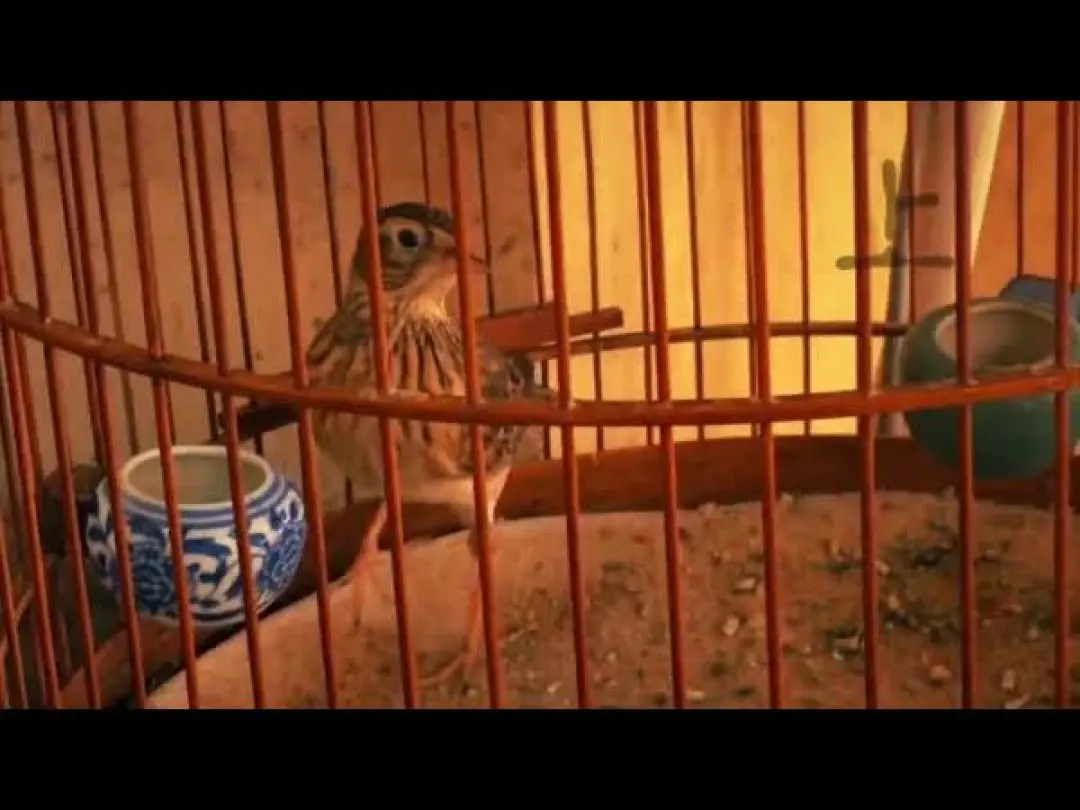
Walking through the maze-like alleyways, time seems to slow down. Here and the bustling world outside feel like two parallel universes. Occasionally, you'll see a few old rattan or bamboo chairs at the alley entrance or a corner. Don't mistake them for discarded junk—they are "shared seats" deliberately placed by residents. On good weather days, uncles and aunties sit there to chat or set up a table for mahjong. A breeze blows through, and a lazy afternoon passes by.
The aunties and uncles in the longtang are mostly "nosy" in the best way. If you're willing to talk to them, they'll immediately treat you like an old friend, chatting from the weather to vegetable prices, from your kids to the neighbor's cat. This unguarded intimacy is something you'll never experience in a high-end gated community.
When I was young, almost all my daily needs could be met within the longtang—shoe repair, key cutting, knife sharpening, even haircuts. The barber stand at the alley entrance still charges only 5 yuan. The hardware store, the knife sharpener, and the cigarette-and-paper shop forever surrounded by children—they formed a self-sufficient little world.
The Cigarette-and-Paper Shop: A "Treasure Box" Warmer Than Any Convenience Store
The name "cigarette-and-paper shop" comes from people going there to buy cigarettes and toilet paper. But to me, it's far more interesting than any chain supermarket. The tiny shop is crammed with plastic toys, snacks, and the most precious item of that era: a public telephone. In the days before mobile phones, a public phone was the thread connecting people's emotions.
At one shop window, we saw a cat napping peacefully, as if dreaming of dried fish. Another shop was originally the last "hot water stove" in Shanghai, later converted into a cigarette-and-paper shop. These shops are like vessels of time, filled with old Shanghai memories.
The Philosophy of Longtang Life: Turning Daily Life into Poetry
Housing in the longtang is generally cramped, with sometimes a dozen families sharing a single address. So clever Shanghainese extended their living space outward to the doorstep. Stoves are placed outside; at dusk, a folding table is set up, and families eat dinner in the alley while enjoying the evening breeze. In summer, shirtless men shower at their doorways, while women stay inside. In winter, the public bathhouse becomes the most popular spot.
Doors are always open; people sit at their entrances to breathe, chat, or knit. On sunny days, quilts and clothes are hung out to dry, a colorful "flag display." Even when living conditions are far from ideal, Shanghainese always find a way to make life elegant. A potted flower on the windowsill, a couplet by the door, even a protruding second-floor balcony—all reveal an inherent refinement.
The shikumen (stone-gate) architecture of the longtang is a perfect example of East-meets-West: Western building structures, the charm of Jiangnan (south of the Yangtze River) residences, and details from Huizhou-style architecture, together forming Shanghai's most unique urban fabric.
The "Maeklong Market" Hidden in the Longtang
On Zhoujiapai Road, we discovered a vegetable market hidden deep in the alley, stretching about 1,000 meters. At dusk, it's a hive of activity. Shoppers, bicycles, and e-bikes weave through each other, accompanied by the sounds of haggling and hawking—like being in Thailand's Maeklong Railway Market, except here the "train" is a river of people.
An elderly woman sat quietly at her stall, selling her own scallions and ginger, her eyes holding the calm of passing time. The alley cats, seemingly long accustomed to all this, aren't pets but natural mousers, lounging lazily in any patch of sun.
Another Way to Experience the Longtang: Tianzifang, Xintiandi, and Jiashan Old Market
If you want to experience longtang culture but are worried about disturbing residents, Shanghai also has some developed alley attractions more suited to young people and tourists. Of course, they lack some of the authentic local flavor, but they're still worth a visit.
Tianzifang: Where Art Meets Everyday Life
Tianzifang is Shanghai's most famous longtang renovation project. After decades of transformation, this area has become a vibrant arts and crafts hub. Artists and designers have moved into the old shikumen buildings, opening galleries, boutiques, and cafes. While it's more commercial than untouched alleyways, Tianzifang still retains the maze-like layout and intimate scale of traditional longtang. [Link: Best Things to Do in Tianzifang Shanghai]
Xintiandi: Luxury Meets Tradition
Xintiandi offers a polished version of longtang culture. Here, restored shikumen buildings house upscale restaurants, bars, and boutiques. It's a perfect introduction for those who want a taste of old Shanghai without sacrificing modern comfort. The contrast between traditional architecture and contemporary luxury is striking. [Link: Xintiandi Travel Guide]
Jiashan Old Market: A Food Lover's Paradise
For food enthusiasts, Jiashan Old Market is a must-visit. This covered market near the French Concession offers everything from fresh produce to street food. The surrounding alleyways are filled with small eateries serving local specialties. It's a more authentic alternative to the tourist-heavy spots. [Link: Jiashan Market Food Tour]
FAQ: Shanghai Longtang Alleyways
1. What is a Shanghai longtang?
A longtang is a traditional Shanghai alleyway lined with shikumen (stone-gate) houses. These narrow lanes form residential communities that have been the heart of local life for over a century. They are characterized by their dense, human-scale layout and strong sense of community.
2. Where can I find the best authentic longtang in Shanghai?
For authentic, less touristy longtang, visit areas like Jinjiafang Road, Zhoujiapai Road, or the lanes around the French Concession. Tianzifang and Xintiandi are more developed for tourists but still offer a taste of longtang culture.
3. Are longtang being demolished in Shanghai?
Yes, many longtang are being demolished or renovated as part of urban renewal projects. However, some are preserved as cultural heritage sites. The pace of change varies by district. Visiting sooner rather than later is recommended to experience the original atmosphere.
4. Can I visit longtang as a tourist?
Absolutely. Most longtang are public spaces, though residents appreciate respectful behavior. Avoid entering private homes or taking photos without permission. Morning and late afternoon are the best times to experience daily life.
5. What should I eat in a longtang?
Don't miss the breakfast stalls for soy milk, fried dough sticks, and scallion oil noodles. Look for hidden noodle shops and tofu pudding vendors. The cigarette-and-paper shops often sell local snacks and drinks.
Final Thoughts: Your Shanghai Longtang Adventure Awaits
Shanghai's longtang are more than just alleyways—they are living museums of the city's soul. They offer a glimpse into a disappearing way of life, where human connection matters more than square footage, and where the warmest pulse of Shanghai beats in the cracks of concrete and steel.
Your next step: Plan a morning walk through Jinjiafang Road or Zhoujiapai Road. Wake up early, follow the scent of soy milk, and let the rhythm of "shua shua shua" guide you into the heart of old Shanghai. Bring your camera, but more importantly, bring your curiosity. The longtang are waiting to share their stories.
Book your Shanghai cultural walking tour today and discover the city's hidden soul. [Link: Shanghai Walking Tours]
Have you explored a Shanghai longtang? Share your experience in the comments below or tag us in your photos. Let's keep the spirit of the alleyways alive.
You may also like