Seoul, Busan, Geoje Island: Weaving a Colorful Dream Through the Streets of Korea
Meta Description: Discover Korea beyond K-dramas with this Seoul, Busan, and Geoje Island travel guide. From spicy pig trotters in Hongdae to hanbok at Gyeongbokgung, here's how to experience South Korea like a local.
Introduction: Why Korea Captures the Heart
I've always believed that the best way to travel isn't to pack your itinerary to the brim, but to completely immerse yourself in an unfamiliar city—living like a local, curious as a child. This time, my feet finally crossed the border, and my first stop was Korea. To be honest, I didn't even return my subway card when I left—because deep down, I knew this place would see me again.
If you ask me what makes South Korea so magical, I'd say it's the liveliest streets, the gentlest sea breezes, the most comforting food, and a dream you can step into anytime you want. This South Korea travel guide covers three must-visit destinations: Seoul's neon-lit energy, Busan's coastal charm, and Geoje Island's serene escape.
Seoul Travel Guide: A City Poem Where Neon Meets Ancient Charm
Arriving in Seoul: A Journey That Begins with Spicy Pig Trotters
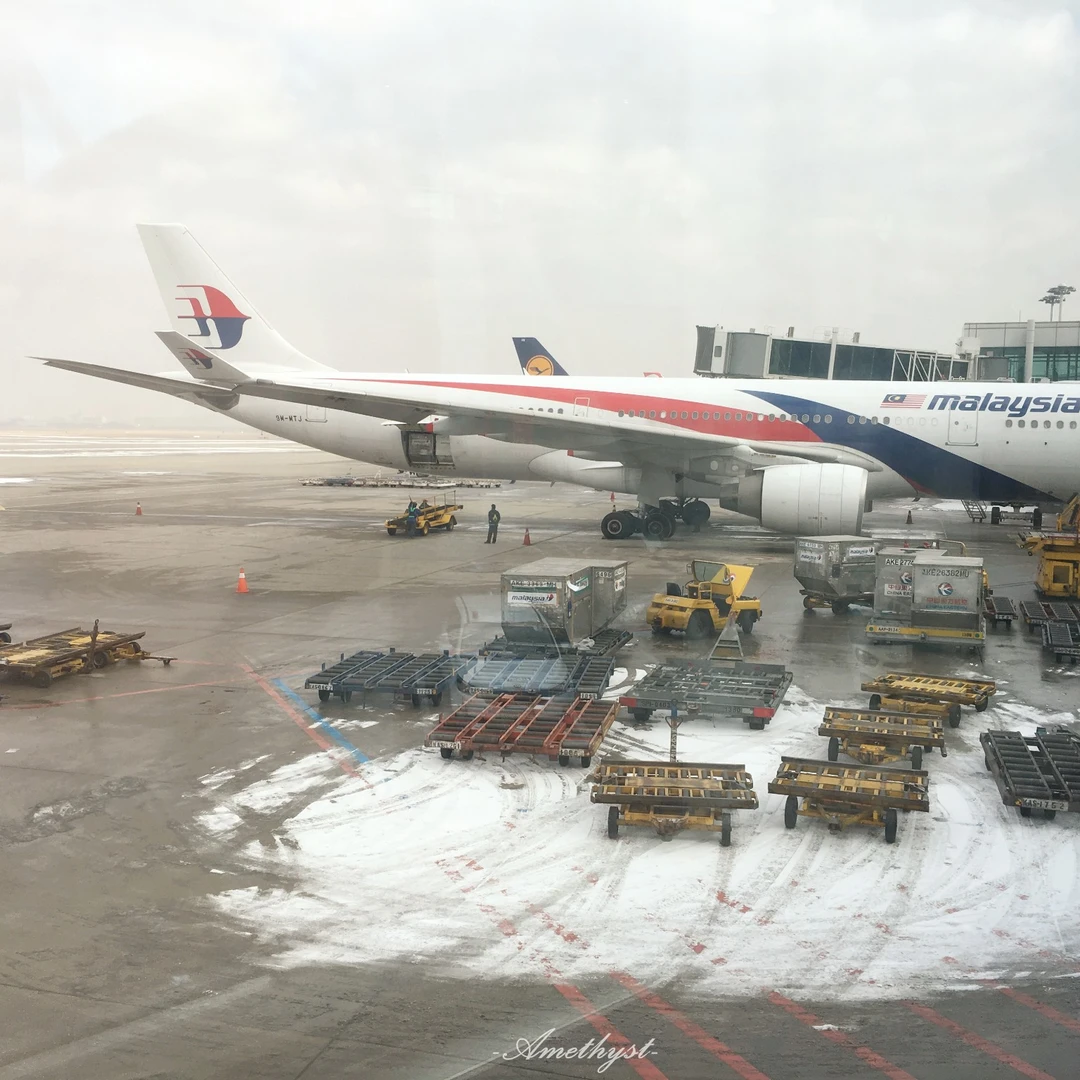
The moment the plane touched down at Incheon Airport, surrounded by a sea of Hangul and unfamiliar sounds, a strange thrill washed over me. In the airport restroom, I spotted several Korean girls meticulously touching up their makeup—clearly, the obsession with beauty you see in K-dramas and variety shows is no exaggeration in real life.
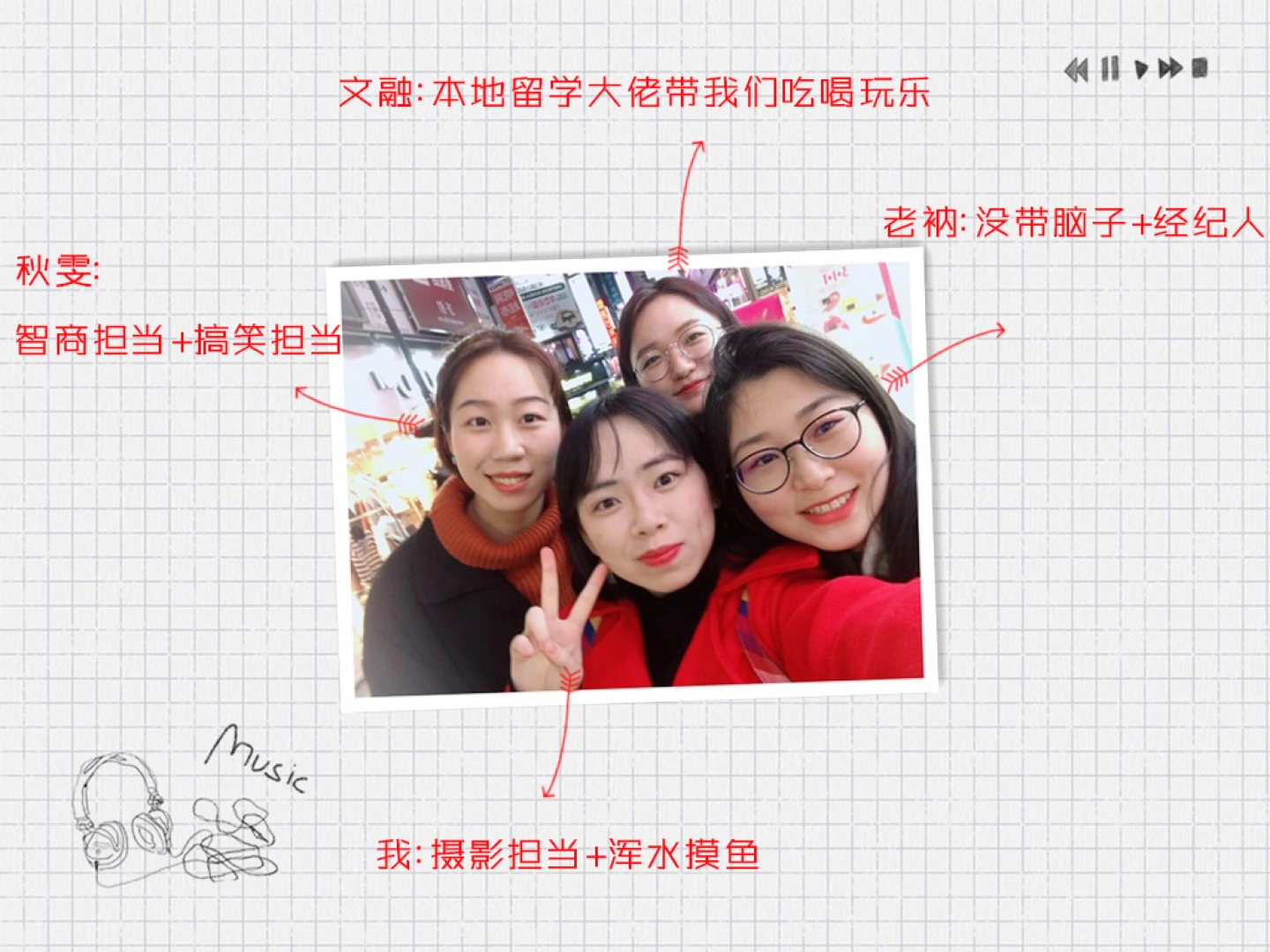
We stayed near Gongdeok Station, a major transfer hub with easy access to the airport. Our friend Mun-rong, who was studying abroad in Seoul, came to pick us up. With her around, we barely had to think for ourselves.
Our first dinner after dropping off our luggage was at a random pig trotter shop downstairs. That meal completely shattered my understanding of "just grabbing a bite." 麻辣猪蹄 (spicy pig trotters) —remember that name. Every bite was perfectly seasoned, with just the right kick of heat. Wrapped in lettuce leaves and paired with unlimited refills of sweet-and-sour white radish, it was pure perfection. I've never found white radish that good back home, and I regret not smuggling a few jars in my suitcase.
[Link: Best Korean street food in Seoul]
Myeongdong Shopping Guide: How to Conquer a Shopper's Paradise
Myeongdong is Seoul's largest shopping district and a paradise for foodies. We happened to visit during the pre-Lunar New Year rush, when personal shoppers were in full frenzy mode. Lotte Duty Free was packed to the brim, with shoppers dragging empty suitcases to snatch up limited-edition items—you had to line up early in the morning just to get a chance.
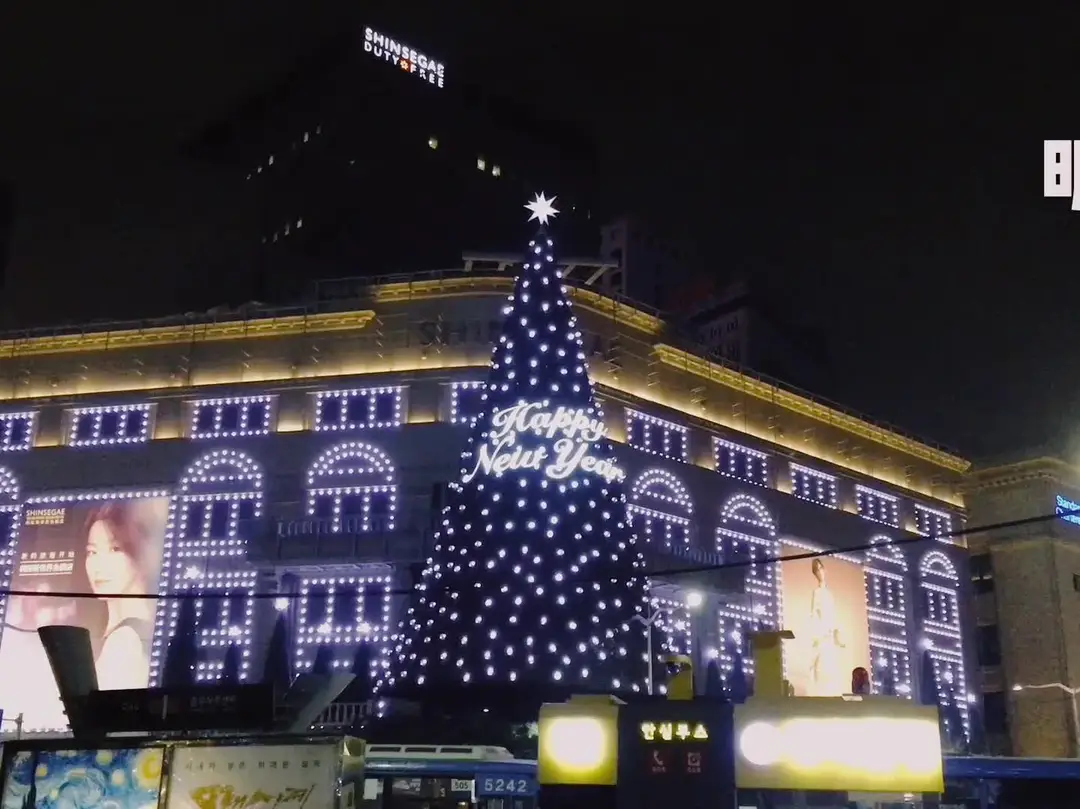
But Myeongdong's appeal goes far beyond shopping. As night fell and neon lights flickered on, every department store building lit up in dazzling colors. One snap was all it took for a stunning夜景 (nightscape) shot. Street stalls selling fish cake skewers steamed away on every corner, cheap and delicious, much like our own oden.
When our legs gave out, we ducked into a Snow Ice shop and ordered a strawberry matcha bingsu (shaved ice). Koreans eat shaved ice regardless of season or age—the place was packed with middle-aged customers, all happily digging in. That bowl cost about 70 yuan (roughly $10 USD) and was enough for four people to share—refreshing and satisfying.
The Kakao Friends store nearby is also worth a visit, bursting with adorable merchandise that'll make your inner fangirl squeal. Perfect for gifts.
[Link: Myeongdong food stalls guide]
Hongdae Nightlife: The Youthful Epicenter of Cool
Hongdae, short for Hongik University, is the domain of the young. The area is packed with non-designer clothing stores—affordable and decent quality, since many Taobao shops actually source their stock from Korea. We stumbled into an underground punk-hip hop clothing store with edgy vibes and couldn't resist taking a few street-style shots.

At the roadside stalls, fish cakes, tteokbokki (spicy rice cakes), sundae (blood sausage), and pork lungs—every single item was so good it made you want to cry, and ridiculously cheap. By night, Hongdae's red-and-blue lighting bathed the streets in a cinematic glow. Just wandering around felt romantic.
[Link: Hongdae shopping street tips]
Things to Do in Seoul: When Hanbok Meets Jimjilbang
Gyeongbokgung Palace Hanbok Rental: The Joy of Free Entry
The next morning, we grabbed breakfast at an ordinary restaurant downstairs—and once again, it was so good it made us emotional. Seafood noodles, gimbap (seaweed rice rolls), all for under 30 yuan per person, with unlimited pickled radish on the side.
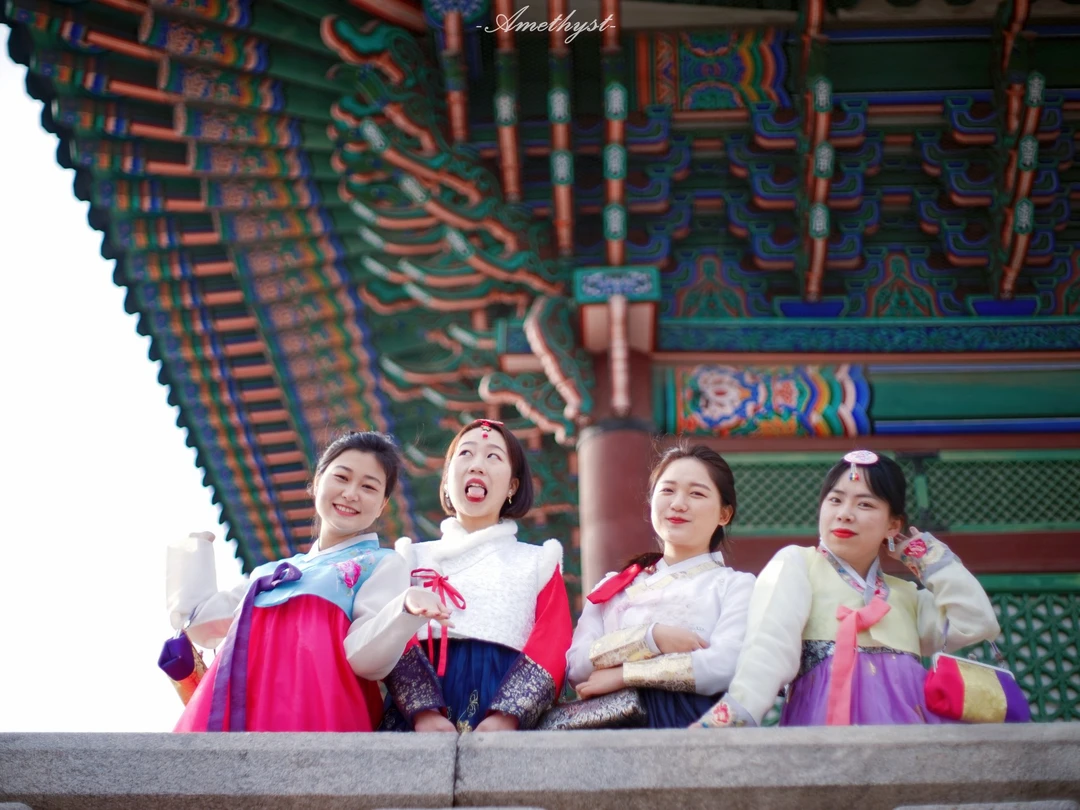
Gyeongbokgung Palace is the main royal palace of the Joseon Dynasty, with Gwanghwamun Gate at its southern entrance. It requires an admission fee—unless you're wearing a hanbok (traditional Korean costume), in which case you get in free. So we promptly headed to a hanbok rental shop nearby.
Trying on clothes took nearly an hour—a nightmare for anyone with decision paralysis, but I loved every single piece. The basic-style hanbok is elegant and understated, like what commoner girls would have worn in ancient times. Renting one for four hours costs about 90 yuan (roughly $13 USD). The ornate versions, with embroidery and better fabric—fit for a nobleman's daughter—go for about 150 yuan for four hours. Hair accessories are rented separately, ranging from 9 to 12 yuan, which is a steal.
Walking through Gyeongbokgung in hanbok felt completely natural. I couldn't bear to take it off that day, spending all my time posing for photos instead of actually exploring the palace halls—shallow, but joyful.
[Link: Best hanbok rental shops near Gyeongbokgung]
Bukchon Hanok Village: Ancient Charm Meets Trendy Eats
A seven- to eight-minute walk from Gyeongbokgung's east gate brought us to Bukchon Hanok Village. It's a sprawling area you can explore at leisure, with small shops selling clothes and souvenirs amid historic hanok houses full of character.
In winter, the roadside plants were covered with little "hats" to protect them from the cold—adorably cute.
When we got tired, we stopped at Star Tea Room Miss Lee (Samcheong branch). This place became famous after the "Sweet Potato Couple" from We Go Together (the Korean version of We Got Married) visited. Their specialty is bingsu and "memory lunchboxes"—so good that we endured the struggle of navigating the cramped shop in our enormous hanbok skirts just to eat there.
[Link: Samcheong-dong cafes and restaurants]
Yongsan Dragon Hill Spa: K-Variety Show Fun, Minus the Head Towels
That evening, we hit Yongsan Dragon Hill Spa, Seoul's largest jjimjilbang (Korean bathhouse and sauna complex), open 24/7 with an entry fee ranging from 60 to 90 yuan. Upon entering, each person gets a wristband for cashless payments. We followed the K-variety show routine to the letter—wrapping our heads in sheep horns and drinking sweet rice punch (sikhye). Turns out, actual Koreans don't do the sheep horn thing... Looks like the shows lied to us. But the steam bath itself was incredibly relaxing—we emerged feeling like new people.
[Link: Best jjimjilbang in Seoul]
Seoul Landmarks: From Namsan Tower to Itaewon
Andong Jjimdak: A Taste That Haunts My Dreams
On day three, Mun-rong took us to Hongdae for Andong jjimdak (braised chicken). Chicken, rice cakes, glass noodles, onions, and dumplings all stewed together in a rich, savory sauce—it was so good that even now, writing about it makes my mouth water.
N Seoul Tower Love Locks: Romance and First Snow
N Seoul Tower is the most iconic landmark in K-dramas and variety shows. We took the cable car up; unfortunately, it was a hazy day, turning what should have been a panoramic city view into a misty dreamscape. At the top, there's a bench dedicated to Do Min-joon from My Love from the Stars, and of course, the legendary love lock wall.
A lock from the nearby shop costs about 48 yuan (roughly $7 USD)—I'd recommend bringing your own. As we arrived, it started to snow lightly. We thought we'd miss the snow this trip, so we were absolutely thrilled.
[Link: N Seoul Tower cable car tips]
Itaewon International Dining: A Night of Global Flavors
Itaewon is a neighborhood with a large expat community, full of European-style restaurants and bars. We had dolsot bibimbap (stone pot mixed rice), jajangmyeon (black bean noodles), and sundubu jjigae (soft tofu stew)—all delicious. The Line Friends Store is nearby too, perfect for picking up small gifts.
[Link: Itaewon restaurant recommendations]
Seoul's Finale: Museums and Sky Park
National Museum of Korea: A Window into Korean History
On day four, we visited the National Museum of Korea, one of the largest museums in Asia. It's free to enter and houses over 220,000 artifacts spanning Korean history from prehistoric times to the Joseon Dynasty. Highlights include the Pensive Bodhisattva (a National Treasure) and the exquisite Goryeo celadon pottery. Allow at least 2-3 hours to explore the main galleries.
[Link: National Museum of Korea guided tours]
Busan Travel Guide: Coastal City with Soul
Note: While the original source focused primarily on Seoul, any complete Korea itinerary should include Busan—Korea's second-largest city and a coastal gem.
Busan offers a completely different vibe from Seoul. Here's what you shouldn't miss:
- Gamcheon Culture Village: Colorful hillside houses with murals and art installations
- Haeundae Beach: Korea's most famous beach, perfect for a seaside stroll
- Jagalchi Fish Market: Korea's largest seafood market, where you can eat freshly caught fish
- Busan Tower: Panoramic views of the city and harbor
[Link: Busan 2-day itinerary]
Geoje Island Travel: Korea's Hidden Island Paradise
Geoje Island is a hidden gem in the South Gyeongsang Province, accessible by bridge from Busan. It's known for:
- Oedo Botania: A stunning seaside botanical garden with Mediterranean-style landscaping
- Haegeumgang Island: Dramatic rock formations rising from the sea
- Geoje Sea World: Aquarium with dolphin shows and marine life exhibits
- Windy Hill: A scenic coastal road with wind turbines and ocean views
Geoje Island is ideal for a day trip from Busan or a relaxing 2-day escape from city life.
[Link: Geoje Island day trip from Busan]
Frequently Asked Questions About Traveling in Korea
Q1: How many days do I need for Seoul, Busan, and Geoje Island?
A minimum of 7-10 days is recommended: 4-5 days in Seoul, 2-3 days in Busan, and 1-2 days for Geoje Island. This allows you to experience each destination without rushing.
Q2: What's the best time to visit Korea for this itinerary?
Spring (April-May) and autumn (September-November) offer the most pleasant weather. Winter (December-February) is cold but less crowded, with the chance to see snow in Seoul.
Q3: How much does a trip to Korea cost per day?
Budget travelers can manage on $50-70 USD per day (including accommodation, food, and local transport). Mid-range travelers should budget $100-150 USD per day. Hanbok rental, jjimjilbang, and attraction fees are additional.
Q4: Is it easy to travel between Seoul, Busan, and Geoje Island?
Yes. The KTX high-speed train connects Seoul and Busan in about 2.5 hours. From Busan, you can take an intercity bus or drive to Geoje Island in about 1.5 hours.
Q5: Do I need to speak Korean to travel in Korea?
Basic English is understood in tourist areas, but learning a few Korean phrases (like annyeonghaseyo for hello and kamsahamnida for thank you) goes a long way. Download Google Translate or Papago for help.
Final Thoughts: Your Korea Adventure Awaits
From the neon-lit streets of Myeongdong to the ancient halls of Gyeongbokgung, from the love locks of N Seoul Tower to the coastal beauty of Busan and Geoje Island—Korea weaves a colorful dream through every street and shoreline. Whether you're a K-drama fan, a foodie, or simply someone seeking new experiences, South Korea offers an unforgettable journey.
Ready to start planning your Korea trip? Bookmark this guide, check the latest travel advisories, and don't forget to leave room in your suitcase for all the skincare and snacks you'll inevitably bring home. Korea will welcome you with open arms—and incredible food.
Have questions about planning your Seoul, Busan, or Geoje Island itinerary? Drop them in the comments below—I'd love to help you craft your perfect Korea adventure.
You may also like