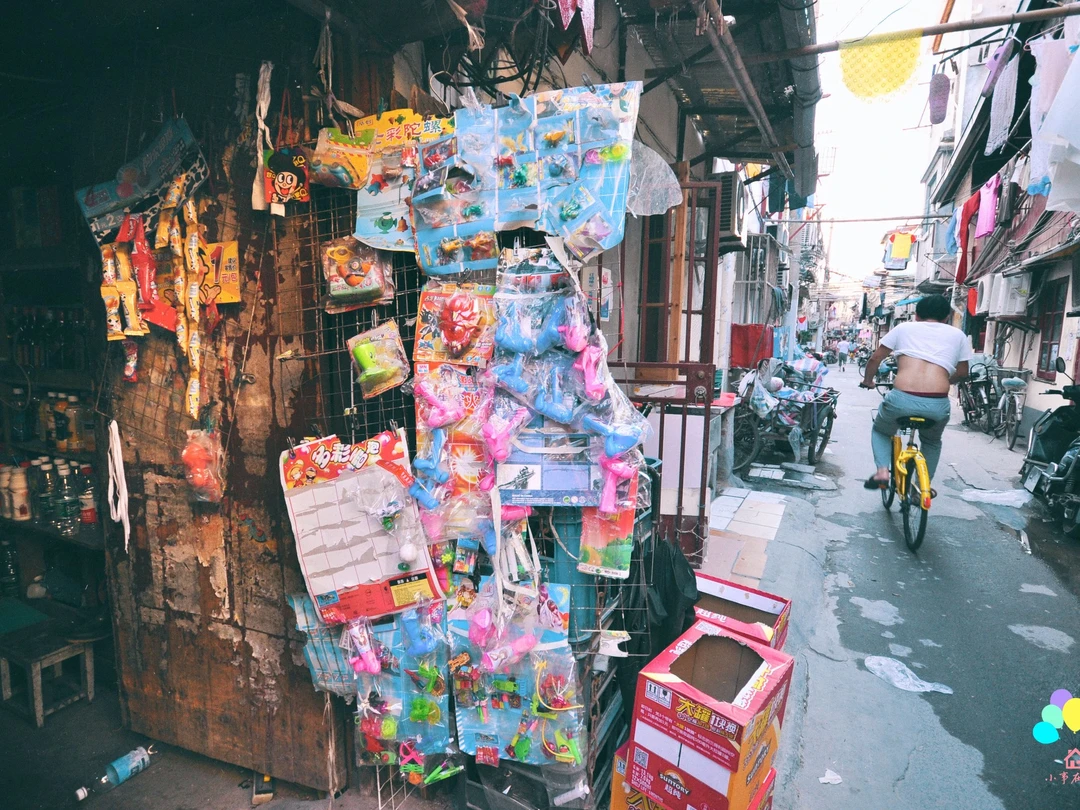
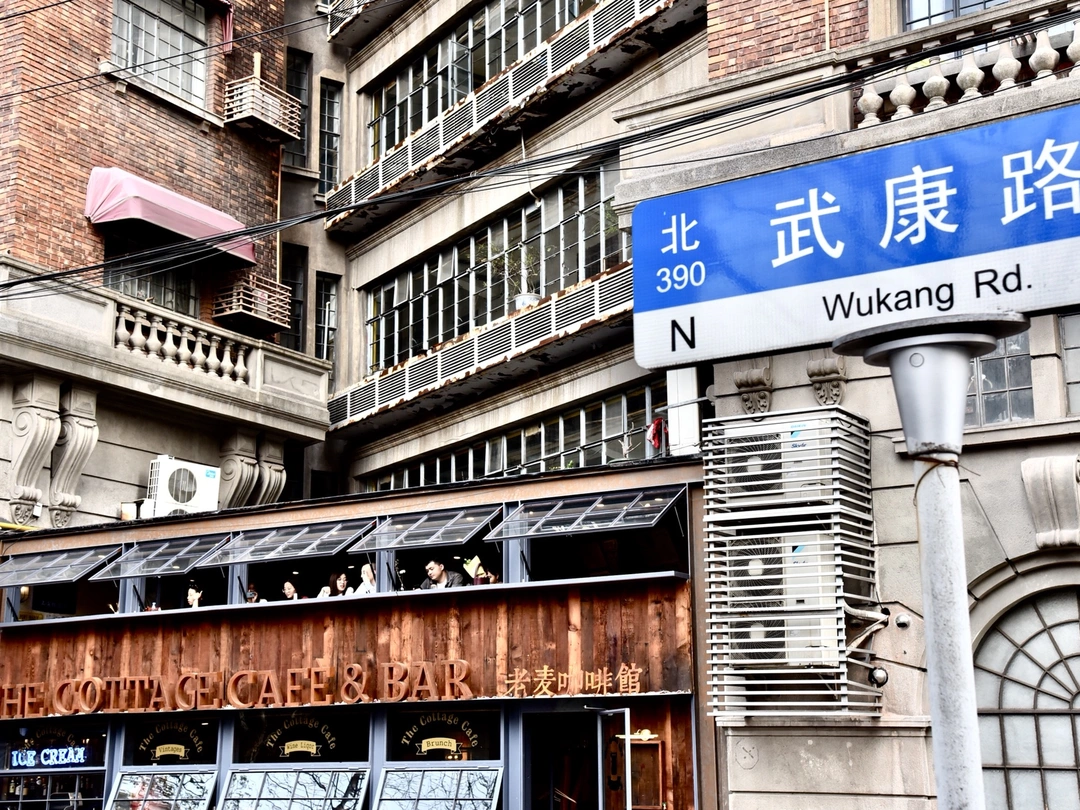
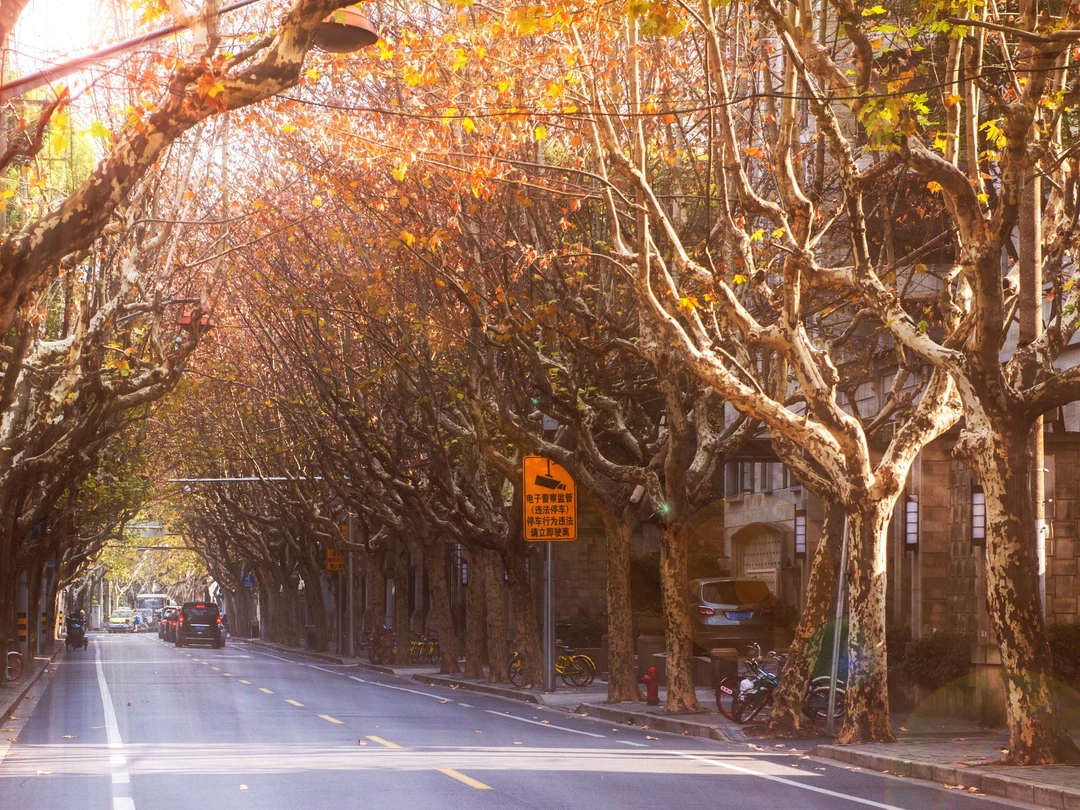
A Slow Journey Through Bashu: Discovering the Soul of Chengdu and Chongqing Through Street Life and Arts
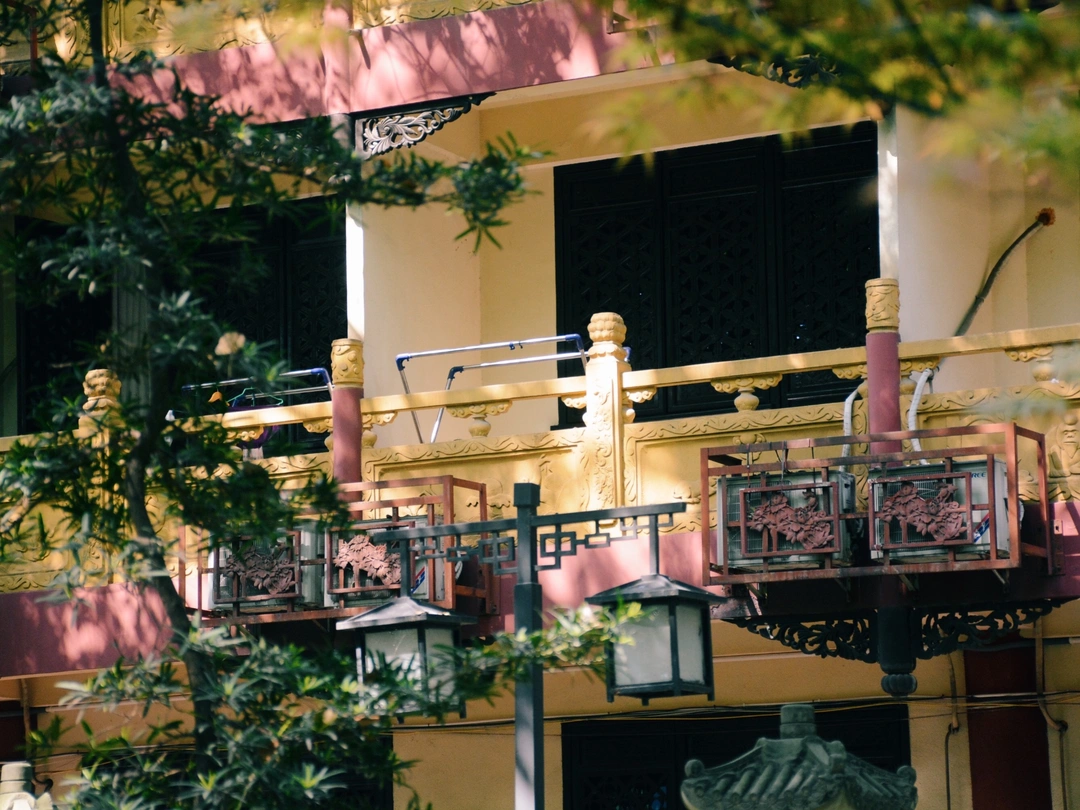
Meta Description: Explore the soul of Chengdu and Chongqing in this 9-day slow travel guide. From sizzling street food to hidden art spaces, discover the best of Bashu culture, cafés, and old neighborhoods.
Introduction: Why a Slow Journey Through Bashu?
When people think of Bashu—the ancient name for the Sichuan-Chongqing region—they imagine bubbling hotpot, fiery malatang, and the numbing spice of chuanchuan. But there's more to these twin cities than explosive flavors. Chengdu and Chongqing are like siblings with opposite personalities: one gentle and leisurely, the other fierce and three-dimensional. This slow journey through Bashu is your invitation to step beyond the tourist trail and uncover the authentic soul of these two iconic destinations.

Over nine days, we'll wander through old streets, sip tea in century-old teahouses, discover hidden art spaces, and live like locals. Whether you're a first-time visitor or a seasoned traveler, this guide will help you experience the best of Chengdu and Chongqing—from the sizzle of street life to the quiet charm of the arts.
Trip Overview: From Mountain City to Brocade City
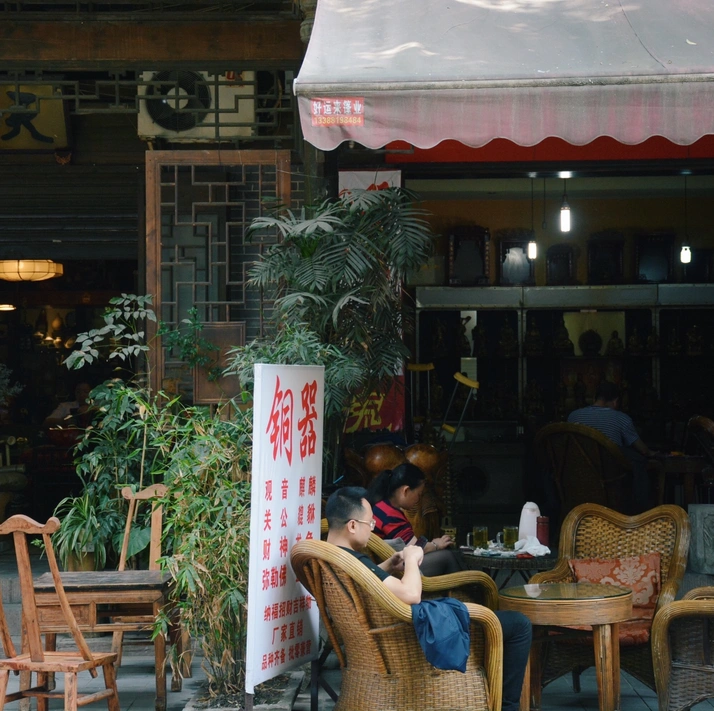
Chongqing Itinerary (4 Days)
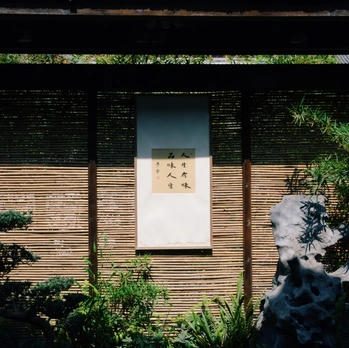
- Day 1: Xiahao Old Street → Hongya Cave → Qiansimen Bridge → Yangtze River Cableway
- Day 2: Eling No. 2 Factory → Nanshan Café Hopping → Luo Zhongli Art Museum → Evening high-speed train to Chengdu
Chengdu Itinerary (5 Days)
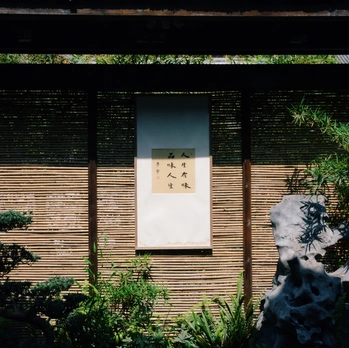
- Day 3: Chunxi Road → Wenshu Monastery → Beishuyuan Street
- Day 4: People's Park Heming Tea House → Xiao Jia He Neighborhood → Street wandering
- Day 5: Chongde Lane → U37 Creative Warehouse → Lingkuo East Road (under demolition)
- Day 6: Three-café crawl → White Night Bar
- Day 7: Return to Chongqing North Station → Final hotpot feast
[Link: Best time to visit Chengdu and Chongqing]
Living Like an Old Chengdu Local: Turning Daily Life into Poetry
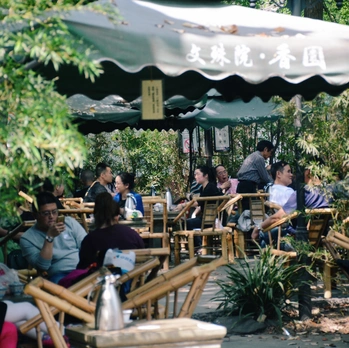
The Lost Art of Leisure
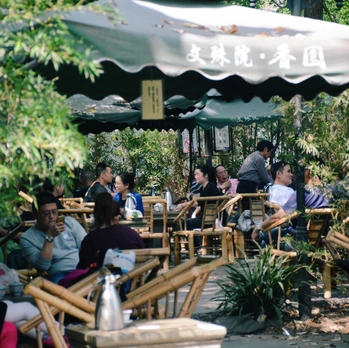
Born in a small coastal town in the 1990s, I remember summers filled with jasmine blooms, adults chatting under palm-leaf fans, and children chasing moonlight. Those scenes are rare today—high-rises have replaced courtyards, air conditioners have replaced shade trees. But in Chengdu's alleys, time moves slower.
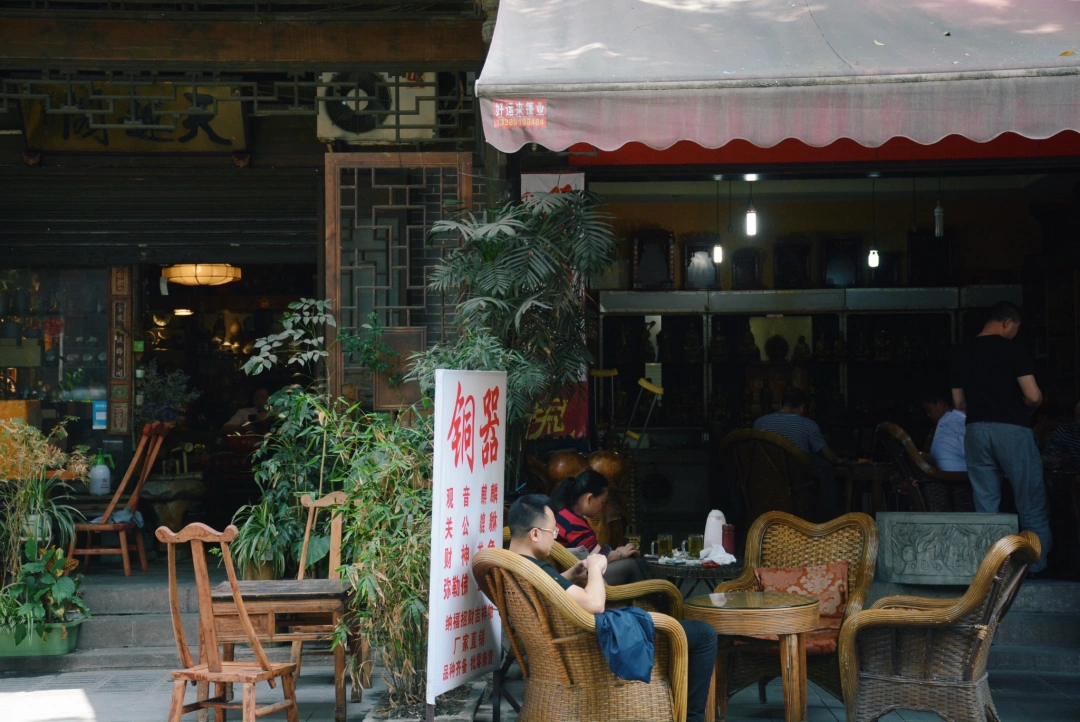
In April, the air carries a faint scent of lilac. At street corners, tricycles overflow with fresh flowers. In parks and teahouses, the buzz of conversation and the clatter of mahjong tiles create a symphony of everyday life. Elderly people play cards under trees, their expressions focused yet relaxed. You can't help but wonder: How can these people be so "idle"? The answer is simple—they've mastered the art of finding joy in being present.
Wenshu Monastery: A Dwelling in the Human World
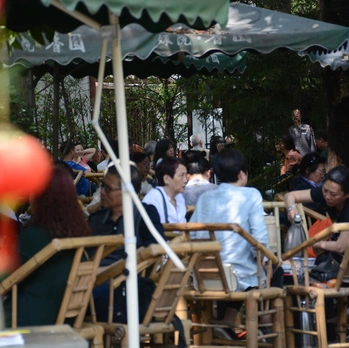
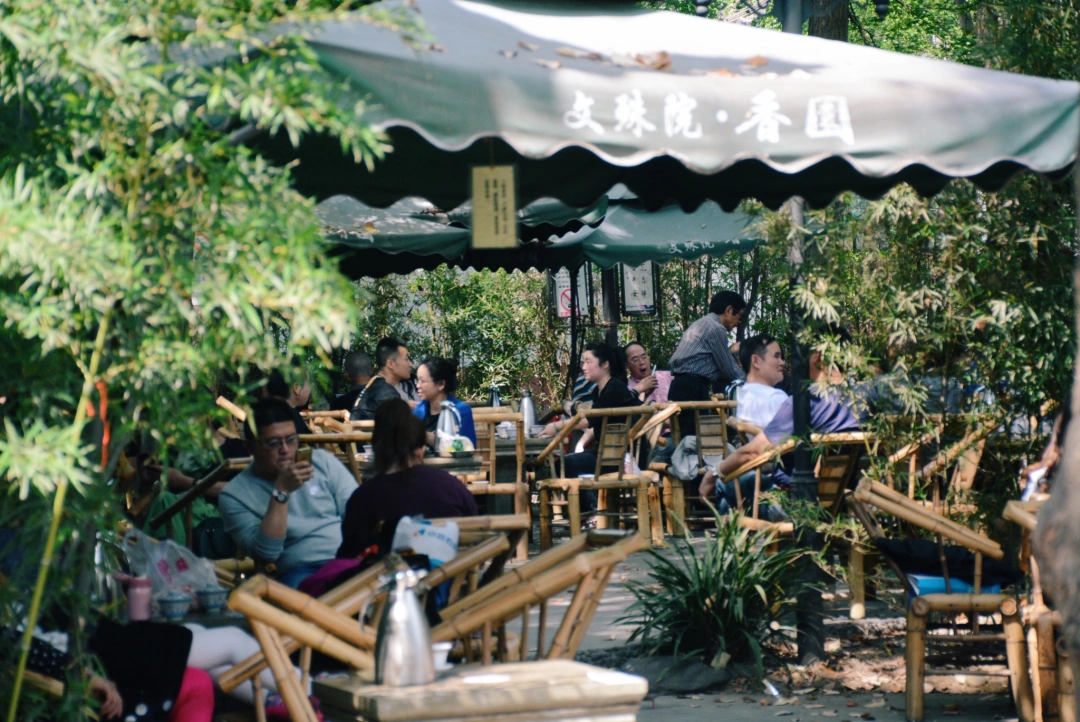
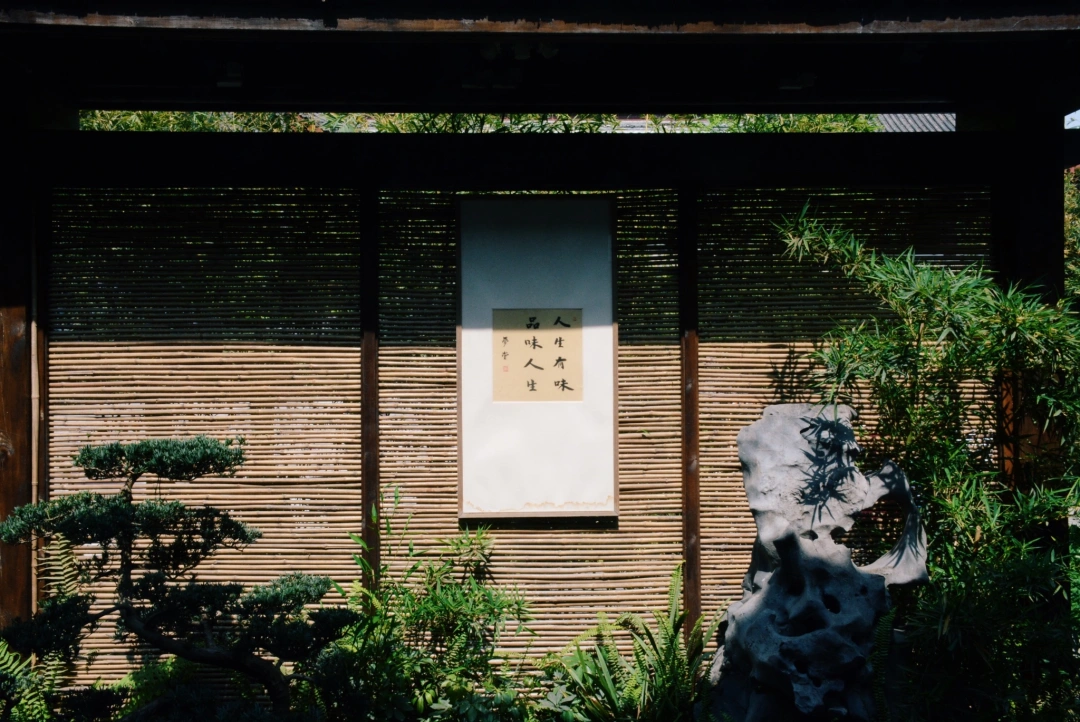
The Fragrant Garden (Xiangyuan) at Wenshu Monastery is a must-visit. Push open the door, and you're greeted by chanting, birdsong, and the clink of teacups—all weaving into a strange, beautiful harmony. The light is most magical around 3–4 PM, when the slanting sun filters through ancient trees onto blue-stone paths. The teahouse buzzes with life, yet inside the temple grounds, there's deep stillness. It's a place that embodies the old line: "I build my hut among the human world, yet hear no clamor of horse and cart."
People's Park: The Most Chengdu Landmark of All
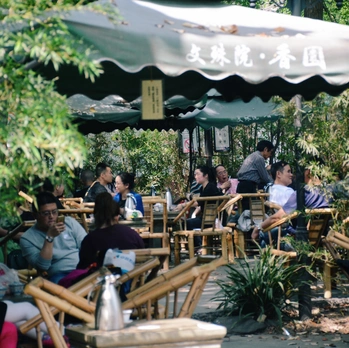
If one place embodies Chengdu's soul, it's People's Park. The Heming Tea House (Crane Calling Teahouse) sits under trees by the lake. Order a cup of gaiwan cha (covered-bowl tea), pick up a few snacks, and have your ears cleaned. Squint at sunlight dancing on the water—time seems to stretch. This is the real charm of everyday life in Chengdu.
[Link: Top 10 things to do in People's Park]
The Old Streets That Are Disappearing
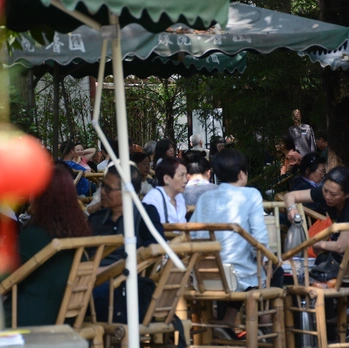
Not everything beautiful lasts forever. Chongqing's Eighteen Stairs (Shibati) and Xiahao Old Street, Chengdu's Lingkuo East Road and Beishuyuan Street—these most original residential areas are either being demolished or waiting for it. The renovated Hongya Cave is dazzling, but the chaotic shops and blaring music are a far cry from old Chongqing's atmosphere.
Recommended old lanes to explore: - Chengdu: Daosangshu Street, Xiao Jia He riverside - Chongqing: Start from Tongyuan Gate, pass through the old city gate, follow Gulou Lane to Jiaochangkou, all the way to the old Eighteen Stairs. Also, the Transportation Teahouse (Jiaotong Chaguan) in Huangjiawan—though it's been around for decades, it now feels a bit staged. When the weather's good, wander into random alleys instead.
The Artsy Wind: Surprises Hidden in Corners
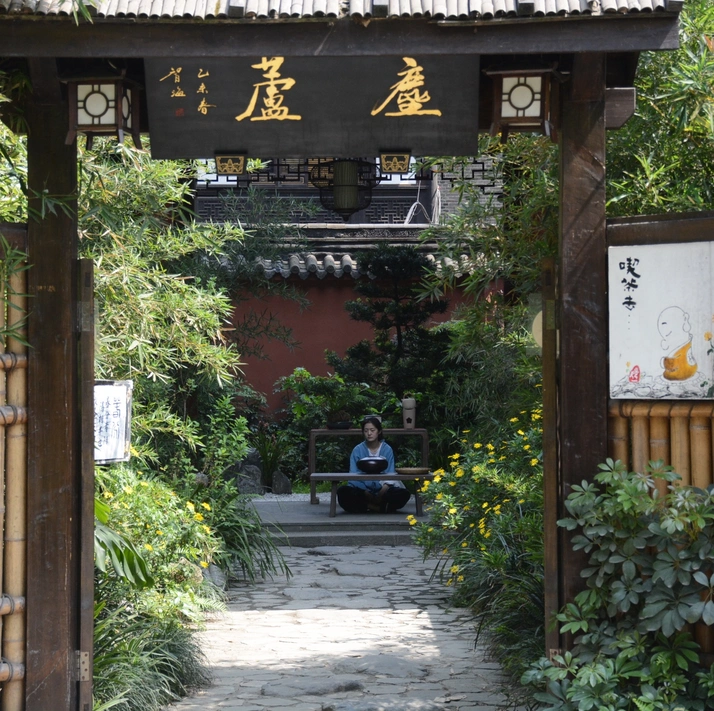
Chengdu's Artistic Vibe Beyond Kuanzhai Alley
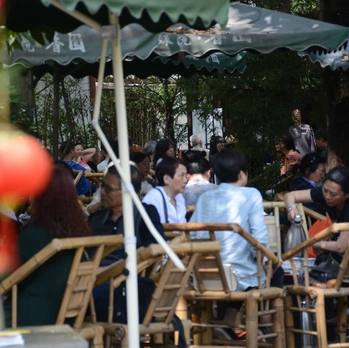
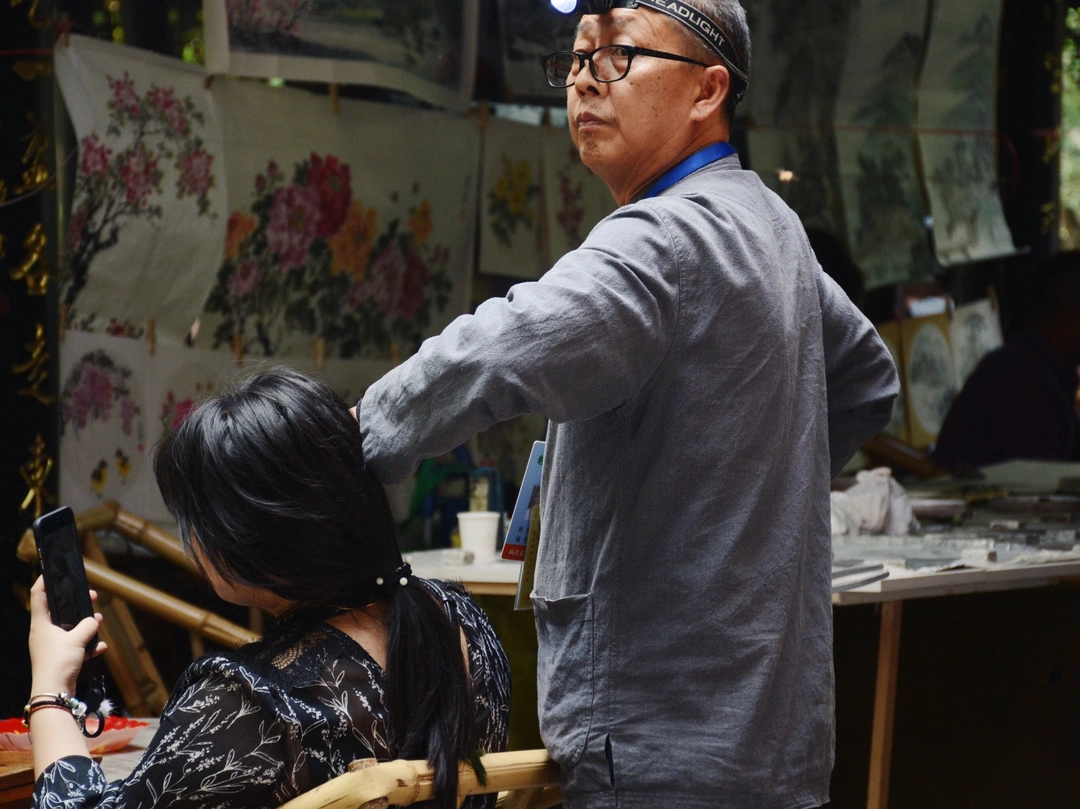
Chengdu's artistic scene isn't just in Kuanzhai Alley and Jinli. The real treasures are vintage shops tucked away on upper floors of residential buildings, independent cafés on neighborhood streets, and rustic teahouses hidden in the bustle of the city. They don't show off—they just quietly blend into Chengdu's laid-back life.
The Warmth of Coffee and Bread
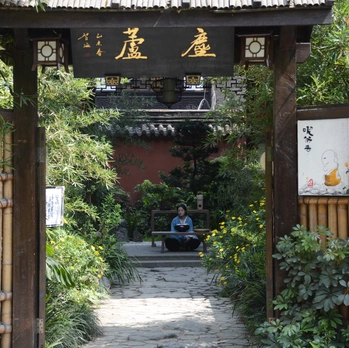
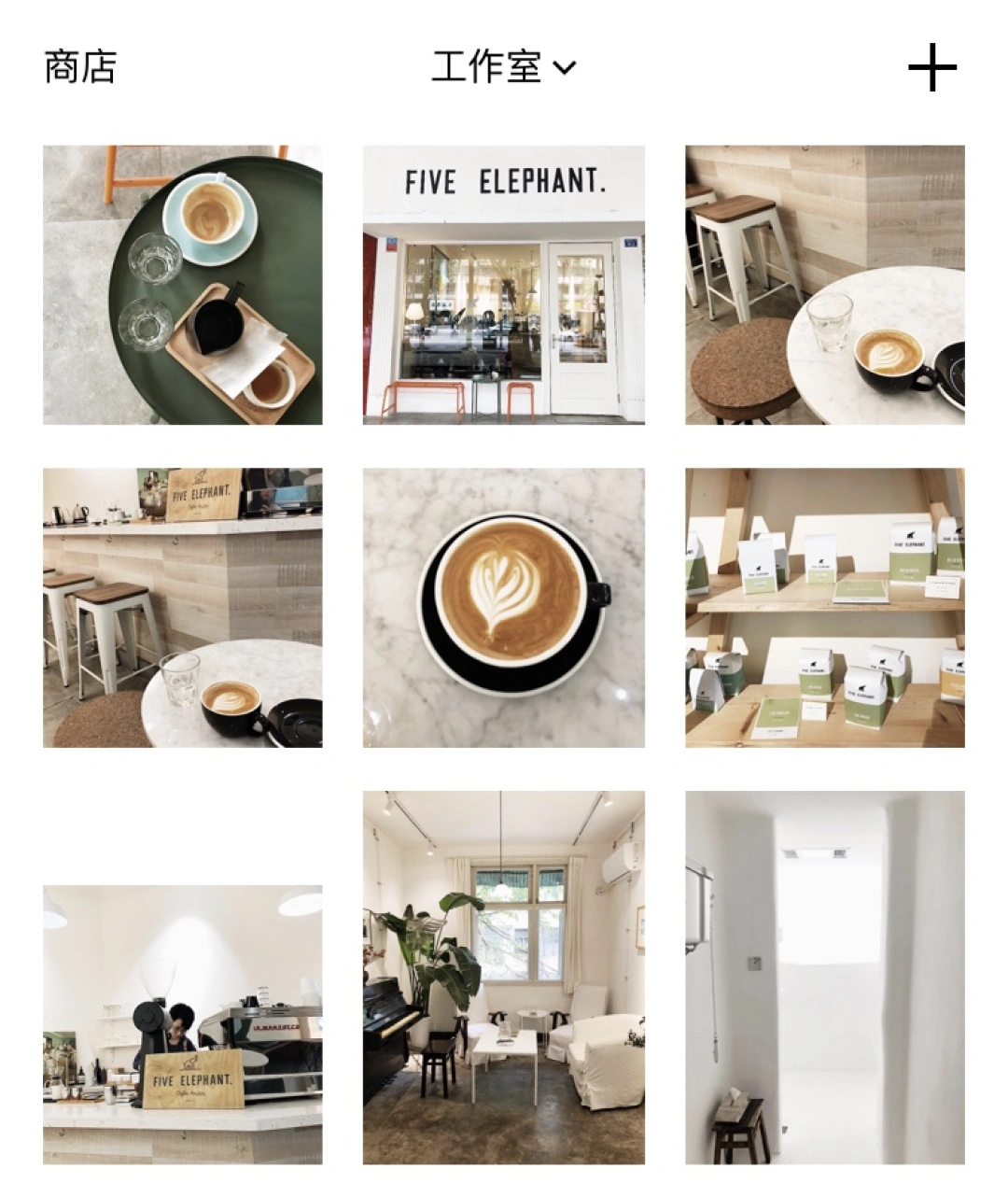
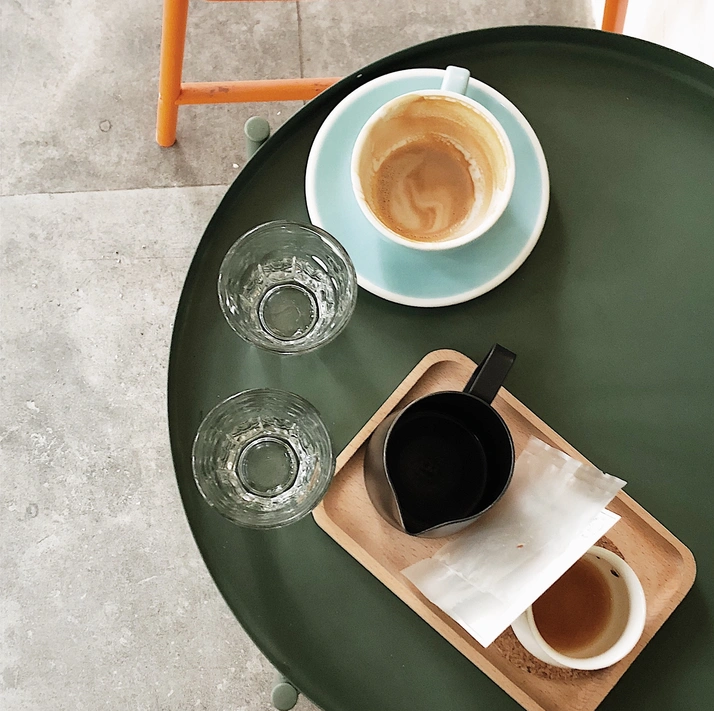
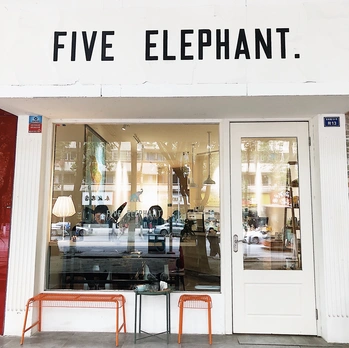
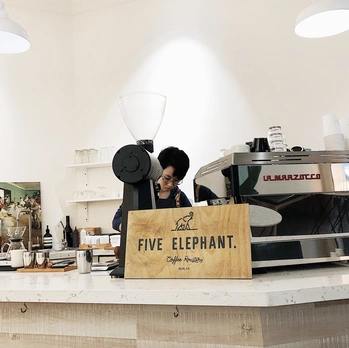
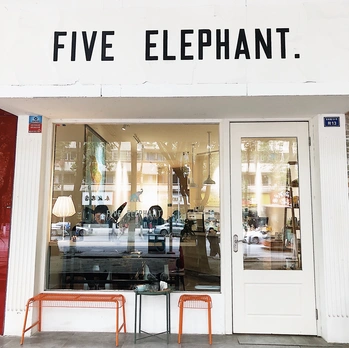
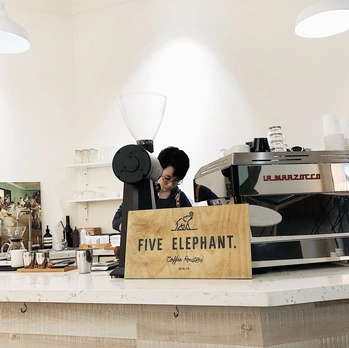
- Five Elephant: Overheard two baristas seriously discussing flavor profiles. This German coffee chain has only one branch in all of China, and the quality doesn't waver.
- The Sense: The croissant isn't known for flakiness, but the matcha lava inside is stunning. The owner wanted to create a small, cozy community café like Japan's % Arabica—it doesn't need to be big, but it has to be warm.
One Mountain Miscellany: Sentiment Speaks for Itself
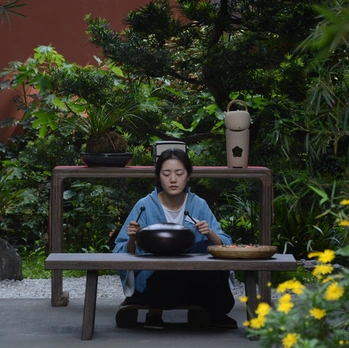
One Mountain Miscellany (Yishan Zawu) perches on the top floor of a residential building, lounging as if too lazy to move. But when you step onto the terrace and see the carefully collected vintage objects, you understand how special it is. It never advertises its sentimentality—because it is sentiment itself.
Also worth a visit: Fangsuo Bookstore and the now-closed Page One on Hongxing Road. These bookshops work hard at doing what they do best, without relying on gimmicks.
[Link: Best independent bookstores in Chengdu]
Chongqing's Three-Dimensional Art Scene
Chongqing is a city in three dimensions. Several rivers meet here, the queue for the Yangtze River Cableway is endless, buildings soar into the clouds, and streets stack on top of each other. The humid basin climate makes greenery grow wild, and locals love to keep plants and flowers.
- Nanshan: Called the "Lungs of Chongqing," it's perfect for café hopping with stunning views.
- Eling No. 2 Factory: A true surprise—many restaurants and bookstores have glass-walled rooms with window views so bright and beautiful you won't want to leave.
Staying in Bashu: Living Like a Local
The charm of guesthouses is that they let you truly settle into a neighborhood. Although service and cleanliness can sometimes be hit-or-miss, the feeling of "living in someone else's home" is something a hotel can't replace.
- In Chongqing: Stay at Houshe Boutique Guesthouse on Nanbin Road for an unbeatable view of the river from the window. (Be warned: it's a bit hard to find.)
- In Chengdu: Two guesthouses stood out—one was a designer apartment with a color scheme and furnishings that were exactly what I'd dreamed of.
[Link: Best boutique guesthouses in Chengdu and Chongqing]
FAQ: Your Slow Journey Through Bashu Questions Answered
1. What is the best time to visit Chengdu and Chongqing?
 The best times are spring (March–May) and autumn (September–November). The weather is mild, and you can enjoy outdoor activities without the summer heat or winter chill.
2. How many days do I need to explore both cities?
 A minimum of 7–9 days is ideal. Spend 4 days in Chongqing and 5 in Chengdu to experience the highlights without rushing.
3. What are the must-try foods in Bashu?
 Hotpot, chuanchuan (skewers), malatang (numbing-and-spicy soup), mapo tofu, dandan noodles, and long chao shou (Sichuan wontons). Don't miss the street food in old neighborhoods.
4. Is it easy to get between Chengdu and Chongqing?
 Yes! High-speed trains run frequently between the two cities, taking about 1.5 hours. It's the most convenient way to travel.
5. What are the best hidden gems in Chengdu and Chongqing?
In Chengdu, explore Daosangshu Street and Xiao Jia He riverside. In Chongqing, start from Tongyuan Gate and wander through Gulou Lane to Jiaochangkou. The Transportation Teahouse in Huangjiawan is also worth a visit.
Conclusion: Your Slow Journey Awaits
A slow journey through Bashu is more than a vacation—it's an invitation to reconnect with the art of living. From the sizzle of street food to the quiet elegance of hidden art spaces, Chengdu and Chongqing offer a soulful experience that lingers long after you've returned home.
Ready to plan your trip? Start by booking your high-speed train between the two cities, save this guide to your bookmarks, and pack your sense of wonder. The soul of Bashu is waiting for you.
[CTA: Book your Chengdu-Chongqing high-speed train tickets now] [CTA: Download our free Bashu travel checklist]
Note: This article is based on a personal slow travel diary from September 2023. Information about specific venues and their operating status may have changed. Always check current opening hours and availability before visiting.
You may also like