Seeking the Poetry of Jiangnan Along Shanghai's Metro Line 11: A Hidden Water Town Journey
Meta Description: Discover Shanghai's ancient soul beyond skyscrapers. Explore Yuan Dynasty temples, Ming gardens, and Song pagodas along Metro Line 11—a poetic Jiangnan journey through Zhenru, Nanxiang, and Jiading.
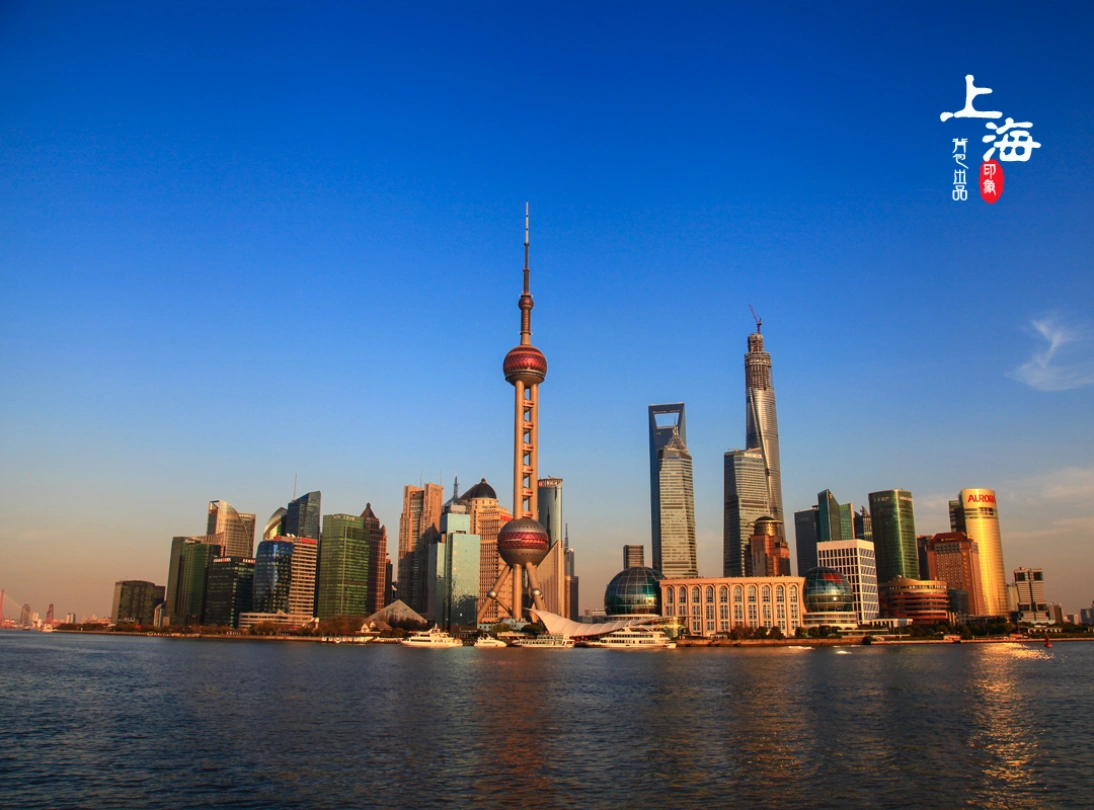
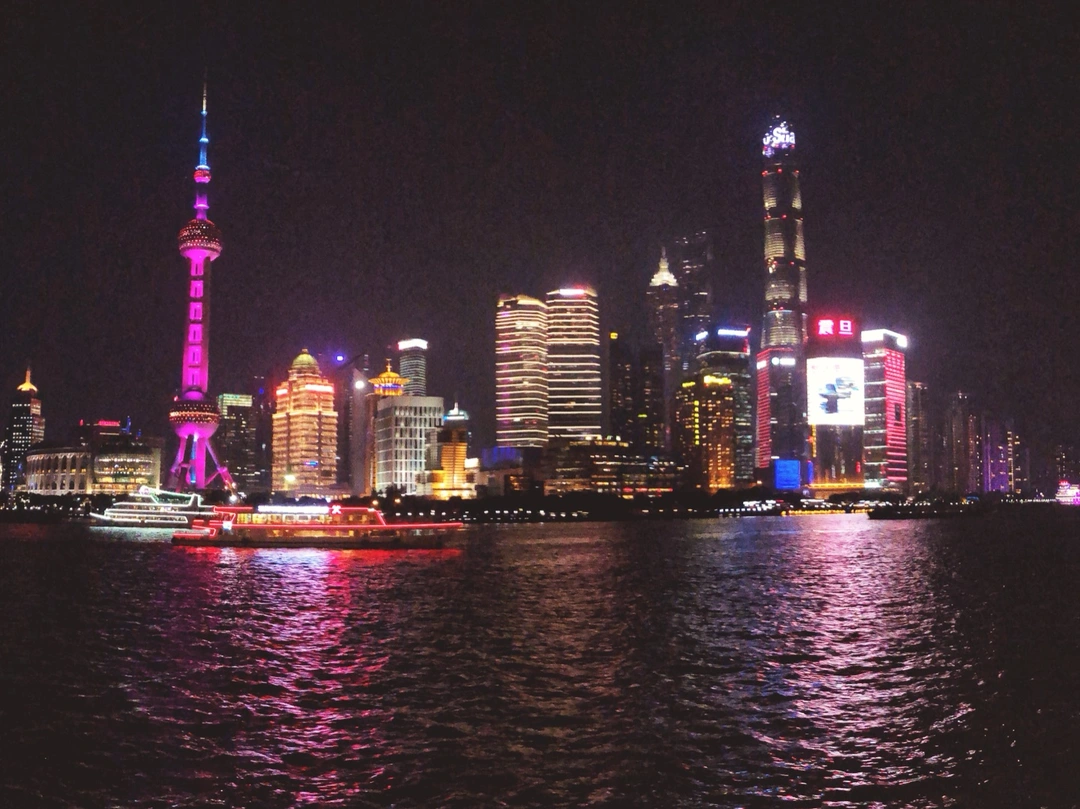
If you think Shanghai is only about the neon glow of the Bund, the skyscrapers of Lujiazui, and the crowds of Nanjing Road, you've missed the city's gentlest side. Hidden in the cracks of concrete and steel, at the end of the subway line's clamor, lie ancient Jiangnan dreams polished by time. This is the Shanghai that whispers of water towns, ancient temples, and centuries-old gardens—a side most tourists never see.
In the summer of 2018, I was traveling from Nantong to Jiaxing and decided to stop over in Shanghai for two days. Eight years earlier, I had just graduated from junior high and came with my family to see the World Expo. This time, I wanted to see a different Shanghai—not the modern, international one, but the ancient, quiet one, carrying the atmosphere of a water town. What I discovered was that Metro Line 11 is the perfect thread to weave through Shanghai's hidden Jiangnan treasures.
Why Metro Line 11 Is Your Gateway to Jiangnan
I opened a map and tried to connect the dots of the places I wanted to visit. As it turned out, Shanghai Metro Line 11 was like a silver thread, stringing together places like Zhenru, Nanxiang, and Jiading—names that already carried the flavor of Jiangnan. Low-carbon, energy-saving, with scenery all along the way, this route seemed tailor-made for me.

This journey to "seek Jiangnan" along Metro Line 11 became an exploration of Shanghai's ancient soul. Each stop revealed a different chapter of the city's rich history, from Yuan Dynasty architecture to Ming Dynasty gardens and Song Dynasty pagodas.
Zhenru: A Yuan Dynasty Gem in a Concrete Jungle
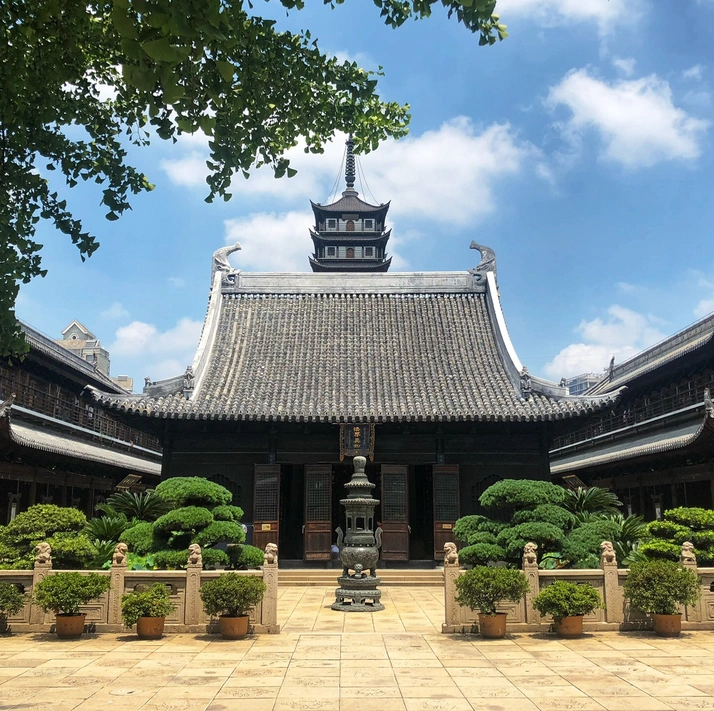
Starting from the city center, the first stop on Metro Line 11 is Zhenru. This area might look like any other Shanghai suburb at first glance, but hidden within it lies a true architectural treasure.
Zhenru Temple: Shanghai's Oldest Wooden Building
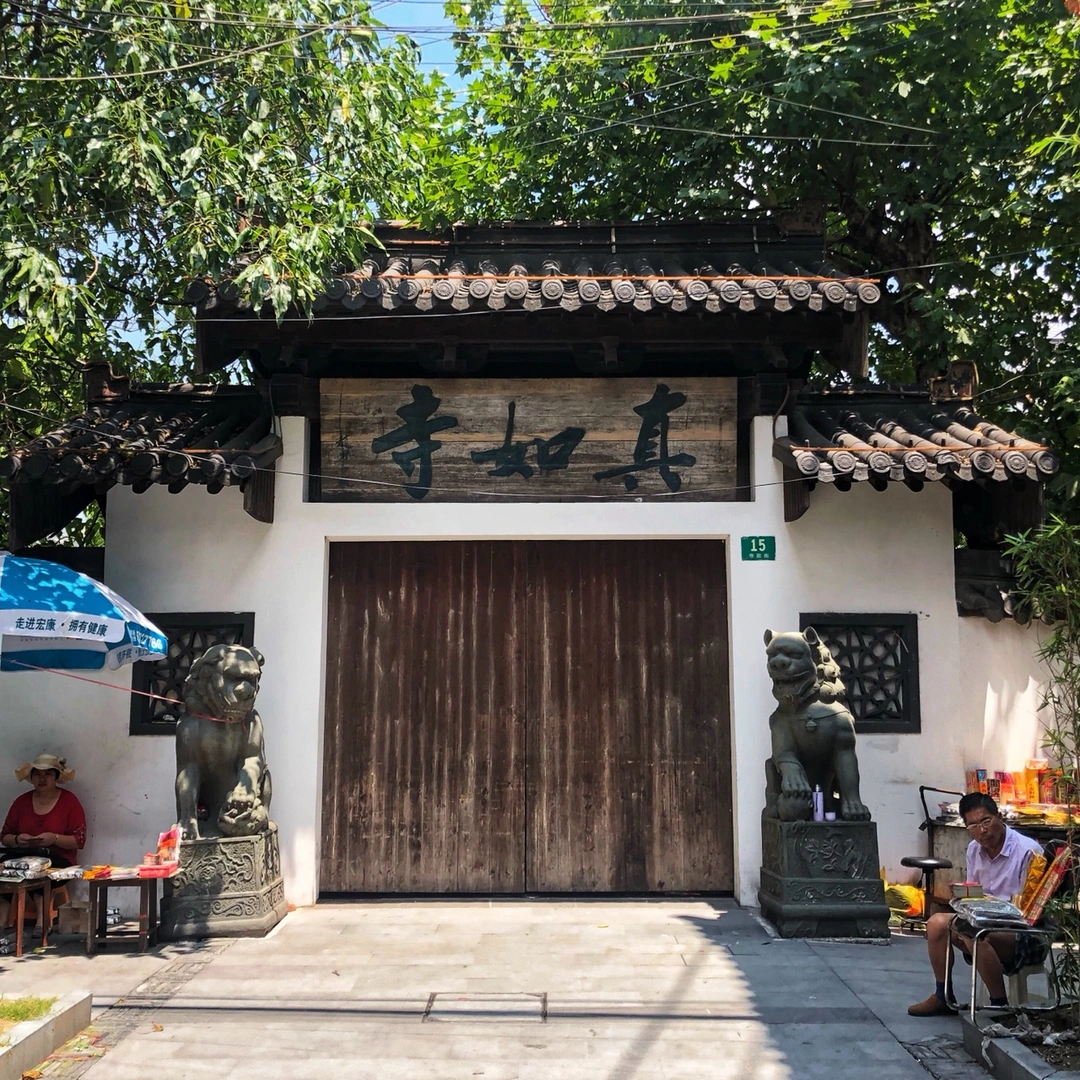
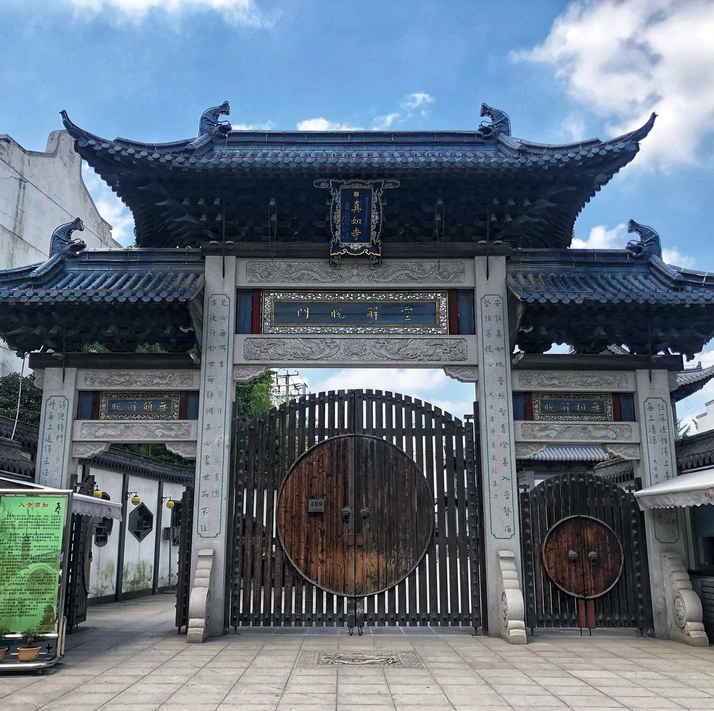
Zhenru Temple, also called Putuo Zhenru Temple, was originally named "Wanshou Temple" and built during the Song Dynasty. Locals simply call it "The Great Temple." Its true value lies in this: the Hall of Perfect Enlightenment (Yuantong Baodian) within the temple still preserves its Yuan Dynasty wooden structure, making it the oldest wooden building in Shanghai and a National Key Cultural Relic Protection Unit.
The name "Zhenru" (True Thusness) comes from the Buddhist scripture Cheng Weishi Lun: "Zhen means truth, revealing non-falsity; Ru means thusness, indicating constancy and non-change." It sounds like the name of a practitioner, untouched by worldly dust.
Following my navigation, I went to the wrong gate. The south gate wasn't open, so I circled around until I found the east gate. The entrance fee was only 10 yuan, a very reasonable price for such a historic site.
What to See Inside Zhenru Temple
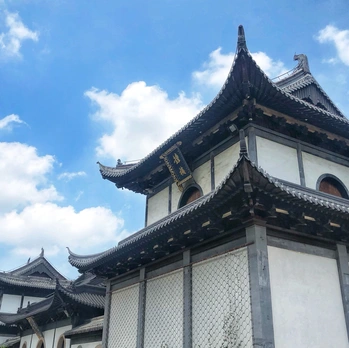
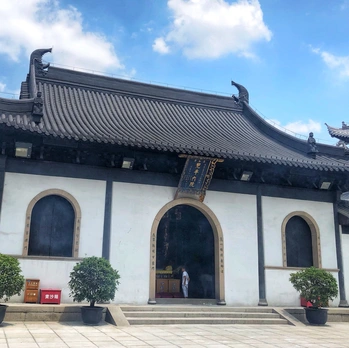
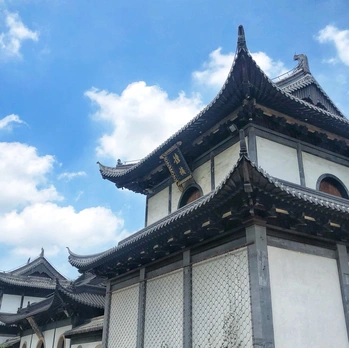
Stepping inside, my first impression was: clean. During the Taiping Rebellion in the late Qing Dynasty, most of Zhenru Temple's buildings were destroyed except for the main hall. When it was rebuilt later, instead of following the recent trend of the "Forbidden City style," they insisted on white walls and black tiles, simple and elegant. This was truly commendable.
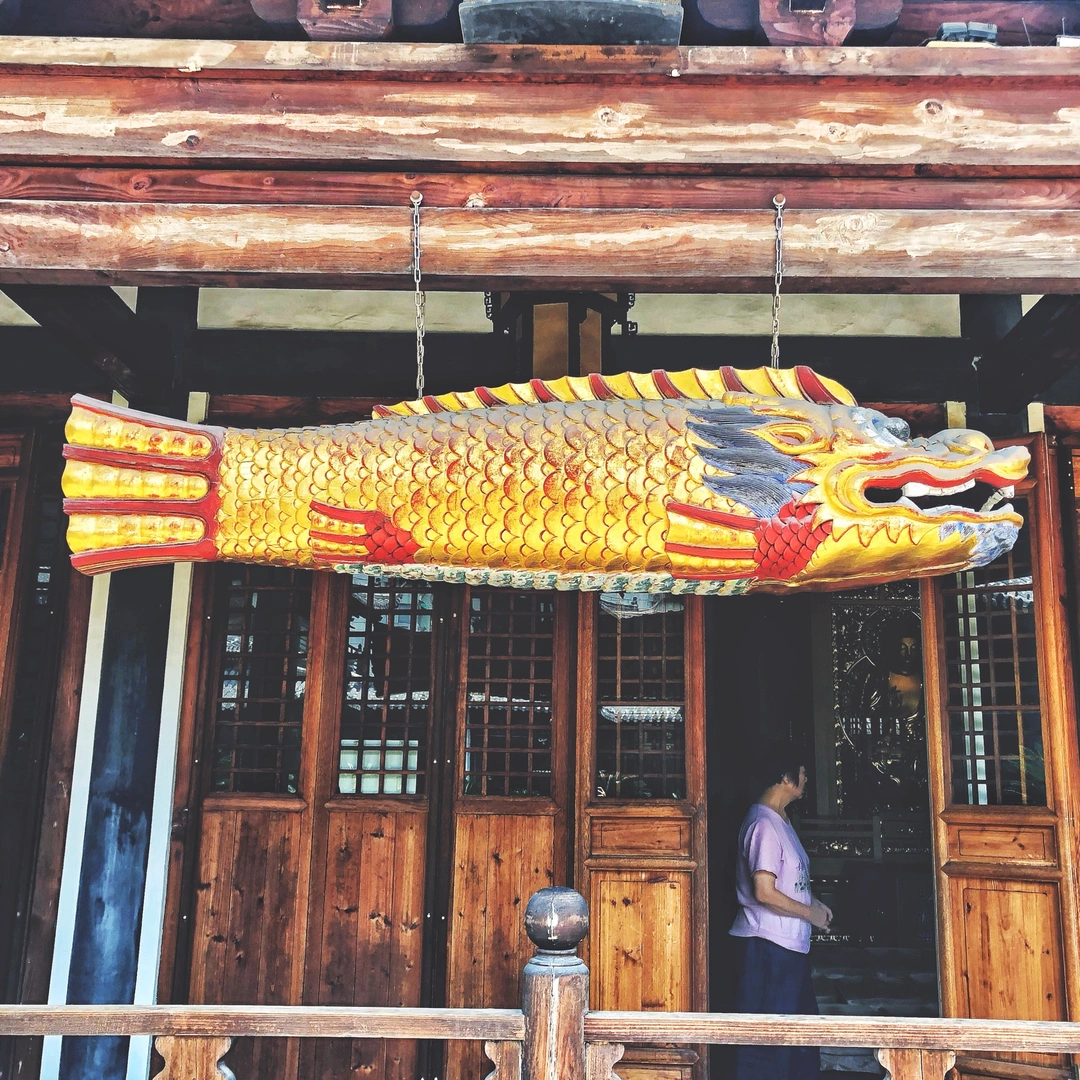
Inside the Hall of Perfect Enlightenment, everything was in natural wood tones, without excessive paintings or decorations. The temple lamps flickered dimly, sandalwood smoke curled upward, creating an air of mystery. The ridge of the roof was inscribed with the date of its last major renovation, like a medal of honor, recording the vicissitudes and perseverance of this ancient temple.
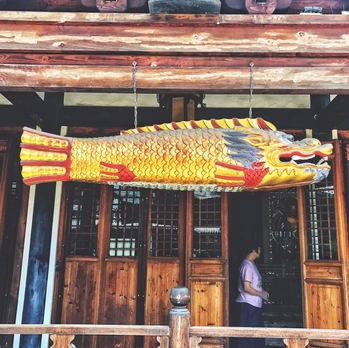
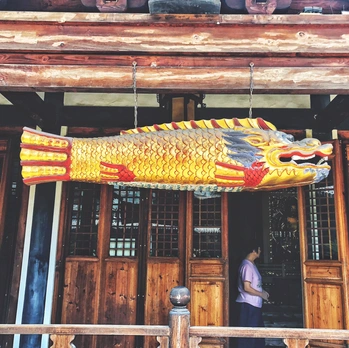
The temple also houses the Zhenru Pagoda and prayer wheels, with wind boards that carry the charm of the Tang and Song Dynasties. The other reconstructed buildings also maintain a consistent style with the Hall of Perfect Enlightenment, exquisitely ornate yet spiritually serene.
As I walked out of Zhenru Temple and looked back, this Yuan Dynasty gem hidden in the concrete jungle seemed to whisper: Shanghai is not just about skyscrapers.
[Link: Shanghai's Best Preserved Ancient Temples to Visit]
Nanxiang: The Warmth of Daily Life Around an Ancient Garden
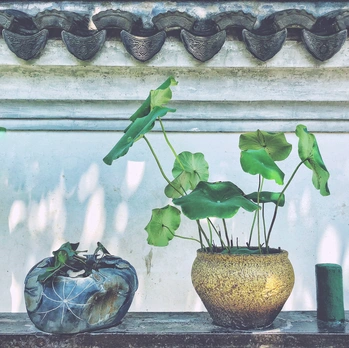
Continuing on the metro, I arrived at Nanxiang. After a ten-minute walk from the station, I reached Guyi Garden. The entrance fee was 12 yuan—another bargain for a classical garden experience.
Guyi Garden: One of Shanghai's Five Classical Gardens
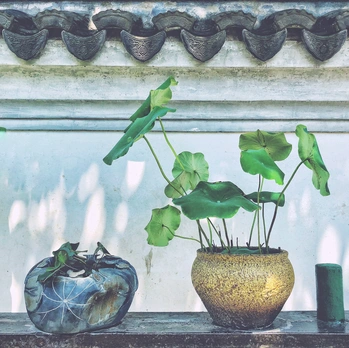
Before even entering the garden, I caught the aroma of meat—authentic Nanxiang soup dumplings (xiaolongbao) were right next to the park gate. Every shop claimed to be the most authentic, with prices around 30 yuan per basket, several times more expensive than elsewhere. I couldn't wait in line, so I settled for some pan-fried buns (shengjianbao) to tide me over.
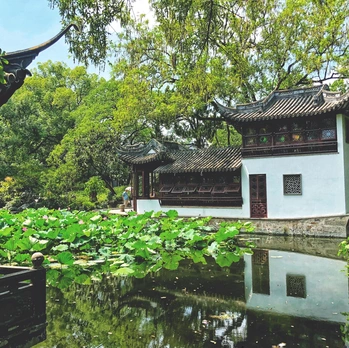
Guyi Garden is one of Shanghai's five classical gardens, first built during the Wanli reign of the Ming Dynasty. Its fate has been quite turbulent: it changed hands many times and was destroyed repeatedly—by the Taiping Rebellion, the Japanese invasion, and the Cultural Revolution—each time nearly razed to the ground. But like the ancient trees within it, it was reborn time and again.
In the height of summer, the lotus flowers in Guyi Garden were in full bloom. A pond full of lush green leaves and colorful pearls cooled the entire summer. Despite the high temperatures, quite a few visitors came to admire the view.
Garden Highlights You Can't Miss
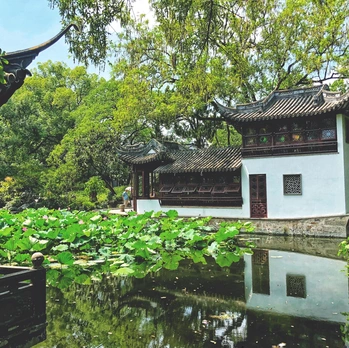
Pavilions, towers, bamboo paths—everywhere exuded an air of rustic elegance. The Ming Dynasty "Unmoored Boat" (Buxizhou) was a painted pleasure boat, offering shifting views as you moved, showcasing the ingenious design of the garden. Two Tang Dynasty stone sutra pillars and a Song Dynasty stone pagoda, originally housed in Yunxiang Temple, were later moved to Guyi Garden and became its treasures. The Buddha statues on the stone pagoda were smashed during the Cultural Revolution, a lamentable loss.
Guyi Garden is vast, divided into six scenic areas: Yiye Hall, Xi'e Pond, Songhe Garden, Qingqing Garden, Yuanyang Lake, and Nanxiang Wall, with two islands and six bridges connecting to the land. I only skimmed the surface, unable to see everything, but it was more than enough to satisfy me.
Nanxiang Ancient Town: Twin Pagodas Remain, Old Shops Have Changed
Leaving Guyi Garden, I headed to Nanxiang Ancient Town in search of the Twin Pagodas.
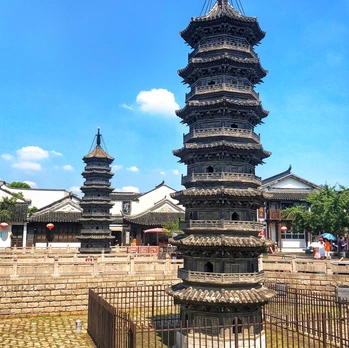
The Nanxiang Twin Pagodas stand on Nanxiang Town's main street and are the "oldest of the old" among Shanghai's ancient pagodas. Built between the Five Dynasties and the early Northern Song Dynasty, they were originally erected on either side of the main gate of Bainanxiang Temple. The temple was later destroyed, but the pagodas survived. Though small in stature, the pagodas are well-proportioned and fully equipped, octagonal with seven stories, making them rare treasures among China's brick pagodas.
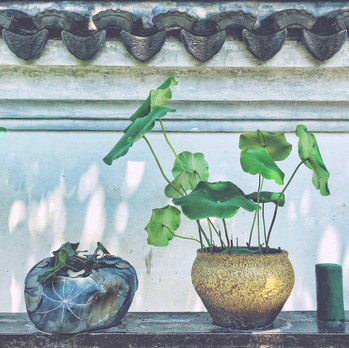
According to legend, during the Tianjian reign of the Southern Liang Dynasty, a farmer dug up a stone while working the land. Two white cranes often came to perch on it. A monk raised funds to build a temple. After the temple was completed, the cranes flew south and never returned, hence the name "Nanxiang Temple" (Southbound Cranes Temple), and the town took its name from it. During the Southern Song Dynasty, it was renamed "Yunxiang Temple."
Today, the Twin Pagodas are protected, with an ancient well and old ground paving beside them. But Nanxiang Ancient Town has become heavily commercialized. The streets are lined with the usual "specialty snacks," and apart from the Twin Pagodas, the other buildings have little character. A quick stroll was enough.
[Link: Best Water Towns Near Shanghai for a Day Trip]
Jiading: Finding Leisure in an Old Town
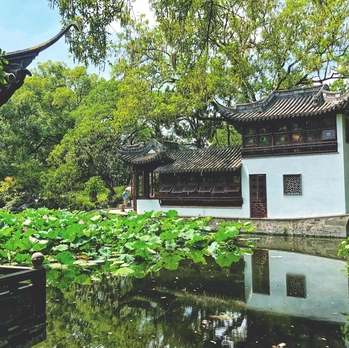
Still on Metro Line 11, the terminal was Jiading. After getting off, I scanned a shared bike and followed my navigation to the center of Zhouqiao Old Street—the Fahua Pagoda.
Fahua Pagoda: The Heart of Ancient Jiading
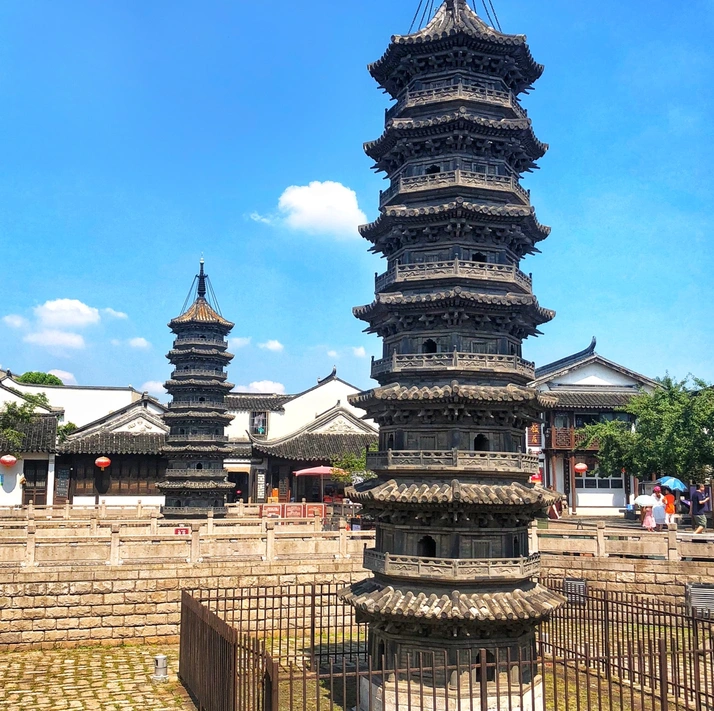
The Fahua Pagoda, also known as Jinsha Pagoda, was built during the Kaixi reign of the Southern Song Dynasty (1205–1207), when this area was still called "Lianqi Market." Ten years later, Jiading County was established. It underwent renovations during the Wanli reign of the Ming Dynasty, the Kangxi, Yongzheng, Qianlong, and Jiaqing reigns of the Qing Dynasty, and the Republican period.
In 1996, the underground palace of the Fahua Pagoda was excavated, revealing a batch of precious artifacts from the Song, Yuan, and Ming Dynasties, including Buddha statues, books, ancient coins, and jade objects.
The construction of ancient Jiading County centered around the Fahua Pagoda. It served both as a literary peak pagoda (wenfeng ta) and a religious pagoda (Buddhist stupa), and was once the tallest structure in the area. Today, it stands as a proud symbol of Jiading's rich cultural heritage.
Exploring Jiading Old Town
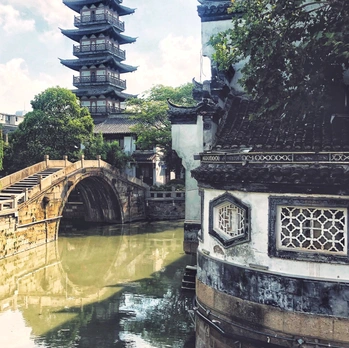
Jiading Old Town offers a more authentic experience than Nanxiang. The streets are less commercialized, and you can still find locals going about their daily lives. The Zhouqiao Old Street area preserves traditional architecture and offers a glimpse into what life was like in ancient Jiangnan.
The Jiading Confucian Temple is another must-visit site in the area. Built during the Song Dynasty, it is one of the best-preserved Confucian temples in Shanghai. The temple complex includes the Dacheng Hall, the Minglun Hall, and the Zunjing Pavilion, all showcasing traditional Chinese architectural beauty.
[Link: Complete Guide to Jiading District's Cultural Sites]
Practical Tips for Your Metro Line 11 Jiangnan Journey
Getting There and Getting Around
- Metro Line 11 connects all these sites seamlessly. Start from the city center and work your way outward.
- Each station is well-connected to the sites via walking or short bike rides.
- Consider getting a Shanghai Public Transportation Card for easy access.
Best Time to Visit
- Spring (March-May) and Autumn (September-November) offer the most pleasant weather.
- Summer visits can be hot but offer beautiful lotus blooms at Guyi Garden.
- Weekdays are less crowded than weekends.
Admission Fees
| Site | Entrance Fee | Opening Hours |
|---|---|---|
| Zhenru Temple | 10 yuan | 8:00-16:30 |
| Guyi Garden | 12 yuan | 7:00-17:00 |
| Fahua Pagoda | Free (exterior) | 24/7 |
Frequently Asked Questions
1. How long does it take to visit all these sites along Metro Line 11?
A full day trip covering Zhenru, Nanxiang, and Jiading is possible but rushed. I recommend two days: Day 1 for Zhenru and Nanxiang, Day 2 for Jiading Old Town and surrounding attractions.
2. Is Metro Line 11 easy to navigate for non-Chinese speakers?
Yes! Shanghai Metro has English signs and announcements at all stations. The Line 11 route is straightforward, and station names are clearly marked in English.
3. Are there good food options near these attractions?
Absolutely! Nanxiang is famous for its xiaolongbao (soup dumplings). Jiading offers local snacks like Jiading white garlic and traditional pastries. Zhenru has local eateries near the temple.
4. Can I combine this Metro Line 11 journey with other Shanghai attractions?
Yes! You can easily combine this with visits to Shanghai Disneyland (also on Line 11) or other city attractions. Consider spending a half-day at these historical sites and another half-day at modern attractions.
5. What should I bring for this trip?
- Comfortable walking shoes (you'll be walking a lot)
- Water bottle (especially in summer)
- Camera for capturing ancient architecture
- Cash (some smaller vendors don't accept cards)
- Sun protection (hat, sunscreen, umbrella)
[Link: Shanghai Metro Guide for Tourists]
Conclusion: Discover Shanghai's Hidden Soul
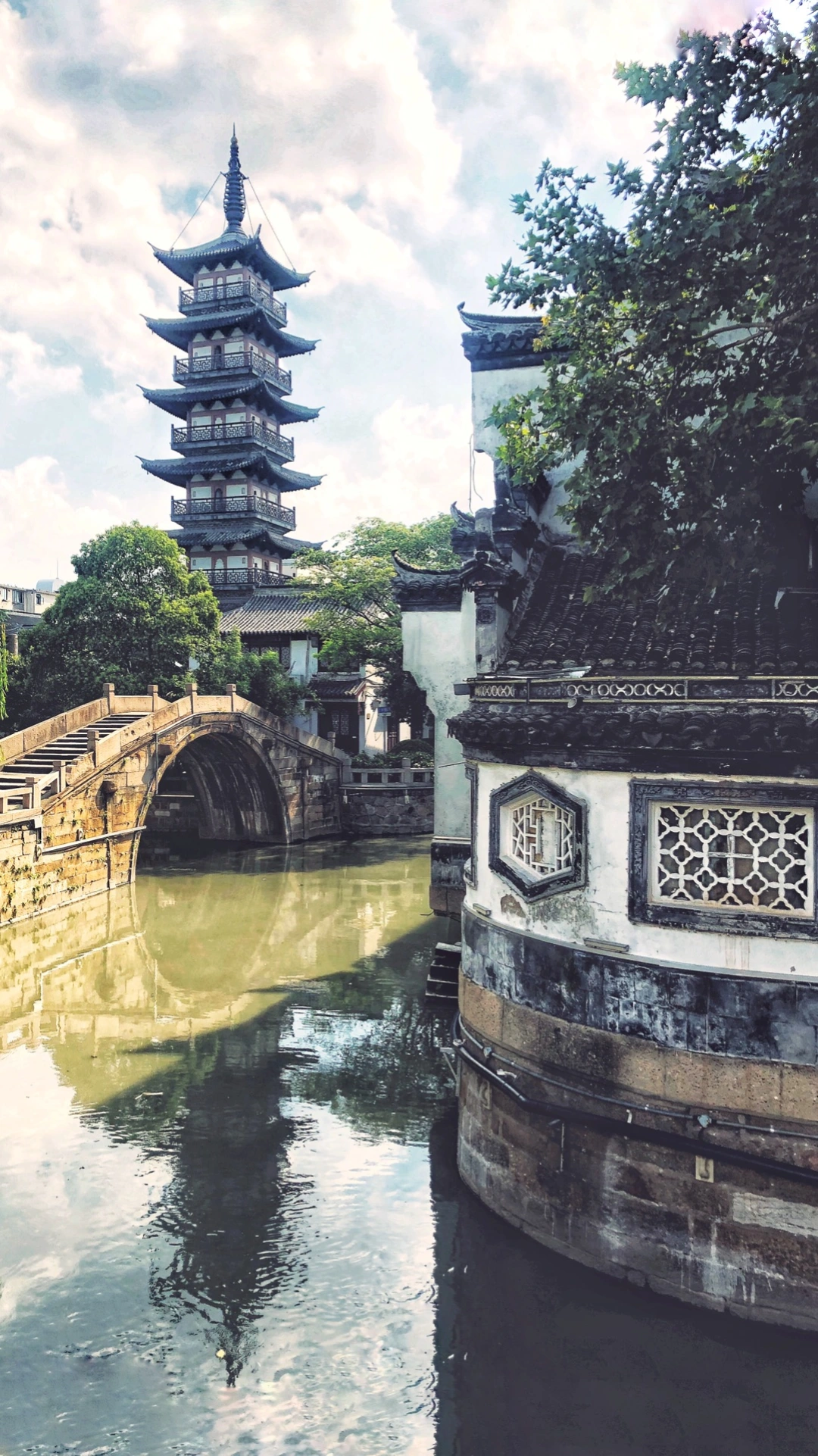
This journey along Shanghai Metro Line 11 revealed a side of the city that most visitors never experience. From the Yuan Dynasty wooden architecture of Zhenru Temple to the Ming Dynasty gardens of Nanxiang and the Song Dynasty pagodas of Jiading, each stop offered a glimpse into Shanghai's rich cultural heritage.
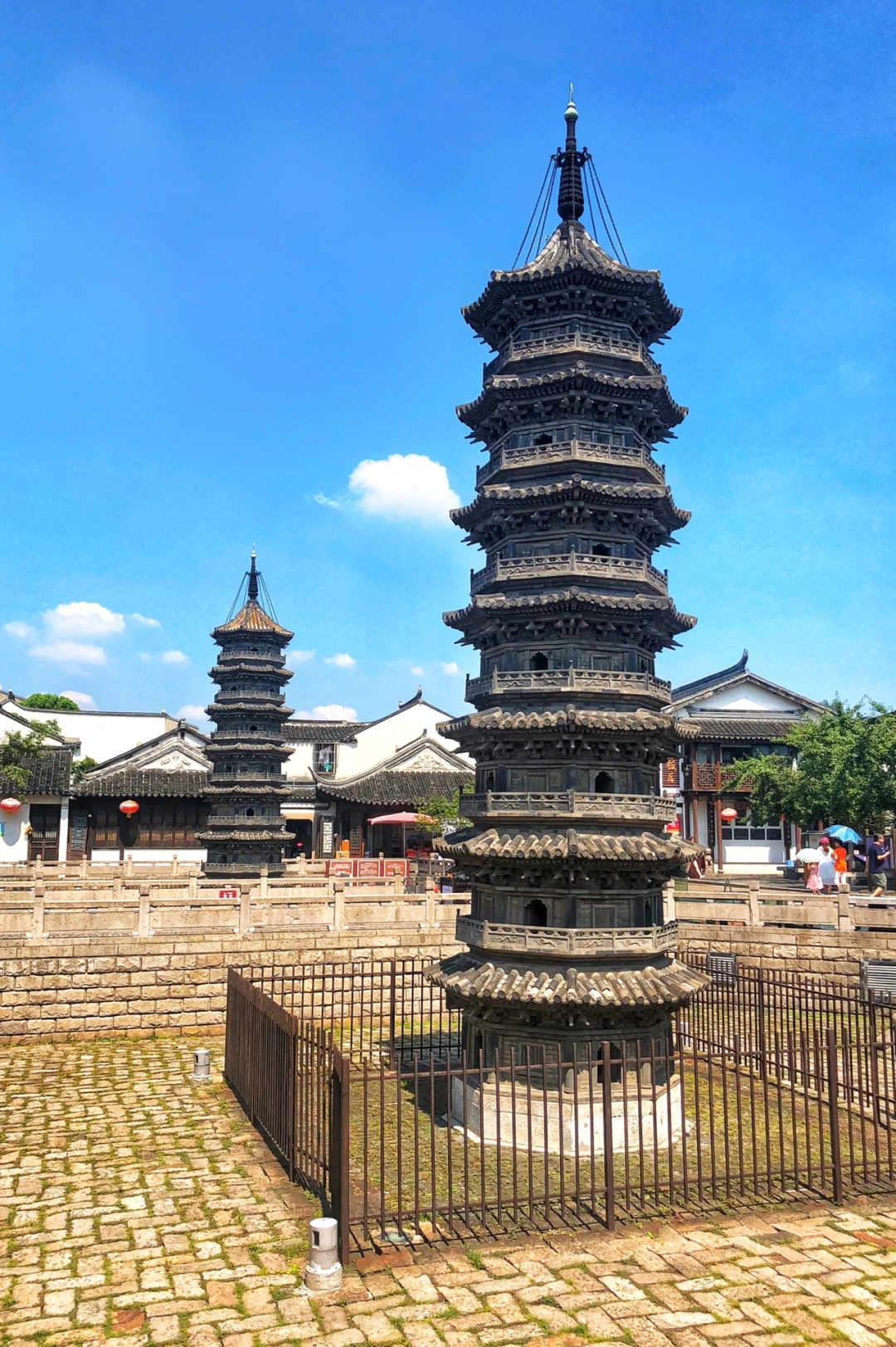
The poetry of Jiangnan isn't just in the water towns of Suzhou or the gardens of Hangzhou—it's right here, hidden in plain sight, waiting to be discovered along a single metro line. Next time you're in Shanghai, skip the Bund crowds and take Line 11 to the end. You'll find ancient dreams, timeless beauty, and a Shanghai you never knew existed.
Ready to explore Shanghai's hidden Jiangnan treasures? Start planning your Metro Line 11 adventure today. [Link: Book Your Shanghai Trip Now]
Note: This article is based on a personal travel experience from 2018. While historical information remains accurate, please check current opening hours, admission fees, and COVID-19 restrictions before visiting.
You may also like