Rediscovering the Huangpu River: Understanding Shanghai's Soul on Foot and by Wheel During the Dragon Boat Festival
Meta Description: Explore Shanghai's Huangpu River this Dragon Boat Festival with our guide to walking and cycling routes. Discover hidden Bund streets, art districts, and local culture—your ultimate urban adventure awaits.
On June 1, 2022, I wrote a line in my calendar: "Free at last—time to add some color to life." It wasn't a grand declaration, just a small vow from someone who had been trapped in the city for too long, finally deciding to step outside.
At some point in life, anxiety clings to you like a shadow. Voices around you constantly tell you how you should live, which path you should take. Meanwhile, the unfinished tasks pile up like debts, each one waiting to be settled. When life traps you between a rock and a hard place, instead of agonizing over the dilemma, sometimes the best move is to let everything go and experience a third way—not as an escape, but as a chance to rediscover the place you call home.
I used to yearn for faraway places, believing that scenery existed elsewhere. It wasn't until this Dragon Boat Festival that I realized I had never truly understood even the Huangpu River, the mother river that nourishes Shanghai. So I decided to measure it anew with my feet and my wheels. Two walking routes, three cycling routes, three days—and I saw two faces of the Huangpu: one soaring into the clouds with urban splendor, the other brimming with the warmth of everyday life.
Walking Route One: The Streets of the Bund Hold the Real Shanghai
Huqiu Road, Zhapu Road Bridge, Yuanmingyuan Road: From Instagram-Worthy Spots to Century-Old Architecture
Every visitor to Shanghai goes to the Bund. But most just snap a few photos by the river and rush off. They miss the real treasures—the streets hidden among the International Architecture Complex.
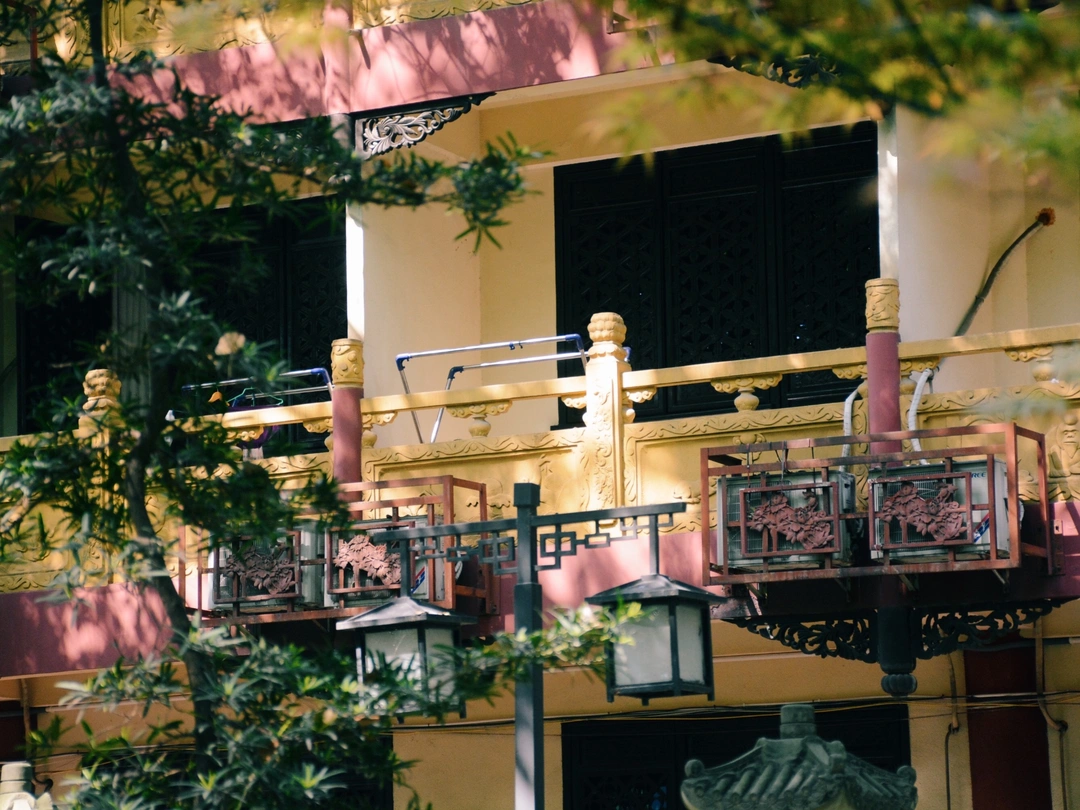
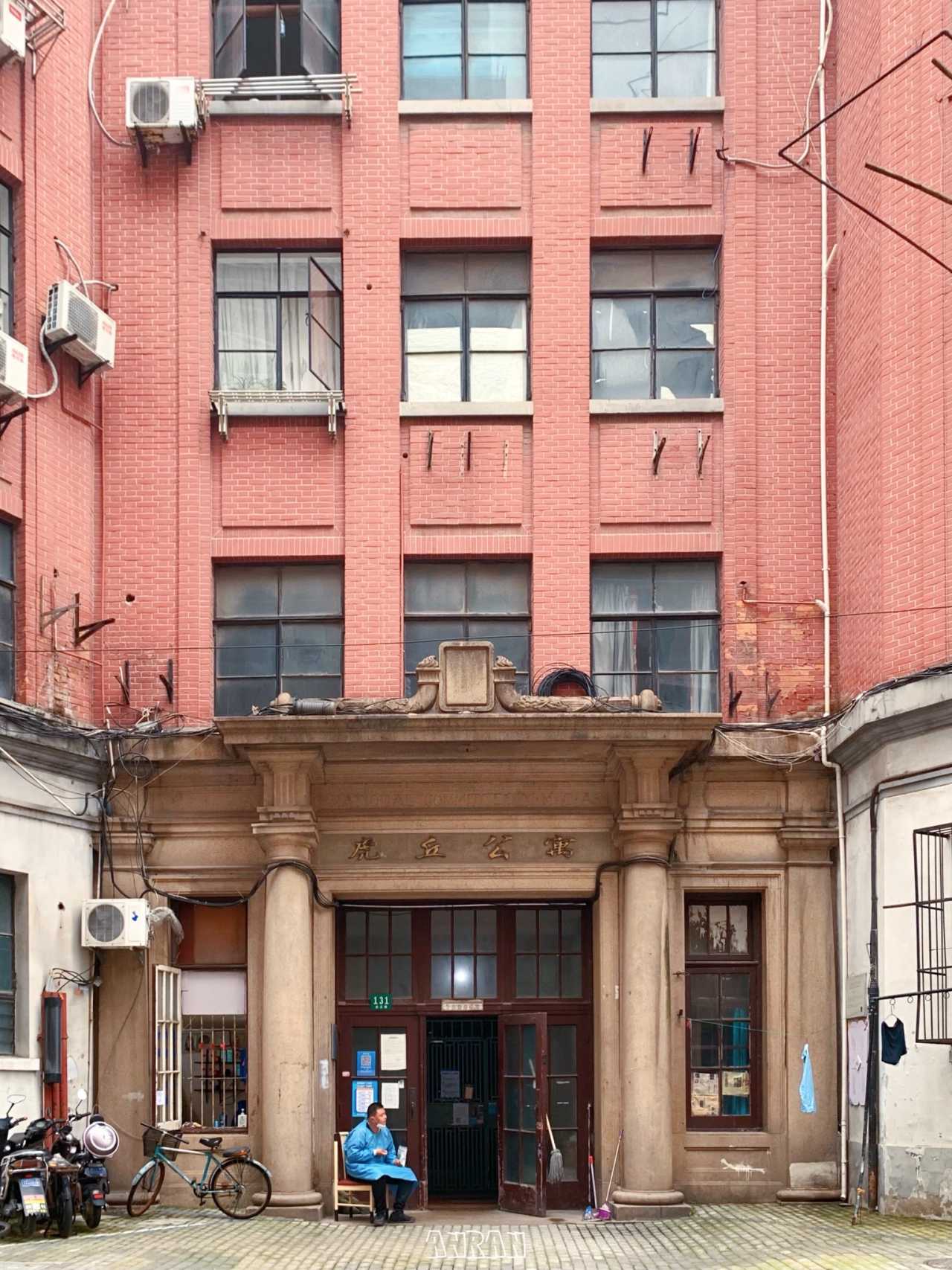
My starting point was Nanjing Road East Metro Station. Exiting the station, I headed north along Huqiu Road, a street built in the 1860s named after Tiger Hill in Suzhou. The most striking building on this road is the Shanghai Museum of Contemporary Art (Rockbund Art Museum), renovated by renowned British architect David Chipperfield. To preserve the building's original appearance, Chipperfield even restored the interior colors to match exactly how they looked when the building was completed in 1932. Passing by, I spotted a tea house with a huge fish pond inside, seats placed in the center of the pond—apparently, on normal days, mist would rise, allowing guests to sip tea while watching the fish. Unfortunately, it was closed due to the pandemic.
At the end of Huqiu Road stands Zhapu Road Bridge. Its history dates back to the early days of Shanghai's opening as a treaty port. Originally a floating bridge, it was later rebuilt as a wooden bridge before becoming the reinforced concrete structure we see today in 1927. Thanks to the TV drama "An Jia" (Better Homes), it has become an Instagram hotspot. At seven in the morning, I stood on the bridge shrouded in thick fog. The "Three-Piece Set" of Lujiazui was barely visible—only the Oriental Pearl Tower peeked through. In contrast, the nearby Waibaidu Bridge appeared strikingly clear in the mist. That all-steel bridge, famous for its appearance in the drama "Romantic Life" (Qing Shen Shen Yu Meng Meng), glowed with warm yellow light.
On the other side of the bridge sits the Shanghai Postal Museum. The building is shaped like a "U," with a bell tower and turret above the main entrance. Roman numeral clocks are set into both sides of the bell tower, while the turret features Baroque-style four-cornered double columns. The museum has one underground floor and four above-ground floors, with the main exhibition areas in the first-floor atrium and on the second floor.
Summer's surprise hides on both sides of the bridge—hydrangeas in full bloom. I had missed the entire spring due to the pandemic, but at this moment, I caught summer. One word of caution: recently, so many people have been coming to Zhapu Road Bridge for photos that you should brace yourself for crowds if you go during the day.
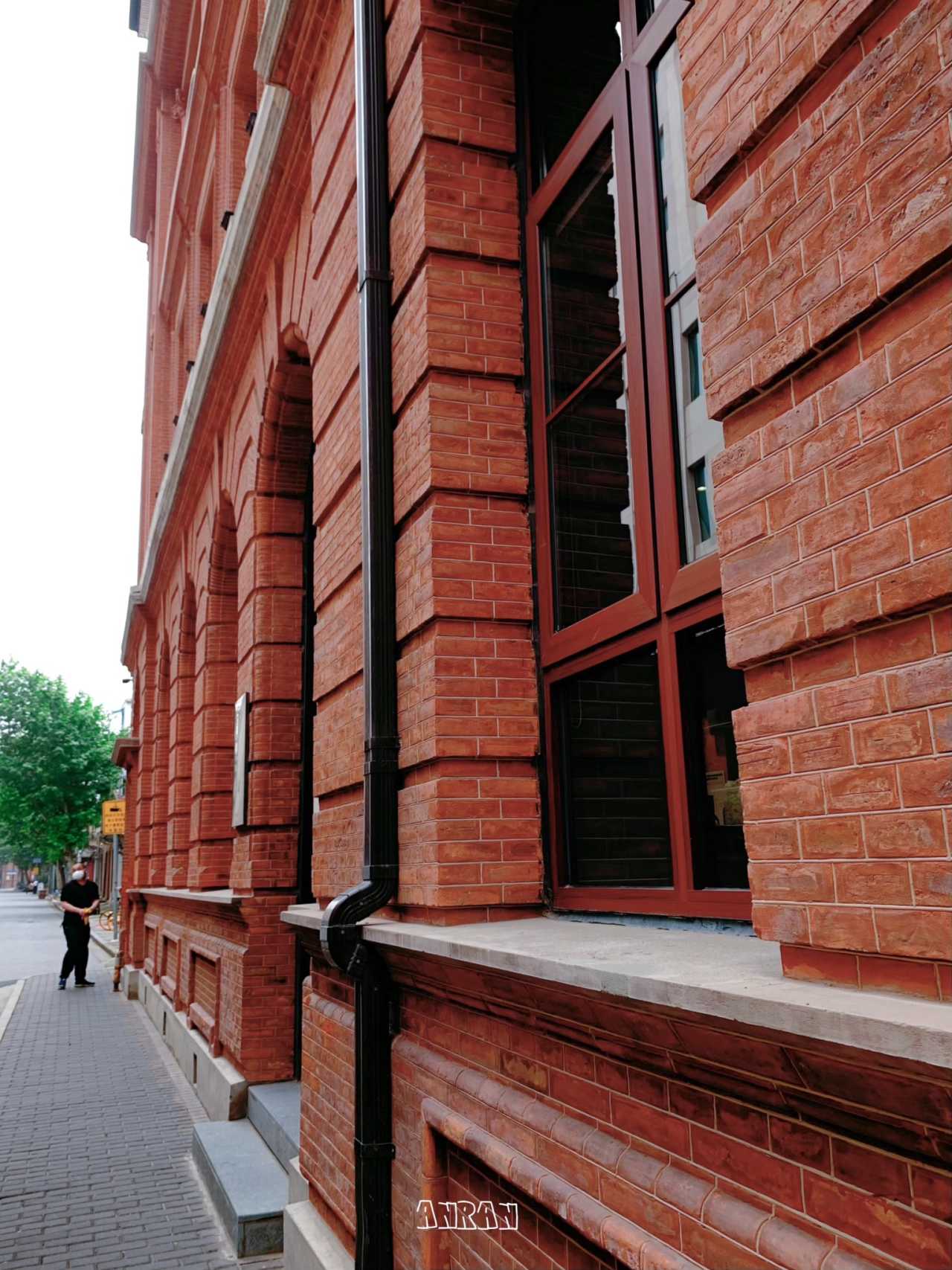
Turning from Zhapu Road Bridge into Yuanmingyuan Road, the world suddenly fell silent. This short but rich street hides a treasure—the New Tian'an Tang Church. Built in 1886 in Gothic style, this old building has been transformed into a performance space called "Beyond Space," occasionally hosting concerts. Last June, it also hosted "Macau Week," with animated projections cast onto the church walls—a beautiful blend of ancient and modern.
Jiujiang Road, Zhongshan East 1st Road, Fuzhou Road: From Framed Views to Street Life
Heading south along Yuanmingyuan Road, I reached Jiujiang Road. This is the perfect spot for photographing the Oriental Pearl Tower—stand in the middle of the road, and the tower is perfectly framed by the buildings on both sides, like a carefully composed photograph. Continuing west, you can see the Shimao Tower. The East Asia Building along the way was built in 1926 in Art Deco style; its ground floor now houses the Shanghai-Hong Kong Bank History Exhibition Hall, with a pure white spiral staircase perfect for photos. The Shangtou Building is also worth a look—the vault on the second floor still contains pre-liberation safes.
Zhongshan East 1st Road is the essence of the entire Bund. To the left, the Huangpu River and Lujiazui across the water; to the right, the International Architecture Complex—the Bank of China Building, the Peace Hotel, the Customs House, the HSBC Building—each one a microcosm of Shanghai's century-long history. A few tips for photographing these buildings: use plants as foreground when shooting bell towers and sculpted spires; look for symmetrical elements in long shots and include people to add narrative depth; shoot full views at a 45-degree diagonal to showcase the buildings' symmetry.
Reaching Fuzhou Road, the scene suddenly shifts. This street is filled with the energy of everyday life, defined by two main features: bookstores and food. Shanghai Book City is the city's largest retail bookstore, covering over 10,000 square meters. There's also the century-old Baixin Bookstore and the Foreign Language Bookstore, which stocks original foreign-language manga. When it comes to food, Xinghua Lou, founded in 1851, serves Cantonese cuisine; Wang Bao He is famous for its clear-water hairy crabs; and Lao Ban Zhai specializes in Huaiyang cuisine. The Fuzhou Building, the Jianshe Building, and the Jin Jiang Metropole Hotel stand like three pillars, and the street in front of them has become another Instagram hotspot.
Beijing East Road, Jinling East Road: Nanyang Flair Under Arcades

Both Beijing East Road and Jinling East Road feature arcades (qilou), but Jinling East Road boasts the most concentrated collection of arcades in all of Shanghai, exuding a strong Nanyang (Southeast Asian) flavor. Unfortunately, times have changed, and Jinling East Road is undergoing major transformation, with land acquisition progressing steadily. I captured its final appearance before the change—a few piano shops still open, elegant pianos displayed in their halls; further east, only sealed-off arcades remained. I've heard that the arcades will be preserved and restored after reconstruction—I look forward to seeing their new face.
Walking Route Two: Art and Trend Culture Along the Riverside Greenway
From the Tank Shanghai Art Center to the Riverside Skate Park, this stretch is the trendiest and most artistic photo route along the Huangpu. It's not just about art galleries; there are all kinds of trendy sports too—on weekends, it's packed with people picnicking, playing frisbee, and skateboarding. It's also very dog-friendly, with dedicated spaces for people and their pets to play together.
Tank Shanghai Art Center: Wild Grass in Full Summer Bloom
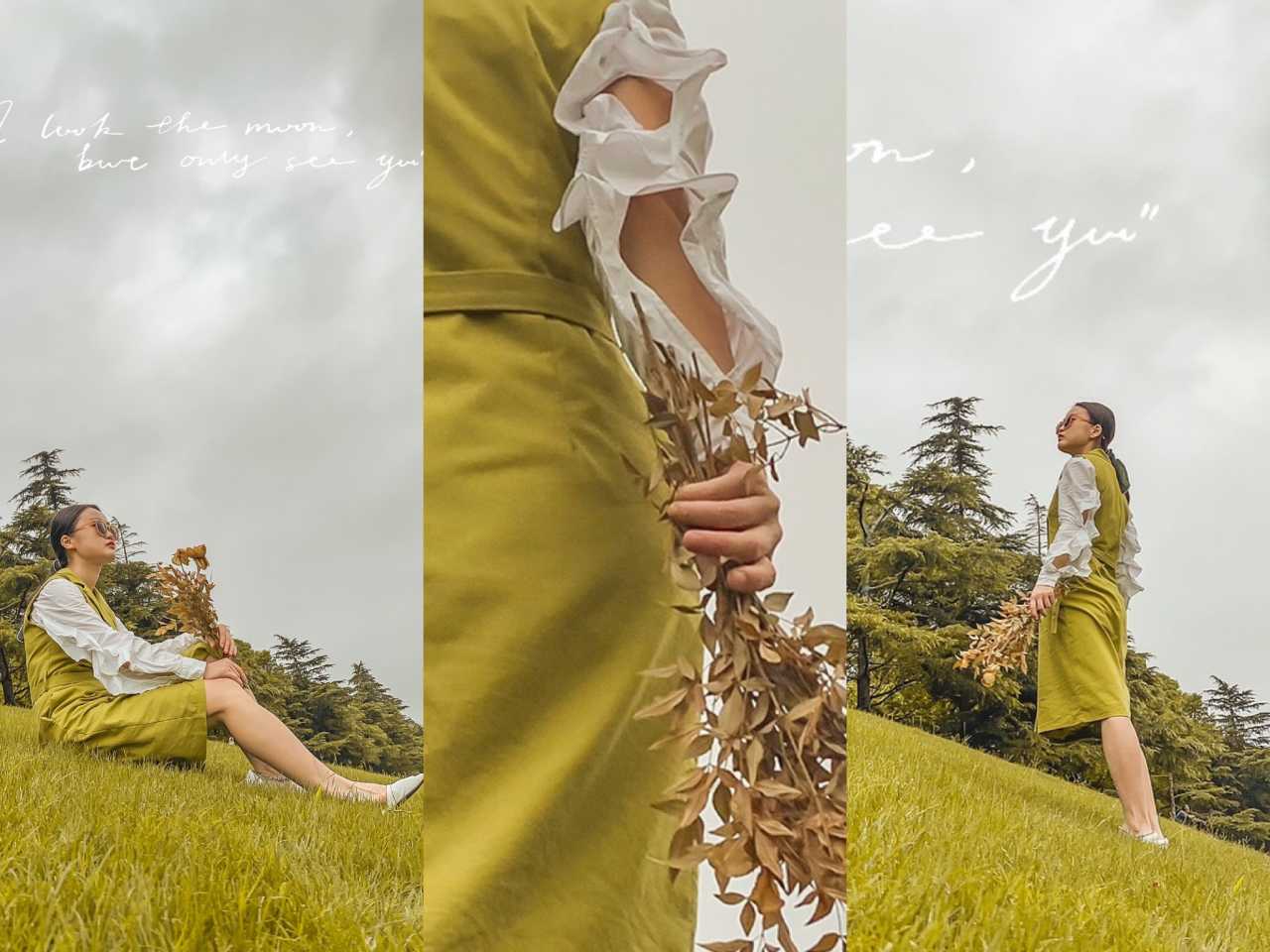
The Tank Shanghai Art Center was originally an aviation fuel tank depot for Longhua Airport, now transformed into an art complex combining exhibitions, gardens, and leisure spaces. After Shanghai's two-month lockdown, the wild grass here grew rampant, and posing with the towering tanks against the sky makes for stunning photos. The center regularly hosts contemporary art exhibitions, and the surrounding greenway is perfect for a leisurely stroll or bike ride.
Riverside Skate Park: Urban Energy Meets Creative Expression
Just a short walk from the art center, the Riverside Skate Park is a hub for Shanghai's skateboarding community. Even if you don't skate, it's fascinating to watch locals perform tricks against the backdrop of the Huangpu River. The park also features a dedicated dog run, making it a family-friendly spot. On weekends, you'll find food trucks and pop-up markets adding to the vibrant atmosphere.
Cycling Routes: Three Ways to Experience the Huangpu River by Bike
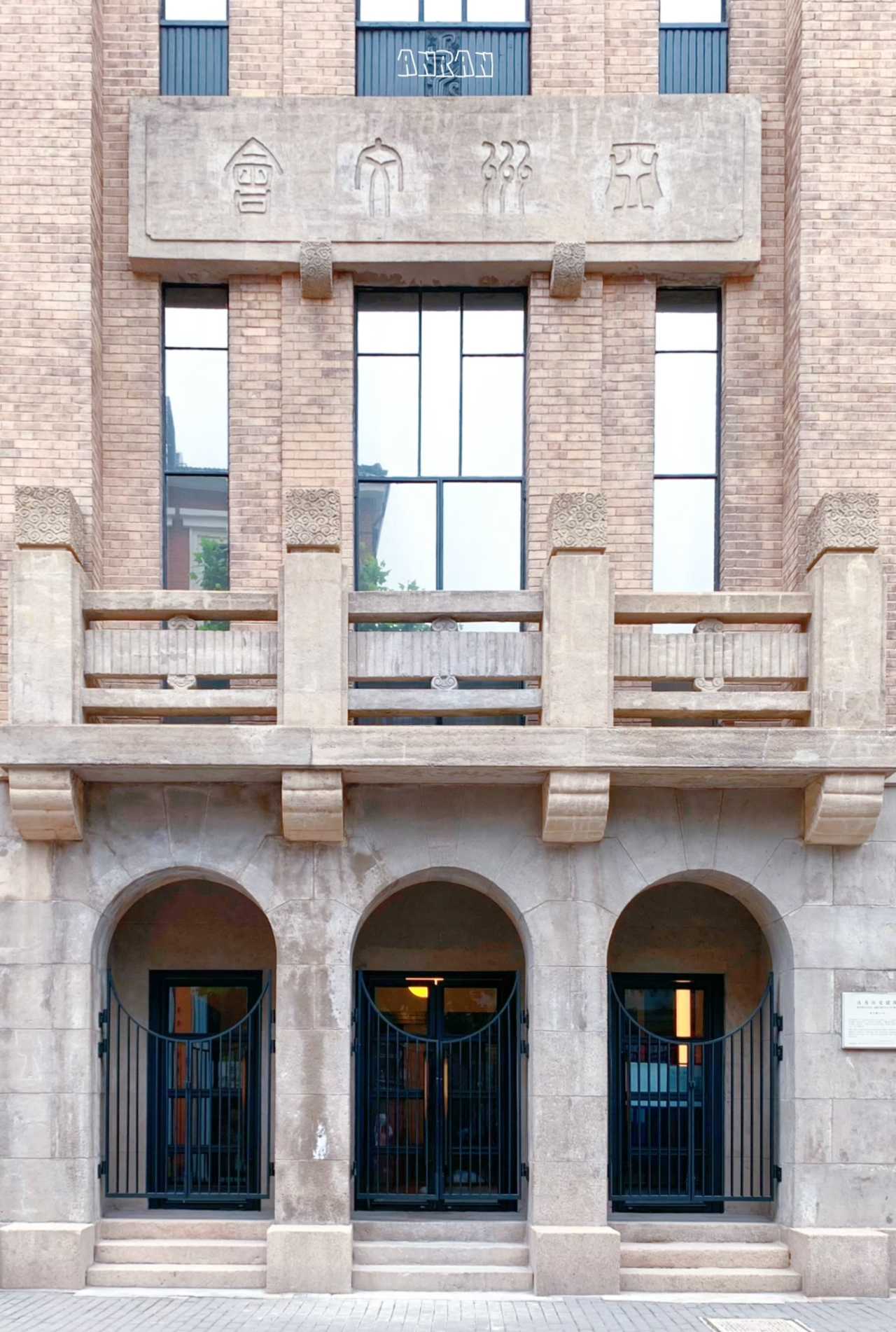
Route 1: The Classic Bund to Lujiazui Loop (Approx. 10 km)
Start at the Bund Sightseeing Tunnel, cycle north along the river, cross the Waibaidu Bridge, and continue to the Lujiazui Greenway. This route offers iconic views of the Pudong skyline and the historic Bund architecture. Best done early morning to avoid crowds and heat. [Link: Shanghai cycling routes]
Route 2: The Art and Culture Ride (Approx. 15 km)
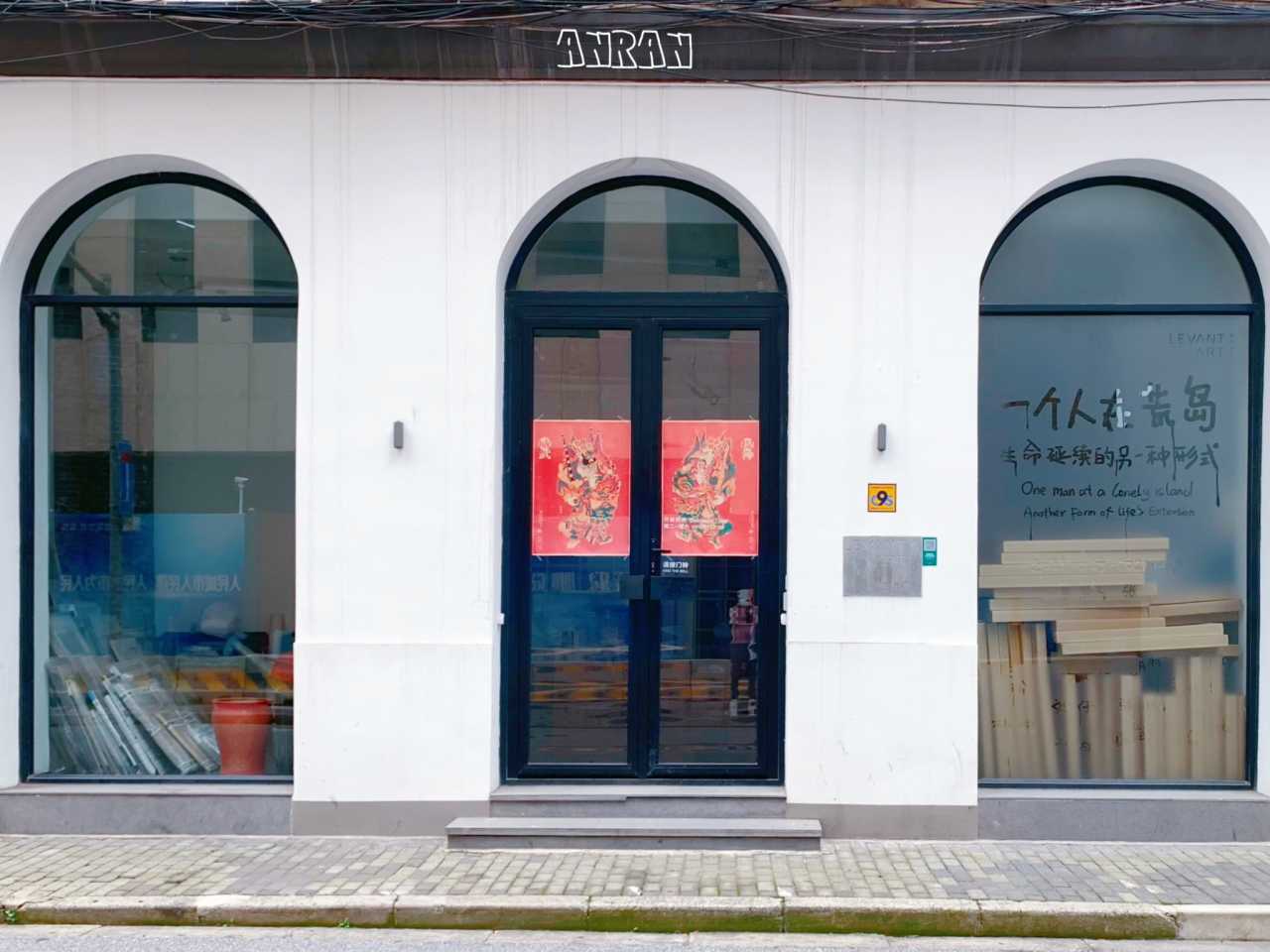
Begin at Tank Shanghai Art Center, cycle south along the riverside greenway to the West Bund Art Center, then continue to the Long Museum. This route is packed with galleries, cafes, and photo opportunities. Ideal for art lovers and those seeking a more relaxed pace.
Route 3: The Local Life Circuit (Approx. 20 km)
Start at Jinling East Road, cycle through the arcades to the Old City God Temple (Yu Garden), then head north along the river to the Bund. This route combines historic streets, local markets, and river views. Perfect for foodies and culture enthusiasts.
Frequently Asked Questions
Q1: What is the best time to visit the Huangpu River during the Dragon Boat Festival? A: Early morning (6–8 AM) or late afternoon (4–6 PM) are ideal for avoiding crowds and capturing beautiful light. The Dragon Boat Festival typically falls in June, so expect warm weather and occasional rain.
Q2: Are the walking and cycling routes suitable for beginners? A: Yes. The walking routes are flat and well-paved, suitable for all fitness levels. The cycling routes are mostly on dedicated bike paths or quiet streets. You can rent bikes from public bike-sharing stations or bring your own.
Q3: What should I bring for a day exploring the Huangpu River? A: Comfortable walking shoes, a reusable water bottle, sunscreen, a hat, and a camera. If cycling, consider a bike lock and a small backpack for snacks. Check the weather forecast and bring an umbrella if rain is expected.
Q4: Are there any entry fees for the attractions mentioned? A: Most street-level attractions (Bund, Zhapu Road Bridge, arcades) are free. The Shanghai Postal Museum and Tank Shanghai Art Center may have entry fees; check their official websites for current prices and opening hours.
Q5: Can I combine walking and cycling in one day? A: Absolutely. For example, walk Route 1 in the morning, then cycle Route 2 in the afternoon. Just plan your route to avoid backtracking and allow time for rest and meals.
Call to Action
Ready to rediscover Shanghai's soul? Start planning your Dragon Boat Festival adventure today. Whether you choose to walk the historic Bund streets or cycle along the artistic riverside greenway, the Huangpu River awaits with stories and surprises at every turn. Don't just visit Shanghai—experience it. Book your trip now and share your journey with us using #HuangpuRiverDiscovery. [Link: Shanghai travel guides] [Link: Dragon Boat Festival events in Shanghai]
Note: This article is based on original content from Mafengwo and has been optimized for SEO. All facts and historical details remain accurate as of the original publication date.
You may also like