2018 New Year: A Tibetan Pilgrimage of Soulful Dialogue – Ultimate Travel Guide
Meta Description: Discover a soul-stirring Tibetan pilgrimage during the 2018 Spring Festival. From Jokhang Temple to Potala Palace, explore Lhasa, Yamdrok Lake, and more in this 7-day itinerary. Plan your spiritual journey now.
Introduction: When Impulse Meets Faith
Have you ever had one of those moments—a sudden thought striking like lightning through the mundane routine of daily life, and then you find yourself already standing on the road toward your dream?
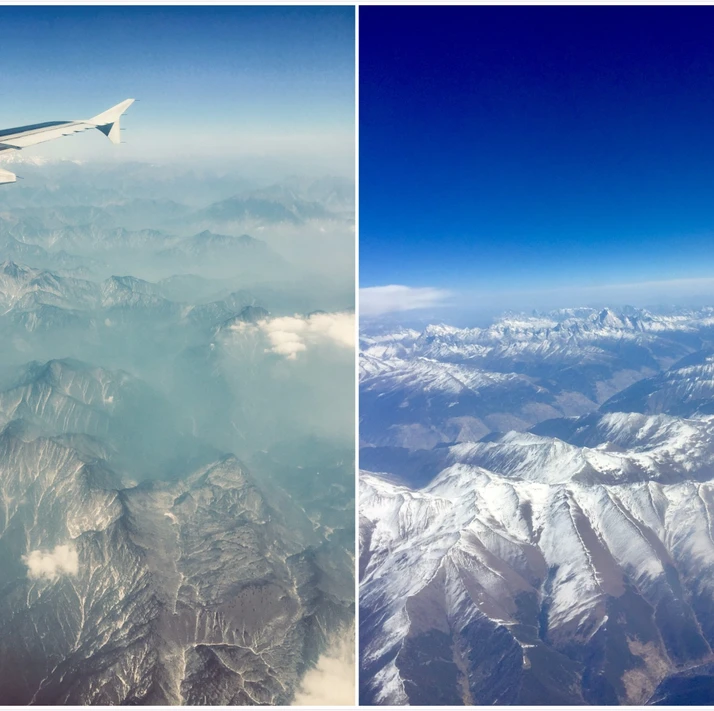
For many travelers, a Tibetan pilgrimage represents the ultimate journey of self-discovery. This 2018 New Year adventure began with a spontaneous decision: a friend’s WeChat message about Tibet’s free scenic spot policy, and within hours, four friends had booked flights from Mianyang to Lhasa. On the first day of the Lunar New Year, while most people were still tucked in bed, we were soaring at 30,000 feet toward the Roof of the World.
This article shares our 7-day Tibet travel itinerary, spiritual insights, and practical tips for anyone planning a New Year trip to Tibet. Whether you're seeking Buddhist pilgrimage sites, high-altitude landscapes, or a soulful dialogue with Tibetan culture, this guide will inspire your journey.
Why Tibet? The Spiritual Prelude

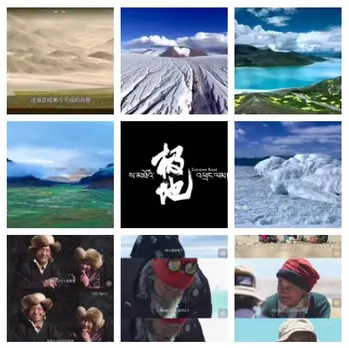
"Extreme" Documentary: A Code to Understanding Tibet
The weekend after booking our tickets, I stumbled upon a documentary—Extreme (极地). This film about Tibetan highlanders shattered all my stereotypical notions of Tibet. On screen, the harsh climate stood in stark contrast to the reverence Tibetan people hold for life and nature. One elderly grandmother laughed into the camera: “When people die, they’re just going home. What’s there to be afraid of?”
Key takeaway: Tibet’s charm isn’t about checking off tourist spots. It’s about the living, breathing people and the light in their eyes. [Link: Best documentaries about Tibet]
What Makes a Tibetan Pilgrimage Unique?
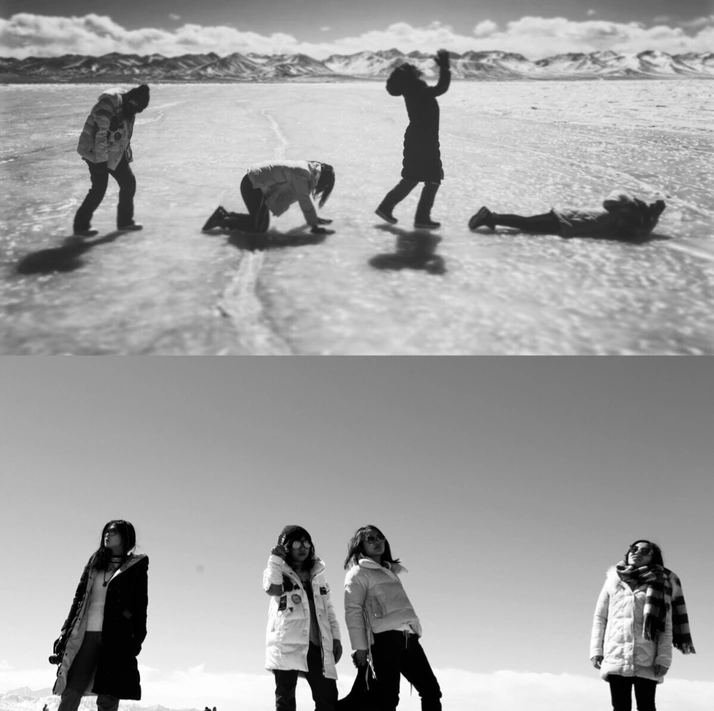
Unlike ordinary travel, a pilgrimage to Tibet involves: - Spiritual immersion at sacred sites like Jokhang Temple and Potala Palace - High-altitude challenges that test physical and mental endurance - Cultural exchange with monks, pilgrims, and local Tibetans - Natural wonders like Yamdrok Lake and Karola Glacier
7-Day Tibet Itinerary: A Complete Travel Plan
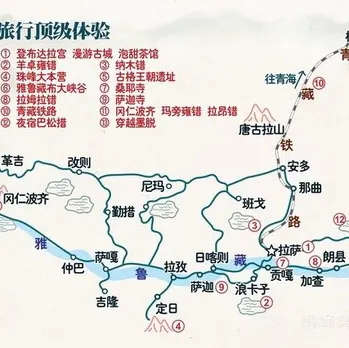
Day 1: Arrival in Lhasa – Jokhang Temple & Barkhor Street
February 16th (New Year’s Day): Mianyang → Lhasa
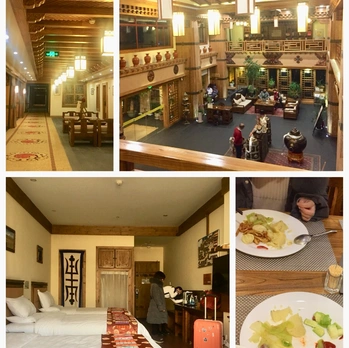
Upon landing at Gonggar Airport, the high-altitude sunlight cascaded down like a waterfall. After checking into Xuelong Manor Hotel, we headed straight for Jokhang Temple. On Barkhor Street, the stream of pilgrims turning prayer wheels flowed like an eternal river. Prostrating devotees threw themselves flat on the ground—each time they rose, dust clung to their foreheads, but their eyes shone like stars.
Travel tip: Spend your first afternoon acclimatizing. Jokhang Temple is the spiritual heart of Lhasa and a must-visit for any Tibetan pilgrimage.
Day 2: Yamdrok Lake, Puma Yumco Lake & Karola Glacier
February 17th: Lhasa → Yamdrok Lake → Puma Yumco Lake → Karola Glacier → Shigatse
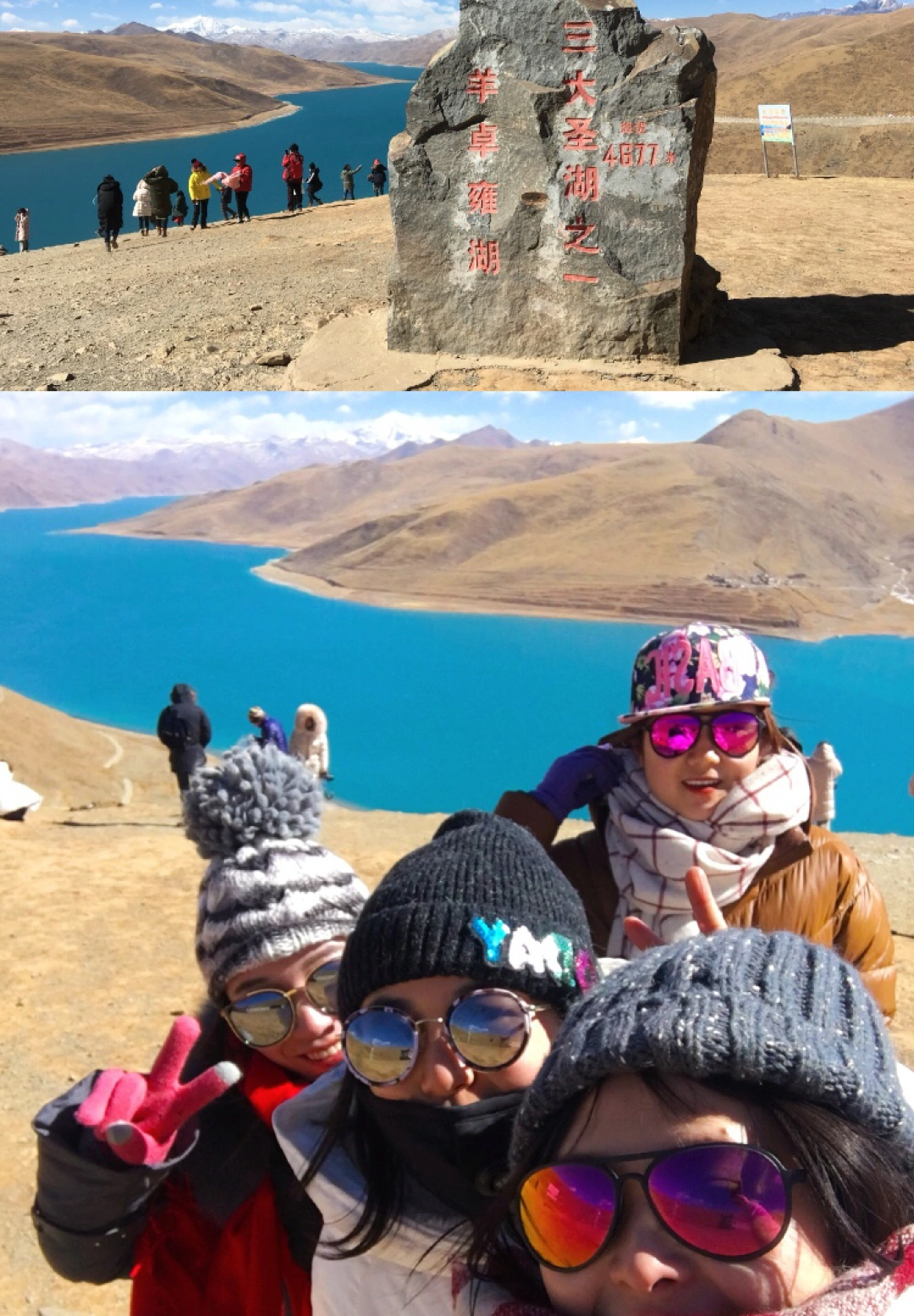
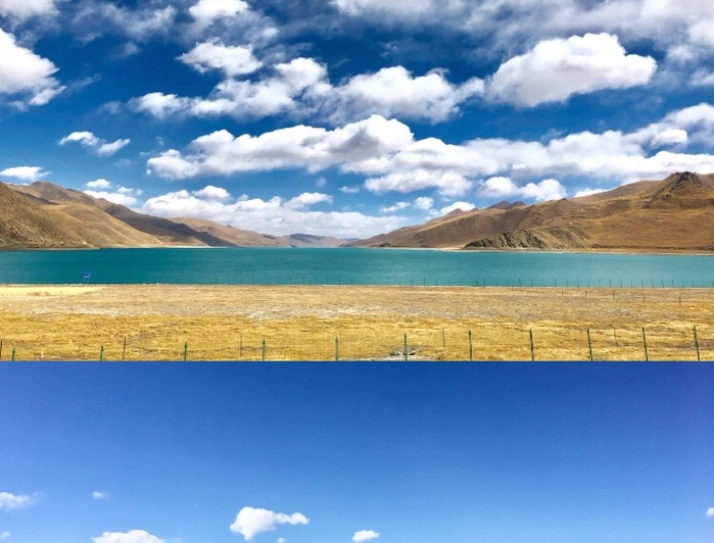
When the car crested the final mountain pass and Yamdrok Lake came into view, everyone fell silent. At 4,441 meters above sea level, the “Turquoise Lake” shifted through shades of blue under the sunlight—pale azure to sapphire to deep indigo.
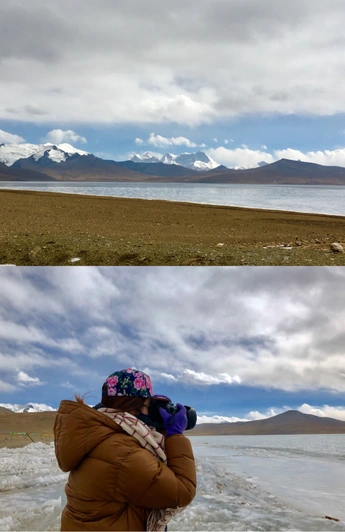
Next, we visited Puma Yumco Lake and Karola Glacier. The glacier’s tongue stretched almost to the roadside. Our guide warned that due to global warming, the glacier retreats every year. Travel tip: Visit early in the season for the best views.
Accommodation: Pincuo Kangsang International Youth Hostel in Shigatse.
Day 3: Tashilhunpo Monastery – A Day of Solitude
February 18th: Companions head to Everest Base Camp; I spend the day at Tashilhunpo Monastery
While my three companions challenged themselves at Everest Base Camp, I chose to stay in Shigatse and spend an entire afternoon at Tashilhunpo Monastery. No schedule, no check-in goals—I just sat on the monastery’s steps, watching monks come and go, listening to prayer wheels turn, the sun warming the stone slabs.
Travel tip: Sometimes the best pilgrimage is the one you make at your own pace. [Link: Tashilhunpo Monastery guide]
Day 4: Return to Lhasa & Night Market Exploration
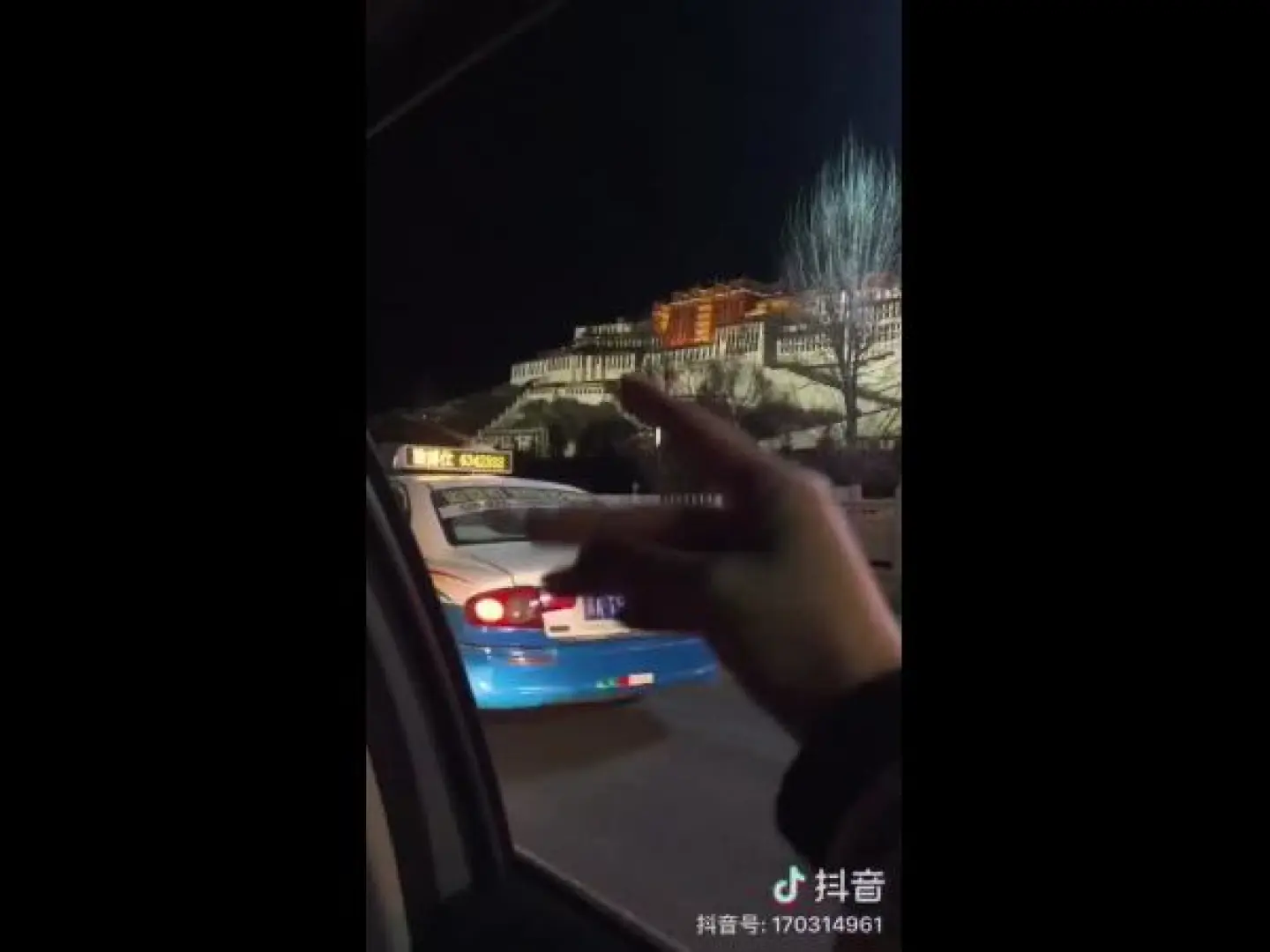
February 19th: Shigatse → Lhasa
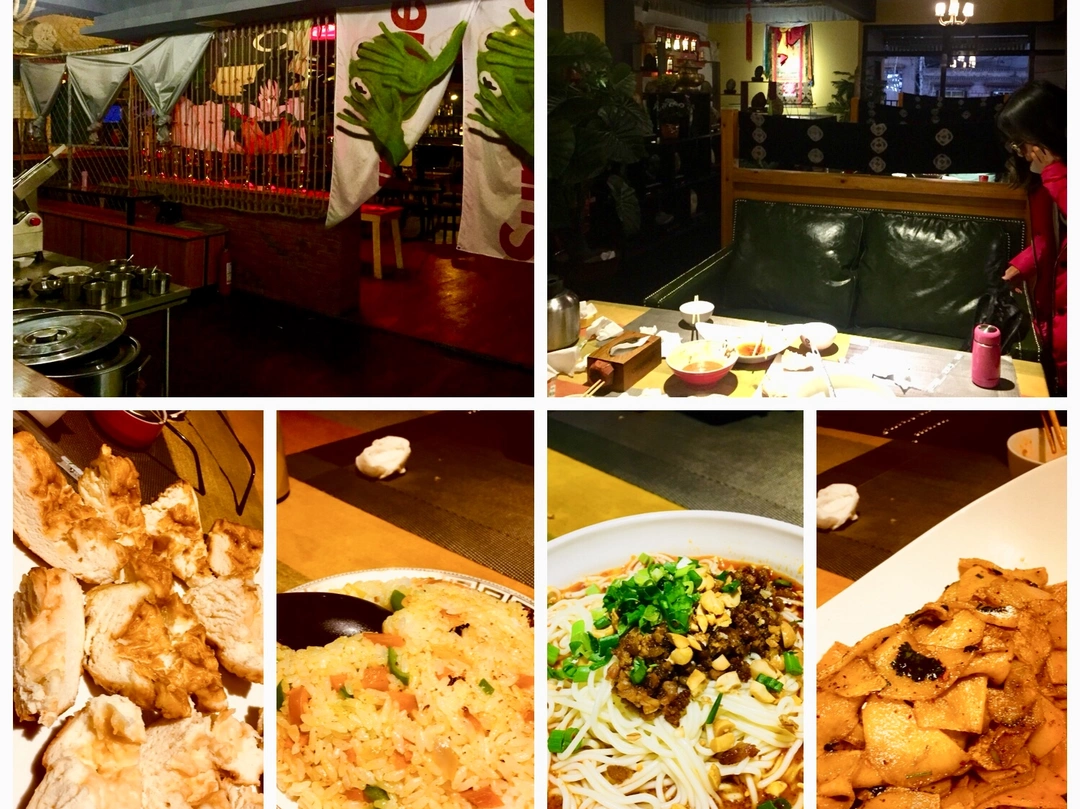
We returned to Lhasa and visited Tianhai Road Night Market for local snacks and souvenirs. Accommodation: Holiday Inn Express Lhasa Potala Palace.
Day 5: Potala Palace – The Millennium Echo
February 20th: Lhasa day trip – Potala Palace
The Potala Palace, built into the mountainside, is breathtaking from the outside, but stepping inside reveals where the true treasures lie. The Red Palace houses glittering Buddha statues, thangka paintings, and the stupas of successive Dalai Lamas. The stupa of the Fifth Dalai Lama used 3,721 kilograms of gold, studded with countless jewels.
Travel tip: Book tickets in advance, especially during Spring Festival Tibet travel season.
Day 6: Lake Namtso – The Heavenly Lake
February 21st: Lhasa → Lake Namtso → Lhasa
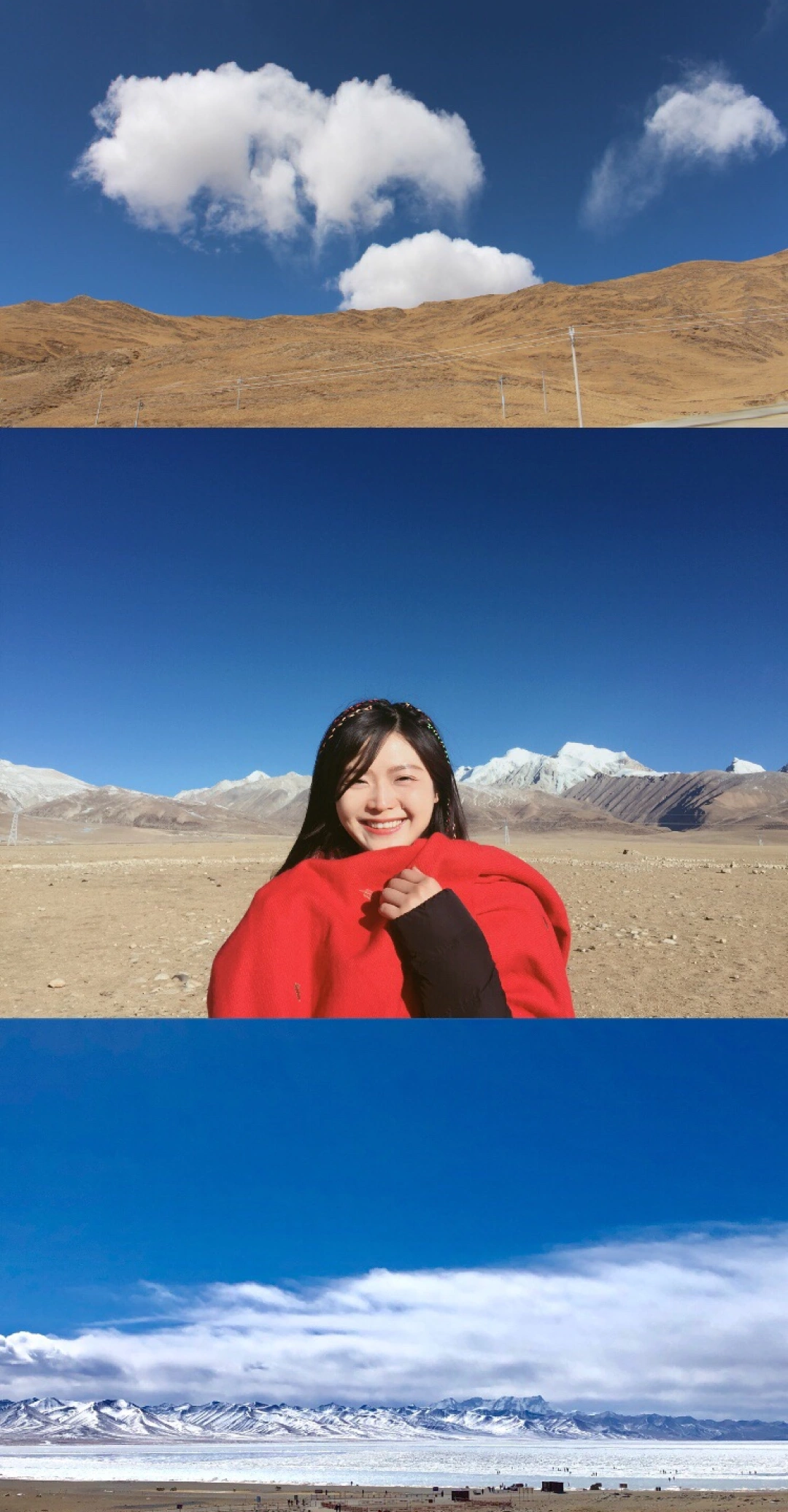
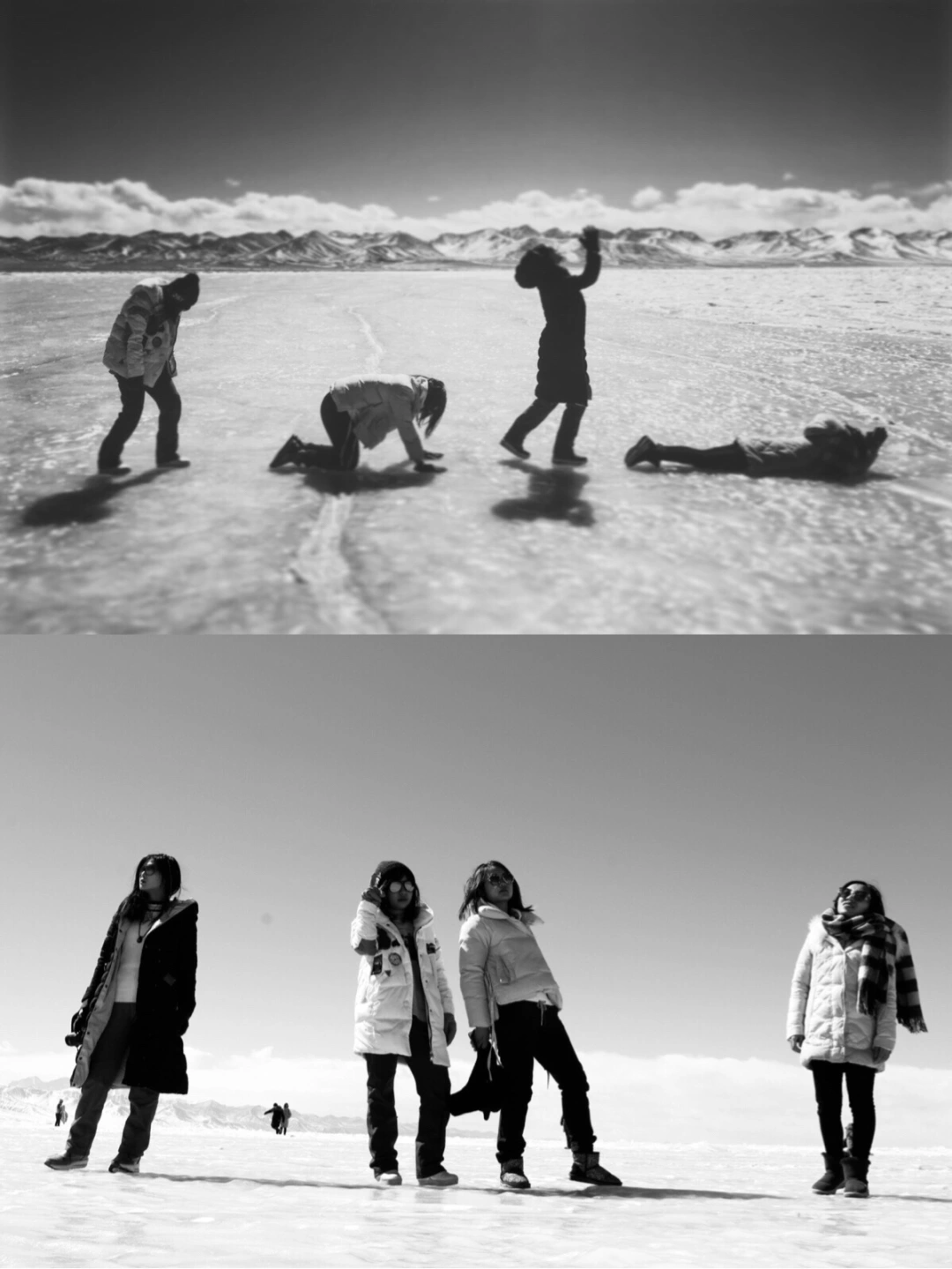
Lake Namtso, one of the three sacred lakes in Tibet, offers stunning views of the Nyenchen Tanglha mountain range. The turquoise waters against the snow-capped peaks create a surreal landscape.
Accommodation: Jinjiang Inn near the Holiday Inn Express.
Day 7: Departure
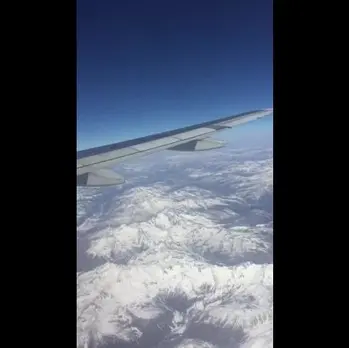
February 22nd: Lhasa → Mianyang return flight.
Essential Tips for Your Tibetan Pilgrimage
Altitude Sickness Prevention
 - Acclimatize for 1-2 days in Lhasa before heading to higher altitudes - Stay hydrated and avoid alcohol - Consider taking Diamox (acetazolamide) after consulting your doctor
What to Pack for a Winter Tibet Trip
 - Thermal layers and windproof jacket - Sunscreen and sunglasses (UV is intense at high altitude) - Lip balm and moisturizer - Comfortable walking shoes - Portable oxygen canisters
Cultural Etiquette
- Always walk clockwise around temples and prayer wheels
- Ask permission before photographing locals
- Avoid pointing your feet at Buddha statues or monks
- Remove shoes before entering temples
FAQ: Your Tibet Travel Questions Answered
1. Is Tibet safe for solo travelers during Spring Festival?
Yes, Tibet is generally safe for solo travelers. However, during Spring Festival, some services may be limited. It’s advisable to join a group tour or travel with companions.
2. Do I need a Tibet Travel Permit?
 Yes, all foreign travelers need a Tibet Travel Permit (TTB) arranged through a registered tour operator. Chinese citizens can travel with just a valid ID.
3. What is the best time to visit Tibet for a pilgrimage?
 May to October offers the best weather, but winter trips (November to March) have fewer crowds and lower prices. The 2018 New Year trip proved that winter travel is feasible and rewarding.
4. Can I visit Everest Base Camp in winter?
Yes, but be prepared for extreme cold (-20°C or lower). The base camp is open year-round, but some services may be limited.
5. How do I get to Tibet from mainland China?
The most common routes are: - By air: Direct flights from Beijing, Chengdu, Shanghai, and Mianyang to Lhasa - By train: The Qinghai-Tibet Railway from Xining to Lhasa (24 hours)
Conclusion: Your Tibetan Pilgrimage Awaits
The first lesson Tibet taught me was this: everyone has their own way of making a pilgrimage. Whether you climb to Everest Base Camp or sit quietly at Tashilhunpo Monastery, the soulful dialogue with this sacred land transforms you.
Ready to plan your own Tibetan pilgrimage? Start by: 1. Watching Extreme documentary for cultural context 2. Booking your Tibet Travel Permit through a licensed agency 3. Choosing a 7-day itinerary that balances must-see sites with personal reflection
Share your Tibet travel dreams in the comments below! Have you visited Tibet during Spring Festival? What was your most spiritual moment? Let’s inspire each other to embark on this journey of a lifetime.
Internal linking suggestions: - [Link: How to get a Tibet Travel Permit] - [Link: Best time to visit Tibet] - [Link: Top 10 Tibetan monasteries to visit] - [Link: Altitude sickness prevention guide] - [Link: Tibet winter travel packing list]
External resource: Official Tibet Tourism Bureau
You may also like