One Month, Multiple Provinces, A Spontaneous Wander: My Follow-Your-Heart Journey
Meta Description: Discover the beauty of unplanned travel across Guizhou, Sichuan, and Jiangnan. From Sertar's red valleys to Jiuzhaigou's frozen lakes, embrace the unknown with this spontaneous wander.
Introduction: The Art of Traveling Without a Script
In a world obsessed with itineraries, checklists, and Instagram-perfect shots, there's something profoundly liberating about a spontaneous travel journey—a trip where the only plan is to have no plan at all. My one-month multi-province adventure began as a spur-of-the-moment decision and evolved into an unforgettable follow-your-heart journey across some of China's most breathtaking landscapes.
This isn't a typical travel guide. It's a travelogue without a script—a raw, honest account of what happens when you let curiosity be your compass. From the red valley of Sertar to the frozen fairy tale of Jiuzhaigou, and from the cultural richness of Danba to the serene waters of Jiangnan, this journey taught me that the best travel stories are the ones you never planned to write.
Why Embrace an Unplanned Travel Adventure?
The beauty of unscripted travel lies in its unpredictability. When you skip the pre-booked hotels, ignore the detailed itineraries, and research destinations only hours before arrival, you open yourself to a world of authentic experiences. This spontaneous wanderlust isn't for everyone—it requires flexibility, patience, and a willingness to embrace the unknown.
For me, this last-minute trip across provinces started with a simple plan: join a friend for a Guizhou self-drive tour during National Day. When my friend canceled, I decided to go alone. That single decision set the tone for a journey that would take me from Guizhou's winding roads to Hong Kong's skyline, then unexpectedly to Fiji (a story for another time), and finally back to Shanghai for a Jiangnan wandering adventure.
The Challenges of Spontaneous Travel

- Crowds and tourist traps during peak season
- Sudden scenic spot closures without warning
- Unpredictable weather that changes your plans
- Last-minute accommodation searches in unfamiliar places
But here's the truth: when you're not chasing the perfect photo, these challenges become part of the story. They teach you patience, resourcefulness, and the art of finding beauty in imperfection.
Sertar: Searching for Purity in a Valley of Red
Arrival and the Changing Face of Larung Gar
The road to Sertar (also known as Larung Gar) has transformed dramatically. Where once only rugged vehicles could navigate, now smooth asphalt welcomes even the smallest cars. But with accessibility comes change. The Larung Gar Five Sciences Buddhist Academy—once a secluded kingdom of faith and the world's largest Tibetan Buddhist academy—now restricts private vehicles. Visitors must park outside and take a shuttle bus (3-5 yuan for tourists, 1 yuan for locals).
I had longed to visit Sertar for years. Its reputation as a hidden valley of faith drew me like a magnet. But upon arrival, I found a place in transition. New hotels, construction cranes, even department stores and seafood restaurants have crept into this sacred landscape. The commercialization of Sertar is undeniable, and I couldn't help but sigh at what felt like a loss of purity.
The Mandala and the Power of Faith
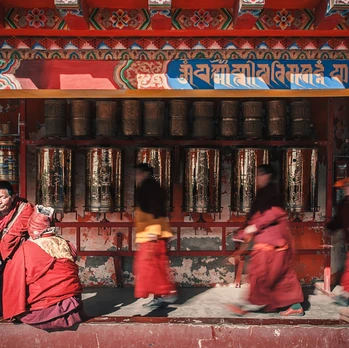
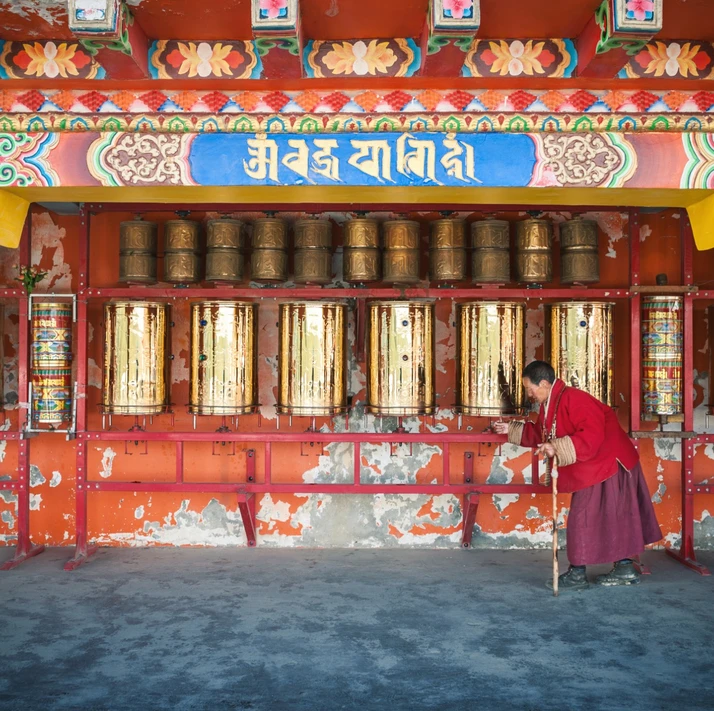
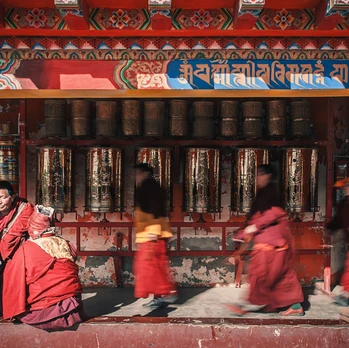
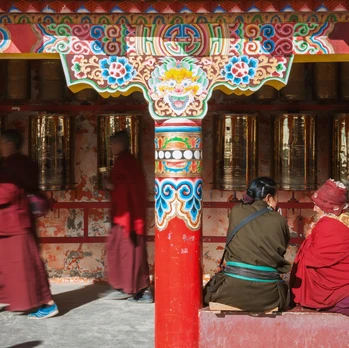
At the highest point of the academy stands the Mandala (Sanskrit for "circle," a Buddhist symbol of the universe). This structure, used for turning prayer wheels, has become the iconic landmark of Sertar. Legend says that turning the wheels here one hundred times can cure illness.
The Mandala has two levels, both used for circumambulation—the ritual of walking around a sacred object. Here, you'll find monks praying, studying, or simply chatting. The elderly monks performing prostrations do so with movements that would challenge even the fittest young person. What sustains them? Faith, pure and simple.
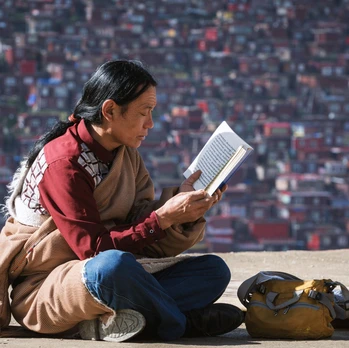
Walking the path beside the Mandala, you can overlook the entire academy. Thousands upon thousands of red houses stretch across the valley—a sight that takes your breath away. Yet those tower cranes always bothered me, like scratches on a masterpiece.
A Touching Moment in the Study Hall
Inside the sutra hall, I witnessed a scene that moved me deeply: a young monk gently cleaning the ears of an older monk. It reminded me of a child caring for its mother. The study hall was filled with monks sitting on the floor, buried in their books. Some gathered in small groups to discuss scriptures; others covered their heads with red Tibetan robes, hiding in corners for solitary study.
Visiting tourists were infected by the atmosphere, sitting quietly to feel the sanctity. Before entering, everyone removed their shoes, leaving the entrance piled high with monks' footwear.
The Sky Burial: Curiosity or Sacredness?
Around two in the afternoon (the exact time varies; ask locals upon arrival), the Sertar sky burial ceremony begins. Yama Mountain at the burial site has become an iconic structure, representing death and the endless cycle of reincarnation. Entering the mouth of the Yama statue, you can see hanging skulls (the ones outside are fake), symbolizing the meaning of death and impermanence.
Before the ceremony, hundreds of vultures circle down from the sky. These are among the largest raptors on the plateau, known as "the cleaners of the grasslands." The sky burial master remains calm among the vultures, focusing on chanting sutras and performing rituals.
I won't include graphic images here. What I want to say is that the Sertar sky burial has become a major tourist attraction. Those who criticize photographers of the ceremony seem hypocritical to me. Tibetan law clearly prohibits watching and filming sky burials, so onlookers criticizing photographers are only the pot calling the kettle black. Besides, if the government truly wanted to stop it, they could simply block the road.
As for how sacred the sky burial is—I don't know. I visited out of curiosity. Many people read introductions online and then claim to understand life and death. Isn't that too superficial? When people die, everything becomes empty. I can't agree with the idea that "some deaths are nobler than others."
Sertar After the Snow
After the sky burial, we returned to the academy at night to photograph the night scenery of Sertar. Actually, most of the pictures I have were taken a year ago. I returned this time mainly to see the snow-covered Sertar—the weather forecast predicted continuous rain and snow in western Sichuan.
Maybe it was luck, or perhaps devotion moved the heavens, but we got to see Sertar after snowfall as we had hoped. The red houses covered in heavy snow, the red-robed figures walking on white earth—it made the place feel pure again. Walking the newly built boardwalk, we occasionally saw monks emerging from their homes. This pristine land sparked our desire to take photos once more.
May all pure and beautiful things endure in this world forever.
Jiuzhaigou: A Fairy Tale Valley Beautiful in All Seasons
Jiuzhaigou (Nine Village Valley) is one of the few scenic spots in China that I believe is worth visiting in any season. It's also one of the most deserving of its reputation. This time, I came in winter.
The surface of Five Flower Lake was completely frozen, but it had a unique kind of beauty. Walking a bit further, the lake water became crystal clear again, with snow covering the mountains. Jiuzhaigou in the early morning was exceptionally peaceful. The morning light was perfect for taking portraits.
Jiuzhaigou is truly beautiful. There, I met a Japanese couple, and the man kept muttering, "So sweet, so satisfying," clearly overwhelmed by the stunning scenery. The water was incredibly clean, and the trees submerged in it were clearly visible. As the sun rose higher, the colors of the valley water became vibrant and varied.
Pearl Shoal is where the classic TV series Journey to the West was filmed. I flew my drone there, and from the aerial view, I saw a completely different landscape—it looked like being by the seaside. I posted on social media saying I was on a "sea island," and many people believed it.
Nuorilang Waterfall was spectacular within the canyon, and a single tree on the cliff in the middle of the waterfall was particularly evocative. In the afternoon, I went to Long Sea and Five-Color Pond. Long Sea was beautiful, but around two o'clock, the backlighting was quite strong.
"After visiting Jiuzhaigou, no other water scenery is worth seeing." This saying is absolutely true.
Danba: The Disillusionment of the "Mo
The journey continued to Danba, a place known for its Tibetan villages and watchtowers. But here, I faced a different kind of travel experience—one of disillusionment. The "Mo" (a local term for a type of scenery or attraction) didn't live up to expectations. Sometimes, the places we romanticize most end up disappointing us.
Yet, even in disappointment, there's a lesson. Travel isn't always about finding perfection. Sometimes, it's about accepting that not every destination will move you, and that's okay.
Jiangnan: The Serene End to a Wandering Journey
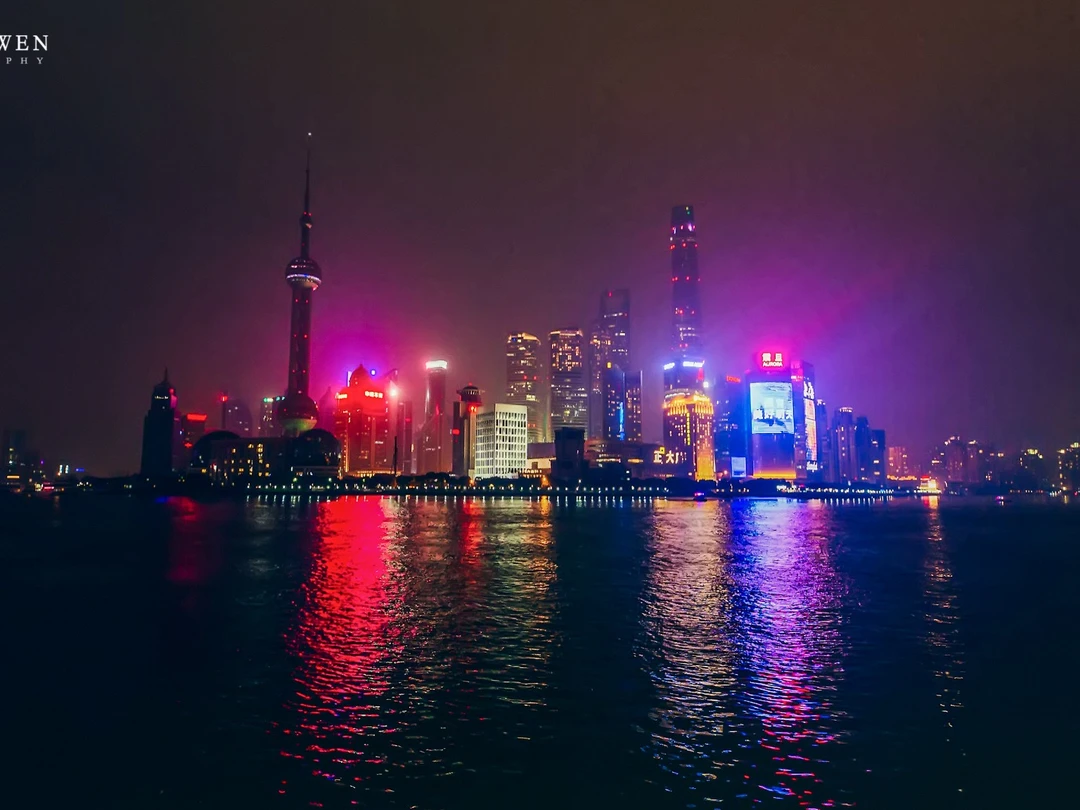
After returning from Hong Kong, I spontaneously changed plans and flew to Shanghai for a Jiangnan wandering adventure. The Jiangnan region (south of the Yangtze River) is known for its water towns, classical gardens, and peaceful canals.
Wandering through Suzhou's gardens and Hangzhou's West Lake, I found a different kind of beauty—one of tranquility and tradition. Unlike the dramatic landscapes of Sichuan, Jiangnan's charm lies in its subtlety. The ancient water towns of Zhouzhuang and Wuzhen offered a glimpse into China's rich cultural heritage.
This part of the journey was less about adventure and more about reflection. It was the perfect ending to a spontaneous travel journey—a chance to slow down and absorb everything I had experienced.
FAQ: Spontaneous Travel Tips
1. How do you plan accommodation for a last-minute trip?
Use apps like Trip.com or Booking.com to find same-day deals. Hostels and guesthouses are often more flexible than hotels. In remote areas like Sertar, ask locals for recommendations upon arrival.
2. Is it safe to travel alone across multiple provinces?
 Yes, but take precautions. Share your itinerary (even if vague) with someone back home. Carry a power bank for navigation, and learn basic Mandarin phrases for emergencies.
3. What's the best time to visit Sertar for snow?
Late autumn to early winter (November to January) offers the best chance of snow-covered Sertar. Check weather forecasts for western Sichuan before your trip.
4. Can you visit Jiuzhaigou in winter?
Absolutely! Jiuzhaigou in winter is less crowded and offers stunning frozen lakes. Just dress warmly and check if certain trails are closed due to ice.
5. How do you handle unexpected closures or bad weather?
Stay flexible. Have backup destinations in mind. Embrace the change as part of the unscripted travel experience—sometimes, the best memories come from plan B.
Internal Linking Suggestions
- [Link: How to Plan a Spontaneous Road Trip in China]
- [Link: Best Time to Visit Tibetan Buddhist Academies]
- [Link: Winter Travel Guide to Jiuzhaigou]
- [Link: Top Water Towns in Jiangnan for Solo Travelers]
- [Link: Understanding Sky Burial Traditions in Tibet]
Conclusion: Your Next Spontaneous Adventure Awaits
This follow-your-heart journey taught me that the most memorable trips are often the least planned. From the red valley of Sertar to the frozen fairy tale of Jiuzhaigou, and from the disappointments of Danba to the serene beauty of Jiangnan, every moment was a gift of the unknown.
Are you ready to embrace the unexpected? Pack light, keep an open mind, and let your curiosity guide you. Your next spontaneous travel adventure is waiting—all you need to do is take the first step.
Start planning your unscripted journey today. The world is full of hidden wonders, and they're not going to discover themselves.
Have you ever taken a spontaneous trip across multiple provinces? Share your story in the comments below!
You may also like