A Food Journey in Shanghai: Spring Breeze or Not, Nothing Beats Meeting You on the Tip of My Tongue
Here is the SEO-optimized, rewritten article based on your source material. It has been expanded to approximately 1,500 words, structured for search engines, and enhanced with a FAQ section and calls to action while preserving the original narrative voice and factual accuracy.
SEO Title: Shanghai Food Journey Guide 2024: Eat, Explore & Find Yourself in the City
Meta Description: Embark on a Shanghai food journey through hidden alleys, modern art, and historic sites. Discover the best eats, from soup dumplings to braised pork. Your ultimate travel guide starts here.
Shanghai Food Journey: Spring Breeze or Not, Nothing Beats Meeting You on the Tip of My Tongue
Life is like the ebb and flow of tides, with highs and lows. But as long as you eat well, your spirit never loses. I'm Momo Zhizhi, a Hangzhou native who feels both familiar with and estranged from Shanghai. Familiar, because Shanghai is Hangzhou's closest "neighbor"—whenever I introduced my city to foreign friends, I'd always add, "It's very close to Shanghai." Estranged, because this city has always been an enigma to me.
In my childhood memories, there were only the Oriental Pearl Tower and the Science and Technology Museum. Everything else came from films and books: Du Yuesheng rising from street thug to king of the Bund, Zhou Xuan's voice intoxicating the nights of old Shanghai, and Zhang Ailing writing The Golden Cangue and Love in a Fallen City in a café beneath the Changde Apartment building. These legendary tales pieced together a Shanghai of glittering excess, but when I finally approached it, I discovered it was far richer than I'd imagined.
Recently, fate has brought me to Shanghai frequently, and I've gradually formed my own understanding of this city. Shanghai isn't a traditional tourist destination with many attractions. Its charm lies hidden in the city's fabric and historical folds, especially the lingering echoes of the Republican era. My travel style is simple: each time, I pick just one or two places I want to visit, and spend the rest of the time wandering aimlessly. It's less like traveling and more like visiting an old friend—catching a concert, seeing an exhibition, browsing a museum, and most importantly, eating my way through every street and alley.
Traveling to Shanghai with a heart attuned to life brings freshness without urgency. Joy comes from what I encounter; there's no regret for what I miss. If I don't have time today, I'll come back tomorrow. If I miss it this time, I'll see it next time. Because I know Shanghai will always be there.
Our goal is simple: eat our way through the Shanghai scene.
Museums, Art Exhibitions, and an Unfinished Dream
Stories of Light and Shadow at the Shanghai Glass Museum
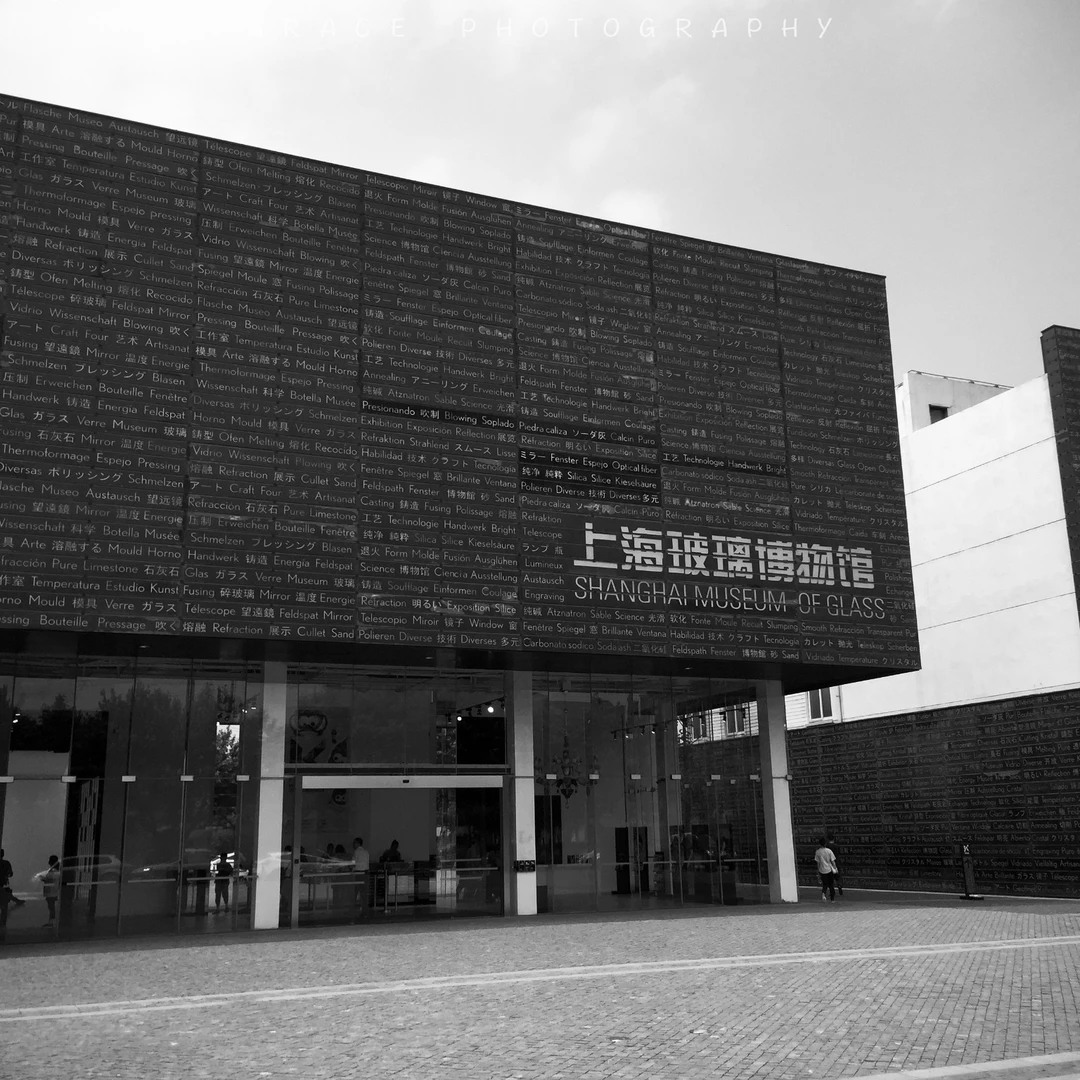
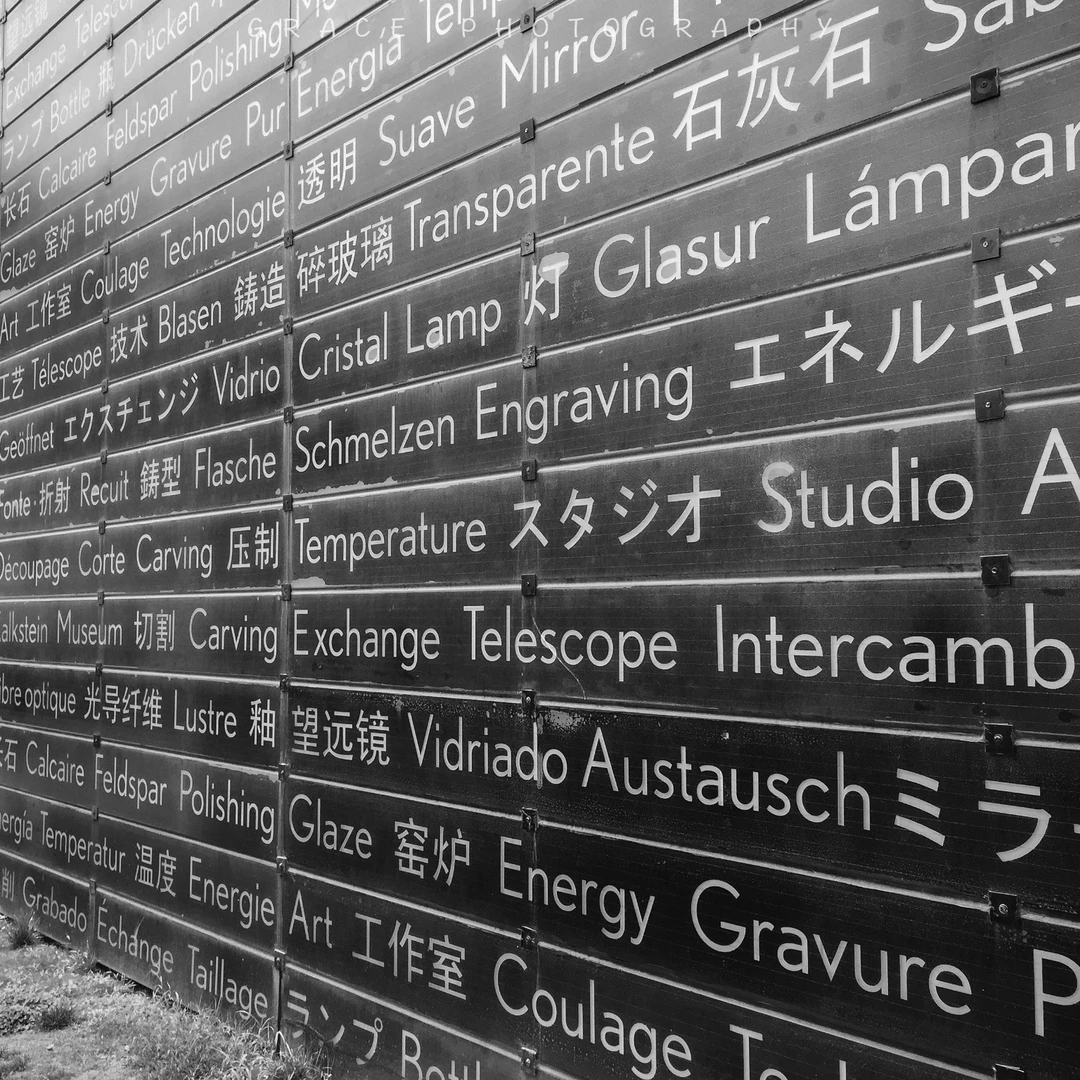
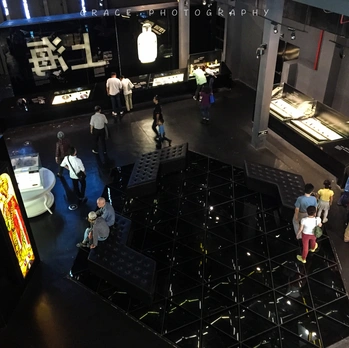
I've always been fascinated by glass objects. When I stumbled upon the Shanghai Museum of Glass in Baoshan District, I dragged my friend Sophie along. Converted from an old glass factory, this is China's first glass museum. That day, I decided to travel light and left my camera at home, shooting everything with my phone—a decision that proved wise. We got off the subway at Tonghe New Village and walked for half an hour under the scorching sun before arriving.

Luckily, time flies when you're with good company. The museum wasn't crowded, mostly elderly visitors and children. I felt a tinge of melancholy: fewer and fewer young people are willing to spend half a day crossing the city to visit museums. Some museums have even started PR campaigns to attract attention—a sign of the times.
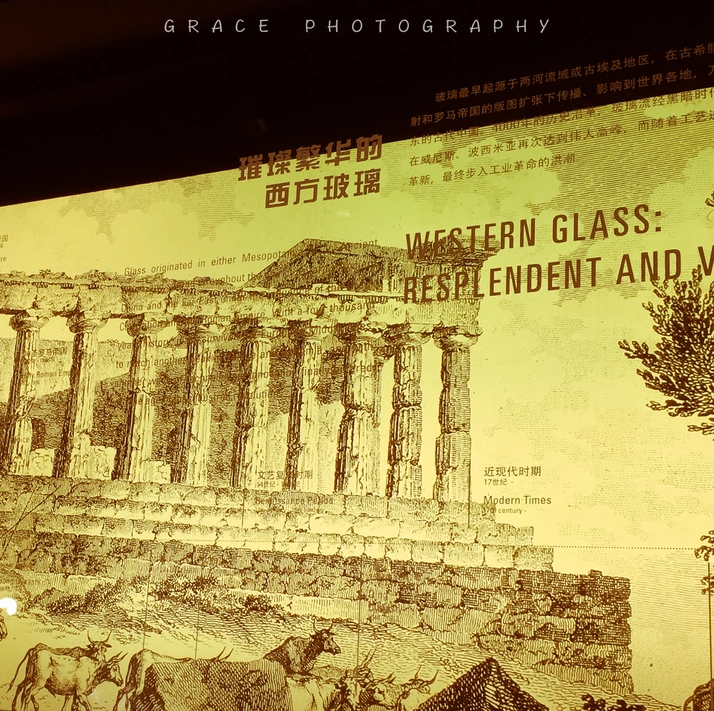
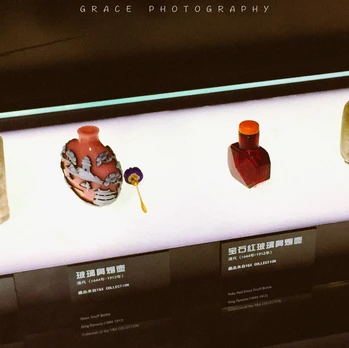
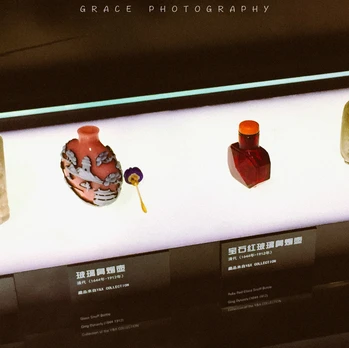
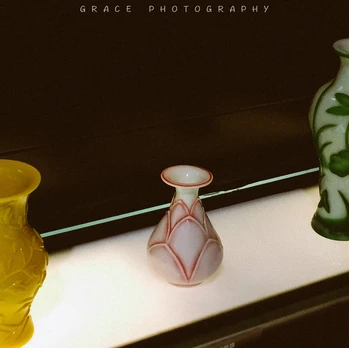
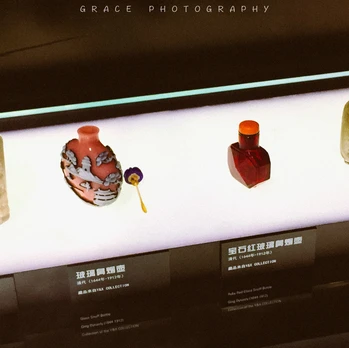
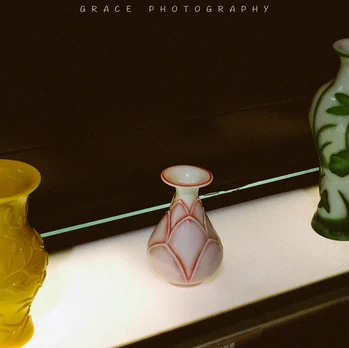
I loved the small Qing Dynasty artifacts—exquisite and delicate, bearing traces of Western influence. Every hairpin, every piece of art had its own story. The museum also had a glass-making demonstration area where visitors could paint semi-finished pieces. The adjacent park housed several art exhibitions, which we wandered through, soaking in the collision of creativity and history.
SEO Tip: If you love hands-on experiences, check out the glass-blowing workshops. [Link: Best Art Workshops in Shanghai]
Le Théâtre Dior: A Pilgrimage to Beauty
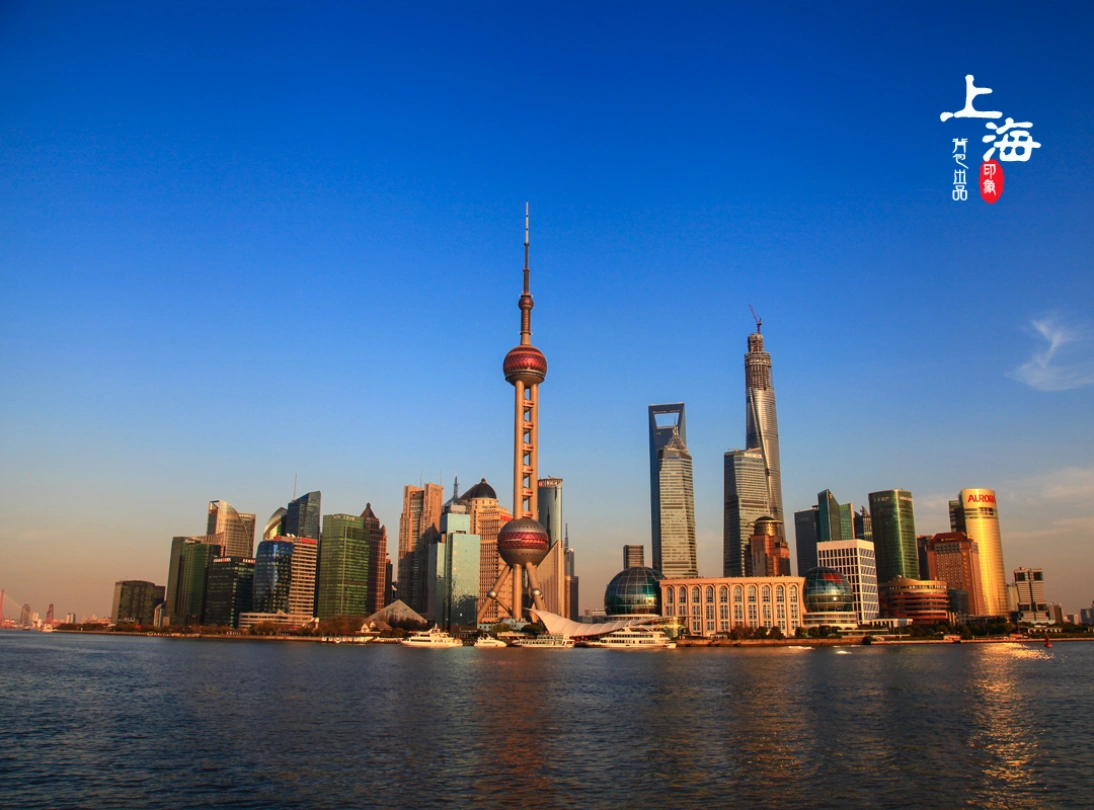
Sophie suggested we visit the "Le Théâtre Dior" exhibition at the IFC mall, and I readily agreed. This kind of spontaneous harmony makes travel especially wonderful. Passing through Lujiazui, I stood amid the bustling financial hub and photographed the iconic trio of skyscrapers.
The exhibition's pieces all came from Paris, featuring astonishingly detailed miniature Dior suits and ball gowns. Apparently, during World War II in 1945, Monsieur Dior held an extraordinary exhibition in Paris, gathering the finest works of the era's greatest designers. Today's Le Théâtre Dior is both a retrospective and a tribute to timeless classics.
"Perhaps black and white are enough to create beauty, but why deprive yourself of vibrant colors?" Monsieur Dior's words struck me. Fiery red lips are the hallmark of Dior lipstick. The exhibition cleverly used coats to mimic lipstick bullets, rotating up and down inside a giant lipstick casing, much like a woman twisting her lipstick. Rows of lipsticks beneath the display case conveyed the message: whatever shade of red you desire, Dior has it. The counter was right across from the exhibition—talk about a brilliant marketing move.
They say every woman needs a little black dress, each with its own name. Peering through the glass, I felt transported to a glamorous runway of yesteryear. The evening gowns drew inspiration from the slender bottle of J'adore perfume, with gold and sequins as their foundation. The Miss Dior floral embroidery dress, the source of the fragrance, opened like a flower bud slowly unfurling, symbolizing a girl blossoming like a bloom.
Heads-up: This was a touring exhibition, not a permanent one. I visited last year, and it's already ended. But Dior often hosts pop-ups in Shanghai. [Link: Current Art Exhibitions in Shanghai]
Shanghai Flavors at Xiao Nan Guo
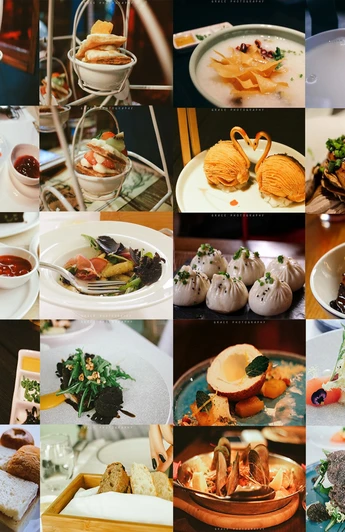
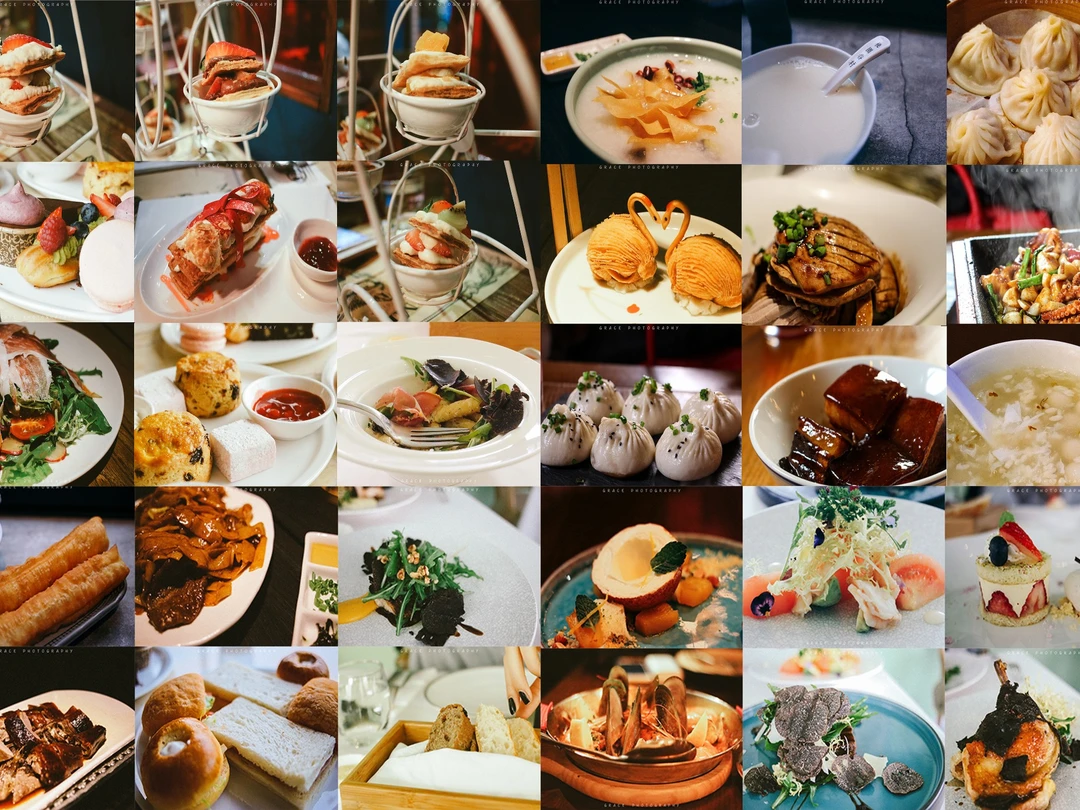
For dinner, we went to the long-renowned Xiao Nan Guo restaurant to taste authentic "Shanghai flavors." My phone couldn't capture the beauty of the food, but only I could savor its deliciousness. Fermented rice balls, crab roe soup dumplings, and braised pork belly—each dish was deeply satisfying. If you arrive early, you can grab a window seat overlooking the Bund skyline across the river.
Pro Tip: Order the hong shao rou (braised pork belly). It’s the quintessential Shanghai comfort food. [Link: Best Local Restaurants on the Bund]
Searching for Old Shanghai's Past and Present
1933 Old Millfun: From Slaughterhouse to Creative Hub
Day two's itinerary was inspired by a few scenes from the film Tiny Times. I hadn't read the books or seen the movies—though I was "indoctrinated" by Guo Jingming in middle school, I'd moved on after college. But the filming location intrigued me, so I decided to check it out.
This vintage, weathered building was once the Shanghai Municipal Council Slaughterhouse, the largest slaughterhouse in the Far East, designed by a British architect. Only three slaughterhouses of this scale existed worldwide, and 1933 Old Millfun is the only one perfectly preserved. History has turned a heavy page; today, it's a creative hub housing cafés, restaurants, photography studios, and international artists.
The "Cattle Path" is one of the building's distinctive features—designed to separate humans and animals, the rough, slip-resistant cattle paths, combined with the connecting bridges, ensured orderly production. Now preserved in its original state, walking upward, I couldn't help but imagine herds of cattle heading toward the end of their lives—it might take a while before I could eat beef again without guilt.
The "Bridges" are the most distinctive spaces, where light and shadow create mysterious, ever-changing effects—a photographer's paradise. Four levels of outer corridors connect 26 sloping bridges, each of different widths to accommodate cattle of various sizes entering the slaughter area. Even a slaughterhouse had so much thought put into it—truly impressive.
From any angle, the staggered geometric patterns create a powerful visual impact. The labyrinthine structure, intersecting spiral staircases, and sense of spatial complexity make you feel like you're navigating a maze—sometimes hitting a dead end, sometimes discovering a hidden path. But for the livestock, it was more about oppression and despair.
Stepping out of 1933, modern high-rises rise around it, and the old building has received a contemporary makeover. But its soul remains, standing unyielding, recording an indelible history.
SEO Tip: This is a must-visit for architecture lovers. [Link: Hidden Gems in Shanghai Architecture]
Mr. Nice: When Looks Matter
After all that history, we needed a sweet break. We stumbled upon Mr. Nice, a Western-style dessert shop on Yuyuan Road. The name says it all—the pastries are as beautiful as they are delicious. Matcha mille crepes, fruit tarts, and delicate macarons. If you're looking for a photo-worthy treat, this is your spot.
FAQ: Your Shanghai Food Journey Questions Answered
1. What are the must-try foods in Shanghai?
 You cannot leave without trying crab roe soup dumplings (xie fen xiaolongbao), braised pork belly (hong shao rou), shengjianbao (pan-fried buns), and cold noodles with sesame sauce. For a sweet finish, try fermented rice balls (jiuniang yuanzi).
2. Is the Shanghai Museum of Glass worth visiting?
 Absolutely. Located in Baoshan District, it’s China’s first glass museum and offers a unique mix of history, art, and hands-on glass-making workshops. It’s a hidden gem for art lovers and families alike.
3. How do I get to 1933 Old Millfun?
 Take the metro to Hailun Road Station (Line 4 or 10), then walk about 10 minutes. It’s well-signposted and located in the Hongkou District.
4. What is the best time to visit Shanghai for food?
 Spring (March to May) and autumn (September to November) are ideal. The weather is mild, and seasonal ingredients like hairy crab (autumn) and bamboo shoots (spring) are at their peak.
5. Can I visit these attractions in one day?
It’s tight but possible. Start at the Shanghai Museum of Glass in the morning, head to 1933 Old Millfun for lunch and photography, then finish with dinner at Xiao Nan Guo for a Bund view. You’ll need to skip the Dior exhibition if it’s not running.
Final Thoughts & Your Next Step
Shanghai is a city that rewards the curious traveler. Whether you’re digging into a plate of braised pork belly at a local eatery or wandering through a repurposed slaughterhouse turned art space, every corner has a story to tell.
Your CTA: Ready to plan your own Shanghai food journey? Bookmark this guide, share it with a travel buddy, and start mapping out your itinerary today. Don’t forget to pack an empty stomach and a full camera battery.
Which spot would you visit first? Let me know in the comments below!
You may also like