Notes on Changle Road: Becoming a Wandering Observer in Shanghai's Summer
Meta Description: Discover the art of slow travel through Shanghai's Changle Road. This SEO-optimized guide explores summer wandering, local life, and the beauty of becoming an observer in one of China's most dynamic cities.
Introduction: The Art of Wandering Through Shanghai's Summer
In the summer of 2020, I never imagined I would develop such a bond with Shanghai. More than two months of residence—from the tail end of the rainy season to the first gusts of autumn wind, over seventy cycles of rain and shine, dawn and dusk. It was neither a pure journey nor genuine living—but something in between, a delicate state. As Polish writer Olga Tokarczuk wrote in Flights: "Constellations, not sequences, contain the truth." I decided to capture this summer spent at No. 619 Changle Road in fragmentary notes.

This is not a typical Shanghai travel guide. It is a meditation on becoming a wandering observer—someone who floats between tourist and resident, capturing the city's pulse through everyday moments. Whether you're planning a summer trip to Shanghai or simply seeking inspiration for slow travel, these notes offer a unique lens into urban exploration.
Why Changle Road? The Heart of Shanghai's Summer Experience
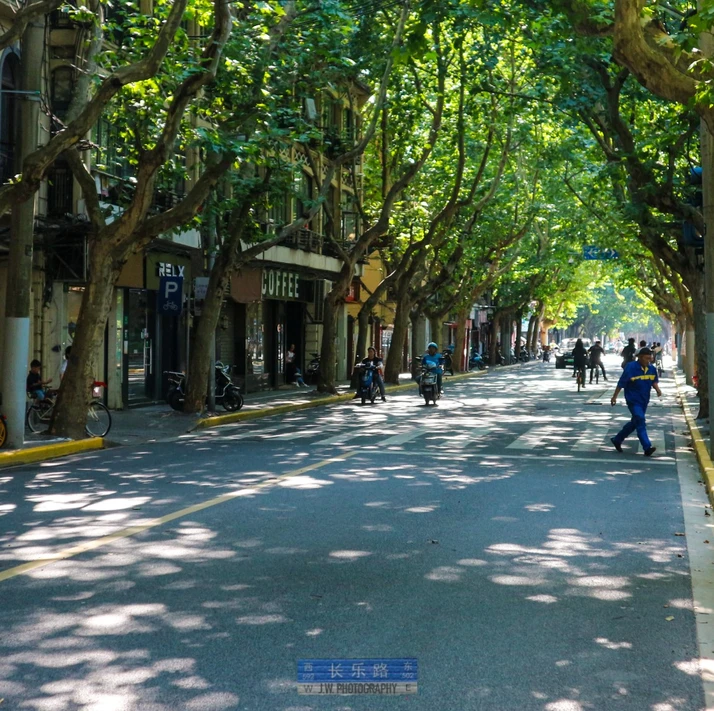
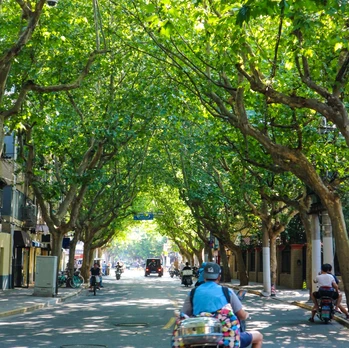
Changle Road (长乐路) runs through the former French Concession, connecting the energy of Huaihai Road with the quiet charm of Xiangyang Park. It is a street of contrasts: boutique shops and old apartment buildings, fashionistas and elderly locals, plane trees and laundry poles.
The Wandering Observer's Perspective
The Tang poet Cui Hao once wrote: "I stop my boat and ask, / Could you be from my hometown?" I too am always wandering on the road, occasionally stopping my boat to pick up fragments of constellations. But this time was different—a summer internship kept me in Shanghai for over two months, bringing a state suspended between travel and life.
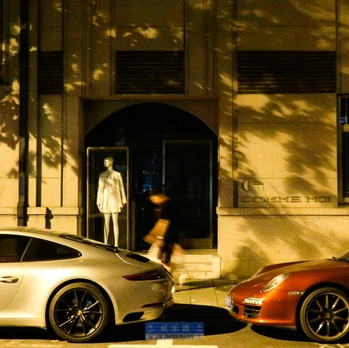
A tourist's perspective always carries a blunt logic, carving crisp marks on the city's surface; yet I was never truly a resident, where only surprises can ripple through the monotony of habit. I carried my camera through Shanghai's streets, discovering something new with every walk; I also tried to live like a Shanghainese—not to change my habits, but because the city and its people were inherently fascinating.
So I began recording moments: the scenery from weekend outings, stories that suddenly surfaced on the commute subway, idle daydreams in lazy afternoons. In the small room at No. 619 Changle Road, facing a window full of plane trees, I collected these fragments of life, slowly filling half a notebook.
In the end, I decided to preserve these texts in their rawest form—25 notes, written in 25 corners of Shanghai, carrying 25 sudden reveries. They scatter like constellations, but invisible threads connect them across distances. When pieced together, these notes map the summer of Changle Road.
Living at No. 619 Changle Road: A Summer in an Old Shanghai House
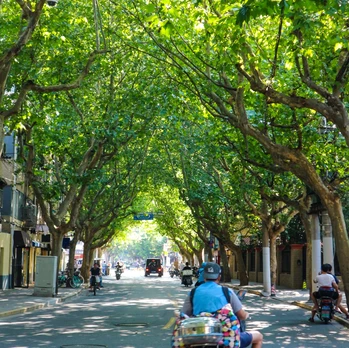
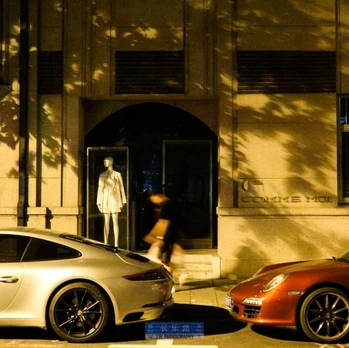
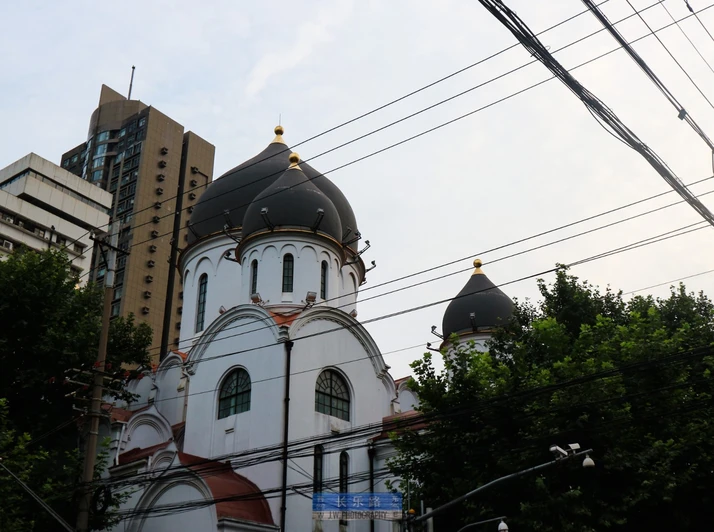
Walking north from South Shaanxi Road, turn left onto Xinle Road, and the clamor of Huaihai Road gradually fades. Further ahead lies Xiangyang Park, where the onion dome of the Eastern Orthodox Church at the intersection pierces through the power lines, overlooking the labyrinthine alleyways. Both sides of the road are lined with boutique shops, where fashionistas gather in rows, sitting on the curb waiting for stores to open, using the street as a mirror to admire their own reflections.
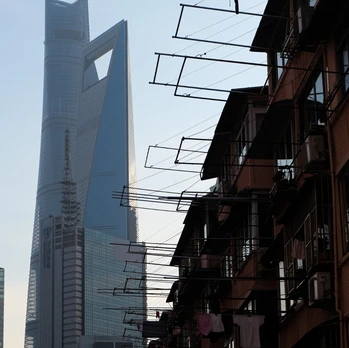
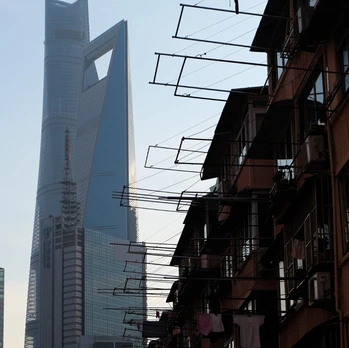
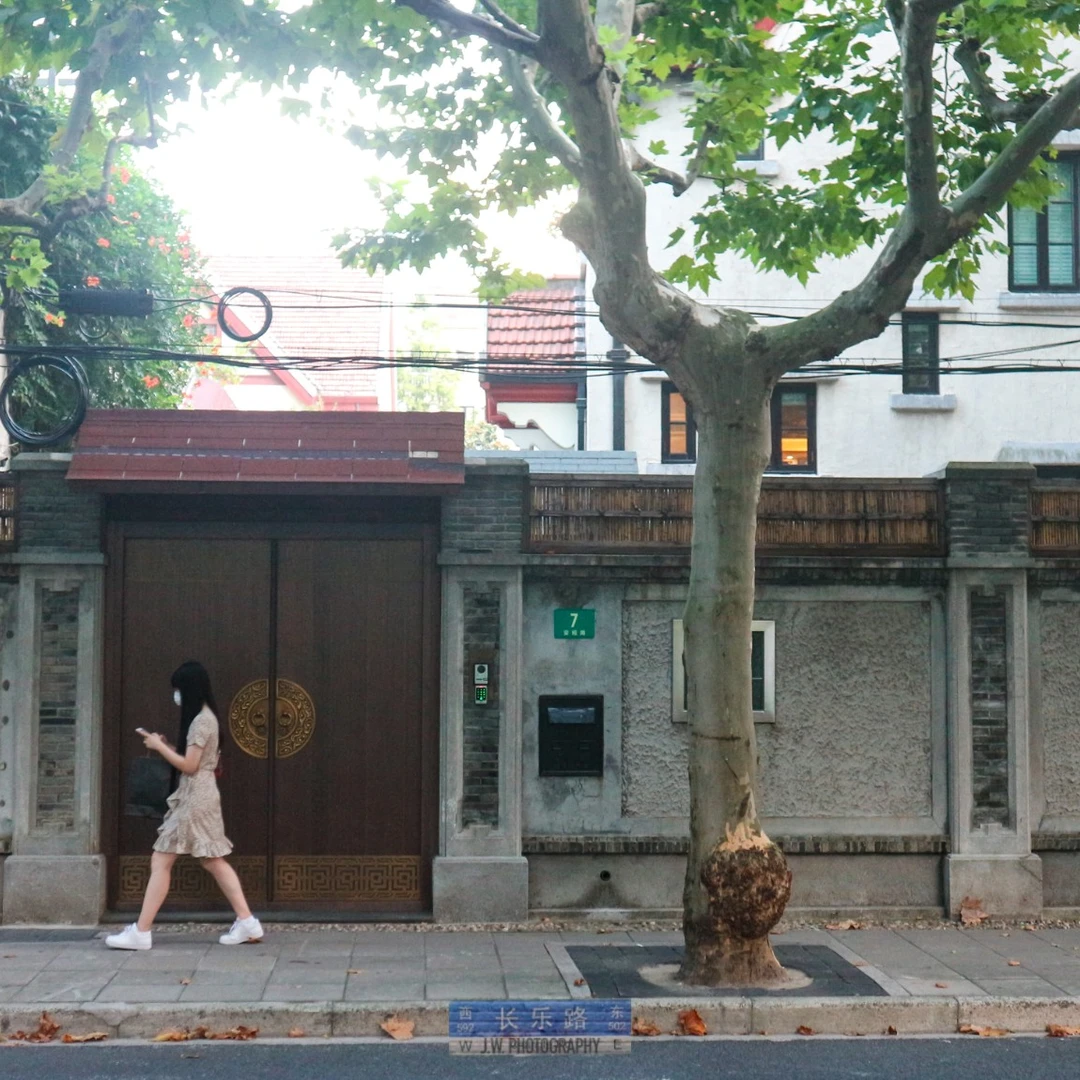
Plane trees, coffee shops, shared bicycles, a missing paver on the sidewalk, gaps in the sky filled with laundry poles, garbage that must be sorted carefully. On the bustling Changle Road, an unremarkable old house.
The Old House: Aging Gracefully
A house ages from the outside in. The walls wrinkle like skin, the locks loosen like teeth, then the creaks climb up the groaning stairs. You must tread gently. Fortunately, she hasn't reached old age—the decay stops at the door. The white door stands sharp-edged, embedded in a background stained with yellow oxidation. Beyond it: white walls, an air conditioner, furniture, a pot of gardenias that refuse to thrive—all with outlines, all alive, enough to get by, especially with freshly chilled soda in the fridge.
The window is old too, rusted and uninsulated. Looking through it at the street feels like wearing glasses into humid summer—sounds come through clearly, but images are veiled by a heavy, condensed mist. Cyclists rush home from work, cars blocked by roads that will never be widened, sparrows leaping between rooftop alleyways. The mist thickens, and gradually everything disappears, leaving only hazy headlights.
Nightlife on Changle Road
At night, Changle Road finally lives up to the promise of its name—"eternal joy without end." When sleepless people gather laughing in bars, wine glasses become candles, carving a crack into the ancient darkness. But even living on Changle Road, joy remains a wish rather than a guarantee. Laughter is often followed by quarrels, the crash of broken bottles, the roar of speeding motorcycles.
Morning Rituals
Even on bright mornings, the room feels a bit cold. You must pull open the curtains to let the sunlight spread softly. Through the gaps in the plane trees, light falls like golden, plump grains of rice scattered across the floor—at exactly nine o'clock, the faint sound of the neighbor auntie washing rice drifts in. The day is beginning.
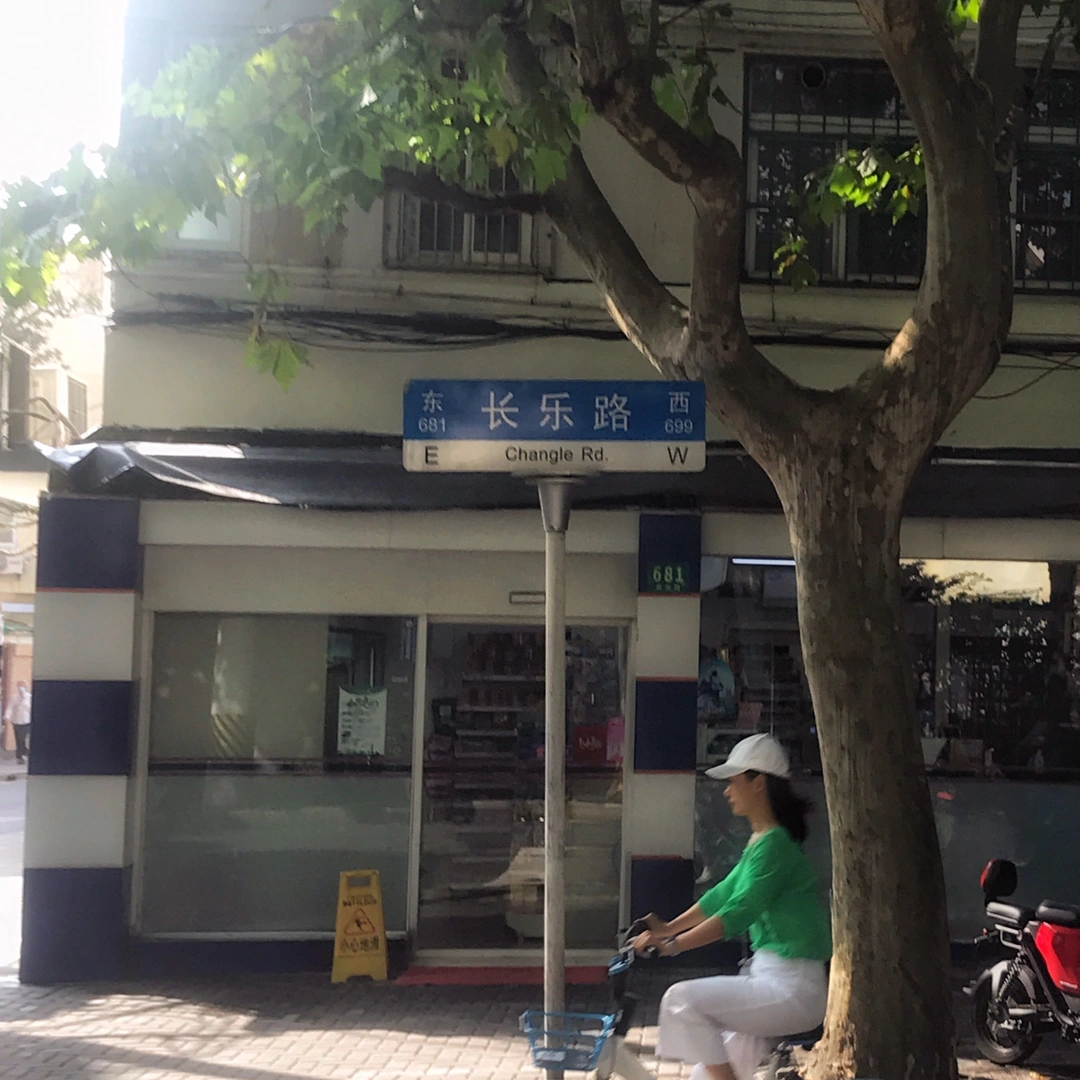
The sunlight also polishes the doorplate, where engraved characters in standard script have quietly welcomed moss—No. 619 Changle Road.
A Perfect Day for Wind: Shared Bicycles and the City's Pulse
Shared bicycles weave through Shanghai's gaps. Riding one to the subway saves six minutes compared to walking—or only four if you hit red lights at three intersections. That luck matters most on Mondays. Worse luck: finding no rideable bike within two blocks, which happens about once every two weeks.
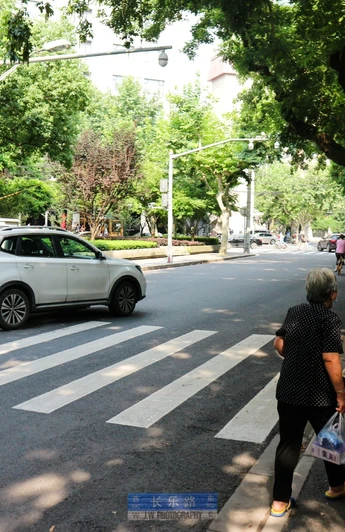
Without a doubt, finding a bike lifts the morning mood. Cars are sparse at this hour, but bicycles are already plentiful. Young people ride shared bikes—yellow or blue—backpacks on, hurrying past; more often, elderly locals ride bikes with baskets attached to the handlebars, carrying a bag of pan-fried buns (生煎, shengjian), a couple of ounces of pork, greens still dripping dew from the roadside.
I never reach that leisurely state, so mornings are always for rushing. As I accelerate to pass, the lines of Persian poet Rumi echo in my ears:
When the day is perfect, the sail needs only to open and the world is full of beauty. Today is such a day.
A clear wind blew down Changle Road that day, and I set sail on the pedals' rotation.
The Insider: Philosophical Musings from Asking Directions
On the eighth day of living on Changle Road, someone asked me for directions for the first time.
"Hey young man, is there a barbecue place nearby? Selling grilled meat, skewers—or maybe some dim sum?" He stopped me abruptly, pushing past a couple of couples posing for photos, wiping sweat from his forehead. The three of them dragged suitcases that scraped against the pavement, making an awkward noise.
When the French laid out this avenue—originally named Route Fergusson—they couldn't have predicted the invention of rolling luggage, nor calculated the maximum pedestrian capacity. From Hongqiao Airport (or the high-speed rail station) to Jiaotong University Station on Line 10 takes half an hour—that was probably his entire understanding of Shanghai.
Of course, eight days of residence offered some advantages. For instance, I could say with certainty: where on Wukang Road would you find a barbecue joint? This is a refined area, life belongs to elegant townhouses, swaying plane trees, shops selling waffles and ice cream scoops. If today's sunlight falls just right on the tablecloth's English floral pattern, matching the most popular light on social media, the price jumps from thirty to forty yuan.
I couldn't help him, but he gave me a philosophical puzzle: what criteria do people use to choose whom to ask for directions? I spent the rest of my walk reasoning through this, observing every passerby.
I don't look like a local Shanghainese—my white T-shirt and sneakers aren't Shanghai-exclusive. But I noticed fatal details, worn smooth by growing familiarity and repetition: walking through these French-romantic streets, I felt no excitement. I didn't stop to examine anything, didn't want to take photos. I just felt the weather getting hotter, and realized I had endless chores waiting at home: unpaid electricity bills, a broken washing machine.
This conclusion implies a dangerous inference: that a person's familiarity with an area can be read through the sum of their external behaviors. In the AI era, this could become a new growth vector for navigation apps.
How to Experience Shanghai Like a Wandering Observer
Becoming a wandering observer is not about following a checklist. It is about embracing the in-between state—neither tourist nor resident—and allowing the city to reveal itself through small moments. Here are practical tips for your own Shanghai summer:
| Tip | Description |
|---|---|
| Rent a bike | Shared bicycles (yellow or blue) are everywhere. Use them for short trips to feel the city's rhythm. |
| Walk without a map | Get lost in the French Concession. Let the plane trees guide you. |
| Live like a local | Buy groceries from roadside stalls. Sort your garbage. Listen to the neighbor auntie washing rice. |
| Capture fragments | Keep a notebook or camera. Record the moments that feel like constellations. |
| Embrace the mundane | Pay bills, fix appliances, wait for the bus. These are the threads that connect you to the city. |
FAQ: Your Questions About Shanghai's Changle Road
Q: What is the best time to visit Changle Road? A: Summer is ideal for experiencing the full vibrancy of the street—from morning light filtering through plane trees to late-night bar scenes. However, spring and autumn offer milder weather for walking.
Q: How do I get to Changle Road? A: Take Metro Line 10 or Line 12 to Jiaotong University Station (交通大学站), then walk south. Alternatively, Line 1 to South Shaanxi Road Station (陕西南路站) and walk north.
Q: What should I eat on Changle Road? A: Try shengjian (pan-fried buns) from local bakeries, dim sum from small restaurants, and waffles from boutique cafes. For a true local experience, buy groceries from roadside stalls.
Q: Is Changle Road safe for solo travelers? A: Yes, Changle Road is generally safe, even at night. However, like any urban area, stay aware of your surroundings, especially after midnight when bars close.
Q: Can I stay in an old house like No. 619 Changle Road? A: Many old apartments in the French Concession are available for short-term rental through platforms like Airbnb or local agencies. Look for listings near Xiangyang Park or South Shaanxi Road.
Conclusion: Your Shanghai Summer Awaits
The summer of Changle Road taught me that the best travel experiences are not about ticking off landmarks but about becoming a wandering observer—someone who floats between worlds, collecting fragments of light, sound, and story. Whether you're an intern, a backpacker, or a digital nomad, Shanghai's summer offers the same invitation: stop your boat, ask a stranger for directions, and let the city's pulse guide you.
Ready to become a wandering observer in Shanghai? Start planning your trip today. Book a room in the French Concession, rent a shared bicycle, and let the plane trees lead the way. Your constellations are waiting.
[Link: Shanghai Travel Guide] [Link: French Concession Walking Tour] [Link: Best Summer Activities in Shanghai] [Link: How to Rent Shared Bicycles in Shanghai]
What's your most memorable wandering experience? Share your story in the comments below!
You may also like