Morocco Travel Guide: Desert Stars, Blue Cities & Red Walls – An Eternal Journey
Meta Description: Discover Morocco's magic from Sahara starry nights to blue-washed Chefchaouen. This Morocco travel guide covers Rabat, Casablanca, and essential tips for an unforgettable North African adventure.
Introduction: Why Morocco Should Be Your Next Destination
When I told friends I was visiting Morocco, their faces fell. "Is it safe?" they asked, as if I were heading into a war zone rather than a kingdom of ancient medinas and Saharan dunes. I admit, I had my own doubts.

But one week in Morocco shattered every preconception. Under the Sahara's Milky Way, wandering through Jardin Majorelle's cobalt corridors, watching sunset paint the Hassan II Mosque in gold – I understood something profound: Morocco doesn't just change your itinerary; it changes your perspective.
This North African gem – shaped by Berber, Arab, French, and Spanish influences – offers travelers a rare gift: the chance to lose yourself in contradictions. Here, rugged desert meets tender blue-washed towns. Ancient Islamic geometry blends with French colonial romance. And in that beautiful tension, you find something eternal.
In this comprehensive Morocco travel guide, I'll share practical tips, hidden gems, and honest reviews from my circuit tour through Rabat, Casablanca, and beyond.
Rabat Travel Guide: Morocco's Understated Capital
First Impressions: From London's Chill to North Africa's Heat
Stepping off the plane from 13°C London into 30°C Rabat felt like walking into a warm embrace. The humid sea breeze carried that unmistakable North African scent – a mix of spices, dust, and ocean.
Taxi drivers lined up, eyes gleaming with tourist-baiting potential. Pro tip: Negotiate the fare before getting in, and insist on the meter. Late-night arrivals? Don't bargain too hard – safety first.
The streets weren't quiet at midnight. Groups of slightly tipsy young people wandered through the old Medina, their laughter bouncing off yellow-mud walls. And everywhere: "Ni hao!" and "Xie xie!" – spoken with playful grins.
Getting Lost in Rabat's Medina: The Right Way to Explore
Google Maps is useless here. And that's the point.
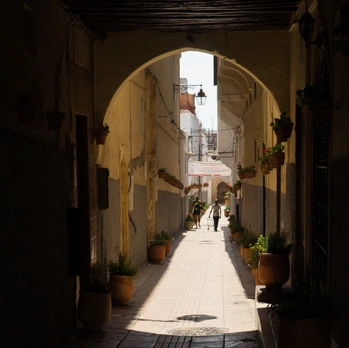
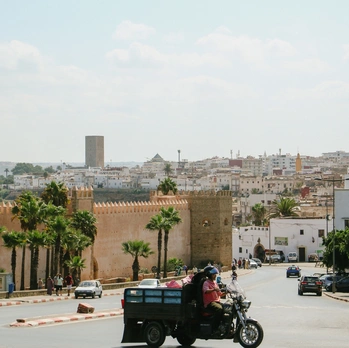
Our riad – a traditional Moroccan guesthouse – was hidden deep in the old city. Dragging suitcases along narrow flagstone paths, we dodged curious stares and the occasional donkey carrying goods. French billboards stood beside Arabic signs. An elderly woman in a headscarf sat on her doorstep, lost in thought.
At dawn, the Medina transformed. Time seemed to slow by two hours. At 8 AM, streets were empty except for sea breeze stirring yellow sand. Colorful mosaic graffiti peeked around corners, turning my companion and me into accidental treasure hunters.
This is what the older generation calls "the old days" – everything slowed down, like a faded designer coat needing careful examination to reveal its stories.
Kasbah des Oudayas: Blue and White Serenity
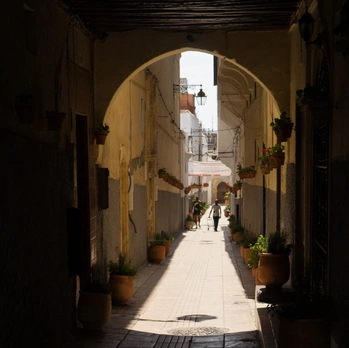
Exit the old city through the eastern gate. Follow the sound of waves. You'll find this 12th-century Almohad fortress perched on a headland.
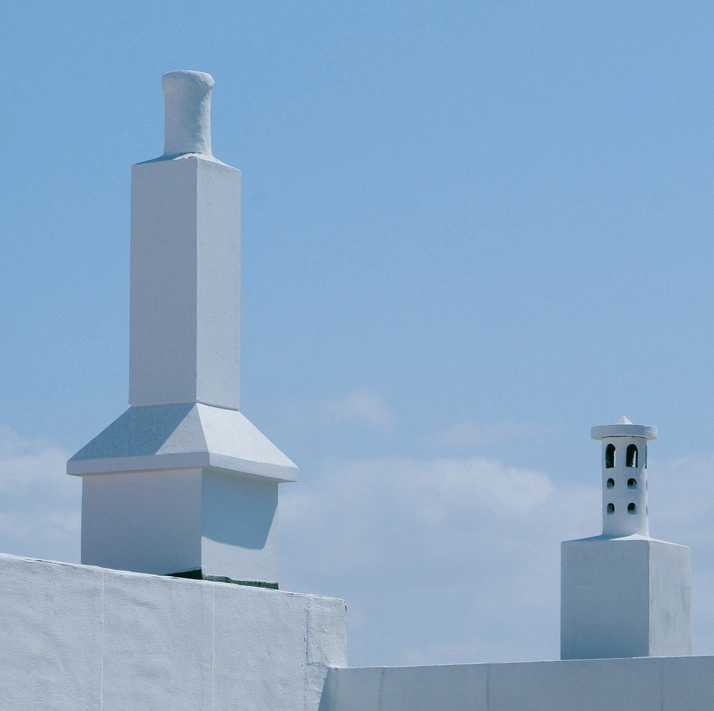
The narrow, crushed-stone streets are lined with blue-and-white Spanish-style houses. But this blue isn't Chefchaouen's bold cobalt – it's faded, tender, bleached by sea breezes and sunlight. Lazy blue cats lounge in corners. They're the true masters here.
Almost no tourists. Only residents living quiet lives. On rooftops, plants thrive in the maritime climate. Standing on the fortress platform overlooking the Atlantic, I felt that specific tranquility – the calm after youth fades, like a scene from a coming-of-age film.
Riad Sidi Fatah Review: A Desert Oasis
Rating: 3/5
A riad is like Beijing's siheyuan – unremarkable outside, a hidden world within. Our Rabat riad featured rust-red walls, blue-and-white checkered tiles, a small wishing fountain, and floor-to-ceiling carved bronze mirrors reflecting daylight.
The breakfast stole my heart. Vanilla yogurt paired with local flatbread, served on the rooftop terrace. Sunlight filtered through colorful fabric canopies onto worn old tables. At that moment, this simple meal earned a spot on my "best travel experiences" list.
Downsides: Rooms were small. Lighting was average. But that breakfast? Unforgettable.
Casablanca Travel Guide: White City & Cinematic Dreams
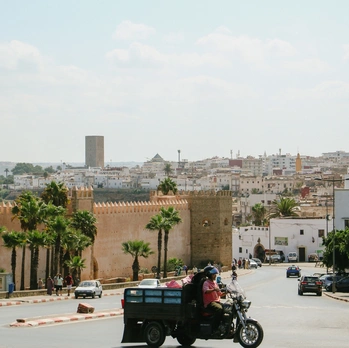
Hassan II Mosque: Faith Meets Daily Life
Casablanca – "blanca" means "white" in Spanish. This economic hub feels more modern than Rabat. For many Chinese tourists, it's their first impression of North Africa.
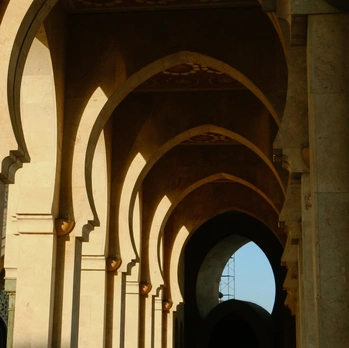
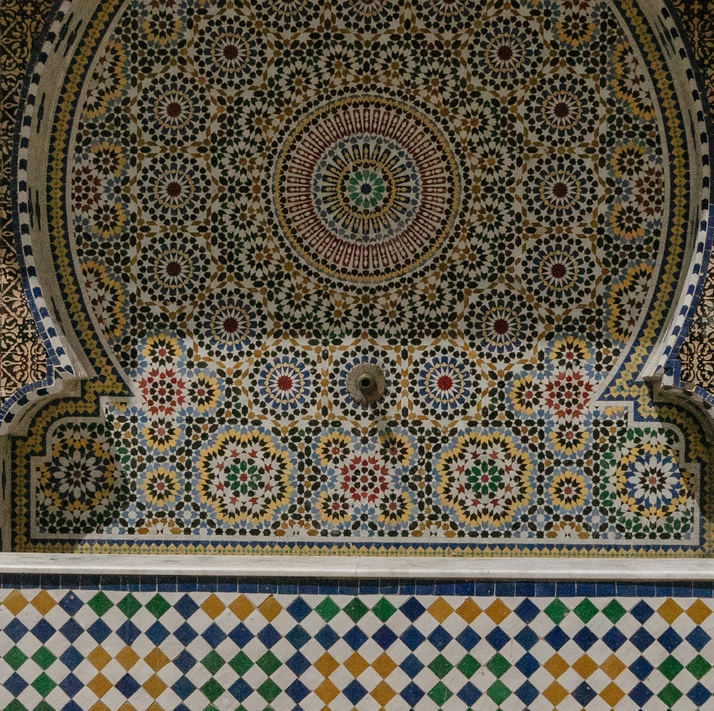
Hassan II Mosque is the world's third-largest mosque, built from yellowish-white marble. Green glazed tiles form Arabic geometric patterns everywhere. Unlike other religious sites I've visited, this felt like a public park. Families strolled. Children chased each other in the square. Faith blended seamlessly with everyday life.
Visit at sunset. Golden light brushes every carved line, creating sacred serenity. Each pattern resembles a first encounter with an Arab maiden – eyes holding purity that makes you forget the mundane.
Some call Casablanca a real-life "Monument Valley." The description fits perfectly.
Rick's Café: A Cinematic Dream Come True
Casablanca the film wasn't shot here. But the owner recreated the entire set, making this café a city landmark.

Opens at 6:30 PM. Arrive late, and you'll wait in line. A ten-minute walk from the mosque takes you there, past straight palm trees and a pink sky with distant rooftop lights flickering.
At a crossroads, boys in Moroccan national team jerseys practiced football. Passing cars seemed to reach an unspoken agreement – leaving time and space for future "Mbappés."
What to order: - Starter: Goat cheese and fig salad – rich cheese pairs perfectly with sweet-sour figs - Main: Basil pasta – simple, classic - Must-order: Signature roast duck with fruit chutney (simmered with cinnamon bark, layered complexity)
Around 9 PM, jazz filled the restaurant. Under dim yellow lights, everyone was lost in the moment. The next day, neither my companion nor I could remember what songs played. That's the point – enjoying the present is one of travel's greatest pleasures.
Where to Stay in Casablanca: Ibis Casablanca Voyageurs
Rating: 4/5
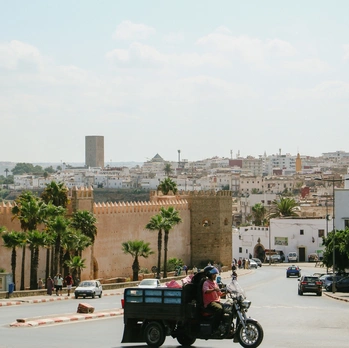
Using Casablanca as a transit hub? This Ibis is perfect. Three-minute walk from the train station. Clean rooms. Reliable Wi-Fi. No frills, but exactly what you need between adventures.
[Link: Best budget hotels in Casablanca]
Sahara Desert: Under the Milky Way
No Morocco travel guide is complete without the Sahara.
We drove hours from Marrakech, through changing landscapes – green valleys giving way to rocky plateaus, then endless golden dunes. Our camel guide, a Berber man named Mohammed, pointed out desert flora used for centuries in traditional medicine.
Night in the desert camp: No Wi-Fi. No electricity after 10 PM. Just stars – billions of them. The Milky Way stretched across the sky like a cosmic river. I lay on my back, feeling simultaneously insignificant and deeply connected.
Practical tip: Bring warm clothes. Desert nights are cold, even in summer. And pack a headlamp – bathroom trips after dark are an adventure themselves.
Chefchaouen: The Blue Pearl
Chefchaouen – the blue city – deserves its Instagram fame. But it's more than a photo backdrop.
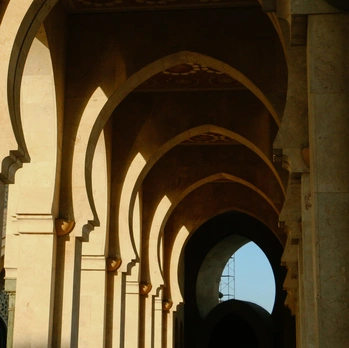
Wandering through blue-washed streets at dawn, when tourists are still asleep, reveals the city's soul. Old men sip mint tea in doorways. Women carry fresh bread from communal ovens. Cats – always cats – lounge on cobalt steps.
Don't miss: The Spanish Mosque hike at sunset. Twenty minutes uphill rewards you with panoramic views of the blue city against the Rif Mountains.
[Link: Chefchaouen photography guide]
Practical Morocco Travel Tips
Best Time to Visit Morocco
- Spring (March-May): Pleasant temperatures, blooming landscapes
- Fall (September-November): Similar to spring, fewer crowds
- Summer (June-August): Hot, especially inland and desert
- Winter (December-February): Cold nights, snow possible in mountains
Morocco Packing List Essentials
- Lightweight, modest clothing – covers shoulders and knees for mosque visits
- Comfortable walking shoes – medinas involve lots of walking on uneven surfaces
- Scarf or shawl – for mosque entry and sun protection
- Reusable water bottle – stay hydrated, reduce plastic waste
- Universal adapter – Morocco uses Type C and E plugs
- Hand sanitizer – public bathrooms aren't always equipped
Morocco Safety Tips
- Scams: Common in tourist areas. Negotiate taxi fares beforehand.
- Solo female travel: Generally safe, but dress modestly and avoid isolated areas at night.
- Food safety: Street food is delicious but choose busy stalls with high turnover.
- Water: Don't drink tap water. Stick to bottled or filtered water.
Getting Around Morocco
- Trains: ONCF connects major cities (Casablanca, Rabat, Marrakech, Fes). Comfortable and reliable.
- Grand taxis: Shared taxis between cities. Negotiate price before departure.
- Petit taxis: Within cities. Insist on meter use.
- Private drivers: Book through hotels or reputable agencies for day trips.
FAQ: Morocco Travel Questions Answered
Is Morocco safe for American tourists?
Yes, Morocco is generally safe for American tourists. Major cities have tourist police, and violent crime is rare. Exercise normal precautions – avoid dark alleys at night, keep valuables secure, and be aware of common scams in tourist areas.
What is the best time to visit Morocco?
Spring (March-May) and fall (September-November) offer the most pleasant weather. Summer can be extremely hot, especially in Marrakech and the desert. Winter is mild in coastal cities but cold in the mountains and desert nights.
Do I need a visa to visit Morocco?
US, UK, Canadian, and most European passport holders can enter Morocco visa-free for up to 90 days. Always check current requirements with your local Moroccan embassy before traveling.
What should I wear in Morocco as a woman?
Dress modestly – cover shoulders and knees. Loose, lightweight clothing is ideal for the climate. Bring a scarf for mosque visits. In tourist areas, you'll see Western clothing, but respecting local customs is appreciated.
How much does a trip to Morocco cost?
Budget travelers can manage $50-70/day including accommodation, food, and local transport. Mid-range travelers should budget $100-150/day. Luxury travelers can spend $200+/day. Desert tours and private drivers add significantly to costs.
Conclusion: Morocco Will Change You
Morocco gave me something I didn't know I needed: proof that the world is kinder than I imagined.
From the blue-washed streets of Chefchaouen to the Sahara's starry ceiling, from the faded elegance of Rabat's Kasbah to the cinematic dreams of Casablanca – this country doesn't just show you beautiful places. It shows you a different way of being.
Photos fade. Memories blur. But the tremor that travel brings remains forever vivid.
Ready to book your Morocco adventure? [Link: Morocco tour packages] or [Link: Book flights to Morocco]
What's your dream Morocco experience? Share in the comments below!
Have you visited Morocco? What surprised you most? Drop your questions or stories below – I'd love to hear from you!
Planning a trip? Pin this guide for later and share with fellow travelers.