The Ultimate Shanghai Food Guide: How I Gained 10 Pounds in 6 Days (And Loved Every Bite)
Meta Description: Discover the best Shanghai street food and hidden culinary gems in this 6-day food tour. From shengjianbao to durian pizza, learn where to eat like a local and gain 10 pounds of pure happiness.
Introduction: A Culinary Pilgrimage Through Shanghai
Let me paint you a picture: six days, five nights, one city, and approximately 120 kilometers of walking—all in the name of eating my way through Shanghai. When I returned to Tianjin, the scale delivered its verdict with brutal honesty: I had gained a solid ten pounds. And you know what? I'd do it all over again without a second thought.
This wasn't a sightseeing trip. This was a Shanghai food tour of epic proportions. Shanghai, with its labyrinthine alleyways hiding century-old food stalls and gleaming malls housing avant-garde bakeries, proved to be the ultimate destination for anyone who believes that the best way to experience a city is through its flavors. From the legendary pan-fried pork buns (shengjianbao) that draw crowds before dawn to the Instagram-famous egg tarts that sell out by noon, I chased every bite with the dedication of a food detective on a mission.
Before we dive into the delicious details, a few confessions: Yes, I'm writing this partly because the platform rewards completed travelogues with honey (let's be real, we all have our motivations). Yes, my photos might look a bit fuzzy—I'm a solo traveler armed with nothing but a smartphone, no photographer boyfriend in sight. And yes, I'm painfully aware that without a DSLR, my chances of landing that coveted featured spot are slim. But here's the thing: I spent two solid weeks curating my food list on Dianping, and I walked every single step of these routes. So consider this your no-frills, no-filter guide to eating Shanghai like a local—or at least like a very determined tourist with an elastic waistband.
How to Plan Your Shanghai Food Adventure
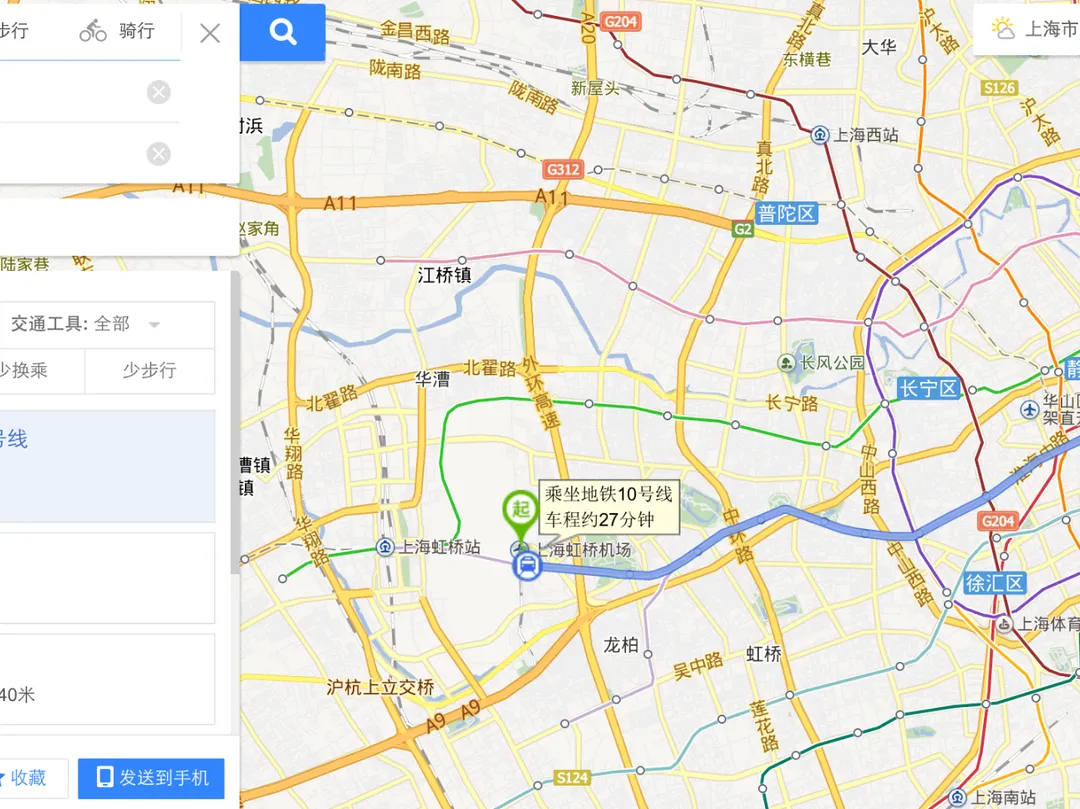
Let's get the logistics out of the way. My entire transportation strategy boiled down to two things: my own two feet and the Shanghai metro. For navigation, I relied on one trusty app—Baidu Maps—which handled everything from airport transfers to finding hidden alleyway gems. Pro tip: make sure you have enough mobile data, because you'll be checking directions constantly.
Here's the blueprint of my edible adventure:
Day 1: Tianjin → Shanghai Hongqiao → Ole Supermarket (Hongqiao) for white jade rolls → Metro City for durian pizza at Lè Cèsà → Hengshan Road stroll → International Hotel for butterfly pastries → Jin Mao Tower 88th Floor Observatory → Lujiazui → Oriental Pearl Tower → The Bund
Day 2: The Eating Extravaganza (capital letters intentional) — Halian Noodle House → Bian Shi brown sugar steamed buns → Huanghe Road Food Street (Xinghua Lou, International Hotel, Ji Fen Tian) → People's Square → Nanjing East Road → Yuanmingyuan Road → Shanghai Art Museum → The Bund Architecture Cluster → Shanghai Theatre Academy
Day 3: The Sightseeing & Photography Day — Tian'ai Road → Lu Xun Park → Duolun Road → 1933 Old Millfun → Shikumen → Xintiandi → Muji World Flagship Store (Huaihai Road) → Sinan Mansions → Waibaidu Bridge
Day 4: Another Eating Day (because why not) — Qibao Ancient Town → Tianzifang → Riyueguang Food Plaza → Wukang Road → Jing'an Temple → Moller Villa
Day 5: The Grand Finale of Eating — Yu Garden → City God Temple → Shanghai Old Street → Shanghai Ocean Aquarium → Yunnan South Road Food Street → Raffles City → Nanyang Road Rice Ball → Nanjing East Road (Tai Kang, Shen Da Cheng, Zhen Lao Da) → K11
[Link: Shanghai Metro tips for tourists]
Two Walking Routes That Will Change Your Shanghai Experience
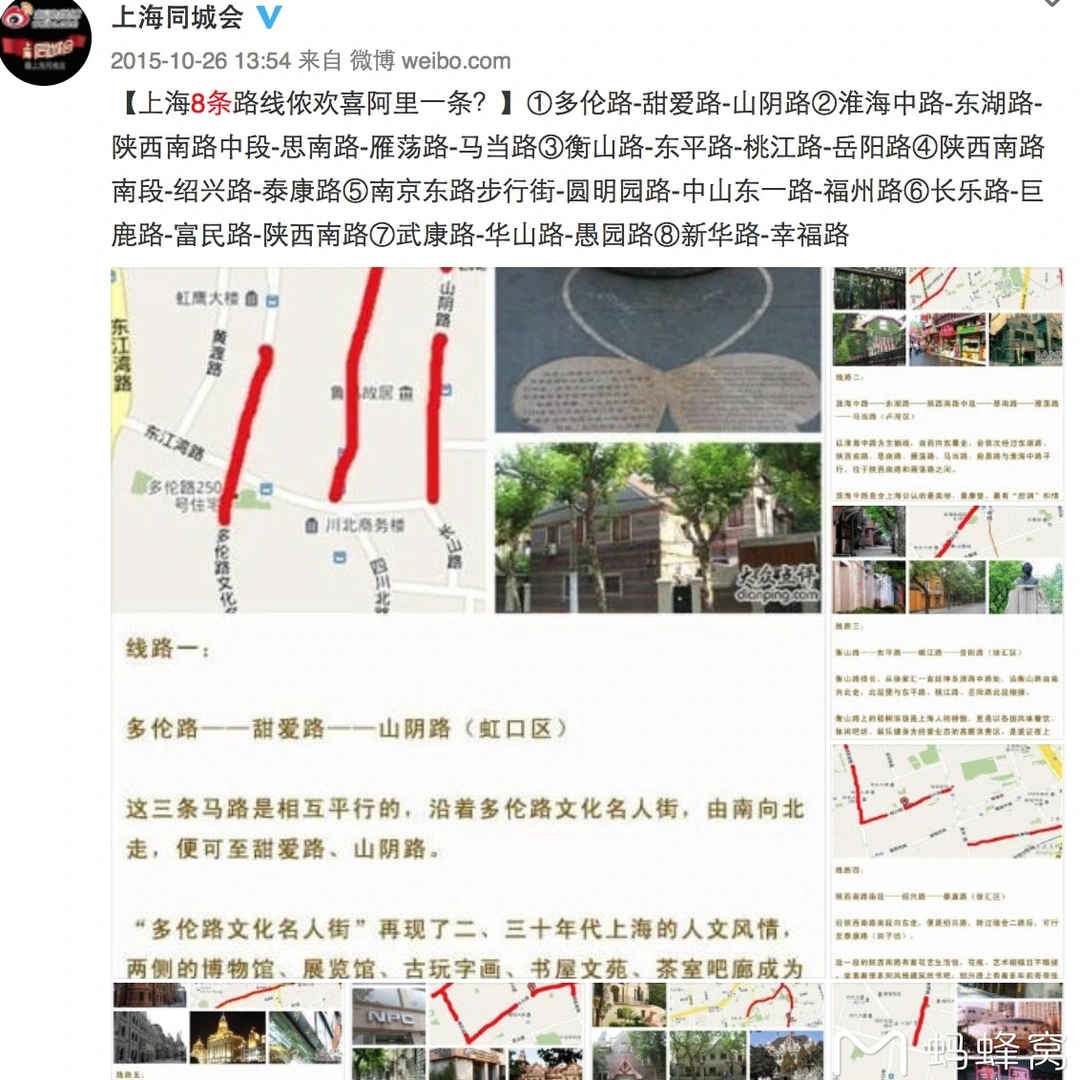
Before I dive into the day-by-day chronicle, I need to credit a Weibo post from @Shanghai City Meetup that introduced me to eight curated walking routes. I adapted two of them for my journey, and they became the backbone of my exploration. These aren't just paths—they're time machines that transport you through Shanghai's layered history.
Route 1: The French Concession Stroll (Xujiahui to Wukang Road, ~1 hour)
Xujiahui: This is where modern Shanghai began. The centerpiece is the St. Ignatius Cathedral, a Gothic masterpiece once dubbed "the largest cathedral in the Far East." Across from it sits the "Shanghai Old Station," a five-story white building that whispers tales of colonial elegance.
Hengshan Road: At 2.3 kilometers, this tree-lined avenue is a living museum of garden villas. During the French Concession era, these buildings housed diplomats and businessmen. Today, the street transforms at night into a buzzing bar district, but during the day, it's perfect for a contemplative walk under the plane trees.
Wukang Road: This is Instagram central. Keep your eyes peeled for the Wukang Mansion (formerly the Normandie Apartments), a striking ship-like building that's become an icon. On any given day, you'll spot Taobao sellers staging photoshoots or film crews setting up scenes. Continue to the intersection with Hunan Road, and you'll find a black iron gate guarding the Hunan Villa—a former residence of political heavyweights like Chen Yi, Deng Xiaoping, and He Zizhen.
Route 2: The Romantic & Rustic Loop (Shanyin Road to Duolun Road, ~1 hour)
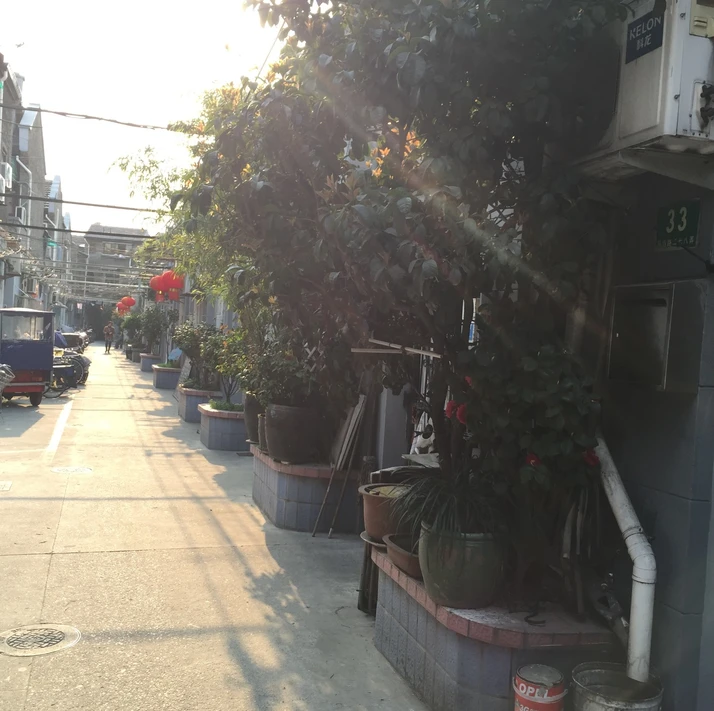
Shanyin Road: Narrow and bus-free, this street feels like a secret passage. The plane trees grow wild here, their branches tangling overhead to create a natural canopy. Small shops selling cigarettes and sundries dot the sidewalk, giving it an unhurried, almost village-like atmosphere.
Tian'ai Road: Shanghai's most romantic street, and yes, it lives up to the name. The Mango TV drama "15 Years of Waiting for Migratory Birds" filmed scenes here. The walls are covered in colorful graffiti—love letters, declarations, and doodles left by visitors. Even as a solo traveler, I found the energy infectious.
Duolun Road: At just 550 meters, this street packs a historical punch. Every building seems to have a story—former residences of literary giants, museums, and antique shops. It reminds me of Beijing's hutongs, but with a distinctly Shanghai flavor.
[Link: Best walking tours in Shanghai]
Day 1: The 4:30 AM Wake-Up Call for Shanghai Street Food
I'm not a morning person by nature, but for food, I'll make exceptions. My flight from Tianjin departed at 7:40 AM, which meant I was up at 4:30. The silver lining? I booked a ride-sharing service three days in advance and covered 32 kilometers for just 30 yuan. By 10 AM, I was standing in Shanghai, ready to conquer.
First Stop: Lawson Convenience Store (Hongqiao Airport Terminal 1)
Yes, I flew to Shanghai specifically to visit a convenience store. Don't judge until you've tried their mochi moon cake (bingpi yueliang dangao) . I cleared the shelf—probably a dozen or so—and the cashier nodded approvingly, saying, "Our staff at Terminal 1 always asks us to save these for them." Whenever someone from a "big city" scoffs at traveling for convenience store food, I want to say: mind your own plate. The must-buys? The mochi moon cake (absolutely essential), strawberry daifuku, strawberry tart, iced cake, and banana milkshake. Trust me on this.
Next: Ole Supermarket (Grand Gateway 66)
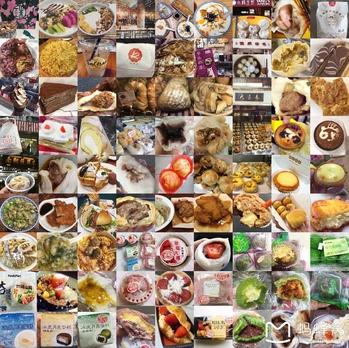
A Weibo food blogger had raved about Ole's white jade rolls (baiyu juan) , claiming they were "out of this world." I had to investigate. The verdict? Worth every metro stop. These delicate rolls, with their translucent skin and creamy filling, are the kind of dessert that makes you close your eyes and savor.
Lunch: Durian Pizza at Lè Cèsà (Metro City)
Four hundred meters from Ole, I found my next target. Let me be clear: I'm not usually a durian person. But this pizza? It's a game-changer. The crust is thin and crispy, topped with an obscene amount of durian flesh. I even "double durian-ed" mine. The aroma alone is an experience—strong enough to clear a room, delicious enough to fill it. Check the menu photos I've included; your nose will thank you.
Afternoon Stroll: Hengshan Road
After that rich lunch, I needed to walk it off. Hengshan Road delivered. The old villas, the plane trees, the quiet elegance—it's a reminder that Shanghai isn't just about skyscrapers and neon. It's also about finding pockets of tranquility where time seems to slow down.
[Link: Best Shanghai food markets]
Day 2: The Eating Extravaganza on Huanghe Road Food Street
Day 2 was the real deal—a full-on Shanghai food crawl through some of the city's most iconic food streets.
Halian Noodle House

I started at Halian Noodle House, a no-frills joint that serves some of the best hand-pulled noodles in the city. The broth is rich, the noodles are chewy, and the portions are generous. It's the kind of place where you elbow your way to a seat and eat without speaking—because the food demands your full attention.
Bian Shi Brown Sugar Steamed Buns
Next up: Bian Shi, famous for their brown sugar steamed buns. These aren't your average baozi. The brown sugar filling is gooey, slightly caramelized, and perfectly balanced by the soft, fluffy dough. I bought six to go—and ate them all before reaching my next stop.
Huanghe Road Food Street
Huanghe Road is a gauntlet of culinary temptations. I hit Xinghua Lou for soup dumplings, International Hotel for butterfly pastries, and Ji Fen Tian for something I can only describe as "rice noodle heaven." By the end, I was waddling, not walking.
Day 3: Sightseeing and Photography in Shanghai's Historic Districts
Day 3 was my designated sightseeing day, but that doesn't mean I skipped the food. I just ate while walking.
Tian'ai Road and Duolun Road

I started at Tian'ai Road, where the graffiti-covered walls made for great photo ops. Then I wandered to Duolun Road, where I grabbed a quick snack from a street vendor—some kind of fried dough stuffed with red bean paste. It was hot, crispy, and exactly what I needed.
1933 Old Millfun and Shikumen
1933 Old Millfun is a photographer's dream—a former slaughterhouse turned artsy complex with brutalist architecture and winding ramps. I spent an hour just shooting photos. Then I headed to Shikumen, the traditional stone-gate houses that define old Shanghai. I stopped for a cold noodle salad at a tiny shop tucked between two souvenir stalls.
Xintiandi and Muji World Flagship Store
Xintiandi is where old meets new—restored shikumen buildings housing luxury boutiques and trendy cafes. I didn't eat here (too pricey), but I did visit the Muji World Flagship Store on Huaihai Road, which has a fantastic café on the third floor. Their matcha latte is excellent.
[Link: Shanghai photography spots]
Day 4: Another Eating Day in Qibao and Tianzifang
Because why not? Day 4 was all about Shanghai's best street food in two of the city's most famous food neighborhoods.
Qibao Ancient Town
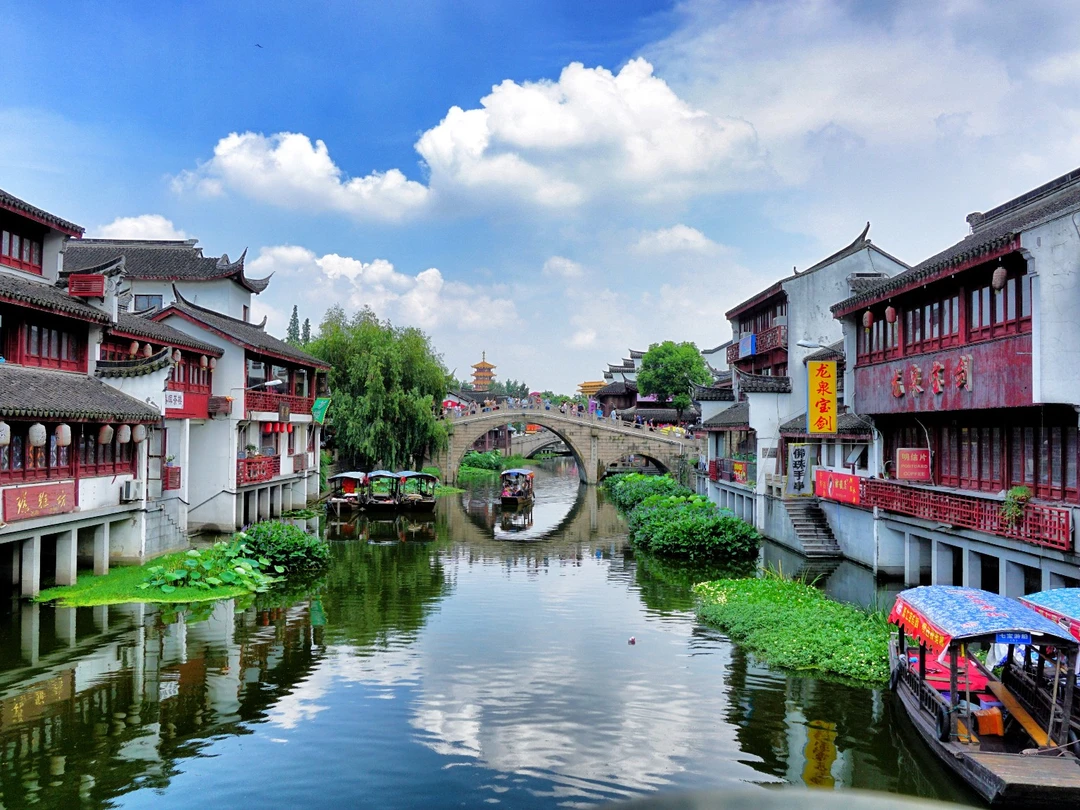
Qibao is a water town within the city limits—canals, bridges, and endless food stalls. I tried everything: stinky tofu (yes, it's good), fried shrimp cakes, and a skewer of candied hawthorn berries. The highlight was a bowl of xiao long bao from a hole-in-the-wall joint that had been operating since the 1950s.
Tianzifang
Tianzifang is a maze of narrow alleys packed with food stalls, art galleries, and souvenir shops. It's touristy, but the food is legit. I had a plate of shengjianbao (pan-fried pork buns) that were so juicy, they squirted broth down my chin. Worth the mess.
Riyueguang Food Plaza
For dinner, I hit Riyueguang Food Plaza, a massive food court in the French Concession. The variety is staggering—from Japanese ramen to Italian pasta to Chinese hot pot. I opted for a bowl of Lanzhou beef noodles, which were served by a chef who pulled the noodles by hand right in front of me.
Day 5: The Grand Finale of Eating
Day 5 was my last full day in Shanghai, and I went all out.
Yu Garden and City God Temple
Yu Garden is beautiful, but the real draw is the surrounding City God Temple food market. I started with a crab shell pastry (crab meat and roe baked in a pastry shell), then moved on to pan-fried dumplings and osmanthus flower cake. By the time I reached the temple itself, I was too full to pray.
Yunnan South Road Food Street
Yunnan South Road is a legendary food street, and I saved it for last. I hit three spots in quick succession: a stall selling barbecue skewers (lamb, chicken, and tofu), a noodle shop serving Yunnan cross-bridge noodles, and a dessert stand offering mango sticky rice. I finished with a Nanyang Road rice ball—a glutinous rice ball stuffed with pork floss and pickled vegetables.
Nanjing East Road Night Market
For my final meal, I walked the length of Nanjing East Road, stopping at Tai Kang for soup dumplings, Shen Da Cheng for fried pork chops, and Zhen Lao Da for red bean paste pancakes. By the time I reached the Bund, I was ready to roll back to my hotel.
FAQ: Your Shanghai Food Questions Answered

1. What is the best time to visit Shanghai for food?
The best time is spring (March to May) or autumn (September to November) when the weather is mild. Avoid summer (June to August) if you're not a fan of heat and humidity. Winter is fine but expect shorter daylight hours.
2. How much does a Shanghai food tour cost?
You can eat well on a budget. Street food snacks cost 10-30 yuan each. A meal at a mid-range restaurant costs 50-100 yuan per person. My 6-day food tour cost about 1,500 yuan total, excluding accommodation and flights.
3. What are the must-try Shanghai dishes?
- Shengjianbao (pan-fried pork buns)
- Xiao long bao (soup dumplings)
- Durian pizza (yes, really)
- White jade rolls from Ole Supermarket
- Mochi moon cake from Lawson
- Crab shell pastry at City God Temple
4. Is Shanghai safe for solo food travelers?
Absolutely. Shanghai is one of the safest cities in the world for solo travelers. Just keep an eye on your belongings in crowded food markets and use common sense at night.
5. Do I need to speak Chinese to order food?
Not necessarily. Many street food vendors have picture menus, and you can point to what you want. Learning a few phrases like "zhe ge" (this one) and "duo shao qian" (how much) helps. The Dianping app also has English translations.
Final Tips for Your Shanghai Food Adventure
- Walk everywhere. You'll burn calories and discover hidden gems.
- Use Dianping to find the best-rated food spots.
- Bring an elastic waistband. You'll need it.
- Stay hydrated. Shanghai summers are brutal.
- Don't skip convenience stores. Lawson and FamilyMart have surprisingly good food.
Ready to Plan Your Shanghai Food Tour?
I gained 10 pounds in 6 days, and I'd do it all over again. Shanghai is a food lover's paradise, and with this guide, you're ready to eat your way through the city like a pro. Whether you're chasing shengjianbao at dawn or durian pizza at midnight, every bite is worth it.
Your turn: Have you done a food tour in Shanghai? What was your favorite dish? Drop a comment below—I'd love to hear your stories. And if you're planning your trip, bookmark this page and start your food list on Dianping today. Your taste buds will thank you.
[Link: Best travel apps for China]
[Link: Shanghai accommodation guide for food lovers]
[Link: How to use Dianping for food discovery]
Happy eating, and may your waistband be forgiving.
You may also like