More Eye-Catching Than New Cars: A Time-Traveling Dialogue with Century-Old Classic Luxury Cars at the Shanghai Auto Museum
Meta Description: Discover the Shanghai Auto Museum in Jiading—home to century-old luxury cars, the world’s first three-wheeled automobile, and Marilyn Monroe’s personal ride. A time-traveling journey through automotive history awaits.
If you think an auto museum is just a "showroom for old cars," you couldn't be more wrong. As a globetrotting travel photographer who spends days traversing the wild west and capturing landscapes with my lens, I consider myself a true "old hand" behind the wheel—I’ve crossed snow-capped mountains, driven through the Gobi Desert, seen the wildest off-road vehicles, and photographed the slickest supercars. But it wasn’t until a friend mentioned it that I learned about a hidden gem in Jiading's Anting district of Shanghai: China’s first professional automobile museum. There are no flashy new car launches here, no cacophony of press events—just a collection of "sleeping" legends that are far more captivating than any brand-new car fresh off the assembly line.
Step inside, and you're not just looking at vintage cars and luxury vehicles—you're embarking on a century-spanning journey through history. From humanity's first three-wheeled automobile to the national pride of the Hongqi (Red Flag) sedan, and even Marilyn Monroe's personal ride. This isn't a car show; it's an immersive exhibition about speed, dreams, and civilization.
Why Visit the Shanghai Auto Museum? — A Confession from an Old Hand
Every boy harbors a dream about cars, and I'm no exception. As a kid, I devoured My Years with General Motors, and the business battles described by Alfred Sloan felt like the epic struggles of the Three Kingdoms era: Ford, Chevrolet, Cadillac, Buick, DuPont, Chrysler—names that thundered through history, each creating its own miracle. And when these legends take the form of hood ornaments, appearing before you in their most iconic models, the sensation is like traveling through time—a thrill no auto show can replicate.

The Shanghai Auto Museum is located in Anting, Jiading District, as part of the Shanghai International Automobile City. This area is the home base for SAIC's Roewe, MG, and SAIC Volkswagen brands, and it's surrounded by the Shanghai Automobile Exhibition Center, the Auto Expo Park, and the F1 Shanghai International Circuit. While it's a bit far from the city center, getting there is easy: from downtown, take Metro Line 11 to Anting Station and walk about 1 kilometer. For out-of-town visitors, take a shuttle bus from Hongqiao transportation hub to the Exhibition Center stop. Of course, driving is the most convenient option—a weekend road trip with the kids for a car-themed adventure is an excellent choice for families.
[Link: Shanghai Jiading attractions for family road trips]
The Building Itself Is a Work of Art
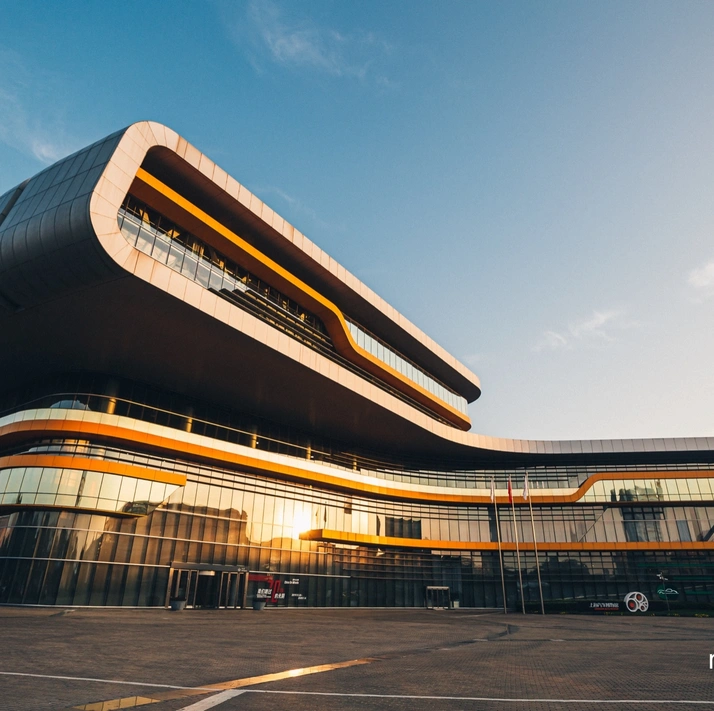
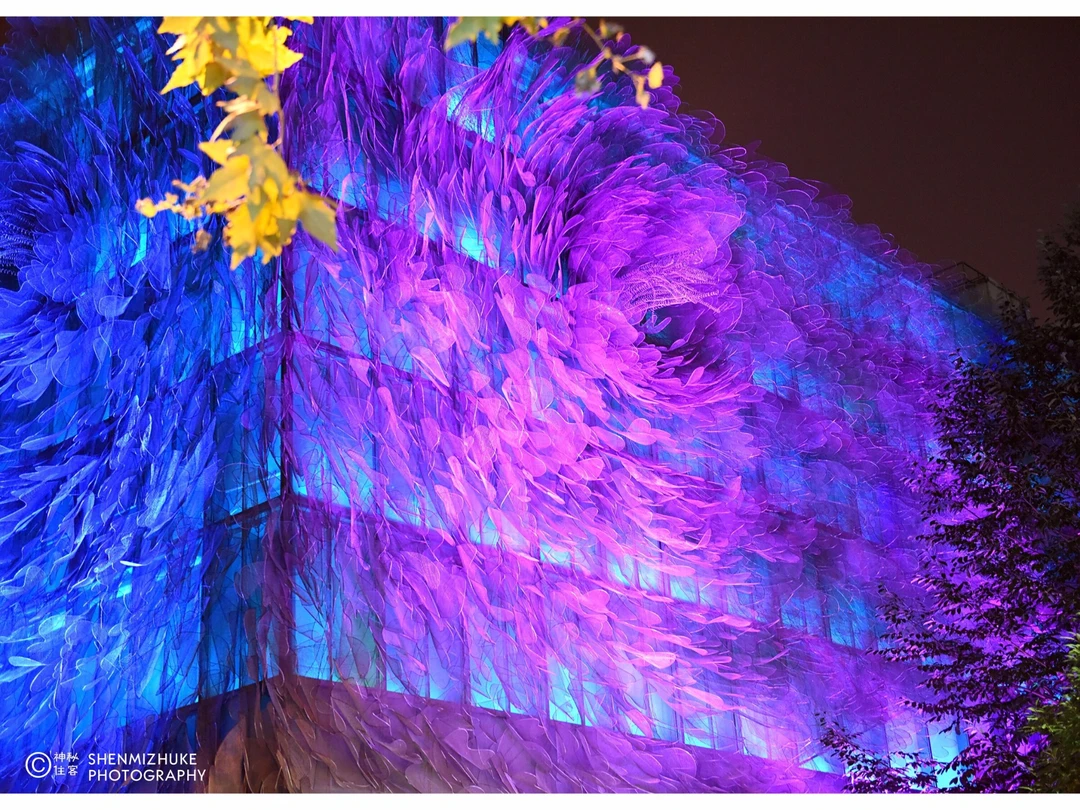
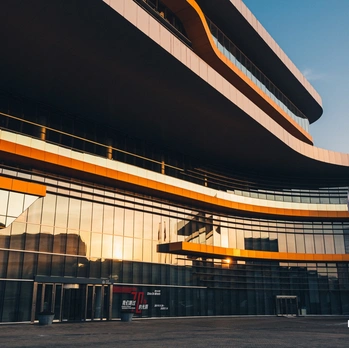
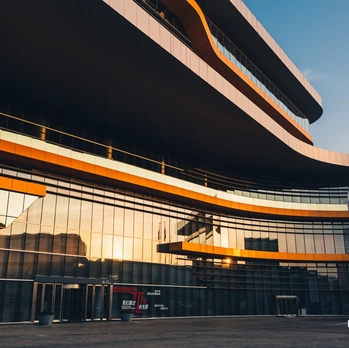
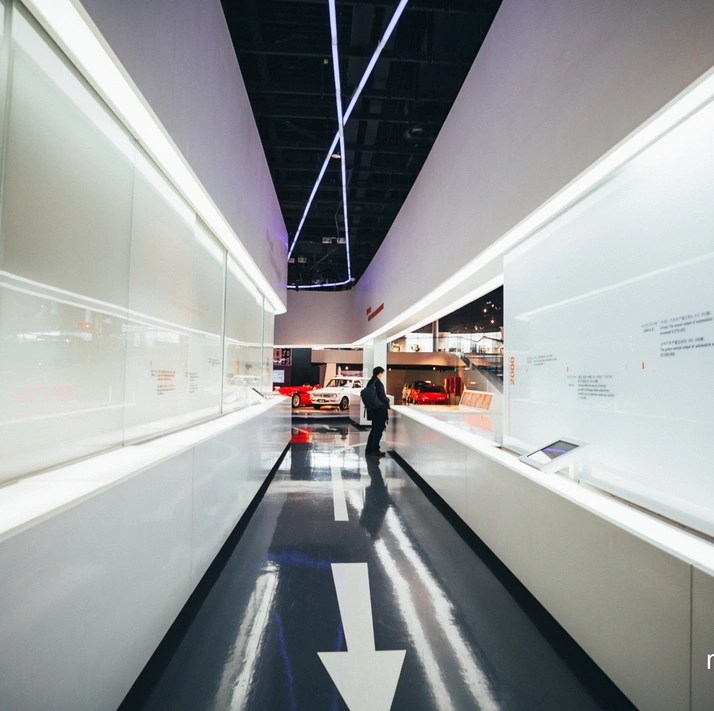
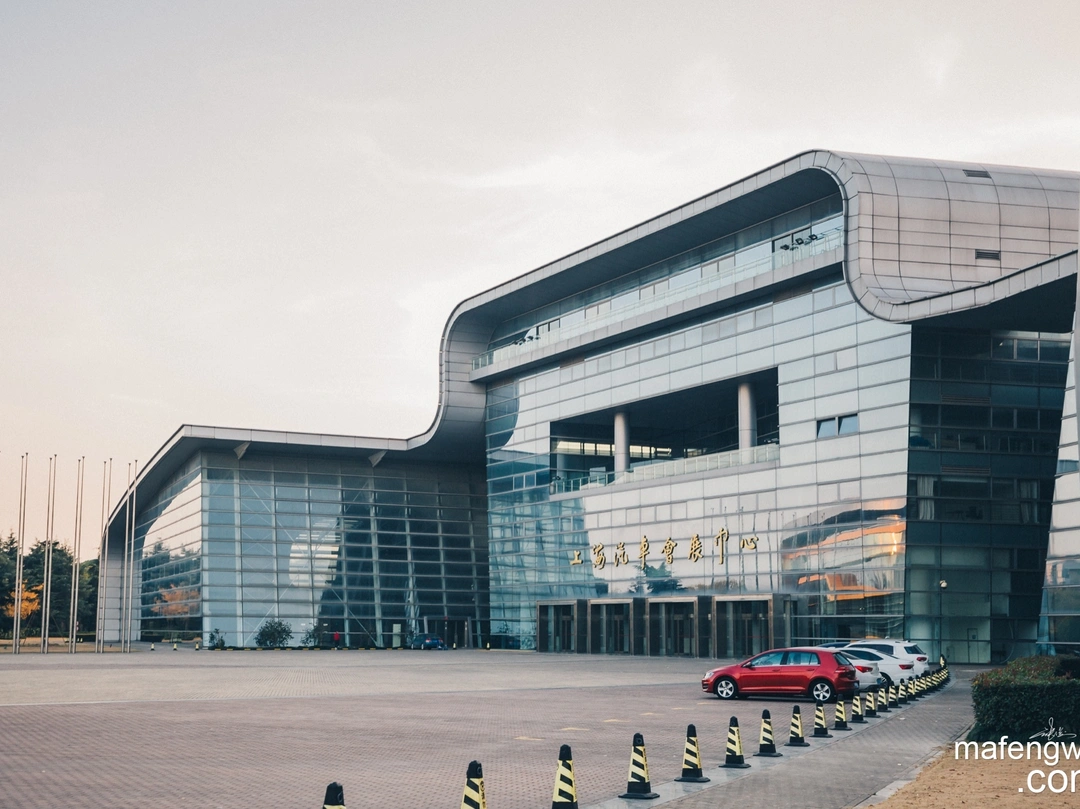
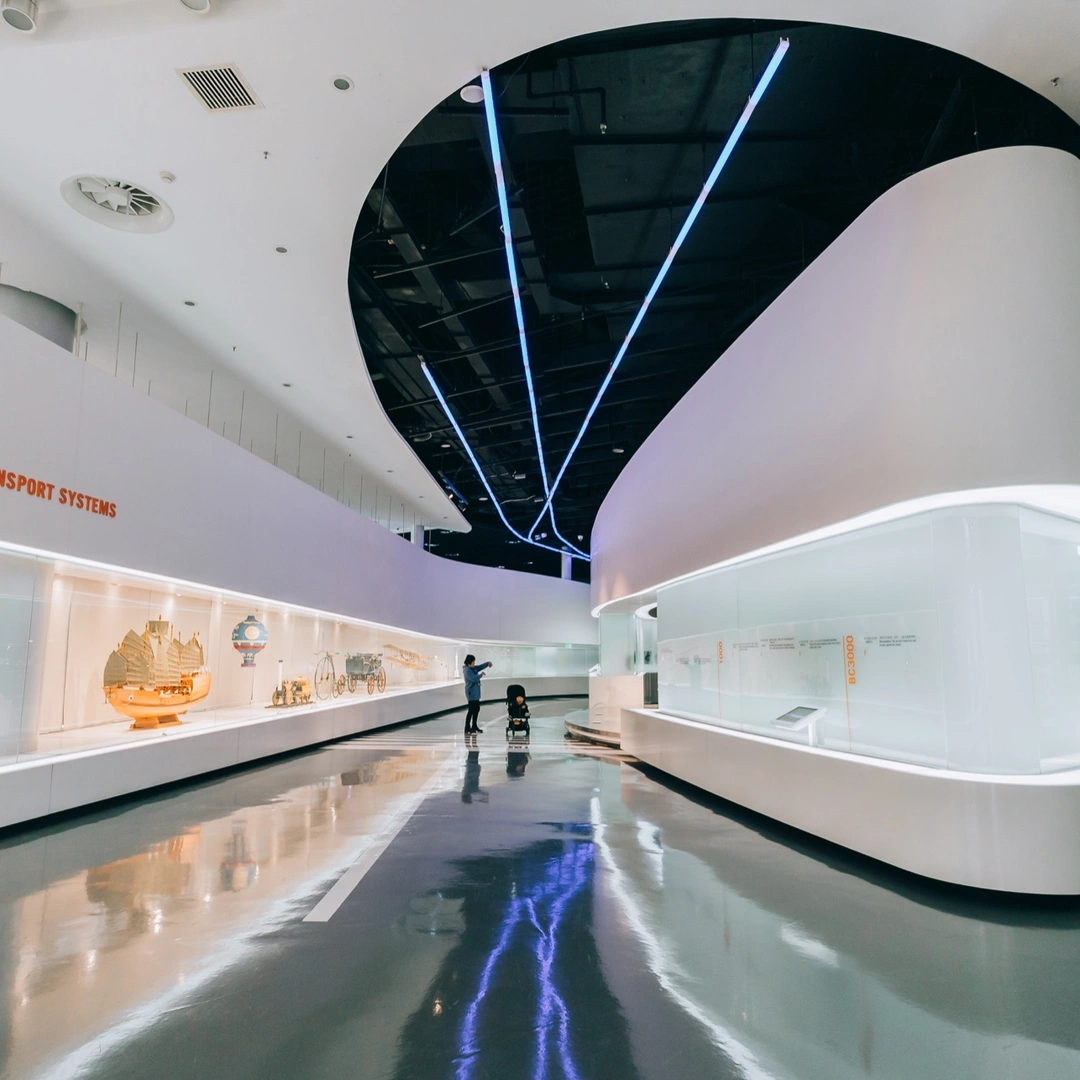
The museum's exterior is a striking design—flowing curves evoke the trajectory of a car in high-speed motion, giving it a thoroughly modern feel. At the same time, the structure resembles stacked books, symbolizing knowledge and culture. Inside, the guiding principle is "spatial communication and integration." All exhibition areas are connected by a spiraling ramp with no steps whatsoever—this means strollers and wheelchairs can move freely, making it incredibly family-friendly.
Don't Miss the "Vintage Car Ride" — A Hard Lesson I Learned
The moment I walked in, I was captivated by a scene at the entrance: people were riding around in the Cadillac DeVille convertible from the movie Green Book! That classic open-top car, paired with a retro driving experience, was irresistible. But I thought, "I'll check it out after I finish touring the exhibits." Big mistake. I got so absorbed inside that by the time I came out, the ride was over. I was furious with myself.
So, take note: the "Vintage Car Ride" is a mobile experience offered by the museum. It runs on Wednesdays, Saturdays, Sundays, and special holidays (Tuesdays through Sundays during summer), from 9:30 AM to 3:50 PM. There are two routes: a 20-25 minute in-depth tour, or an 8-minute express experience. Available vehicles include:
- Cadillac DeVille Convertible (the Green Book model)
- Rolls-Royce Silver Cloud III (1964)
- Lincoln Continental Convertible (1966)
- Jaguar 420G (1970)
- BMW Isetta (1966, fits only one passenger, perfect for kids)
First Floor: History Hall — A Chronicle of Automotive Civilization
The first floor traces the 100-year evolution of the automobile, divided into eight themed galleries featuring over 20 carefully selected classic cars that showcase the journey from nothing to something. A glass corridor displays exquisite models—from the wheel to the carriage, the car, the airplane, and the rocket—as if narrating the progression of human civilization.
The Real "First Car" — It Had Three Wheels!
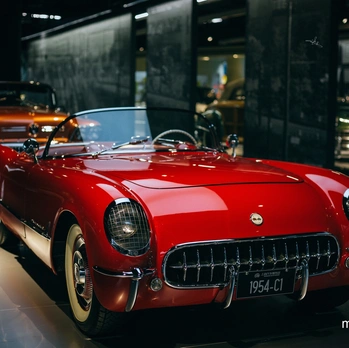
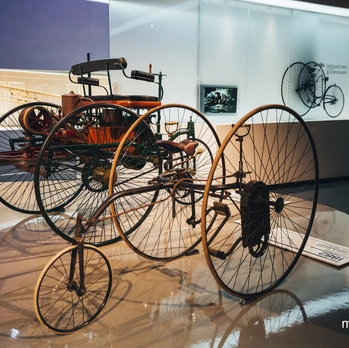
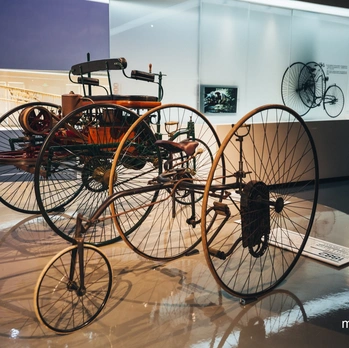
The centerpiece of the hall is the three-wheeled automobile built by German Karl Benz in 1886—the world's first car. Yes, three wheels! It had a top speed of just 16 km/h and was widely ridiculed. The first person to drive it was actually Karl Benz's wife, Bertha. Its birth marked the end of the "horse-drawn era" and the beginning of the "automobile age." Standing before it, you can't help but marvel: from this crude "tin box" to today's self-driving cars, humanity has come this far in less than 150 years.
Chinese Pride: The Hongqi CA770
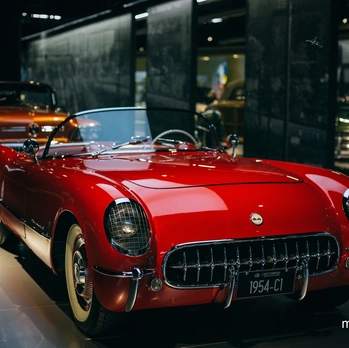
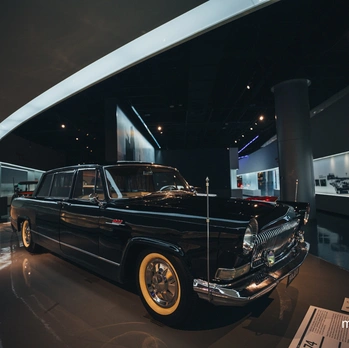
The Hongqi (Red Flag) CA770 was China's first sedan to go through a complete design and development process. Hand-built, with three rows of seats, it was luxurious and comfortable. It served as the official car for national leaders and was used for diplomatic receptions. Seeing such a well-preserved Hongqi fills you with a sense of national pride.
Those "Living Fossils" of Luxury Cars
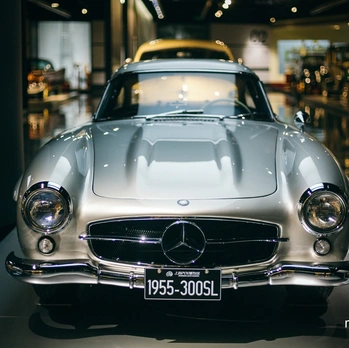
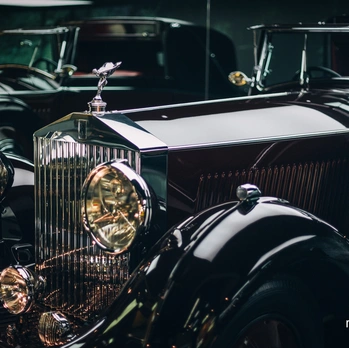
- Rolls-Royce Phantom II (1929): The Silver Lady hood ornament was inspired by the Winged Victory of Samothrace in the Louvre, hand-polished by jewelers. The price of love, indeed, was high!
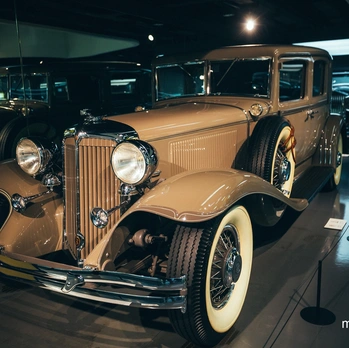
- Chrysler Imperial: Its hood ornament features a leaping antelope on a phoenix-feather base—a style of luxury car ornamentation that only Rolls-Royce still maintains today.
- Chrysler Airflow: One of the earliest streamlined cars in history. Although consumers didn't embrace it at the time, it profoundly influenced post-WWII automotive design.
- 1939 Lincoln Zephyr: The first streamlined car widely accepted by consumers.
- 1907 Cadillac Model M: Pioneered standardized interchangeable parts. In a competition, it was disassembled, reassembled, and then drove 800 kilometers to win the trophy.
- 1924 Lancia Lambda: The first car to use a monocoque (unitary) body, revolutionizing the heavy, non-load-bearing chassis.
- Volkswagen Beetle (1938): A masterpiece of streamlined design. Over nearly 70 years, more than 22 million were sold, making it the global sales champion.
- 1913 Ford Model T: The icon of assembly-line production. Over 15 million were sold in 19 years.
- 1948 Maserati EBS: Nicknamed "the battleship," with a long, narrow body that forced the driver to sit almost on the floor. It won at Silverstone in 1948, and its upgraded version competed in the first-ever Formula 1 race.
Hidden Gems on the Spiral Ramp
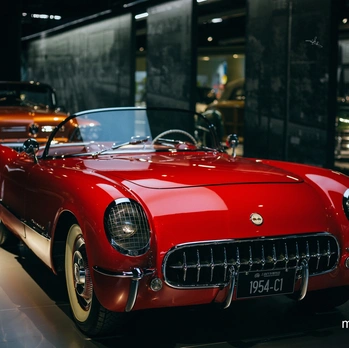
The spiral ramp connecting the floors isn't wasted either—it displays the history of Chinese domestic cars, such as the 1970 Shanghai-brand convertible (used for military parades) and the 1941 Willys Jeep. This Jeep served throughout World War II. Allied Supreme Commander Dwight D. Eisenhower once said the three tools that won the war were the landing craft, the C-46 aircraft, and the Jeep. Modern off-road icons like the Land Rover and Toyota Land Cruiser trace their lineage back to it.
Second Floor: Treasure Hall — A Jewelry Store for Cars, Each One a Work of Art
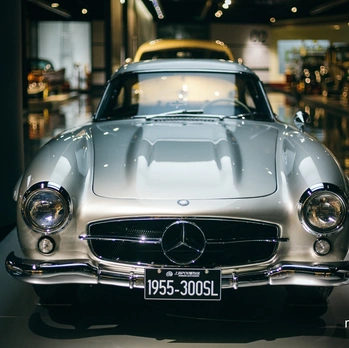
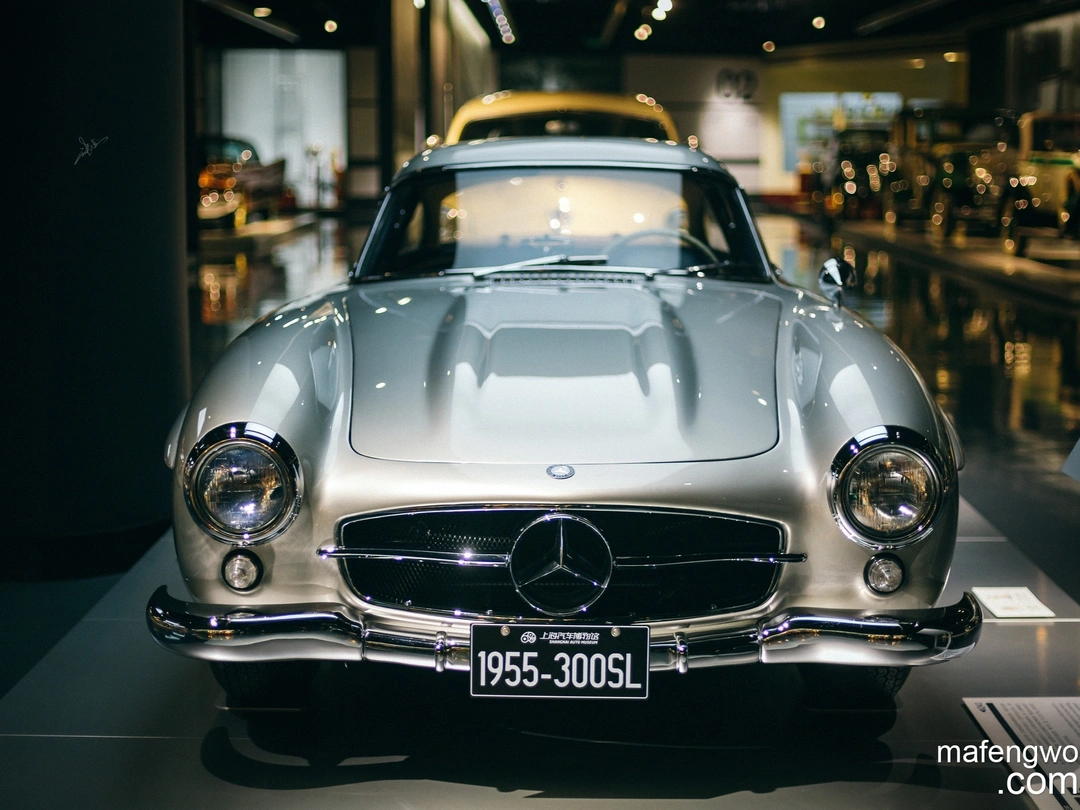
If the first floor is a history textbook, the second floor is a "jewelry store"—spotlights gleam off chrome trim, paintwork shimmers in brilliant colors, making it feel like a luxury boutique. This floor showcases nearly 40 classic cars from the early 20th century to the 1970s, along with a collection of vintage fuel pumps and everyday tools.
Highlights of the Treasure Hall
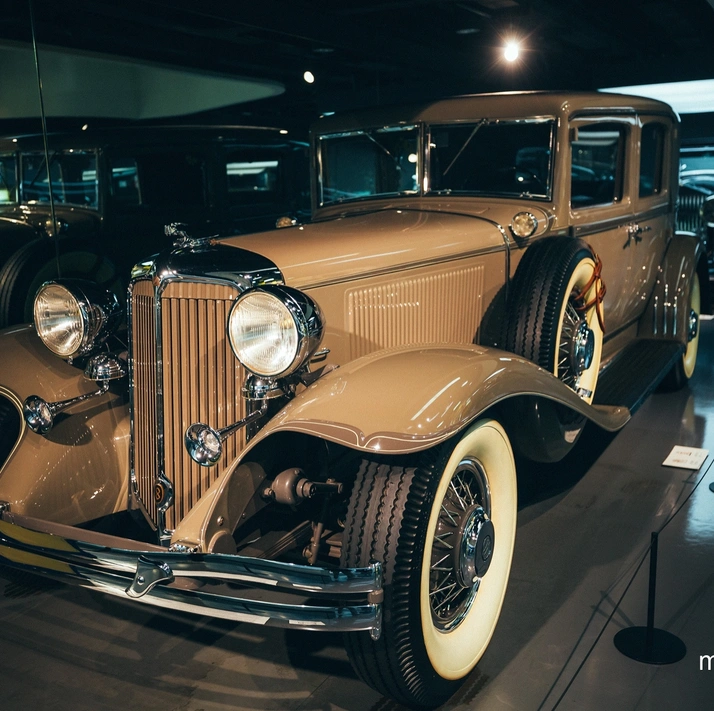
- Marilyn Monroe’s Personal Car: A 1950s Cadillac Series 62 convertible, once owned by the Hollywood icon herself. The pink paint and chrome accents are pure nostalgia.
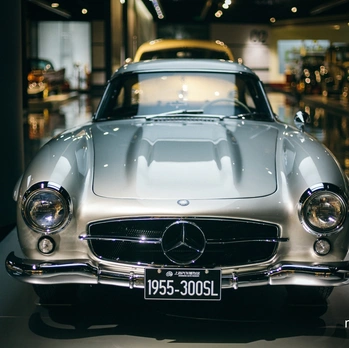
- 1961 Ferrari 250 GT Berlinetta: One of the most beautiful Ferraris ever made, with a V12 engine that screams artistry.
- 1933 Duesenberg Model SJ: A car that cost more than a house during the Great Depression. Its supercharged straight-eight engine made it one of the fastest cars of its era.
- 1957 Chevrolet Bel Air: The quintessential American cruiser, complete with tail fins and a V8 engine that defined an era.
[Link: Best vintage car museums in China]
Third Floor: Exploration Hall — Interactive Fun for All Ages
The third floor is designed for hands-on exploration. Here, you can:
- Build your own car using a virtual design station
- Test your driving skills on a simulated race track
- Learn about automotive engineering through interactive displays
- See a collection of vintage fuel pumps and roadside memorabilia
Kids and adults alike will love the "Driving School" simulation, where you can experience what it’s like to drive a classic car without leaving the museum.
FAQ: Shanghai Auto Museum
1. What are the opening hours of the Shanghai Auto Museum?
The museum is open Tuesday to Sunday, 9:30 AM to 4:30 PM (last entry at 4:00 PM). It is closed on Mondays (except during national holidays). Summer hours may extend to include Tuesdays through Sundays for the Vintage Car Ride.
2. How much are tickets to the Shanghai Auto Museum?
General admission is ¥60 for adults and ¥30 for children and seniors. The Vintage Car Ride costs an additional ¥50 per person (advance booking recommended, especially on weekends).
3. Can I take photos inside the museum?
Yes, photography is allowed throughout the museum. However, flash photography is prohibited in certain areas to protect the delicate paintwork of the vintage cars. Tripods and selfie sticks are not permitted.
4. Is the Shanghai Auto Museum suitable for children?
Absolutely! The museum is stroller-friendly, with wide ramps and no stairs. The interactive exhibits on the third floor are designed for kids, and the Vintage Car Ride (especially the BMW Isetta) is a hit with younger visitors.
5. How do I get to the Shanghai Auto Museum from downtown Shanghai?
Take Metro Line 11 to Anting Station, then walk about 1 kilometer (15 minutes). Alternatively, take a shuttle bus from Hongqiao transportation hub to the Shanghai Automobile Exhibition Center stop. Driving is also convenient—the museum is located near the G15 and G2 expressways.
Why This Museum Matters: A Century of Dreams on Display
Walking through the Shanghai Auto Museum is like flipping through the pages of a living history book. Each car tells a story—of innovation, of ambition, of human ingenuity. From the humble three-wheeled Benz to the sleek Ferrari, from the patriotic Hongqi to the iconic Beetle, these vehicles represent more than just transportation. They are symbols of progress, art, and the relentless pursuit of speed and beauty.
For anyone who loves cars—or even just loves history—this museum is a must-visit. It’s a place where time stands still, where you can stand face-to-face with legends, and where the past feels as alive as the present.
Plan Your Visit Today
Don’t make the same mistake I did—book your Vintage Car Ride in advance and give yourself at least 3-4 hours to fully explore the museum. Whether you’re a gearhead, a history buff, or a family looking for a unique weekend outing, the Shanghai Auto Museum promises an unforgettable journey through automotive history.
Ready to hit the road?
📅 Check the museum’s official website for current hours and ticket availability
📍 Address: 7565 Boyuan Road, Anting, Jiading District, Shanghai
🚇 Metro: Line 11 to Anting Station
🕐 Recommended visit duration: 3–4 hours
See you at the museum—and remember, the best cars aren’t always the newest ones.
This article was written by a travel photographer and automotive enthusiast who has driven through the Gobi Desert, photographed supercars, and now shares his passion for classic cars at the Shanghai Auto Museum.