Misty Reflections Over Lotus Pools: Discovering the Hidden Poetry of Shanghai's Five Classical Gardens
Meta Description: Explore Shanghai's five classical gardens—Guyi Garden, Zuibai Pond, Qushui Garden, Qiuxia Garden, and Yu Garden. Discover hidden poetry, lotus pools, and winding streams in this SEO-optimized travel guide.
Spring rain falls like silk threads as late spring arrives. The grass grows thick in Jiangnan, flocks of orioles dart through the air, crabapple blossoms slumber, azaleas retreat. Amid this eternal cycle of blooming and withering, I decided to do something seemingly "out of sync with the times"—spending two years slowly visiting all five of Shanghai's classical gardens.
Introduction: Why Visit Shanghai's Classical Gardens?
Haruki Murakami wrote in 1Q84: "Most people don't believe in reality, but actively choose to believe what they hope is real." This sentence struck me like a thunderclap, hitting straight at my obsession with gardens.
What is a garden? It's artificial mountains and real water, winding paths leading to hidden seclusion, a universe contained within a square inch. But to me, gardens are more like mirrors—whatever state of mind you bring inside, that's the scenery they reflect. Anxious people see crowds, restless people see boredom, but those willing to slow down can see the traces time leaves on moss.
From October 2017 to April 2019, I spent a full year and a half visiting Shanghai's five classical gardens one by one, like collecting stamps. They are: Guyi Garden in Nanxiang, Zuibai Pond in Songjiang, Qushui Garden in Qingpu, Qiuxia Garden in Jiading, and Yu Garden in Huangpu.
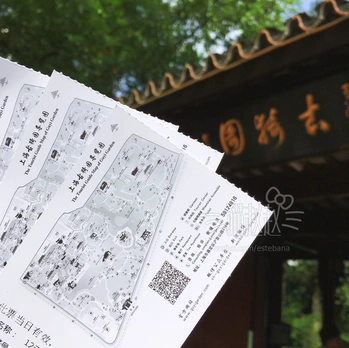
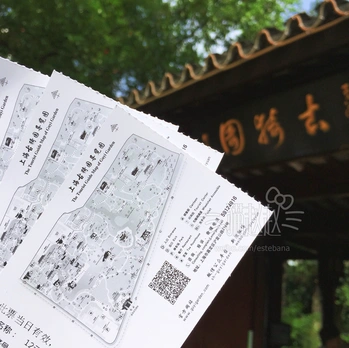
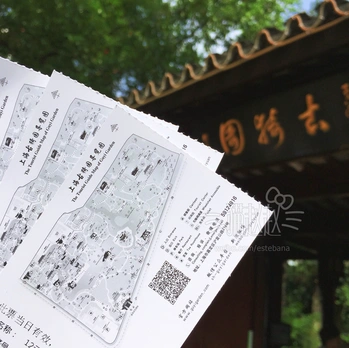
No travel guides, no check-ins—just a heart seeking peace and quiet. And along this journey, what I gained far exceeded the twelve-yuan admission tickets.
Guyi Garden: Verdant Bamboo, White Cranes Soaring South
A Sanctuary During the Golden Week
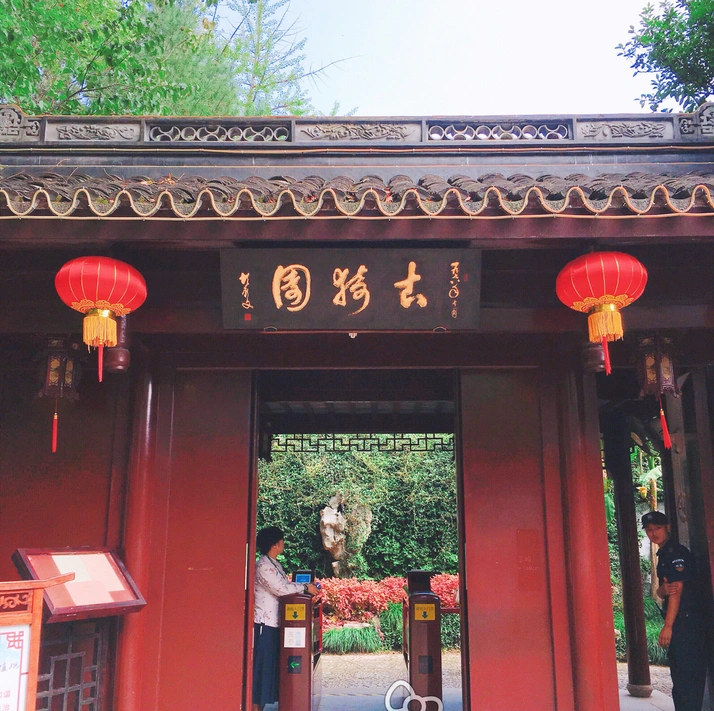
During the 2017 National Day Golden Week, I chose Guyi Garden in Nanxiang. Metro Line 11 goes directly there, and it's an 800-meter walk from Nanxiang Station, with plane trees casting dappled shadows along the way—as if heralding an encounter cut off from the world.
The ticket was 12 yuan—a steal. What comforted me more was that there were almost no out-of-town tourists, mostly locals. To encounter such a low crowd density during Golden Week was pure luxury. I silently congratulated myself: this garden, I chose right.
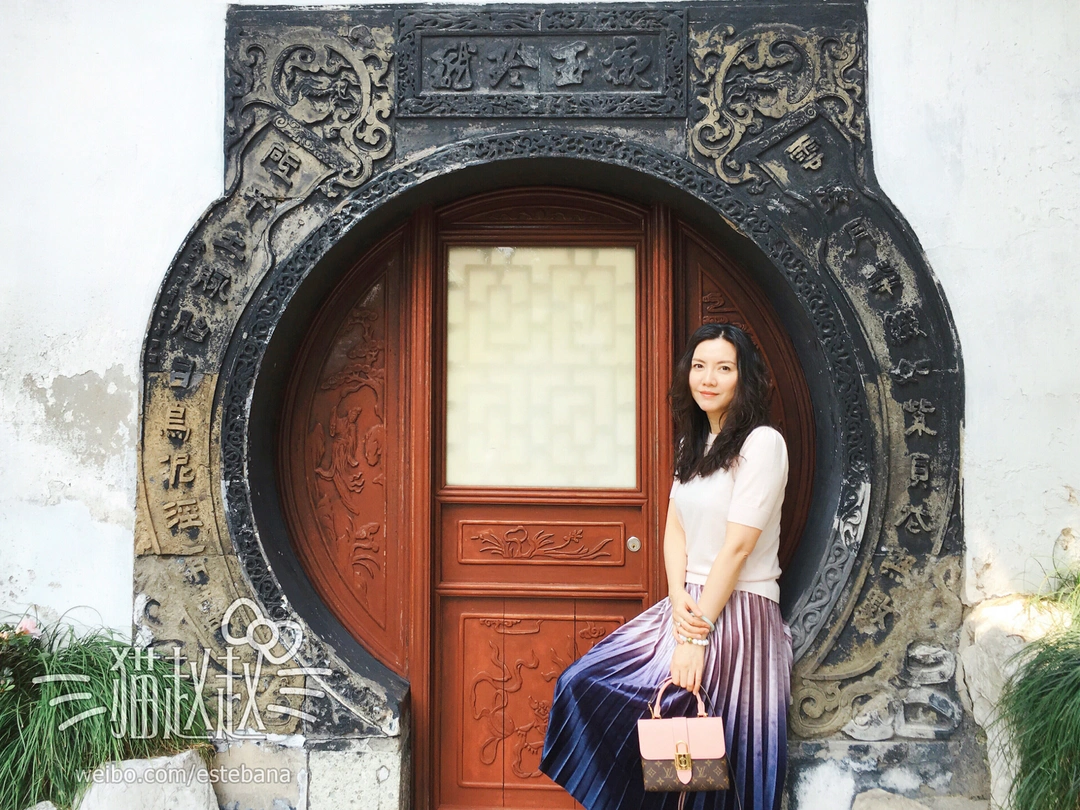
Guyi Garden's history is rather turbulent—built, destroyed, rebuilt, with endless regrets. The only "blessing in disguise" is that the garden kept expanding. It was once renamed "Nanxiang Park," but compared to the bluntness of ordinary parks, this place retains classical gardens' subtlety and sense of proportion. A moon gate, a美人靠 (curved bench for leaning), a lattice window—within these small spaces, the scenery transforms dramatically.
The Crane Longevity Pavilion and the Black Swans' Romance

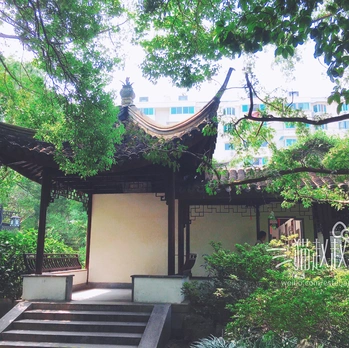
The most stunning spot in the garden was the Crane Longevity Pavilion. Its large expanse of blank white wall reminded me of the Fishing Terrace on Slender West Lake in Yangzhou. Though the view through the cave opening was somewhat simple, the pond full of lotus was intoxicating enough.
A pair of black swans lived in the pond. They weren't as noble as white cranes, but possessed another kind of romance—one soul dwelling in two bodies. They moved in pairs, weaving through the lotus leaves, unhurried and content.
Since my mother had been hospitalized after Chinese New Year, her check-up results kept fluctuating. So the small scenic spots in the garden carrying blessings of good fortune became my special subjects for photos in her honor. Longevity of pine and crane, endless happiness and long life—this little sentiment, I think every child understands.
The Lake Pavilion and Elderly Couples' Love
The treated Mandarin Duck Lake, on sunny days, reflected a perfect mirror image. Illusion and reality—how could anyone distinguish? The Lake Pavilion was another breathtaking spot in the garden.
What moved me even more were the elderly couples who came together. Every old man carried a camera or phone, patiently taking photos of his wife. Even with wrinkled faces and graying temples, they would wait until the crowd dispersed, just to capture one of her smiles. This is what they call a "husband who can take good photos"—not about technical skill, but about sincerity.
The town of Nanxiang itself has a poetic name—derived from the legend of "White Cranes Soaring South" from the Liang Dynasty. Not widely famous, but content with its own peace and joy.
Bamboo and Lotus: The Garden's Soul
The name "Yi Garden" comes from the Book of Songs—"Green bamboo, lush and thriving"—so bamboo is everywhere. Perhaps only Yangzhou's Ge Garden, also named after bamboo, can compare. But what steals the show is the lotus—almost every pond is filled with it. No wonder everyone says summer is Guyi Garden's most beautiful season. Though I haven't seen it myself, I miss it dearly.
On Turtle Mountain, there's a stone turtle carrying a stele engraved with the "Hundred Longevity Characters." I roughly counted: ten "longevity" characters per row, ten rows. Such an auspicious sight naturally called for photos for my parents. Neat, orderly, turtle-like longevity—it was all about the sentiment.
A Little Regret, A Little Beauty
Seeing someone throw a Starbucks coffee cup into the pond made me sigh. Maintaining a garden is no easy task, and with such cheap tickets, the workers on the boats are there to dredge water plants, not to pick up trash.
But there was more beauty. Peonies painted on the walls—pink with deep purple, flesh-colored fading to red—were so beautiful I couldn't look away. Five or six elderly women in bright clothes took turns posing for photos. I seized an opening and took two shots for my mother too. Whether rich or poor, let them smile amidst the fragrance.
The water lily exhibition was nearing its end, but long-lens cameras were still capturing shots. I joined in with my phone. Little sunflowers, only palm-sized, all turned in unison toward the sun. Sago cycads were as big as pineapples; ginkgo branches were within arm's reach. In another month, the ground would be covered in yellow, maple leaves flowing red.
Zuibai Pond: Nine Hundred Years of Light, A Pond of Intoxication
The Oldest Garden, The Most Poetic Name
During the 2018 Labor Day holiday, I came to Zuibai Pond in Songjiang. It's the oldest among Shanghai's five classical gardens, dating back over 900 years to the private residence of Song Dynasty scholar Zhu Zhichun, originally called "Guyang Garden."
The name "Zuibai Pond" naturally has something to do with Li Bai, the famous poet. Legend has it that when the garden was completed, the owner, Gu Dashen, found it so beautiful that even if the immortal poet Li Bai were reborn, he would surely be intoxicated by it—hence the name.
Upon entering, I found the layout somewhat awkward. Later I realized that the current main gate on South Renmin Road was actually the back gate. So we were visiting the owner's back garden first—no wonder the further in we went, the richer the content became.
In terms of transportation, Metro Line 9's Zuibai Pond Station connects directly to the garden gate—so convenient it makes you want to give a thumbs-up to this great city.
Azalea Exhibition and a Humorous Myna Bird
This visit coincided with the azalea exhibition. The azaleas had been blooming for a half-month, and about half had already withered, but the rose family plants were in full flower, so the floral show wasn't over yet.
By the Five-Colored Spring, an old man was walking his myna bird. The bird was completely relaxed and unafraid of people. My mother said "hello" to it, but it kept responding with "goodbye." Whether it hadn't learned properly or was just being funny, we couldn't tell.
The Charm of Suzhou-Style Gardens
The garden centers around a single pond, with winding corridors and pavilions lining three sides. Compared to Guyi Garden's rustic simplicity, Zuibai Pond feels more like a Suzhou-style garden. Winding corridors, lattice windows, and rockeries create a sense of depth and mystery. Every turn reveals a new perspective—a hallmark of classical Chinese garden design.
The pond itself is the heart of the garden. Reflections of pavilions and willows dance on the water's surface, creating a dreamlike atmosphere. It's easy to see why the garden's name evokes intoxication—not from wine, but from beauty.
Qushui Garden: Winding Streams and Autumn Orchids
A Garden of Poetic Design
Located in Qingpu District, Qushui Garden lives up to its name—"Winding Water Garden." The design draws inspiration from the ancient tradition of "winding stream and floating wine cups," where scholars would compose poetry while floating cups of wine along a meandering stream.
The garden was built during the Ming Dynasty and has been carefully restored over the centuries. Its layout is more intimate than the other gardens, with smaller courtyards and more intricate pathways. This makes it perfect for quiet contemplation.
Autumn Orchids and Hidden Corners
The garden is famous for its autumn orchids, which bloom in late September and October. Their delicate fragrance fills the air, adding another layer to the sensory experience. Hidden corners reveal stone tables and benches, inviting visitors to sit and reflect.
One of my favorite spots was the "Listening to Rain Pavilion," where the sound of rain on lotus leaves creates a natural symphony. Even on sunny days, the pavilion offers a peaceful retreat from the world.
Qiuxia Garden: Autumn Glow and Ancient Trees
A Garden of Time
Qiuxia Garden in Jiading translates to "Autumn Glow Garden," and it's easy to see why. The garden is renowned for its ancient trees, some over 400 years old. Their gnarled branches and deep roots tell stories of dynasties past.
The garden was built during the Ming Dynasty and has been expanded several times. It features a large pond, winding corridors, and a series of halls and pavilions. The highlight is the "Autumn Glow Pavilion," which offers panoramic views of the garden.
A Peaceful Escape
Unlike the more famous Yu Garden, Qiuxia Garden remains relatively unknown to tourists. This means you can enjoy its beauty without the crowds. I visited on a weekday and had the entire garden to myself for an hour.
The garden's name is fitting—the autumn light filters through the leaves, creating a warm, golden glow. It's a reminder that beauty exists in every season, if only we take the time to see it.
Yu Garden: The Jewel of Huangpu
A Garden of Grandeur
Yu Garden in Huangpu District is the most famous of Shanghai's classical gardens. Built during the Ming Dynasty, it's a masterpiece of Chinese garden design. The garden features intricate rockeries, ornate pavilions, and a large pond filled with koi fish.
Despite its popularity, Yu Garden retains its charm. The key is to visit early in the morning or on weekdays. The garden's layout is more formal than the others, with clear axes and symmetrical designs.
The Grand Rockery and the Dragon Wall
The Grand Rockery is the centerpiece of Yu Garden. Made from thousands of tons of yellow stone, it's a miniature mountain range with caves, bridges, and waterfalls. Climbing to the top offers views of the entire garden.
The Dragon Wall is another highlight. Nine dragons are carved into the wall, each with a different expression. According to legend, the dragons protect the garden from evil spirits.
FAQ: Shanghai's Classical Gardens
1. What are the five classical gardens of Shanghai?
The five classical gardens of Shanghai are: Guyi Garden (Nanxiang), Zuibai Pond (Songjiang), Qushui Garden (Qingpu), Qiuxia Garden (Jiading), and Yu Garden (Huangpu). Each offers a unique experience of Chinese garden design and history.
2. Which garden is the oldest?
Zuibai Pond in Songjiang is the oldest, dating back over 900 years to the Song Dynasty. It was originally the private residence of scholar Zhu Zhichun.
3. How much does it cost to visit these gardens?
Admission fees are very affordable. Most gardens charge between 12-30 yuan ($2-5 USD). Yu Garden is slightly more expensive at around 40 yuan ($6 USD). [Link: Shanghai garden admission prices]
4. What is the best time to visit?
Each garden has its own season. Summer is best for Guyi Garden's lotus blooms. Autumn is ideal for Qushui Garden's orchids and Qiuxia Garden's autumn glow. Spring brings azaleas to Zuibai Pond. Winter offers a quieter experience at Yu Garden.
5. Are these gardens accessible by public transport?
Yes! All five gardens are accessible via Shanghai's metro system. Line 11 goes to Guyi Garden, Line 9 connects to Zuibai Pond, and Line 10 reaches Yu Garden. Qushui Garden and Qiuxia Garden are also metro-accessible. [Link: Shanghai metro guide]
Conclusion: Your Journey Awaits
Spending two years visiting Shanghai's five classical gardens taught me something profound: peace is not a destination, but a practice. Each garden offered a different lesson—patience from Guyi Garden's lotus, reflection from Zuibai Pond's pond, poetry from Qushui Garden's streams, time from Qiuxia Garden's ancient trees, and grandeur from Yu Garden's rockeries.
Your turn. Pick one garden this weekend. Leave your phone in your pocket. Walk slowly. Notice the moss on the stones, the reflection in the pond, the way light filters through the leaves. You might just discover the poetry hidden in plain sight.
Which garden will you visit first? Share your thoughts in the comments below, or tag us in your photos on social media. Let's discover Shanghai's hidden poetry together.
Have you visited any of Shanghai's classical gardens? What was your experience like? Let us know in the comments!