Magic City, Magic City (Part Two): A Fantastical Journey Through Time
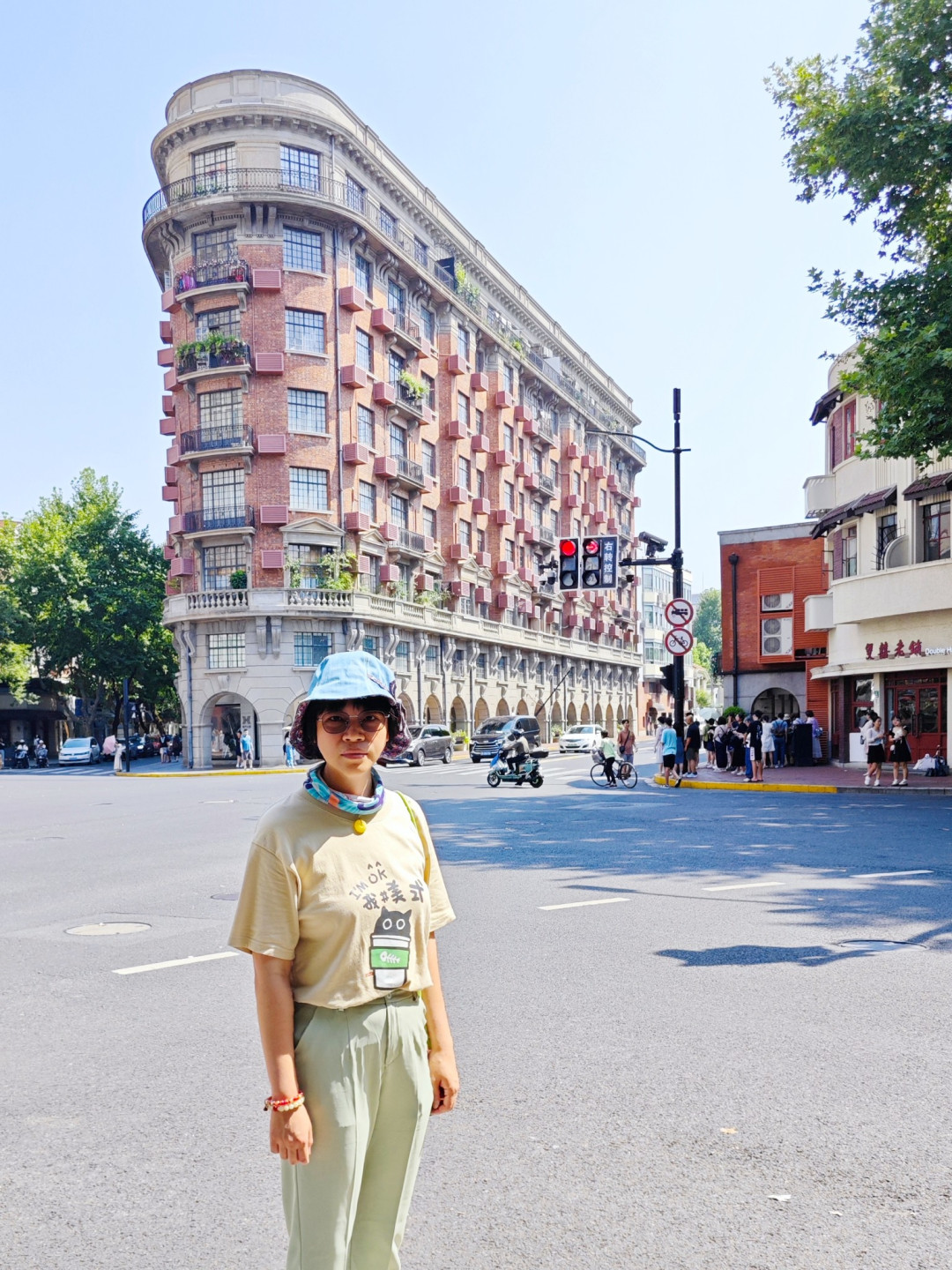
Here is the SEO-optimized and rewritten article based on your source material. It has been structured for search engines while maintaining the engaging, narrative voice of the original.
SEO Title: Shanghai Magic City Travel Guide: A Fantastical Journey Through Time (Part Two)
Meta Description: From a chaotic customs security check to the rich flavors of Benbang cuisine and the ancient walls of Yu Garden, experience the surreal "Magic City" of Shanghai. Discover history, food, and travel tips.
Shanghai Magic City Travel Guide: A Fantastical Journey Through Time (Part Two)
Shanghai, often called the "Magic City," lives up to its name in the most unexpected ways. Whether it’s the surreal blend of modern skyscrapers next to century-old alleyways or the chaotic charm of its bustling streets, this city offers a journey that feels like stepping through a time warp. In Part Two of our Shanghai travel diary, we dive deeper into the city’s contrasts—from an absurd security farce at the port to the rich, dark sauces of Benbang cuisine and the storied halls of Yu Garden.
From Cruise Ship to Magic City: An Unexpected Security Farce
On August 7, 2024, our group of five disembarked from the cruise ship, expecting the customs security check to be nothing more than a formality. Little did we know we were about to star in an absurdist comedy. Mr. Zhu lined up with his parents on the right, while I queued with my mother and aunt on the left. Suddenly, the security gate started shrieking like it had lost its mind.
A woman in uniform screamed hoarsely, "Stop letting people through! We've called the police!" The guard at the right gate was a beat too slow—he'd already let Mr. Zhu and his parents slip through. The guard on the left, however, was lightning-fast. I missed getting through by a single body length before being firmly blocked.
The bewildered crowd was herded backward a good fifteen or twenty steps, forced to re-enter the security gate one by one, walking back and forth, with no one having the faintest idea what had gone wrong. After repeated rounds of this chaos, we were finally released. I stood there with a face full of question marks—my first impression of the Magic City was certainly, well, "magical" enough.
Travel Tip: If you’re arriving by cruise, expect the unexpected. The Shanghai port security can be chaotic, so plan extra time for disembarkation.
First Arrival in the Magic City: The Rich, Dark Sauces of Benbang Cuisine
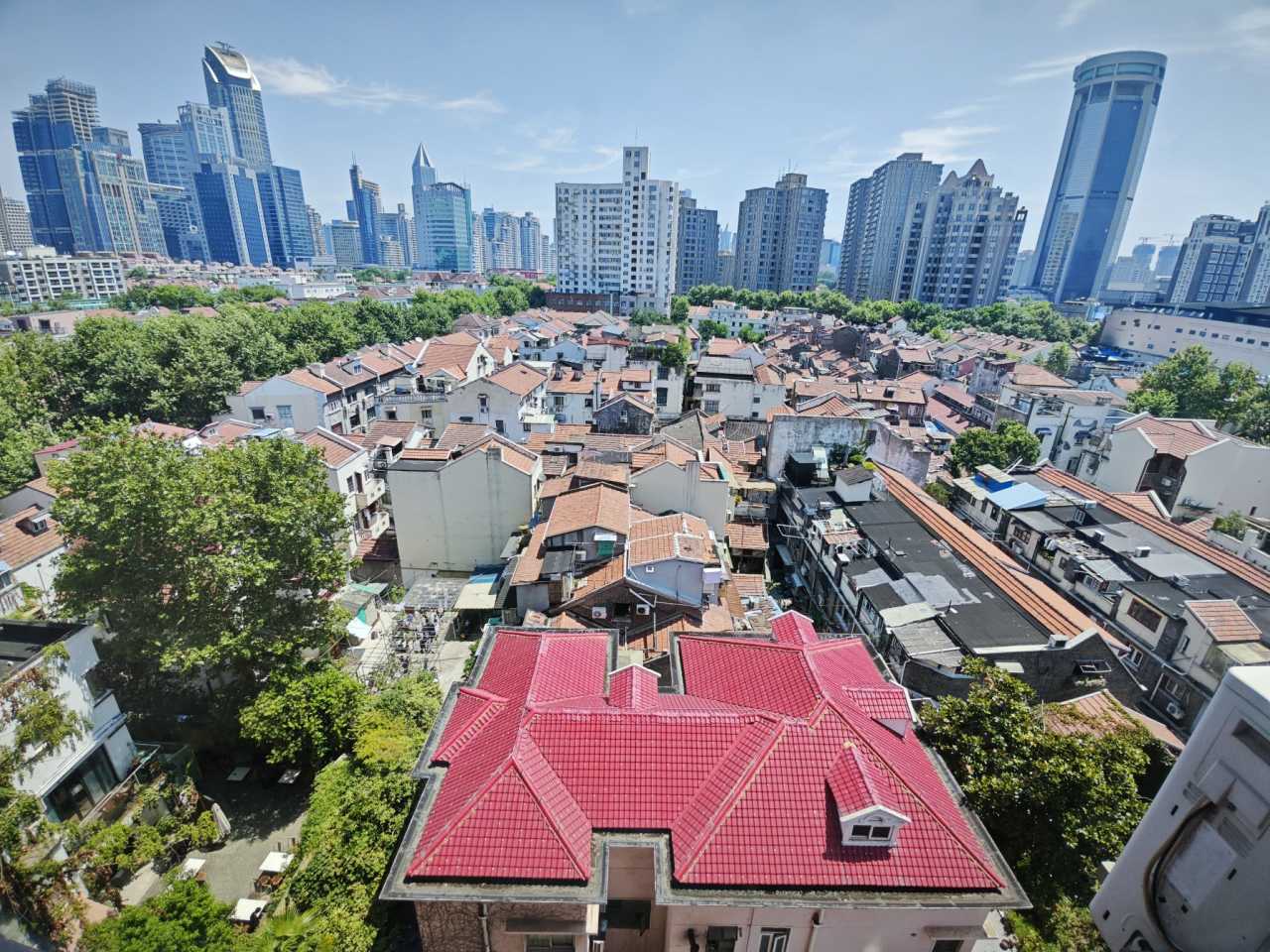
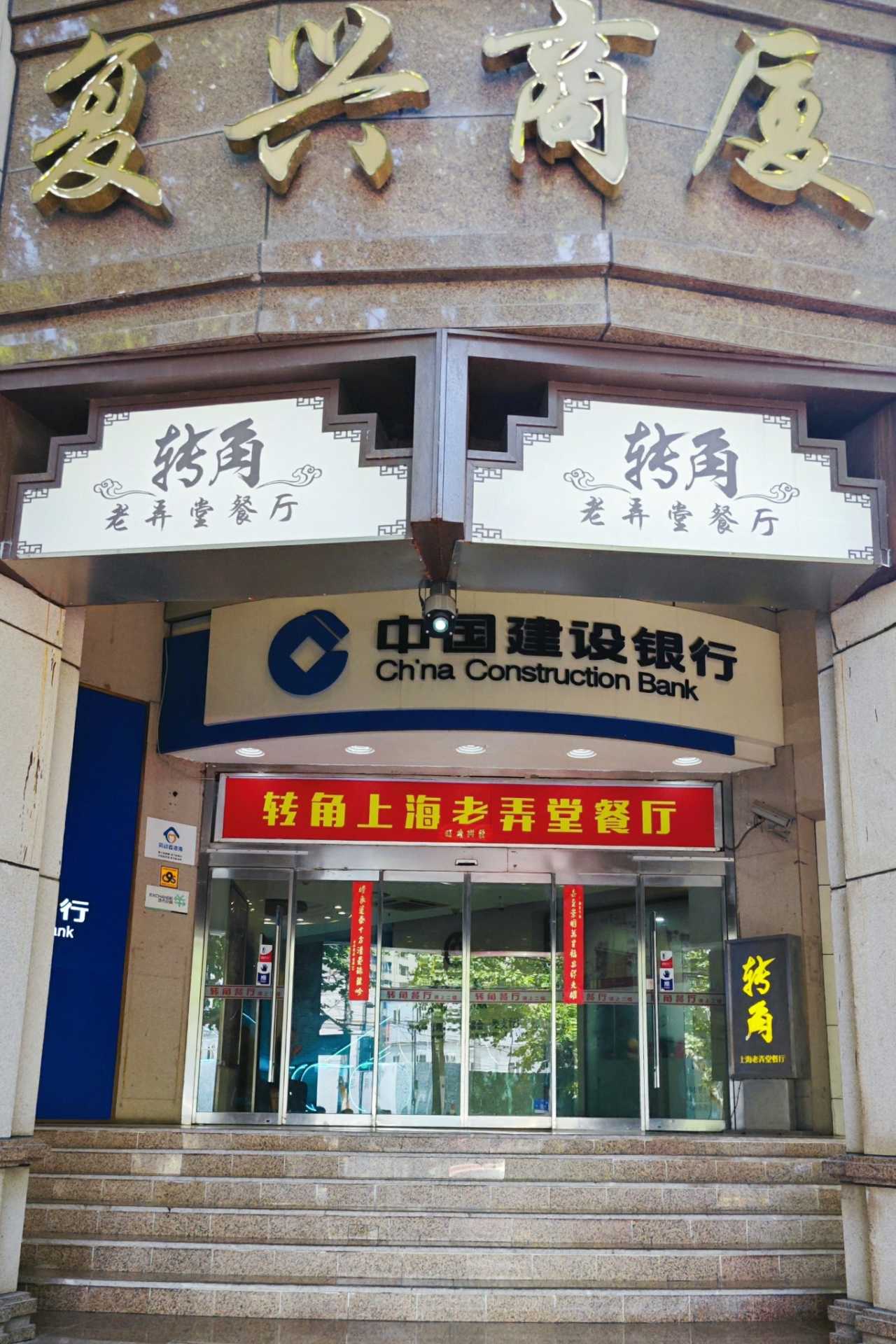
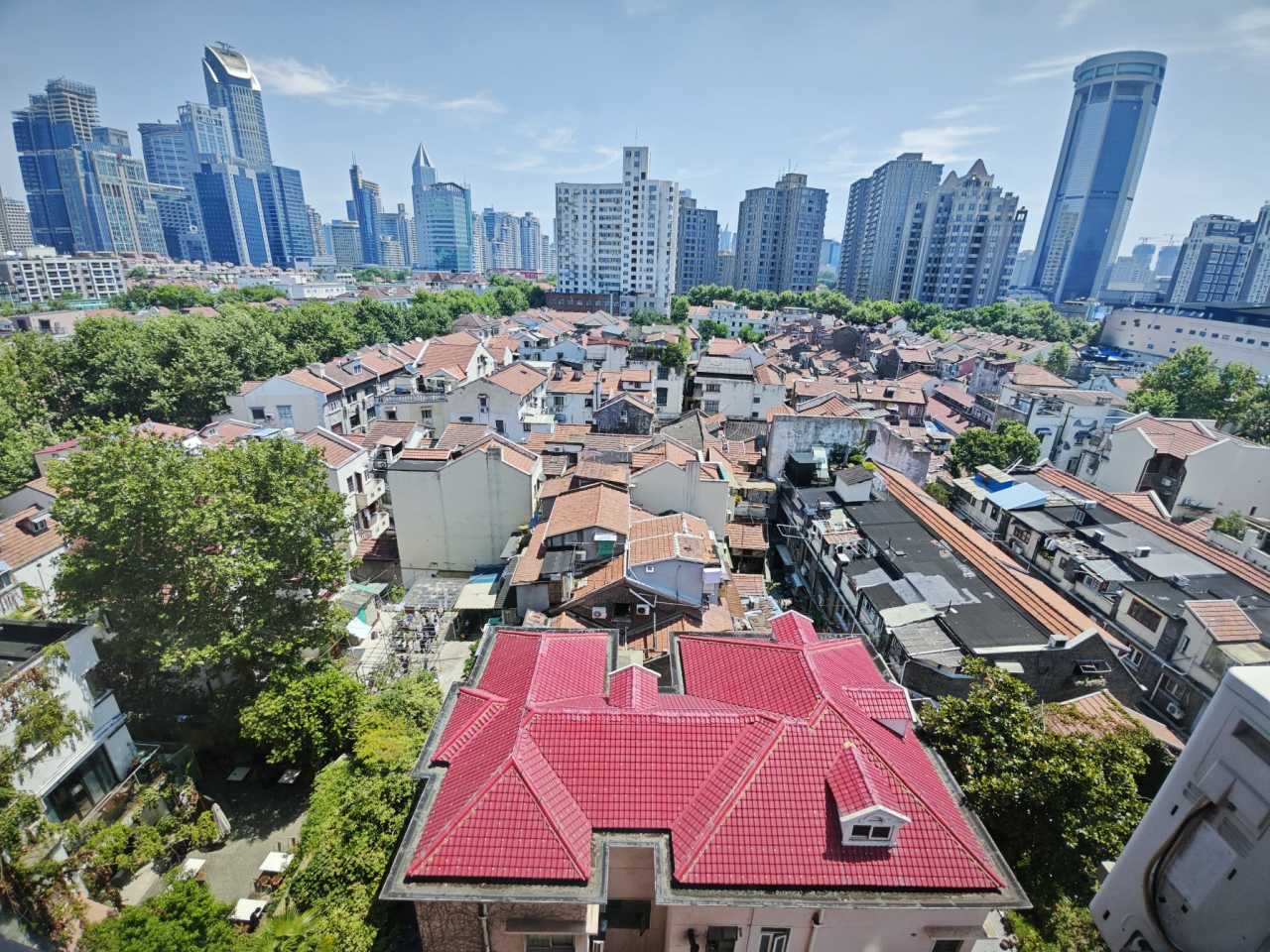
We took a taxi straight to our hotel on Julu Road in the Huangpu District. Looking out the window, modern skyscrapers surrounded quaint little houses, and the city's surreal quality hit me immediately. By the time we'd settled our luggage, it was nearly noon, and our stomachs were staging a full-scale rebellion. We desperately needed authentic local food to calm them down. I opened Dianping, selected the highest-rated restaurant nearby, and we set off on foot.
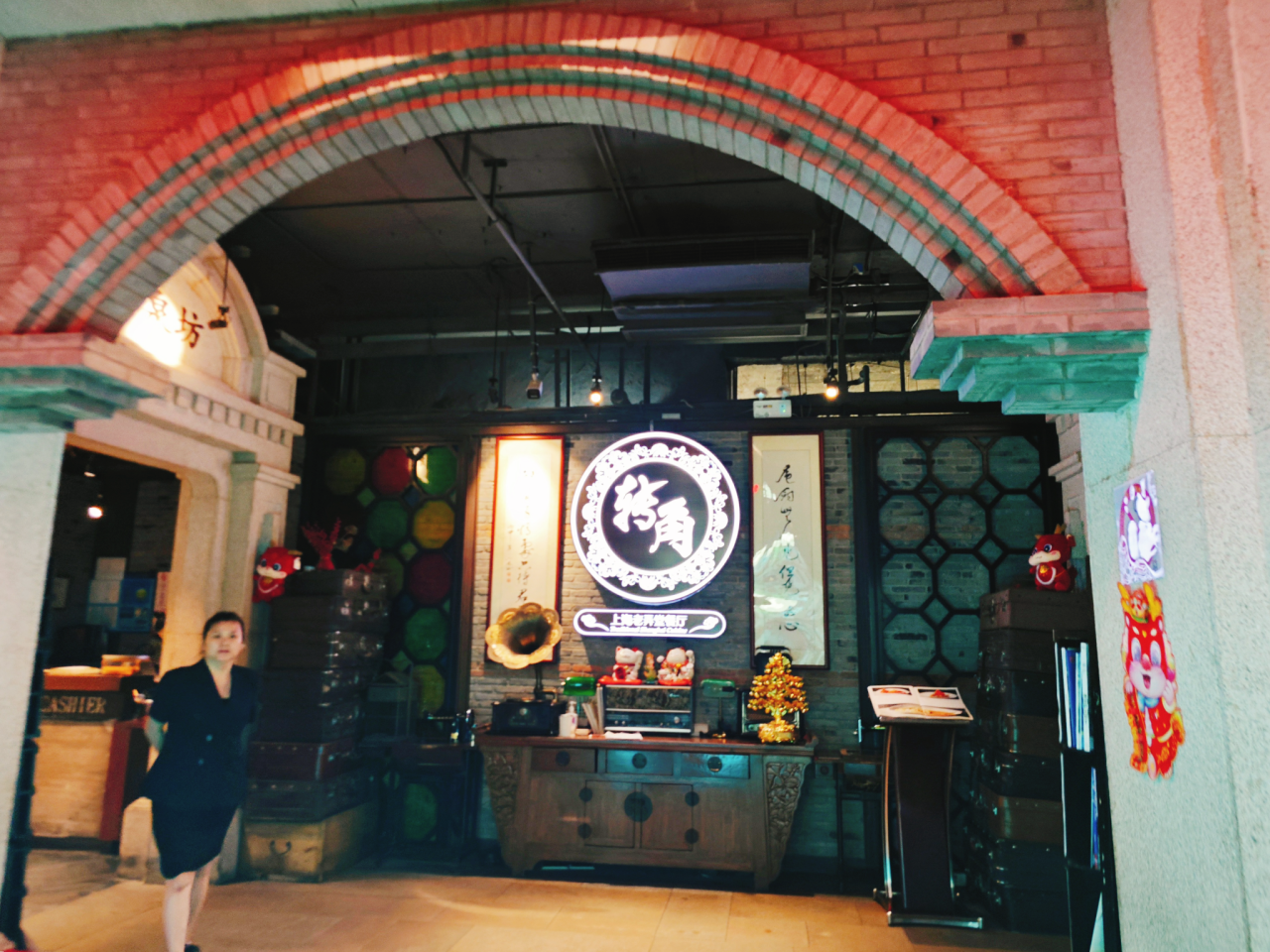
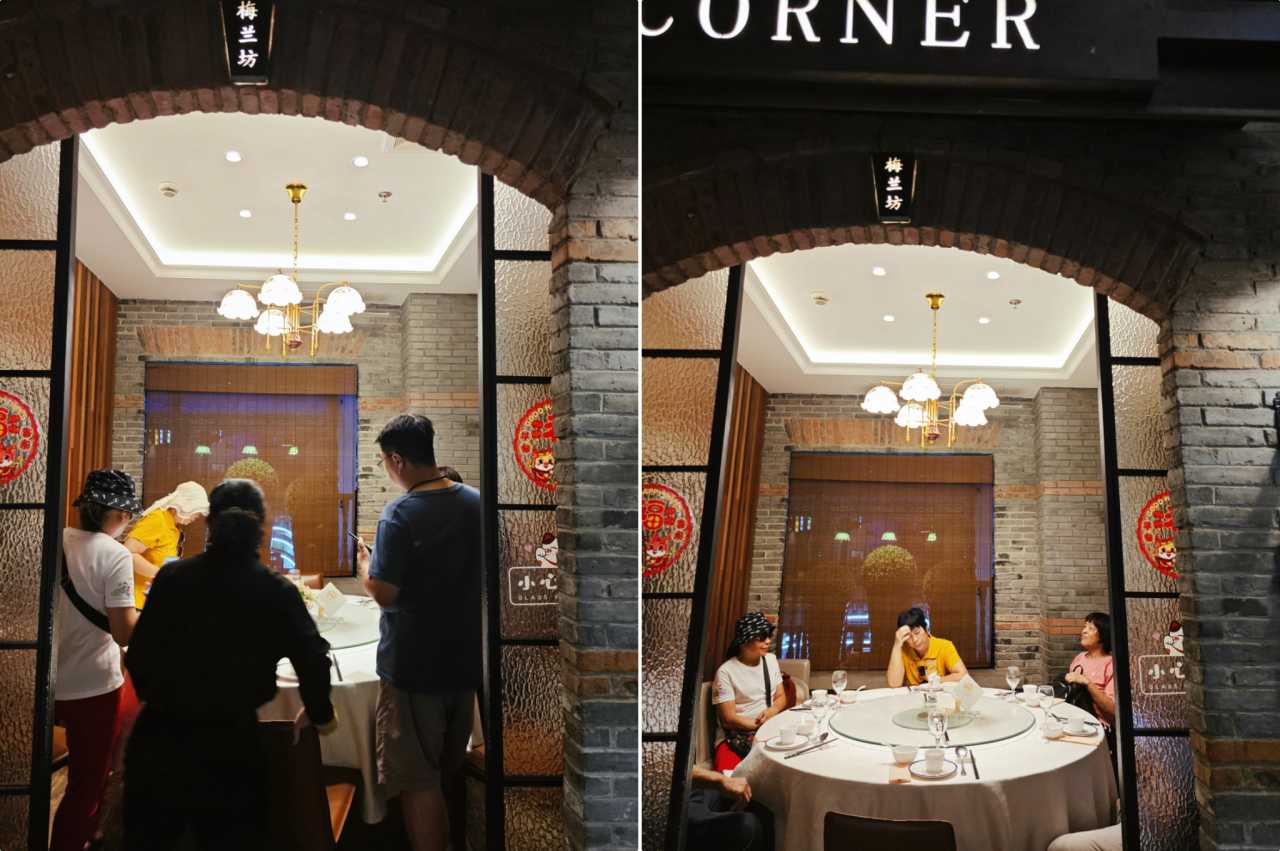
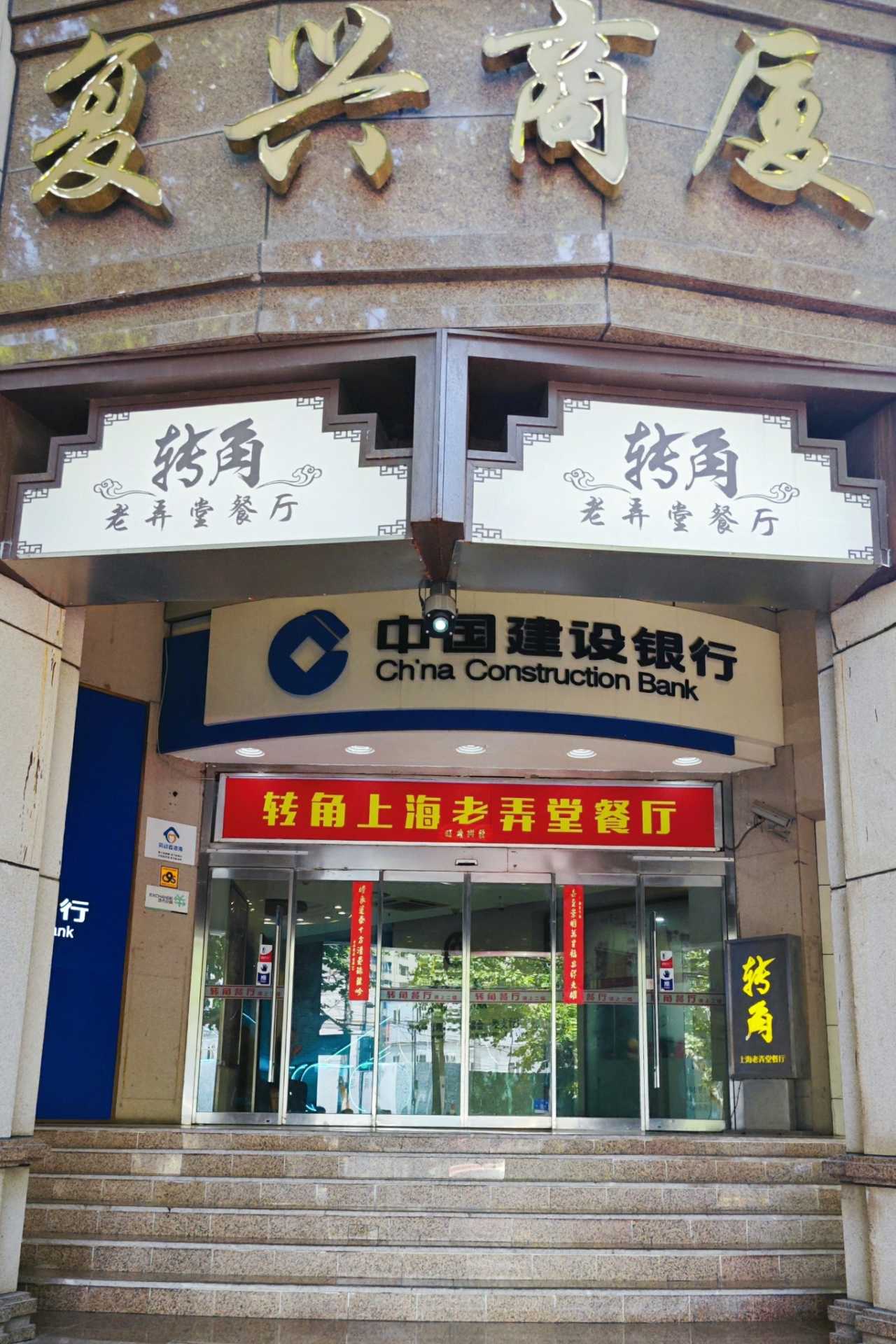
At the street corner, we didn't find love—but we did find an old Shanghai lane. The exterior sign was so understated I wondered if we'd walked into the wrong place. Inside, however, it was dripping with Shanghai atmosphere: vintage chandeliers, wooden window frames, old photographs of Shanghai on the walls—it felt like we'd time-traveled back to the Republican era.
What is Benbang Cuisine?
Benbang cuisine, an important school of Jiangnan's traditional food culture, specializes in red-braising and slow-stewing. The broths are rich and mellow, the sauces dark and oily, heavy on sugar and vivid in color. The eel was savory and fragrant in that thick, dark sauce, with sweetness lurking beneath the surface. The crab roe tofu melted on the tongue, so silky I hated to swallow.
The vegetable and tofu soup, in the sweltering summer heat, warmed my stomach in the most comforting way. When I bit into a deep-fried glutinous rice ball, it went "crack"—my teeth cut through the soft, crispy exterior, and the sweet sesame paste inside burst forth, filling my mouth with fragrance. The Hua Diao chicken? Well... it didn't taste like chicken. In my humble opinion, this meal was terrifying in terms of calories and glycemic index. In my shallow opinion, I enjoyed every single bite.
Must-Try Dishes in Shanghai: - Red-braised eel – Sweet, savory, and rich. - Crab roe tofu – Silky and decadent. - Deep-fried glutinous rice balls – Crispy outside, sweet inside. - Hua Diao chicken – A unique wine-infused dish.
Splitting Up: The Parallel Stories of Yu Garden and Nanjing Road
Stuffed to the gills, we split into two groups. The elders took the metro to Nanjing Road Pedestrian Street—that iconic Instagram hotspot, and a place my father-in-law had been longing to see. Mr. Zhu and I, meanwhile, headed straight for the crowds at Yu Garden.
Yu Garden, along with Luxiang Garden and Rishe Garden, was known as one of the "Three Great Gardens of Ming Dynasty Shanghai," and it ranks first among the five surviving classical gardens of Shanghai. Originally a private garden from the Ming Dynasty, its owner was Pan Yunduan, who served as the Provincial Governor of Sichuan. His father, Pan En, held the lofty positions of Left Censor-in-Chief of the Imperial Censorate and Minister of Justice.
When Pan En retired in old age, Pan Yunduan spent over twenty painstaking years building Yu Garden so his father could enjoy his twilight years in peace. During the mid-to-late Ming Dynasty, it was hailed as "the crown of gardens in the Southeast."
But as I began to piece together the garden's history, I couldn't help but sigh—a family's decline, an era's lament. What was buried in the flames of war was far more than just a garden.
The Cycles of Decay and Restoration at Yu Garden
After Pan Yunduan's death, his descendants mismanaged the estate, and Yu Garden fell into rapid decline. Its interiors became dilapidated and overgrown. In the 25th year of the Qianlong reign of the Qing Dynasty (1760), local gentry pooled their funds to purchase the garden from the Pan family descendants, donating it to the City God Temple.
They spent over twenty years restoring pavilions, adding rockeries, dredging waterways, and rebuilding the scenery. On the ruins of the collapsed Letang Hall, they erected Sansui Hall. The restored Yu Garden was no longer a private estate—it had become a temple garden for scholars and local elites to gather and enjoy refined pleasures.
During the Daoguang reign, Yu Garden became a meeting place for various trade guilds. Twenty-one industries each occupied their own section, funding their own repairs. In the 22nd year of Daoguang (1842), the First Opium War broke out. British forces invaded, occupying Yu Garden and the City God Temple for thirteen days. Dianchun Hall, Xiangxue Tower, Deyue Tower, and other structures were set ablaze, and the garden was left scarred beyond recognition.
In the 5th year of the Xianfeng reign (1855), after the failure of the Small Sword Society Uprising in Shanghai, Qing troops entered the city on a rampage of killing and looting. Yu Garden suffered once again. In the 10th year of Xianfeng (1860), as the Taiping Army advanced on Shanghai, the Qing government colluded with British and French forces, who stationed troops in the garden. They tore up rocks and filled in ponds to build Western-style barracks, disfiguring the landscape yet again. By the 7th year of the Tongzhi reign (1868), Yu Garden had shrunk to less than 37 mu (about 6 acres).
During the Tongzhi era, some guilds began rebuilding parts of the garden. After the early Guangxu years, the reconstructed Yu Garden was again carved up by twelve commercial guilds, including those for beans, rice, and sugar. By then, the garden had completely lost its former splendor.
During the Republican era, a primary school was opened inside Yu Garden, and its attractions fell into decay. During the "August 13" Battle of Shanghai, Xiangxue Hall was burned down by Japanese forces. Apart from the famous "Jade Linglong" rock formation in front of the hall, nothing remained but empty ground. Most of the buildings, long neglected, were in ruins. Fortunately, Dianchun Hall, Sansui Hall, the Great Rockery, and a few pavilions, towers, and ancient trees survived.
After 1949, the government began restoration and maintenance efforts. In September 1961, most of the original garden scenery was restored, and the Inner Garden was incorporated. In 1986, following Yu Garden's successful designation as a "Major Historical and Cultural Site Protected at the National Level," Professor Chen Congzhou of Tongji University led another major renovation. In 2003, the construction of Hanbi Tower, Tingtao Pavilion, and Jiyu Water Corridor was completed.
Wandering Through Yu Garden: The Human Bustle Behind Winding Paths

When the long-renowned Yu Garden finally appeared before me, I felt surprisingly unmoved—the heat was brutal, and the crowds were suffocating. Suzhou-style gardens are meant for leisurely strolls along winding paths, where every step reveals a new view, lost among pavilions and waterside terraces. But when those winding paths become shoulder-to-shoulder traffic, and those changing views become a sea of pushing bodies, add in sweat pouring down your face in the scorching heat—the mood is thoroughly ruined.
Pro Tip: Visit Yu Garden early in the morning or on a weekday to avoid the worst crowds. The garden is beautiful, but it’s best experienced in quiet moments.
Frequently Asked Questions About Visiting Shanghai’s Magic City
Q: What is the best time of year to visit Shanghai? A: Spring (March to May) and autumn (September to November) offer mild weather and fewer crowds. Summer can be extremely hot and humid, while winter is cold but less busy.
Q: Is Yu Garden worth visiting despite the crowds? A: Yes, if you plan ahead. The garden is a masterpiece of Ming Dynasty design. Go early in the morning or on a weekday to enjoy the winding paths and rockeries without the shoulder-to-shoulder traffic.
Q: What is Benbang cuisine, and where can I try it? A: Benbang cuisine is Shanghai’s local cooking style, known for its red-braising, sweet flavors, and dark sauces. Look for old-school restaurants on Julu Road or near the City God Temple for authentic dishes.
Q: How do I get from the cruise port to central Shanghai? A: Taxis and ride-hailing apps are the most convenient. Expect potential delays at customs, as security checks can be chaotic. Plan for an extra 30-60 minutes.
Q: What else can I do near Yu Garden? A: The City God Temple (Chenghuangmiao) market is right next door, offering snacks, souvenirs, and a lively atmosphere. You can also walk to the Bund or Nanjing Road for more sightseeing.
Internal Linking Suggestions
- [Link: Best Benbang cuisine restaurants in Shanghai]
- [Link: How to avoid crowds at popular Shanghai attractions]
- [Link: A complete guide to Nanjing Road shopping]
- [Link: Ming Dynasty gardens in China: A traveler’s guide]
- [Link: Shanghai cruise port tips for first-time visitors]
Ready to Explore the Magic City?
Shanghai is a city of contrasts—chaotic yet charming, modern yet deeply historical. Whether you’re navigating the absurdity of customs, savoring the rich, dark sauces of Benbang cuisine, or wandering through the ancient stones of Yu Garden, every moment feels like a step through time.
Don’t wait for the perfect moment. Book your Shanghai adventure today and discover the magic for yourself. Pack your walking shoes, bring an appetite, and prepare for the unexpected. The Magic City is waiting.
Have you visited Shanghai? Share your own "magical" travel stories in the comments below!