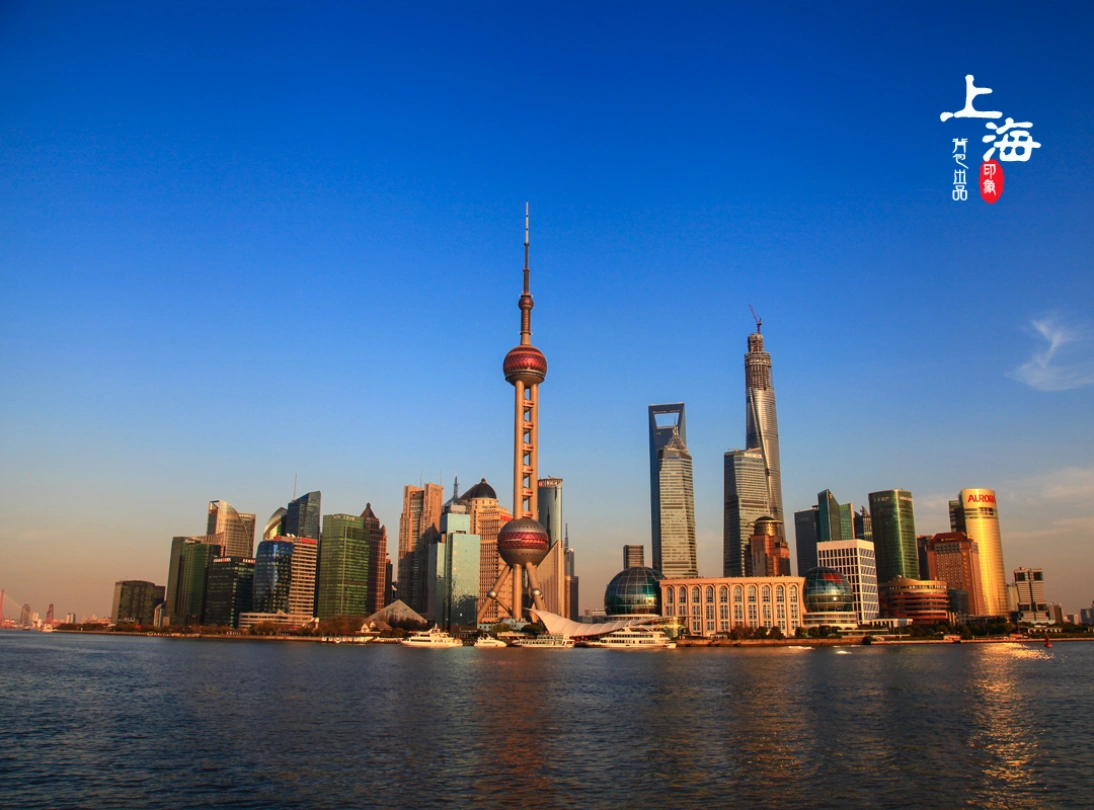
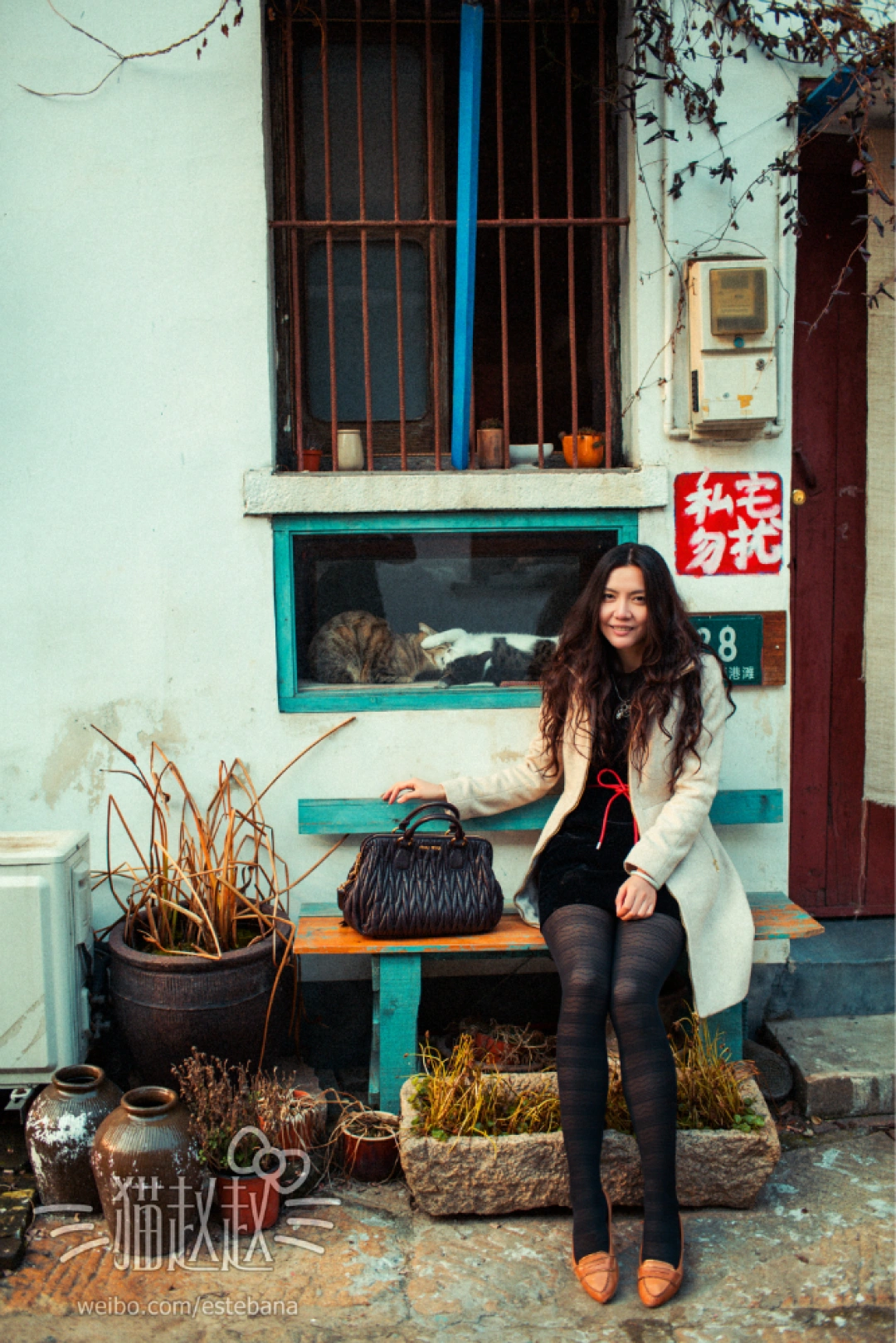
Jiangnan Time: A Spontaneous Trip Through Yangzhou, Suzhou, and Shanghai
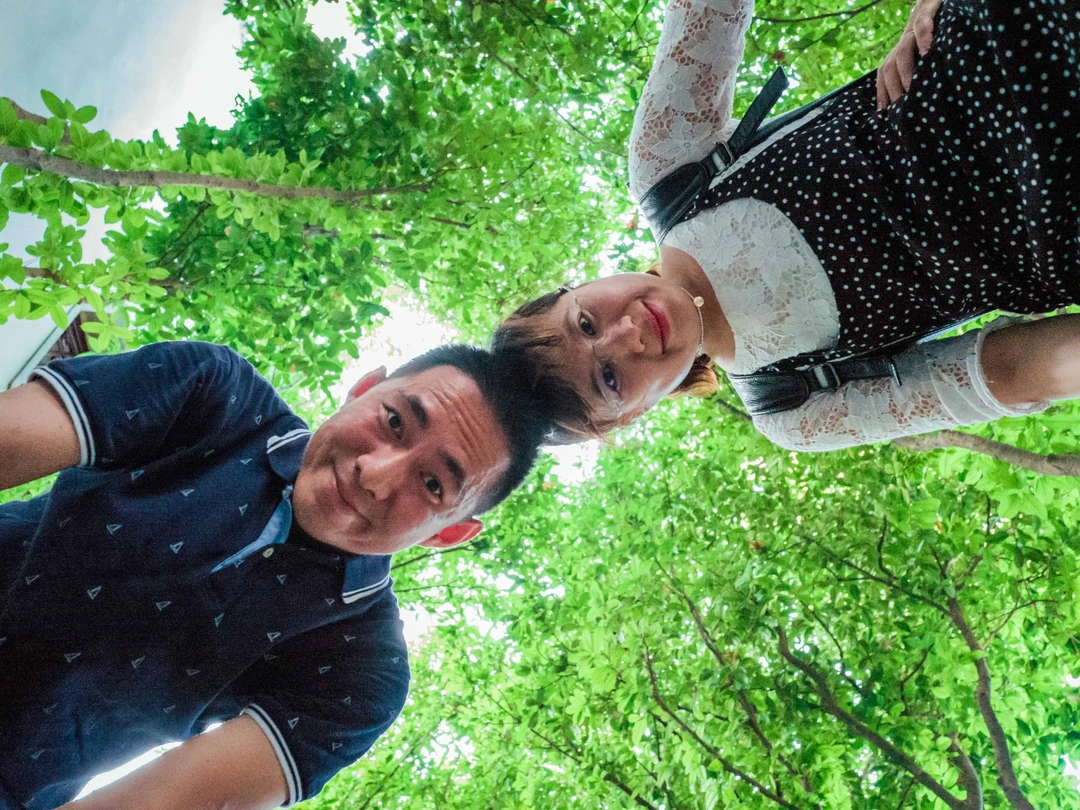
Here is the SEO-optimized and rewritten article based on your source material. It is structured to target high-intent keywords related to Jiangnan travel, spontaneous trips, and specific city guides (Yangzhou, Suzhou, Shanghai), while maintaining the engaging narrative of the original.
Jiangnan Time: A Spontaneous Trip Through Yangzhou, Suzhou, and Shanghai
Meta Description: Discover the magic of a spontaneous Jiangnan trip through Yangzhou, Suzhou, and Shanghai. Explore Slender West Lake, Huaiyang cuisine, and hidden gems without a rigid itinerary. Perfect for last-minute travelers.
Travel doesn’t always require meticulous planning or hotel bookings made months in advance. Sometimes, the best journeys begin with a simple idea—visiting relatives in Shanghai, with a stopover in two historic cities along the way. This spontaneous trip to Jiangnan by two travelers (Teacher Xu and Teacher Cai) proves that unexpected sights often move us more than those we deliberately seek.
Over six days, they skirted the edge of a typhoon, wandered through ancient alleyways, and stumbled upon a journey filled with delightful surprises. From the imperial gardens of Yangzhou to the water towns of Suzhou and the neon lights of Shanghai, here is how to experience the best of Jiangnan without a rigid plan.
Chapter One: Yangzhou—Love at First Sight
Arrival at Midnight: A Surprising Start in the "City of Gardens"

To save money, the pair chose a late-night flight from Shantou to Yangzhou. By the time they checked into the Hampton by Hilton in Yangzhou's Slender West Lake area, it was already past midnight. The exhaustion of travel melted away instantly when they discovered the promotional rate was only 384 RMB, including complimentary breakfast for two. Teacher Xu later rated that breakfast as "worth at least 100 RMB per person"—an astonishing value for a spontaneous booking.
Pro Tip: [Link: Best Budget Hotels in Yangzhou] – For spontaneous travelers, checking hotel rates on the morning of check-in often yields discounts of up to 50% compared to advance bookings.
Slender West Lake: Summer Lotus and Imperial Charm
While "fireworks descend on Yangzhou in March" is a timeless verse, Slender West Lake in July is equally captivating. Lotus blossoms were in full bloom, willows draped their green branches over the water, and the lake reflected the sky like a flowing painting.
- Entrance Fee: 60 RMB (remarkably affordable for a 5A-rated scenic area).
- Must-See Spots: The Five-Pavilion Bridge, the Twenty-Four Bridge, and the Fishing Terrace.
- Best Strategy: Spend an entire day strolling slowly to appreciate the Qing Dynasty imperial garden layout, once celebrated as "the finest in the world."
Interestingly, the two Didi taxis they took in Yangzhou had license plates ending in 19999 and 18888. Such coincidences felt like the city was welcoming them in a special way.
Lion Tower: A Taste of Authentic Huaiyang Cuisine
Located on the campus of Yangzhou University, Lion Tower (Shizilou) is a renowned Huaiyang cuisine restaurant. The lion's head meatball (shizitou) here lived up to its reputation—a giant meatball that melts in the mouth, rich but not greasy. The Yangzhou fried rice (yangzhou chaofan) was equally impressive, with distinct grains and generous toppings.
Why it matters: Huaiyang cuisine is one of the four great traditions of Chinese cooking. [Link: Best Huaiyang Cuisine Restaurants in Jiangnan]
Ge Garden: Four-Season Rockeries and Salt Merchant History
After lunch, the pair visited Ge Garden. This private garden, built by a Qing Dynasty salt merchant, is named for its abundance of bamboo (ge means bamboo in Chinese). It is most famous for its four-season rockeries, using笋石, lake stones, yellow stones, and quartz stones to represent spring, summer, autumn, and winter.
- Size: About one-eighth the size of Slender West Lake, but no less exquisite.
- Architectural Significance: Chen Congzhou, a renowned garden expert, called it "a unique example in China."
Dining in History: The Lu Family Salt Merchant Residence
Dinner was at the Lu Family Salt Merchant Residence Restaurant. This mansion, built during the Guangxu period of the Qing Dynasty, covers over 10,000 square meters and cost more than 70,000 taels of silver to construct. Now converted into a restaurant, private dining rooms cost over 200 RMB per person, but the grand atmosphere led Teacher Xu to exclaim, "The value for money is excellent."
Yangzhou at Night: Wenchang Pavilion, Zhongshuge, and Dongguan Street

After dinner, the pair rented Hello electric scooters and followed their map to Wenchang Pavilion. Later, they visited the trendy bookstore Zhongshuge, where light and shadow played across the space, making every snapshot look professional.
Dongguan Street is Yangzhou's oldest historical district, stretching 1,122 meters. While the street is lined with time-honored brands like Simei Sauce Garden and Xie Fuchun Perfume Shop, Teacher Xu admitted that in the age of Taobao, the street didn't inspire much shopping desire compared to Chengdu's Kuanzhai Alley.
Practical Tip: The Secret to Saving on Hotel Bookings
That night, they checked into the Mercure Hotel at the head of Dongguan Street, deliberately choosing a room without breakfast—so they could experience authentic Yangzhou morning tea the next day. Money-saving trick: During non-holiday periods, there's no need to book hotels in developed cities in advance. On the day of check-in (especially in the morning or after early evening), many hotels offer discounted rates on Ctrip due to low occupancy, often half the price of advance bookings.
Chapter Two: Suzhou—The Other Side of Fame
Yangzhou Morning Tea: Jinchun Restaurant
On the third morning, the pair went to Jinchun Restaurant for Yangzhou morning tea. Yangzhou's most famous morning tea houses are Ye Chun, Fu Chun, and Jin Chun. Teacher Xu chose Jin Chun, joking, "I'm not far from being an old uncle myself."
What to order: Crab roe soup dumplings (xie huang tang bao), assorted pastries, and hot tea. Jin Chun's signboard even bears the imperial calligraphy of Emperor Qianlong.
The Journey: From Yangzhou to Suzhou
Around 7 a.m., they took a booked ride-hailing car to Zhenjiang, then caught a high-speed train to Suzhou. Zhenjiang is only about 30 kilometers from Yangzhou, and it takes just 45 minutes to reach the train station. Along the way, they received news that a typhoon was about to make landfall in Shanghai.
Pingjiang Road: A Jiangnan Scroll Painting of Water and Land
Upon arriving in Suzhou, they booked a hotel near Pingjiang Historical and Cultural Street. Pingjiang Road is Suzhou's best-preserved and largest historical district, still maintaining its "water and land parallel, river and street adjacent" dual-grid layout.
- Best Time to Visit: Early morning or late afternoon to avoid crowds.
- What to Expect: Small bridges over flowing water, whitewashed walls, traditional shops, and quiet canals.
- Comparison: Unlike Dongguan Street, Pingjiang Road feels more authentic and less commercialized.
Pro Tip: [Link: Suzhou Day Trip Itinerary] – Combine Pingjiang Road with the Humble Administrator's Garden for a classic Suzhou experience.
FAQ: Spontaneous Travel in Jiangnan
1. Is it safe to travel to Jiangnan without a fixed itinerary?
Yes, especially in well-developed cities like Yangzhou, Suzhou, and Shanghai. Hotels and transportation (high-speed rail, Didi) are readily available. However, during national holidays (Golden Week, Spring Festival), advance booking is recommended.
2. What is the best time to visit Yangzhou and Suzhou?
 Spring (March-April) is famous for "fireworks in March," but summer (July-August) offers blooming lotus flowers and fewer crowds. Autumn (September-October) is ideal for mild weather and fall foliage.
3. How much does a spontaneous trip to Jiangnan cost?
 Budget approximately 300-500 RMB per day for mid-range hotels, 50-100 RMB for meals, and 60-100 RMB for attraction tickets. Spontaneous bookings can save up to 50% on hotels.
4. Can I visit Yangzhou, Suzhou, and Shanghai in 6 days?
Yes. The itinerary in this article covers all three cities comfortably. Yangzhou (2 days), Suzhou (2 days), and Shanghai (2 days) is a realistic pace.
5. What should I eat in Yangzhou?
 Must-try dishes include: Yangzhou fried rice, lion's head meatballs, crab roe soup dumplings, and dried bean curd shreds. For morning tea, visit Ye Chun, Fu Chun, or Jin Chun.
Conclusion: Embrace the Unexpected
This spontaneous trip through Yangzhou, Suzhou, and Shanghai proves that the best travel memories often come from unplanned moments—a midnight hotel deal, a typhoon that never arrived, or a chance encounter with a beautiful garden. The key is to keep a relaxed heart, a curious mind, and a willingness to go where the road takes you.
Ready to plan your own spontaneous Jiangnan adventure? Start by checking last-minute hotel deals on Ctrip, book a high-speed train ticket, and let the journey unfold. Whether you're seeking imperial gardens, Huaiyang cuisine, or the charm of ancient water towns, Jiangnan is waiting to surprise you.
[Link: How to Plan a Last-Minute Trip to China] [Link: Best High-Speed Train Routes for Jiangnan Travel]
Call to Action: Have you ever taken a spontaneous trip to Jiangnan? Share your favorite unplanned moment in the comments below!
You may also like