In Shanghai, the Lingering Hearth of the Alleyways Is the City's Gentlest Undertone
Meta Description: Discover Shanghai beyond the skyscrapers. From living alleyways and the Bund to hidden artistic gems and iconic film locations, explore the city's gentlest undertones in this 1500-word travel guide.
Introduction: Rediscovering Shanghai's Soul
Do you remember the first time you went to Shanghai? For me, it was a "grand feat" of my college days—I spent 127.5 yuan on a hard-seat student ticket from Changchun to Shanghai, enduring a grueling 30 hours aboard the K518 train. During the day, I still felt a spark of novelty, craning my neck to watch the scenery shift outside the window. But come nightfall, the carriage was filled with passengers sprawled in every imaginable position—curled up under seats, stretched across the aisles. Even now, the memory feels both absurd and strangely magical. That was my first self-funded trip, and Shanghai became the starting point of my exploration of the world.

Later, when I started working in Jiangsu, Shanghai became a transit hub for business trips. Each time, I passed through in a hurry, dragging my suitcase from one platform to another, barely glancing at the sky beyond the subway station exit. Then I was transferred to Beijing. Although the Fuxing high-speed train had compressed the distance between Beijing and Shanghai to under five hours, actually making the trip became harder than ever—adult life always fills every break with obligations.
It wasn't until this April, during a holiday, that I finally decided: go to Shanghai once more—not to rush, but to truly see the city. This article shares that journey, offering a Shanghai travel guide for slow travelers, culture enthusiasts, and anyone seeking the city's authentic heartbeat.
Living Alleys and Lanes: The Hearth of Everyday Life in Shanghai
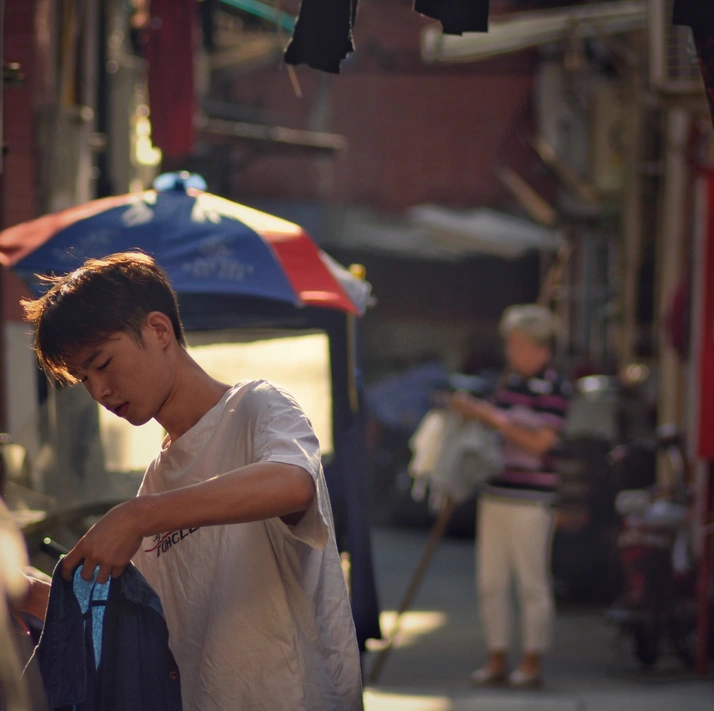
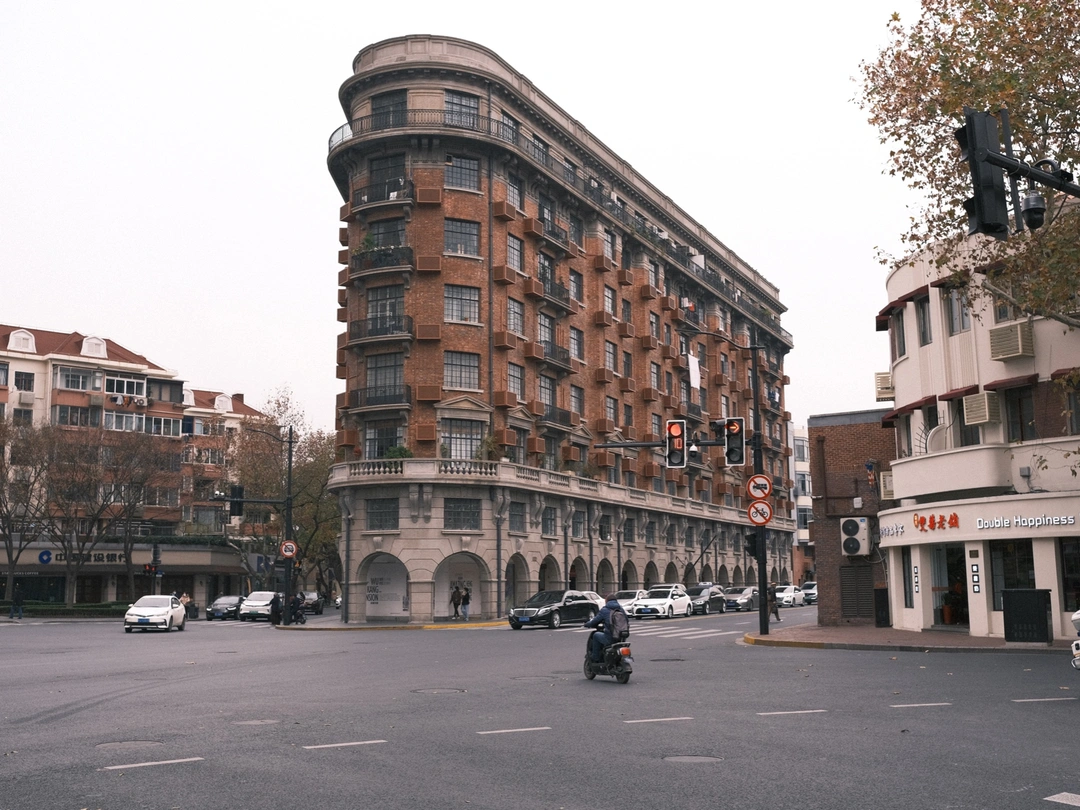
Shanghai is called the "Magic City" (Mó Dū), and the origin of this nickname is debated. But no matter how you explain it, most people picture the Oriental Pearl Tower, the skyline of Lujiazui, and the colonial-era buildings along the Bund. These forests of steel and concrete are indeed breathtaking, but what truly made me think, "This is Shanghai," were the alleyways in Shanghai hidden behind the skyscrapers.
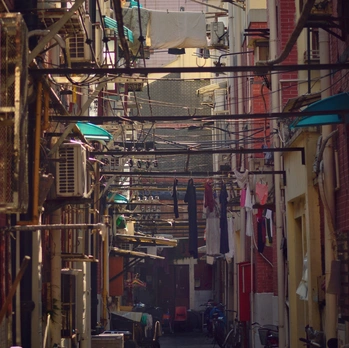
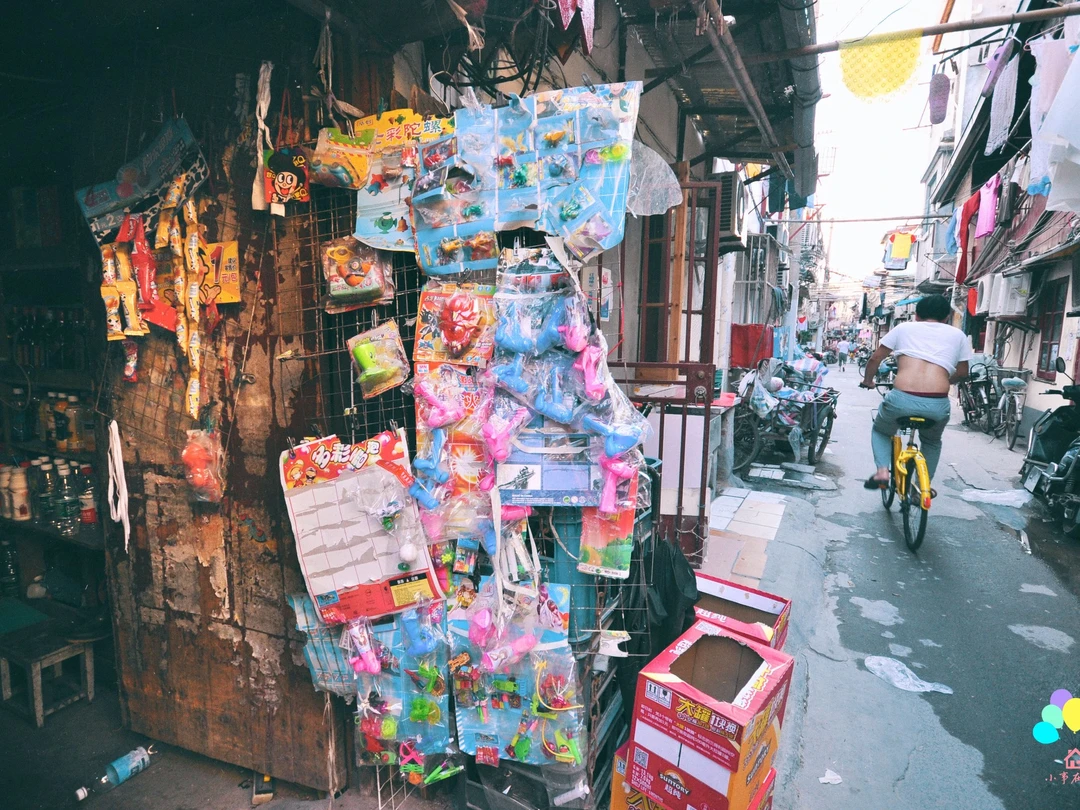
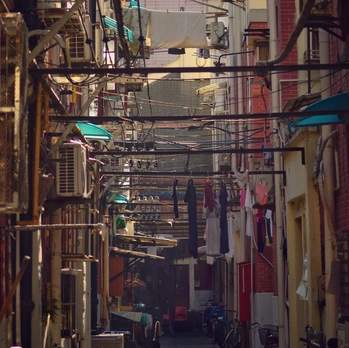
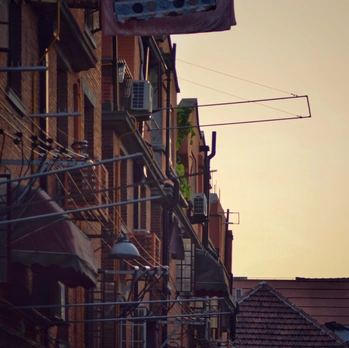
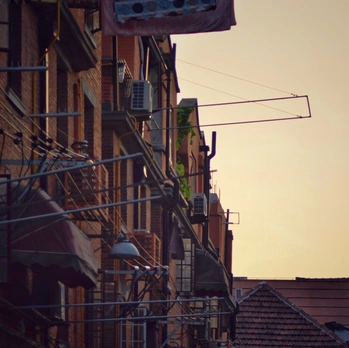
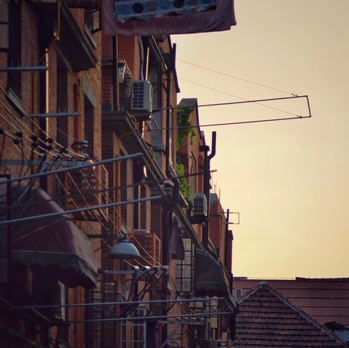
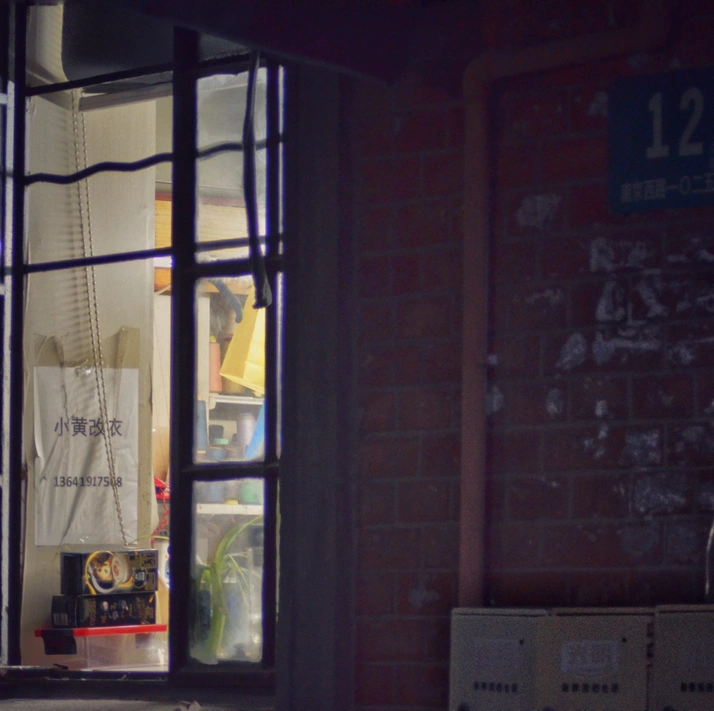
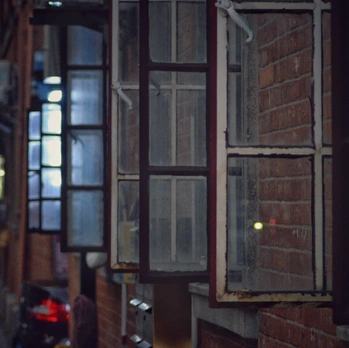
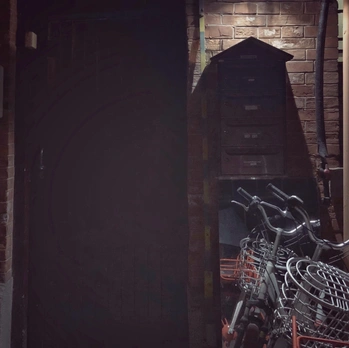
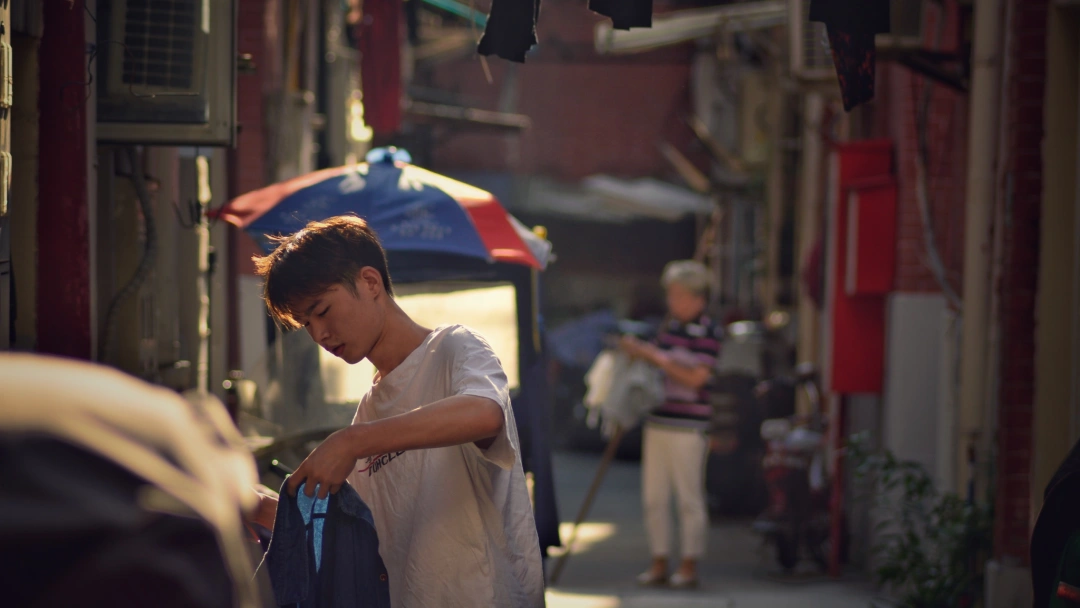
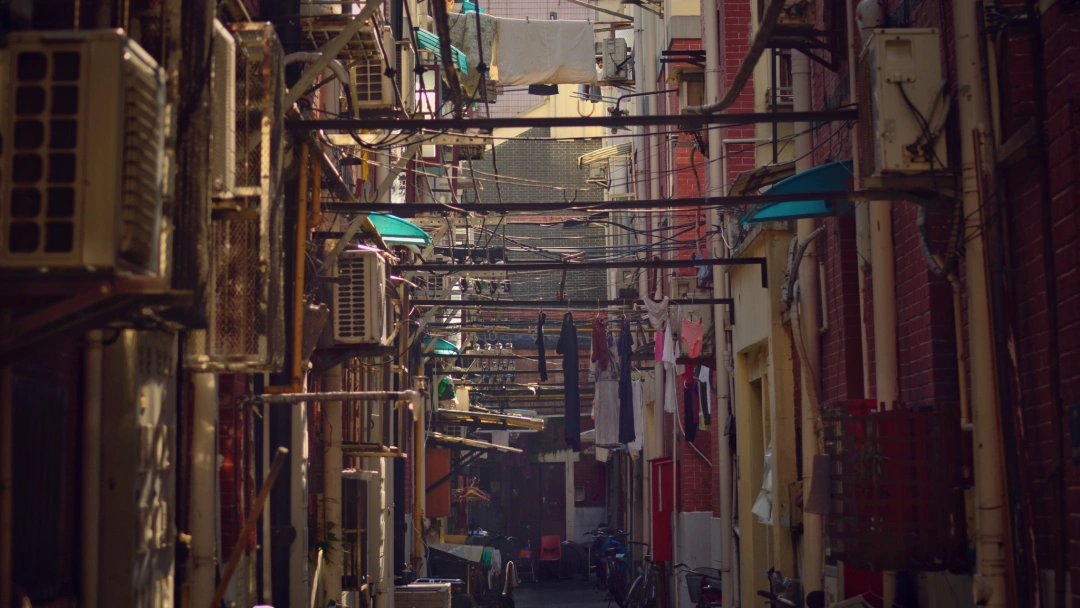
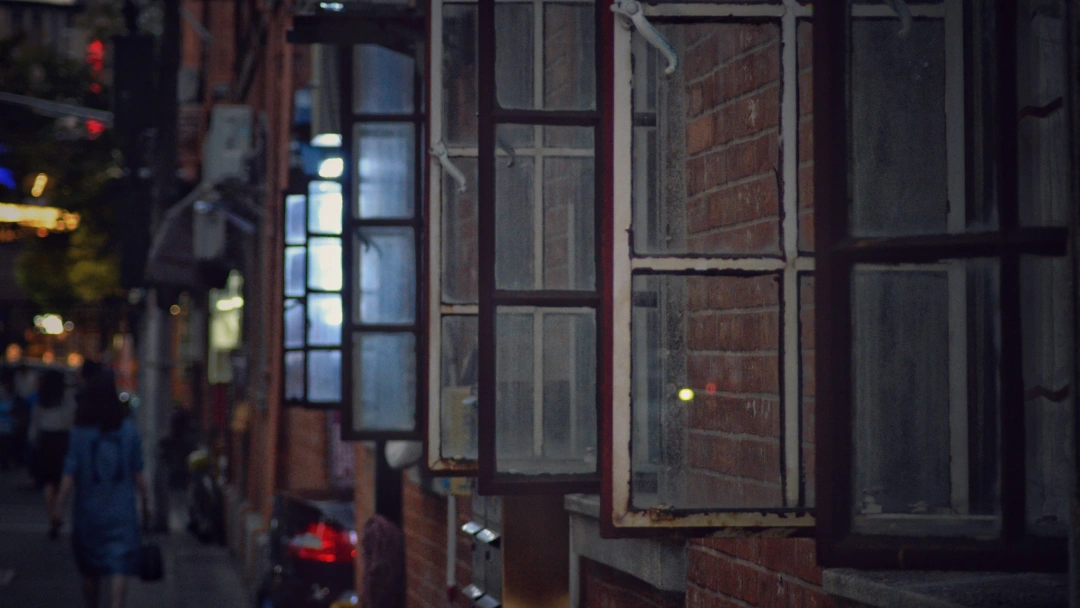
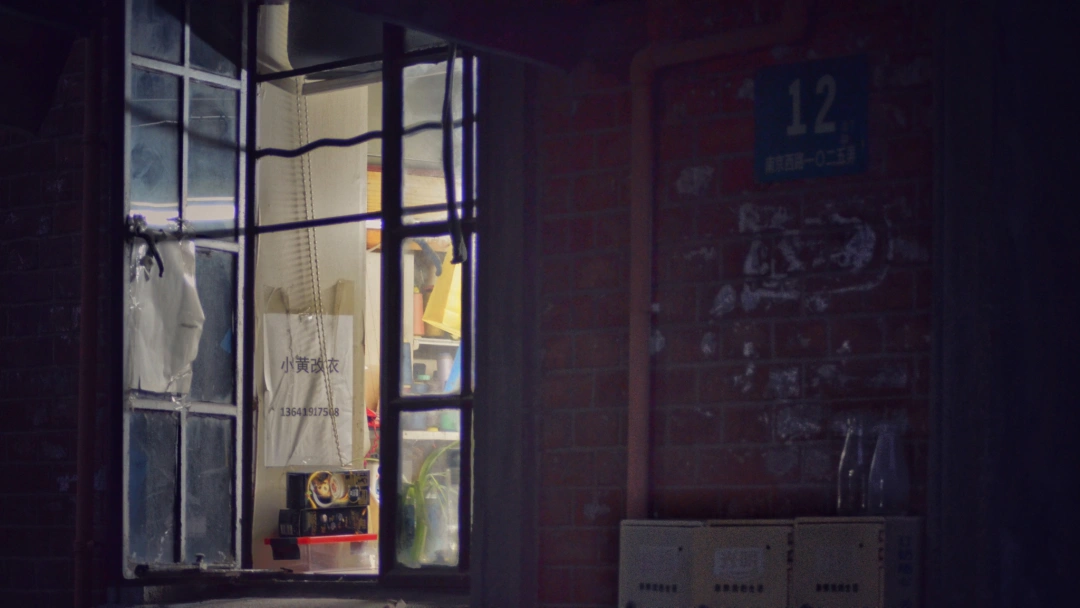
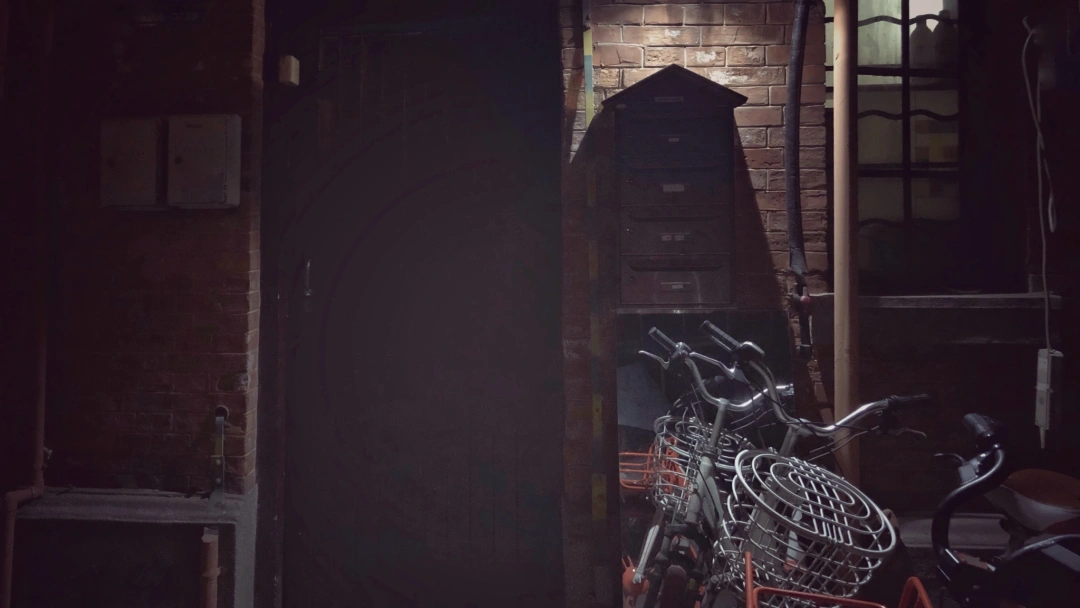
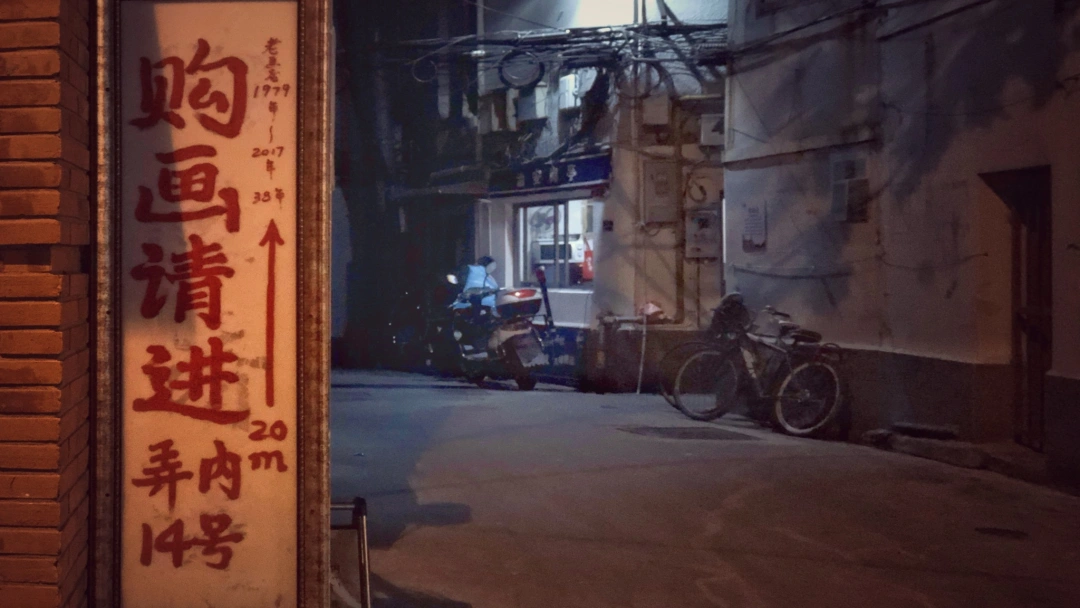
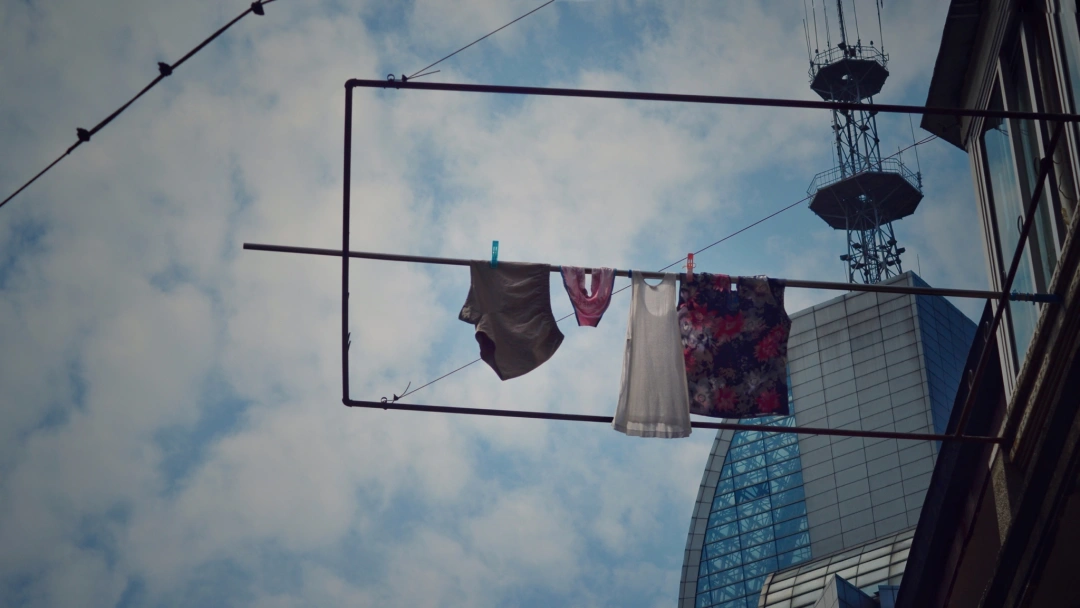
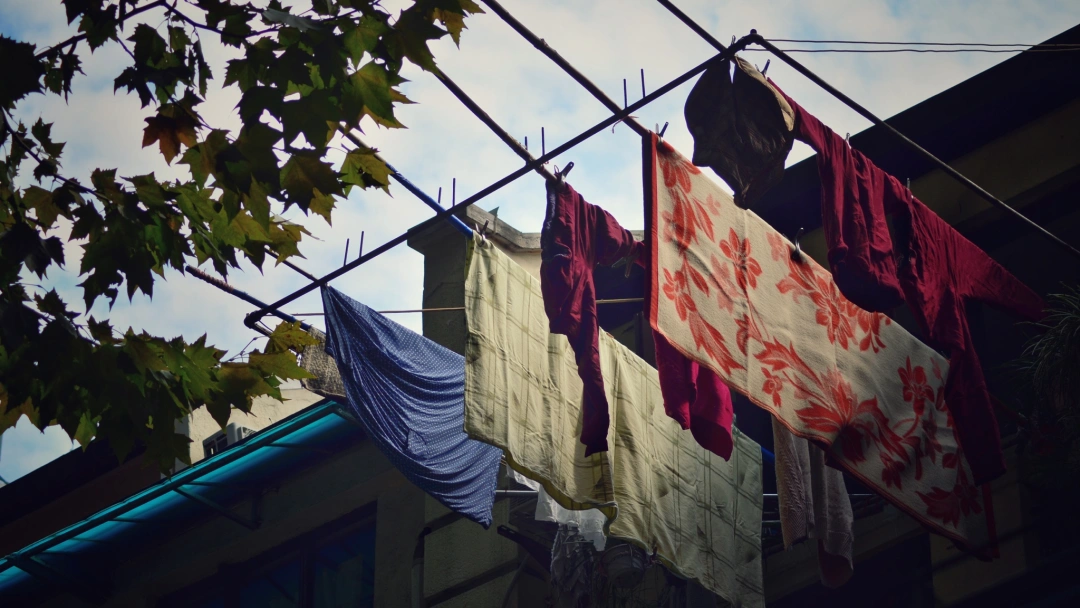
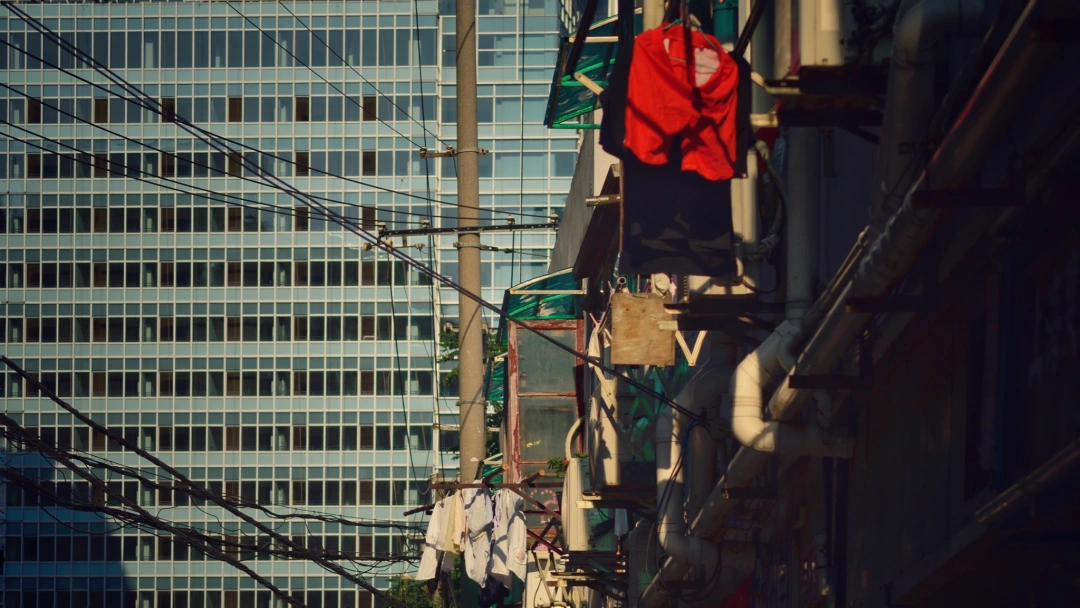
Walking through these lanes, you look up to see bamboo poles jutting out from windows, draped with a colorful patchwork of clothes and sheets. Beneath your feet is a patchwork cement path, flanked by tangled yet orderly electrical wires that resemble the layered billboards of Hong Kong. As dusk falls, windows open one by one, and the clatter of pots and pans, the sizzle of oil in woks, and the aroma of home-cooked meals drift out. In that moment, you're struck by a sudden sense of déjà vu—isn't this the smell of home?
In Shanghai, alleyways aren't tourist attractions; they are life itself. There's no deliberately curated "artistic vibe" here, only the genuine hearth and smoke of everyday existence. Elderly people sit at their doorsteps picking vegetables, children chase each other through the narrow lanes, neighbors chat across windows about mundane matters. This vibrant, steaming sense of life represents Shanghai far better than any skyscraper ever could. For travelers seeking things to do in Shanghai off the beaten path, exploring these living lanes is a must.
The Bund by Day and Night: Shanghai's Iconic Waterfront
On my first trip to Shanghai, the Bund was closed for renovations due to the World Expo, so I missed it. Later, I passed through countless times, always catching only a fleeting glimpse. This time, I finally made up for that regret.
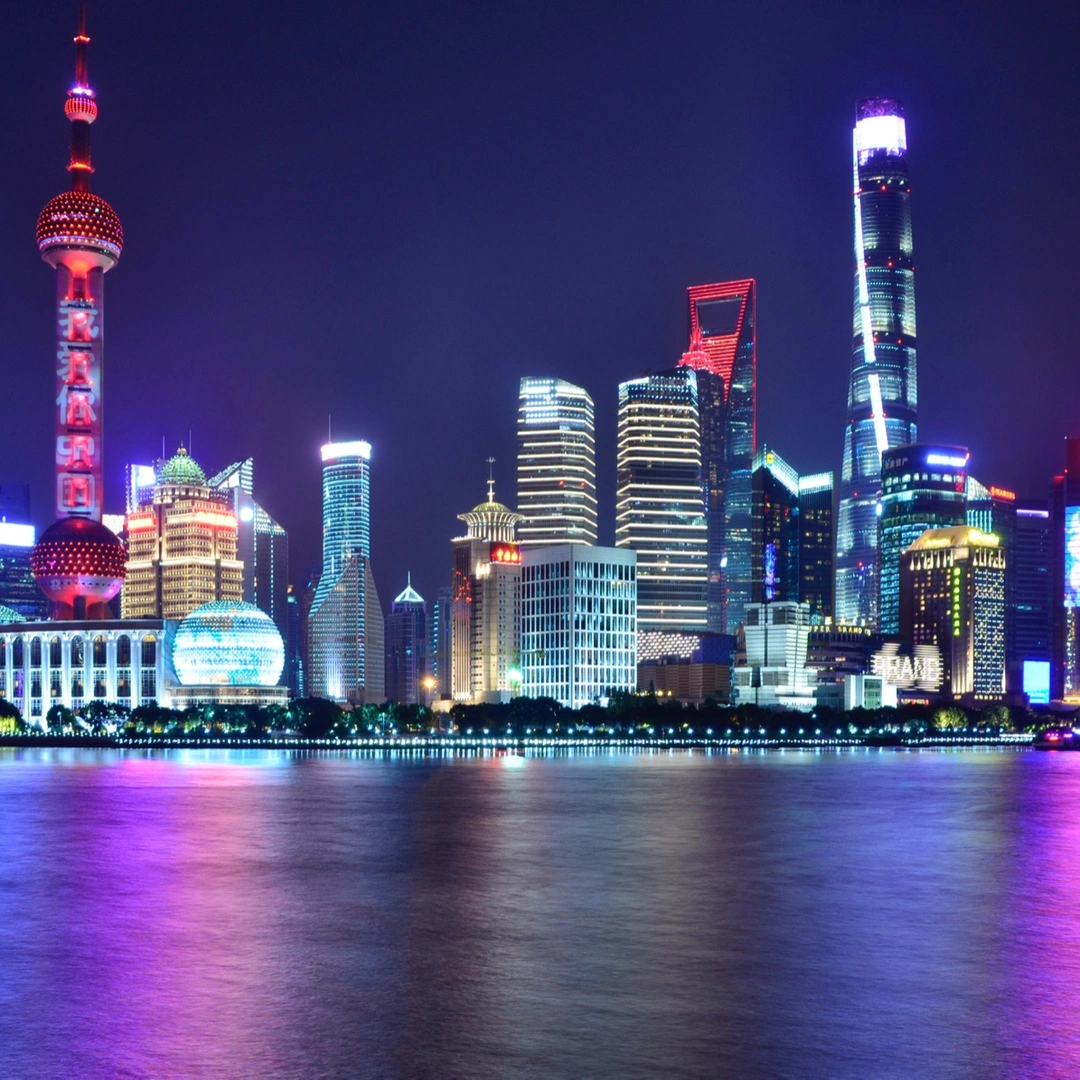
On holidays, the Bund is a sea of people. Walking from the base of the Oriental Pearl Tower to the riverside feels more like inching forward in slow motion. But when you finally stand by the Huangpu River, gazing at the Lujiazui skyline on the opposite bank, all the crowding becomes worth it—this is the Shanghai we grew up seeing on television. The Shanghai Bund travel experience is iconic for a reason.
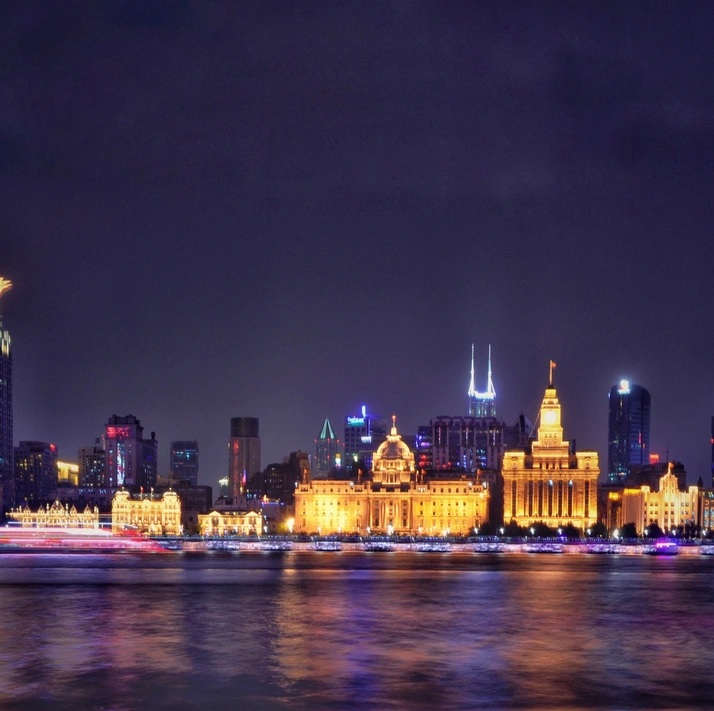
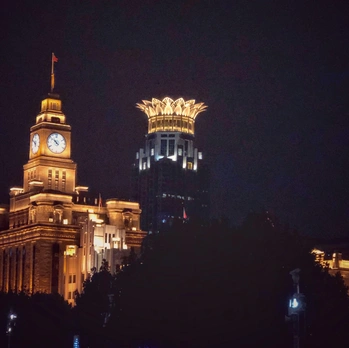
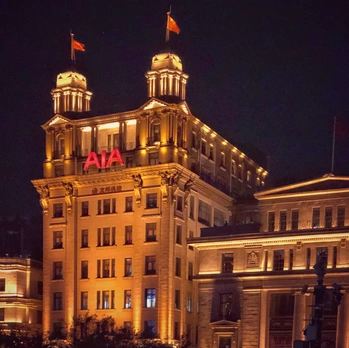
On the Huangpu River, sightseeing boats come and go, while the buildings on both banks face each other across the water. On one side stand modern skyscrapers, their glass facades reflecting sunlight as they proudly narrate the city's rapid ascent. On the other side are the Bund's historic structures—stone walls, domes, colonnades—quietly recounting tales from a century ago. Separated by a single river, one side is the future, the other is history. This sensation of time and space intertwining is something only Shanghai can make you feel so vividly.
As evening falls, the lights begin to glow. The surface of the Huangpu River is dyed a shimmering gold, and the lights on the boats flow like a river of stars. In that moment, you understand why so many people say that "Night Shanghai" is the most beautiful Shanghai of all. For the best Shanghai night view spots, the Bund at dusk is unbeatable.
Instagrammable Spots in Shanghai: A Check-In Guide
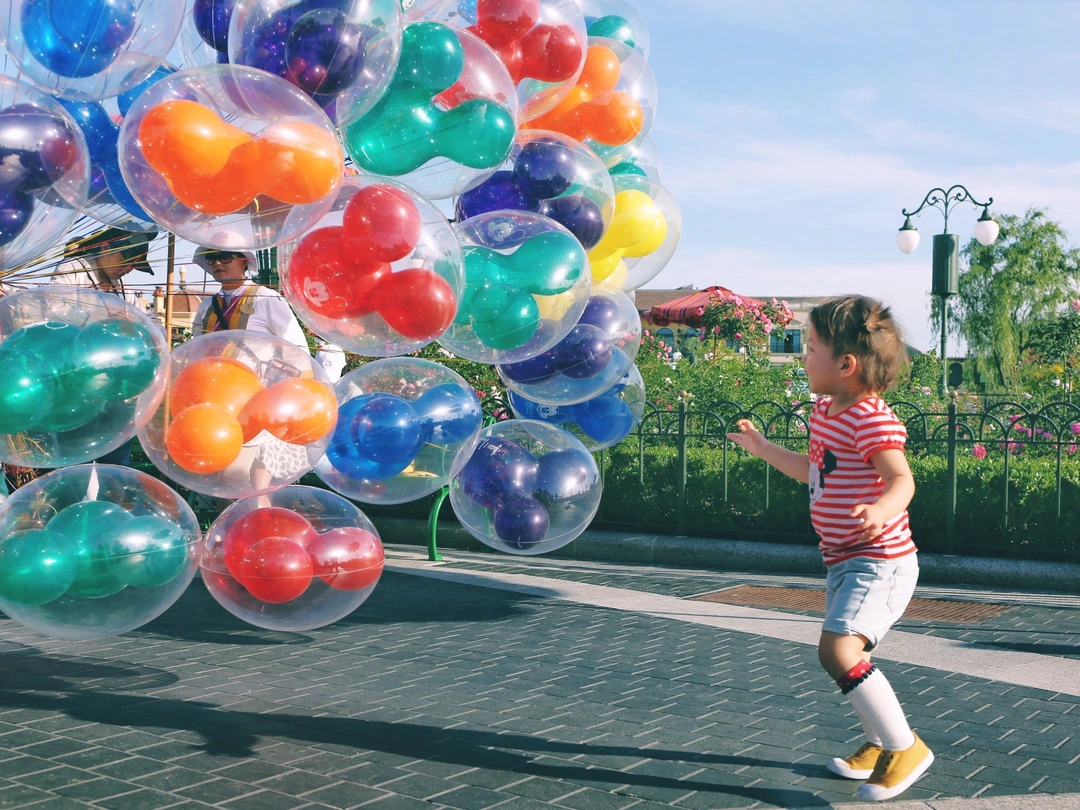
In recent years, Shanghai has become a hub for trendy, Instagram-worthy stores. The M&M's Chocolate World, the LEGO flagship store, Starbucks Reserve Roastery, Line Friends, and Disneyland have all become must-visit "attractions" for young travelers. These are prime Instagrammable spots in Shanghai.
The M&M's and LEGO stores on Nanjing Road are perpetually packed. Adults and children crowd together, snapping photos in front of the colorful M&M's wall and giant LEGO models, making it nearly impossible to find a clear angle. But if you can avoid holidays, the experience is much better—at least you won't have to "swim" through the crowds.
Although the Line Friends app is no longer available in mainland China, the Brown Bear character has long been a favorite among young people. Limited-edition collaborations sell out as soon as they're released. The prices at this store aren't cheap, but its sheer cuteness is irresistible. If you're a fan, it's worth a visit—but be prepared to queue, as the store limits capacity and lets people in batches.
These internet-famous shops are undeniably commercial, but they do offer a certain joy of "checking in." It's like collecting stamps—every place you visit, you take a photo, post it on social media, and leave a little mark on your journey.
Off-the-Beaten-Path Shanghai: Artistic Spots
Shanghai has an abundance of artistic, niche locations. With limited time this trip, I only chose two easily accessible spots. For off-the-beaten-path Shanghai recommendations, these are gems.
1933 Old Millfun: A Photographer's Paradise
1933 Old Millfun is a paradise for photography enthusiasts. Originally a slaughterhouse, it has been transformed into a creative industrial park. With its gray concrete structures, spiral staircases, and intersecting corridors, almost any angle yields an industrial-style masterpiece. But its fame has drawn crowds, so if you want to capture it without people, you'll need to arrive early.
How Art Museum: A Mirror to Another World
Another is How Art Museum (Hào Měishù Guǎn) . I first saw it on the variety show Heart Signal, where the guests visited. The museum features an exhibition hall built entirely on the principle of mirror reflection. Stepping inside feels like entering an infinitely extending, otherworldly space. Mirrors, lights, and geometric shapes create an unreal sense of beauty. Taking photos here is effortless, and every shot feels like a visual puzzle. For Shanghai art museums that are truly unique, this one stands out.
Shanghai in Film and TV: From Romance in the Rain to Guardian
This time, I also visited a special place: Shanghai Film Park (Chē Dùn Yǐngshì Lèyuán) . When I first went to Shanghai, it was still called "Chedun Film City." Because Romance in the Rain was filmed there, I went to check it out. Back then, the entire park was deserted, with hardly any visitors. I wandered alone through the "Old Shanghai" streets, feeling as if I had traveled through time. This is a top destination for Shanghai film tourism.
Now it has been renamed "Shanghai Film Park," and thanks to the filming of the hit drama Guardian, tourist numbers have skyrocketed. Walking along those replica Republican-era streets, I could almost hear the dialogue from the show. I recorded a short video, hoping to evoke memories of those classic scenes—though capturing good screenshots proved incredibly difficult.
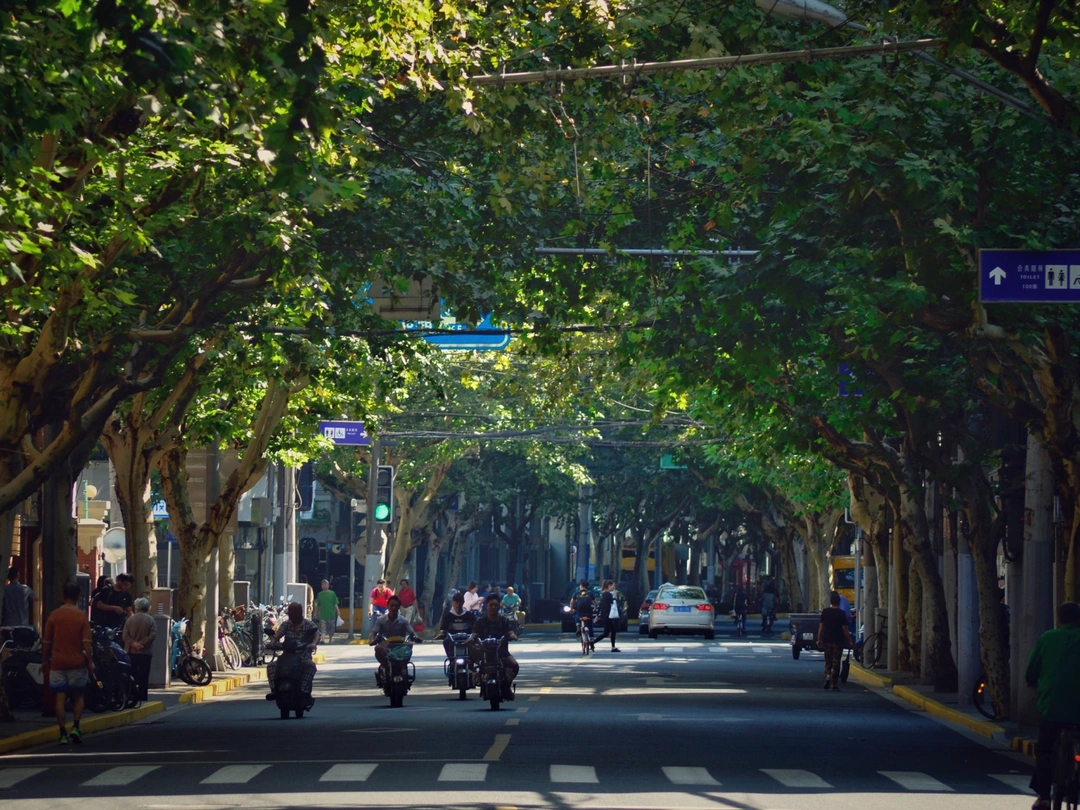
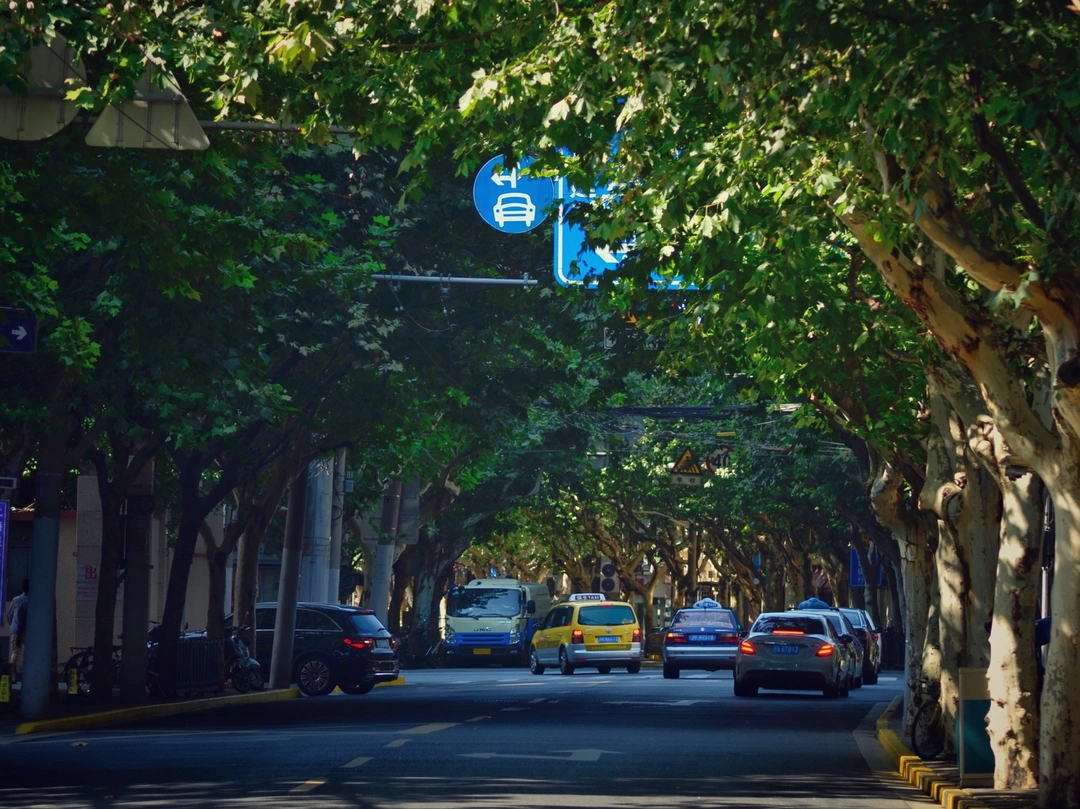
In truth, Shanghai itself is a giant film set. Walking down Wukang Road, with dappled shadows from plane trees and old villas hiding countless stories, I also visited Ba Jin's Former Residence. Standing in the study where the literary giant once wrote, I imagined him working at his desk. Unfortunately, the photos I took weren't great, so I didn't share them.
Frequently Asked Questions About Visiting Shanghai
1. What is the best time to visit Shanghai for fewer crowds?
 Spring (March to May) and autumn (September to November) offer pleasant weather and fewer tourists. Avoid Chinese national holidays like National Day (October 1-7) and Labor Day (May 1-5) if you want to skip the crowds at major attractions like the Bund and Disneyland.
2. How many days do I need to explore Shanghai properly?
 A minimum of 3-4 days is recommended: one day for the Bund and Lujiazui, one day for alleyways and cultural sites, one day for artistic spots like 1933 Old Millfun, and an optional day for Disneyland or film parks.
3. Are Shanghai's alleyways safe for solo travelers?
 Yes, Shanghai's alleyways (lilong) are generally safe and welcoming. They are residential areas, so be respectful of locals' privacy. Walking during daylight hours is best for photography and exploration.
4. What are the must-visit Instagrammable spots in Shanghai?
 Top spots include the M&M's and LEGO stores on Nanjing Road, 1933 Old Millfun, How Art Museum, and the Bund at sunset. For a unique shot, try the Starbucks Reserve Roastery or Line Friends store (queue early).
5. How do I get from Beijing to Shanghai quickly?
The Fuxing high-speed train takes under 5 hours from Beijing South to Shanghai Hongqiao. Flights are faster (around 2.5 hours) but require airport transfers. For budget travel, overnight trains are available.
Internal Linking Suggestions
- [Link: Best time to visit Shanghai]
- [Link: Shanghai travel itinerary for 3 days]
- [Link: How to navigate Shanghai's metro system]
- [Link: Top photography spots in Shanghai]
- [Link: Shanghai food guide: What to eat in the alleyways]
Conclusion: Your Shanghai Journey Awaits
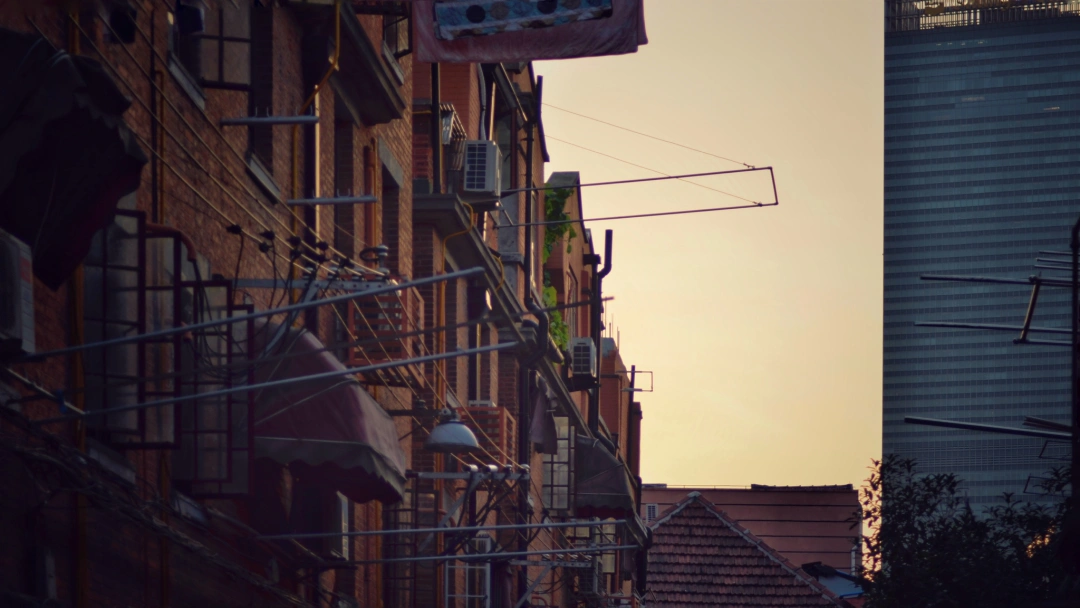
On this trip to Shanghai, I didn't queue for two hours at Disneyland to ride a five-minute attraction. Instead, I found the city's soul in its alleyways, its historic waterfront, and its artistic corners. Shanghai is not just a city of skyscrapers and shopping—it's a place where everyday life breathes gently beneath the neon lights.
Ready to explore Shanghai's hidden heart? Plan your trip today. Book your train ticket, pack your camera, and leave room for spontaneity. Whether you're chasing Instagram-worthy shots, tracing film locations, or simply soaking in the hearth of the alleyways, Shanghai will reward you with memories that linger long after you leave.
Start your adventure now—Shanghai is waiting.
You may also like