Hidden Gems of Western Sichuan: A 10-Day, 100-Yuan Motorcycle Journey into the Heart of Red Faith
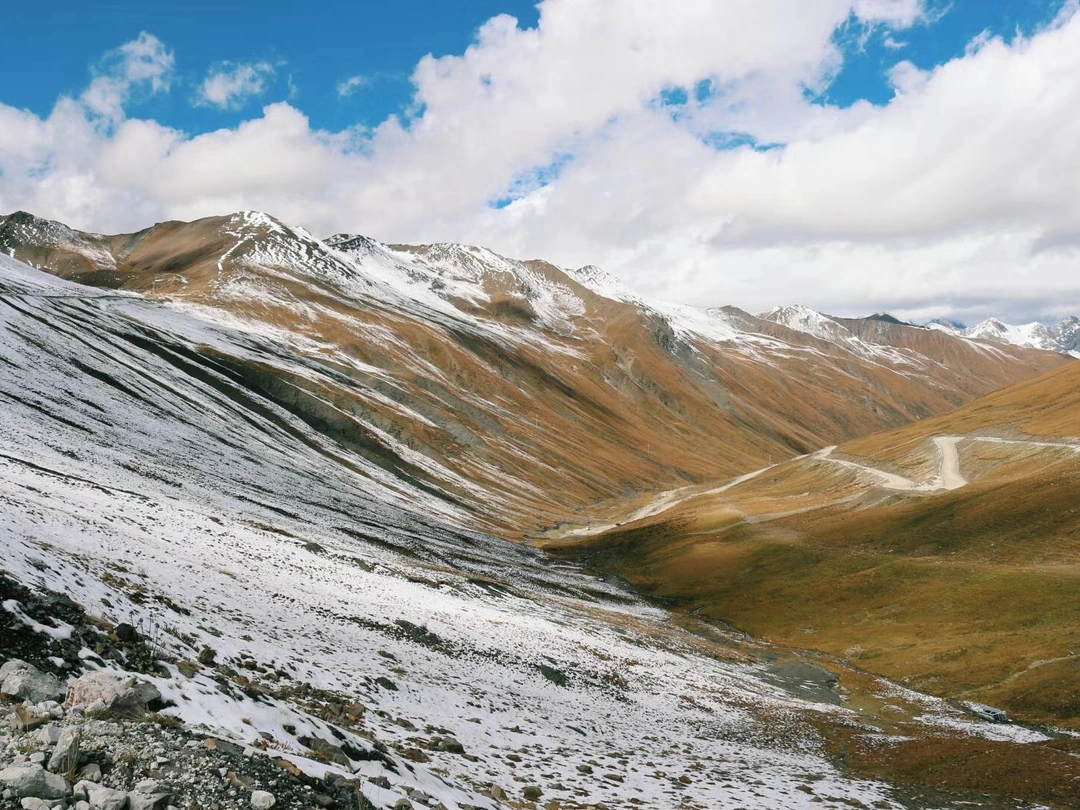
Meta Description: Discover Western Sichuan's hidden gems on a budget motorcycle journey. From Four-Peak Mountain's sea of clouds to Yarchen Gar's red faith, explore Tibet's affordable alternative in 10 days.
Introduction: Why Western Sichuan Deserves Your Travel Bucket List
While most travelers fixate on Tibet, a quieter, more accessible wonderland awaits in Western Sichuan. This highland region—spanning the Ngawa and Garzê Tibetan Autonomous Prefectures—offers an authentic taste of Tibetan culture without the permits, altitude anxiety, or crowds. It's often called "Tibet's affordable alternative," but that undersells its magic. Western Sichuan is a treasure chest waiting to be opened.
Last October, my friend and I embarked on a 10-day motorcycle journey across this rugged landscape. Our ride? A 400-kilogram motorcycle carrying two people and a mountain of luggage. Our budget? A modest 100 yuan per day. The result? An unforgettable pilgrimage into the heart of red faith, misty peaks, and accidental paradises.
If someone asked me to describe Western Sichuan in one color, I'd say red. Not the fiery, flashy kind—but the quiet, steadfast red of monasteries, prayer flags, and the devotion that permeates every valley. Here, faith runs as deep as the gorges themselves.
Four-Peak Mountain: A "Character Test" Above the Clouds
Why Four-Peak Mountain Beats Niubei Mountain for Sea of Clouds

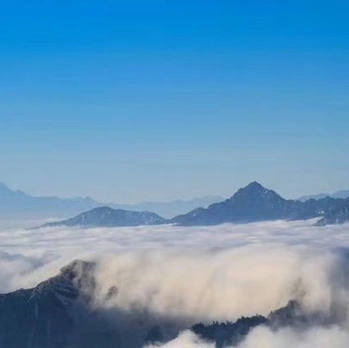
When it comes to Western Sichuan sea of clouds, most travelers flock to Niubei Mountain. But Four-Peak Mountain (四人同) offers an equally spectacular—and less crowded—alternative.
Our route: Arrive at Lengqi Town the night before, rest up, then take a car to Changhaizi the next morning and begin hiking. The summit's wooden cabin is the closest accommodation to the viewing platform—book ahead. At 150 yuan per person, you get one night's stay plus dinner and breakfast. Room types (dormitory bunks, standard rooms, tents) are first-come, first-served.
The Luck Factor: When Fog Meets Faith
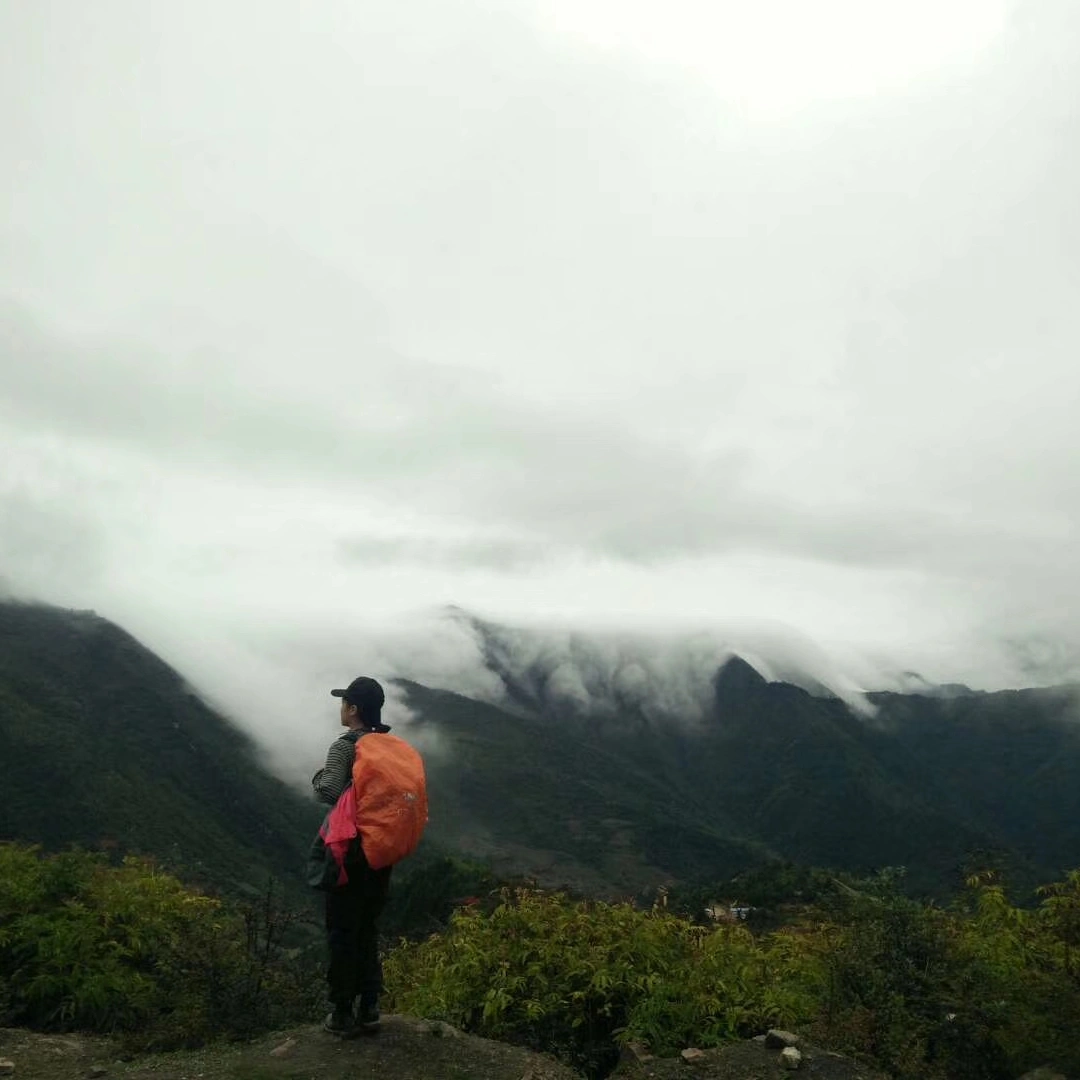
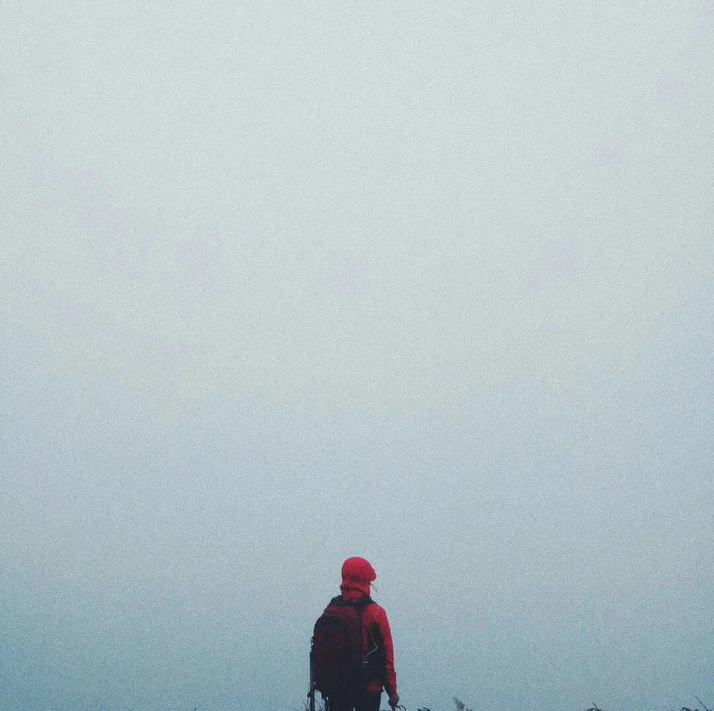
Here's the truth about Four-Peak Mountain hiking: your experience depends on weather luck. We climbed through thick fog and drizzle, our 360-degree viewing platform reduced to a white void. But then, the cabin owner—driving his decade-old luxury SUV worth over a million yuan—picked us up and drove us to the very top. That 150 yuan suddenly felt like the best investment.
Pro tip: Pack patience. The mountain rewards those who wait.
A Plea for Responsible Travel
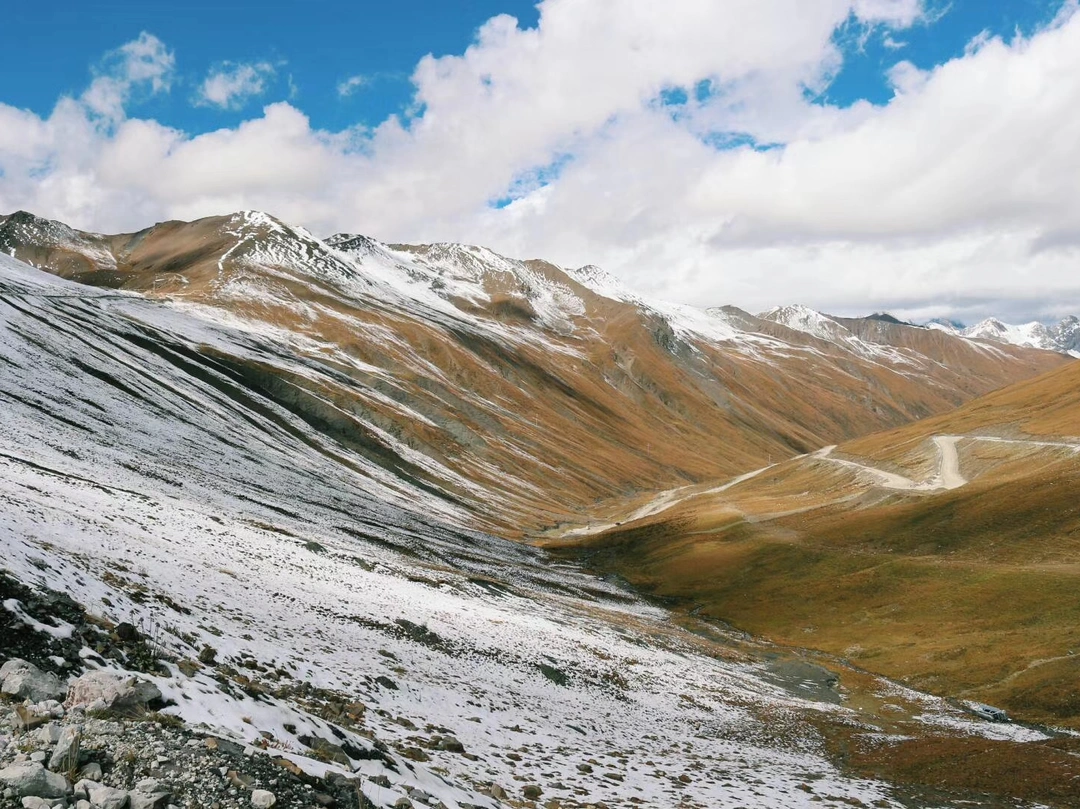
One heartbreaking sight: after National Day, trash littered the summit. All it takes is one garbage bag to preserve this beauty for others. Leave no trace—and if you can, pick up what others left behind.
Yarchen Gar Monastery: More Mysterious Than Sertar
The World's Largest Community of Female Buddhist Practitioners
If Sertar is Western Sichuan's calling card, Yarchen Gar Monastery (亚青寺) is its hidden negative—underexposed, raw, and deeply spiritual.
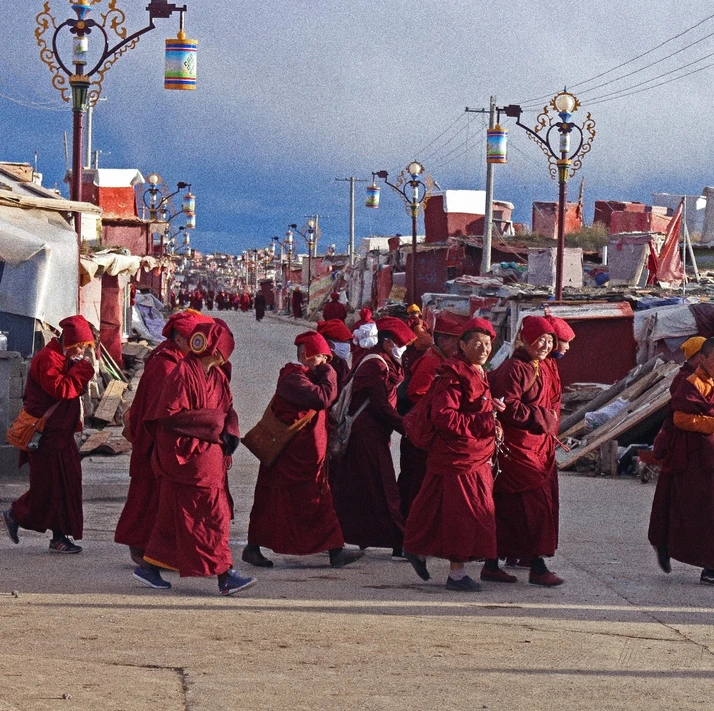
Located in Baiyü County, Yarchen Gar is home to the largest number of jomo (female Buddhist practitioners) in the world. Their lives center around an island separated by a river, where they live in simple red cabins and devote themselves to chanting and meditation. Living conditions are harsh, but their faith is unshakable.
Why Yarchen Gar Feels More Authentic Than Sertar
Compared to Sertar's "Instagram-famous" vibe, Yarchen Gar is quieter, more raw. Walk along the riverbank, gaze at the red cabins on the opposite shore, and feel time slow down. Yarchen Gar travel tips: Visit year-round, but avoid peak holidays. Accommodation and restaurants are available outside the island.
Sertar: If You Don't Go Now, You'll Miss It Forever
The Red Ocean That's Slowly Changing
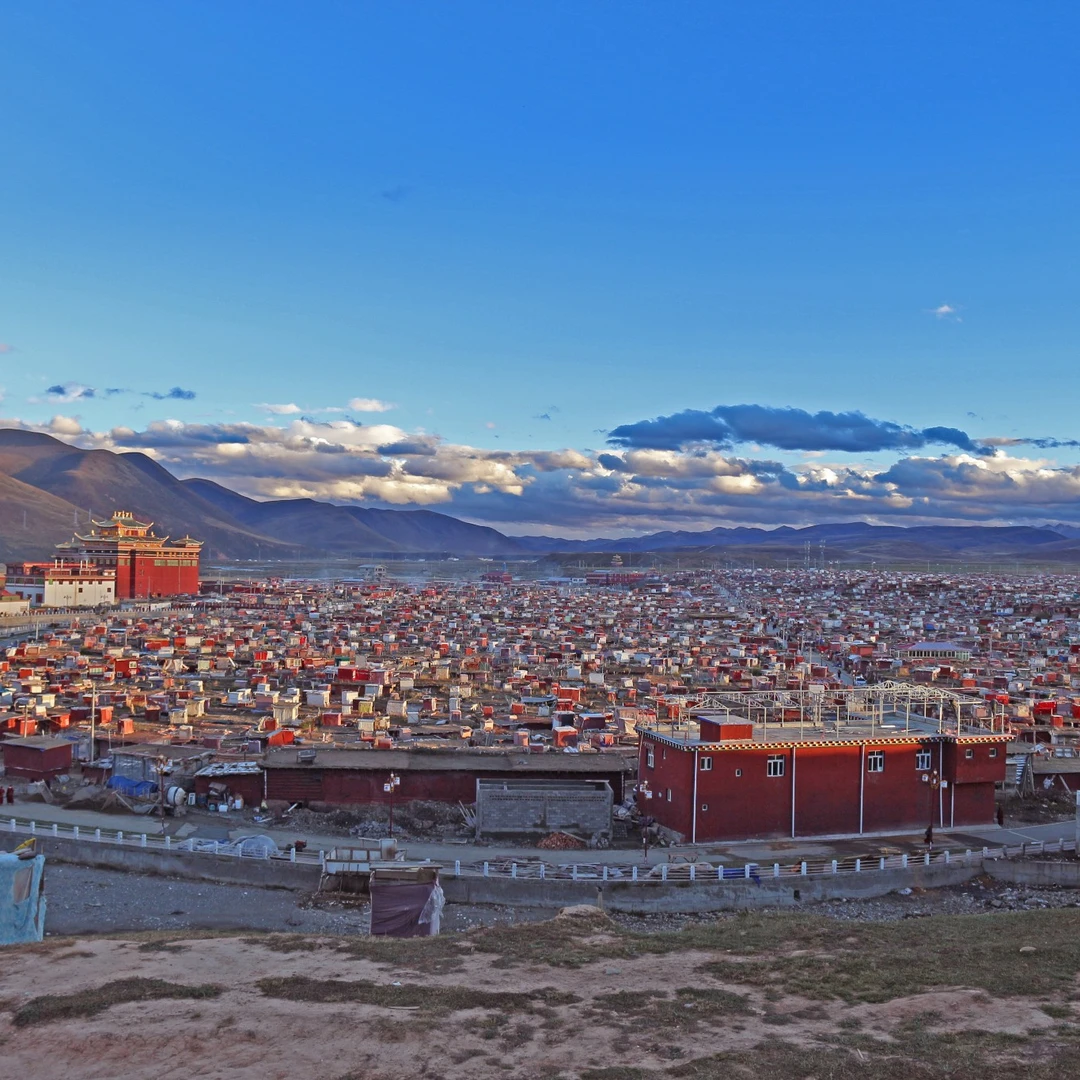
Sertar Larung Gar (色达) needs no introduction. Those red houses cascading across multiple mountains create a visual that stays with you forever. But here's the urgency: when we visited, firebreaks were already being built on the hillsides. Development is coming. If you want to see the purest version of Sertar, go soon.
The Dangerous Shortcut That Almost Broke Us
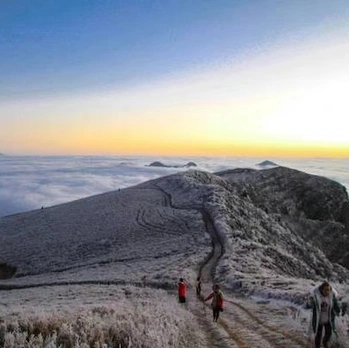
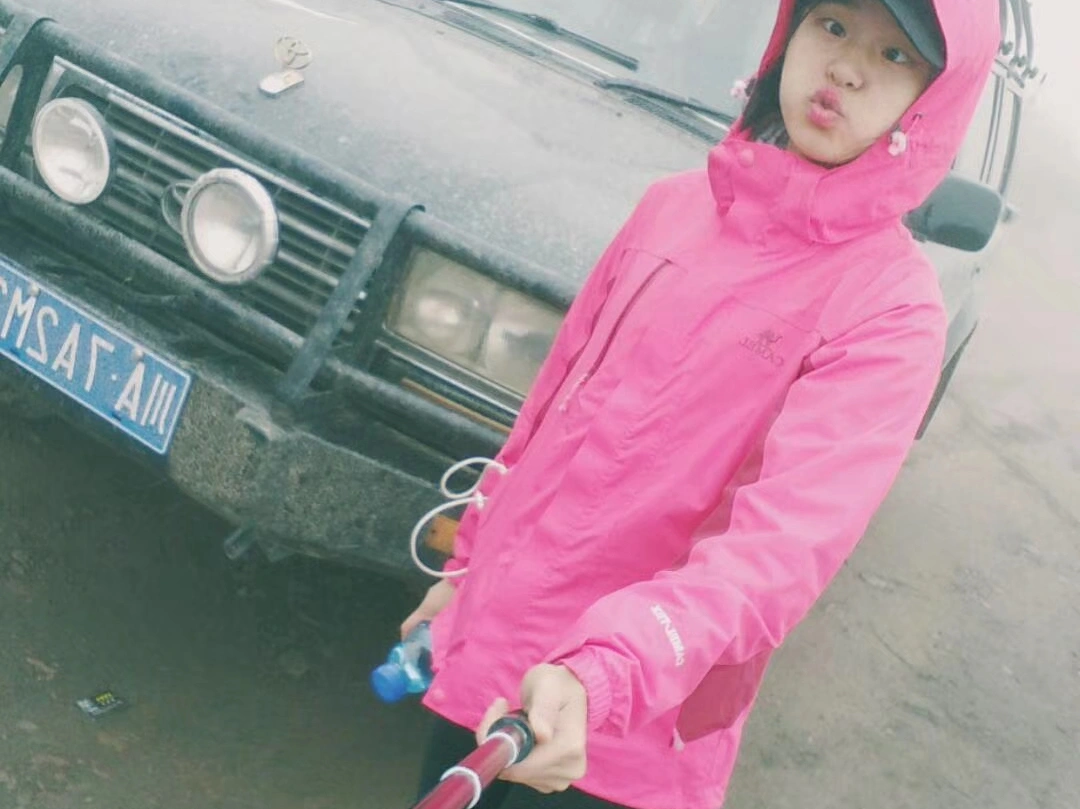
From Garzê to Sertar, navigation shows two routes. One is half the distance—don't take it. That road is so rough it makes you question life choices, with no signs of civilization and patchy cell signal. We took it on our motorcycle and nearly didn't make it. Snow fell heavier as we climbed mountain after mountain. By the time we reached Sertar town, our license plate was caked with snow.
But then we saw it: Sertar in the snow. The red houses glowed against the white. An elderly woman, bent with age, turned prayer wheels step by step. A chubby baby with tiny feet melted every heart. Sertar travel guide tip: the hardship is worth it.
Zongke Township: An Accidental Encounter with Paradise
How a Wrong Turn Led to a Hidden Gem
On that dangerous road, we fell many times. Eventually, we flagged down an off-road vehicle. My friend continued on the motorcycle while I hopped into the SUV. Then the SUV got stuck in the mud, wasn't pulled out until nightfall, and we finally reached Sertar at 10 p.m. That day—I'll never forget it.
But that wrong turn in Western Sichuan led us to Zongke Township (宗科乡)—a secluded paradise in Zamtang County, far from commercialization. Most residents here are male practitioners, each living in their own "villa" for retreat. Every July and August, the grasslands burst into bloom with a tent festival.
Rismangba Watchtower: 600 Years of History
"Small bridge, flowing water, a family"—that's Zongke. A Buddhist college was under construction, complete with dining hall, dormitories, and library. Then there's Rismangba Watchtower (日斯满巴碉楼), over 600 years old—the oldest, largest, and tallest traditional Tibetan building discovered in Sichuan and all of China. People still live in it today.
In front of the temple, monks rehearsed the Vajra Dance. Behind it stretched vast grasslands. Sunlight poured down, and I wished I could stay forever.
Scenery Along the Way: The Best Camera Is Your Eyes
Why Motorcycle Travel Changes How You See
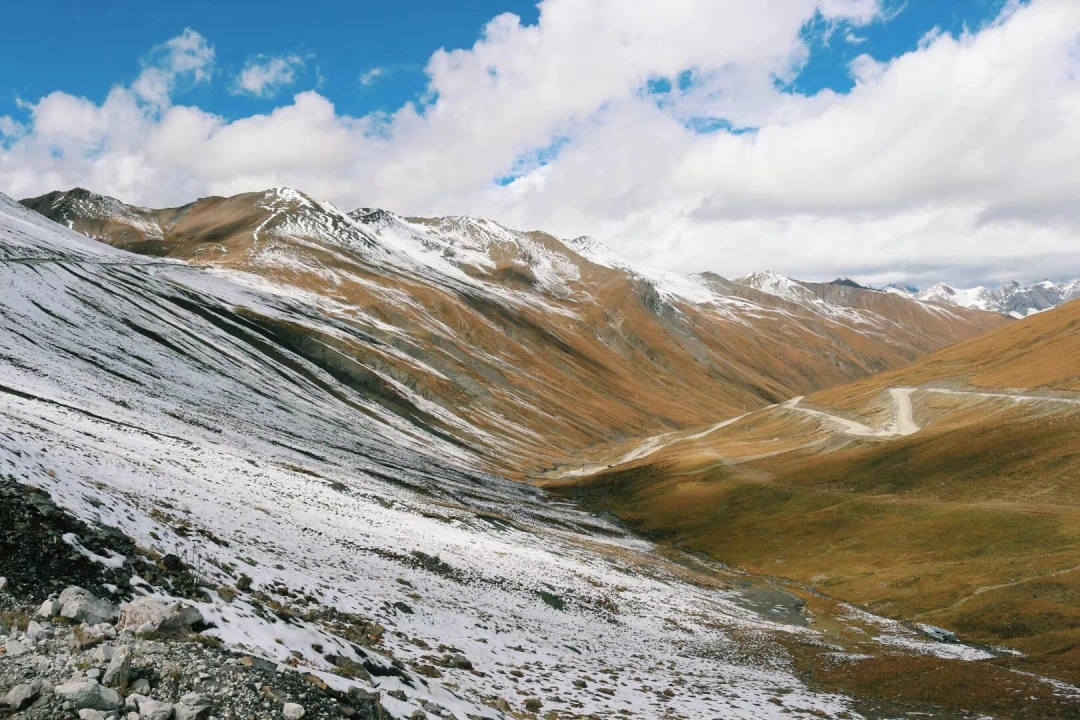
When you come to Western Sichuan road trip, you realize the best scenery isn't at tourist spots—it's on the road. Every nameless valley gives you the urge to settle down. The joy of motorcycle travel in Sichuan is keeping your eyes open the whole way, taking mental snapshots at every turn.
The Tagong to Bamei Stretch: Unforgettable
The stretch from Tagong to Bamei was so breathtakingly beautiful that I forgot to take photos. I recorded a short video, but it captured less than a tenth of the real thing. On the motorcycle, I witnessed Western Sichuan's beauty firsthand. The best camera is your own eyes.
At night in Kangding, a cluster of lights on the mountain resembled stars—to this day, I still don't know what they were.
FAQ: Western Sichuan Motorcycle Journey
1. Is Western Sichuan safe for motorcycle travel?
Yes, but prepare for challenging roads, altitude sickness, and unpredictable weather. Our 400-kilogram motorcycle required careful handling. Always carry emergency supplies, warm clothing, and a satellite phone in remote areas.
2. What's the best time to visit Western Sichuan?
 May to October offers the best weather. July and August bring blooming grasslands and tent festivals. Avoid National Day (October 1-7) for fewer crowds.
3. How much does a 10-day motorcycle trip cost?
Our budget was 100 yuan per day per person, covering fuel, basic accommodation, and food. Accommodation at places like Four-Peak Mountain costs 150 yuan including meals. Total for 10 days: approximately 1,000-1,500 yuan.
4. Do I need permits for Western Sichuan?
 No permits required for most areas. Unlike Tibet, Western Sichuan is open to all Chinese and foreign travelers. However, some remote areas near borders may have restrictions.
5. What should I pack for a Western Sichuan motorcycle trip?
- Warm layers (temperatures drop at night)
- Rain gear
- Altitude sickness medication
- Portable charger
- Garbage bags (leave no trace)
- Basic repair tools for your motorcycle
Internal Linking Suggestions
- [Link: Best motorcycle routes in Western Sichuan]
- [Link: Sertar vs Yarchen Gar: Which monastery to visit?]
- [Link: Altitude sickness prevention tips for high-altitude travel]
- [Link: Budget travel in Tibetan regions of China]
- [Link: Responsible tourism in sacred Buddhist sites]
Final Thoughts: Why Western Sichuan Changes You
I put off writing this travelogue for a whole year. Even now, many photos are lost, and feelings aren't as vivid as they once were. But when you've walked that path yourself, you understand: no camera can capture what your eyes record along the way.
Western Sichuan is not a destination—it's a state of being. It lets you reflect in the presence of red faith, marvel above the sea of clouds, and find joy in unexpected detours.
Your Next Step
Ready to plan your own Western Sichuan motorcycle journey? Start by mapping your route from Chengdu, checking weather forecasts, and booking early for summit cabins. The road awaits—and it will change you.
Share this article with a friend who needs a dose of wanderlust. Or bookmark it for your trip planning. Western Sichuan isn't going anywhere—but the purest version of Sertar won't wait forever.
Have you traveled Western Sichuan? Share your hidden gems in the comments below.