Hidden Gems of Shanghai: 30 Ancient Towns You Never Knew Existed? Exploring Cangcheng Old Street in May 2025
Meta Description: Discover Shanghai's hidden ancient towns beyond the Bund. In May 2025, I explored Cangcheng Old Street—a forgotten granary city in Songjiang. Uncover its history, landmarks, and travel tips in this SEO-optimized guide.
Introduction: Why Shanghai's Ancient Towns Deserve Your Attention
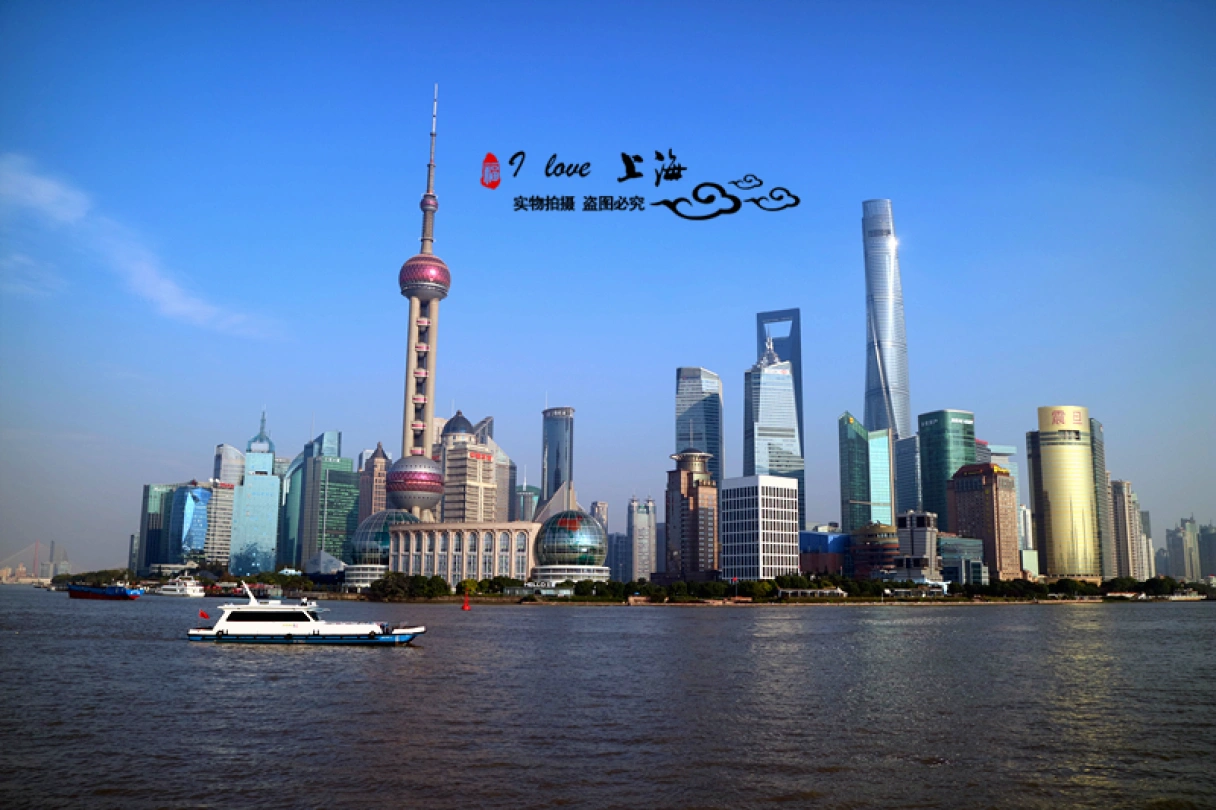
When most travelers think of Shanghai, they picture the dazzling skyline of Lujiazui, the historic Bund, or the bustling shopping streets of Nanjing Road. But beneath the surface of this ultra-modern metropolis lies a network of 30 ancient towns—each with its own story, architecture, and charm. From the well-known Zhujiajiao to the obscure Cangcheng Old Street, these hidden gems offer a glimpse into Shanghai's rich past.
In May 2025, I embarked on a mission to uncover the most mysterious of them all: Cangcheng Old Street in Songjiang District. What I found left me speechless. This article will take you through its history, landmarks, and why it deserves a spot on your travel itinerary.
The 30 Ancient Towns of Shanghai: A Quick Overview
Before diving into Cangcheng, let's map out the full list. Shanghai's ancient towns are scattered across its districts:
- Nanhui District: Xinchang, Datuan, Liushe
- Qingpu District: Zhujiajiao, Jinze, Liantang, Panlong, Zhonggu, Zhangyan, Baihe, Shangta
- Pudong: Chuansha, Gaoqiao, Sanlin, Zhaojialou
- Jiading District: Nanxiang, Zhouqiao, Anting, Loutang
- Baoshan District: Luodian
- Fengxian District: Zhuangxing, Qingxi, Fengcheng
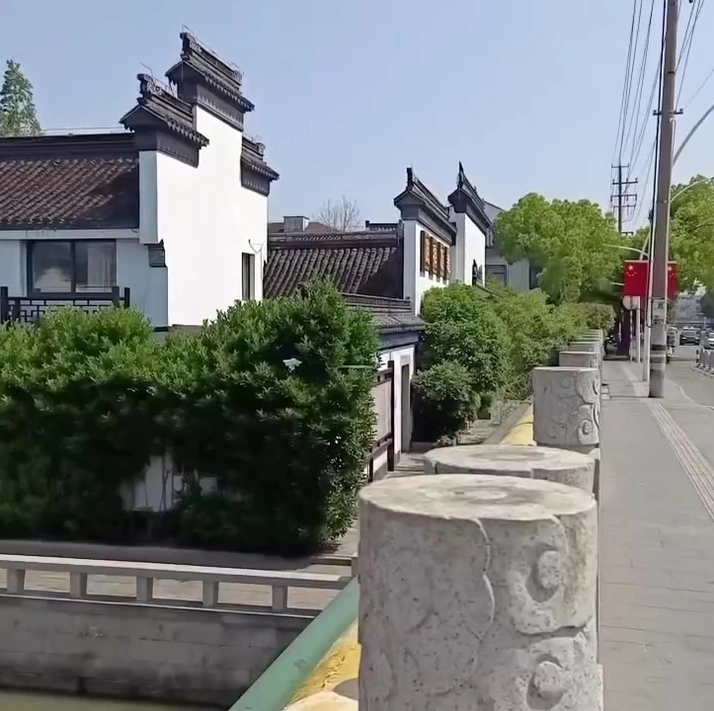
- Songjiang District: Sijing, Cangqiao (Cangcheng Old Street)
- Jinshan District: Fengjing, Zhangyan, Ruanxiang, Tinglin
- Minhang District: Qibao
As of May 2025, I've visited 19 of these. Cangcheng Old Street was my 20th—and it was the most captivating yet.
Cangcheng Old Street: From "Granary of the Empire" to Forgotten Corner
The Rise of Cangcheng: A Grain Transport Hub

To understand Cangcheng, we must travel back to the Ming Dynasty. Before 1433 AD, the imperial court built two granaries near Songjiang Prefecture: the Western Granary (Shuici Xicang) and the Southern Granary (Shuici Nancang). These were later fortified into a walled city called Cangcheng (Granary City) to defend against Japanese pirates.
During the Ming and Qing dynasties, Cangcheng was a vital node in China's grain transport network. Five percent of the entire nation's grain storage and transport tasks were concentrated here. Songjiang Prefecture itself was the textile capital of China, with a saying: "Suzhou and Songjiang's tax revenue accounts for half the empire." The prosperity was immense.
The Fall: Sea Transport, Taiping Rebellion, and Erased Foundations
Cangcheng's decline began in 1851 when grain shipments shifted to sea transport, making canal-based logistics obsolete. The final blow came in 1860 when the Taiping Heavenly Kingdom stormed Songjiang three times, devastating Cangcheng.
In 1919, a man named Kang Linshu bought the city wall bricks for 400 yuan and sold them off. The wall vanished. During World War II, only a handful of shops remained. By 1960, even the foundations were excavated for an industrial zone.
Today, Cangcheng is a quiet corner of suburban Shanghai—a poignant reminder of how empires rise and fall.
May 2025: My Visit to Cangcheng Old Street
How to Get There
- Metro: Take Line 9 to Zuibaichi Park Station.
- Bus: Transfer to Songjiang Route 13, get off at Yushu North Road–Songhui Road Station.
- Walk: It's about 2 kilometers from Zuibaichi Park. Consider visiting both—Zuibaichi is one of Shanghai's five famous classical gardens, and Sun Yat-sen once spoke there. [Link: Best Classical Gardens in Shanghai]
Dacang Bridge: The "Living Fossil" of Cangcheng

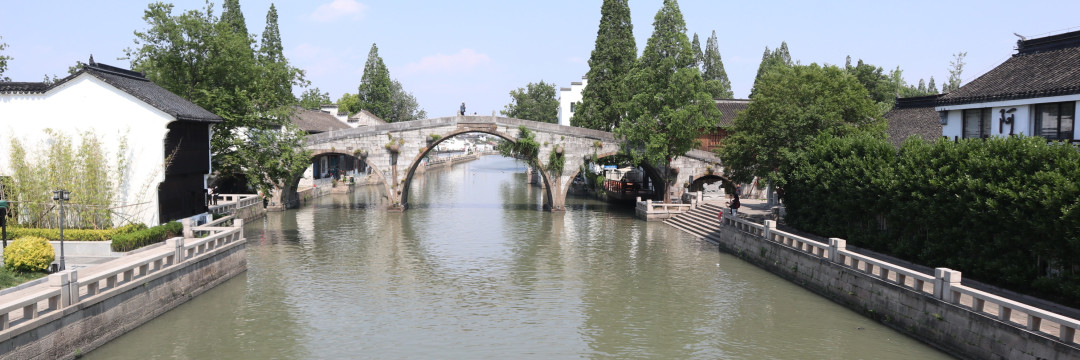
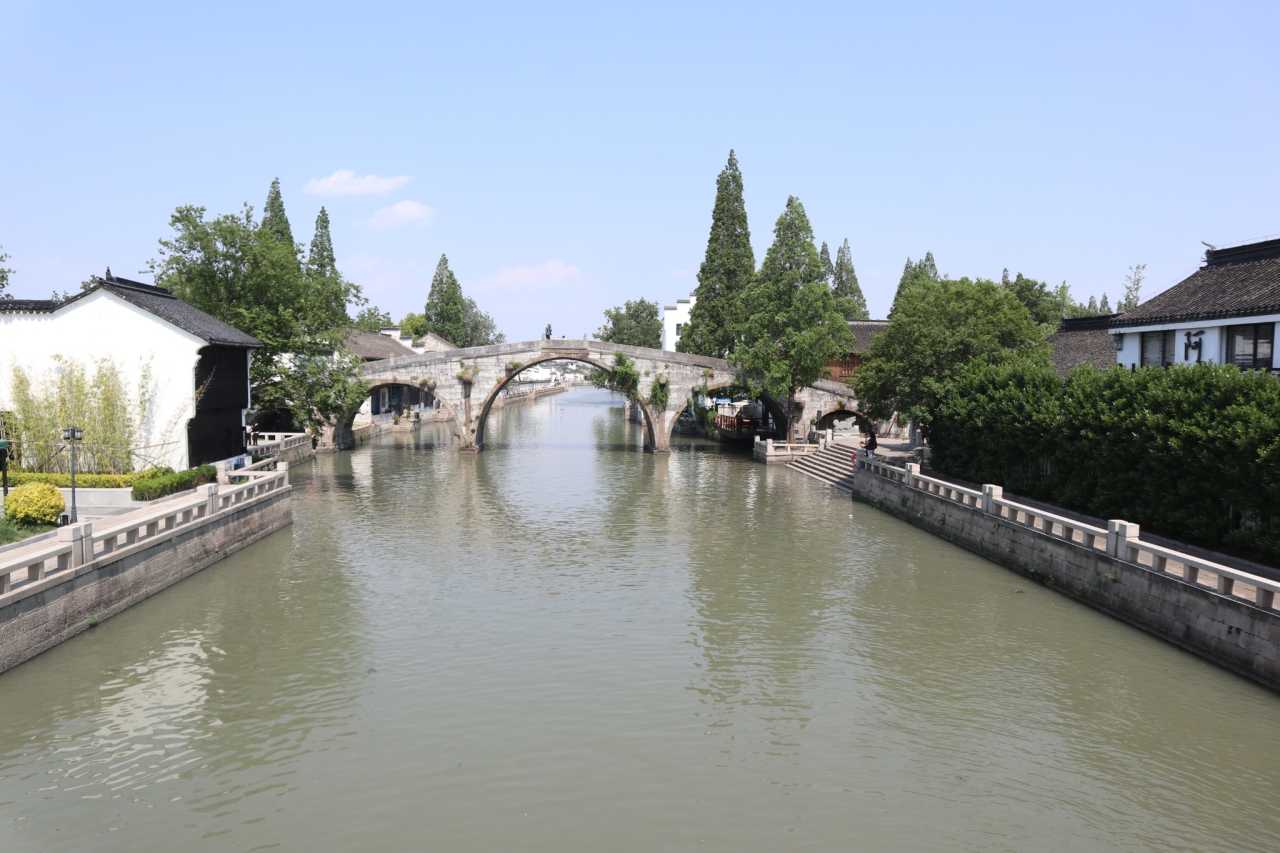
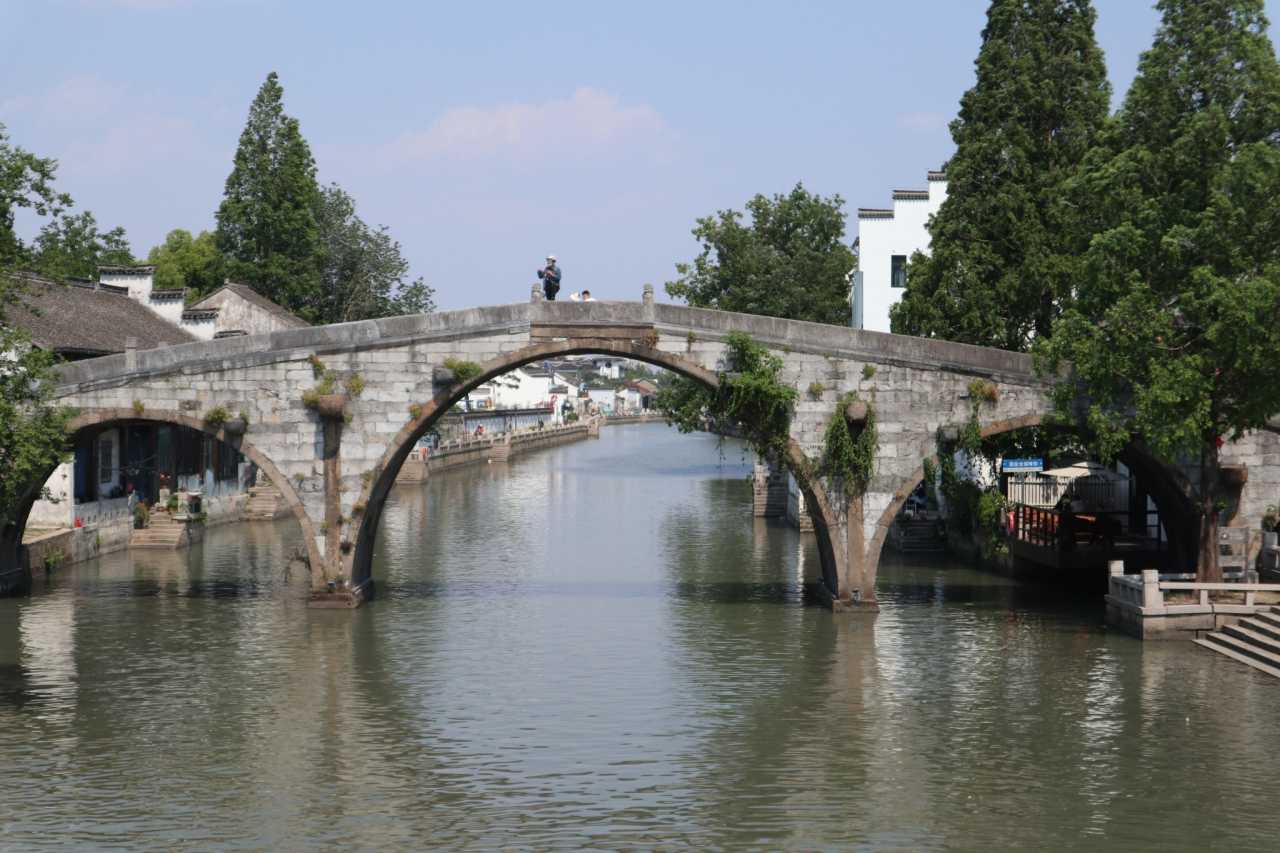
Originally built as a wooden bridge in the early Ming Dynasty, Dacang Bridge (also called Yongfeng Bridge or Xicang Bridge) is a five-arch, thin-arch, thin-pier lightweight stone arch bridge. It spans 54 meters, rises 8 meters at its peak, and has 92 stone steps.
Standing on this bridge, you can almost hear the echoes of grain boats and bustling merchants. The granaries are gone, but the bridge remains—a silent witness to centuries of change.
Guanding Zen Temple: Where Guan Yu Meets Guanyin
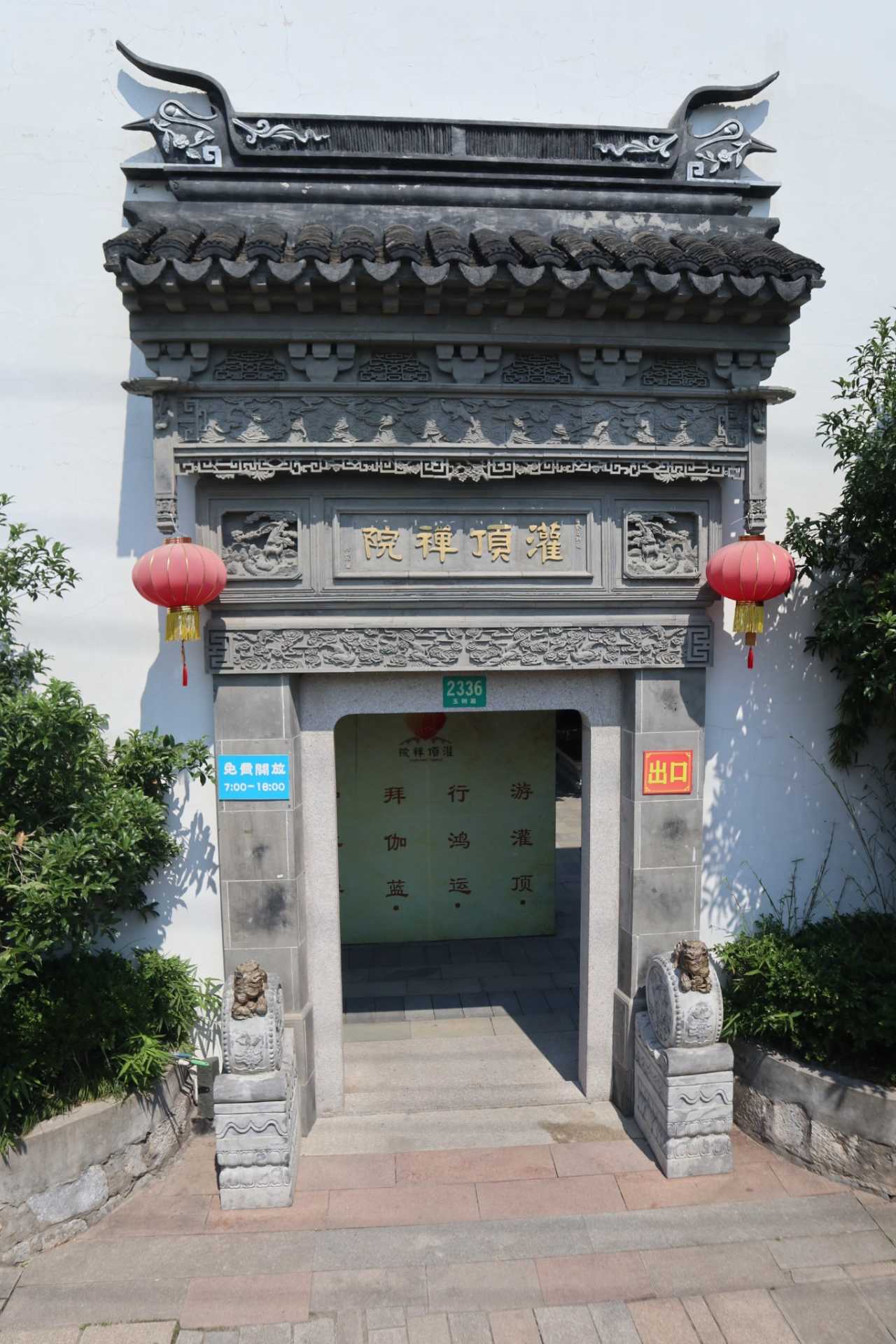
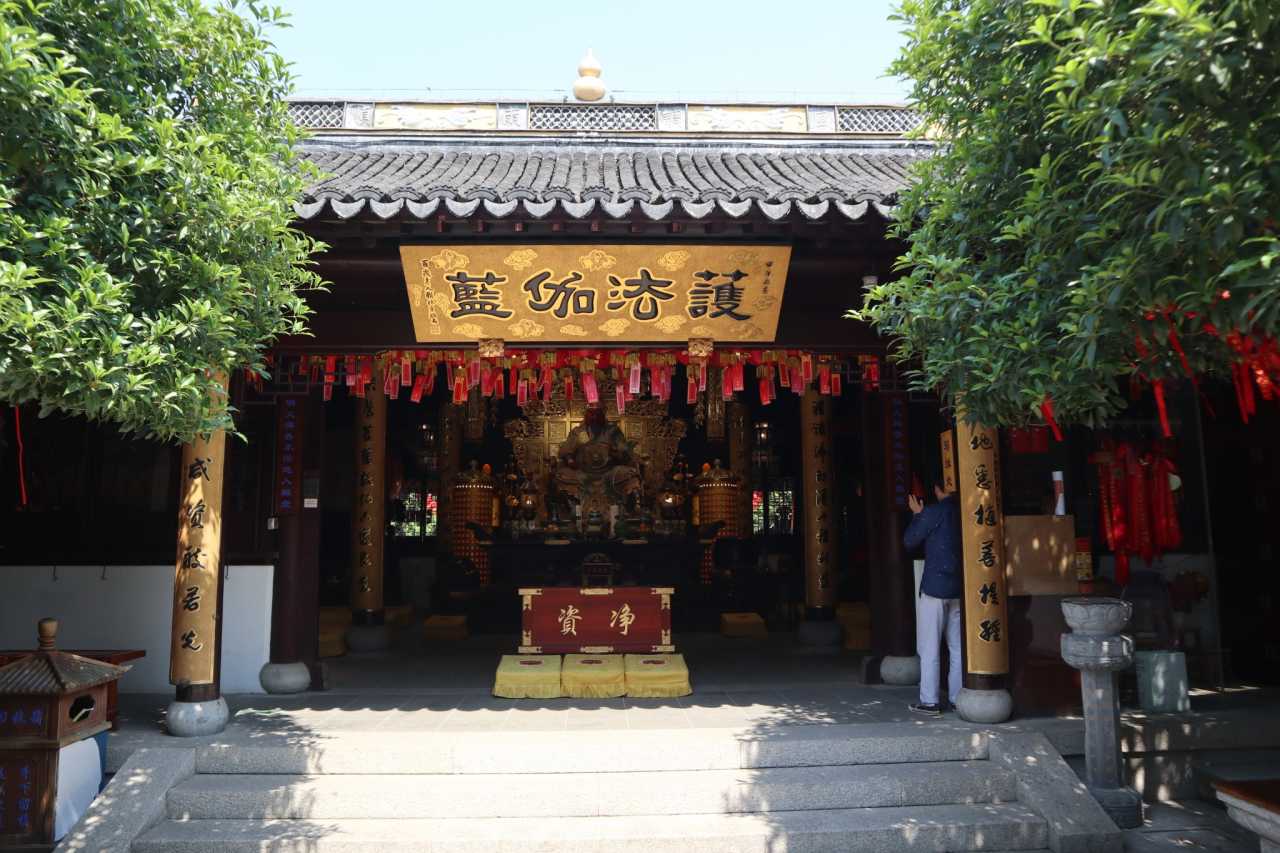
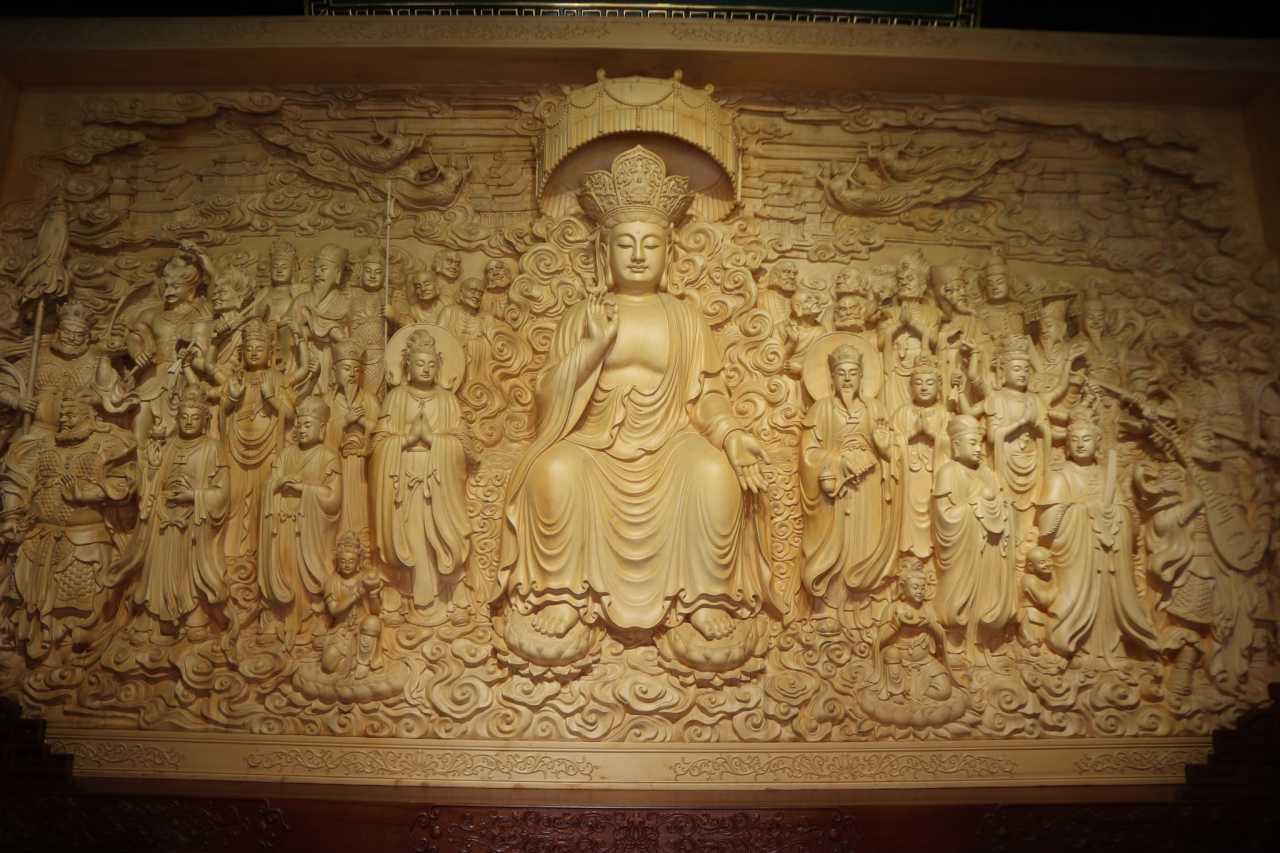
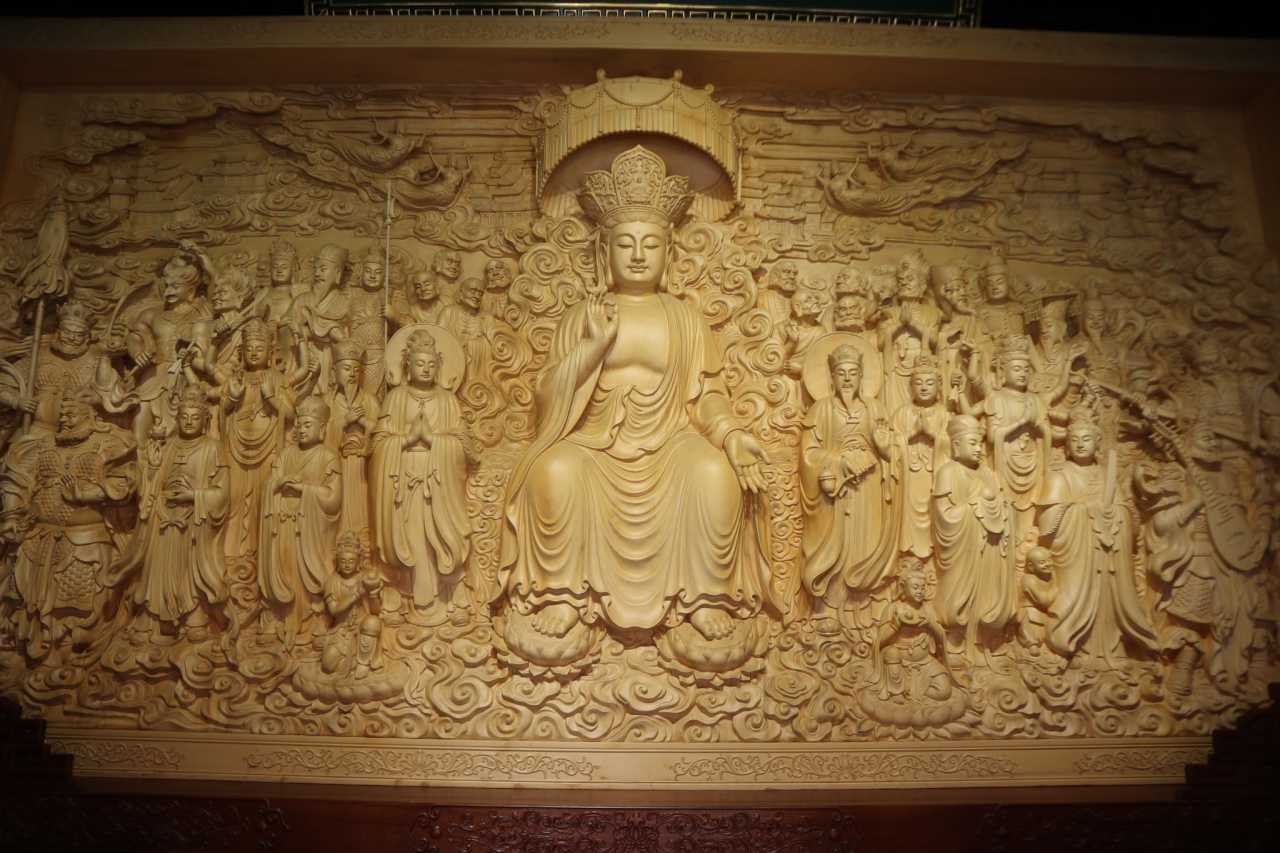
On the west side of Dacang Bridge lies Guanding Zen Temple, built in 1622 AD. It's small but fascinating: the main hall enshrines Guan Yu (the Shu Han general), while the grounds also house statues of Guanyin (Goddess of Mercy) and other deities.
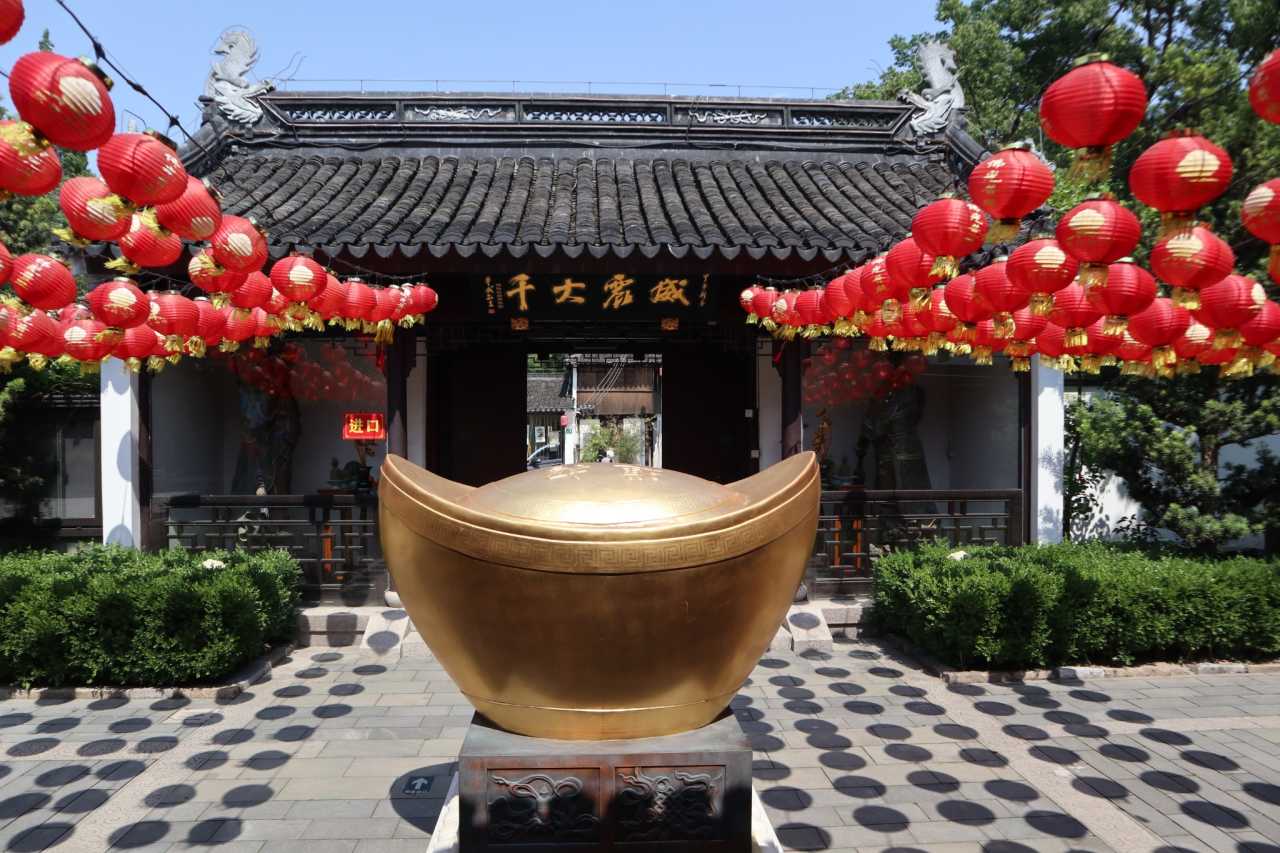
Originally a temple dedicated to Lord Guan, it was renamed during the Qianlong reign. Two Ming Dynasty stone steles survive on the outer corridor walls—rare relics in Shanghai. The temple courtyard features fish ponds and "gold ingot" motifs, blending Buddhism, folk beliefs, and commercial culture.
Mengjiang Pavilion: A Legend from Songjiang
Near Dacang Bridge, you'll find Mengjiang Pavilion. According to local tradition, the legendary Mengjiangnu—the woman whose tears caused the Great Wall to collapse—was from Songjiang. The earliest recorded version of her story appears in the Zuo Zhuan. Legend says she rested here on a stone during her thousand-mile journey to find her husband. The pavilion is small, but it evokes the tragedy of that ancient tale.
Du Family Carved Tower: A Free Museum of Jiangnan Architecture
Located at 266 Zhongshan West Road, the Du Family Carved Tower was built during the Jiaqing reign of the Qing Dynasty. This four-bay, three-courtyard compound covers 0.06 hectares. The first two courtyards feature Qing-era architecture, while the third houses the carved tower—rebuilt during the Republic of China period.
Inside, the eaves are adorned with a carving of two dragons playing with a pearl. Every exposed wooden component is covered with intricate carvings of flowers, figures, birds, and animals. The most breathtaking piece is a pair of double dragons vying for a pearl, crafted with exquisite detail. It's a free museum of Jiangnan craftsmanship. [Link: Top Jiangnan Architecture Sites in Shanghai]
Why Cangcheng Old Street Is a Must-Visit in 2025
Authenticity Over Commercialization
Unlike Zhujiajiao or Qibao, Cangcheng Old Street remains largely untouched by mass tourism. There are no souvenir shops, no loudspeakers, no crowds. You can walk its streets and imagine life centuries ago.
Rich History in a Compact Space
In just a few blocks, you'll encounter a Ming-era bridge, a temple blending Buddhist and folk traditions, a legendary pavilion, and a carved tower that rivals Suzhou's finest. It's a concentrated dose of history.
Perfect for Day Trips from Shanghai
Cangcheng is easily accessible via Metro Line 9. Combine it with a visit to Zuibaichi Park for a full day of exploration.
FAQ: Everything You Need to Know About Cangcheng Old Street
1. Is Cangcheng Old Street free to visit?
Yes, the entire area is open to the public at no cost. The Du Family Carved Tower is also free.
2. How much time should I spend there?
 Plan for 1–2 hours to explore the bridge, temple, pavilion, and carved tower. Combine with Zuibaichi Park for a half-day trip.
3. What's the best time to visit?
Spring (March–May) and autumn (September–November) offer pleasant weather. Avoid weekends and holidays to enjoy the quiet atmosphere.
4. Are there restaurants or shops nearby?
 Limited. Bring snacks or eat at Zuibaichi Park area before or after your visit.
5. Can I take photos?
Absolutely. The carved tower and Dacang Bridge are especially photogenic. No photography restrictions inside the temple.
Internal Linking Suggestions
- [Link: Complete Guide to Shanghai's 30 Ancient Towns]
- [Link: Best Classical Gardens in Shanghai for History Lovers]
- [Link: Top Jiangnan Architecture Sites in Shanghai]
- [Link: Day Trips from Shanghai by Metro]
Conclusion: Step Into Shanghai's Hidden Past
Cangcheng Old Street is more than just a travel destination—it's a time capsule. From its days as the "Granary of the Empire" to its quiet present, it tells a story of prosperity, decline, and resilience. In a city that constantly looks forward, Cangcheng reminds us to look back.
Your turn: Have you visited any of Shanghai's ancient towns? Which one intrigues you most? Share your thoughts in the comments below, and don't forget to bookmark this guide for your next trip. If you're planning a visit, tag me on social media with #ShanghaiHiddenGems—I'd love to see your photos!
[CTA: Plan Your Visit Today!] Download my free Shanghai ancient towns checklist and start your own "ancient town hunter" journey. [Link: Free Shanghai Ancient Towns Checklist PDF]
Fact-checked against original source (Mafengwo travelogue, May 2025). All historical dates and figures verified.
You may also like