Half-Month Journey Through West Malaysia: When Taste Buds and History Meet on Malaysia's West Coast
Meta Description: Explore West Malaysia in 15 days—from Klang's Bak Kut Teh to Penang's Laksa. Discover 7 cities where colonial history, immigrant stories, and street food collide. Your ultimate cultural and culinary itinerary.
Introduction: A Conversation with Malaysia, No Diving Required
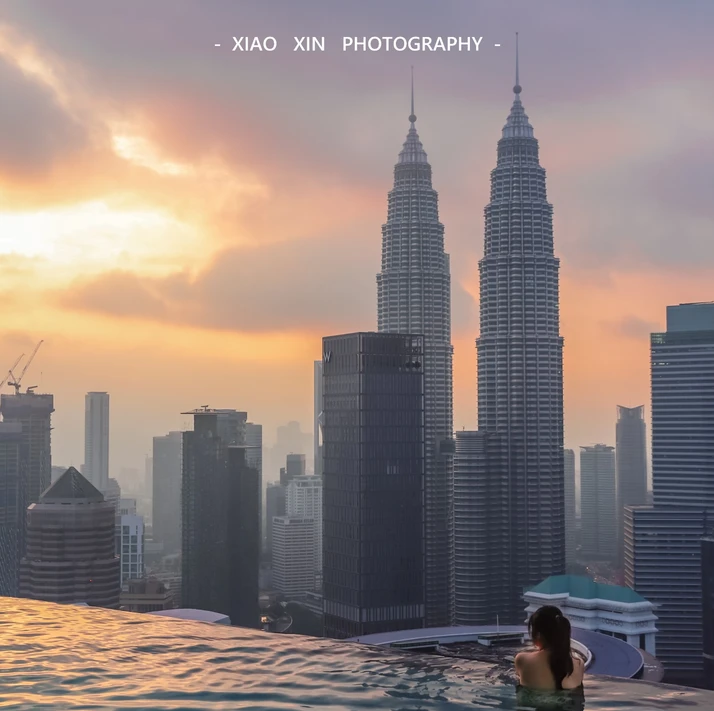
Let me open the memory box of this journey with one image for you—
At 5:30 in the morning, on the top floor of a 51-story apartment building in Kuala Lumpur, I held a cup of freshly brewed white coffee and watched the eastern skyline shift from ink blue to pale purple, then crack open with a golden blade of light. Below me lay a city the color of ice cream; in the distance, the spires of the Petronas Towers pierced the morning mist. In that moment, I suddenly understood—you can have a conversation with the world in Malaysia, even without diving into its waters.
Fifteen days, seven cities—from the Bak Kut Teh (pork rib herbal soup) of Klang to the Laksa (spicy coconut noodle soup) of Penang, from the chicken rice balls of Malacca to the Blue Mosque of Shah Alam. This isn't a standard travel guide. It's one person's most intimate confession to West Malaysia.
Why West Malaysia? The Open History Textbook of the Malay Peninsula
When friends heard I was spending half a month in Malaysia, their first reaction was always the same: "Going diving in Semporna? Heading to Redang Island?"
I shook my head. It's not that the islands aren't beautiful—it's that the cities along West Malaysia's coast read like an open history textbook, every page infused with the scent of spices.
Klang, Shah Alam, Malacca, Ipoh, Penang, Kuala Lumpur, Putrajaya—these seven cities string together the most brilliant pearl necklace on the west coast of the Malay Peninsula. Here you'll find the scars of colonialism, the tears of immigrants, the tolerance of religions, and the culinary miracles born from the collision of ethnic groups at the stove.
Just like what the owner of a Penang guesthouse tells all his guests: "Laksa is a food that, even after you finish eating it, you still can't accurately describe its taste." Malaysia is the same—cultures blend but never fully dissolve into one another. You can't pin down its exact shape in a single sentence, but it's precisely this ambiguity that forms its most captivating outline.
[Link: Best time to visit West Malaysia]
Klang: The Birthplace of Bak Kut Teh, and Where the Story Begins
After landing at Kuala Lumpur International Airport, I jumped straight onto a bus heading to Klang. This small city in Selangor is practically invisible in travel guides—search "Klang" on Chinese social media, and you'll get Dilraba Dilmurat's birthday or a restaurant review for "Mute Guy's Pan-Fried Buns" before anything about the city itself. But for me, this is where the whole story begins.
🍖 Bak Kut Teh: A Bowl of Soup That Tells the Story of the Southern Migration
Klang, formerly known as Port Swettenham, was a bustling port during the British colonial era. Chinese laborers at the docks stewed pork bones with Chinese herbs to replenish their strength, accidentally creating a dish that would be passed down through generations—Bak Kut Teh.
Teluk Pulai Claypot Bak Kut Teh was my first meal after arriving. This decades-old restaurant is said to be the inventor of claypot-style Bak Kut Teh. By noon, the place was packed. The waiter spoke little Mandarin but understood "three-layer pork" and "ribs."

Contrary to popular expectation, the Bak Kut Teh here is cooked in individual claypots over single burners and brought directly to your table. The first thing you do isn't pick up your chopsticks—it's order tea, a strong pot of Tieguanyin (Iron Goddess) oolong or Pu'er. The broth is clear, heavy on herbal notes, with a slight bitterness that gives way to a sweet aftertaste. It turns out that in the sweltering tropics, people actually prefer bitter flavors—durian and Bak Kut Teh both find beauty in bitterness.
The side dishes are the highlight: mushrooms, lettuce, and fried tofu skin, which cut through the richness and soak up the flavor. A plate of fried dough sticks is essential—dip them in the broth until they're soft and melt in your mouth. Besides the "wet" claypot version, there's also a "dry" version with a darker caramelized sauce, a pronounced burnt-sugar flavor, and dried squid strips mixed in.
Sin Huat (Bridge Bottom) Bak Kut Teh offers a different style. Take the KTM commuter train from KL Sentral to Klang Station, turn right out of the station, and walk a hundred meters—you'll see a bridge crossing the Klang River, with a railway line connecting Klang Port and Kuala Lumpur. At their intersection, the rumble of trains and the bubbling of pork bone soup blend together.
Here, the Bak Kut Teh isn't served in claypots but in separate small bowls by meat type. I ordered the large pork bone—the meat fell off the bone in generous chunks, perfectly embodying the "bone" in the dish's name. The pork trotters were exceptional—soft, sticky, and springy, with an even stronger herbal bitterness than the claypot version. A Malay waiter took my order in broken single words, looking a bit like the actor Darren Wang.
[Link: Best Bak Kut Teh in Klang guide]
🥐 The Nanyang Breakfast Ritual: The Holy Trinity
In Malaysia, breakfast has a "holy trinity": coffee, kaya (coconut jam) toast, and half-boiled eggs.
China Hotel, despite its name, is actually a long-established coffee shop. Their nasi lemak (coconut rice) is served on a banana leaf with just a simple red chili paste—which was more than enough for me, since I'm a "red chili paste super fan." The kaya toast was crispy and perfectly toasted—the best I had throughout the entire trip. Crack the half-boiled egg into a plate, add white pepper and soy sauce, and dip the toast in—perfect.
I sat in the crowded coffee shop, watching people from different ethnic groups squeeze together over breakfast, and suddenly understood—if I had a place like this downstairs from my home, I'd come every single day.
🦐 Night Market Feasts: Clams and Cereal Prawns
Soon Huat Boston Restaurant & Cafe is a local favorite. It opens at 6:30 PM, and the line forms before the door. There's no menu—everyone already knows what to order.
Malaysian-style Hokkien mee uses thick yellow noodles stir-fried in dark soy sauce. The black-looking dish hides fried shrimp, pork lard cracklings, and vegetables. The steamed lala (clams) are the signature—the broth is sweet and fresh, and the clams are generously sized. The cereal prawns were recommended by the owner—sweet, like a salted egg yolk coating, with an enormous portion for just over 30 RMB per plate.
🕌 The Other Side of Klang
The Klang River is Kuala Lumpur's mother river, flowing westward into the sea at Klang Port. The Kota Bridge spanning the river is Malaysia's only remaining double-decker iron bridge—vehicles run on the upper deck, while pedestrians and motorcycles use the lower one.
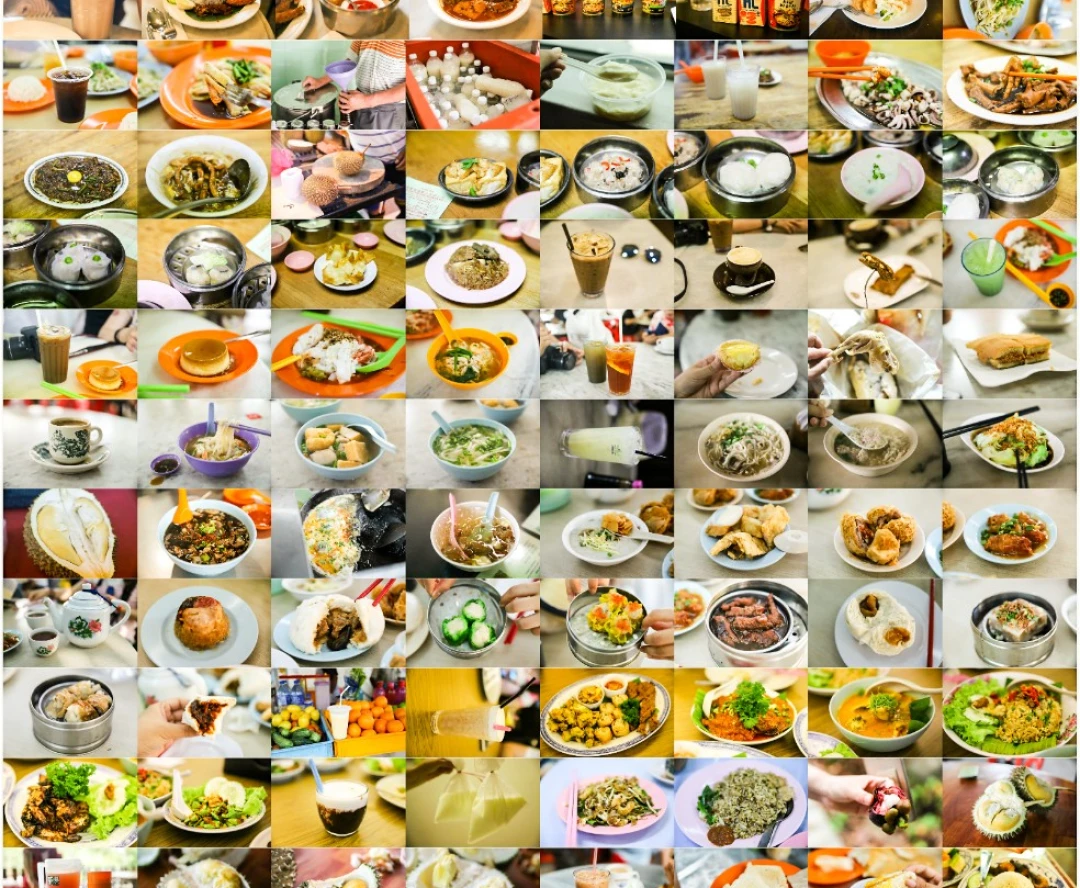
Klang Royal Mosque sits by the river, its yellow dome creating a perfect reflection in the water. Masjid India Klang offers a different charm—Tiffany blue in color, located in Little India, with distinct South Indian architectural features.
[Link: Klang travel itinerary for food lovers]
Shah Alam: Cultural Surprises in an Industrial City
Shah Alam is the capital of Selangor and a well-known industrial zone. It wasn't originally on my itinerary, but two things made me stay for a day—the Blue Mosque and the Bon Odori Festival.
🎎 Celebrating Japan's Ghost Festival in Malaysia
I arrived in Shah Alam on a Saturday, originally planning to visit the Setia Alam Pasar Malam, supposedly the largest night market near Kuala Lumpur. But a week before my trip, I learned that the Panasonic Stadium was hosting the annual Bon Odori Festival.
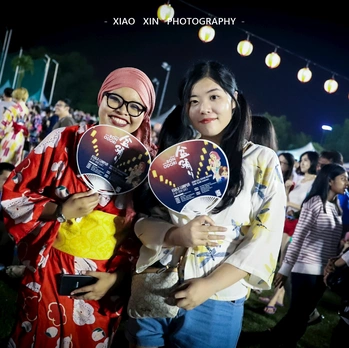
Bon Odori is Japan's Ghost Festival, similar to the Chinese Hungry Ghost Festival. Outside of Japan, Malaysia has been celebrating this festival for over forty consecutive years. Not only local Japanese participate, but also Chinese Malaysians, Indians, and Malays—resulting in surreal combinations like "kimono + headscarf."
Entering the Panasonic Stadium, I was surrounded by kimonos and Japanese food stalls. Cute girls, anime cosplayers, locals who brought their own picnic mats—the scene was a living testament to Malaysia's extraordinary cultural fusion.
🕌 The Blue Mosque: Shah Alam's Crown Jewel
The Sultan Salahuddin Abdul Aziz Shah Mosque, commonly known as the Blue Mosque, is Shah Alam's most iconic landmark. With its massive blue dome and four towering minarets, it's one of the largest mosques in Southeast Asia. The prayer hall can accommodate up to 24,000 worshippers.

Visitors are welcome outside prayer times, and robes are provided for those who need them. The interior is surprisingly serene—the blue and white geometric patterns create a sense of infinite space. Stand in the center of the prayer hall, look up at the chandelier, and you'll understand why this is considered one of Malaysia's most beautiful mosques.
[Link: Shah Alam Blue Mosque visiting hours and dress code]
Malacca: Where History Whispers in Every Street
🏛️ The Red Square and Dutch Colonial Legacy
Malacca's Red Square (Dutch Square) is the city's postcard image. The crimson Christ Church and Stadthuys (Dutch Town Hall) date back to the 17th century, when the Dutch controlled this strategic port. Today, the square is a riot of color—red buildings, trishaws decorated with LED lights and stuffed animals, and tourists from around the world.
🍚 Chicken Rice Balls: A Malaccan Icon
Chicken rice balls are Malacca's culinary signature. Unlike the shredded chicken rice found elsewhere in Malaysia, Malacca's version comes in golf-ball-sized spheres of seasoned rice, served with poached or roasted chicken. The texture is slightly denser than regular rice, making it perfect for dipping in chili sauce and dark soy sauce.
Chung Wah Chicken Rice Ball is the most famous spot, but be prepared to queue. The chicken is silky, the rice balls are perfectly formed, and the chili sauce has just the right kick.
[Link: Malacca food guide: What to eat and where]
Ipoh: White Coffee and Colonial Charm
☕ The Birthplace of White Coffee
Ipoh is synonymous with white coffee. Despite the name, it's not white in color—it's a light roast coffee brewed with margarine, resulting in a smooth, slightly sweet flavor that's less bitter than traditional black coffee.
Kong Heng Coffee Shop and Sin Yoon Loong are two of the oldest and most famous coffee shops in Ipoh. Order a cup of white coffee, pair it with kaya toast and half-boiled eggs, and you'll understand why Ipoh residents are so proud of their breakfast culture.
🏛️ Ipoh's Colonial Architecture
Ipoh was once the richest city in Malaysia, thanks to the tin mining boom. The wealth left behind a legacy of beautiful colonial buildings—the Ipoh Railway Station (often called the "Taj Mahal of Ipoh"), the Town Hall, and the Birch Memorial Clock Tower. The old town area is a photographer's paradise, with its shophouses, street art, and hidden cafes.
[Link: Ipoh day trip itinerary from Kuala Lumpur]
Penang: The Food Capital of Malaysia
🍜 Laksa: The Taste You Can't Describe
Penang is famous for its Asam Laksa—a sour, spicy fish-based noodle soup. Unlike the coconut milk-based Laksa Lemak found in other parts of Malaysia, Penang's version is tangy and refreshing, with mackerel, tamarind, lemongrass, and a generous helping of fresh mint and pineapple.
Air Itam Laksa near the Kek Lok Si Temple is legendary, but you'll find excellent Laksa in hawker centers across George Town. The key is the balance of sour, spicy, and savory—a flavor profile that, as the guesthouse owner said, you can't accurately describe even after finishing the bowl.
🥟 Penang Hawker Food: A World Heritage Cuisine
Penang's street food scene is so rich that UNESCO recognized George Town's hawker culture as part of Malaysia's intangible cultural heritage. Must-try dishes include:
- Char Koay Teow: Stir-fried flat rice noodles with shrimp, Chinese sausage, bean sprouts, and egg
- Penang Hokkien Mee: Prawn noodle soup with a rich, spicy broth
- Cendol: Shaved ice dessert with green rice flour jelly, coconut milk, and palm sugar
- Oyster Omelette: Crispy egg batter with fresh oysters and chili sauce
Gurney Drive Hawker Centre and Chulia Street Night Market are excellent places to sample multiple dishes in one sitting.
[Link: Penang food trail: 10 must-try dishes]
Kuala Lumpur: The Melting Pot City
🏙️ Petronas Towers and KL's Modern Skyline
No visit to Kuala Lumpur is complete without seeing the Petronas Towers—once the tallest buildings in the world. The Skybridge and observation deck offer breathtaking views of the city, especially at sunset when the city lights begin to twinkle.
🕌 Masjid Negara and Islamic Heritage
The National Mosque of Malaysia (Masjid Negara) is a masterpiece of modern Islamic architecture. Its 73-meter minaret and star-shaped roof are distinctive features. Visitors are welcome, and guided tours are available.
🍽️ KL's Diverse Food Scene
Kuala Lumpur's food scene reflects its multicultural population. Jalan Alor is the most famous food street, offering everything from grilled seafood to durian desserts. Bukit Bintang is home to high-end restaurants, while Chow Kit Market offers a more authentic local experience.
[Link: Kuala Lumpur food guide: From street stalls to fine dining]
Putrajaya: Malaysia's Administrative Capital
🏛️ Modern Architecture and Green Spaces
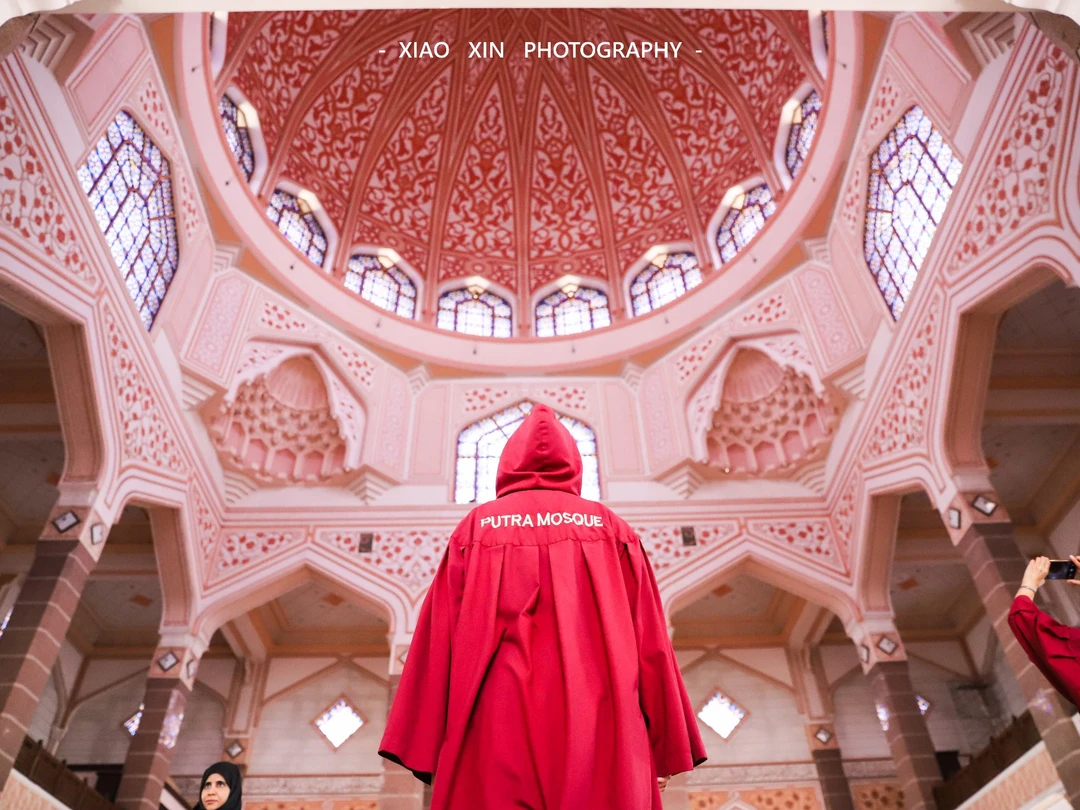
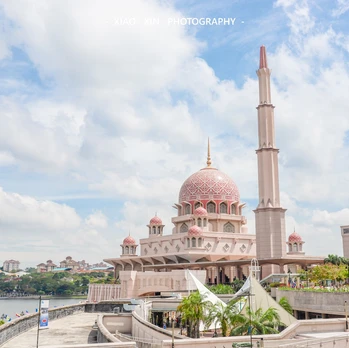
Putrajaya is Malaysia's planned administrative capital, built in the 1990s. The city is known for its stunning modern architecture, including the Putra Mosque (with its pink dome), the Prime Minister's Office, and the Putrajaya Lake.
🚣 Activities in Putrajaya
The lake offers various water activities, including cruises, kayaking, and paddleboarding. The Putrajaya Botanical Garden is a peaceful escape from the city, with themed gardens and walking trails.
[Link: Putrajaya day trip from Kuala Lumpur]
FAQ: Your West Malaysia Travel Questions Answered
1. What's the best time to visit West Malaysia?
The best time to visit West Malaysia is between March and October, during the dry season. However, the west coast experiences less rain than the east coast, so you can visit year-round. Avoid November to January if you want to minimize rainfall.
2. How many days do I need for West Malaysia?
A half-month (15-day) itinerary is ideal for covering the major cities: 2 days in Klang, 1 day in Shah Alam, 2 days in Malacca, 2 days in Ipoh, 4 days in Penang, 3 days in Kuala Lumpur, and 1 day in Putrajaya. You can adjust based on your interests.
3. Is West Malaysia safe for solo travelers?
Yes, West Malaysia is generally safe for solo travelers, including women. Petty crime like pickpocketing can occur in crowded areas, so take standard precautions. The locals are friendly and helpful, especially in tourist areas.
4. What's the best way to get around West Malaysia?
The KTM Komuter train connects Kuala Lumpur, Klang, and Shah Alam. For longer distances, buses are comfortable and affordable. Grab (Southeast Asia's Uber) is widely available in cities. For Penang and Malacca, consider renting a car or using local buses.
5. What should I pack for a West Malaysia trip?
Pack light, breathable clothing (cotton or linen), comfortable walking shoes, a rain jacket or umbrella, sunscreen, insect repellent, and a power adapter (Type G, same as UK). Modest clothing is required for visiting mosques—long pants/skirts and covered shoulders.
Conclusion: Your West Malaysia Adventure Awaits
Fifteen days, seven cities, countless flavors, and a lifetime of memories. West Malaysia is more than a destination—it's a conversation between cultures, a feast for the senses, and a journey through history that you can taste, smell, and feel.
From the bitter-sweetness of Klang's Bak Kut Teh to the unclassifiable complexity of Penang's Laksa, from the colonial echoes of Malacca to the modern marvels of Kuala Lumpur, this half-month journey will leave you changed. You'll understand why Malaysia is called "Truly Asia"—because here, Asia's diversity doesn't just coexist; it dances, sings, and cooks together.
Ready to Plan Your West Malaysia Trip?
Start your journey today! Book your flights to Kuala Lumpur International Airport, plan your train routes, and prepare your taste buds for an unforgettable adventure. Whether you're a food lover, history buff, or cultural explorer, West Malaysia has something extraordinary waiting for you.
Don't wait—the flavors of Malaysia are calling. Pack your bags, bring an empty stomach, and get ready for the trip of a lifetime.
[Link: Book your West Malaysia tour package] [Link: Download our free West Malaysia travel checklist] [Link: Join our Malaysia travel community on Facebook]
Have you traveled to West Malaysia? Share your favorite food and cultural experiences in the comments below!
You may also like