From Lakes and Mountains to the Halls of Design: A Deep Cultural Journey to Rediscover Switzerland
Meta Description: Discover Switzerland beyond its Alpine scenery. Explore Zurich's design museums, the Vitra Campus, and uncover why this tiny nation is a global powerhouse of graphic design, architecture, and visual culture.
Introduction: Why Switzerland Deserves a Second Look
Fifteen years ago, I landed in Switzerland as my first European destination. Friends teased me for "setting the bar too high"—and they were right. The jaw-dropping prices and impeccable natural scenery made that first trip unforgettable. Two weeks of crisscrossing the country by train, hiking through Zermatt's glowing green meadows, and gazing at fairy-tale cottages with bright red geraniums left me convinced: Switzerland's raw beauty is unmatched.

But over the next fifteen years, as I returned to Europe annually, a nagging question emerged. When people talk about European culture, they mention France, Italy, Austria, or the UK. Switzerland? Many feel it hasn't produced master artists. Yet this tiny Alpine nation hosts the Lucerne Festival, one of the world's finest classical music events. It has more museums and galleries per capita than any other country. And Art Basel—the global art fair phenomenon—was born here.
So I decided to take an unconventional path. No lakes, no mountains. This time, I embarked on a deep cultural journey through Switzerland to rediscover its hidden design legacy.
H2: Is Switzerland Really Just About Scenery?
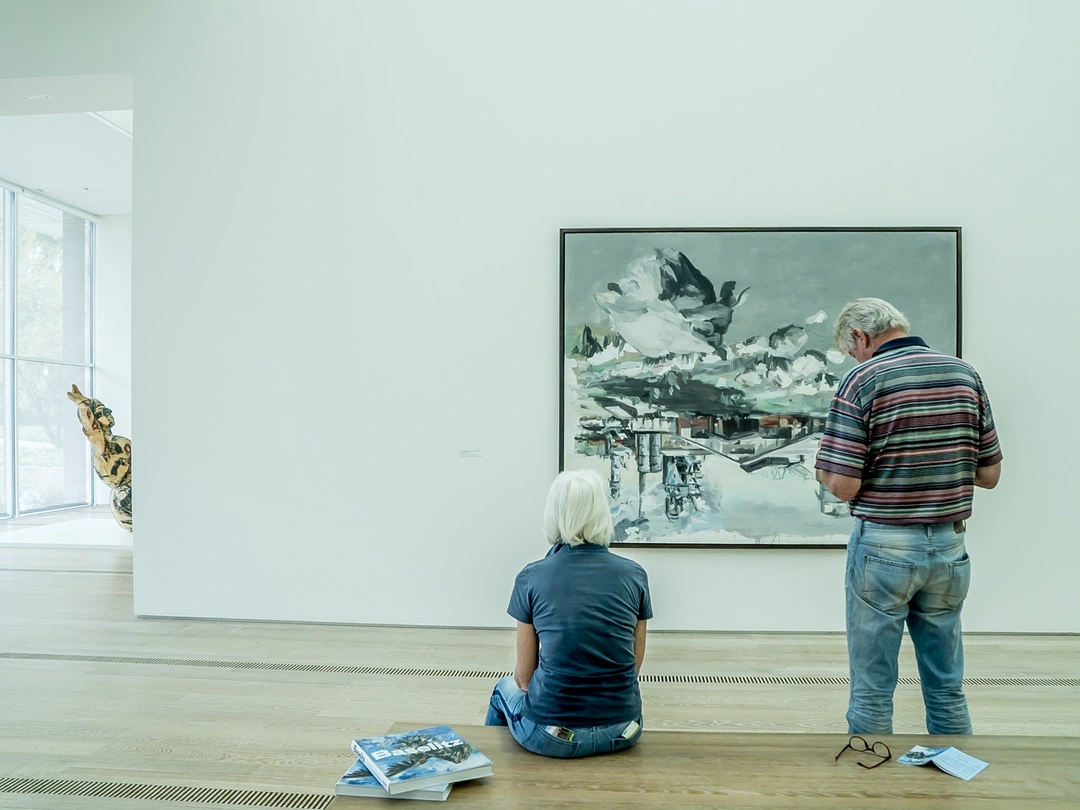
The question "Why hasn't Switzerland produced great artists?" appears frequently on forums like Zhihu. After much debate, a reasonable explanation emerged: masters are rare, and Switzerland's small population makes it statistically harder.

But who says Switzerland has no great artists? Alberto Giacometti and Paul Klee shine brightly in international art history. Architecture is also art, and the field boasts Swiss masters like Le Corbusier, Mario Botta, and Peter Zumthor. Le Corbusier's standing in architecture rivals that of Einstein, who lived in Switzerland for many years.
When I discussed this with a designer friend, he revealed a fascinating connection: the famous "International Style" of graphic design originated with Swiss typeface designer Max Miedinger, who created Helvetica—the font that forever changed the face of cities worldwide. Almost all graphic design we encounter today traces its roots back to this Swiss innovation.
Why did Switzerland produce so many design masters? Could it be because the Swiss are so pragmatic? With these questions in mind, I set off on a Swiss design and architecture tour that would change my perspective forever.
H2: Zurich – The Font Revolution at the Design Museum
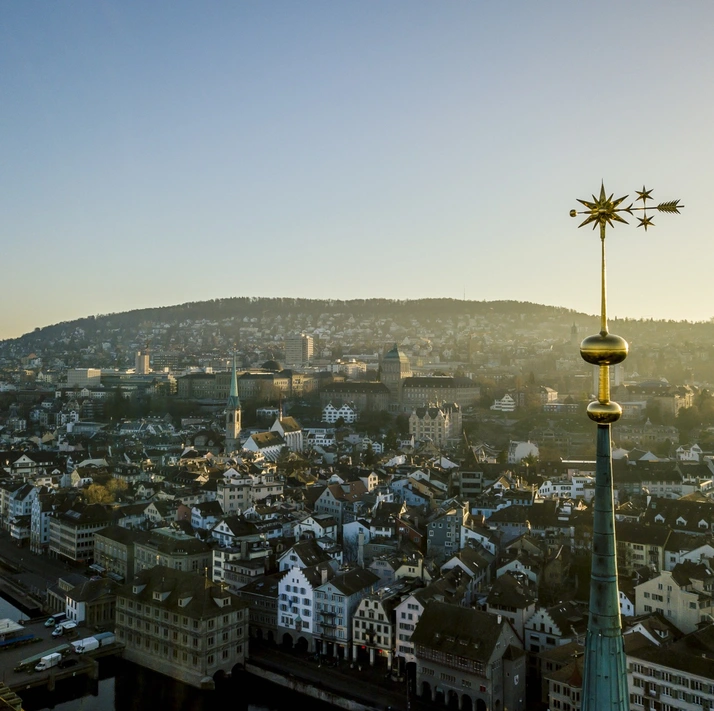
Zurich is Switzerland's "Shanghai"—vibrant, creative, and brimming with culture. While the Swiss National Museum and Kunsthaus Zurich are the city's two most important museums, I was more eager to visit the Museum für Gestaltung (Zurich Museum of Design) . This is the home of the International Style of graphic design.
H3: What Makes the Zurich Museum of Design Special?
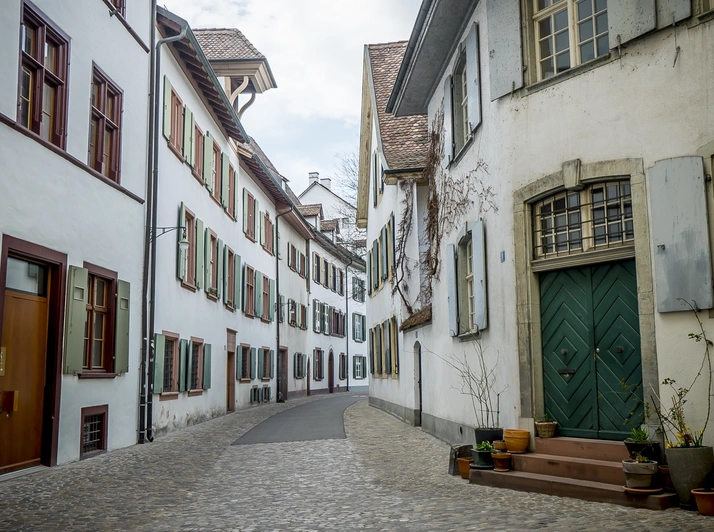
The museum houses over half a million objects divided into four categories: design, drawings, applied arts, and posters. These collections document every milestone in technological and aesthetic development since industrialization began. The museum has three exhibition areas, and I chose the particularly active Schaudepot, located inside the Zurich University of the Arts.
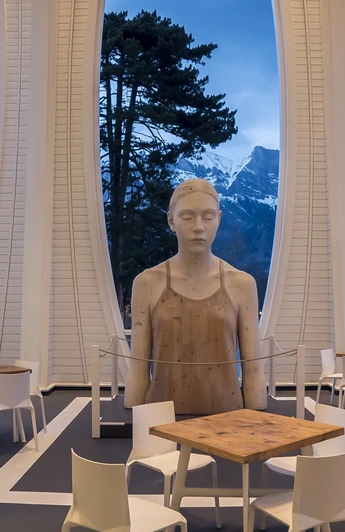
Originally created for the university, the museum allows students to find inspiration and gives outstanding student work a chance to be displayed. Over more than a century, it has grown into Switzerland's leading design and visual museum.
H3: Seeing Helvetica with My Own Eyes
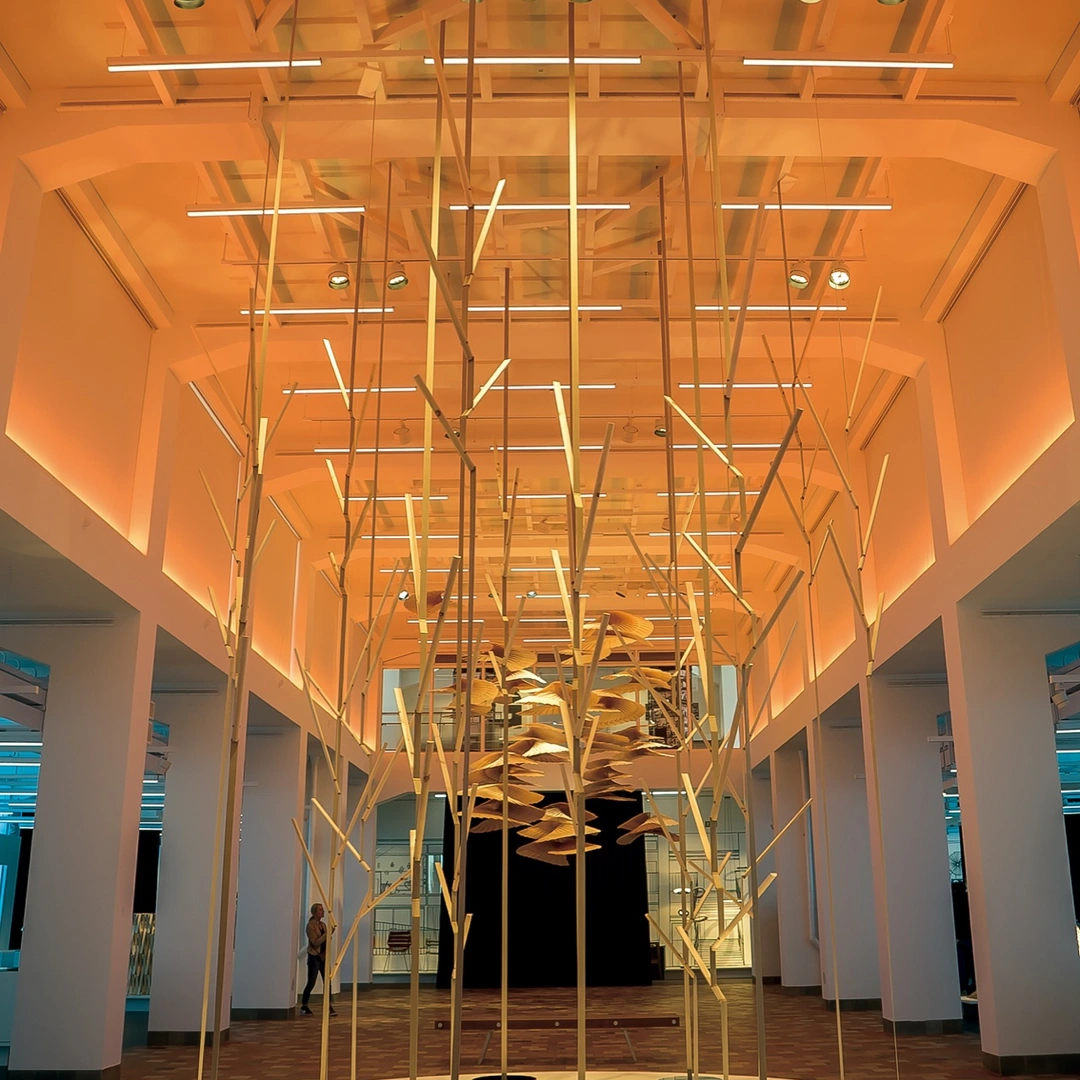
In the Schaudepot, I finally saw Helvetica with my own eyes. When traveling in Europe, trains are my main mode of transport, and their convenience and punctuality are well known. At train stations in Switzerland, Germany, and many other countries, those clear, easy-to-read fonts on electronic displays are the work of Max Miedinger.
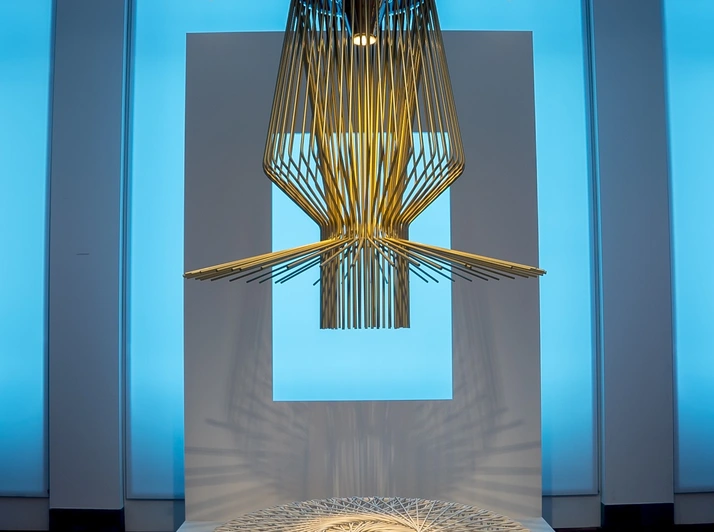
This exhibition area also displays many familiar everyday objects and scenes. Behind those seemingly ordinary things, a great design might be hiding. For anyone interested in Swiss graphic design history, this museum is an essential stop.
[Link: Swiss National Museum – Zurich's cultural heritage]
H2: Crossing Two Countries in One Day – Exploring the Legendary Vitra Campus
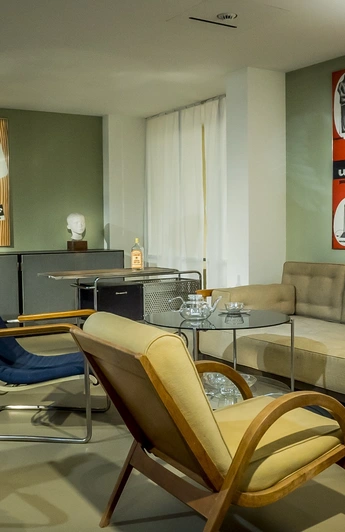
To visit the legendary Vitra Campus, I traveled between Germany and Switzerland in a single day. Although the campus is located in Weil am Rhein, Germany, Vitra itself is a Swiss furniture company with its headquarters in Basel. They simply needed more space, so they built the campus just across the German border, very close to Basel.
H3: Why the Vitra Campus is an Architecture Museum
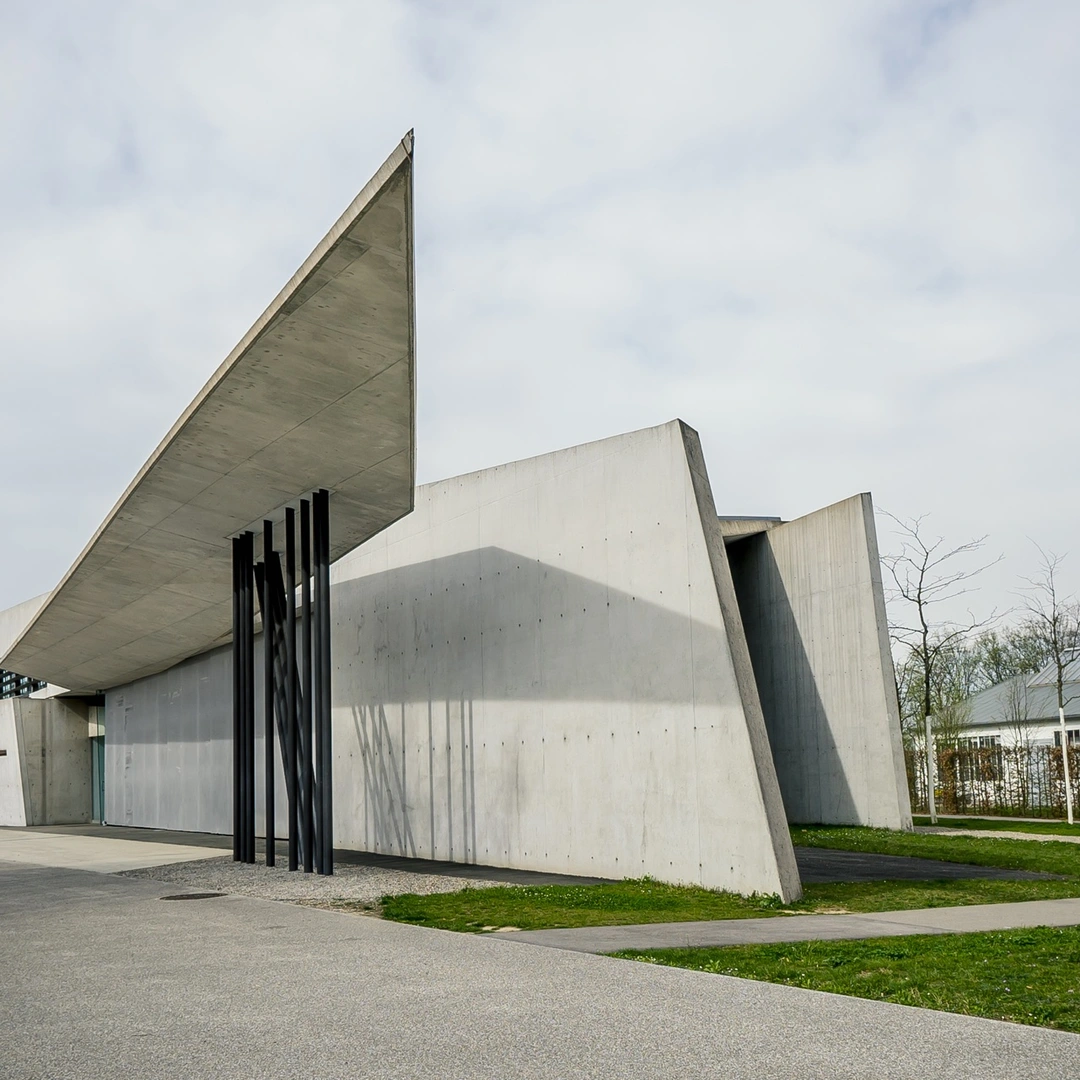
Don't think the Vitra Campus is just a furniture showroom—though furniture itself is design art, and unique design concepts are what the Vitra brand champions. But the campus, composed of various furniture showrooms, production facilities, and other functional buildings, has long been regarded as an architecture museum. It brings together works by numerous contemporary architectural masters:
- Zaha Hadid's fire station
- Jean Prouvé's gas station
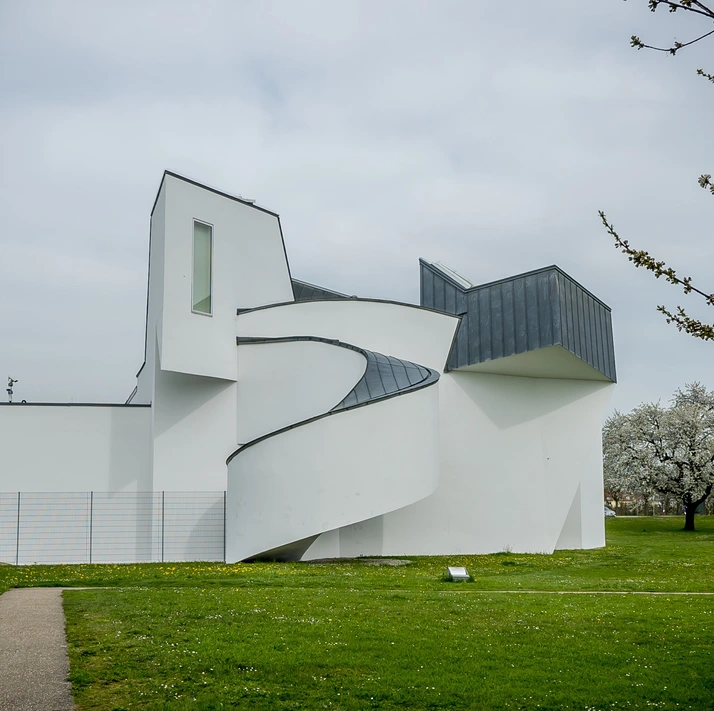
- Frank Gehry's design museum and factory gate
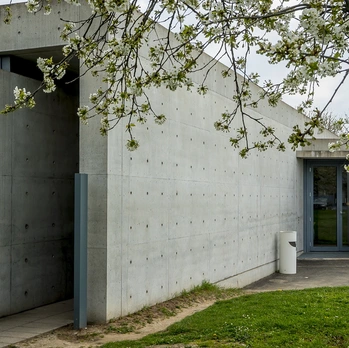
- Tadao Ando's 1993 conference center (Ando's first project outside Japan)
H3: VitraHaus – A Stack of Little Houses
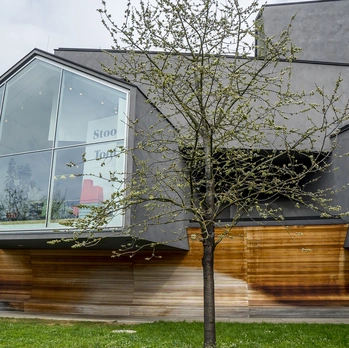
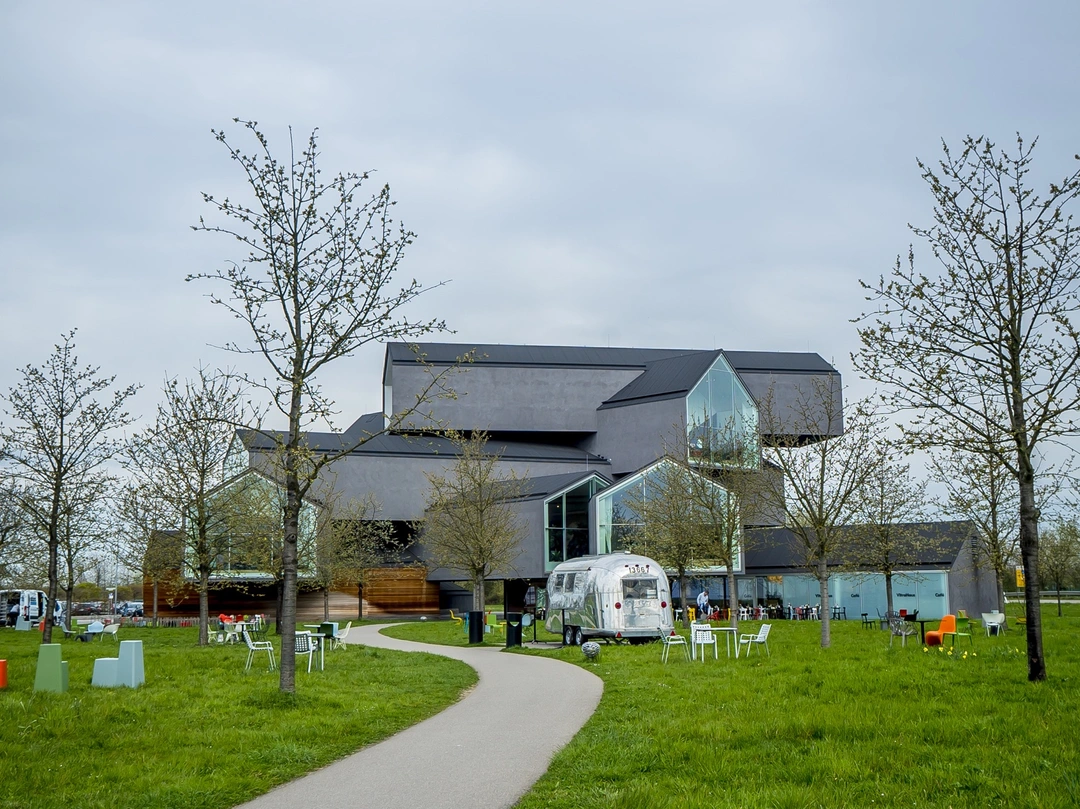
The flagship showroom, VitraHaus, is the work of Switzerland's most famous architecture firm, Herzog & de Meuron. Jacques Herzog and Pierre de Meuron—the former also designed Beijing's Bird's Nest stadium. VitraHaus is the tallest building on the campus. From a distance, it looks like a stack of little houses piled haphazardly on top of each other, creating a strange and striking shape.
A friend from Basel who accompanied me grew up in a small town on the Swiss-German border. She told me that these simple little houses are typical local dwellings. Herzog and de Meuron are both Swiss, and Herzog himself is from Basel, so they're very familiar with these houses. Thus, this so-called "Ur-house" became the main element of VitraHaus.
The entire building is made up of twelve identical little houses stacked irregularly to form five floors. At first glance, it seems chaotic, but it actually creates a unique three-dimensional effect. This reflects Herzog's architectural philosophy—he once said: "The power of my architecture lies in the effect it has on the viewer."
[Link: Vitra Campus guided tours – Basel day trips]
H2: Swiss Design Beyond the Surface – What I Learned
This journey taught me that Swiss culture and design are deeply intertwined with the nation's pragmatism. The Swiss don't shout about their achievements—they quietly create masterpieces that shape our daily lives.
From the fonts we read to the furniture we sit on, from the buildings we admire to the art we collect, Switzerland's influence is everywhere. The country may lack the flashy landmarks of Paris or Rome, but its design museums in Switzerland offer a different kind of treasure—one that rewards the curious traveler.
H2: Frequently Asked Questions About Swiss Design and Culture
Q1: What is the International Style of graphic design, and why is it important? The International Style emerged in Switzerland in the 1950s, emphasizing clean lines, grid-based layouts, and sans-serif typography like Helvetica. It became the foundation of modern graphic design, influencing everything from corporate logos to public signage worldwide.
Q2: How many museums does Switzerland have per capita? Switzerland has more museums per capita than any other country, with over 1,100 museums serving a population of just 8.5 million. This reflects the nation's deep commitment to culture and education.
Q3: Can I visit the Vitra Campus from Basel? Yes. The Vitra Campus is located in Weil am Rhein, Germany, just a 15-minute tram ride from Basel's city center. It's easily accessible for a day trip, and guided tours are available in multiple languages.
Q4: What are the must-see design museums in Switzerland? Top recommendations include the Zurich Museum of Design (Museum für Gestaltung), the Vitra Design Museum (on the Vitra Campus), and the Kunsthaus Zurich for fine arts. The Swiss National Museum also offers excellent design and applied arts collections.
Q5: Is Switzerland worth visiting for culture, not just scenery? Absolutely. While Switzerland's natural beauty is world-famous, its cultural offerings—from the Lucerne Festival to Art Basel to its world-class design museums—make it a hidden gem for art and design enthusiasts.
H2: Your Swiss Design Adventure Awaits
This journey from lakes and mountains to the halls of design revealed a Switzerland I never knew existed. The country that gave us Helvetica, Vitra, and the International Style deserves a place on every design lover's bucket list.
Ready to rediscover Switzerland? Start planning your Swiss design and architecture tour today. Book your flights, reserve your train tickets, and prepare to see this Alpine nation through a new lens—one where every font, every building, and every museum tells a story of quiet brilliance.
Call to Action: Don't just visit Switzerland—experience its design legacy. [Link: Plan your Swiss cultural itinerary] or [Link: Book a guided design tour of Zurich and Basel]. Your journey from spectator to connoisseur starts here.
You may also like