Celebrating the Spring Festival in Shanghai: A Cultural Journey Through History and Everyday Life
Here is the SEO-optimized and rewritten article based on your source material. It has been restructured for search intent, keyword density, and readability while maintaining the original narrative voice and factual accuracy.
Celebrating the Spring Festival in Shanghai: A Cultural Journey Through History and Everyday Life
Meta Description: Escape the formalities and discover a unique Shanghai Spring Festival. Explore the Sihang Warehouse, walk Suzhou Creek, and experience the Bund. An SEO-optimized travel guide for a cultural holiday in the Magic City.
Primary Keyword: Shanghai Spring Festival cultural journey Secondary Keywords: Shanghai Citywalk itinerary, Sihang Warehouse history, Suzhou Creek walk, Spring Festival travel Shanghai
For three consecutive years, I have chosen to leave home during the Spring Festival. Once, like most people, I believed the holiday should be spent in one's hometown—visiting relatives, clinking glasses, and exchanging pleasantries. But now, I increasingly feel that rather than repeating those polite formalities at the dinner table, it is better to invest that time in distant places. This year, our destination was Shanghai, with a side trip to Hangzhou.
When the rhythm of travel is entirely in your own hands, the sense of freedom and fulfillment is far more exhilarating than any banquet. Before departing, I booked a car on the Yihai (一嗨) rental platform. Self-driving has become a "standard" for our family in recent years. During the Spring Festival especially, the car rental counters at airports resemble small auto shows. After landing at Pudong, we headed straight to the branch, completed the paperwork, and gripped the steering wheel. The journey truly began.
Arriving in Shanghai: Measuring the City’s Texture on Foot
Hotel prices during the Spring Festival are indeed painful, but considering this only happens once a year, I let it go. That evening, we ordered takeout, ate lightly, and rested early to recharge for the next day’s Shanghai Citywalk. Yes, even a casual stroll now has a trendy name, but essentially, we wanted to touch the city’s pulse at our own pace.
The Sihang Warehouse: A Wall, a History That Must Not Be Forgotten
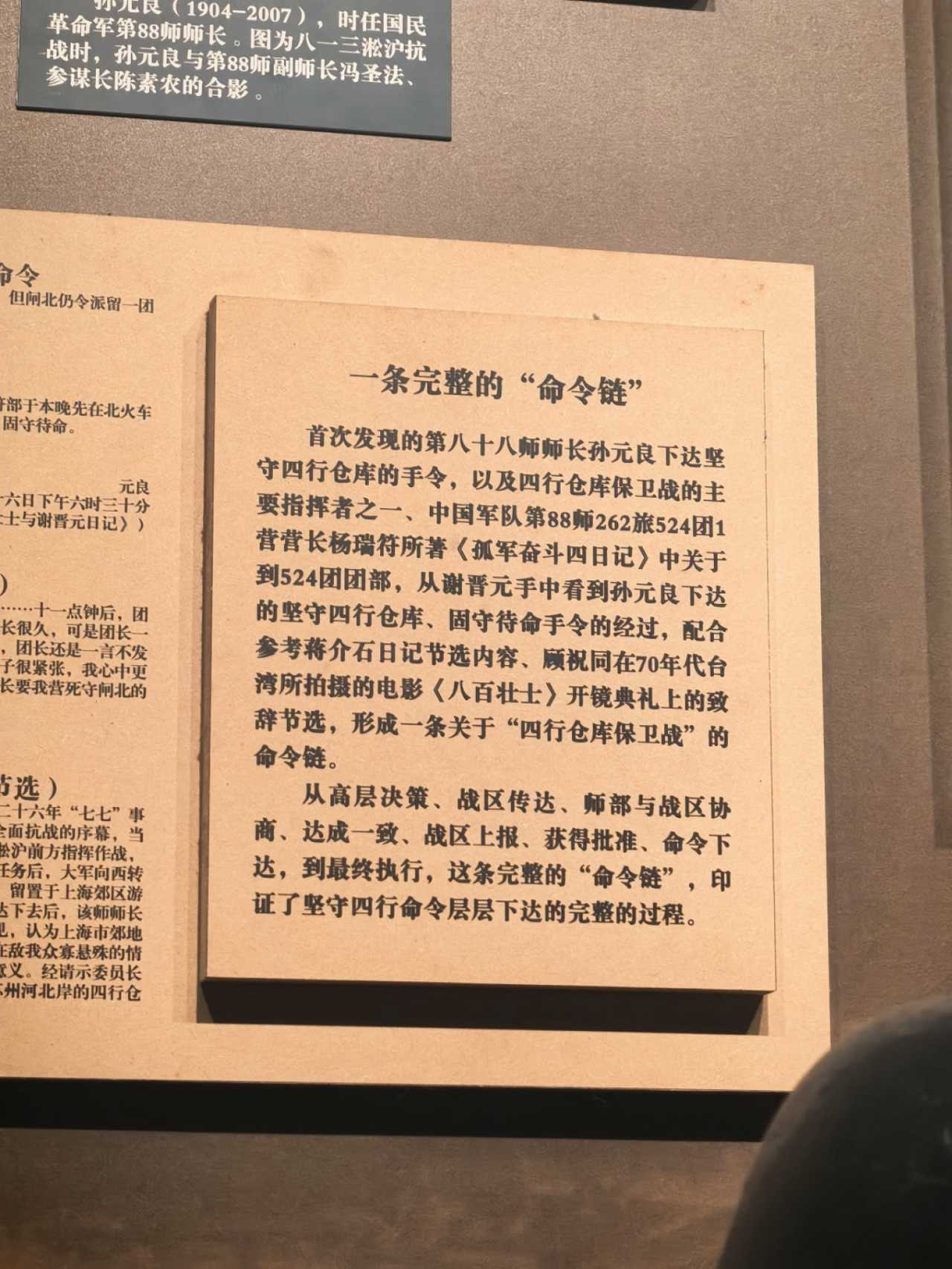
Our first stop was the Sihang Warehouse history site. Before leaving, I deliberately rewatched The Eight Hundred to approach this place with deeper respect. During the Battle of Songhu (淞沪会战), too many tragic stories unfolded here. At the memorial hall, I learned that Xie Jinyuan’s actual title was "Regimental Adjutant" (团附), not Deputy Commander—an assistant to the commander without real authority. Yet this "assistant" led over 420 soldiers to hold their ground for four days and four nights, surrounded on all sides, earning even the respect of the enemy commander.

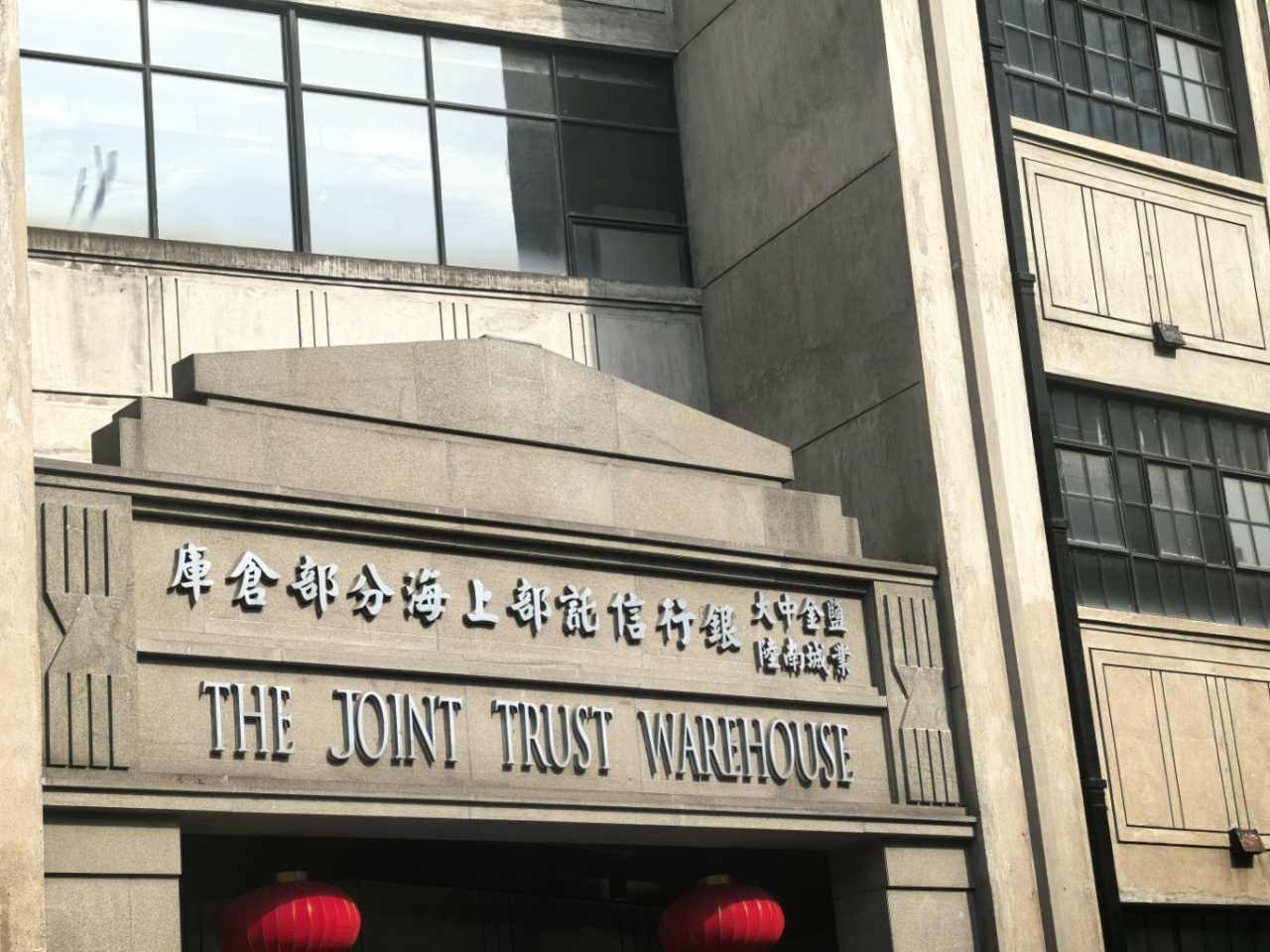
The Sihang Warehouse, as its name suggests, was the joint warehouse of four banks: Yanye (Salt Industry), Jincheng (Golden City), Zhongnan (Central and Southern), and Dalu (Mainland). It sits next to Suzhou Creek, with the former British and French concessions just across the water. The warehouse’s solidity speaks for itself. Xie Jinyuan chose to retreat here out of necessity, but also as a strategic move. The Japanese army launched fierce attacks from the west and north walls. Today, the west wall still bears dense, pockmarked bullet holes—a silent accusation and a chilling reminder: past lessons must not be forgotten.
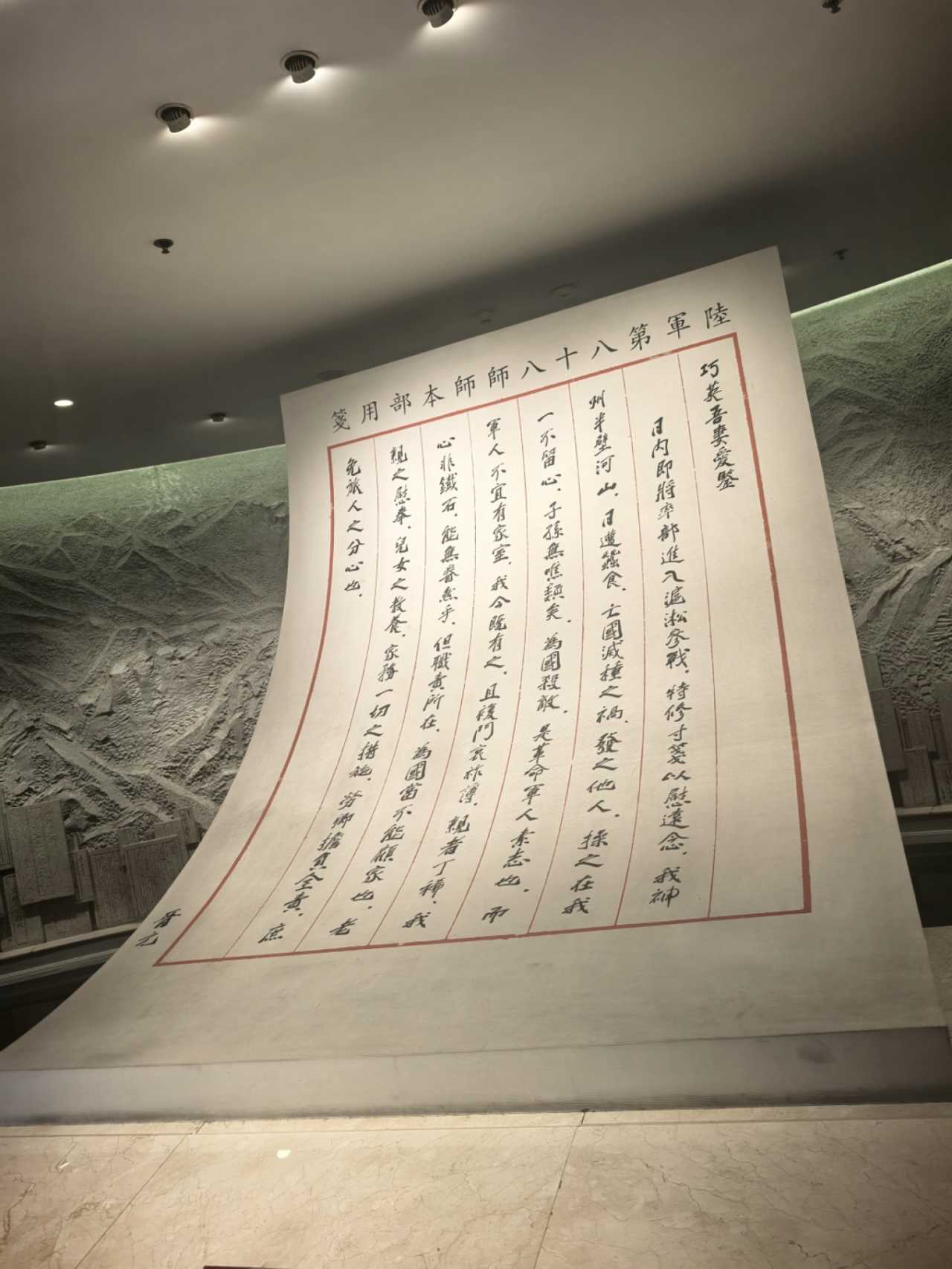
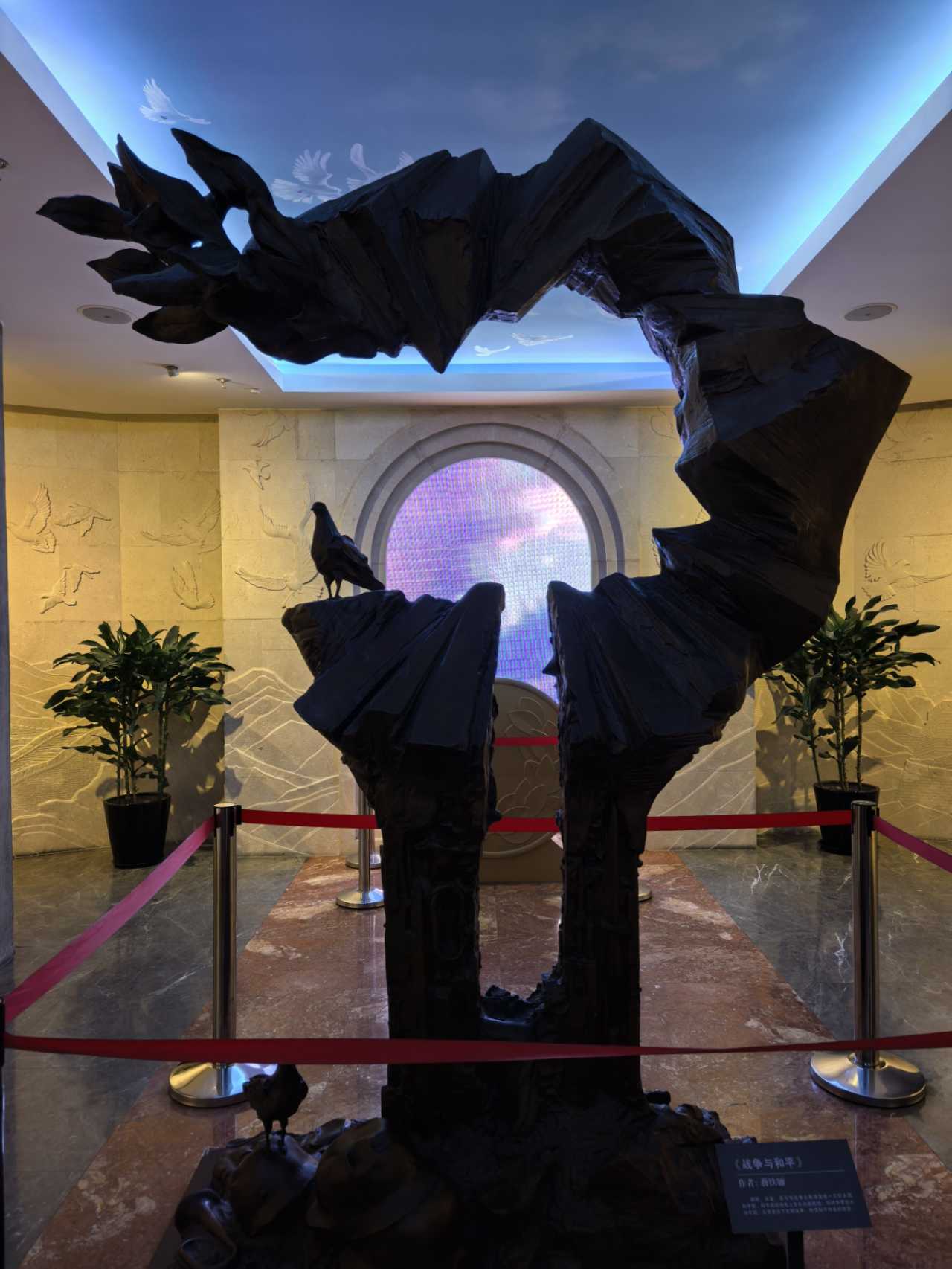
Stepping into the memorial hall, the first thing that catches your eye is Xie Jinyuan’s Letter to His Wife (与妻书). Every word is steeped in love for family and country, enough to bring tears to your eyes. Historical materials and photographs on display silently tell the heroes’ stories. In the film, inspired civilians rush forward again and again, braving a hail of bullets to deliver supplies and military flags. But in reality, the evacuation from the Sihang Warehouse took place via Zhejiang Road Bridge (浙江路桥), not the Xizang North Road Bridge shown in the movie. Exiting the memorial hall, there is a sculpture—a dove of peace intertwined with olive branches against the deep black of night, symbolizing dawn and hope.
Internal Link Suggestion: [Link: Best historical sites to visit in Shanghai during Spring Festival]
Along Suzhou Creek: From Century-Old Buildings to Everyday Life
Leaving the Sihang Warehouse, we walked east along the north bank of Suzhou Creek. On the opposite bank, old buildings from the Republican era stood quietly, as if still echoing the bustling nightlife of the former concessions. On the north bank, century-old houses weathered countless storms—some still serve practical functions, while others have been transformed into creative spaces. Many buildings are tied to the history of bank warehouses, and traces of the past have been skillfully preserved here.
We passed Shenyu Lane (慎余里), where it is said the mother of Deng Shichang, a hero of the First Sino-Japanese War, once lived. Today, it has been converted into a cluster of private kitchen restaurants. The blue brick walls of the Shikumen (石库门, stone-framed gate) buildings, the copper rings on the black lacquered doors—tap them gently, and you can almost hear the footsteps of a wandering son returning home. We had a meal of Fujian cuisine at Zuodao (左稻) in the Vientiane Tiandi (万象天地) complex—it was quite good.
Turning onto Henan North Road (河南北路), we stumbled upon the gate tower of the Shanghai General Labor Union (上海总工会). Now only a solitary gate remains, its clock frozen at a certain moment. The old Shanghai Post Office building now houses the Postal Museum (邮政博物馆). It and the red-brick arcade building Ruitaili (瑞泰里) face each other across Sichuan Middle Road, their styles entirely different yet somehow not clashing. The word "里" (li) in Shanghai place names refers to lilong (里弄, lane neighborhoods). It is not just a residential district designation but a condensed symbol of Shanghai-style culture, architectural history, and social life. Walking here, every step lands on the texture of history.
Internal Link Suggestion: [Link: Guide to exploring Shanghai’s lilong neighborhoods]
The Bund: From Hotel California to the World Architecture Cluster
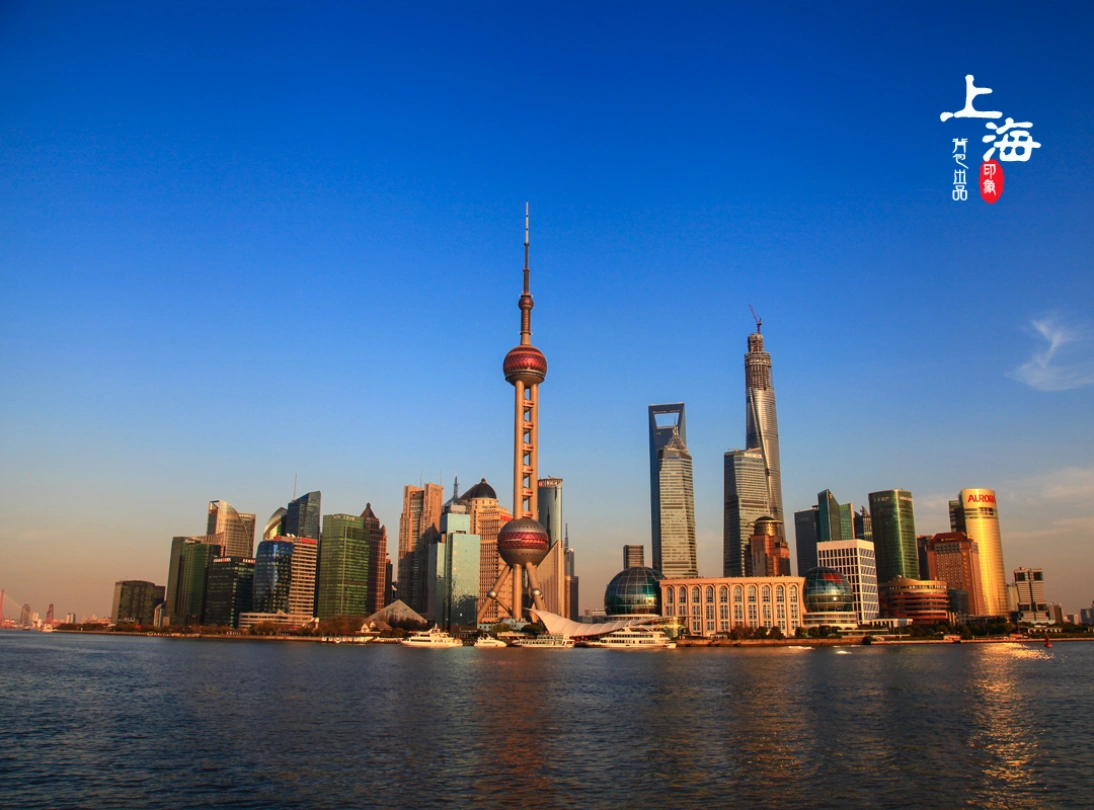
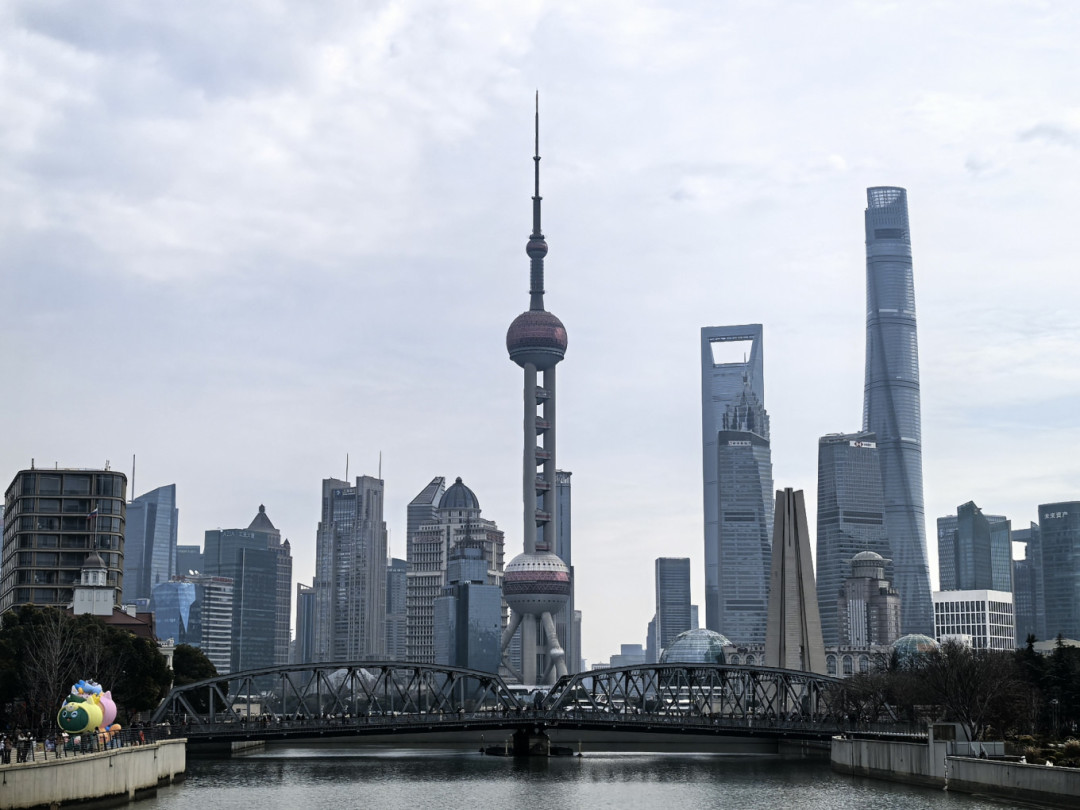
After a short afternoon rest and a full phone battery, we set out again. Our first stop was the Waibaidu Bridge (外白渡桥), a crossing that has weathered the late Qing Dynasty, the Republic, and the People’s Republic, still bearing heavy traffic today. Suzhou Creek meets the Huangpu River here, but the sluice gate was closed. We walked along the north bank of Suzhou Creek toward the west bank of the Huangpu River—on one side, the century-old buildings of Puxi; on the other, the skyscrapers of Pudong. Time and space intertwined.
The weather wasn’t great, but seagulls swooped and soared overhead. Someone sat under the bridge with a guitar, singing Hotel California. The melody drifted away on the wind, carrying a touch of wandering romance. Turning back onto Zhongshan East First Road, the World Architecture Cluster lived up to its reputation. Gothic spires, cloister domes, columns, red brick, marble carvings—I don’t know much about architecture, but standing there, I still felt profound awe and emotion.
The Peace Hotel (和平饭店) gained even greater fame after the broadcast of Blossoms (繁花). Located at the intersection of Nanjing East Road and Zhongshan East First Road, it was thronged with people. Exiting the Bund at the Yan'an East Road intersection, we passed the Gaodeng Financial Tower and the Shanghai Waldorf Astoria, both century-old buildings. Turning onto Sichuan Middle Road, we saw a long line outside Dahu Chun (大壶春), a famous local snack shop. At an intersection I’d previously overlooked, I even caught a glimpse of something reminiscent of George Town in Penang, Malaysia. Above, large red silk roses hung from a building; the Shamei Building (沙美大楼) stood quietly. Our hotel, the JI Hotel (全季酒店), was also a renovated old building—formerly the Shanghai YMCA (上海基督教青年会).
That day, I didn’t feel the "pressure" of the Magic City. Instead, I experienced the weight of a culture that blends Chinese and Western elements with deep history. I silently resolved to return on a less crowded day, step inside these buildings, study architectural aesthetics properly, stay overnight, and watch the lights shine.
Hangzhou Chapter: Slow Time and Everyday Warmth by West Lake
Leaving Shanghai, we drove to Hangzhou Spring Festival travel. Our first stop was, naturally, the Leifeng Pagoda (雷峰塔). Looking up from the base, the pagoda stands tall against the sky, a symbol of legend and love. The climb was steep, but the view from the top—overlooking West Lake and the distant city skyline—was worth every step. The lake was calm, the willow trees bare, and the air crisp. It was a perfect contrast to the bustling energy of Shanghai.
We spent the afternoon walking along the lake, stopping at a small teahouse for a cup of Longjing tea. The warmth of the tea and the quiet conversation with locals reminded me that the Spring Festival is not just about grand sights—it is about finding peace and connection in everyday moments. The slow rhythm of Hangzhou offered a gentle counterpoint to the historical intensity of Shanghai.
FAQ: Spring Festival Travel in Shanghai
1. Is Shanghai a good destination for Spring Festival travel?
 Yes. While many people travel home for the holiday, Shanghai offers a unique experience during Spring Festival. The city is less crowded than usual, and many attractions remain open. It is an excellent time for a cultural journey through history and everyday life.
2. What are the must-visit historical sites in Shanghai during Spring Festival?
 Key sites include the Sihang Warehouse for war history, the Bund for the World Architecture Cluster, and Suzhou Creek for a walk through century-old buildings and lilong neighborhoods. The Shanghai Postal Museum is also worth a visit.
3. Is self-driving recommended for a Spring Festival trip to Shanghai?
Yes, self-driving offers flexibility, especially if you plan to visit nearby cities like Hangzhou. Rental platforms like Yihai (一嗨) are reliable, and cars are often nearly new. However, be prepared for higher hotel prices during the holiday.
4. What is a good itinerary for a 3-day Spring Festival trip to Shanghai?
 Day 1: Arrive, pick up rental car, rest. Day 2: Morning at Sihang Warehouse, walk along Suzhou Creek, afternoon rest, evening at the Bund. Day 3: Drive to Hangzhou for West Lake and Leifeng Pagoda. Return to Shanghai for departure.
5. How can I experience local culture during Spring Festival in Shanghai?
 Engage in a Shanghai Citywalk through lilong neighborhoods, visit local snack shops like Dahu Chun, and explore the Postal Museum. The blend of Chinese and Western architecture along the Bund and Suzhou Creek offers a deep cultural immersion.
Conclusion: Your Spring Festival Journey Awaits
The Spring Festival in Shanghai is more than a holiday—it is a cultural journey through history and everyday life. From the bullet-riddled walls of the Sihang Warehouse to the serene waters of West Lake, every step reveals a story. Whether you are walking the Bund at dusk or sipping tea in Hangzhou, the freedom of travel offers a fulfillment that no banquet can match.
Ready to plan your own Shanghai Spring Festival adventure? Book your rental car early, pack your walking shoes, and immerse yourself in the rich tapestry of history, architecture, and everyday warmth. The Magic City is waiting.
Call to Action: Share your favorite Shanghai Spring Festival memory in the comments below. For more travel tips and itineraries, subscribe to our newsletter and never miss a story.
You may also like