August Journey Through Jiangnan: A Summer Road Trip Connecting Shanghai, Jiaxing, Hangzhou, and Wuxi
Meta Description: Discover an unforgettable August road trip through Jiangnan, linking Shanghai, Jiaxing, Hangzhou, and Wuxi. Explore ancient water towns, iconic landmarks, and family-friendly attractions in this comprehensive summer itinerary.
Introduction: When Life Writes Your Travel Plans
Sometimes, the most memorable journeys are the ones we never planned. What began as a simple summer vacation took an unexpected turn when our daughter's drum competition advanced to the national finals—suddenly, Shanghai was on the map. With plane tickets already purchased, we decided to make the most of the opportunity by exploring the surrounding regions. Thus, a spontaneous August road trip through Jiangnan was born, connecting Shanghai, Jiaxing, Hangzhou, and Wuxi in a whirlwind of culture, cuisine, and family adventure.
This Jiangnan road trip itinerary is designed for families, solo travelers, and culture enthusiasts alike. Whether you're planning a summer vacation in China or seeking hidden gems beyond the typical tourist trail, this guide offers practical tips and personal insights to help you craft your own unforgettable journey.
Shanghai: Competition, Culture, and City Strolling
National Drum Competition: A Child's Rite of Passage
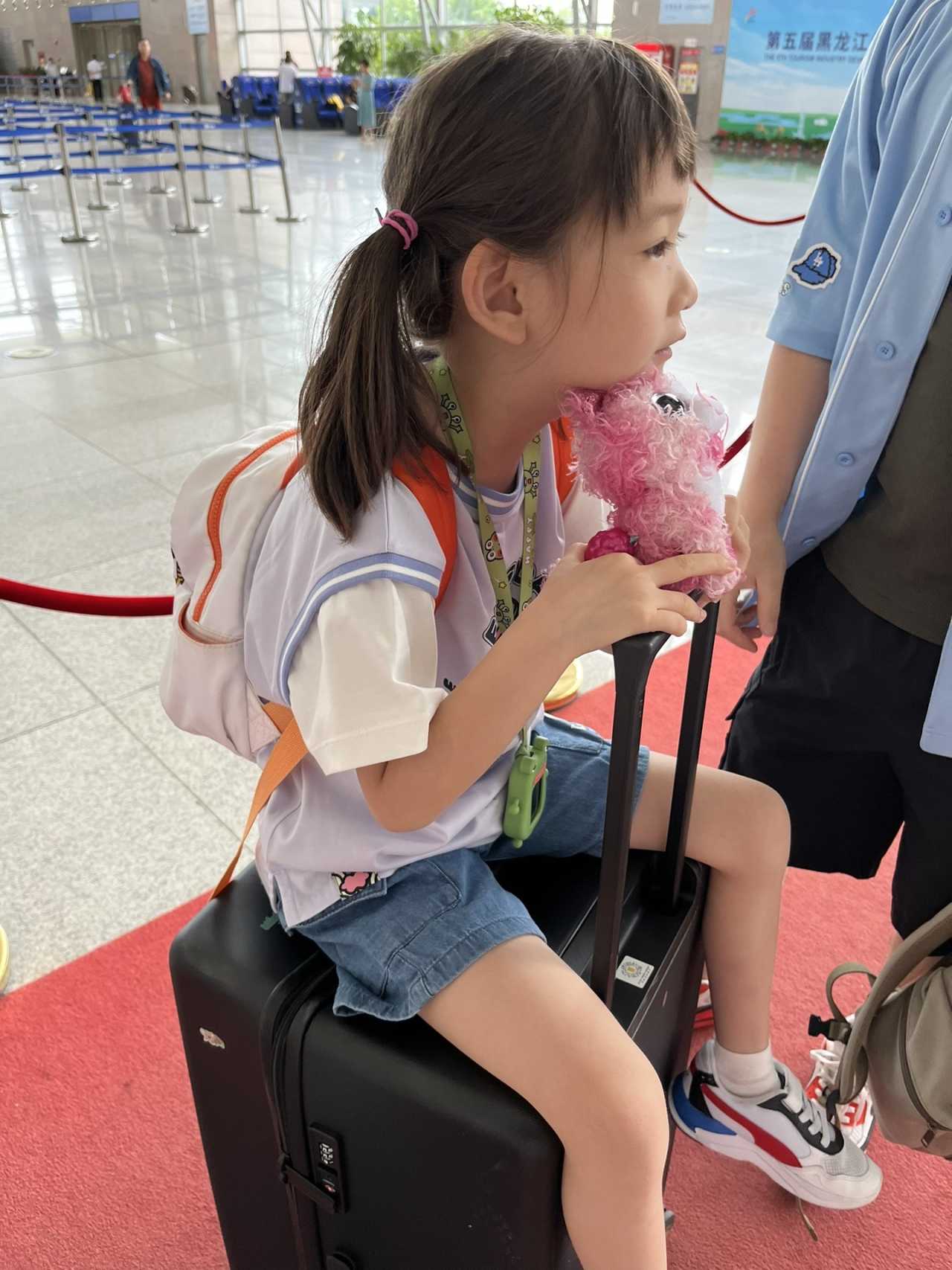
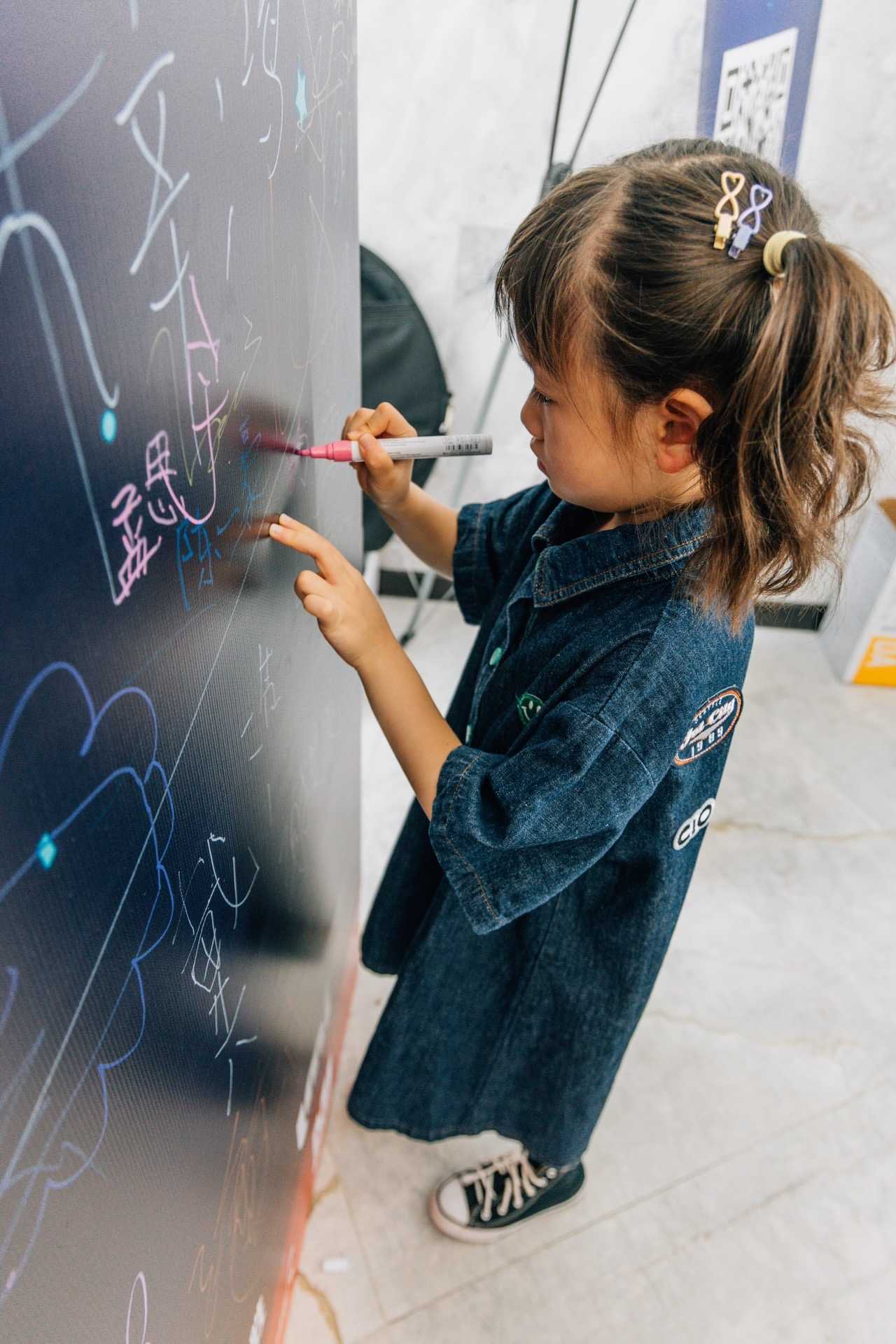
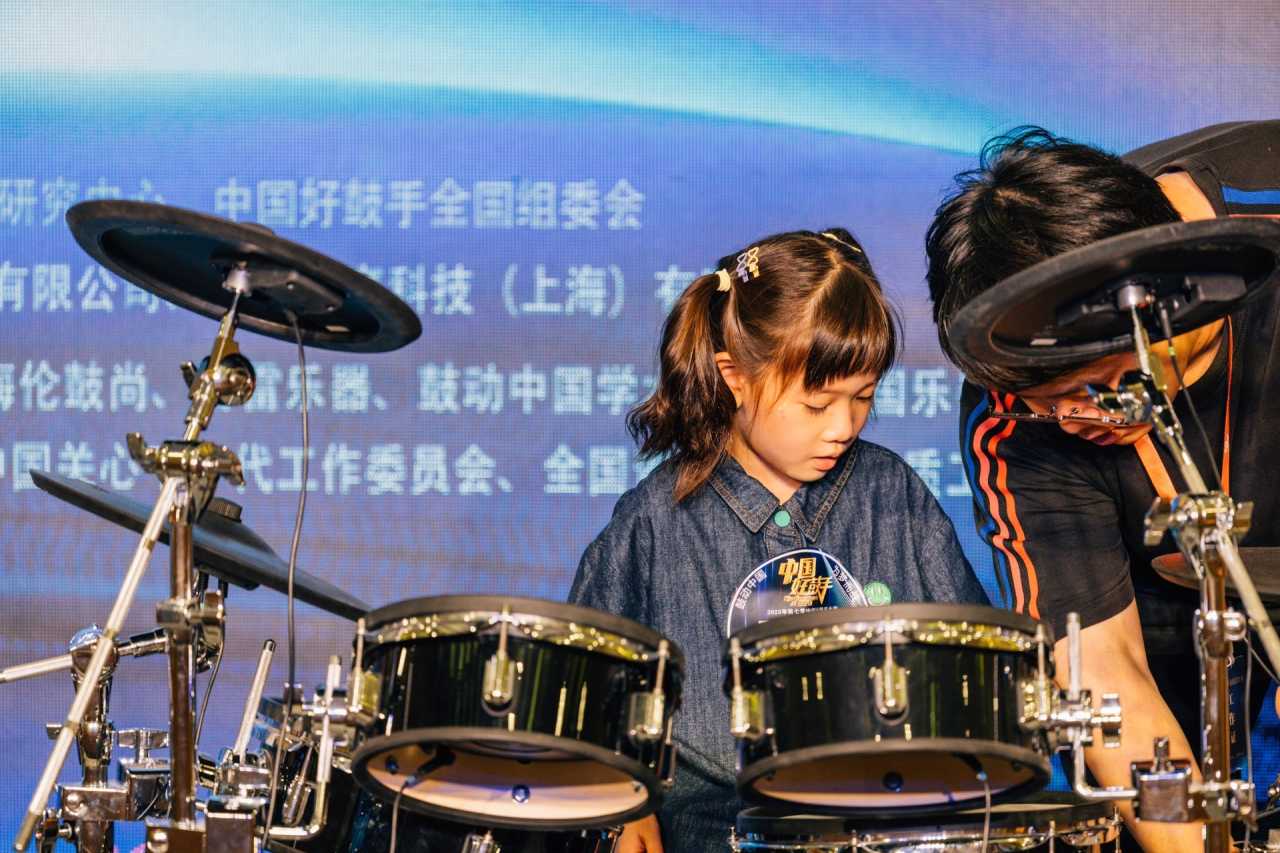
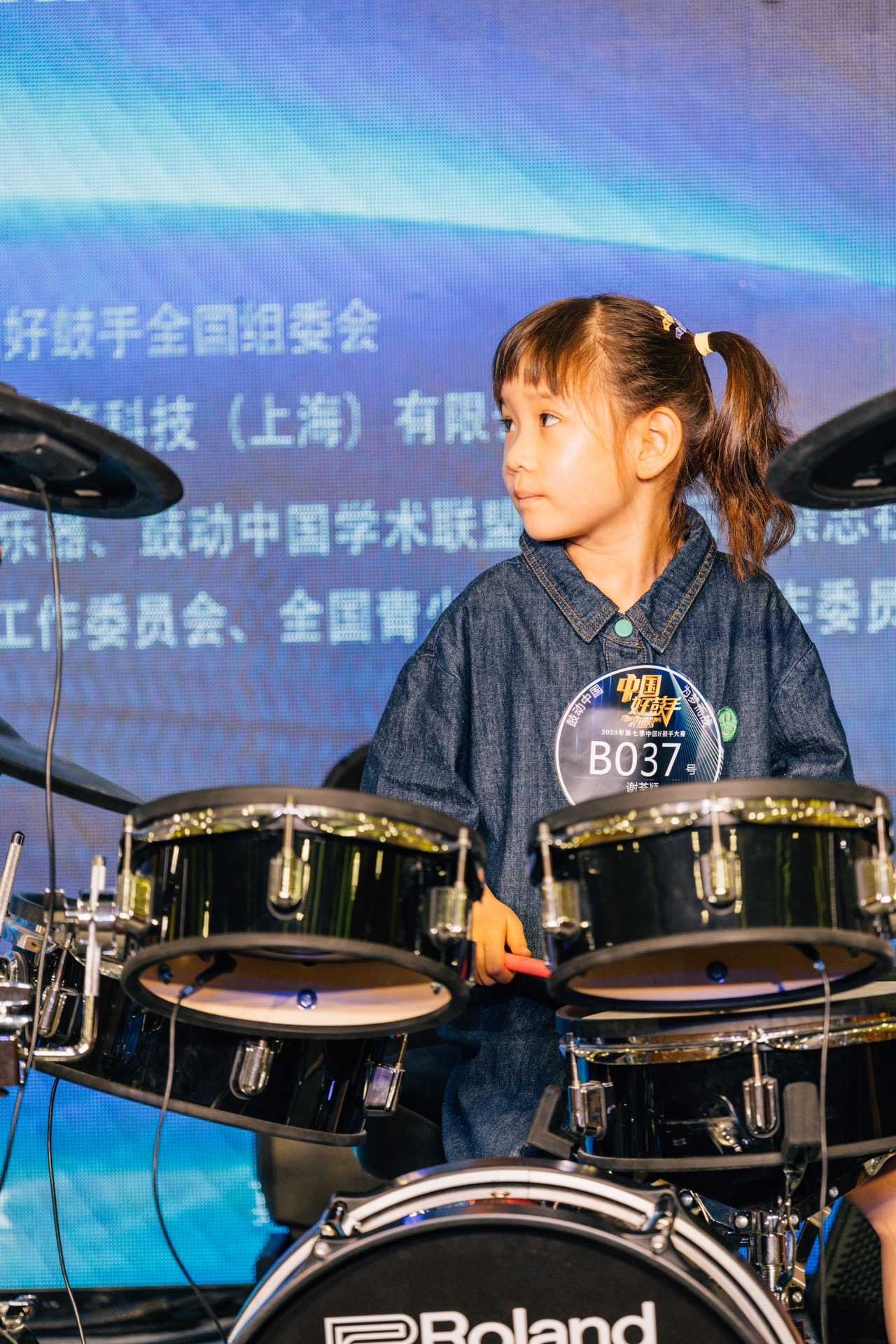
The competition took place in Shanghai's Minhang District. We arrived two days early—not only to ensure a relaxed schedule but also to familiarize ourselves with local transportation and the venue. For a child competing in her first national tournament, excitement far outweighed nervousness. From signing her name at the entrance to queuing for the arena, every step felt like a small rite of passage. By the time the competition ended, her passion for drumming had grown exponentially—a reward far greater than any trophy.
Jing'an Temple: An Unexpected Rainy Encounter
After the competition, I planned a day to explore Shanghai. But my body had other ideas—two days of IV drips at the hotel forced me to slow down. Once I recovered, I hurried to a few iconic spots. First stop: Jing'an Temple.
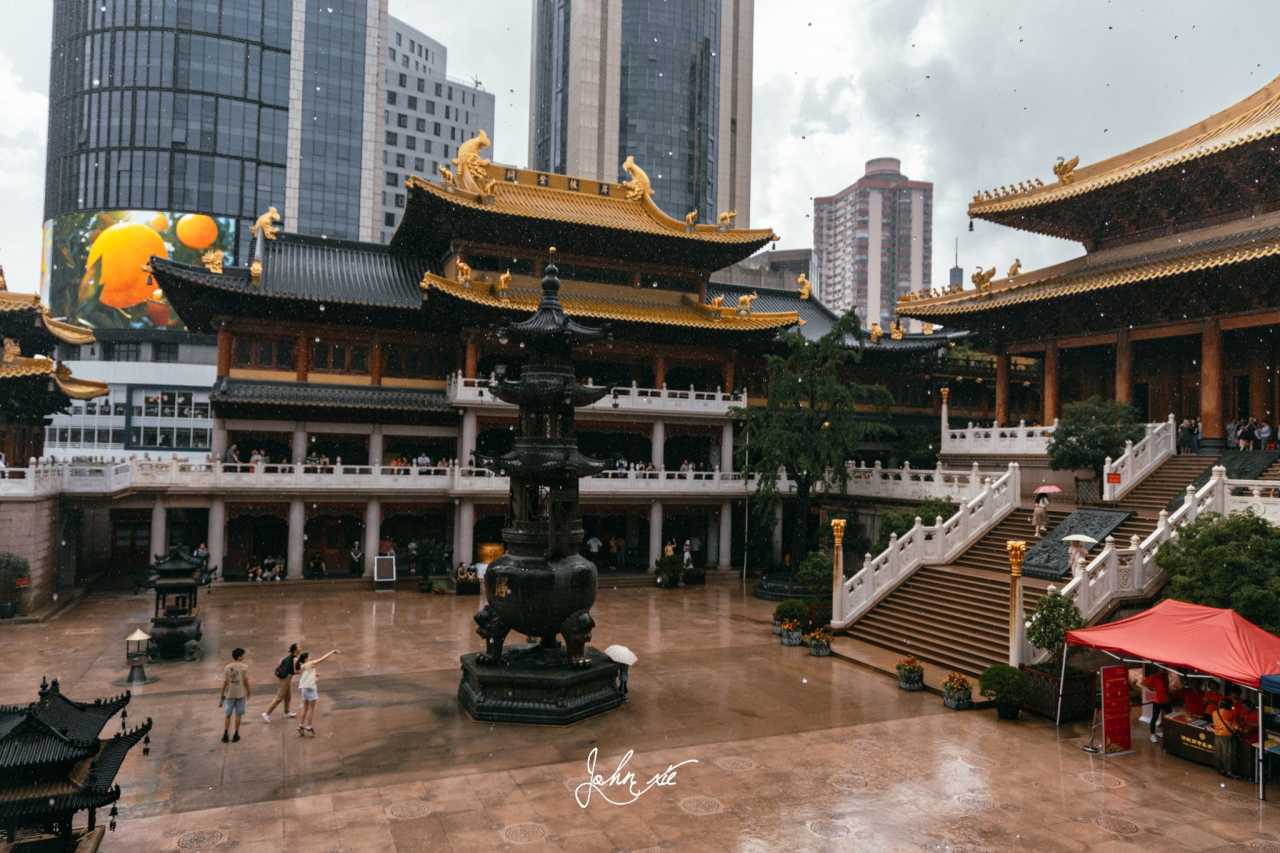
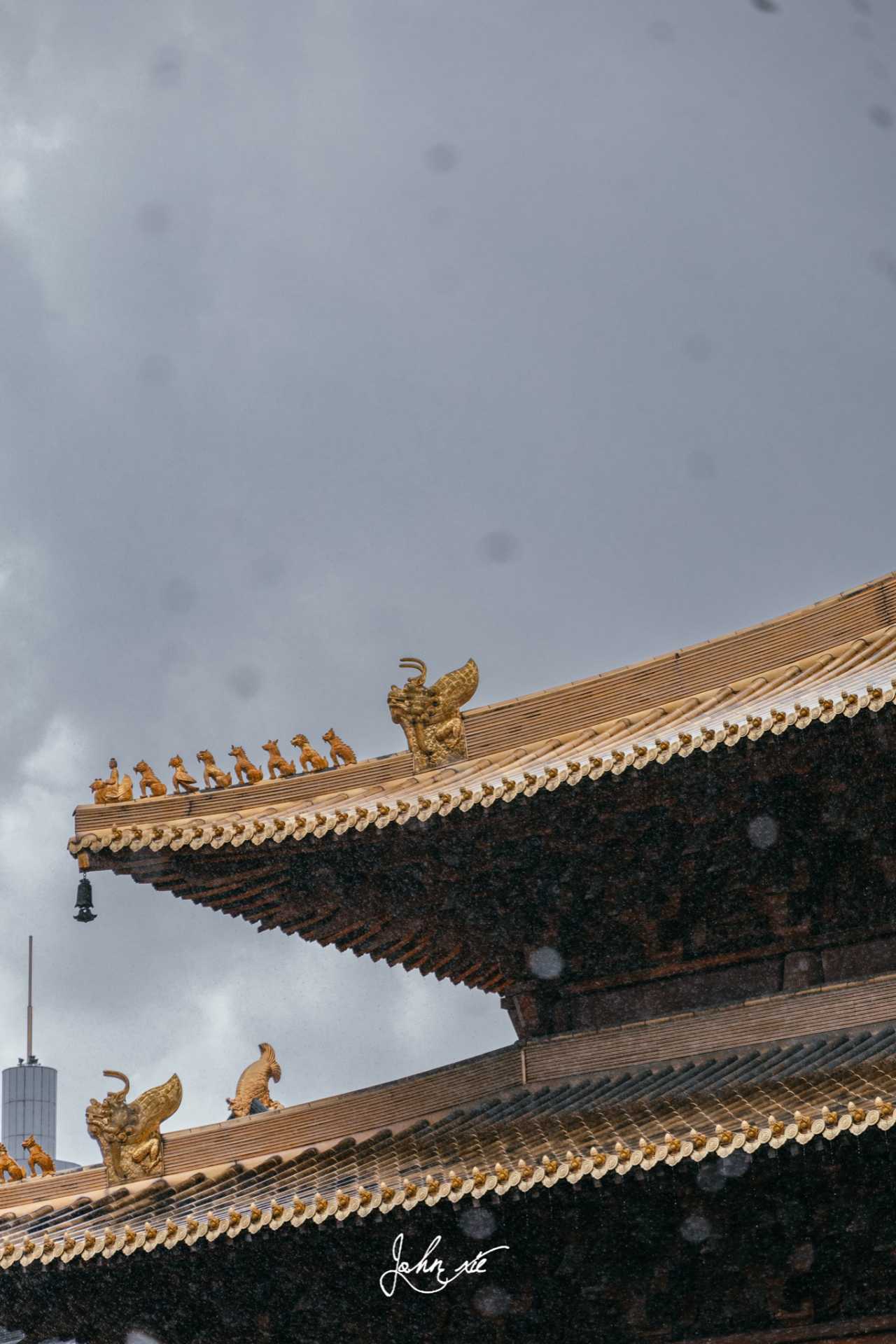
Jing'an Temple, also known as the Ancient Jing'an Temple, dates back to 247 AD during the Three Kingdoms period. Renamed Jing'an Temple in 1008 during the Song Dynasty, it was moved to its current location on West Nanjing Road in 1216—centuries before Shanghai itself was established. It remains the oldest temple in the city.
Rain poured down as we arrived, cascading off the eaves and creating a unique, meditative atmosphere. The temple's buildings follow a central axis—the mountain gate, bell and drum towers, the Grand Hall, and the Dharma Hall. Beneath the bell tower lies the "Sixth Spring Under Heaven"—the Yongquan Spring—while a 7.3-ton Peace Bell hangs above. The drum tower cleverly doubles as an entrance to the subway station.
Children, however, have little patience for ancient architecture, especially when trapped by rain. After thirty minutes, the rain eased, and we quickly glanced at the main hall before moving on.
Wukang Building: Photo Ops and Artisan Ice Cream
On our last day in Shanghai, still recovering from my hospital stay, I headed to Wukang Road. By noon, the intersection was packed with tourists taking photos—the crowd itself had become part of the scenery.
Wukang Building, originally named the Normandie Apartments, was built in 1924 as Shanghai's first gallery-style apartment building. Designed by Hungarian architect László Hudec, it features French Renaissance architecture, standing eight stories tall at over 30 meters. Today, popsicles, fridge magnets, and postcards shaped like the building are ubiquitous—it has become an iconic symbol of Shanghai.
My daughter was immediately drawn to "Cool Mine Handmade Ice Cream" (Kù Kuàng Shǒu Zuò Shuāng Bīng Qí Lín). The vintage tiles and photogenic ice cream naturally attracted women and children. Each scoop cost over 30 yuan, and according to my daughter—it tasted pretty good.
Coffee and Dinner: A Touch of Chic
Dinner was booked at "People's Hall" (Rén Hé Guǎn), a Michelin one-star restaurant specializing in Shanghai-style cuisine. Before it opened, we found a nearby café called "3½ Coffee" (Sān Yòu Èr Fēn Zhī Yī). The shop was tiny—its entrance was just a glass door, easy to miss. Inside, minimalist décor and warm evening sunlight created a cozy atmosphere. There were no seats, so we stood the entire time, but the staff was exceptionally attentive.
At People's Hall, we ordered crab roe rice, "shě dé" (a vegetable dish), old Shanghai-style tangerine chicken, fried prawns with oil, and crab roe shengjian buns. The food was delicious. As we left, the restaurant played Night Shanghai—the atmosphere was perfect.
The Bund: Crowds and Lights
After dinner, we headed to the Bund. During summer vacation, the crowds were so massive that traffic had to be controlled. A detour to the Pop Mart global flagship store became an unexpected stop—my daughter took photos with the Molly statue and bought a small box of "Molly Pellets," finally satisfied before heading to the Bund.
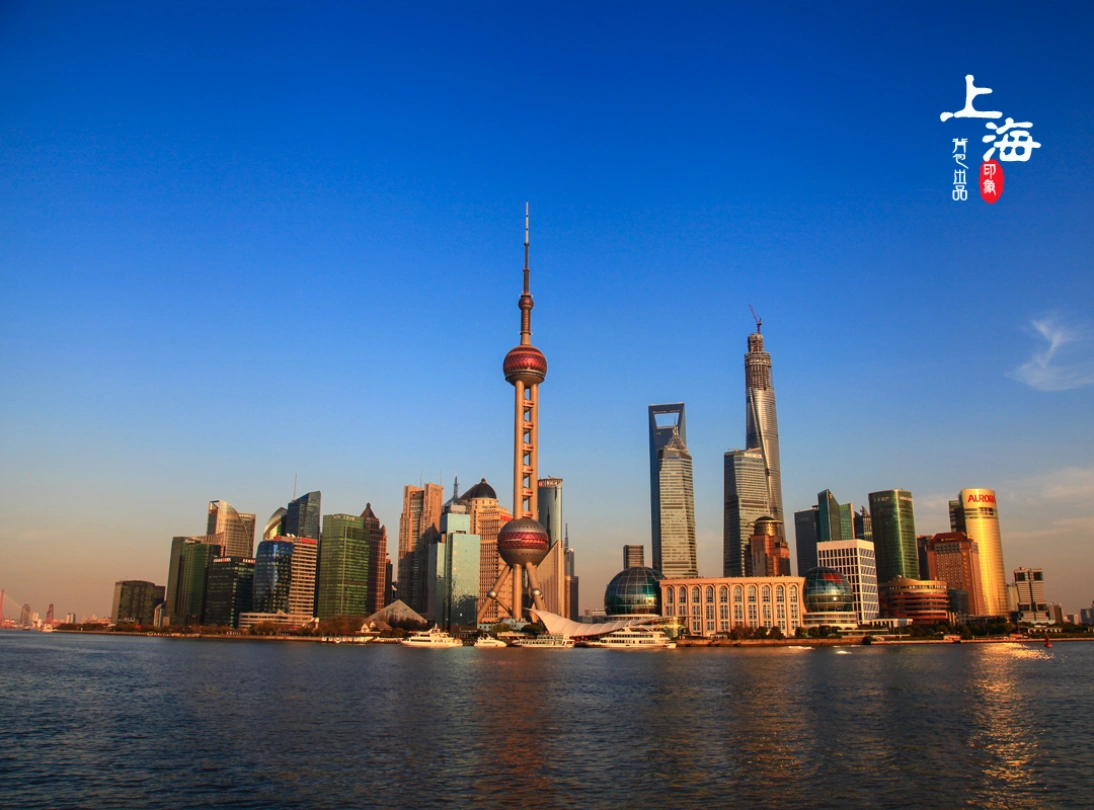
Standing on the Bund and looking toward Lujiazui, the Shanghai Tower, the Shanghai World Financial Center, and the Jin Mao Tower—the "Three-Piece Set"—shone brilliantly in the night. I recalled my mother taking me to the Oriental Pearl Tower when I was in middle school. Now, such formulaic sightseeing no longer excited me. However, the light and shadow show at the Pudong Art Museum did catch my interest—unfortunately, that would have to wait for another visit.

The clock tower of the Shanghai Customs House is Gothic in style, modeled after the clock of the British Parliament. It originally chimed Westminster Quarters but switched to The East Is Red in 2003. This building has witnessed a century of Shanghai's history.
Our last stop was the M&M's flagship store. My daughter filled her own bag with chocolate beans—the sound of beans clattering excited every child's nerves. We also got an M&M's ice cream—though you can buy it at convenience stores, wasn't it more fitting to enjoy it here?
[Link: Shanghai family-friendly attractions]
Jiaxing: A Dual Concerto of Water Towns
After renting a car in Shanghai, we hit the road without delay. Our first stop was Xitang Ancient Town, about 75 kilometers from Shanghai.
Xitang Ancient Town: Jiangnan in the Rain
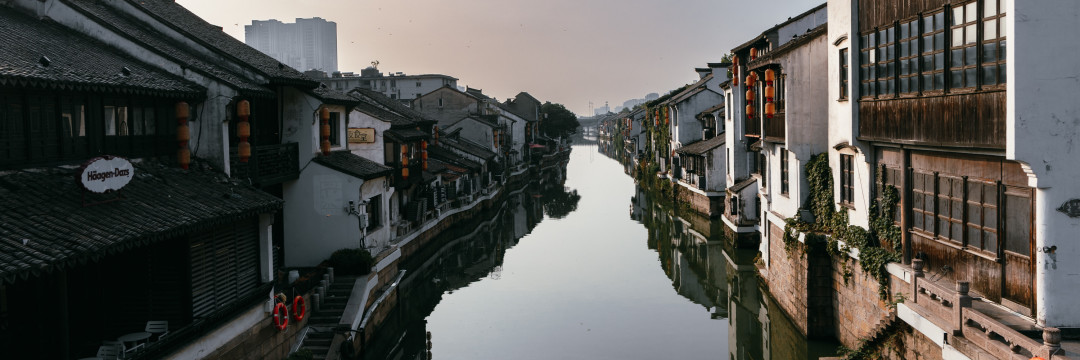
Xitang Ancient Town is located in Jiashan County, Jiaxing City, Zhejiang Province. It is a thousand-year-old water town of Wu culture and one of the six great ancient towns of Jiangnan. During the Spring and Autumn and Warring States periods, it was the borderland between the states of Wu and Yue, earning it the nickname "Root of Wu, Corner of Yue."
We arrived on the day of Qixi (Chinese Valentine's Day). Despite the bad weather, the scenic area was packed with people. At a photography studio called "One Tree Photography" (Yī Kē Shù Shè Yǐng) on Tawan Street, my daughter and I chose a Hani ethnic-style mother-daughter outfit—even though this was a Wu-Yue cultural area, the costume rental shops offered a diverse range of attire.
After changing, the rain still hadn't stopped. We visited the Huguo Suiliang Wang Temple, dedicated to the local deity "Lord Seven," a historical figure surnamed Jin who was the seventh child. Every year on the third day of the fourth lunar month, Xitang holds a temple fair where people parade and pray.
The "Yanyu Corridor" (Misty Rain Corridor) is a highlight of Xitang—a covered street with a brick-and-wood structure, 2 to 2.5 meters wide and 1,000 meters long. On rainy days, most visitors gather here, creating a lively atmosphere. We also stopped at Zui Garden, Songzi Laifeng Bridge, and Yongning Bridge. Standing on Yongning Bridge, you can unlock the same scene as Jay Chou's music video for Passerby at the End of the World.
Wuzhen: Water Town by Night
Leaving Xitang, we drove to Wuzhen and stayed overnight. Two ancient towns in one day—Xitang by day, Wuzhen by night.
Wuzhen, originally called Wudun, has a civilization history of over 7,000 years. Its well-preserved Ming and Qing dynasty architecture, stone bridges, and winding canals create a magical atmosphere after dark. We strolled along the illuminated waterways, watched traditional performances, and sampled local snacks. The night tour of Wuzhen is a must-do for any Jiangnan road trip.
[Link: Best water towns near Shanghai]
Hangzhou: West Lake and Tea Culture

From Jiaxing, we drove south to Hangzhou, a city synonymous with natural beauty and cultural heritage.
West Lake: A UNESCO World Heritage Site
West Lake is the crown jewel of Hangzhou. Surrounded by lush hills, ancient pagodas, and serene gardens, it has inspired poets and painters for centuries. We took a leisurely boat ride, visited the iconic Leifeng Pagoda, and walked along the Su Causeway. Despite the summer heat, the lake's beauty was undeniable.
Longjing Tea Village: A Taste of Tradition
No trip to Hangzhou is complete without experiencing its tea culture. We visited Longjing Tea Village, where we watched tea leaves being hand-roasted and sampled some of China's finest green tea. The village's terraced fields and traditional houses offered a peaceful escape from the city.
[Link: Hangzhou 2-day itinerary]
Wuxi: Taihu Lake and Ancient Gardens
Our final stop was Wuxi, a city on the shores of Taihu Lake.
Taihu Lake: China's Third Largest Freshwater Lake
Taihu Lake is famous for its scenic beauty and cultural significance. We visited the Yuantouzhu (Turtle Head Isle) peninsula, which offers stunning views of the lake and its surrounding hills. The area is also home to several temples and gardens.
Li Garden: A Classical Jiangnan Garden
Li Garden is a classic example of Jiangnan garden design, with winding paths, bridges, and pavilions. It was the perfect place to relax after days of driving and sightseeing.
[Link: Wuxi travel guide]
FAQ: Planning Your Jiangnan Road Trip
1. What is the best time to visit Jiangnan?
While spring (March-May) and autumn (September-November) offer the most pleasant weather, summer has its own charm—especially if you enjoy water towns and evening strolls. August can be hot and humid, but the crowds are manageable if you plan strategically.
2. How many days do I need for this road trip?
 A minimum of 5-7 days is recommended to cover Shanghai, Jiaxing, Hangzhou, and Wuxi without rushing. If you have more time, consider adding Suzhou or Nanjing to your itinerary.
3. Is it easy to drive in Jiangnan?
Yes, the highways are well-maintained and signposted in English. However, parking in ancient towns and city centers can be challenging. Consider renting a car with a driver or using a combination of trains and taxis.
4. What should I pack for a summer trip to Jiangnan?
 Lightweight clothing, comfortable walking shoes, sunscreen, an umbrella (for both rain and sun), and insect repellent. A reusable water bottle is also recommended.
5. Are these destinations family-friendly?
Absolutely! From the M&M's store in Shanghai to the boat rides in Xitang and Wuzhen, there are plenty of activities for children. Many attractions also offer family tickets and discounts.
Conclusion: Your Jiangnan Adventure Awaits
This August road trip through Jiangnan was a testament to the beauty of unplanned travel. From the bustling streets of Shanghai to the tranquil canals of Xitang and Wuzhen, from the cultural richness of Hangzhou to the scenic shores of Wuxi, every stop offered something unique.
Whether you're traveling with family, friends, or solo, this itinerary provides a perfect blend of history, culture, cuisine, and natural beauty. So pack your bags, hit the road, and discover the magic of Jiangnan for yourself.
Ready to plan your own Jiangnan road trip? Start by booking your flights to Shanghai, renting a car, and mapping out your stops. Don't forget to book accommodation in advance, especially during peak season. And most importantly—embrace the unexpected. Sometimes, the best memories are the ones you never planned.
[Link: Book your Jiangnan road trip today]
This article was originally inspired by a personal travel blog on Mafengwo. All factual details have been preserved and optimized for SEO.
You may also like