A Whim in the Long Years: My Rambling Journey Through Five Cities in Eastern China
Meta Description: Explore five iconic cities in Eastern China—Nanjing, Wuxi, Suzhou, Hangzhou, and Shanghai—in this personal travelogue. Discover hidden gems, local eats, and spontaneous adventures. Perfect for solo travelers and group trips.
Introduction: The Dream of Jiangnan Comes Alive
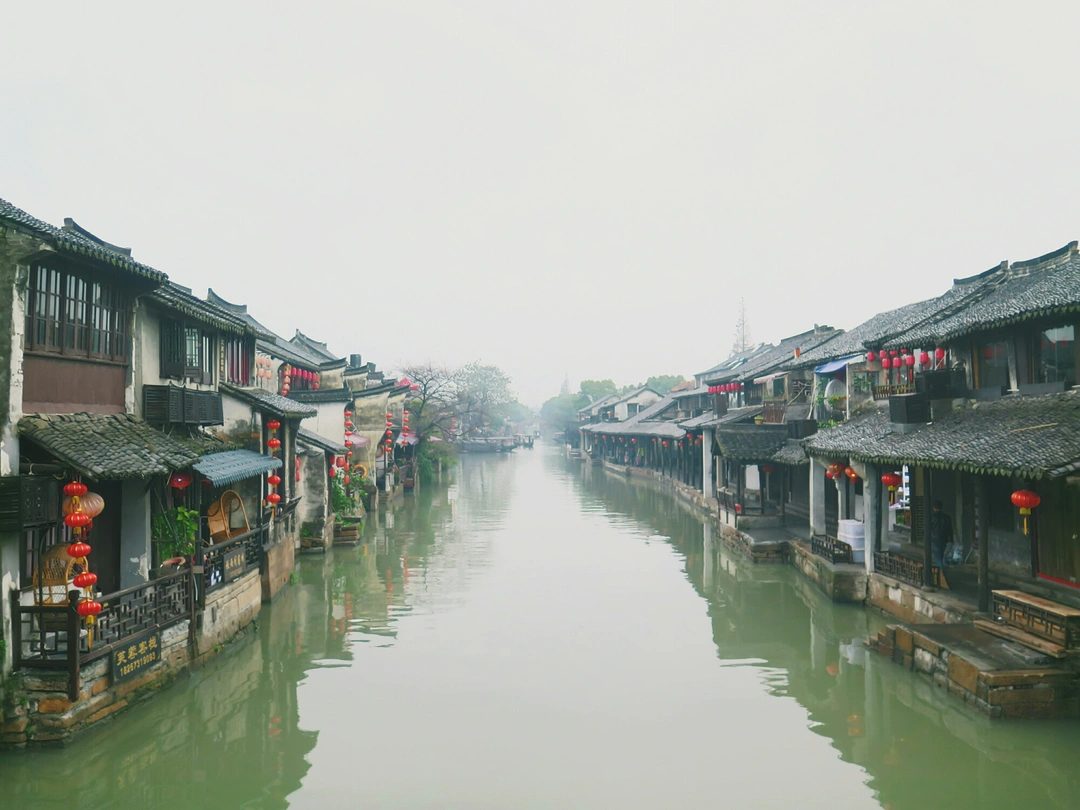
I had a wish—to one day, amidst the misty rains of Jiangnan (the region south of the Yangtze River), craft a dream for myself. Unhurried, undisturbed, and without disturbing anyone else.
That wish finally came true in the late autumn of 2016.
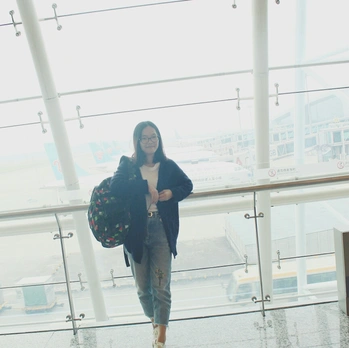
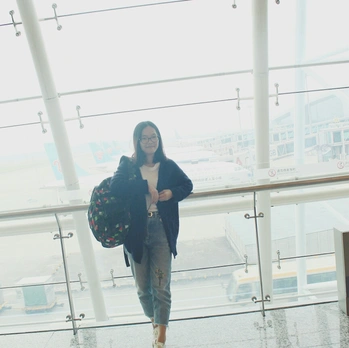
I'm the kind of girl whose eyes light up at the mention of travel. My camera is my third eye, and Jiangnan had long been the canvas of my heart. This time, I rounded up a few friends and set off north from Guangzhou. Over five days, we crossed off names like Nanjing, Wuxi, Suzhou, Hangzhou, and Shanghai—one by one from the map.
Call it a trip, but it felt more like a willful escape. No perfect plan, no meticulous itinerary—just a burning passion and a heart eager to see the world.
Nanjing Travel Guide: First Glimpse of the Ancient Capital

Departing at Dawn, Flying to the Six Dynasties Capital
On the evening of November 11th, I rushed from my hometown to Guangzhou. The taxi drivers there seemed to be having a bad day—I was turned away several times for various reasons. Finally, in the early hours, I met up with my friends. After a few hours of restless sleep, we hailed a ride-sharing car to Baiyun Airport just after 4 a.m.

Our flight was at 7:50 a.m., destination: Nanjing.
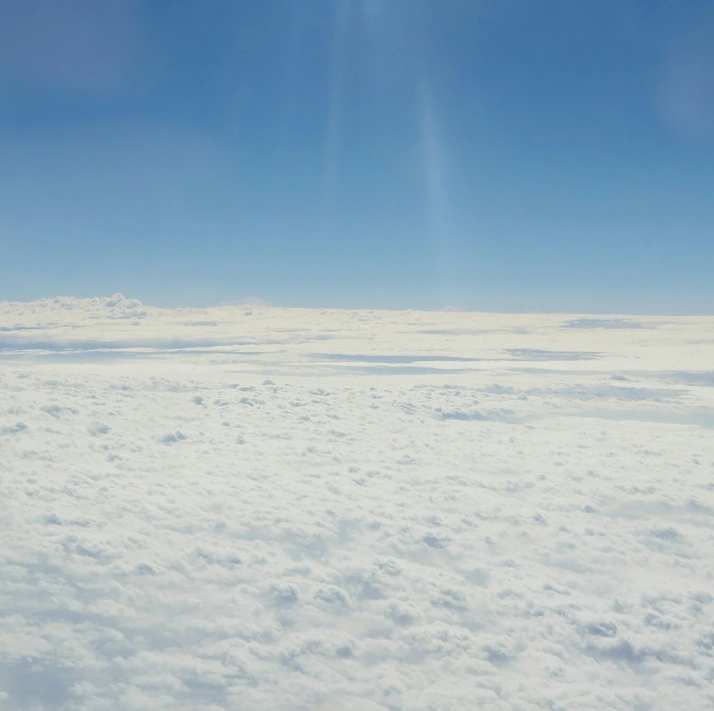
As the plane cut through the clouds, the sky outside was blindingly white, like snow. The in-flight meal was adorable, and the flight attendant's smile was sweet. But my heart was in my throat until we landed—only then did I breathe easy.
From Lukou Airport, we took the metro to Confucius Temple (Fuzi Miao)—about an hour. Near the metro exit, we found a bustling shop and ordered a bowl of duck blood vermicelli soup (yaxue fensi tang). It's Nanjing's signature dish, sold on every street corner. But which one's good? Just follow the crowd—wherever the line is longest, that's your spot.
Confucius Temple: First Stop for Eating and Strolling
After settling into our hotel, we couldn't wait to hit Confucius Temple. Stinky tofu (chou doufu), osmanthus cakes (guihua gao), little duck-shaped pastries... Whatever my camera couldn't capture, my stomach happily did.
At the temple entrance, we took our first "four out of five" group photo—because someone always had to hold the camera. Before the stone statue of Confucius, I looked up with reverence, silently reciting the ancient saying: "When three walk together, there is always a teacher among us."
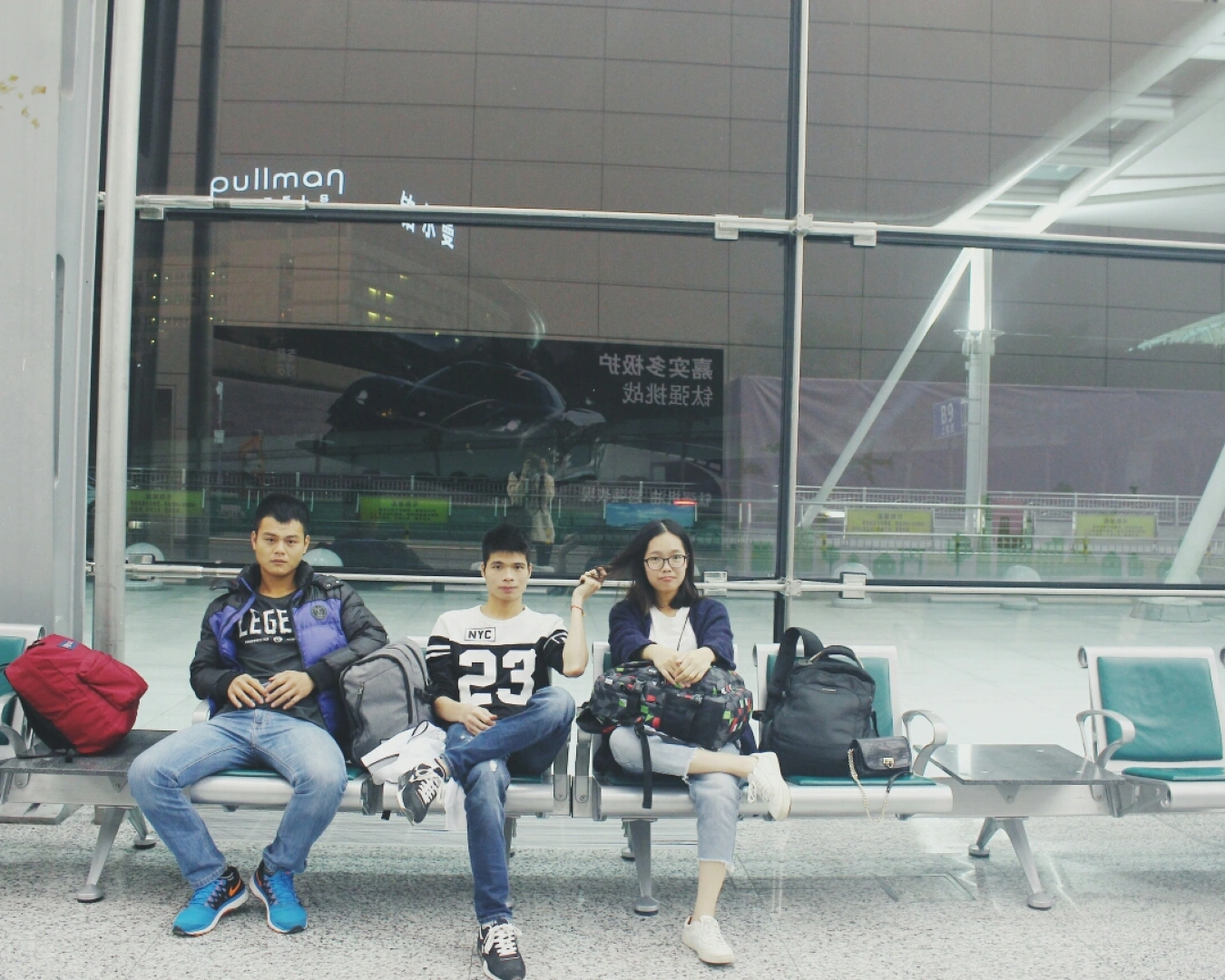
In one corner of the temple grounds, there were stools shaped like chess pieces. Tourists sat on them for photos, looking hilarious. We set our camera on the ground and snapped a selfie—the five of us, grinning from ear to ear.
By the Qinhuai River dock, people were boarding sightseeing boats. As the sun set, lights flickered on along the riverbank. A shop by the dock sold incredible stinky tofu and spiced dried tofu (xianggan). The line was long, but we tried some—and it lived up to the hype.
That night by the Qinhuai River, the temperature dropped. It was chilly. We sat by the water for a while, then headed to a hotpot restaurant. The hotpot was so delicious that I ate with total abandon—and forgot to take a single photo. It's the only food regret I still carry.
[Link: Best hotpot restaurants in Nanjing]
Wuxi Travel Tips: An Accidental "Missed Stop" Adventure
The Awe of Sun Yat-sen Mausoleum and the Leisurely Xuanwu Lake
The next morning, we grabbed breakfast at a little bun stall across from our hotel. Nanjing's sycamore trees—I saw them up close for the first time. Golden leaves carpeted the ground. We joked about scooping up a pile to give to friends back home.
We took a bus to the Memorial Hall of the Victims in the Nanjing Massacre. The first thing we saw was a bronze statue that told a story too painful to revisit. As Chinese people, everyone knows this wound. Every exhibit in the hall was striking, but the installation titled "One Life Every 12 Seconds" hit hardest—it brought tears to our eyes.
As singer Xue Zhiqian once said: "My wish is world peace."
Leaving the memorial, we headed to Sun Yat-sen Mausoleum. Over 300 steps. From the bottom looking up, they seemed endless. From the top looking down, the steps disappeared—just a flat expanse. We climbed, panting, and reached the summit. True enough: the higher you stand, the farther you see.
Xuanwu Lake was right near Nanjing Station, so we took a detour. The lake was vast. We rented a pedal boat and drifted lazily for an hour. Little ducks bobbed in the water. Distant houses dotted the shore. It was peaceful and beautiful.
Missing Our Train Stop—For the First Time in My Life
After the boat ride, we debated: stick to the plan and go to Wuxi, or skip straight to Suzhou? No one was particularly excited about Wuxi. We'd planned to visit the Lingshan Giant Buddha, but a fire had broken out there a few days earlier, so that plan was scrapped.
After much back-and-forth, we decided to go anyway—to see "Yuantouzhu" (Turtle Head Isle), a place whose name none of us could pronounce correctly.
We bought tickets at the station, grabbed a meal at Yonghe Soy Milk (which turned out to be affordable), and boarded the train. I slept; they played cards. The train stopped once, but no one announced the station name. My phone showed "Wuxi East"—I figured the next stop would be ours. But the train started moving again. And kept moving. I asked the conductor: "Next stop is Suzhou."
Oh no—we'd missed our stop!
It was already past 9 p.m. We got off in Suzhou, checked 12306 (China's train booking app), and found there was a return train. I sprinted with my entire backpack, too impatient for the escalator—I ran up the stairs instead. After a maze of corridors, I found the ticket counter. We got our tickets, just barely.
Looking back, that's the beauty of travel—you never know what's coming next. You just accept it and figure it out.
Yuantouzhu: A New Chapter with a Rental Car
We arrived in Wuxi late at night. The area was eerily quiet. As we crossed a footbridge, the lights flickered off—like the city was mocking us. We walked nearly a kilometer before reaching the Jinjiang Inn, a cozy budget hotel.
At the front desk, we asked about nearby food. That's when we discovered a gem: the 1912 Bar Street. It was a stark contrast to the surrounding desolation—vibrant and lively. We found a place serving pork belly hotpot (zhudu bao)—incredible. Still, no photos.

The next morning, a friend drove back in a rental car. We'd decided to switch gears and drive ourselves. The sudden shift threw off all our carefully planned routes. I felt conflicted, but also excited.
Yuantouzhu was enormous. We bought tickets from a scalper for 95 yuan. We took a boat, hiked a hill, gazed at the lake, snapped photos—the five of us had a blast. I loved the photos of bare branches; it was hard to imagine them bursting with blossoms in spring. The park was so huge that we barely covered a tenth of it before leaving.
Maybe that's what happens when you have a car—you get spoiled.
[Link: How to rent a car in China for road trips]
Tongli Water Town: First Taste of an Ancient Water Town
We drove from Wuxi to Tongli, heading straight for the ancient town. Everything felt fresh and exciting.
We had dinner at a grilled fish restaurant. In Jiangnan at this time of year, the sky was pitch black by 5 p.m., giving me the strange feeling that I'd be staying up late again. After dinner, we found a nearby guesthouse. The owners kept so many dogs that I—terrified of canines—nearly fainted from their enthusiastic welcome.

After settling in, we went for a walk. We bought a selfie stick and took a less-than-perfect group photo. Then we stumbled upon a unique bookstore—one I'd seen in travel guides but hadn't actively searched for. The staff let me take photos, and I clicked away, feeling free and happy.
At night, Tongli was dimly lit—almost spooky, like something out of an old zombie movie. We passed many inns, all housed in well-preserved Ming and Qing dynasty buildings. The silence was broken only by the occasional bark or the creak of a wooden bridge.
[Link: Best ancient water towns near Shanghai]
Suzhou and Hangzhou: The Heart of Jiangnan
From Tongli, we drove to Suzhou. The city is famous for its classical gardens, but we only had time for a quick stop at the Humble Administrator's Garden. The rockeries, ponds, and pavilions were breathtaking—a perfect example of Chinese garden design.
Then we drove to Hangzhou. West Lake was our main destination. We rented a boat and floated on the lake, watching the sun set behind the Leifeng Pagoda. The scene was so tranquil that I almost forgot we were in a bustling city.
[Link: Top things to do in Suzhou and Hangzhou]
Shanghai: The Grand Finale
Our last stop was Shanghai. The contrast with the ancient towns was stark. Skyscrapers, neon lights, and endless crowds. We visited the Bund, took the elevator to the top of the Oriental Pearl Tower, and ate xiaolongbao (soup dumplings) at a famous local restaurant.

The city was alive, pulsing with energy. But after days of wandering through quiet temples and misty lakes, Shanghai felt almost overwhelming.
[Link: Shanghai travel itinerary for first-timers]
FAQ: Your Questions About Eastern China Travel
Q: What is the best time to visit Eastern China for a Jiangnan trip? A: Late autumn (October-November) offers mild weather, fewer crowds, and stunning fall foliage. Spring (March-April) is also beautiful but more crowded.
Q: How many days do you need to visit Nanjing, Wuxi, Suzhou, Hangzhou, and Shanghai? A: A minimum of 5-7 days is recommended. Our 5-day trip was rushed; 7 days would allow for a more relaxed pace.
Q: Is it easy to travel between these cities by train? A: Yes, China's high-speed rail network is excellent. Trains between these cities are frequent and fast (1-2 hours between most).
Q: What local foods should I try in Nanjing? A: Must-tries include duck blood vermicelli soup (yaxue fensi tang), stinky tofu (chou doufu), and osmanthus cakes (guihua gao).
Q: Are ancient water towns like Tongli worth visiting? A: Absolutely. They offer a glimpse into traditional Chinese life and are perfect for photography, relaxation, and escaping the city crowds.
Conclusion: The Beauty of Spontaneous Travel
Looking back, this trip taught me something valuable: the best journeys are often the ones you don't plan. The missed train stop, the sudden rental car, the unexpected bookstore in Tongli—these moments made the trip unforgettable.
If you're dreaming of Jiangnan, don't wait for the perfect plan. Just go. Let the misty rains, the sycamore trees, and the ancient stone bridges write your story.
Ready to plan your own Eastern China adventure? Start by booking your flights to Nanjing or Shanghai, and let the whims of travel guide you.
[Link: Book your Eastern China trip now]
Have you visited Eastern China? Share your favorite memory in the comments below!
You may also like