A Private Elopement with Freedom: 45 Days Solo Travel in China – Finding Myself in Landscapes and History
Meta Description: Discover how one traveler spent 45 days solo in Chengdu, Lijiang, and Lugu Lake for just $1,700. A personal journey of self-discovery through China's landscapes, history, and slow living culture.
Have you ever had one of those moments? Sitting in your cubicle, sunlight streaming perfectly outside the window, while you feel nailed to your chair, repeating the same routine day after day. Your exterior hasn't aged, but inside, your soul has turned into a barren desert. On March 8, 2019, I decided to stop waiting — one person, one backpack, a spontaneous "pilgrimage" journey began.
This wasn't a brief escape. It was a deep conversation with myself. Forty-five days, three phases — from the lively street life of Chengdu to the snow-capped mountains of Lijiang, and then to the tranquil shores of Lugu Lake. I spent 12,000 yuan (approximately $1,700 USD), visited three cities, met countless strangers, and got to know myself again. Some people say traveling alone is too lonely. I think loneliness is the best companion — it quiets you down, lets you listen to the wind, feel the breath of history, and encounter souls you would otherwise have passed by.
Phase One: Solo Travel in Chengdu – Echoes of History in Slow Living
Kuanzhai Alley: Whispers of Time Among Blue Bricks and Black Tiles
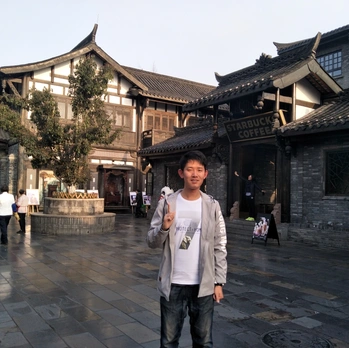
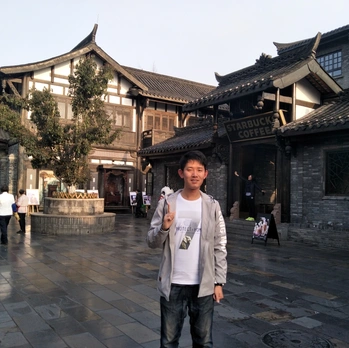
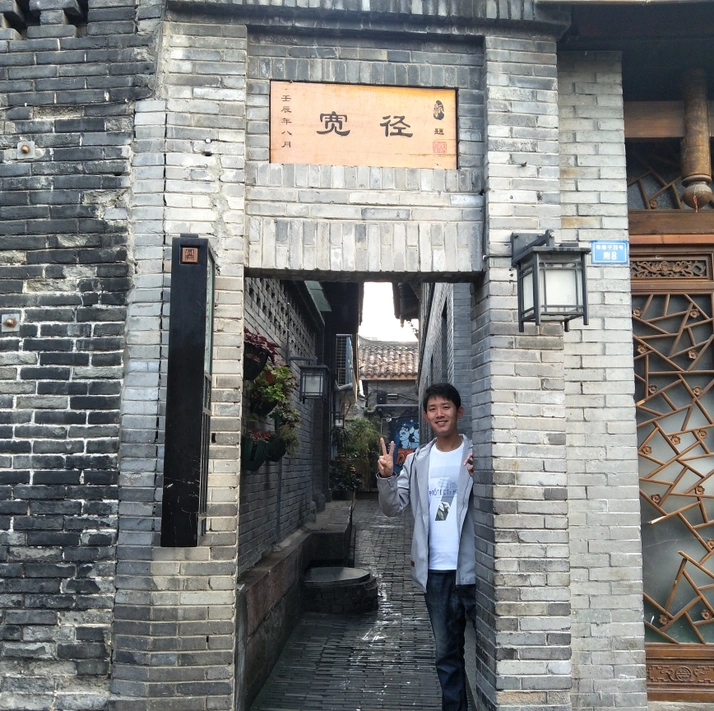
At 8:20 PM on March 8, my plane landed at Chengdu Shuangliu International Airport. I took a taxi to the city center and checked into a 7 Days Inn. The next morning at 6:30, like an impatient child, I jumped on bus number 13 and headed straight for Kuanzhai Alley.

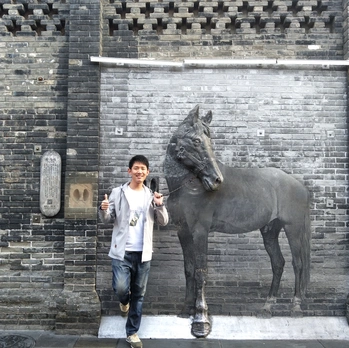
In the early morning, Kuanzhai Alley hadn't fully woken up yet. Tourists were sparse, and most food stalls were empty. As I looked around, a local woman struck up a conversation: "Welcome to Chengdu!" She enthusiastically told me the story of Kuanzhai Alley — the Wide Alley, the Narrow Alley, and the Well Alley, three parallel rows of traditional courtyard houses with blue bricks and black tiles. These are ancient Qing Dynasty streets preserved in Chengdu, listed alongside Daci Temple and Wenshu Monastery as one of the three major historical and cultural city preservation areas.
The woman was a native Chengdu native, and her tone carried a hint of regret: "Now it's too commercial. It's lost its original charm." I strongly agreed — so many famous scenic spots have been overdeveloped, turning them into shopping malls that all look the same, just with different backdrops.
After chatting for less than 20 minutes, my stomach started protesting. I ducked into a small shop and ordered a bowl of hongyou chaoshou (spicy wontons in chili oil), and bought a laoma tupao (braised rabbit head, a Chengdu specialty). The rabbit head didn't have much meat, but it was crispy and delicious to gnaw on. People in Chengdu love spicy food because the basin region is humid, and chili helps dispel dampness. I usually can't handle much spice, but Sichuan's mala (numbing and spicy) flavor is just right — addictive. I also had a niurou guokui (beef-filled baked flatbread) for five yuan (about $0.70 USD), crispy and fragrant, which saved me from needing lunch.
Pro tip: For an authentic Chengdu food experience, arrive at Kuanzhai Alley before 9 AM to avoid crowds and enjoy the quiet morning atmosphere. [Link: Best time to visit Chengdu attractions]
Ear Cleaning and Sichuan Opera Face-Changing: Chengdu's Philosophy of Slow Living
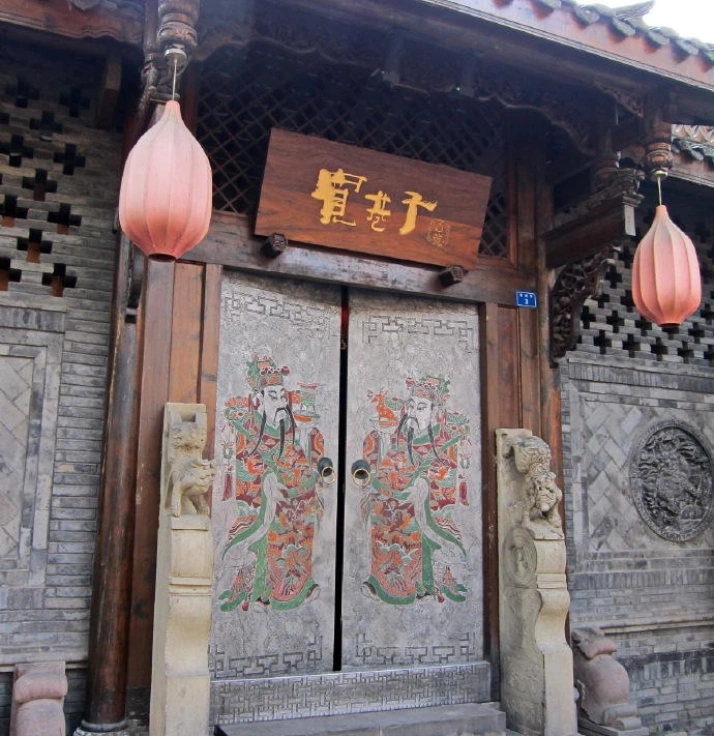
Walking through Kuanzhai Alley, you see "ear cleaning" stalls everywhere. This isn't just a service; it's a unique part of Chengdu's culture — a way for locals to enjoy life and slow down. In teahouses and parks, people drink tea, play chess, play mahjong, and soak up the sun. Chengdu's slow living is a comfort etched into the bones of its people.
I stumbled upon a Sichuan opera face-changing performance in the alley. Although I didn't go inside to drink tea and watch closely, those instantly shifting masks gave me a whole new perspective on the city. Face-changing is a special technique used in Sichuan opera to reveal characters' inner emotions — an artistic treasure passed down through generations of performers.
People's Park and the Panda Climbing Building: A Collision of Leisure and Trendiness
From Kuanzhai Alley, I took bus 43 and arrived at People's Park in just a few minutes. This place is the epitome of Chengdu's slow living — people sit on bamboo chairs, drinking tea, chatting, and playing chess, as if time itself has slowed down. Chengdu is truly a city steeped in tea.
Next, I took Metro Line 2 for two stops to Chunxi Road to see the viral attraction "Panda Climbing Building." On the exterior wall of the IFS International Financial Center, a giant panda is "climbing" to the rooftop, looking adorable and playful. I took the elevator to the 7th floor, which is a rooftop garden with coffee shops, restaurants, and art exhibitions — trendy and international. This panda, designed by renowned artist Lawrence Argent, has become a new landmark of Chengdu.
Jinli Ancient Street: Ancient Charm Amid the Crowds and Food
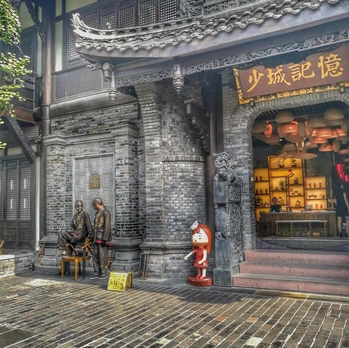
From Chunxi Road, I took Metro Line 3 to Gaoshengqiao Station and walked 1.2 kilometers to Jinli. Legend has it that Jinli is one of the oldest and most commercially vibrant streets in Western Shu history, famous as early as the Qin-Han and Three Kingdoms periods. But today, Jinli is packed with tourists in a "people mountain people sea" mode, heavily commercialized. I wandered for two hours, bought a boluo fan (pineapple rice), sweet and tangy, and tried langya tudou (wolf-tooth potatoes, a spicy street snack), asking for less chili — still delicious. I took a photo at the entrance and headed back to the hotel.
Panda Poop Cleaner: Up Close with the National Treasure
The next day, I went to the Wolong Giant Panda Base. As a die-hard fan of the "national treasure," I signed up for the Panda Poop Cleaner program — experiencing a day as a panda keeper. There are several panda bases in Chengdu, like the Chengdu Research Base of Giant Panda Breeding, Yaan Bifengxia, and Dujiangyan Base, but I chose Wolong because it's less crowded, has a better natural environment, fresh air, and is more suitable for giant pandas.
Wolong Base is far from the city center, near Genda Town, about a 1.5-hour drive. After arriving, the staff showed us the pandas' living environment and guided us in cleaning enclosures, clearing bamboo, washing away feces, and feeding them. My group included a father and son from the United States — the dad had brought his three kids to Sichuan. Seeing foreigners also working as panda poop cleaners, I couldn't help but think: giant pandas are so cute they're deadly!
When I fed a panda a carrot, it looked at me obediently and even posed for the camera. A panda's main diet is bamboo, and keepers add apples, carrots, and cornbread as treats. After a full day, I realized how tough it is to be a panda keeper — but the joy of being up close with the national treasure is something I'll never forget.
Practical Tip: If you want to experience being a panda poop cleaner, search for "Panda Poop Cleaner" on travel apps like Mafengwo. However, the program at Wolong Base has been discontinued; you can only sign up at Dujiangyan now. [Link: How to book panda keeper experience in China]
Phase Two: Lijiang Solo Travel – Naxi Flavor Beneath the Snow Mountains
Tea Horse Road and Lashihai Lake: Horseback Riding, Tea Tasting, and Wetlands
I flew from Chengdu to Lijiang, arriving at 9 PM. I booked a local all-inclusive tour: 1,980 yuan (about $280 USD) for seven days and six nights, staying in a four-star hotel, including tickets and meals, with the last day free. Since I was traveling alone, I paid extra for the single room supplement; two or more people would save a few hundred yuan.
The next day, we went to the Tea Horse Road at Lashihai for horseback riding. Honestly, the whole hour-long ride was unremarkable, except for the smell of horse manure. After dismounting, a scenic shuttle took us to a tea-tasting spot. A Naxi girl explained Yunnan's tea culture while we sampled free tea. I didn't buy any — I don't drink it often. Then we went to Lashihai Wetland Park, the first nature reserve in Yunnan named after "wetlands." "Lashihai" in the Naxi language means "new barren dam." The park's scenery was stunning — wetlands, wildflowers, and distant snow-capped mountains.
Insider tip: While the all-inclusive tour is convenient for solo travelers, consider hiring a private guide for more flexibility at Lashihai. [Link: Lijiang solo travel tips]
Jade Dragon Snow Mountain: Awe-Inspiring Heights
The next day, we visited Jade Dragon Snow Mountain. At 5,596 meters (18,360 feet), it's the southernmost glacier in the Northern Hemisphere. We took the cable car to 4,506 meters, where the air was thin and the views were breathtaking. The mountain's 13 peaks stretch like a dragon's spine, and the Naxi people consider it a sacred mountain. I felt small and humbled standing there — a reminder of how vast the world is and how small my problems really were.
Lijiang Old Town: A UNESCO Gem
Lijiang Old Town is a UNESCO World Heritage Site, famous for its ancient canals, cobblestone streets, and Naxi architecture. I spent an afternoon wandering through the maze of alleys, stopping at a small café for Yunnan coffee. The old town is charming but crowded — I preferred the quieter sections near the Black Dragon Pool.
Phase Three: Lugu Lake Solo Travel – Tranquility and Reflection
From Lijiang, I took a 4-hour bus ride to Lugu Lake, a pristine alpine lake straddling the border between Yunnan and Sichuan. This was the quietest part of my journey — no tours, no schedules, just me and the lake.
I stayed in a small guesthouse run by a Mosuo family. The Mosuo people are one of China's last matrilineal societies, and their culture is fascinating. I spent my days hiking around the lake, renting a bicycle, and sitting by the water watching the sunset. The lake is surrounded by mountains, and the water is so clear you can see the bottom. At night, the stars were so bright they felt close enough to touch.
Budget breakdown: Accommodation at Lugu Lake cost about 100 yuan ($14 USD) per night. Meals were cheap — local restaurants served delicious zhu ba (potato pancakes) and suan cai yu (sour fish soup) for under 30 yuan ($4 USD). [Link: Budget travel in Yunnan]
FAQ: Solo Travel in China – Your Questions Answered
1. Is it safe to travel alone in China as a woman?
 Absolutely. China is one of the safest countries for solo female travelers. Cities like Chengdu and Lijiang are well-lit, have reliable public transport, and locals are generally helpful. Just take standard precautions — avoid walking alone late at night in unfamiliar areas, and keep copies of your passport.
2. How much does a 45-day solo trip in China cost?
 My total was 12,000 yuan ($1,700 USD), including flights, accommodation, food, activities, and transport. Budget breakdown: flights (2,000 yuan), accommodation (3,000 yuan), food (2,500 yuan), activities (3,000 yuan), and miscellaneous (1,500 yuan). You can save by staying in hostels or sharing tours.
3. Do I need to speak Chinese to travel solo in China?
Not fluently, but basic phrases help. Download a translation app like Pleco or Google Translate. In tourist areas, many signs are in English, and younger people often speak basic English. For deeper cultural experiences, hiring a local guide is worth it.
4. What's the best time to visit Chengdu and Lijiang?
 Spring (March-May) and autumn (September-November) are ideal. Chengdu can be humid in summer, while Lijiang is pleasant year-round. Lugu Lake is best visited from April to October for clear skies and warm weather.
5. How do I book the panda poop cleaner experience?
Search for "Panda Poop Cleaner" on travel platforms like Mafengwo or Ctrip. The program at Wolong Base is discontinued, but you can book at Dujiangyan Base. Prices start around 800 yuan ($110 USD) for a half-day session.
Your Solo Adventure Awaits
This 45-day journey taught me that solo travel isn't about escaping — it's about finding yourself in the spaces between destinations. From the spicy streets of Chengdu to the sacred peaks of Lijiang and the quiet shores of Lugu Lake, I discovered that freedom isn't a place you go; it's a state of mind you cultivate.
Ready to plan your own solo elopement? Start with Chengdu — book a flight, pack light, and let the journey unfold. The landscapes, the history, and the strangers you meet will guide you home to yourself.
Call to action: Share your solo travel story in the comments below, or tag us in your photos with #SoloChinaJourney. Your adventure is just one step away.
Note: Prices and program availability may have changed since March 2019. Always check current rates and booking options before traveling.