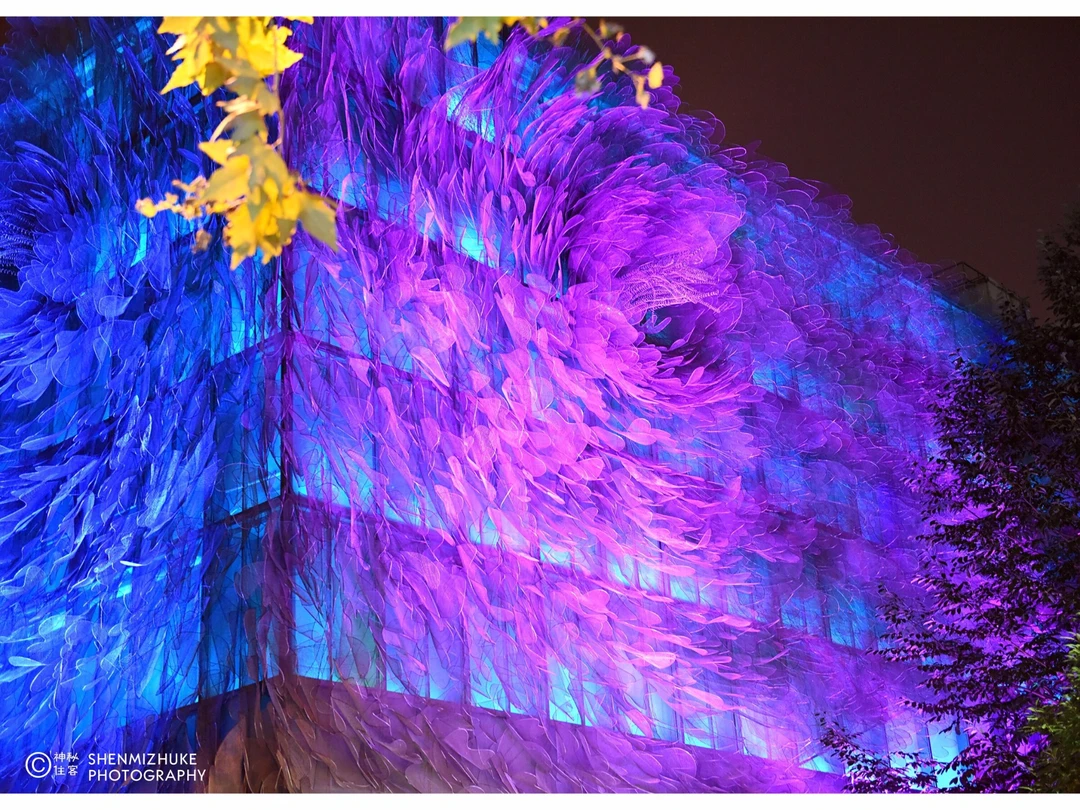
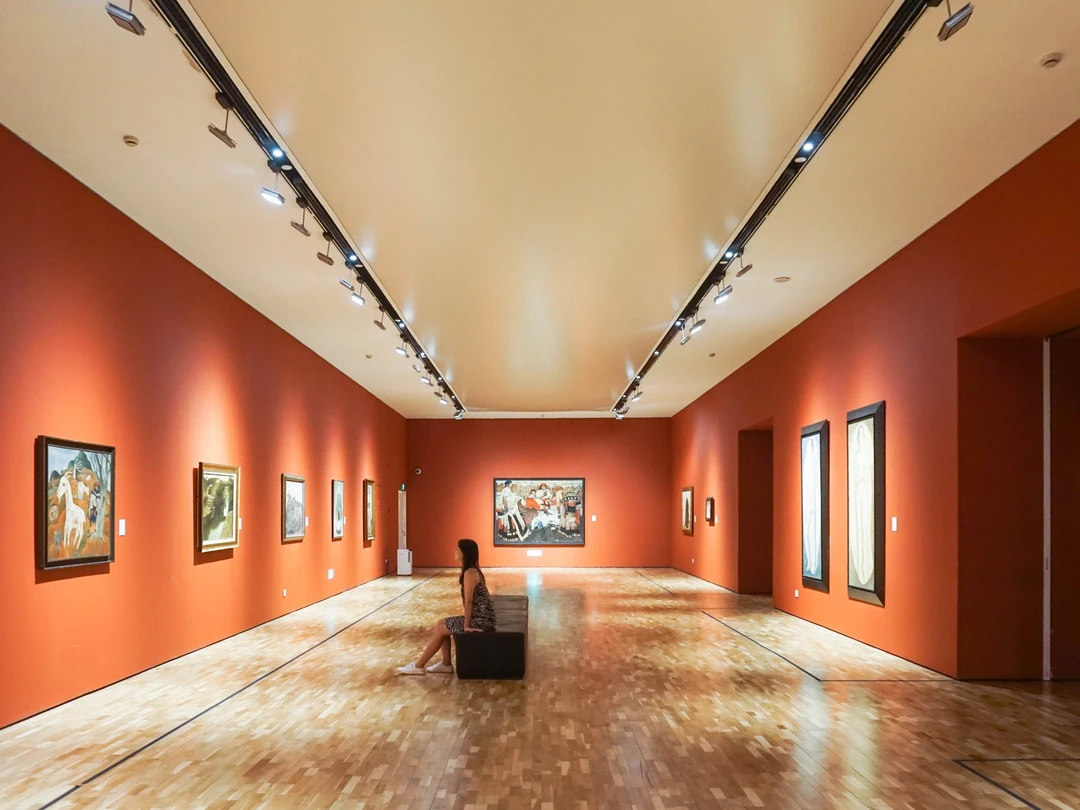
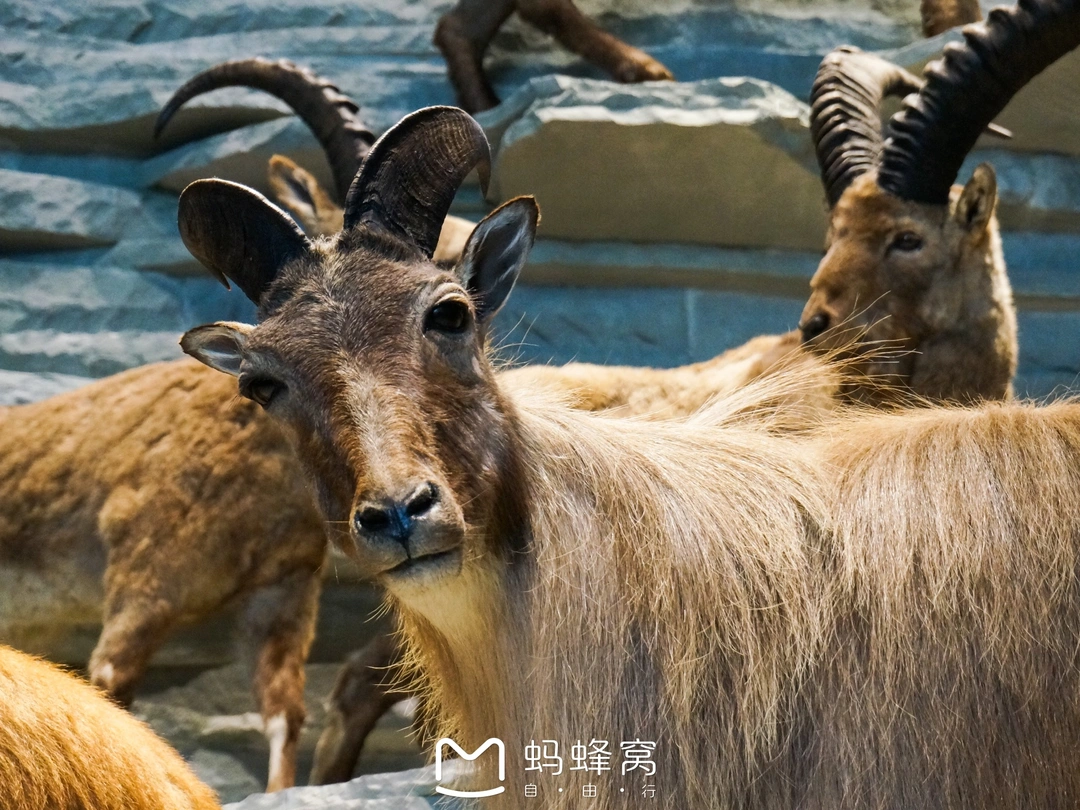
A National Treasure Salvaged from a Scrap Copper Heap: Shanghai Museum East – A Three-Dimensional History of Chinese Art
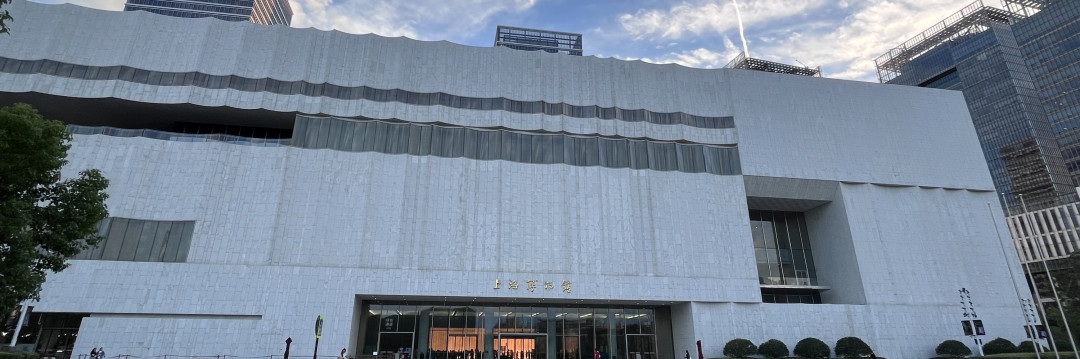
Meta Description: Discover why Shanghai Museum East is a must-visit for art lovers. From bronzes rescued from scrap heaps to jade masterpieces, explore China's finest ancient art in Pudong. Plan your visit today.
Introduction: Why the Shanghai Museum Deserves a Spot on Your Bucket List
When travelers think of Shanghai, images of the Bund’s glittering skyline, bustling Nanjing Road, and futuristic Pudong often come to mind. Rarely does anyone associate this "Magic City" with deep historical roots. Yet, hidden within its modern façade lies one of China’s most extraordinary cultural treasures: the Shanghai Museum.
Now split across two campuses—the historic People’s Square location and the newly opened Shanghai Museum East in Pudong—this institution houses over 1.02 million artifacts, including more than 145,000 precious items. Its collections of bronzes, ceramics, and calligraphy are world-renowned. But what truly sets it apart is its origin story: many of its greatest treasures were rescued from scrap heaps, seized at customs, or donated by collectors who understood their irreplaceable value.
In this article, we’ll explore why the Shanghai Museum East is not just a local museum but a three-dimensional history of Chinese art. We’ll dive into its legendary bronze collection, uncover the story of a national treasure salvaged from a scrap copper heap, and answer your most pressing questions about visiting this cultural gem.
H2: The Shanghai Museum East: A New Chapter in Chinese Art History
H3: From Scrap Heap to National Treasure – The Tubular-Spouted Jue
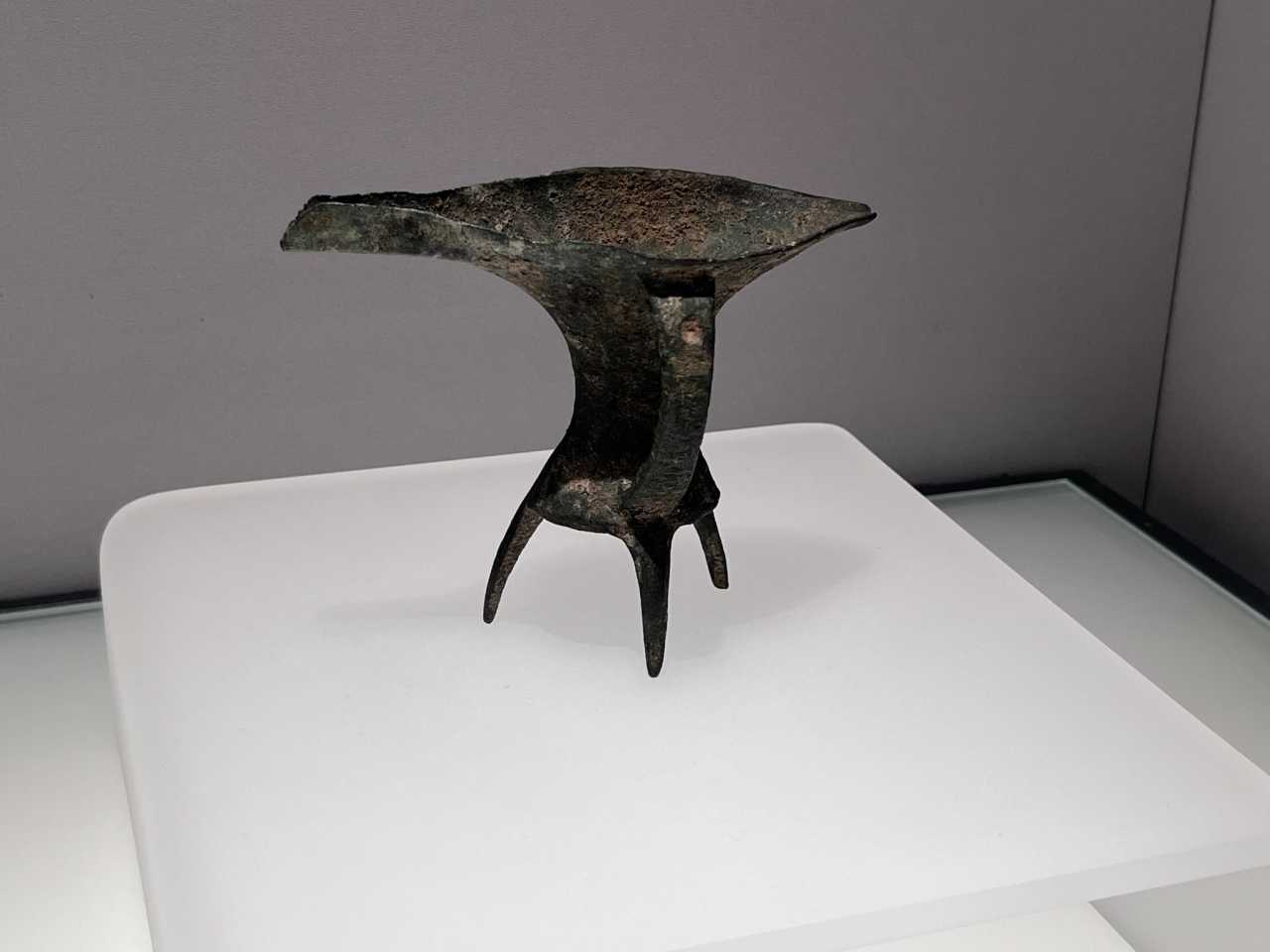
Perhaps no artifact encapsulates the museum’s mission better than the tubular-spouted jue from the late Xia Dynasty (circa 1600 BCE). This wine vessel, a national treasure, was literally salvaged from a scrap copper heap at a Shanghai smelting plant. Workers had no idea of its historical significance—to them, it was just old metal destined for melting.
A sharp-eyed museum curator recognized its value and rescued it moments before destruction. Today, it stands as a testament to the Shanghai Museum’s relentless efforts to repatriate and preserve China’s cultural heritage.
The jue itself is a masterpiece of early bronze casting. Its slender waist, tubular spout, and intricate seams reveal the sophistication of Erlitou culture (the late Xia Dynasty). Unlike later bronzes, this piece is simple yet elegant, with soot marks suggesting it was used in ritual ceremonies rather than daily drinking.
H3: Why Shanghai Museum East Isn’t a "Local Museum"
Many visitors are surprised to learn that the Shanghai Museum has no permanent exhibition on Shanghai’s local history. Instead, its eight themed galleries—including Ancient Chinese Bronze, Ceramics, Jade, Sculpture, and Calligraphy—present a comprehensive survey of Chinese art from the Neolithic period to the Qing Dynasty.
This was a deliberate choice. As China’s economic hub, Shanghai became a magnet for cultural relics flowing through trade, donations, and customs seizures. The museum’s collection represents the finest of Chinese civilization, not just one region’s story. For a deeper dive into Shanghai’s local history, head to the Shanghai History Museum on West Nanjing Road.
[Link: Shanghai History Museum – Local History Exhibitions]
H2: The Bronze Gallery – A Metal Fantasy Spanning Millennia
H3: Why Shanghai Museum’s Bronze Collection Is World-Class
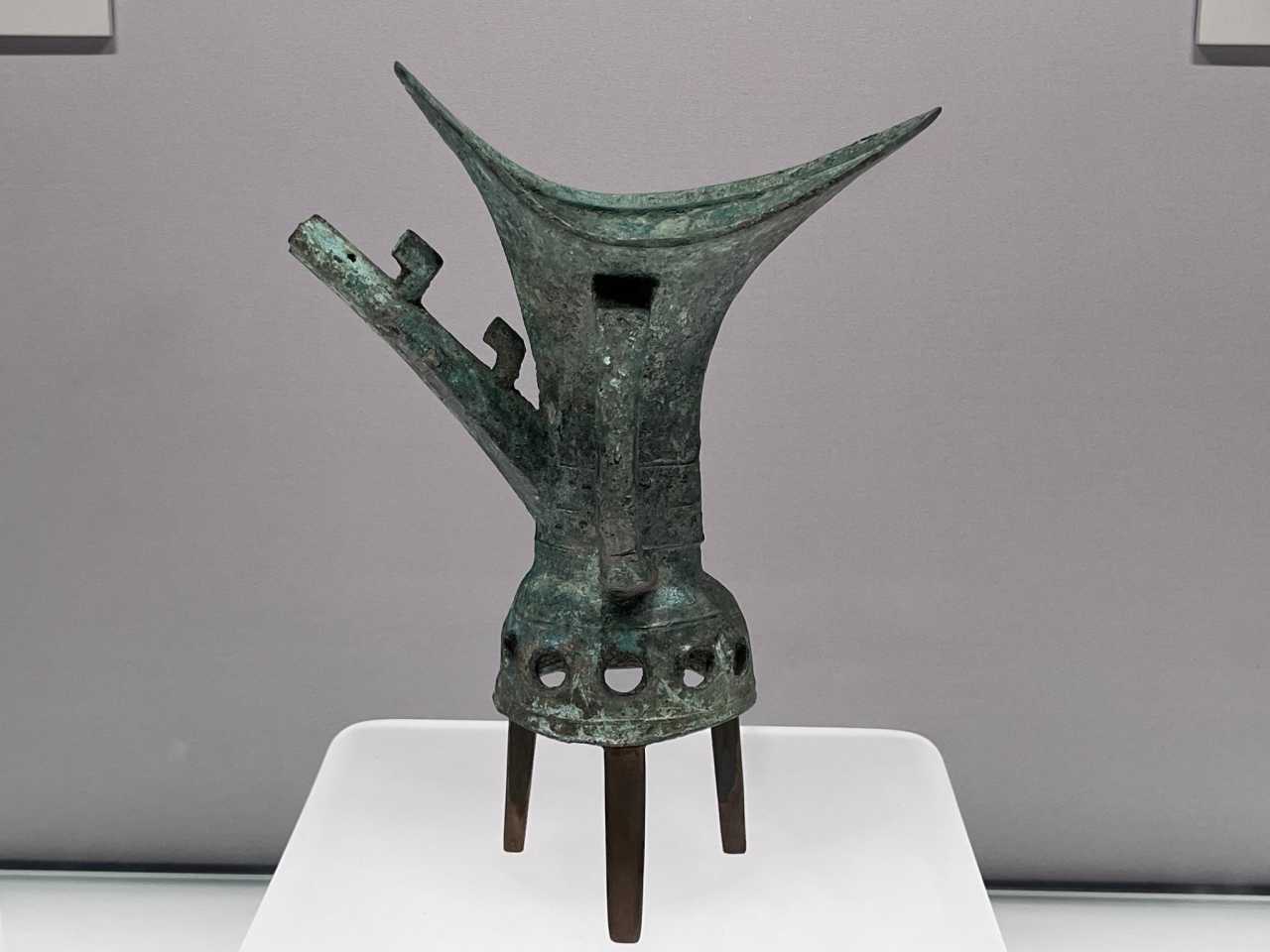
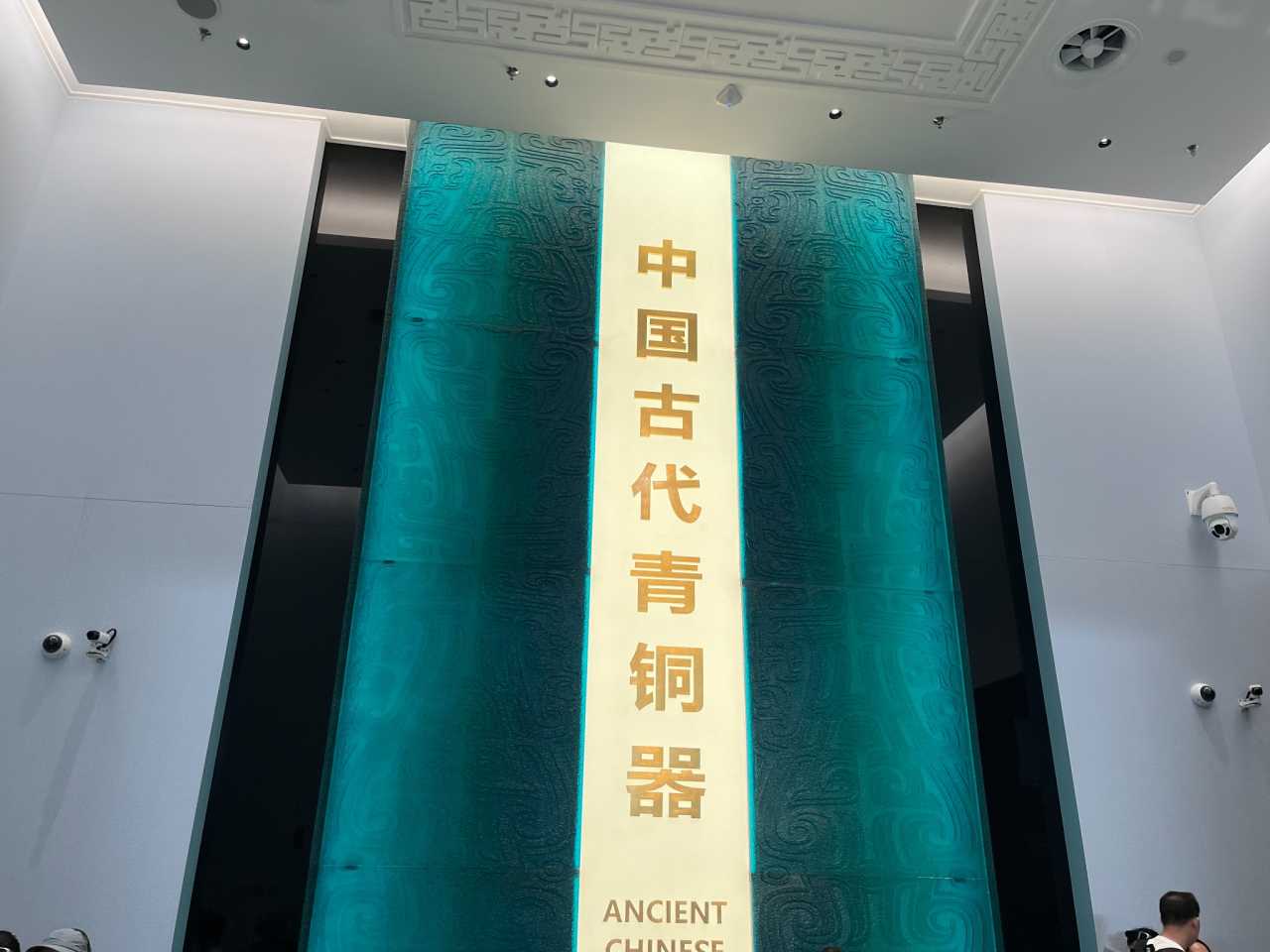
If you love ancient bronzes, the Ancient Chinese Bronzes gallery at Shanghai Museum East is a pilgrimage site. Under the leadership of Ma Chengyuan—the most authoritative bronze expert in post-1949 China—the museum built one of the largest and most complete bronze collections in the country.
Only the National Museum of China in Beijing rivals it in quality and quantity. But while the National Museum presents bronzes as part of a general history exhibition, Shanghai Museum East offers a dedicated, chronological journey through the Bronze Age.
H3: The Germination Period – Xia Dynasty (2100–1600 BCE)
China entered the Bronze Age relatively late compared to Mesopotamia or Egypt. Yet by the late Xia Dynasty, bronze casting had already matured. Artifacts from the Erlitou site in Henan Province reveal regular shapes, thin walls, and simple decorative patterns.
Key Exhibit: The Waisted Jue (3800-Year-Old Wine Steward)
This late Xia Dynasty vessel is one of the earliest known bronzes. Its name comes from the slender "waisted" shape in the middle. Cast using two outer molds and a movable core for the handle, it shows remarkable craftsmanship for its age. Soot marks on the lower part suggest it was used in ritual ceremonies rather than daily drinking.
H3: The Brilliance Period – Shang and Zhou Dynasties (1600–256 BCE)
The Shang Dynasty saw an explosion of bronze artistry. Vessels became larger, more ornate, and deeply symbolic. The animal-face motif (taotie) became a defining feature, representing power and spiritual protection.

Key Exhibit: The Da Ke Ding (Large Cauldron of Ke)
This massive cauldron from the late Western Zhou Dynasty (9th century BCE) is one of the museum’s most prized possessions. Standing over 90 cm tall and weighing over 200 kg, it bears a 290-character inscription detailing a king’s grant of land and slaves to a noble named Ke. It’s not just a bronze—it’s a historical document cast in metal.
[Link: National Museum of China – Bronze Gallery Comparison]
H3: The Decline and Legacy – Han Dynasty and Beyond
By the Han Dynasty (206 BCE–220 CE), iron tools replaced bronze in daily life. However, bronze continued to be used for mirrors, coins, and decorative items. The Shanghai Museum’s collection includes stunning Han bronze mirrors with intricate geometric patterns and mythical creatures.
H2: Beyond Bronzes – Other Must-See Galleries at Shanghai Museum East
H3: Ancient Chinese Ceramics – From Earthenware to Porcelain
The ceramics gallery spans 8,000 years, from Neolithic painted pottery to Qing Dynasty imperial porcelain. Highlights include:
- Tang Dynasty Sancai (Three-Color) Glazed Pottery – Vibrant horse and camel figurines
- Song Dynasty Celadon – Elegant, monochrome wares from the Longquan kilns
- Ming Dynasty Blue-and-White Porcelain – The iconic style that conquered global markets
H3: Ancient Chinese Jade – The Stone of Heaven
Jade has held spiritual significance in China for millennia. The museum’s collection includes:
- Neolithic Jade Cong – A square tube with a circular hole, used in ritual ceremonies
- Han Dynasty Jade Burial Suits – Thousands of jade plaques sewn together to protect the deceased
H3: Ancient Chinese Calligraphy and Painting
This gallery houses works by masters like Wang Xizhi (the "Sage of Calligraphy") and Gu Kaizhi (pioneer of figure painting). The collection includes scrolls, album leaves, and fan paintings spanning 1,500 years.
H2: FAQ – Everything You Need to Know Before Visiting Shanghai Museum East
Q1: How do I get to Shanghai Museum East?
A: The East campus is located in Pudong New Area, near Century Park. Take Metro Line 2 to Shanghai Science and Technology Museum Station (Exit 3), then walk 10 minutes. Alternatively, take Bus 640 or 794.
Q2: Do I need to book tickets in advance?
A: Yes, especially for weekends and holidays. Free tickets are released on the official WeChat mini-program or website. Special exhibitions (like the recent "On Top of the Pyramid: Ancient Egypt") require separate paid tickets.
Q3: How long should I spend at the museum?
A: Plan for 3–5 hours to see the permanent galleries. If you’re a history buff, allocate a full day. The East campus also has interactive exhibits and a rooftop garden with views of Pudong.
Q4: What’s the difference between the East and People’s Square campuses?
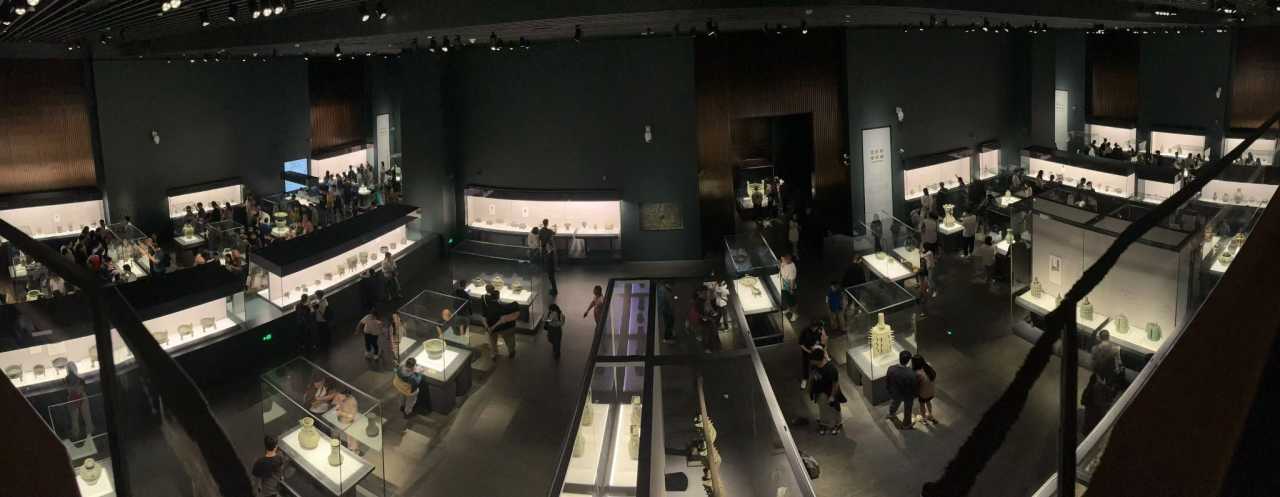
A: East Campus – Permanent exhibitions, interactive displays, and the cream of the collection. People’s Square Campus – Temporary exhibitions and special events. Both are worth visiting, but start with the East campus for the core experience.
Q5: Is the museum suitable for children?
A: Absolutely. The East campus has child-friendly interactive zones, including a "Bronze Casting Experience" and digital touchscreens explaining ancient techniques. Guided family tours are available on weekends.
[Link: Shanghai Museum Official Website – Ticket Booking]
H2: Conclusion – Why You Should Visit Shanghai Museum East Today
The Shanghai Museum East is more than a collection of artifacts—it’s a time machine that transports you through 8,000 years of Chinese civilization. From the tubular-spouted jue rescued from a scrap heap to the Da Ke Ding with its 290-character inscription, every exhibit tells a story of resilience, artistry, and cultural pride.
Whether you’re a seasoned historian or a curious traveler, this museum offers an unforgettable journey through the heart of Chinese art. And with its new Pudong campus, the experience is more immersive than ever.
Plan your visit today. Book your free ticket, carve out a few hours, and prepare to be amazed. The treasures of China are waiting—and many of them were saved from the brink of oblivion.
Call to Action:
Have you visited the Shanghai Museum East? Share your favorite exhibit in the comments below! For more travel guides and cultural insights, subscribe to our newsletter.