A Day Immersed in the Shanghai Museum East Pavilion: A Civilization Dialogue Across Three Thousand Years
Meta Description: Explore the Shanghai Museum East Pavilion, home to the legendary Da Ke Ding and 500+ bronze artifacts spanning 3,600 years. A complete guide to China's premier ancient art museum.
At 7:30 in the morning, I pulled back the curtains. Shanghai's sky still carried a lazy, clear brightness. The weather forecast had predicted strong thunderstorms for the afternoon, but that didn't dampen my plans. Today, I had decided to "soak" myself in the Shanghai Museum East Pavilion, spending an entire day reaching out to touch those bronze vessels that had traveled across millennia, listening to their silent stories.
This wasn't my first visit to Shanghai. From my first business trip in 2003, when six of us squeezed into two rooms and I slept on the floor with another male colleague, to the excitement of bringing my child to see the 2010 World Expo, and now this fifth visit—the city never fails to surprise me. But this time, I wasn't heading to the Bund to count crowds or lining up at Disneyland. Instead, I chose a quieter, more profound destination: the Shanghai Museum East Pavilion.
From the Sihang Warehouse to Suzhou Creek: A Frozen Memory
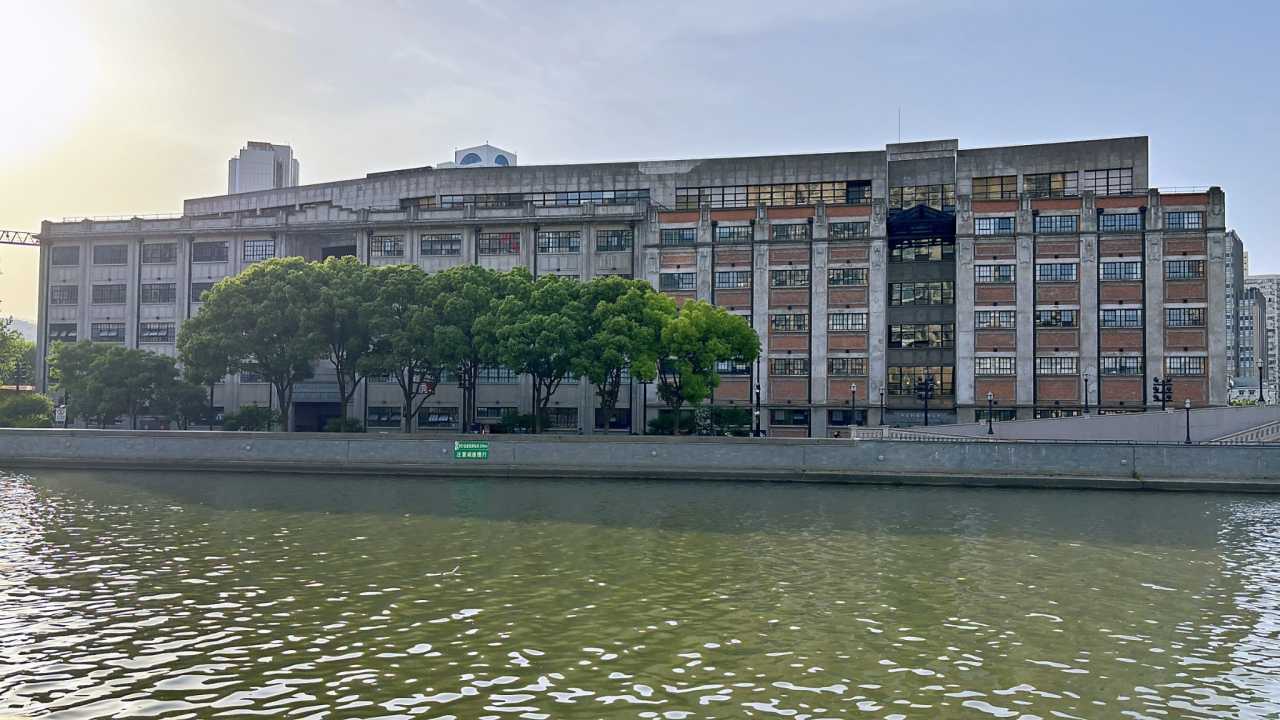
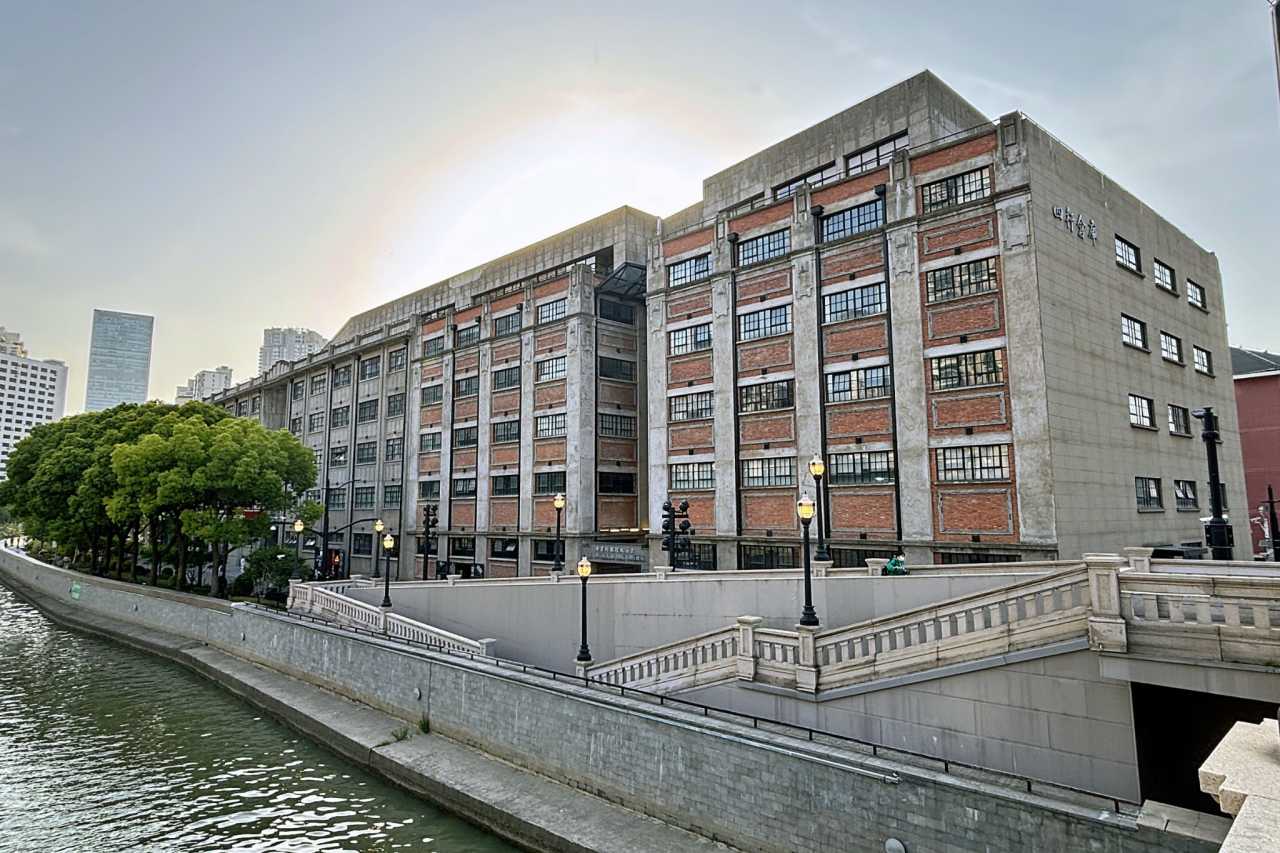
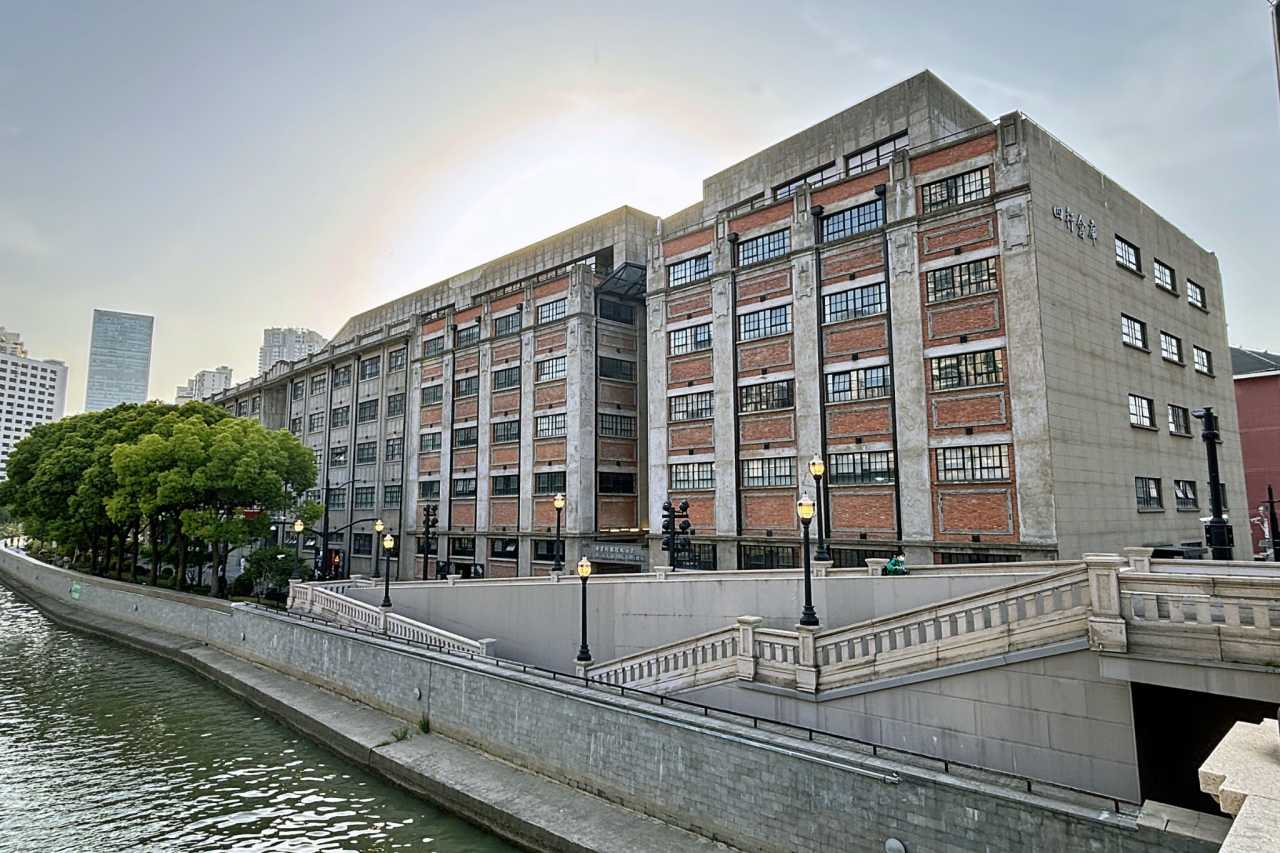
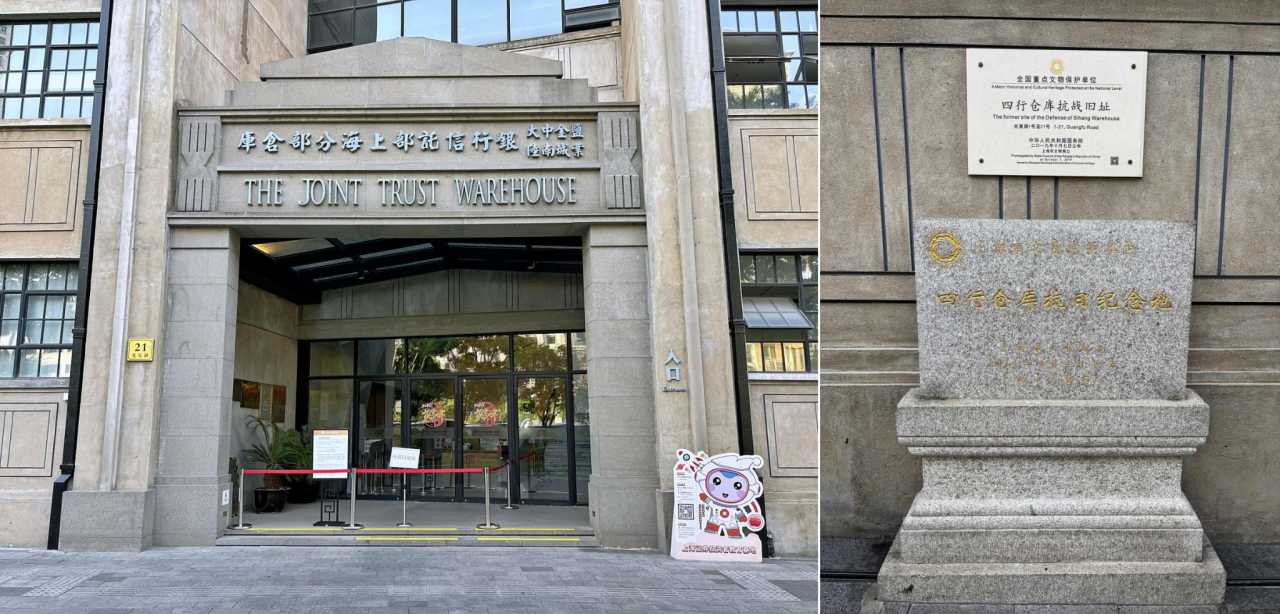
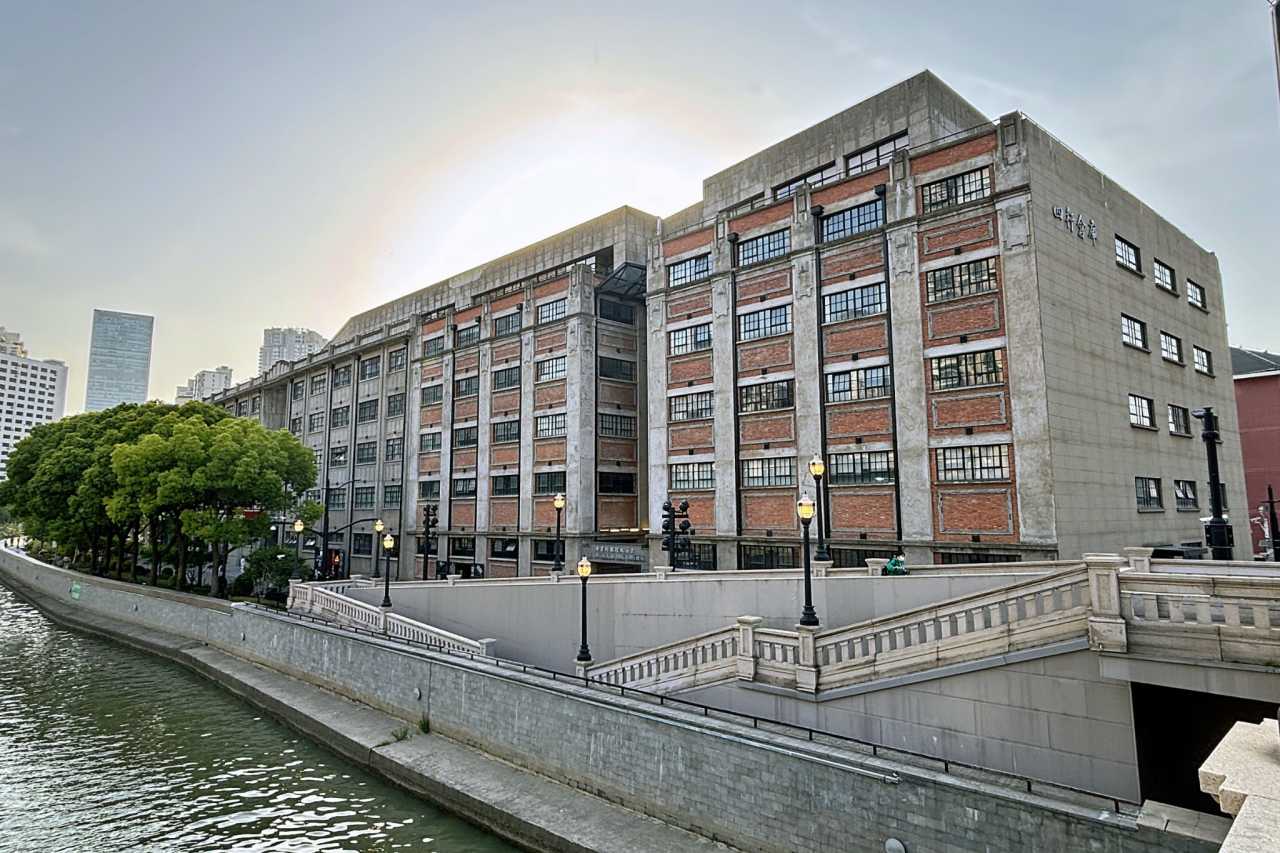
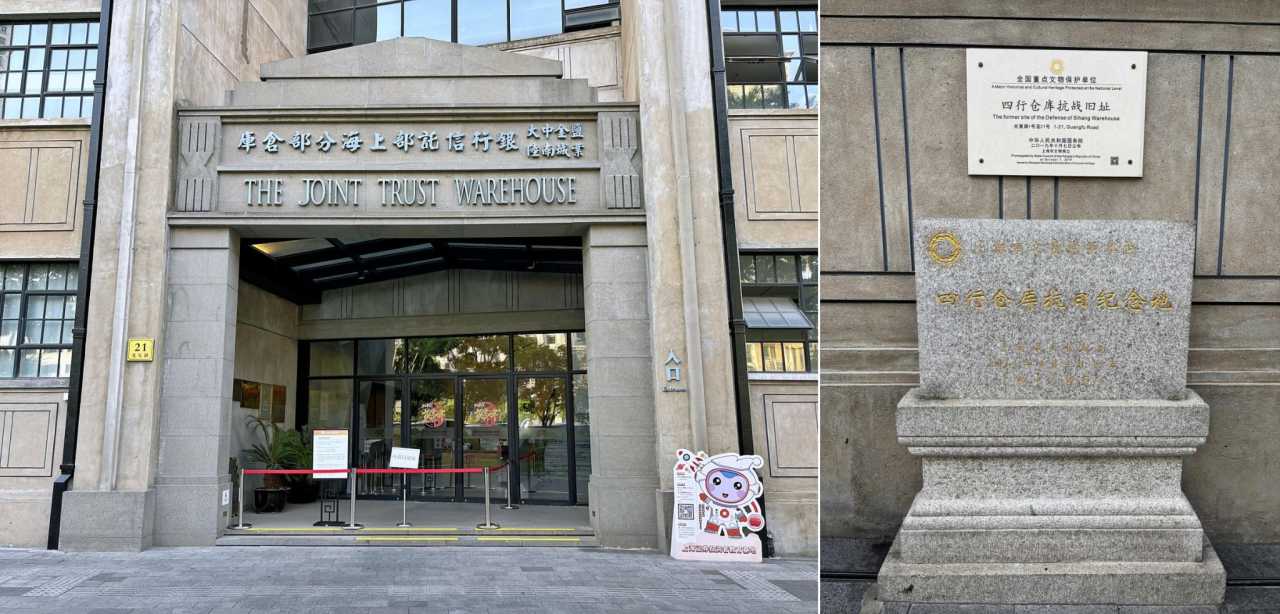
Before heading to the museum, I made a detour to the Sihang Warehouse. Starting from People's Square and walking north along Central Tibet Road for twenty minutes, this building, heavy with history, came into view.
During the Battle of Shanghai in 1937, a heart-stopping scene unfolded here. On the banks of Suzhou Creek, one side was a battlefield soaked in blood and flesh, where over 420 soldiers from the 1st Battalion, 524th Regiment, 262nd Brigade of the 88th Division, led by Xie Jinyuan, fought fiercely against the Japanese for four days and nights. The other side, however, was the British and American International Settlement, maintaining an eerie peace. Foreign journalists sat in buildings on the south bank, sipping coffee while reporting on the battle in real time. This absurd contrast was the most brutal depiction of war.
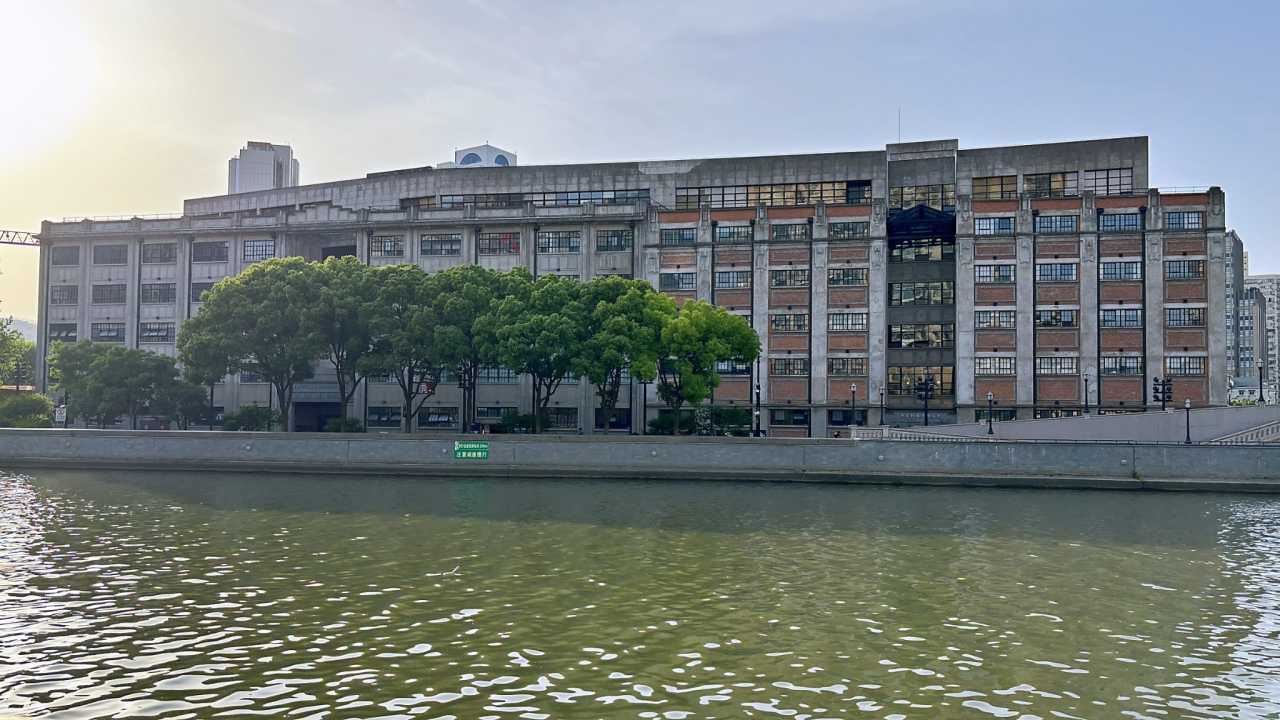
Today, the Sihang Warehouse has been restored, partially preserving its original appearance, and has been turned into the "Shanghai Sihang Warehouse War of Resistance Memorial Hall." Unfortunately, I arrived at five in the afternoon, and the memorial hall had already closed. I could only wander outside its walls. That wall, riddled with bullet holes, silently told the story of the tragedy that occurred there.
I continued along Suzhou Creek, passing by the Zhejiang Road Bridge—built in 1908 and known as the "Old Trash Bridge," it is a rare fish-belly-shaped simply supported steel truss bridge in Asia. On both sides of the river, long laundry poles extended from residential windows, clothes fluttering in the wind, which locals jokingly call "the flags of ten thousand nations." This is Shanghai: history and modernity, solemnity and everyday life, all wonderfully intertwined.
[Link: Shanghai World War II history walking tour]
Nanjing Road and the Peace Hotel: Bustling as Ever
When I crossed Nanjing Road Pedestrian Street, the crowds were surging. Apple and Huawei flagship stores stood side by side. The density of foreign tourists near the Peace Hotel might be the highest in all of Shanghai. From the North China Daily News Building to the Chartered Bank Building, from the Palace Hotel to the Peace Hotel, these century-old structures form the most classic skyline of the Bund. The clock tower atop the Customs House was modeled after the bell tower of the British Parliament's Palace of Westminster. Built in England and shipped to Shanghai for assembly, it is the largest in Asia and the third largest in the world.
But today, the Bund was not my destination. After a quick dinner with a former colleague who had quit her job to move to Shanghai ten years ago, I returned to my hotel to rest up for the museum trip the next day.
[Link: Best hotels near Shanghai Museum East Pavilion]
Shanghai Museum East Pavilion: A Civilization Hall Without Walls
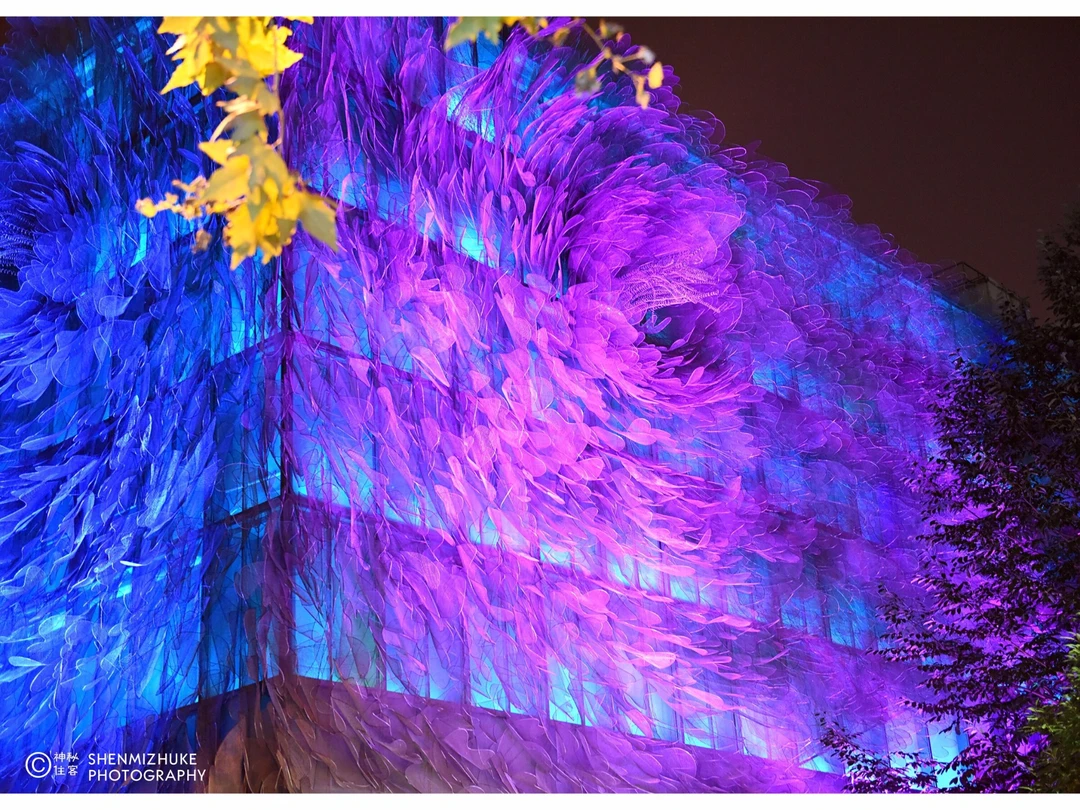
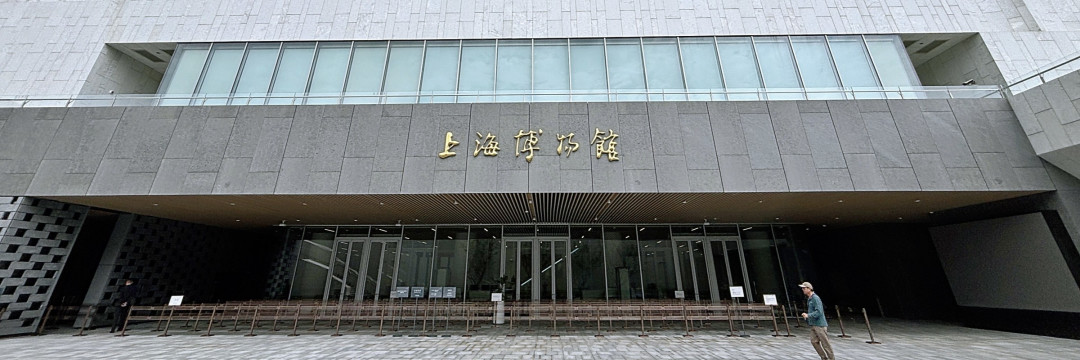
The next morning, I took the subway and transferred to Line 18 at Longyang Road Station. The sight of four elevators running simultaneously was quite spectacular. I arrived at Shanghai Science and Technology Museum Station just before nine. A few minutes' walk from the exit brought me to Century Square. The Shanghai Museum East Pavilion stood quietly beside the square, waiting for its first visitors.
The museum opened at ten, so I arrived early and wandered around the square. Century Square was built in 1995, covering 269,000 square meters, making it the largest open-air square in Shanghai. The May Day flower beds were still on display, vibrant and eye-catching. Not far away stood the Shanghai Financial Trading Square and the Shanghai Stock Exchange, with that famous bull sculpture standing in the distance. Unfortunately, security wouldn't let me get close, so I could only take a photo from afar.

Finally, the doors opened. I entered through the individual visitor entrance by scanning my ID card. No reservation needed—just swipe your ID and walk in. This was incredibly user-friendly, especially considering that many museums have reservation systems that are an absolute nightmare.
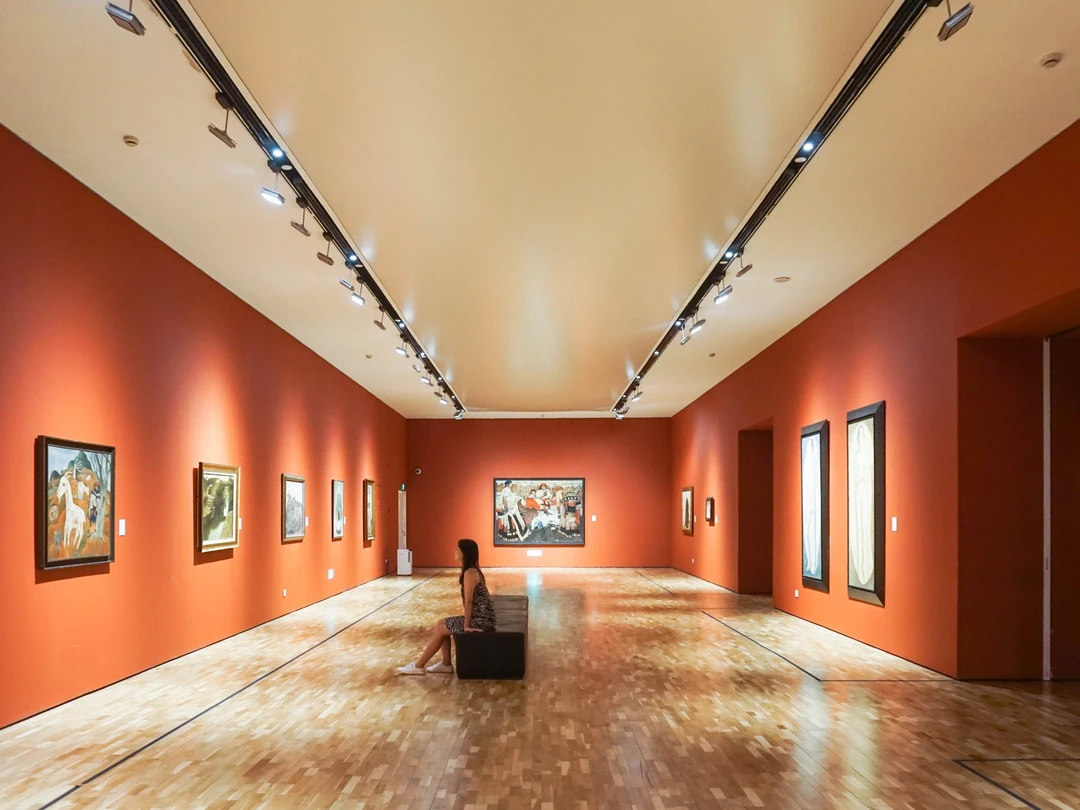
The Shanghai Museum East Pavilion fully opened in 2024, with an investment of 2.478 billion yuan and a total floor area of 113,200 square meters, spanning six floors above ground and two below. Its positioning is as a "world-class museum of ancient Chinese art," featuring eight permanent exhibition halls—including the Bronze Hall, Sculpture Hall, Calligraphy Hall, Painting Hall, Seal Hall, Jade Hall, Ceramics Hall, and Coin Hall—along with over twenty other exhibition spaces of various sizes.
[Link: Shanghai Museum East Pavilion opening hours and ticket information]
The Bronze Hall: A Dialogue Across 3,600 Years
Some say that if you only have time to visit one hall at the Shanghai Museum, it must be the Bronze Hall. And they're absolutely right. Bronze vessels are the museum's crown jewel, likely unrivaled except by the National Museum of China.
I had always thought of Shanghai as a young city, with only a little over a hundred years of development, so I assumed its museum wouldn't have much to offer. But the moment I stepped into the Bronze Hall, I realized how wrong I was.
The Bronze Hall provides a detailed introduction to the entire history of Chinese bronzeware: the germination period, formative period, peak period, transition period, renewal period, fusion period, revival period, and even the manufacturing techniques. It features over 500 carefully selected exhibits, reflecting the 3,600-year journey of ancient Chinese bronze from the late Xia Dynasty (18th century BC) to the mid-Qing Dynasty (mid-19th century AD). This is the only complete and systematic display of Chinese bronze vessels in the world.
What struck me even more was the sheer quantity, exquisite quality, and high grade of the bronzes here—far beyond what I had imagined. In other museums, a single inscribed bronze vessel could be the star exhibit. Here, inscribed bronzes are everywhere. Unless they corroborate a major historical event, they barely make the cut.
The Crown Jewel: The Da Ke Ding
The Da Ke Ding is the Shanghai Museum's most treasured artifact. It is also one of three bronze pieces on the list of 195 artifacts prohibited from being exhibited abroad (the other two are the Jin Hou Su Bell and the Shang Yang Square Measure).
The Da Ke Ding stands 93.1 centimeters tall, with a mouth diameter of 75.6 centimeters and a weight of 201.5 kilograms. It features upright ears, a band of stylized animal-face motifs below the rim, and an imposing, solemn form. This ritual vessel was cast by "Ke," a high-ranking noble and royal chef of the Western Zhou Dynasty, to commemorate his grandfather, Shi Huafu. Inside the belly, 290 characters are cast, recording King Xiao of Zhou's appointment and bestowal of gifts upon the noble "Ke," reflecting the official appointment process and land system evolution of the mid-Western Zhou period.
The story of the Da Ke Ding's discovery is legendary. Unearthed in 1890 in Fufeng County, Shaanxi Province, it was later purchased at a high price by Pan Zuyin, the Minister of Works during the Guangxu reign. At that time, it was considered one of the "Four Great Bronzes of the Late Qing" alongside the Mao Gong Ding, the Da Yu Ding, and the San Shi Pan. Today, it stands as the undisputed star of the Shanghai Museum East Pavilion's Bronze Hall.
[Link: Top 10 must-see artifacts at Shanghai Museum East Pavilion]
Other Must-See Exhibition Halls
While the Bronze Hall steals the spotlight, the Shanghai Museum East Pavilion offers several other world-class permanent exhibitions worth your time:
Sculpture Hall
 Housing over 300 pieces spanning from the Warring States period to the Ming Dynasty, this hall showcases the evolution of Chinese sculptural art. The highlight is the Buddhist sculpture collection, featuring rare works from the Northern Wei, Tang, and Song dynasties.
Calligraphy and Painting Halls
These twin halls display masterpieces from the Jin Dynasty through the Qing Dynasty. Works by Wang Xizhi, Yan Zhenqing, and Mi Fu are among the treasures. The museum rotates exhibits regularly to protect the delicate silk and paper artifacts.
Ceramics Hall
 With over 500 pieces, this hall traces the development of Chinese ceramics from Neolithic pottery to Qing Dynasty porcelain. The Tang Sancai (three-color glazed pottery) and Song Dynasty celadon collections are particularly noteworthy.
Coin Hall
Featuring coins from ancient shell money to Qing Dynasty silver dollars, this hall offers a fascinating look at China's economic history. The Han Dynasty gold coins and Ming Dynasty silver ingots are crowd favorites.
[Link: Shanghai Museum East Pavilion exhibition schedule 2025]
Practical Visitor Information
Getting There
- Address: 195 Century Avenue, Pudong New Area, Shanghai
- Metro: Line 18 to Longyang Road Station, then transfer to Line 2 to Shanghai Science and Technology Museum Station (Exit 1)
- Opening Hours: 10:00 AM - 6:00 PM (last entry at 5:00 PM), closed on Mondays
Admission
 - Free admission with valid ID (passport for foreign visitors) - No advance reservation required—simply scan your ID at the entrance
Tips for Your Visit
- Arrive early—the queue can be long by 10:30 AM
- Allocate at least 3-4 hours for the permanent exhibitions alone
- Audio guides are available in multiple languages
- Photography without flash is permitted in most halls
- The museum shop offers excellent replicas and art books
[Link: Shanghai Museum East Pavilion vs. People's Square location comparison]
FAQ: Shanghai Museum East Pavilion
1. Is the Shanghai Museum East Pavilion free to enter?
Yes, admission is completely free. You only need a valid ID (passport for international visitors) to scan at the entrance. No advance reservation is required.
2. How long does it take to see the entire museum?
 Plan for at least 3-4 hours to see the permanent exhibitions thoroughly. If you want to explore all eight permanent halls plus special exhibitions, allocate a full day.
3. What is the Da Ke Ding and why is it important?
The Da Ke Ding is a Western Zhou Dynasty bronze ritual vessel weighing 201.5 kg, with 290 inscribed characters. It is one of only 195 artifacts in China prohibited from being exhibited abroad due to its historical and cultural significance.
4. How does the East Pavilion differ from the original Shanghai Museum?
 The East Pavilion is a purpose-built facility that opened in 2024, specifically designed as a "world-class museum of ancient Chinese art." It features larger exhibition spaces, state-of-the-art climate control, and a more curated selection of artifacts compared to the original museum at People's Square.
5. Is the museum suitable for children?
Absolutely. The museum offers interactive displays and family-friendly exhibits, particularly in the Bronze Hall and Ceramics Hall. However, very young children may find the quieter galleries challenging.
Final Thoughts: Why You Must Visit
As I left the Shanghai Museum East Pavilion that evening, the predicted thunderstorm had finally arrived. Rain lashed against the glass facade of Century Square, but inside, I felt a warmth that had nothing to do with the weather. In a single day, I had traveled 3,600 years of Chinese civilization—from the mysterious bronzes of the Shang Dynasty to the elegant calligraphy of the Song Dynasty, from the vibrant Tang Sancai to the refined Ming porcelain.
This museum is not just a collection of artifacts; it is a dialogue across millennia, a conversation between the past and the present. Whether you're a history buff, an art lover, or simply a curious traveler, the Shanghai Museum East Pavilion offers an experience that will stay with you long after you've returned home.
Plan your visit today. The bronzes are waiting, and their stories are timeless.
Have you visited the Shanghai Museum East Pavilion? Share your experience in the comments below, or tag us in your photos on social media using #ShanghaiMuseumEastPavilion.
[Link: Other free museums in Shanghai worth visiting]