A Beijing Girl’s Shanghai Benbang Cuisine Quest: Time-Honored Classics vs. Internet-Famous Restaurants
Meta Description: A Beijing foodie’s honest review of Shanghai Benbang cuisine—from century-old time-honored brands to viral internet spots. Discover which dishes earned a clean plate and which left a bad taste. 🥟🍜
Introduction: Why a Beijing Girl Set Out to Conquer Shanghai’s Benbang Cuisine
As a true-blue Beijing girl, my understanding of Shanghai cuisine was once limited to two labels: “sweet” and “thick oil, dark sauce.” That all changed during a business trip when a bad cold trapped me in my hotel. Bored out of my mind, I decided to measure the city’s warmth through my taste buds—and thus began my solo restaurant-hunting journey through the world of Benbang cuisine (Shanghai-style local dishes).
I’ve always thought that food and love are very similar. When you love someone, you can’t help but steal glances. When you love a dish, you can’t stop yourself from taking one more bite. So I don’t put stock in fancy adjectives like “perfect color, aroma, and flavor” or “springy and soft.” My standard is brutally simple: I look at how much is left on the plate. If a dish is scraped clean—sauce and all—it’s a winner. If half is left behind, there’s nothing more to say. Practice is the sole criterion for truth.
Special Note: This article contains no sponsorships. All restaurants were visited and paid for out of my own pocket. I score each restaurant on three dimensions: ambiance, service, and empty-plate rate. Maximum score is 5 chicken legs. Empty-plate rate: cleaned completely = 5 chicken legs; everything left behind = 0 chicken legs.
Time-Honored Classics: Flavors Aged by Time
Yangzhou Restaurant: The Melancholy of a Century-Old Establishment
Keywords: century-old Shanghai restaurant, time-honored Benbang cuisine, Yangzhou-style dishes
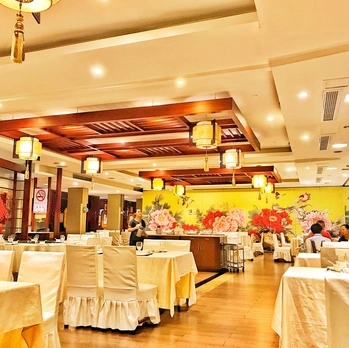
Yangzhou Restaurant, a certified Chinese time-honored brand, specializes in Yangzhou-style cuisine. Founded by the three Mo brothers—renowned Yangzhou chefs—its signature dishes include crystal-style pork terrine, Yangzhou shredded dried tofu, and crab roe lion’s head meatballs. I arrived during a rain shower, and at peak dining hour, the main hall had only a scattering of customers. The decor was impressive—a massive peony mural carried the grand air of “only the peony is truly the national beauty”—though the occasional mosquito buzzing by was a bit of a mood killer.
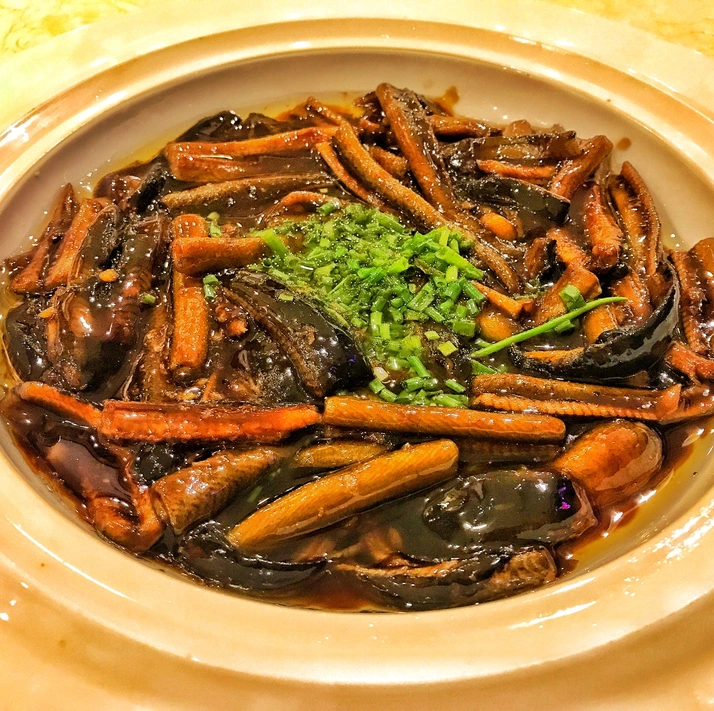
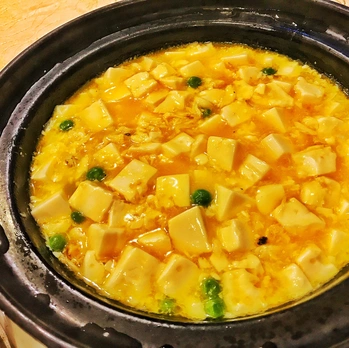
Dining alone is always a dilemma: order too much and you can’t finish, order too little and you feel cheated. With the rainy chill in the air, I ordered crab roe tofu to mix with rice, plus one of my personal favorites—sizzling eel in oil.
The eel segments were evenly cut and the sauce had a nice color, but there was a faint fishy smell upon tasting, which was disappointing. The crab roe tofu was neither here nor there—not unpleasant, but far from remarkable.
- Average cost per person: 150 RMB
- Dining ambiance: 🍗🍗🍗
- Service quality: 🍗🍗🍗🍗
- Empty-plate rate: 🍗🍗
Verdict: A classic that feels tired. Great for history buffs, but not for flavor seekers.
Hu A Po: A Pleasant Surprise from a People’s Canteen
Keywords: budget-friendly Shanghai restaurant, clay pot rice Shanghai, people’s canteen Benbang
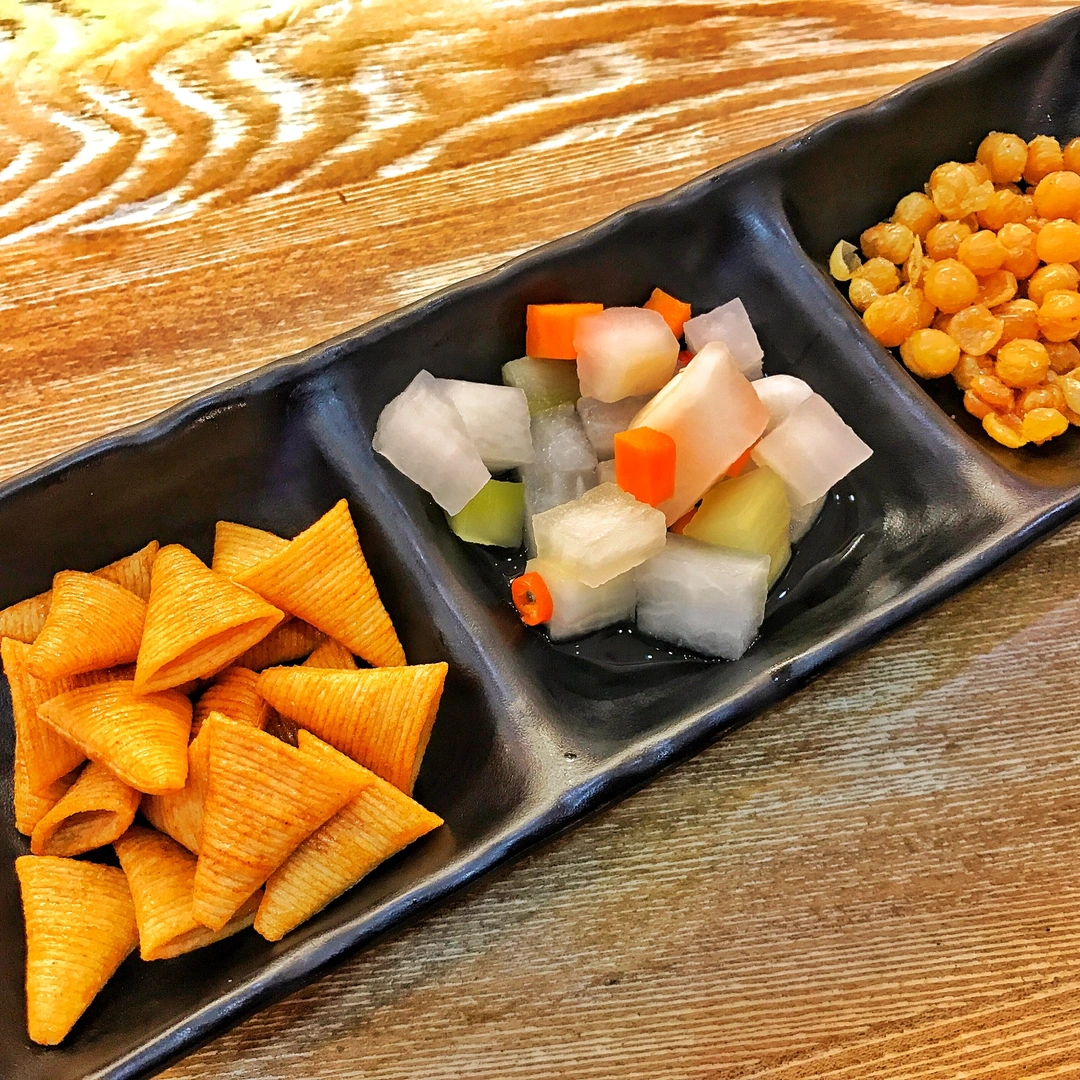
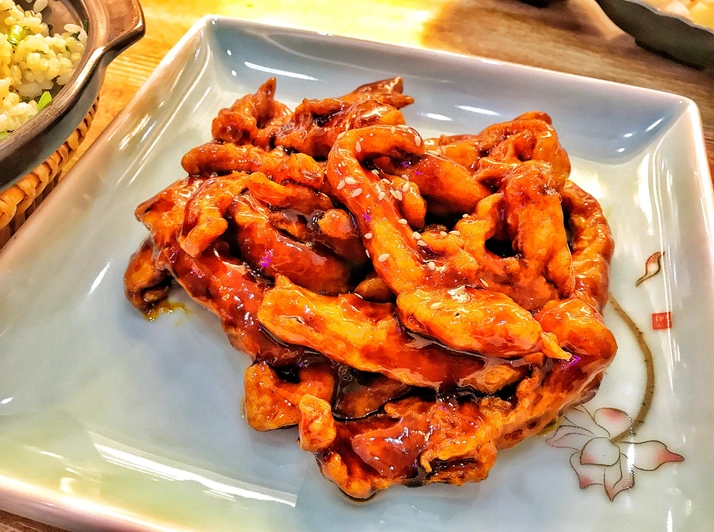
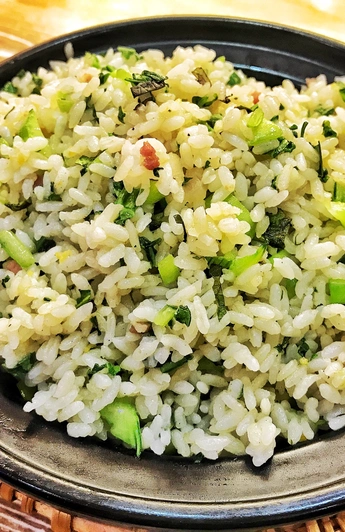
The name Hu A Po (Shanghainese for “Granny Hu”) radiates warmth. At lunchtime, the place was buzzing, with delivery drivers rushing in and out against the clock. I ordered a clay pot rice with vegetables, sweet-and-sour pork strips, and had wanted some wine-simmered water spinach shoots, but they were sold out. The complimentary appetizer costs just 1 RMB—reasonable.
The vegetable rice, priced at only 16 RMB, was nothing short of stunning. I normally eat only one liang (about 50g) of rice, but this time I nearly polished off the entire pot. Each grain was glossy and moist, the greens finely chopped, and the meat fragrance added just the right accent—every bite was pure satisfaction.
The sweet-and-sour pork strips, however, were a letdown. I had expected boneless sweet-and-sour ribs, but instead got a strange flavor reminiscent of expired cough syrup. This dish comes in two versions: salt-and-pepper or sweet-and-sour. I chose sweet-and-sour because I have a sweet tooth, but in hindsight, I should have gone with the salt-and-pepper. Thankfully, the vegetable rice saved the meal, paired with the pickled radish from the appetizer—not greasy, not heavy, just right. Service attitude was decent, but the staff didn’t seem very knowledgeable about in-store promotions or dish details.
- Average cost per person: 80 RMB
- Dining ambiance: 🍗🍗🍗🍗
- Service quality: 🍗🍗
- Empty-plate rate: 🍗🍗
Verdict: A hidden gem for budget diners. Skip the sweet-and-sour and go straight for the clay pot rice.
Lao Shengchang Soup Dumplings: The Budget Champion
Keywords: cheap soup dumplings Shanghai, Lao Shengchang review, affordable Shanghai street food
Lao Shengchang is a down-to-earth soup dumpling house with 89 branches across Shanghai alone. A bowl of small wontons is generously topped with egg ribbons and seaweed—just 6 RMB. A steamer basket of six soup dumplings? 7 RMB. A plate of soy-sauce fried noodles loaded with shredded pork? 9 RMB. In the concrete jungle of Shanghai, these prices are an absolute steal. And the taste is genuinely good. It’s the perfect go-to for budget lunches and late-night snacks.
- Average cost per person: 15 RMB
- Dining ambiance: 🍗🍗
- Service quality: 🍗🍗
- Empty-plate rate: 🍗🍗🍗🍗
Verdict: The undisputed champion of value. If you’re on a tight budget, this is your spot.
Lao Zhengxing: The Confidence of a Michelin Star
Keywords: Michelin-star Shanghai restaurant, Lao Zhengxing review, century-old Benbang cuisine
Lao Zhengxing Restaurant is a century-old establishment with a Michelin star. I went at 8 PM and still had to queue. My best friend and I were starving, but luckily the tables turned over quickly, and we were seated after just 15 minutes.
We ordered their most popular dish—oil-exploded shrimp, the hairy crabs I’d been craving (so we got the stir-fried crab roe with flatbread), a serving of asparagus, and a dessert. Total bill: 350 RMB. The oil-exploded shrimp hit the perfect balance of sweet and savory, with shells so crispy you could eat them whole. The stir-fried crab was incredibly fresh, though slightly on the salty side—but paired with the flatbread, it was just right.
- Average cost per person: 180 RMB
- Dining ambiance: 🍗🍗🍗🍗
- Service quality: 🍗🍗🍗
- Empty-plate rate: 🍗🍗🍗🍗
Verdict: Worth the wait and the price. A Michelin star well earned.
Internet-Famous Restaurants: The Truth Behind the Hype
Haling Bullfrog Noodles: Fame Over Substance
Keywords: Haling bullfrog noodles review, overhyped Shanghai restaurant, viral food in Shanghai
As a bullfrog lover, I’d heard about Haling for ages. I went at noon once, saw the massive queue, and gave up immediately. I went back in the evening and managed to avoid the line, but the place was packed to the rafters. After sitting down, I waited another hour for my food. The first bite wasn’t bad, but the more I ate, the worse it got—it was incredibly salty, with a heavy MSG taste that left me feeling thirsty after just a few mouthfuls. The bullfrog itself wasn’t good either. While the price isn’t high, it’s really not worth eating—and definitely not worth queuing for.
- Average cost per person: 40 RMB
- Dining ambiance: 🍗
- Service quality: 🍗🍗
- Empty-plate rate: 🍗
Verdict: Hype over substance. Skip the queue and save your taste buds.
Laokeler Shanghai Cuisine: A “Gentleman” in Name Only
Keywords: Laokeler Shanghai cuisine review, internet-famous Benbang restaurant, hairy crab rice cakes Shanghai
“Laokeler” is authentic Shanghainese dialect, derived from the English word “clerk.” It refers to the old-school white-collar workers who were among the first to be influenced by Western culture—worldly, modern, and gentlemanly. Laokeler Shanghai Cuisine specializes in Benbang dishes and was once so popular that getting a table was nearly impossible—a true internet sensation.
The hairy crab stir-fried with rice cakes had crabs that were large but utterly tasteless. For the main course, I ordered shengjian (pan-fried pork buns) from the famous “Dachun” brand, only to find they weren’t fully cooked—the dough next to the filling hadn’t even set. When I pointed this out to the staff, they simply microwaved them. The only dishes I found halfway decent were the oil-exploded shrimp and the fried pork cutlet.
- Average cost per person: 150 RMB
- Dining ambiance: 🍗🍗🍗🍗
- Service quality: 🍗🍗🍗
- Empty-plate rate: 🍗🍗
Verdict: A beautiful setting with mediocre food. The shengjian incident was unforgivable.
Chun Zai: A Hidden Gem Wrapped in Poetry
Keywords: Chun Zai Shanghai review, hidden gem Benbang restaurant, poetic Shanghai dining
“Spring L” is the name that caught my eye—a poetic name for a restaurant that feels like a secret garden. Tucked away in a quiet lane, Chun Zai serves Benbang dishes with a modern twist. I ordered the braised pork belly, which melted in my mouth, and the steamed fish, which was perfectly fresh. The ambiance was serene, with soft lighting and traditional decor. Service was attentive without being intrusive.
- Average cost per person: 120 RMB
- Dining ambiance: 🍗🍗🍗🍗🍗
- Service quality: 🍗🍗🍗🍗
- Empty-plate rate: 🍗🍗🍗🍗🍗
Verdict: The surprise hit of my trip. Chun Zai proves that internet fame isn’t everything—sometimes, quiet excellence wins.
FAQ: Your Shanghai Benbang Cuisine Questions Answered
1. What is Benbang cuisine, and how is it different from other Chinese cuisines?
Benbang cuisine is the local Shanghai style of cooking, characterized by its use of thick oil, dark sauce, and a sweet-savory balance. It’s heavier on soy sauce and sugar compared to Cantonese or Sichuan cuisines, and it often features freshwater seafood like hairy crab and eel.
2. Which time-honored Shanghai restaurant is best for a first-time visitor?
Lao Zhengxing is the safest bet—it’s a Michelin-starred century-old establishment with consistently high-quality dishes. For budget travelers, Lao Shengchang offers unbeatable value without sacrificing taste.
3. Are internet-famous restaurants in Shanghai worth the hype?
Mostly no. Based on my experience, places like Haling Bullfrog Noodles and Laokeler rely more on marketing than flavor. Stick to time-honored brands or hidden gems like Chun Zai for a truly satisfying meal.
4. What’s the average cost of a Benbang meal in Shanghai?
You can eat well for 15–40 RMB at budget spots like Lao Shengchang, or spend 120–180 RMB per person at mid-range and Michelin-starred restaurants. High-end dining can exceed 300 RMB.
5. How can I find authentic Benbang restaurants in Shanghai?
Look for restaurants with “time-honored” (老字号) certification or those that have been open for decades. Avoid places with long queues solely for social media fame—check empty-plate rates and honest reviews like this one.
Conclusion: The Ultimate Benbang Showdown—Who Wins?
After tasting my way through Shanghai’s Benbang scene, here’s my final ranking:
| Restaurant | Type | Empty-Plate Rate | Overall Score |
|---|---|---|---|
| Lao Zhengxing | Time-Honored | 🍗🍗🍗🍗 | 4.5/5 |
| Chun Zai | Hidden Gem | 🍗🍗🍗🍗🍗 | 5/5 |
| Lao Shengchang | Budget Champion | 🍗🍗🍗🍗 | 4/5 |
| Hu A Po | People’s Canteen | 🍗🍗 | 3/5 |
| Yangzhou Restaurant | Time-Honored | 🍗🍗 | 2.5/5 |
| Laokeler | Internet-Famous | 🍗🍗 | 2/5 |
| Haling Bullfrog Noodles | Internet-Famous | 🍗 | 1.5/5 |
The winner? Chun Zai—a hidden gem that combines poetic ambiance with flawless execution. But if you want a true taste of Shanghai history, Lao Zhengxing is your next best bet.
Your Turn: What’s Your Shanghai Benbang Story?
Have you tried any of these restaurants? Do you have a favorite time-honored or internet-famous spot in Shanghai? Drop your thoughts in the comments below—I’d love to hear your empty-plate rates!
👉 Ready to plan your own Benbang quest? [Link: Best Shanghai food tours]
👉 Craving more Chinese cuisine comparisons? [Link: Beijing vs. Shanghai food culture]
This article was written by a Beijing girl who now dreams of Shanghai’s oil-exploded shrimp. All opinions are honest and unpaid.
You may also like