2016 National Day Japan Shikoku Independent Travel: A Serene Journey Through Kagawa, Ehime, and Tokushima
Meta Description: Discover the hidden charm of Japan's Shikoku island with this 2016 National Day travel guide. Explore Kagawa udon, Shodoshima olive groves, and Tokushima's tranquil beauty. Perfect for independent travelers seeking an authentic, crowd-free Japanese experience.
Introduction: Why Shikoku Should Be Your Next Japan Destination
If you're tired of Tokyo's relentless pace, Kyoto's tourist-packed temples, and Osaka's neon-lit hustle, then Shikoku—Japan's most underrated main island—offers a serene escape that feels like a well-kept secret.
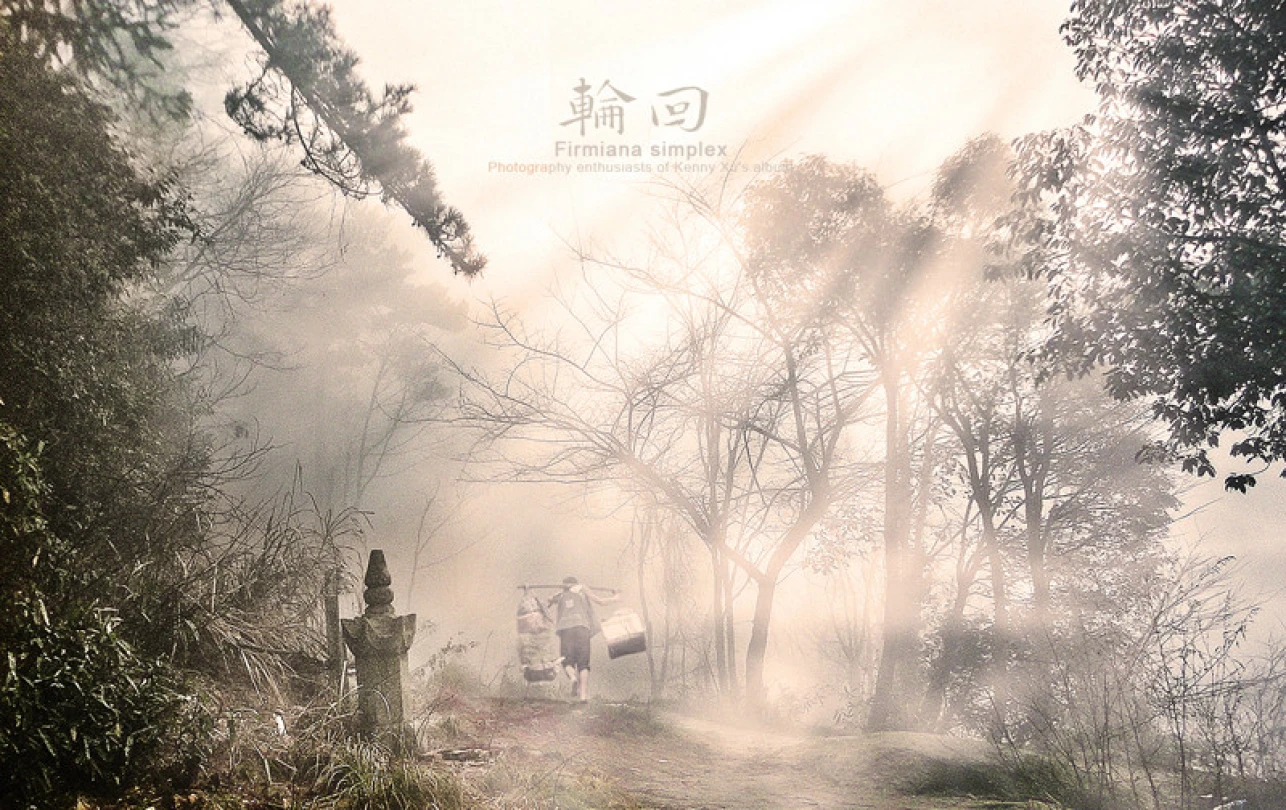
During the 2016 National Day holiday, I spent six unforgettable days traveling through three of Shikoku's four prefectures: Kagawa, Ehime, and Tokushima. No crowded attractions. No endless queues. Just the gentle breeze of the Seto Inland Sea, misty mountain streams, ancient castles standing in silence, and those unexpected, heartwarming moments that make travel truly magical.
This Shikoku independent travel guide will take you through our journey, offering practical tips, hidden gems, and honest reflections—so you can plan your own serene adventure.
Planning Your Shikoku Trip: What You Need to Know

Transportation: The Biggest Challenge
Shikoku's public transportation is notoriously sparse. Some remote areas have only three or four buses per day—miss one, and you could wait half a day for the next. This is the single most important factor to consider when planning your itinerary.
Pro tip: Use luggage forwarding services (takkyubin) to travel light. We sent three suitcases from Takamatsu Airport directly to our hotel in Matsuyama for just 3,600 yen—worth every yen for the peace of mind.
Weather: Don't Let Forecasts Fool You
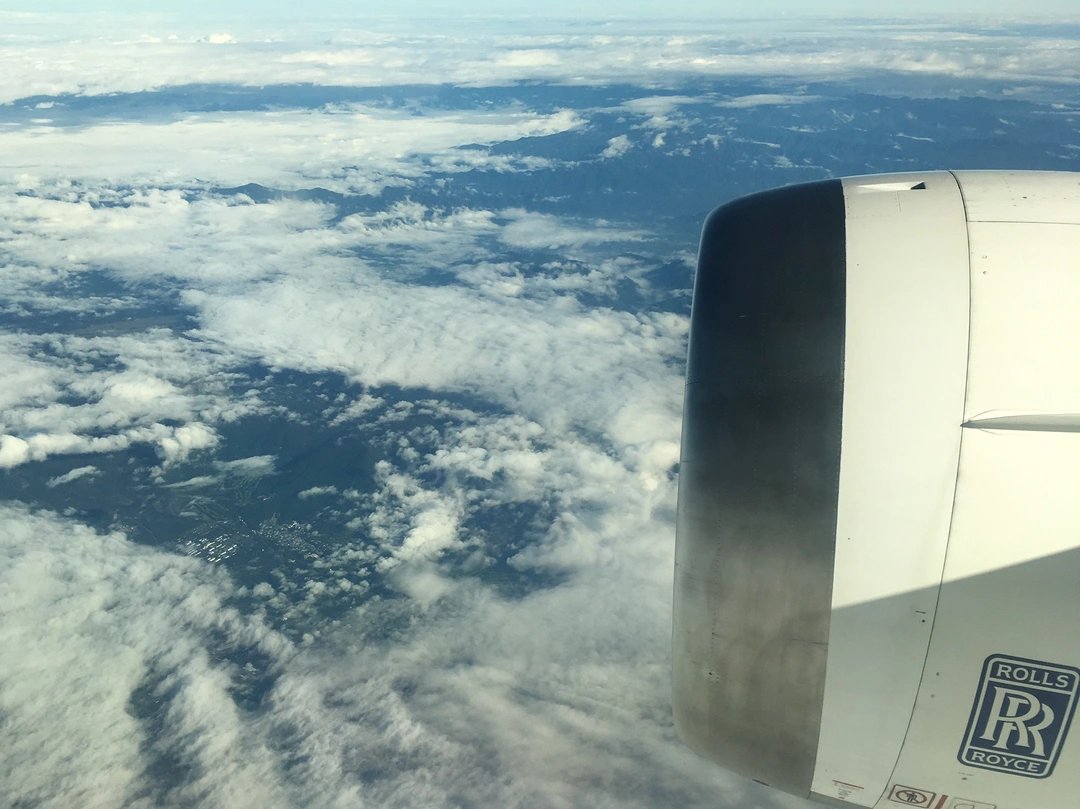
Before departure, we checked Shikoku's weather daily: cloudy, rainy, Typhoon No. 18... It was almost disheartening. But once we arrived, the sun followed us everywhere. Typhoon? It didn't affect us at all. Sometimes, you just need to trust the journey.
Day 1: Kagawa – Takamatsu and Shodoshima
Starting with a Bowl of Udon at Takamatsu Airport
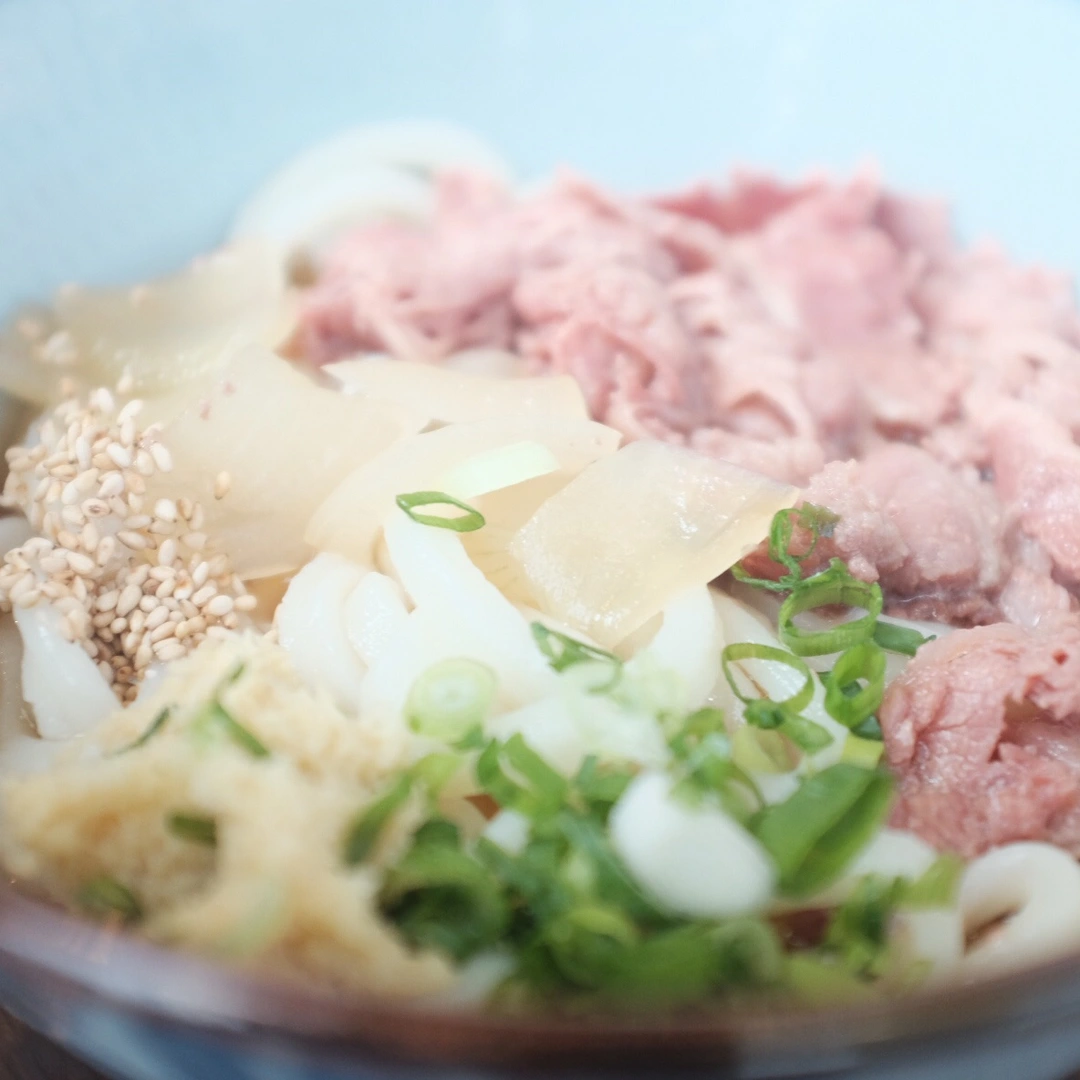
Our plane landed at Takamatsu Airport, and our first mission was clear: eat udon.
Kagawa is famous for its udon noodles, often called "the best in the world." To be honest, that first bowl didn't immediately win us over—maybe it was too early, or we hadn't settled into the travel rhythm yet. But the texture was excellent: firm, chewy, and light. I made a mental note to give it another try next time.
[Link: Best udon spots in Kagawa Prefecture]
Ritsurin Garden: A Gift from Clear Skies
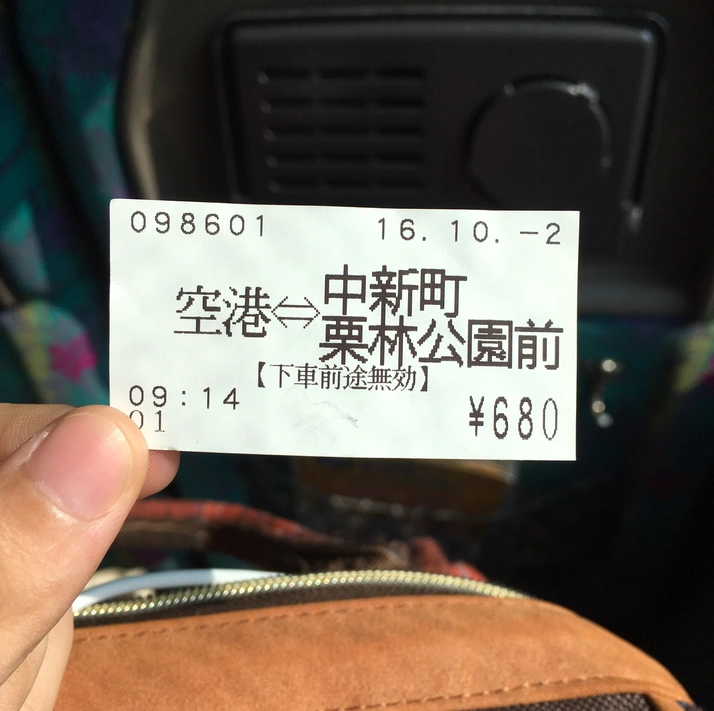
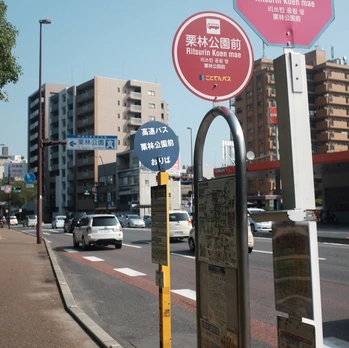
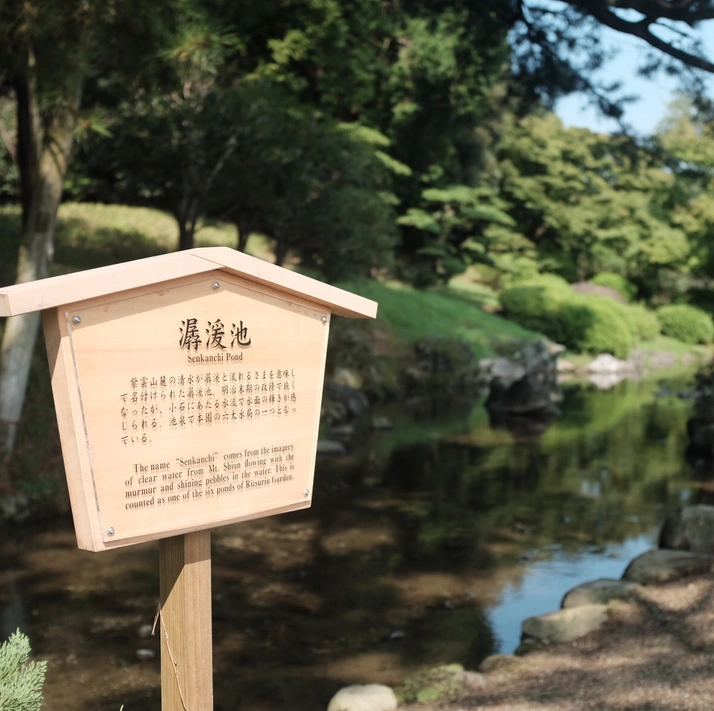
From the airport, we bought bus tickets from a vending machine and headed straight to Ritsurin Garden, one of Japan's most celebrated landscape gardens.
The garden was a photographer's dream. I bought a pack of bird feed for the pigeons, and those lazy creatures—even if I tossed the food into the air, they'd just skim low over the grass, waiting for it to hit the ground before leisurely pecking. So I threw a handful left, then right, endlessly amused.
Japan's vending machines are everywhere—even in Shikoku, you'll find one every few steps. Thirsty? Never an issue.
At the entrance, there were brooms for visitors to brush dust off their shoes. The attention to detail is remarkable.
Boarding the Ferry to Shodoshima
From Ritsurin Garden, we took the Kotohira Line to Takamatsu Station, adjacent to Takamatsu Port. Time was tight, and I was anxious the whole way—only when I bought the tickets ten minutes before departure did I finally breathe.
The Seto Inland Sea was as calm as a mirror. I sat on the deck, eating an onigiri (rice ball), feeling the breeze and sunlight on my skin. It was so pleasant I felt like singing.
Shodoshima Olive Park: Walking Through a Painting
Our first stop on Shodoshima Island was Olive Park.
Blue sky, turquoise sea, green olive trees, a white windmill... The weather was perfect—every step felt like stepping into a painting. However, the park is huge, with constant ups and downs. After a while, everyone was exhausted.
We originally planned to have dinner at the park's restaurant, but everyone surrendered and decided to head back to the hotel early.
While waiting for the bus, we met two Japanese men. One said he knew a little Chinese, then started singing "大海啊故乡" (The Sea, My Hometown)—"大海啊~大海~" ... Absolutely adorable.
A Surprise at Bay Resort Hotel
Around 6 p.m., we ventured out for food. After a twenty-minute walk, we found an izakaya (Japanese-style pub). We ordered set meals plus draft beer—the beer was rich and smooth, one sip and I felt revived.
That night, we stayed at Bay Resort Hotel near Sakate Port, in a Japanese-style room. From the window, we could see the Seto Inland Sea. When we returned from dinner, the staff had already laid out our futons neatly—like a mother, meticulous and caring.
The futon was incredibly soft, more comfortable than sleeping on a bed. If I ever return to Shodoshima, I'll definitely stay here again.
Day 2: Kagawa – Shodoshima Continued
Skipping Kankakei, Choosing the Soy Sauce Museum
Waking up to an overcast sky with light rain, visibility was poor. I decisively abandoned the plan to visit Kankakei Gorge and opted for the Marukin Soy Sauce Museum instead.
Breakfast at the hotel was served until 9 a.m. At 8:30, the staff called our room to remind us—a thoughtful "wake-up call service."
We had a self-serve kaisendon (seafood rice bowl). My friend said it was delicious, but I didn't care much for the raw fish.
An Unexpected Encounter with Mr. Hirai
While taking photos near the hotel, a handsome Japanese man who had been observing us from the parking lot approached and offered to take a group photo. After chatting, he learned we were heading to the movie village in the afternoon. He said he worked nearby and could drive us there. My eyes must have sparkled with little red hearts!
Unfortunately, we had to wait for another friend, so we could only wave goodbye to kind Mr. Hirai with regret.
Marukin Soy Sauce Museum and Soy Sauce Ice Cream
After meeting up with our friend, we toured the Marukin Soy Sauce Museum. To be honest, it was a bit disappointing—the content wasn't very engaging unless you're particularly interested in soy sauce history. We did a quick loop and then bought the famous soy sauce ice cream.
My friend reported it tasted like toffee—sweet and salty, very good. I couldn't try it because I had a stomachache.
Nijushi no Hitomi Movie Village
Next stop: the Nijushi no Hitomi Movie Village. This is a filming location for many films and TV dramas, with beautiful scenery. Even though it was drizzling, our spirits weren't dampened.
From the classroom, you could see the sea outside the window. Inside, old music and radio broadcasts played—very soothing. There was also a little pig at the movie village. Adorable.
Angel Road: A Lover's Sanctuary
This narrow sandbar near Shodoshima's Tonosho Port appears only during low tide twice a day. Legend says couples who walk across Angel Road hand in hand will never break up.
The four of us girls decided to join in the fun. From the movie village, we took a bus to Tonosho Port—about an hour's ride along the coast. Listening to the driver's announcements, watching the scenery outside, and sorting through photos... it was pure travel bliss.
FAQ: Your Shikoku Travel Questions Answered
1. Is Shikoku suitable for first-time visitors to Japan?
Yes, but with planning. Shikoku is less touristy than Tokyo or Kyoto, so English signage is limited. However, the locals are incredibly friendly, and the slower pace makes it ideal for travelers seeking authentic experiences. We recommend first-timers start with Kagawa and Ehime, which have better infrastructure.
2. How many days do you need for Shikoku?
A minimum of 5–7 days allows you to explore 2–3 prefectures comfortably. Our 6-day itinerary covering Kagawa, Ehime, and Tokushima felt slightly rushed—if you have time, add a day for each prefecture.
3. What's the best time to visit Shikoku?
Spring (March–May) and autumn (October–November) offer mild weather and beautiful scenery. Summer can be hot and humid, while winter is generally mild but some mountain areas may have snow. Our October visit was perfect—cool breezes, clear skies, and fewer crowds.
4. Is public transportation in Shikoku reliable?
Reliable but limited. Buses and trains run on schedule, but frequency is low—especially on Shodoshima and in rural areas. Always check timetables in advance and have backup plans. Consider renting a car if you want maximum flexibility.
5. What food is Shikoku famous for?
Shikoku is a food lover's paradise: - Kagawa: Udon noodles (try Sanuki udon) - Ehime: Citrus fruits (especially mikan oranges) - Tokushima: Sudachi (a type of citrus) and tokushima ramen - Shodoshima: Olive-based products, including olive beef and soy sauce ice cream
Internal Linking Suggestions
[Link: Complete Japan travel guide for first-timers] [Link: Best udon spots in Kagawa Prefecture] [Link: How to use luggage forwarding services in Japan] [Link: Shodoshima ferry schedules and tips] [Link: Seto Inland Sea itinerary ideas] [Link: Japanese onsen etiquette guide]
Final Thoughts: Why Shikoku Will Steal Your Heart
Shikoku is not for everyone. It's for travelers who don't mind waiting for a bus that comes three times a day. It's for those who find joy in a perfectly chewy bowl of udon, a random encounter with a singing stranger, or a sunset over the Seto Inland Sea.
If you're ready to slow down, embrace the unexpected, and discover a side of Japan that few tourists see, then Shikoku is calling your name.
Ready to plan your own Shikoku adventure? Start by checking ferry schedules from Takamatsu to Shodoshima, and don't forget to book your luggage forwarding service in advance. Your serene Japanese journey awaits.
Bookmark this guide, share it with your travel buddies, and start dreaming of Shikoku's gentle breezes.
You may also like