2 Hours, 7 Kilometers, 300 Calories Burned—Finding Life's Answers in the Everyday Warmth of Hongkou
Meta Description: Discover Hongkou's hidden soul on a 7km walking tour. From Debi Park to Sweet Love Road, explore Shanghai's most authentic neighborhood. Free coffee, local markets, and unexpected warmth await.
Introduction: Why Hongkou's Everyday Charm Beats Any Tourist Spot
Sometimes, the soul of a city isn't found at the top of skyscrapers or filtered through a trendy photo spot. It's hidden in the ordinary lanes you've walked a thousand times but never truly seen. On an ordinary afternoon, I received a text about a free coffee, and I decided to explore Hongkou on foot—a place I thought I knew "like the back of my hand."
Two hours, seven kilometers, 300 calories burned—but what I gained was a full day's worth of spiritual richness. It turns out that the simple warmth of everyday life is the best cure of all. This Hongkou walking tour became an unexpected journey of discovery, proving that Shanghai's hidden gems are often right under our noses.
An Unexpected Journey That Started with a Free Coffee
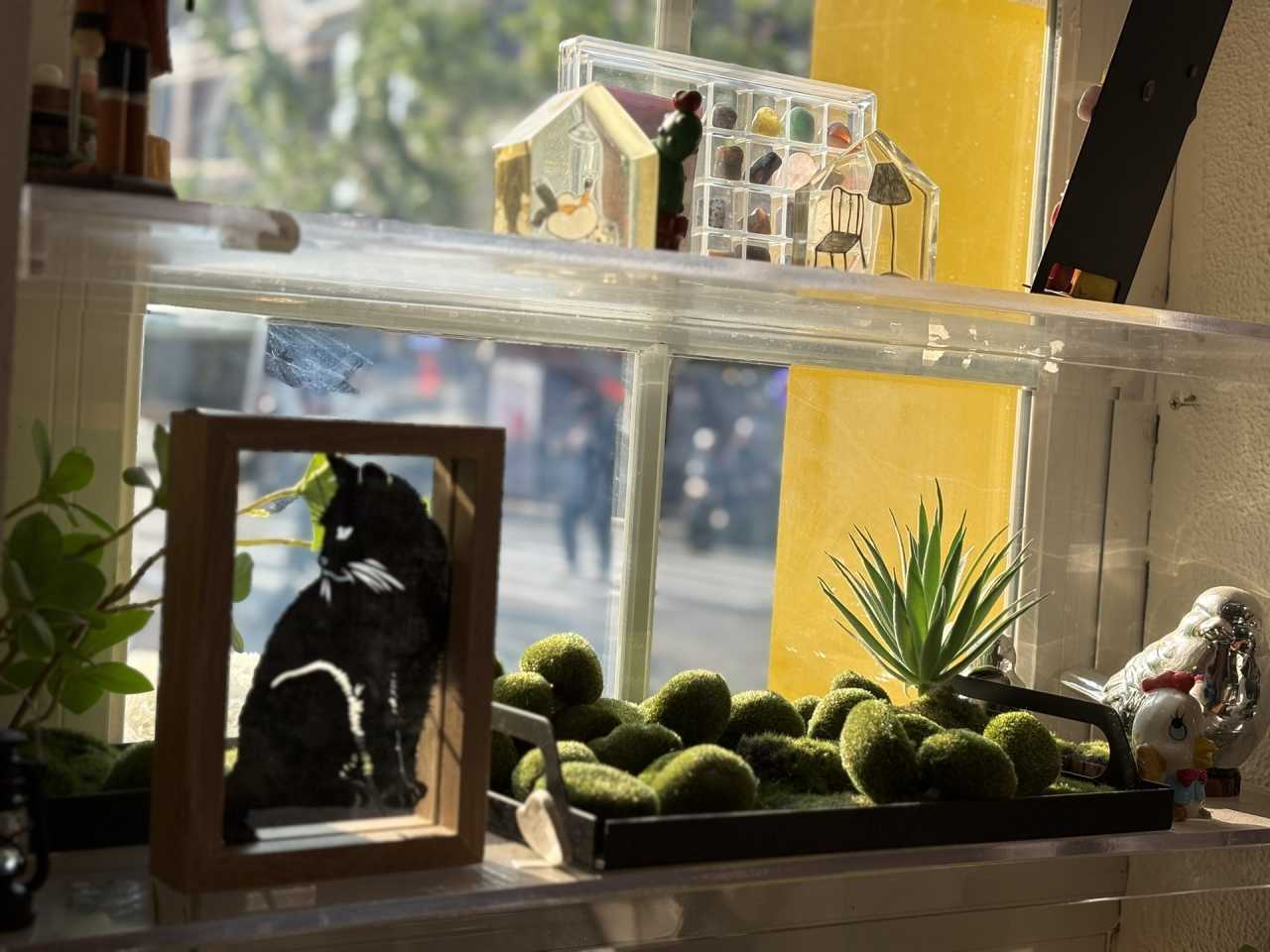
Debi Park: A Familiar Stranger
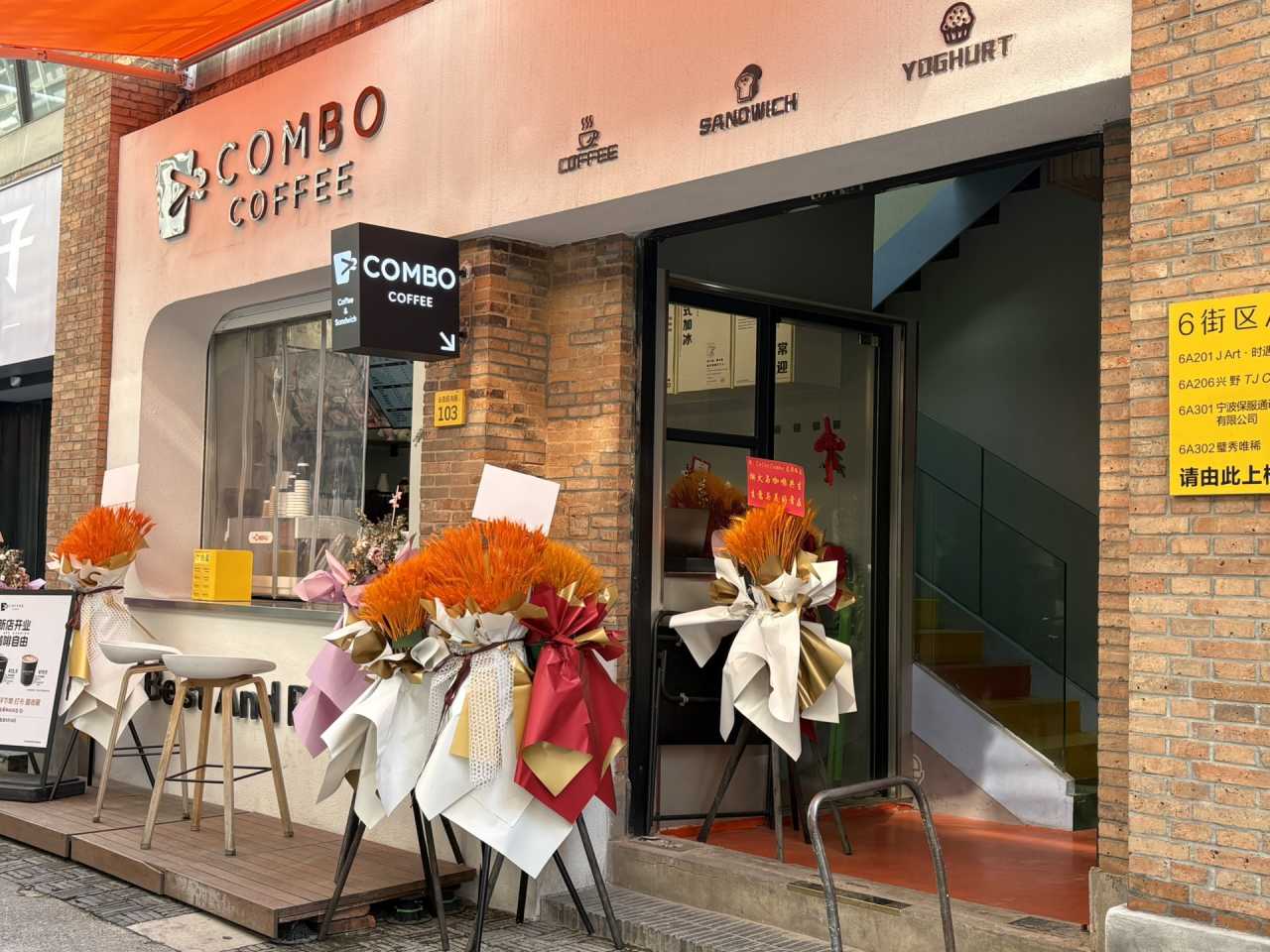
I always sign up for Dianping's "Free Trial" events with a "just happy to participate" attitude. When my phone lit up with a notification that I'd won a coffee, I felt a small thrill—the winning shop was Coffee Combo in the Debi Sports Park on Tongxin Road, right in Hongkou, my home turf.
When my son was younger, he used to take tutoring classes here, and I'd spent countless hours waiting around the park. My memory of Debi was a mix of coffee shops, sports centers, and snack stalls, plus a distinctive Party-mass service center that radiated youth and energy.
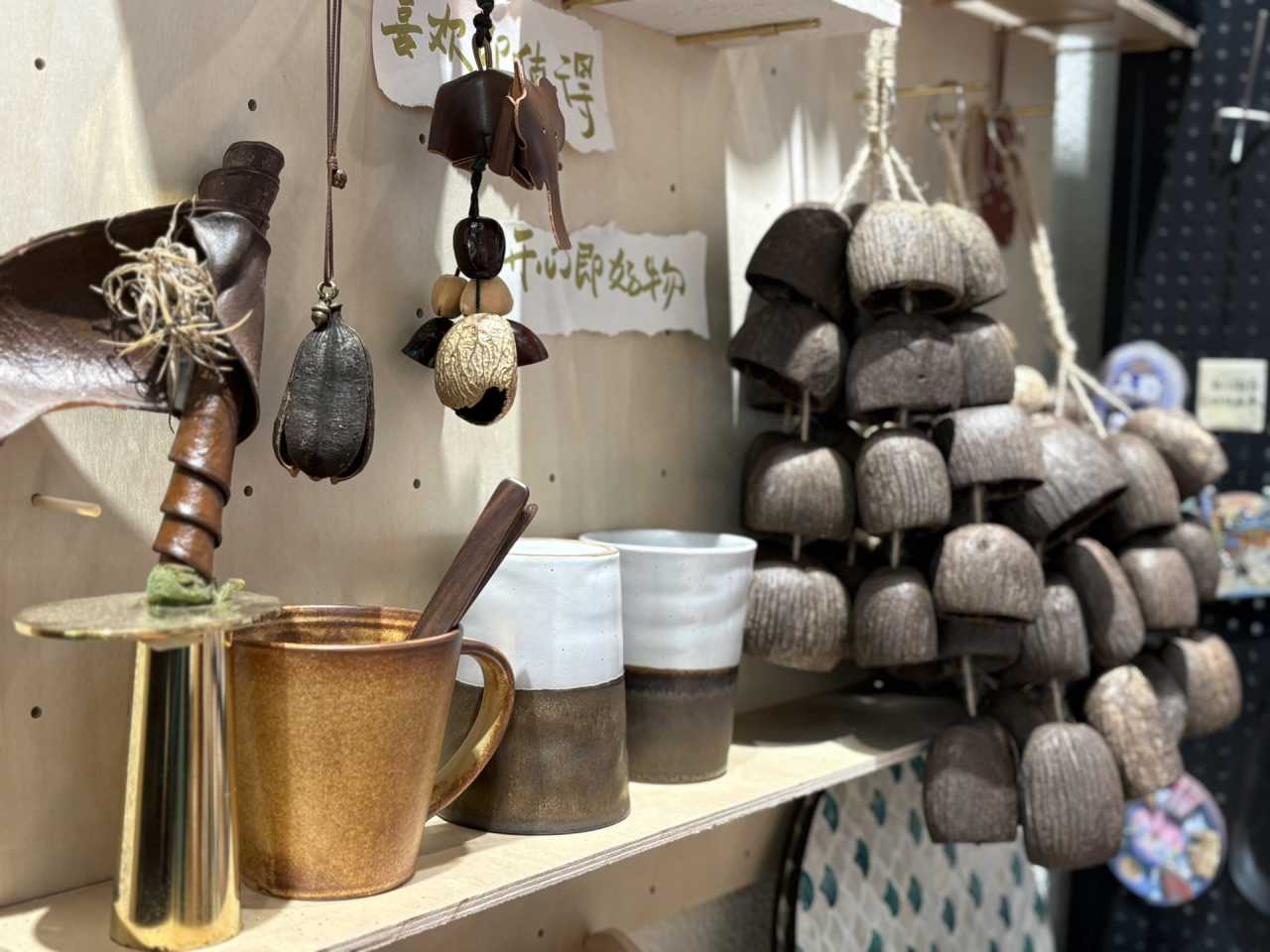
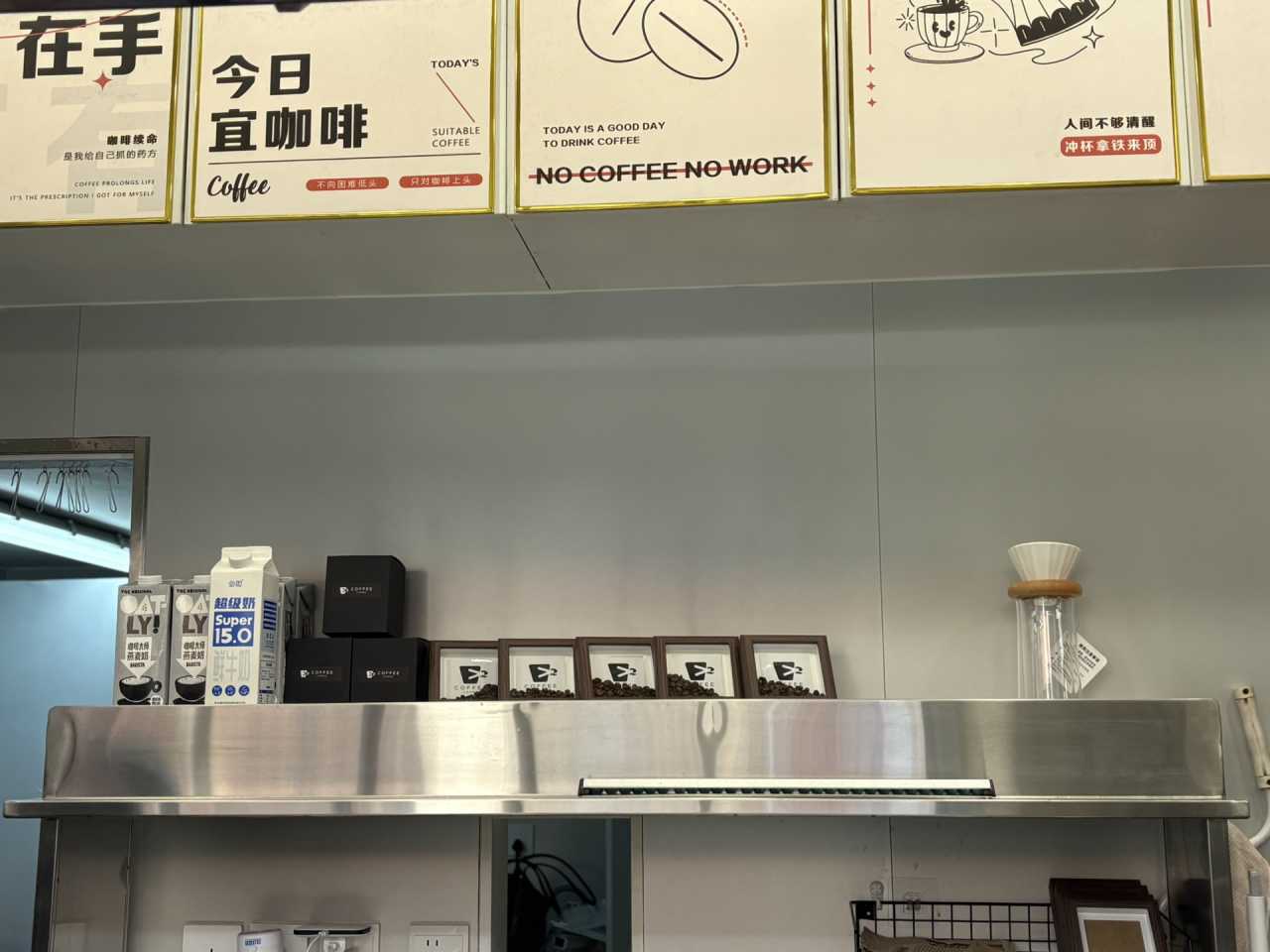
This time, my destination was Coffee Combo, a newly opened café. I scanned the code at the counter, chose between an Americano and a latte, and went with an iced latte. Honestly, it was fine—nothing mind-blowing that would make me post it on social media, but for a free coffee, who's complaining?
The park had changed quite a bit. The burger-and-sandwich shop I'd once been eager to try had turned into a Lanzhou beef noodle house. A new Cantonese dessert shop called "Fulu Xiaoman" (福禄小满) wafted an irresistible sweet aroma, but I held back—I didn't want to add an extra 5 kilometers to my walk just for a bowl of sweet soup. Thankfully, the Mo+ café I'd visited before was still going strong, with a decent crowd. As for the chocolate shop that sold 98% dark chocolate—it had vanished without a trace. Brick-and-mortar businesses are struggling, no doubt about it.
[Link: Best cafes in Hongkou Shanghai]
The "Sobering" Clarity of a Market
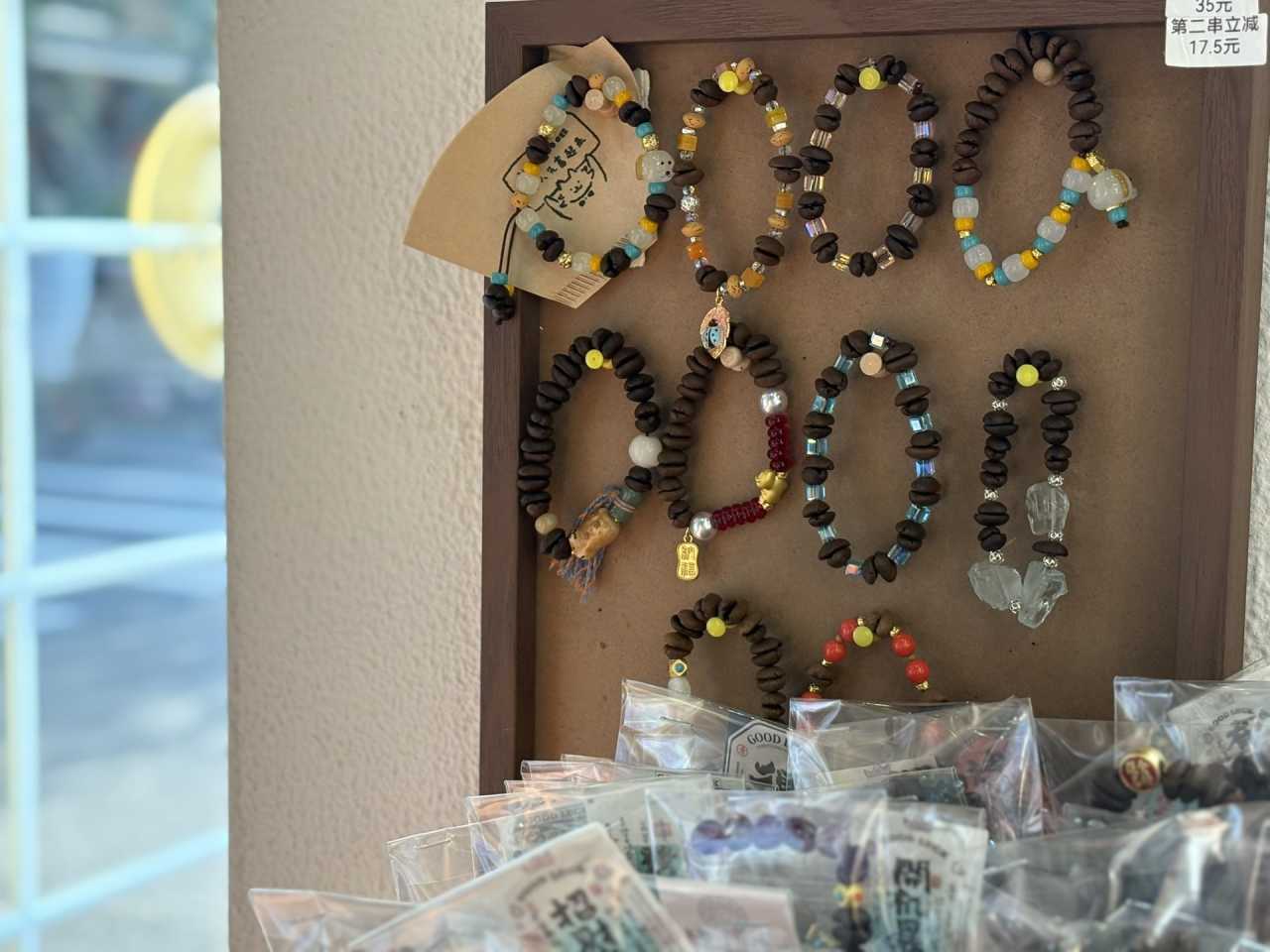
Zhongguang Food Market: Where Real Life Happens
Leaving Debi, my feet instinctively turned toward Zhongguang Food Market (中广食集). The last time I'd been here was years ago. What I remembered most was the snack street, bustling with morning crowds and thick with the aroma of daily life.

The market was naturally quieter in the afternoon than at dawn, but the snack shops were still brightly lit. Flatbread (羌饼), fried dough sticks, rice cakes, hot and sour soup, steamed buns, sesame cakes—the full lineup of a traditional Shanghai breakfast was almost all here. Deeper inside, the market sprawled with fresh produce, seafood, meat, nuts, grains, and cooking oil—a colorful, overflowing display.
I suddenly realized I might have reached the age where I actually enjoy visiting markets. Looking at these everyday ingredients, my mood inexplicably lifted. No filters, no packaging—just the most authentic, unadorned life of Hongkou residents.
[Link: Shanghai wet markets guide]
Sweet Love Road: A Hundred-Meter Leap from Everyday Life to Romance
From Market Warmth to Romantic Sweetness
Leaving the market, I passed through Lu Xun Park and arrived at Sweet Love Road (甜爱路). I'd walked this road countless times and could recite the shops along it by heart, but I'd never stepped inside the little creative store at the entrance. With the sunset at its golden hour, I decided to check it out.
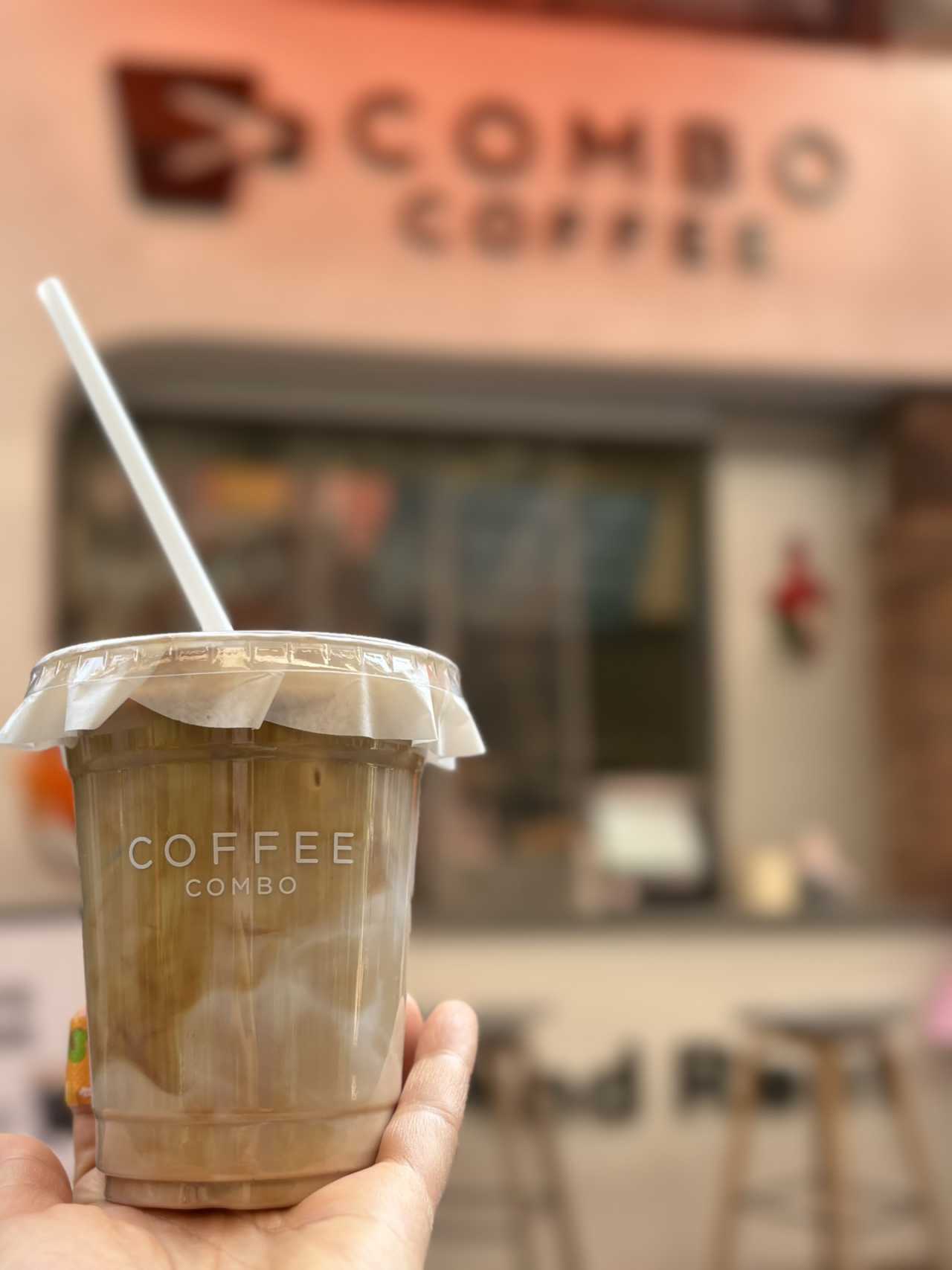
The shop was filled with Sweet Love Road-themed souvenirs—coasters, figurines, hanging ornaments, and even bracelets made from coffee beans, which I'd never seen before. It turned out the shop also doubled as a café. At the door, a young couple brandished their "freshly printed" marriage certificate, beaming in the golden light.
In just a few hundred meters, I'd gone from the earthy warmth of the market to this sweet romance. I couldn't help but marvel: our Hongkou really is something special.
Shanyin Road: A Walk Down Memory Lane
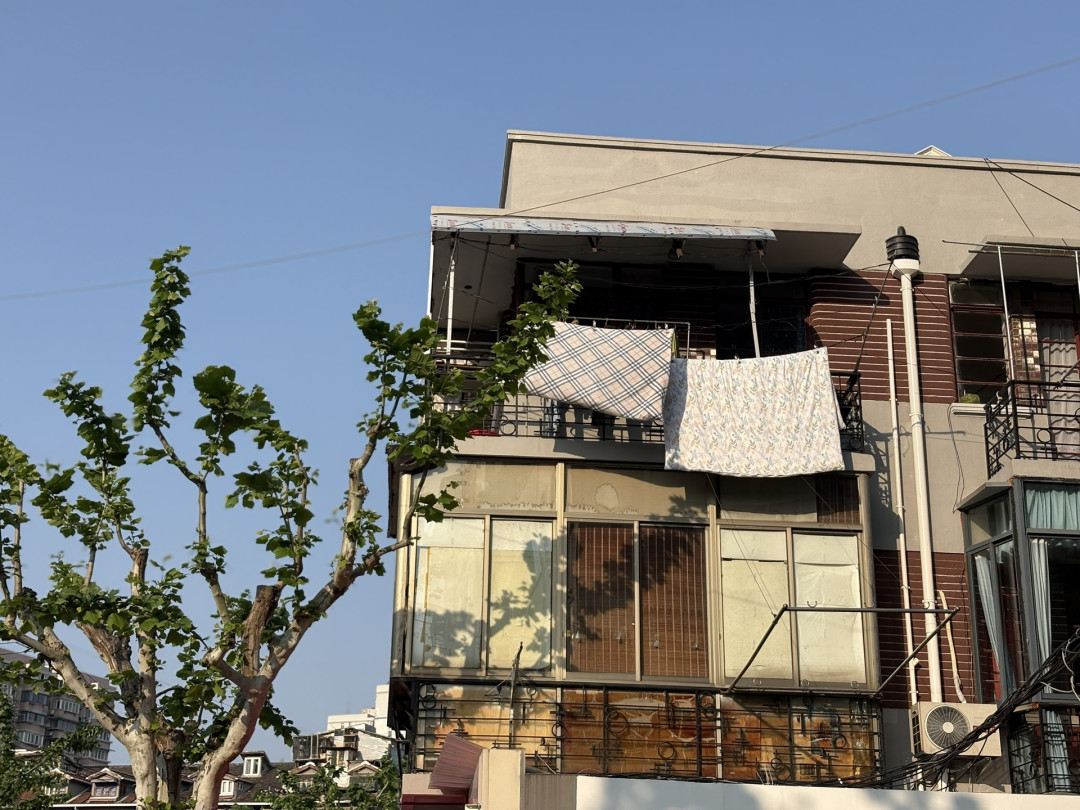
Leaving the shop, I turned onto Shanyin Road (山阴路). Over a decade ago, I bought a black knit sweater for 30 yuan at a foreign trade store on this street—a memory that still sticks with me. The sunset filtered through the leaves, casting light on the walls of old residential buildings. Laundry hung from poles, swaying in the breeze—a uniquely Shanghai sight. I pulled out my phone and snapped a photo. Maybe in a few years, these old buildings will be gone.
[Link: Sweet Love Road Shanghai guide]
Xiangde Road: A New Artistic Life Amidst Everyday Bustle
Xiangde Market: Old Flavors, New Look
Xiangde Road (祥德路) is an old street steeped in the hustle and bustle of daily life. The famous rice cake shop is here, and the newly opened Xiangde Market (祥德市集) was something I'd never gotten around to visiting. Today was the perfect chance to take a detour.
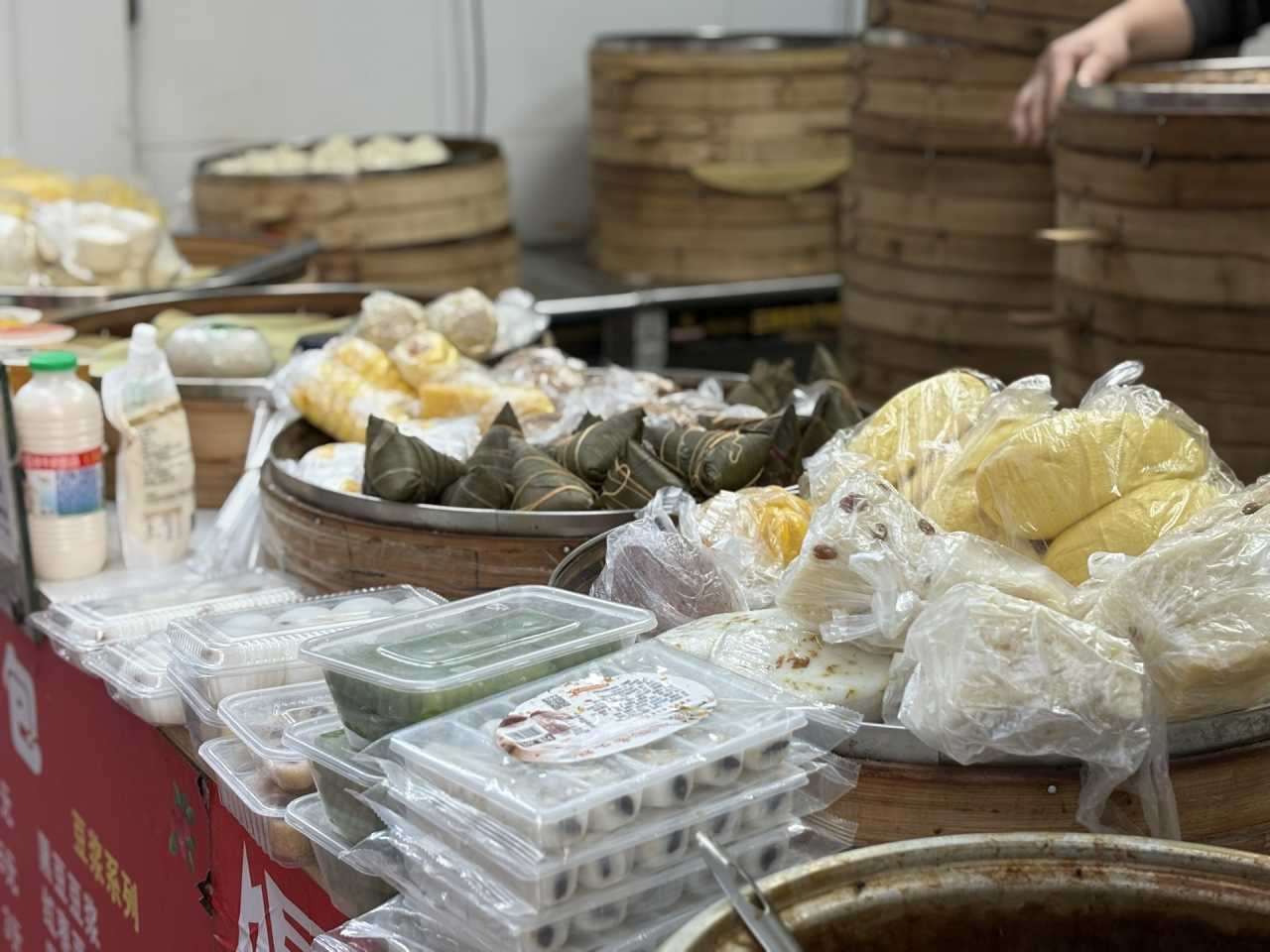
Inside, the market had a steamed bun and soy milk shop, a Suzhou-style noodle shop, an old Shanghai noodle shop, a deli counter, a sesame cake stall, and even a coffee shop. But the biggest draw was the Fat Auntie Potstickers (胖阿姨锅贴) at the entrance. This shop used to be across the street—I'd tried it once and wasn't blown away, but it's undoubtedly the most famous snack spot on Xiangde Road.
After browsing the market, a thought popped into my head: I'd drag my partner here for breakfast tomorrow. He loves his salty tofu pudding (豆腐脑), and I'm all about Suzhou-style noodles. We'd each get what we wanted, and we'd both be happy.
The renovation of Xiangde Road was well done. It kept the original everyday feel while making the street cleaner and more vibrant. Graffiti art dotted the walls, leisure and fitness equipment lined the sidewalks, and pocket gardens added greenery—the old street had been given a fresh lease on life.
The Shops That Make You "Love and Hate"
Crossing Ouyang Road, I entered the stretch of Xiangde Road I know best. I walk this way at least three times a week to pick up my son from school, but usually at night. With the afternoon light just right, I decided to take a good look around.
Every time I pass the Old Lady Peanut Shop (老奶奶瓜子铺), I get the urge to buy some peanuts, then kill it with sheer willpower. You have no idea how conflicted and tortured I am. Then there's the Yam Rice Cake Shop (山药米糕店)—I've passed it countless times and always imagined buying up all the leftover yam rice cakes in one go.
The famous Rice Cake Uncle (米饭饼大叔) shop sits right between these two. Honestly, the rice cakes aren't as amazing as the bloggers claim. They're just rare because so few people make them anymore. Plus, I once saw the uncle yell at an elderly customer with terrible attitude, and my "influencer filter" shattered instantly.
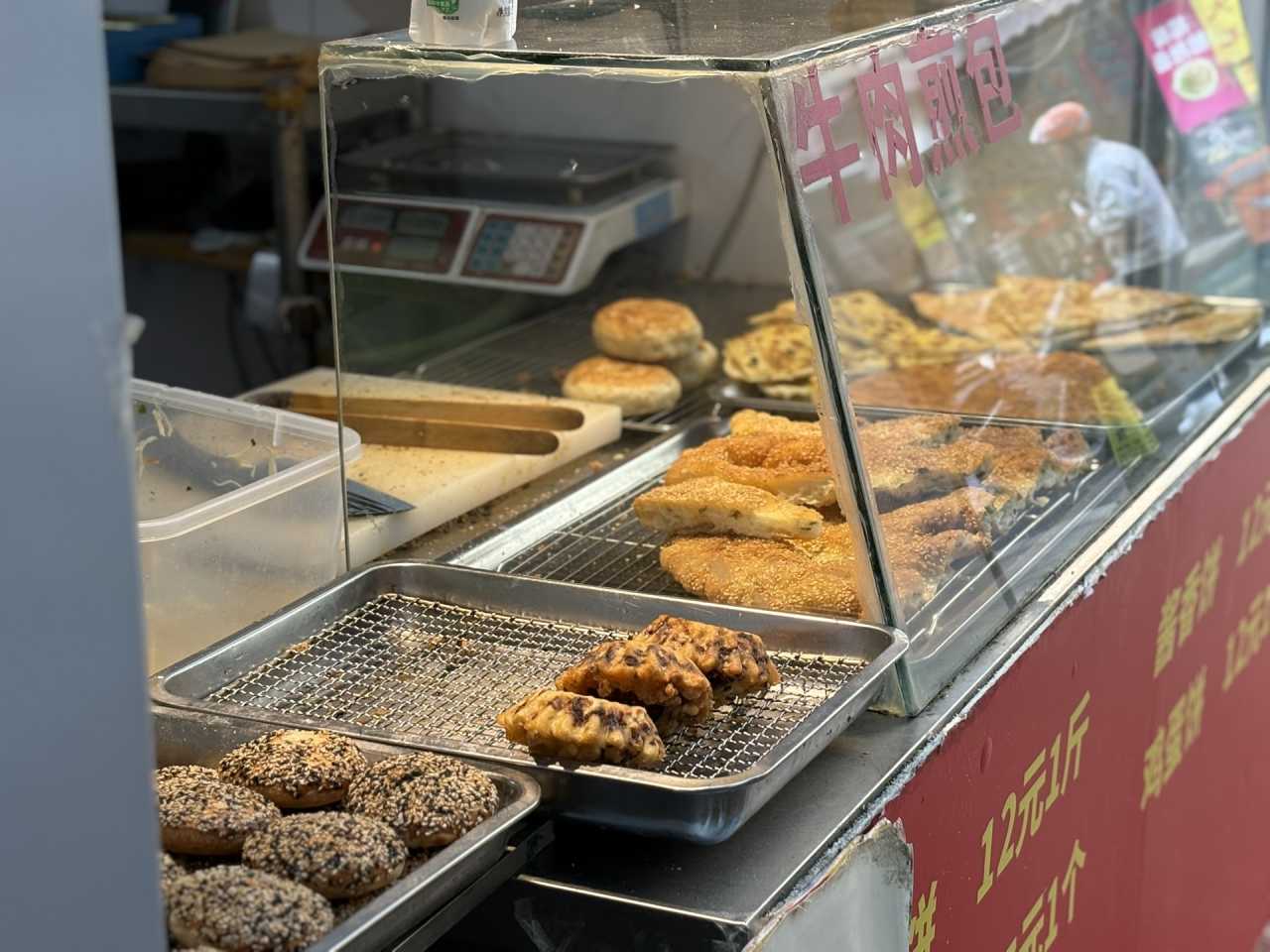
On the roadside, a new Old-Fashioned Sesame Cake Shop (老面烧饼店) had opened. The freshly baked cakes were too tempting to resist. I bought one, took a bite—crispy on the outside, soft on the inside, bursting with wheat flavor.
[Link: Xiangde Road food guide]
Triangle Land Market: The Warmth of Everyday Life Soothes the Soul
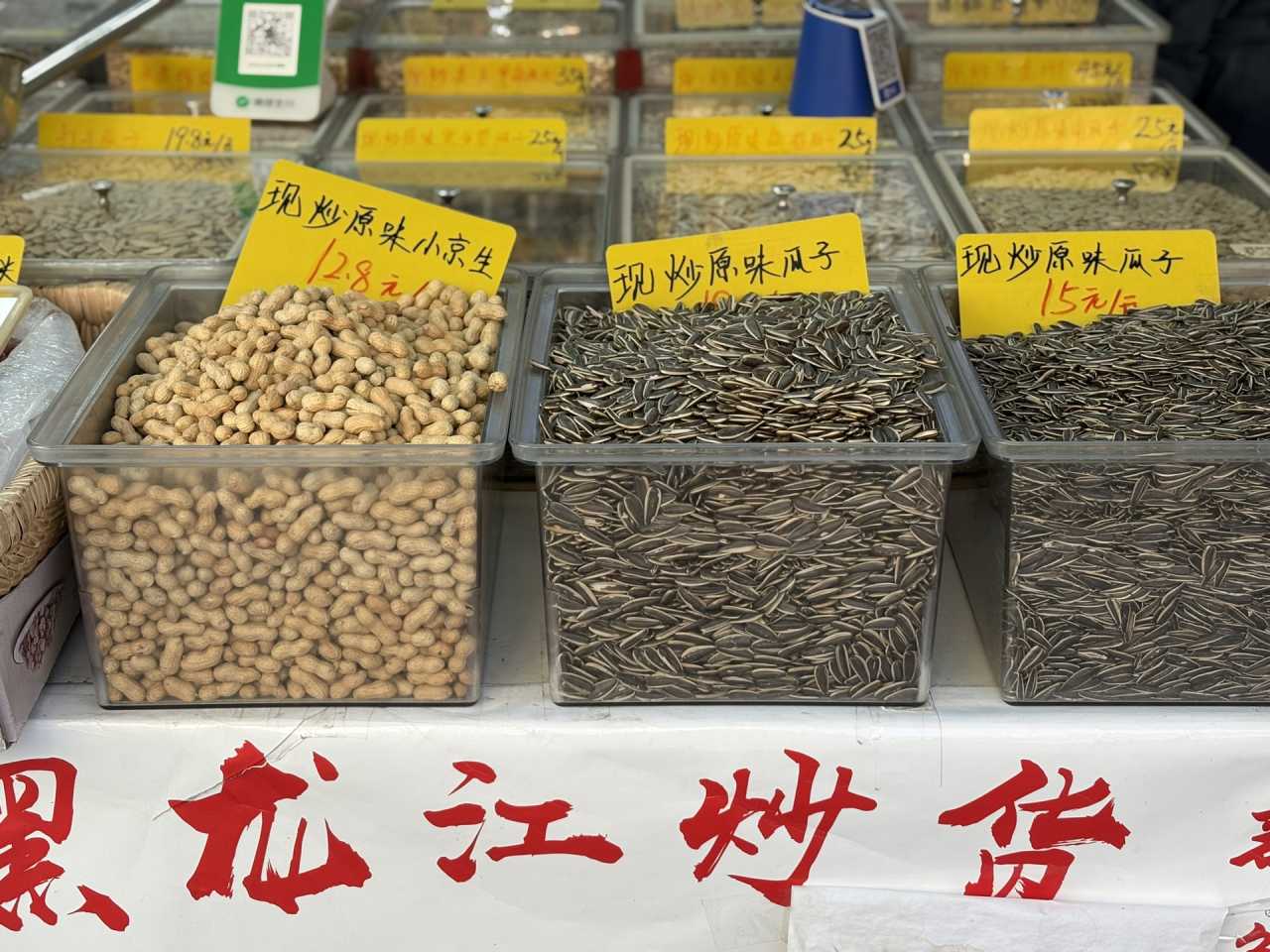
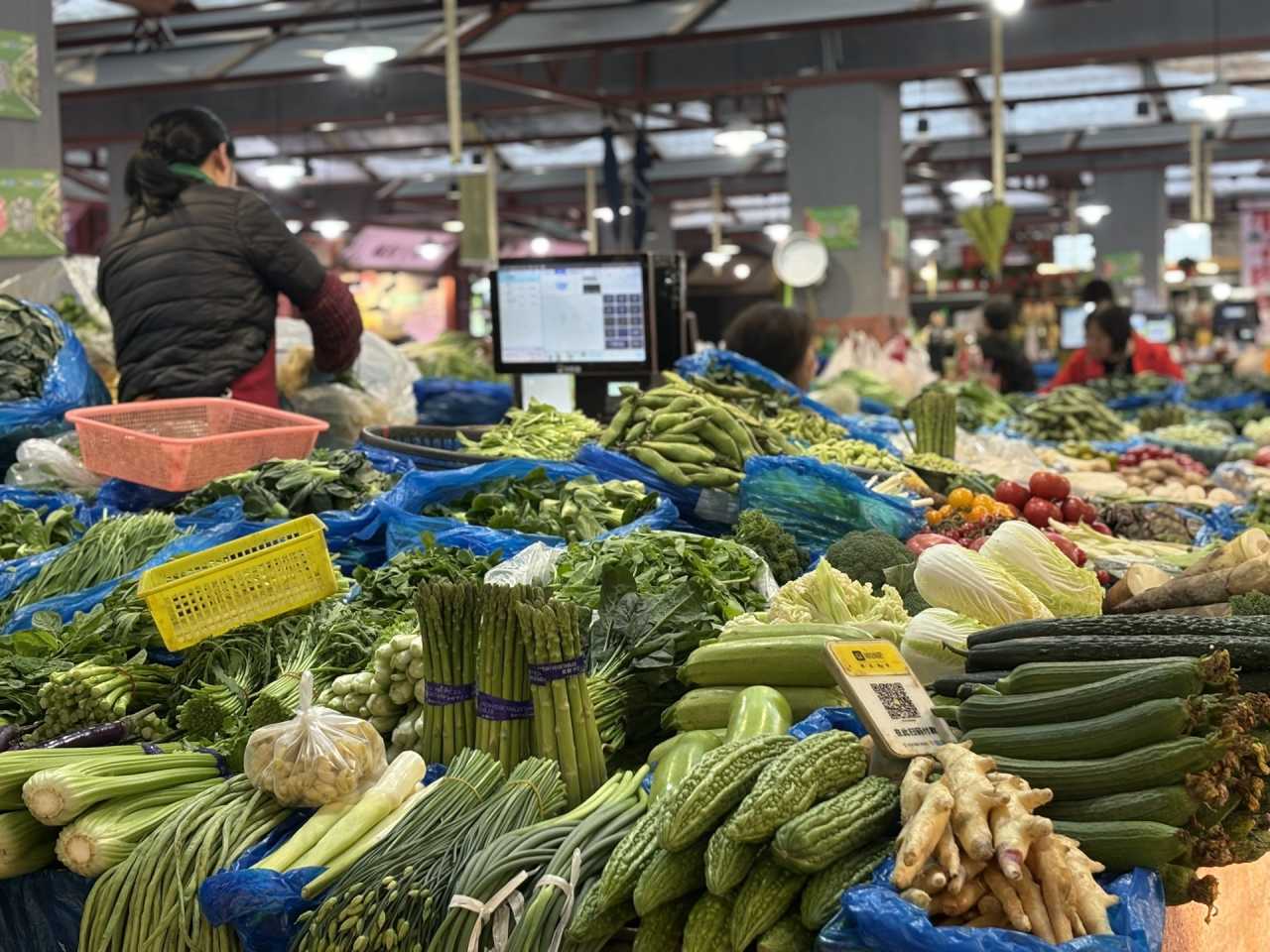
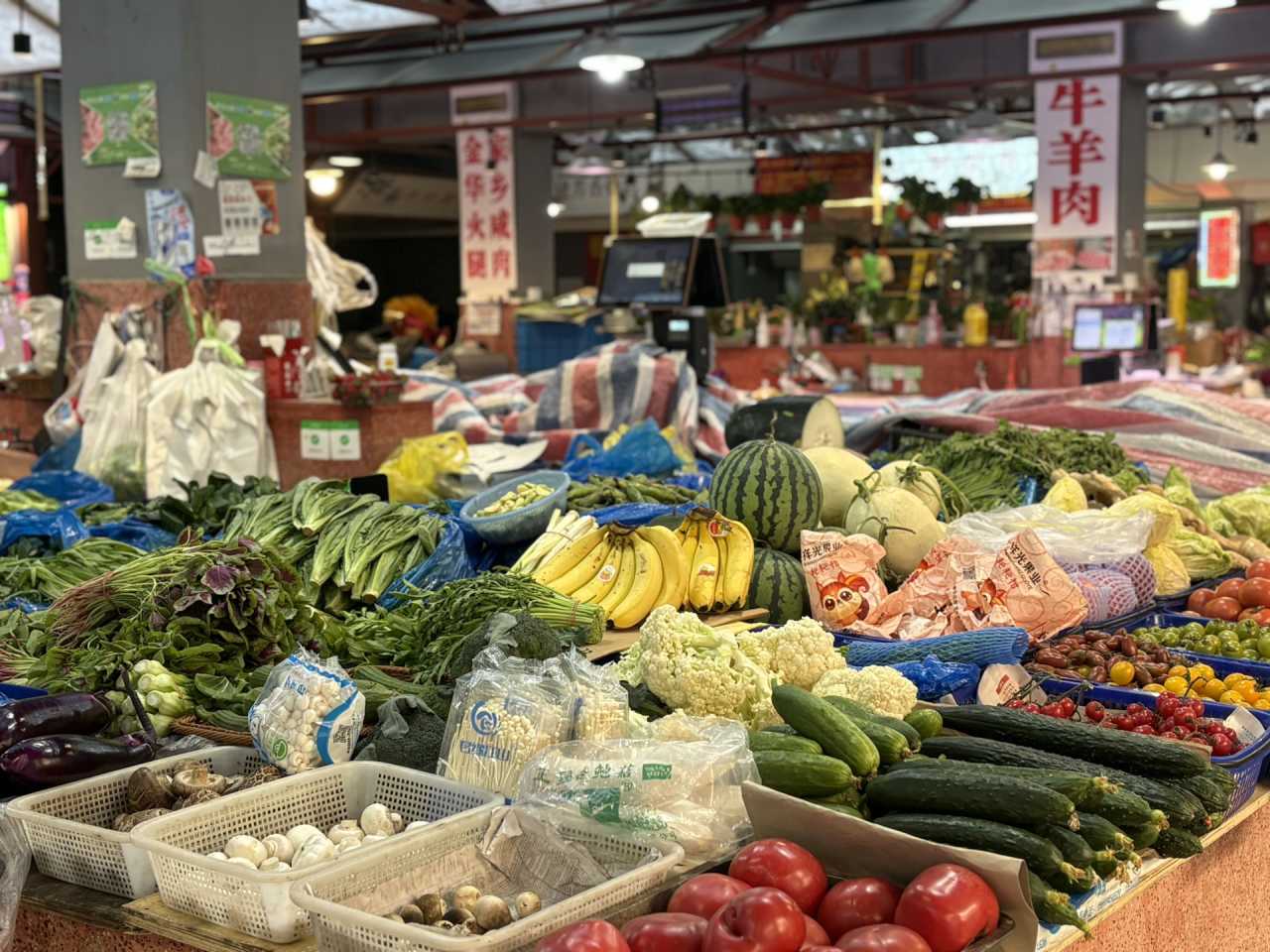
Passing Triangle Land Market (三角地菜场), I raised my phone to take a few photos. Since I started using Dingdong Maicai, Hema, and Sam's Club for home delivery, it had been ages since I'd set foot in a traditional market. But today, as I wandered through the stalls, I felt an unprecedented sense of relaxation and joy. It turns out that the simple warmth of everyday life is the most healing thing of all.
Walking toward Xiangde Road Bridge near Quyang Road, I noticed for the first time that the view from the bridge had a subtle, Jiangnan water-town charm. Without leaving Shanghai, I could still feel the beauty of the south.
Breakfast Exploration: Surprises and Disappointments at Jixiang Morning Market
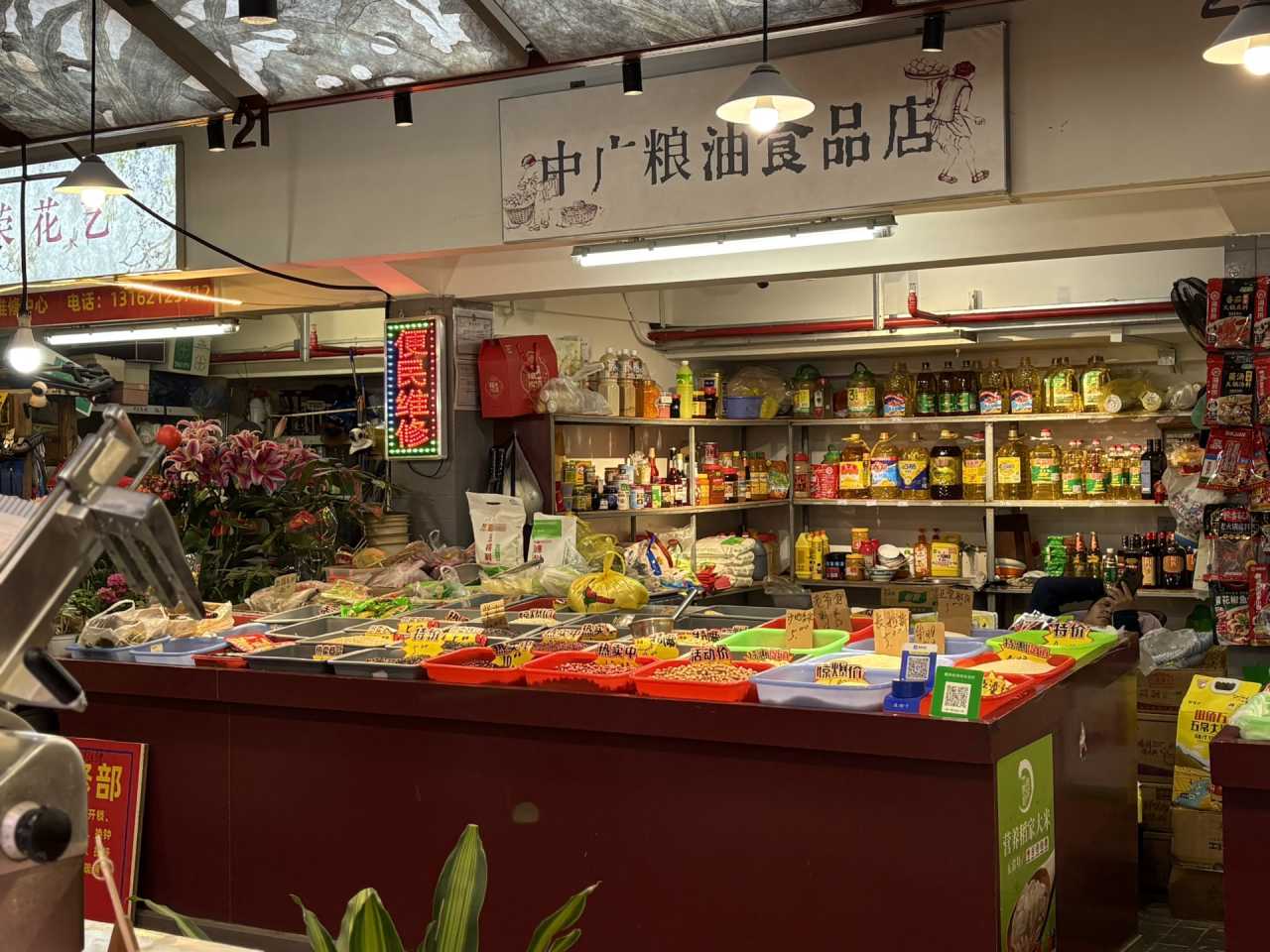
The next day, I'd planned to go for a morning run, but the thought of breakfast at Xiangde Market changed my mind. Early in the morning, I dragged my partner straight there.
The "True Flavor" Moment of the Morning
The Jixiang Morning Market (吉祥早市) was buzzing with energy. Steaming baskets of xiaolongbao, sizzling potstickers, and the fragrant aroma of freshly brewed soy milk filled the air. We grabbed a table at the Suzhou-style noodle shop, and I ordered a bowl of shengjian mantou (生煎馒头) while my partner went for his beloved salty tofu pudding.
The first bite was pure perfection—crispy bottom, juicy filling, and a burst of savory broth. This is what Hongkou breakfast culture is all about. No Instagram-worthy plating, no artisanal ingredients—just honest, delicious food made with care.
But not everything was a hit. The sesame cake I'd been so excited about the day before was disappointingly dry this morning. And the Fat Auntie Potstickers? Still good, but I've had better. Sometimes, the anticipation is better than the reality—and that's okay.
[Link: Best breakfast spots in Shanghai]
Hongkou Walking Tour FAQ
Q: How long does it take to complete this Hongkou walking route? A: The full route from Debi Park through Sweet Love Road, Xiangde Road, and the markets takes approximately 2 hours covering about 7 kilometers. You can easily stretch it to a half-day experience by stopping for meals and photos.
Q: What are the must-visit spots on this Hongkou itinerary? A: Don't miss Coffee Combo at Debi Sports Park, Zhongguang Food Market for authentic local snacks, Sweet Love Road for romantic photo ops, and Xiangde Market for the famous Fat Auntie Potstickers.
Q: Is this Hongkou walking tour suitable for families with children? A: Absolutely. The route is mostly flat, with plenty of rest stops, food options, and interesting sights. Lu Xun Park is a great place for kids to run around, and the markets offer endless fascination.
Q: What's the best time of day to explore Hongkou on foot? A: Early morning (7-9 AM) is ideal for experiencing the markets at their liveliest and enjoying fresh breakfast items. Late afternoon (3-5 PM) offers beautiful golden hour light for photos.
Q: Are there any hidden costs on this Hongkou walking route? A: Most of the experience is free—walking, window shopping, and people-watching cost nothing. Budget around 30-50 yuan for snacks and drinks along the way.
Conclusion: Your Turn to Discover Hongkou's Everyday Magic
Two hours, seven kilometers, 300 calories burned—but what I gained was immeasurable. This Hongkou walking adventure reminded me that the best travel experiences aren't always in guidebooks. They're in the warm steam rising from a pot of soy milk, the laughter of a young couple on Sweet Love Road, and the patient hands of a vendor folding potstickers.
The everyday warmth of Hongkou is waiting for you. Whether you're a Shanghai local who's never truly explored your own backyard, or a visitor looking for an authentic experience beyond the Bund and the Pearl Tower, this route offers something real.
Ready to discover your own Hongkou story? Grab your walking shoes, leave your phone map at home (or keep it for photos), and let the streets guide you. Start at Debi Park, follow your nose to the markets, and don't be afraid to take detours. The best discoveries happen when you least expect them.
Your adventure starts now. Share your Hongkou finds with us using #HongkouWarmth—we'd love to see what you discover.
Have questions about planning your Hongkou walking tour? Drop them in the comments below, or check out our [Complete Shanghai Neighborhood Guide] for more off-the-beaten-path adventures.
You may also like