Chasing the Summer Tale of "Daytime Shooting Star": An Unexpected Warmth in the Forests and Old Folk Houses of Hanno
Meta Description: Discover the real filming locations of "Daytime Shooting Star" in Hanno, Japan. Explore the Naguri forest, Kannon Waterfall, and a hidden century-old folk house. A spontaneous travel story from Tokyo.
Introduction: When a Film Scene Becomes an Obsession
It was an ordinary June afternoon in 2018 when I stumbled into a cinema and watched the film version of Daytime Shooting Star (昼颜). The haunting score by Yugo Kanno, the ethereal beauty of the "Mihama Natural Forest," the valley where fireflies danced like scattered stars, and the coastline where surfers chased the waves—these images lodged themselves in my mind like a stubborn melody. Before the credits finished rolling, I had already booked a flight to Tokyo.
This isn't a meticulous location-hunting guide. It's a record of a spontaneous escape—a journey that led me not only to the filming locations of Daytime Shooting Star but also to an unexpected encounter with warmth, history, and an old man who made me feel like a cherished guest. If you've ever been moved by a scene in a film, come with me into the forests of Hanno, into that old folk house hidden in the Naguri countryside, and listen to the wind, the water, the cicadas—and the rambling stories of an old man.
H2: The Truth About "Mihama Natural Forest" – Fiction vs. Reality
To be honest, I'm not the type to obsessively visit film locations. But that "Mihama Natural Forest" in Daytime Shooting Star was just too beautiful: the clear streams, the dappled sunlight, the fireflies flitting through summer nights... Those images piled up, and I couldn't resist the urge to see them with my own eyes.

However, reality is always more complicated than imagination. "Mihama Natural Forest" is not a real place. It's a fictional creation for the film. There are several places in Japan called "Mihama," and the closest to Tokyo is in Urayasu City, Chiba Prefecture—a one-hour walk from Tokyo Disneyland.
But the actual filming location, according to sparse clues on Douban and scattered travel forums, pointed to "Kannon no Taki" (Kannon Waterfall) in Naguri, Hanno City, Saitama Prefecture. No VPN, no detailed guide. I had only a vague pin on Google Maps. I decided to go anyway. Even if I didn't find it, it would be an adventure.
H2: Hanno – A Hidden Oasis on Tokyo's Doorstep

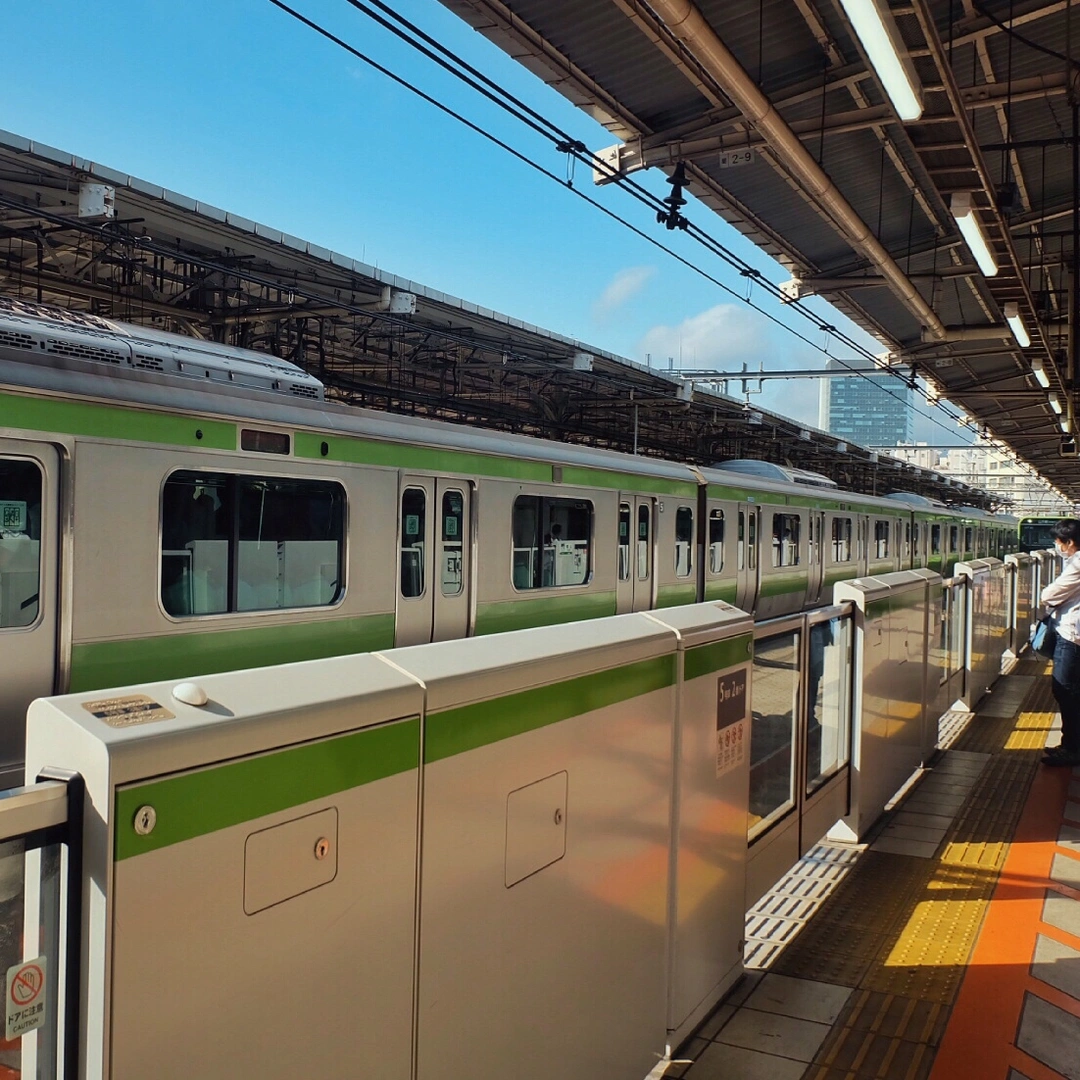
From Tokyo's Ikebukuro Station, take the Seibu Ikebukuro Line. About 50 minutes later, you arrive at Hanno. This small town sits between Tokyo and Chichibu. It's not bustling, but it has a quiet charm that feels worlds away from the neon chaos of Shinjuku.
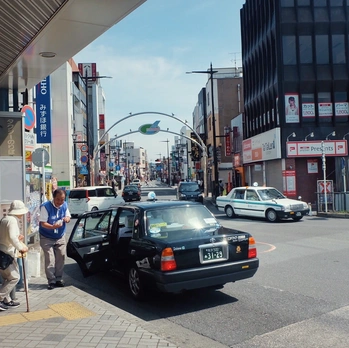
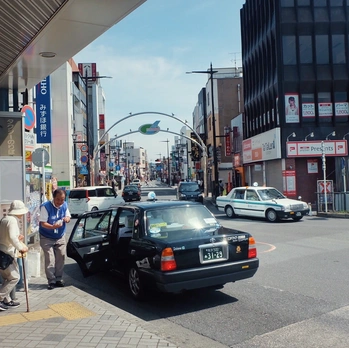
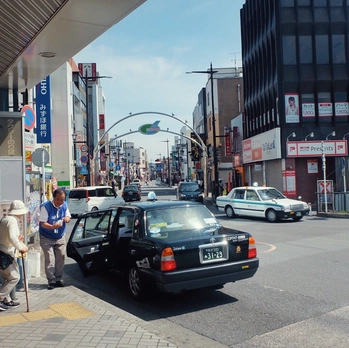
At the north exit plaza, a bus driver in a blue vest was cheerfully guiding passengers. He patiently checked timetables for everyone who asked, even personally escorting them to the platform and bowing goodbye before leaving. This kind of attentiveness isn't rare in rural Japan, but it always warms my heart.
H3: What to See in Hanno Besides Film Locations

Hanno isn't overflowing with tourist attractions. The most famous spots are Lake Miyazawa, Lake Naguri, and the Naguri River. But a new landmark was coming soon—the Moomin theme park "Metsä" (Finnish for "forest"), which was expected to open in March 2019. The park has two zones: the ticketed "Moomin Zone" (with Moomin houses, shops, and restaurants) and the free "Public Zone," perfect for strolling and enjoying the lake views. If you're a Moomin fan, add it to your itinerary. [Link: Moomin Valley Park travel guide]
H2: Exploring "Kannon no Taki" – A Battle with Silence
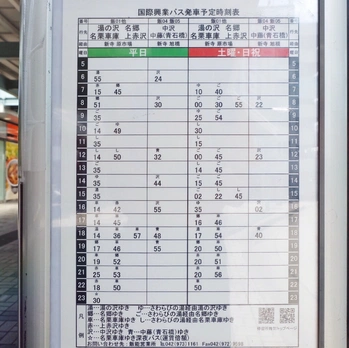
To reach "Kannon no Taki," take the "Kokusai Kogyo Bus" and get off at "Kodono" stop. The fare is 680 yen. Buses are infrequent. I caught the 9:35 one. The passengers were sparse: two elderly people, two young backpackers with camping gear, and me.
The bus slowly climbed into the mountains. The scenery shifted from urban streets to forest. I love Japanese rural buses—that slow, unhurried rhythm feels like a scene from a Studio Ghibli film. This was no exception. Over 50 stops, but the mountain section took only 20 or 30 minutes. Japanese rural bus stops are incredibly dense, as if designed for elderly people with unsteady legs.
H3: The Naguri River – A Firefly Paradise

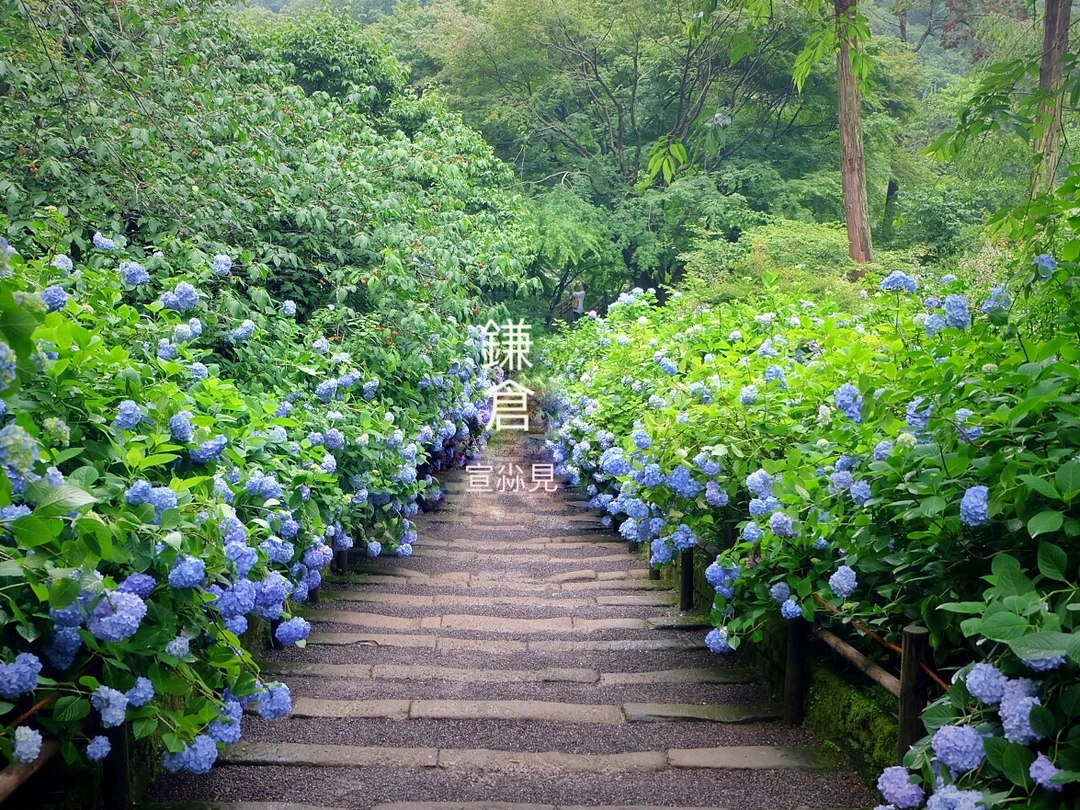
After getting off, I crossed the Kodono Bridge and entered a quiet path leading to "Kannon no Taki." Beneath the bridge, the Naguri River was crystal clear. Locals said it's a good spot for fishing and summer firefly viewing. The deeper I went, the more it resembled the film: the babbling stream, the shade of trees, the image of fireflies dancing in the summer night.
H3: The Disappointing Reality of Kannon Waterfall
But when I finally stood before "Kannon no Taki," I was a bit disappointed. The waterfall was tiny—nowhere near as grand as in the movie. The wooden platform where Kitano-sensei and Sawa rested in the film was gone, probably a temporary set piece dismantled after filming. But the surrounding nature—the rocks, the trees, the stream—matched the movie closely. I was almost certain this was the filming location.
However, that certainty was quickly replaced by another emotion: fear. This valley was too silent. Aside from the occasional caw of a crow, there was no sound. My phone signal was weak, the map navigation failed, and the path ahead was blocked. This was the end of the road. I looked around, and my mind involuntarily conjured horror movie scenes: ghosts in the forest, a deranged killer, a gloomy old man living alone... The place that looked so romantic in the film now sent chills down my spine.
I snapped a few photos and fled the scene at Olympic speed. Not brave enough. Better to get out while the sun's still out.
H2: Stumbling into an Old Folk House – A Feast of Chatting with an Old Man
Coming down from the mountain, I was hot and hungry. The area along the Naguri River was sparsely populated, with few shops. Just as I was entering a "Lonely Gourmet" state of hunger like Goro-san, an old house appeared. On the gate were the characters "平沼" (Hiranuma), and beside it, a sign explained that this was a protected building open for visits.
I cautiously pushed open the iron gate and stepped into the courtyard. The yard was small but tidy, with a path down the middle, flowers and plants on both sides, and farming tools neatly arranged. On a stone basin near the gate sat a wooden stump carved with a smirking hippie face. I hesitated: was this a welcome or a warning?
I heard muffled voices inside. I knocked on the old wooden door. A kindly old man slid open the door, blinked for half a second, and warmly invited me in.
H3: A Western Lunch in a Century-Old House
Once inside, I realized this old house was a hidden gem. It was several hundred years old, open to the public from the 1st to the 10th of each month, run by the old man and his wife. It was part museum, part restaurant. The wooden structure was well-preserved, spotless, and filled with a faint scent of incense. Besides the entrance, kitchen, and bathroom, there was a small craft display room and two large tatami-floored halls.
Despite being an old Japanese house, the food was surprisingly Western: curry, handmade cakes, coffee, beef, and sandwiches. I had expected kimono, matcha, and tea whisks—clearly, I was overthinking it.
H3: When "Cute" Becomes the Highest Compliment
The old couple was surprised by my sudden visit. There weren't many tourists here, even fewer solo tourists, and I was the first foreign visitor. They asked curiously how I had found this place. My Japanese was limited; I couldn't say "because it's a filming location for Daytime Shooting Star," so I just said I found it online and on a map.
The old man nodded approvingly: "The internet is amazing. Where do you live? How did you get here?"
"Tokyo. I took the train to Hanno, then a bus."
"Ah, it's beautiful here, isn't it? Too bad there are so few tourists." His face crinkled into a smile.

"Yes, the environment is great. The water is very clear."
"The Naguri River is great for fishing. There are fireflies at night, too. Are you a university student?"
My heart skipped a beat—was he flattering me? "I'm a working adult," I replied.
The old woman heard this and gave a warm smile: "How cute." She turned to the old man and said, "NEI (right)?" He agreed: "Yes, really cute."
At this point, I was holding in my laughter. I've heard that when Japanese people want to compliment a woman who isn't conventionally pretty or sexy, the most tactful word is "cute." I couldn't help but feel a warm glow of affection for this couple and their charming, unpretentious hospitality.
H2: Practical Tips for Your Hanno Day Trip
H3: How to Get to Hanno from Tokyo
 - Take the Seibu Ikebukuro Line from Ikebukuro Station to Hanno Station (approximately 50 minutes) - From Hanno Station, take the Kokusai Kogyo Bus to "Kodono" stop (680 yen, infrequent service) - Check bus schedules in advance—they run roughly every 1-2 hours
H3: Best Time to Visit
 - Summer (June-August): Firefly season along the Naguri River - Spring (March-May): Pleasant weather for hiking - Autumn (October-November): Fall foliage in the forests
H3: What to Bring
- Comfortable walking shoes for uneven forest paths
- Insect repellent (especially in summer)
- A fully charged phone and portable charger
- Cash (many rural establishments don't accept cards)
H2: FAQ About Visiting Hanno and "Daytime Shooting Star" Locations
Q1: Is "Mihama Natural Forest" a real place? No. "Mihama Natural Forest" is a fictional location created for the film. The actual filming took place at Kannon Waterfall (Kannon no Taki) in Naguri, Hanno City, Saitama Prefecture.
Q2: How do I get to Kannon Waterfall? Take the Seibu Ikebukuro Line from Tokyo to Hanno Station. Then board the Kokusai Kogyo Bus to "Kodono" stop. From there, it's a 10-15 minute walk across Kodono Bridge and along the Naguri River.

Q3: Is the old folk house (Hiranuma) open to the public year-round? The old folk house is open from the 1st to the 10th of each month. It operates as a museum and restaurant, run by an elderly couple. Check local listings for any changes.
Q4: Can I see fireflies in Hanno? Yes. The Naguri River area is known for fireflies during summer nights (typically June to early July). The best viewing spots are along the river near Kodono Bridge.
Q5: Is Hanno suitable for a day trip from Tokyo? Absolutely. The train journey is only 50 minutes, and you can easily explore the waterfall, old folk house, and river area in a single day. Start early to maximize your time.
H2: Conclusion – The Unexpected Warmth of a Spontaneous Journey
In the end, my quest to find the filming locations of Daytime Shooting Star led me to something far more valuable than a perfect recreation of movie scenes. It led me to the warmth of a century-old folk house, the kindness of an elderly couple who called me "cute," and the realization that the best travel stories are often the unplanned ones.
The waterfall was smaller than I imagined. The forest was eerily silent. But the memory of that old man's crinkled smile, the taste of homemade curry in a room that smelled of incense, and the feeling of being welcomed as a stranger in a foreign land—those are the moments that stay.
So if you're planning a trip to Tokyo, consider stepping off the beaten path. Take the 50-minute train to Hanno. Explore the Naguri River. Find the old folk house. And if you're lucky, an old man might just call you "cute" too.
Ready to plan your own Hanno adventure? Start by checking train schedules on the Seibu Railway website, and don't forget to save this guide for later. Share your own film location discoveries in the comments below—we'd love to hear your stories.
[Link: Complete guide to Saitama Prefecture day trips] [Link: Best Japanese films set in rural landscapes] [Link: How to navigate rural Japanese bus systems]
Have you ever visited a film location that surprised you? Share your experience in the comments!