Xishuangbanna Travel Guide: Embracing Warmth and Wonder in China's Tropical Rainforest Paradise
Meta Description: Discover Xishuangbanna's tropical rainforest, ethnic minority cultures, and unique wildlife in this SEO-optimized travel guide. Plan your 7-day itinerary with expert tips on botanical gardens, Dai villages, and rainforest wonders. [150 characters]
Introduction: Why Xishuangbanna Should Be Your Next Tropical Escape
Nestled along the Tropic of Cancer in China's Yunnan Province, Xishuangbanna is a lush, biodiverse region that feels worlds apart from the country's bustling metropolises. Home to 13 ethnic minorities, including the Dai, Jinuo, and Hani peoples, this "green gem" of Southwest China offers travelers a rare blend of tropical rainforest adventures, ancient cultural traditions, and warm hospitality. Whether you're seeking family-friendly activities, solo backpacking experiences, or a romantic getaway, Xishuangbanna travel promises an unforgettable journey into the heart of nature's wonders.
In this comprehensive guide, we'll explore the rainforest's miraculous ecosystems, share a detailed 7-day itinerary, and answer your most pressing questions about visiting this extraordinary destination.
Chapter One: The Miracles of Life in the Rainforest

The Xishuangbanna tropical rainforest is one of the most biodiverse ecosystems on Earth. Step inside, and you'll witness nature's most ingenious survival strategies—from trees that form entire forests to plants that can change your sense of taste.
A Single Tree Becomes a Forest: The Chinese Banyan
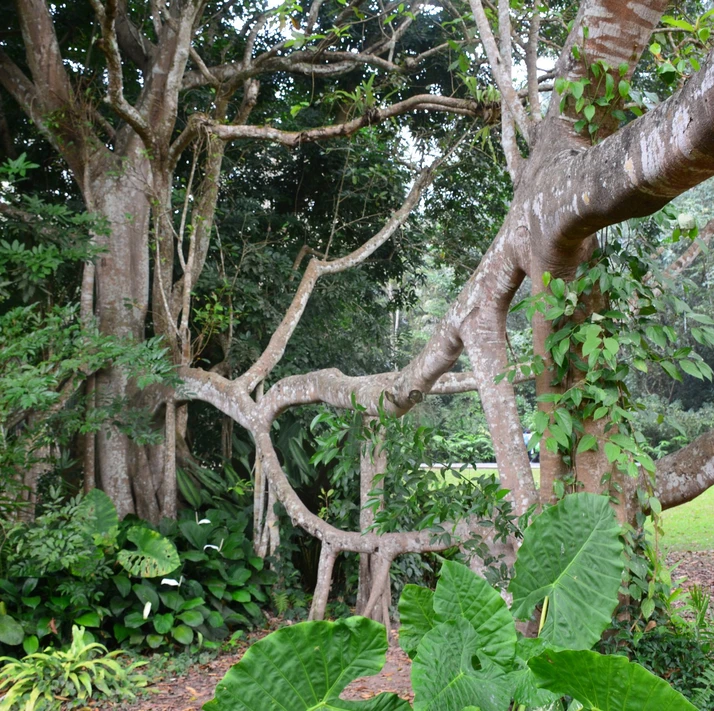
Deep in the rainforest, the Chinese banyan (Ficus microcarpa) demonstrates an extraordinary phenomenon: "one tree forming a forest." Its aerial roots descend from branches, take root in the soil, and grow into dozens of new "trunks." This adaptation is a masterclass in survival—if you want to grow tall, you must first learn to stand firm.
Keyword tip: Xishuangbanna banyan tree forest is a popular search term for nature photographers.
Giant Buttress Roots: Nature's Architectural Marvels
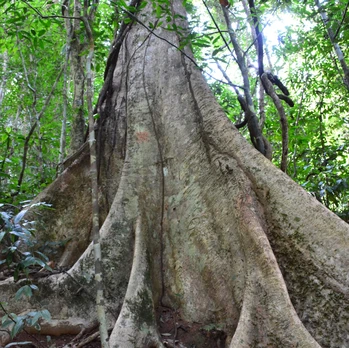
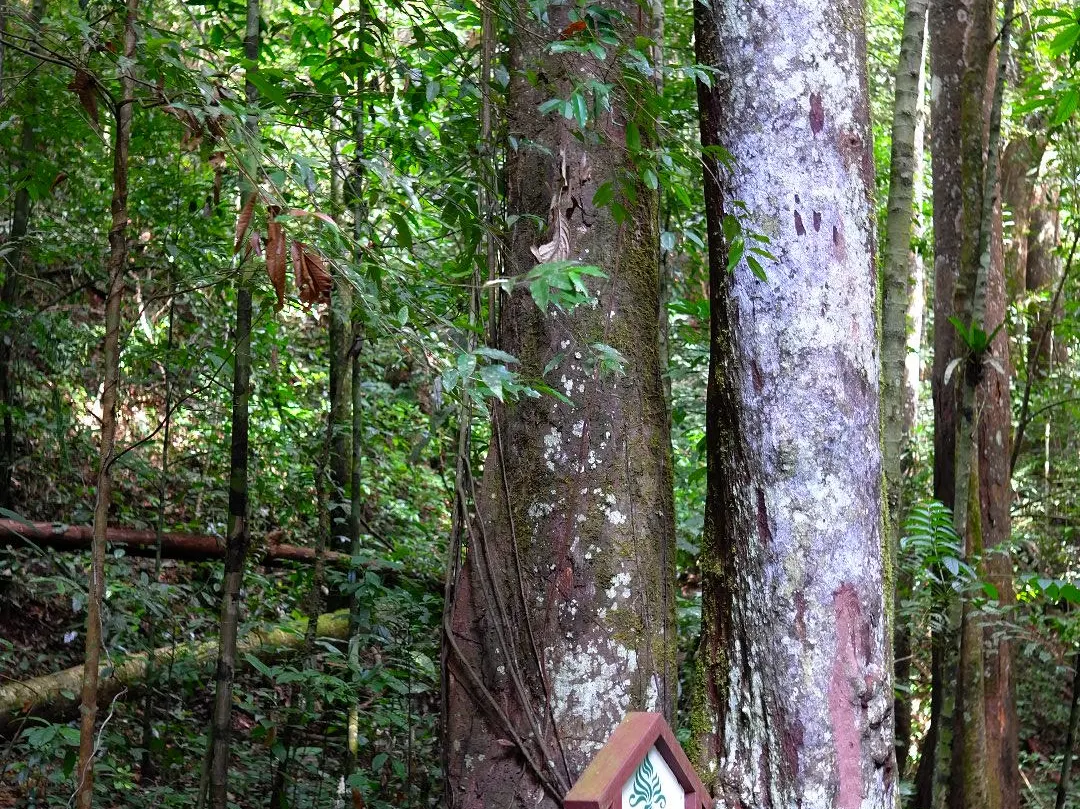
The towering trees of the Xishuangbanna rainforest have surprisingly shallow root systems. To withstand tropical storms, they evolved buttress roots—flat, wing-like extensions that grip the earth like giant feet. These "living buttresses" are a testament to evolutionary ingenuity and a must-see for botany enthusiasts.
Hanging Gardens: A Fairyland in the Treetops
Look up, and you'll see tree trunks covered with epiphytes—orchids, ferns, and mosses that create natural "hanging gardens." These plants aren't parasites; they simply borrow a tree's height to access more sunlight. [Link: Epiphytic plants in tropical rainforests]
Cauliflory: A Romantic Break from Convention
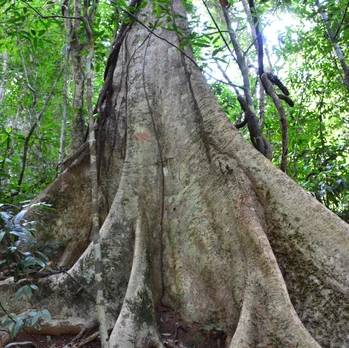
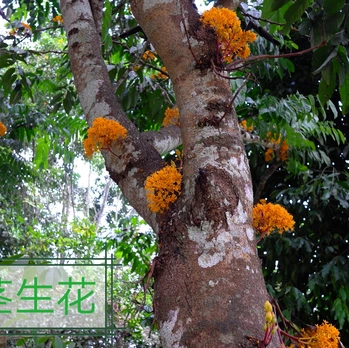
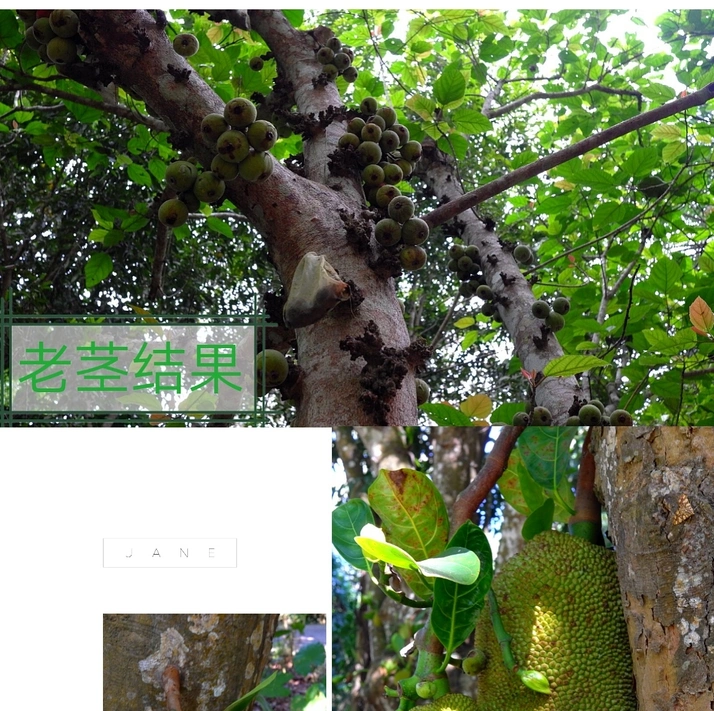
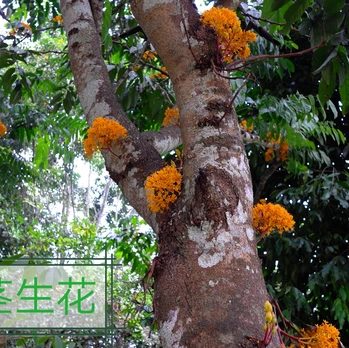
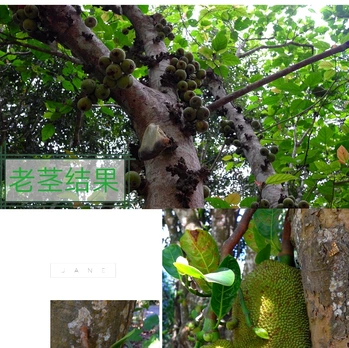
Some rainforest trees defy botanical norms by blooming directly from their trunks. This phenomenon, called cauliflory, ensures that flowers align with the flight paths of pollinators. It's a pact forged over millions of years—a reminder that evolution is both strategic and beautiful.
Pagoda Wrapped by a Tree: An Entanglement of Time
At the Xishuangbanna Tropical Botanical Garden of the Chinese Academy of Sciences, a banyan tree has embraced a Buddhist pagoda, fusing stone and wood into a single sculpture. This iconic sight symbolizes the harmony between nature and spirituality in the region.
Strangulation: The "Green Killer" of the Rainforest
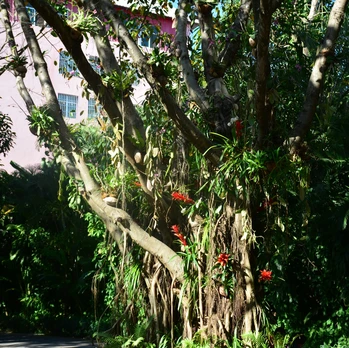
A banyan seed, carried by a bird to another tree's branch, germinates and sends down aerial roots that gradually strangle the host. This strangulation phenomenon is the rainforest's most dramatic survival competition—a stark portrait of nature's law.
The Couple Trees: Companionship That Never Parts
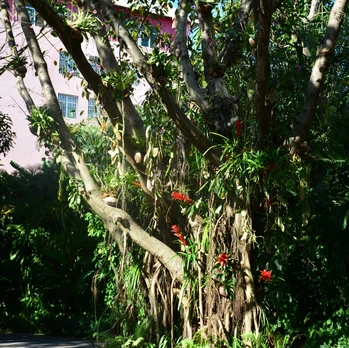
In the Wangtianshu Scenic Area, two trees—a Parashorea chinensis and a hairy-fruited Nephelium—stand intertwined. Unlike strangulation, this is a partnership. After witnessing brutal competition, this warm image softens the heart: plants can be affectionate, too.
Rotting Wood Springs to Life: Where Death and Rebirth Coexist
On a fallen giant tree, mosses, ferns, orchids, and fungi create a micro-ecosystem. The upper half is dead, but the lower half bursts with vitality. This embodies the saying, "In front of a sick tree, thousands of trees bloom." Death is not an end—it's a starting point.
Dancing Grass: A Spirited Performer
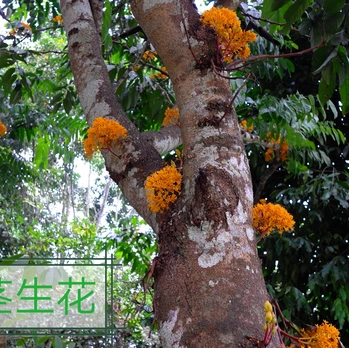
When temperatures reach 25°C and sounds exceed 70 decibels, the dancing grass (Codariocalyx motorius) sways its leaves in response to sound waves. Play music near this plant, and you'll witness a botanical dance that delights visitors of all ages.
Miracle Fruit: Nature's Sweet Joke
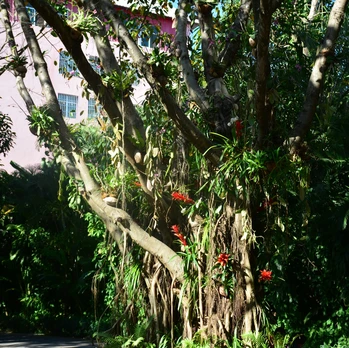
The miracle fruit (Synsepalum dulcificum) contains a protein that activates sweet taste receptors in acidic environments. After eating it, lemons taste like candy. Premier Zhou Enlai brought this gift from Ghana—a reminder that nature loves to play tricks.
Chapter Two: A 7-Day Xishuangbanna Itinerary
Day 1: Jinuo Mountain Village and Primitive Forest Park
Morning: Jinuo Mountain Village
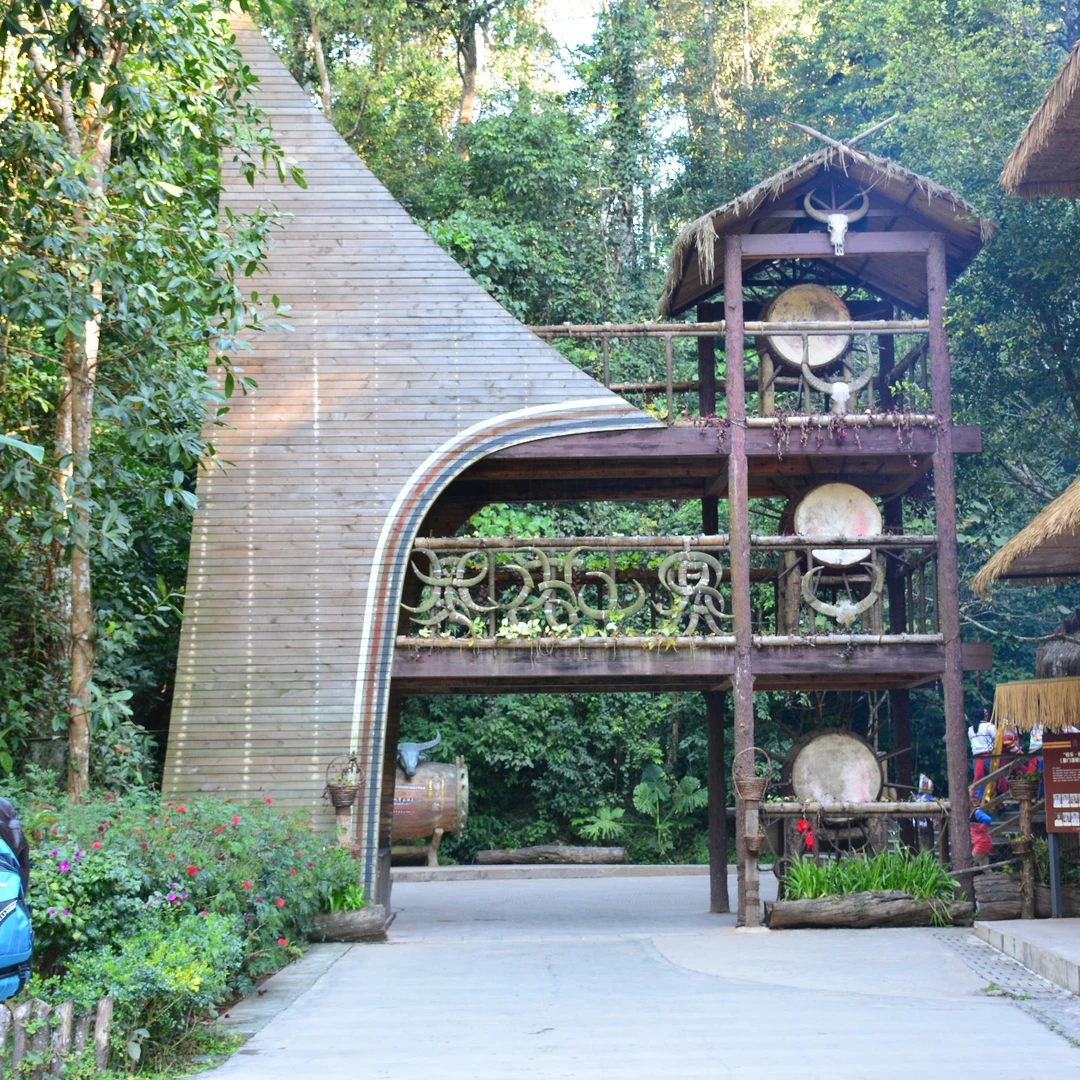
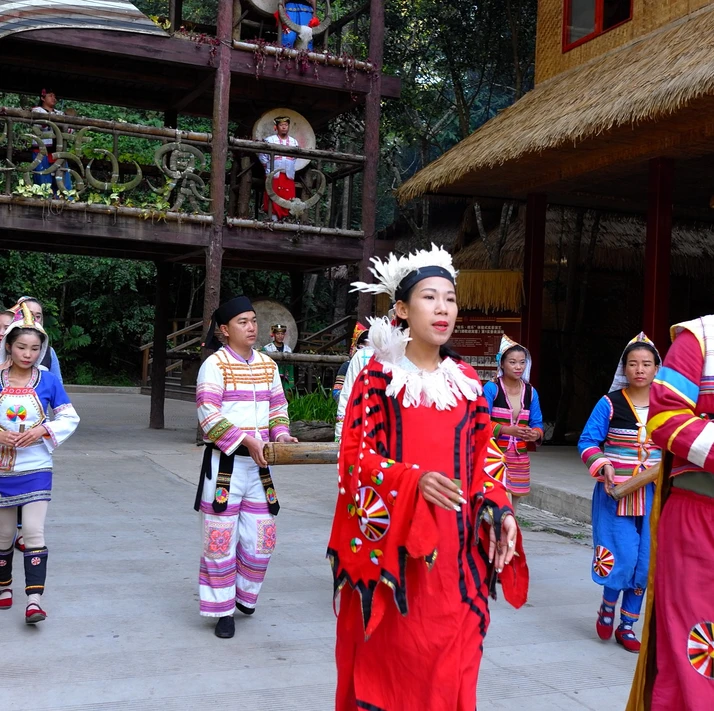
The Jinuo people are China's last officially recognized ethnic group (1979). They jumped from a primitive society into the modern world yet preserve their unique culture. At the village gate, the Zhuba (elder) and Bailapao (female shaman) beat giant drums to welcome guests.
Afternoon: Primitive Forest Park
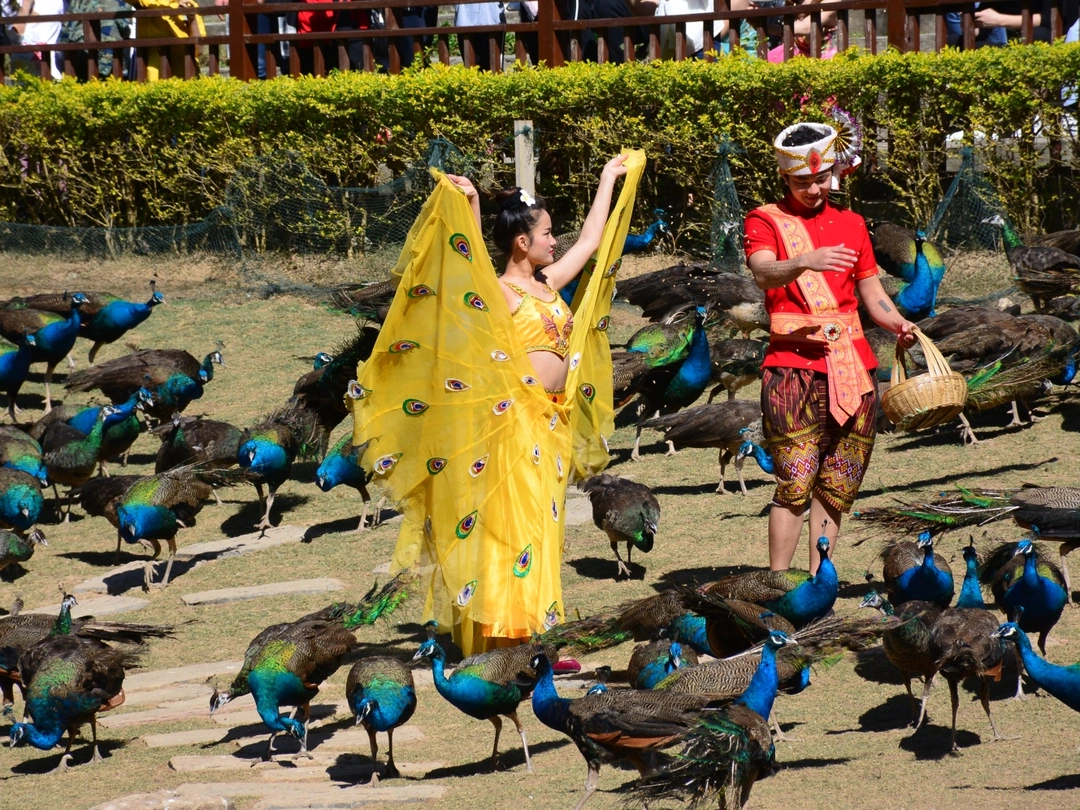
The highlight? The peacock release—dozens of peacocks fly across a lake at a whistle signal. Also explore the Aini Village for joyful songs, the Water Splashing Square for interactive fun, and the monkey area for adorable encounters.
Evening: Gaozhuang Xishuangjing Starry Night Market
This bustling market offers handicrafts, snacks, and a vibrant atmosphere. It's the perfect introduction to Xishuangbanna's nightlife.
Day 2: Dai Ethnic Garden and Manting Royal Garden
Morning: Dai Ethnic Garden
Five natural villages showcase Dai culture. Wander past dragon fruit growing on walls and passionfruit vines in small yards. Enjoy a local lunch at a Dai guesthouse, then explore banana groves—each bunch wrapped in protective bags.
Cultural Insight: Dai women are called "Yu" (peacock), and men are called "Yan" (elephant). No zodiac anxiety here!
Afternoon: Manting Royal Garden
Once the imperial garden of Dai kings, this site features a bronze statue of Premier Zhou Enlai at a water-splashing ceremony. Watch traditional slow-wheel pottery-making and the royal elephant show.
Evening: Lancang River-Mekong River Song and Dance Bonfire
This nightly performance features witty hosts, Bulang folk songs, and dances from multiple ethnic groups. [Link: Dai water-splashing festival traditions]
Day 3: Xishuangbanna Tropical Botanical Garden
This kingdom of plants is a must-visit for nature lovers. Highlights include:
- Ashoka tree – sacred in Buddhism
- Golden cup flower – vibrant tropical bloom
- Dancing grass – responsive to sound
- Miracle fruit – taste-altering berry
- Sensitive plant – closes leaves on touch
- Giant Amazonian water lily – leaves support up to 70 kg
- Curtain creeper – hangs like "a curtain of dreams"
- Datura flower – mysterious and beautiful
Fun fact: The "man flower" (soft-stemmed yellow allamanda) has no stamens or pistils—jokingly called the "heartless flower."
Days 4-7: Flexible Exploration
Suggested additions: - Mengle Great Buddha Temple – spiritual architecture - Wild Elephant Valley – elephant encounters - Mekong River cruise – scenic water journey - Dai water-splashing festival (April) – cultural immersion
FAQ: Your Xishuangbanna Questions Answered
1. When is the best time to visit Xishuangbanna?
The dry season (November to April) offers pleasant temperatures (15-25°C) and minimal rainfall. The water-splashing festival (April) is a cultural highlight but brings crowds. Avoid May-October for heavy monsoon rains.
2. How do I get to Xishuangbanna?
 Fly into Xishuangbanna Gasa International Airport (JHG) from major Chinese cities like Kunming, Beijing, or Shanghai. Alternatively, take an overnight train from Kunming (approx. 3.5 hours by high-speed rail).
3. What should I pack for a Xishuangbanna trip?
 - Lightweight, breathable clothing (cotton/linen) - Rain jacket or umbrella - Insect repellent (essential for rainforest) - Comfortable walking shoes - Sunscreen and hat - Swimsuit (for water activities)
4. Is Xishuangbanna safe for solo travelers?
Yes, Xishuangbanna is generally safe for solo travelers. Stick to well-touristed areas, use reputable guides, and respect local customs. The region is popular with backpackers and families alike.
5. What are the must-try foods in Xishuangbanna?
- Dai-style grilled fish (with lemongrass and chili)
- Pineapple rice (sticky rice in pineapple)
- Mango sticky rice (sweet dessert)
- Wild mushroom hotpot (seasonal)
- Miracle fruit (taste-altering experience)
Internal Linking Suggestions
- [Link: Best time to visit Yunnan Province]
- [Link: Dai culture and water-splashing festival guide]
- [Link: Top botanical gardens in China]
- [Link: Family-friendly activities in Xishuangbanna]
- [Link: Rainforest conservation efforts in Southeast Asia]
Conclusion: Your Xishuangbanna Adventure Awaits
From the miraculous banyan trees that form entire forests to the Dai people's warm hospitality, Xishuangbanna offers a travel experience like no other. Whether you're marveling at buttress roots, tasting miracle fruit, or dancing to Jinuo drumbeats, this tropical paradise will leave you with memories that last a lifetime.
Ready to plan your trip? Start by booking flights to Xishuangbanna Gasa International Airport and reserving accommodations near Gaozhuang Xishuangjing for easy access to markets and attractions. Don't forget to pack your sense of wonder—the rainforest is waiting.
Book your Xishuangbanna tour today and discover why this "green gem" of Southwest China is a must-visit destination for nature lovers, culture enthusiasts, and adventure seekers alike.
Word count: ~1,500 words | Primary keyword: Xishuangbanna travel | Secondary keywords: Xishuangbanna tropical rainforest, Dai culture, Xishuangbanna itinerary, Xishuangbanna botanical garden