Zhujiajiao: A Living Jiangnan Water Town, Hidden in Shanghai's Thousand-Year Time – The Ultimate Travel Guide
Meta Description: Discover Zhujiajiao, Shanghai's hidden 1,700-year-old water town. Explore Kezhi Garden, Fangsheng Bridge, local cuisine, and Neolithic history in this complete travel guide. Plan your perfect day trip from Shanghai.
Introduction: Why Zhujiajiao Deserves a Spot on Your Shanghai Itinerary
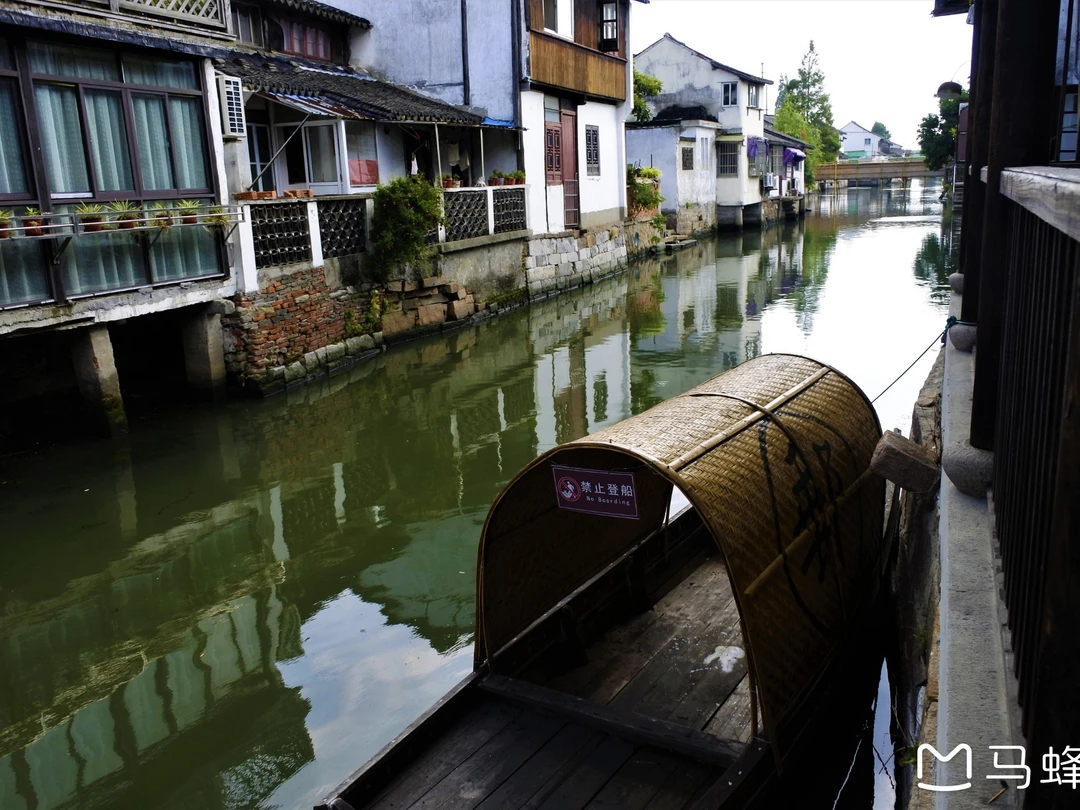
When travelers think of Shanghai, they envision the futuristic Pudong skyline, the bustling Bund, and the neon-lit streets of Nanjing Road. But hidden just 50 kilometers southwest of the city center lies a world apart—a living Jiangnan water town where time seems to flow as gently as the canals that lace through its ancient streets.
Zhujiajiao (朱家角) is not just another tourist attraction. It's a 1,700-year-old settlement where Neolithic artifacts have been unearthed, where Ming dynasty legends still echo through stone bridges, and where the rhythm of daily life hasn't changed much in centuries. Whether you're a history buff, a food lover, or simply seeking an escape from Shanghai's urban intensity, this guide will show you why Zhujiajiao is the perfect day trip destination.
The Historical Depth of Zhujiajiao: More Than Just Pretty Canals
From Neolithic Settlements to a Thriving Water Town

Zhujiajiao's history predates written records. In 1958, during a nationwide campaign to smelt steel, locals drained Dadian Lake north of the town—and stumbled upon a treasure trove of Neolithic artifacts. Archaeologists later uncovered evidence of the Majiabang Culture (7000–6000 BP), Songze Culture (6000–5000 BP), and Liangzhu Culture (5300–4300 BP), alongside remains from the Western Zhou to the Spring and Autumn and Warring States periods.
The following year, stone knives, plows, spinning wheels, and stamped-pattern pottery were salvaged from nearby Dianshan Lake. These artifacts confirm that Zhujiajiao's ancestors thrived here thousands of years ago—long before the town became a commercial hub during the Ming and Qing dynasties.
The 1,700-Year Legacy
While the Neolithic finds push Zhujiajiao's human history back millennia, the town as we recognize it today began taking shape around 1,700 years ago during the Three Kingdoms period. By the Ming dynasty, it had evolved into a prosperous market town, thanks to its strategic location on the Cao Gang River—a vital waterway connecting to Suzhou and Hangzhou.
Today, Zhujiajiao preserves over 30 ancient bridges, 20+ historical gardens, and countless alleyways lined with Ming and Qing architecture. It's a living museum of Jiangnan water town culture.
How to Get to Zhujiajiao from Shanghai: The Complete Transport Guide
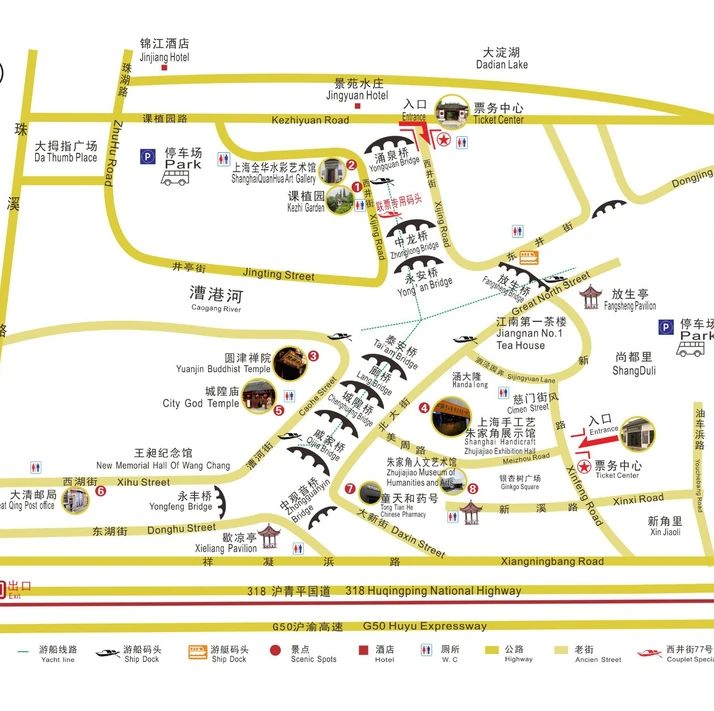
By Metro (Recommended)
The most convenient way to reach Zhujiajiao is via Shanghai's metro system: - Take Line 2 or Line 10 to Hongqiao Railway Station - Transfer to Line 17 and ride to Zhujiajiao Station (approximately 40 minutes from Hongqiao)
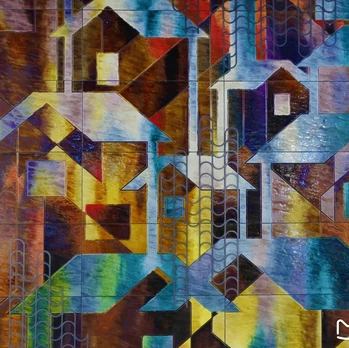
Pro tip: The ceramic wall art at Zhujiajiao metro station is your first taste of the water town's charm—colorful porcelain tiles depict Jiangnan scenery.
From the Metro to the Town
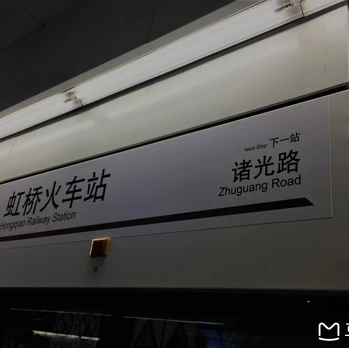
Once you exit the station, you have two options: 1. Walk (30 minutes): Follow the signs to Kezhi Garden entrance—the scenic route helps you ease into the atmosphere. 2. Bus (1 yuan / ~15 US cents): Take any bus heading toward the ancient town. If you use the same transit card, the metro-to-bus transfer is free.
Avoid: Rickshaw drivers hawking rides near the station. Stick to public transport for safety and reliability.
Kezhi Garden: Shanghai's Hidden Historical Gem
The Story Behind the Estate
Kezhi Garden (课植园) is the crown jewel of Zhujiajiao. Built between 1912 and 1927, this sprawling estate covers 96.7 mu (about 16 acres)—making it the largest private garden in Shanghai at the time.
The owner, Ma Weiqi (courtesy name Wenqing), was born in 1853 into a salt merchant family. By the late Qing dynasty, he had diversified into copper, tin, and overseas trade, becoming one of Zhujiajiao's wealthiest men. In 1912, at age 58, he began constructing his dream estate, spending over 300,000 silver dollars (equivalent to millions today) over 15 years.
The name "Kezhi" means "never forgetting farming and planting while studying"—a Confucian ideal that reflects Ma's values.
Architectural Highlights You Can't Miss
- Guest Reception Hall Floor Tiles: Imported from West Germany, identical to those in Nanjing's former Presidential Palace.
- Moon-Viewing Tower & Book City: Classic examples of Sino-Western architectural fusion.
- Stele Corridor: Inlaid with stone carvings of poems by the Four Great Talents of the Ming Dynasty (Tang Bohu, Zhu Zhishan, Wen Zhengming, Xu Zhenqing).
- Yin-Yang Corridor: The sunny side (Yang) was for men; the shady side (Yin) for women in ancient times.
- Twin Silk Pavilion: Named after two wells within the structure.
- Hundred Bats Pavilion: Features a chessboard on the ceiling and bat motifs symbolizing good fortune.
- Library Building: Houses wax figures of the Five Old Men—lifelike enough to be slightly eerie.
- Water Moon Pavilion & Nine-Bend Bridge: Perfect spots for photos.
Boat Ride After Kezhi Garden
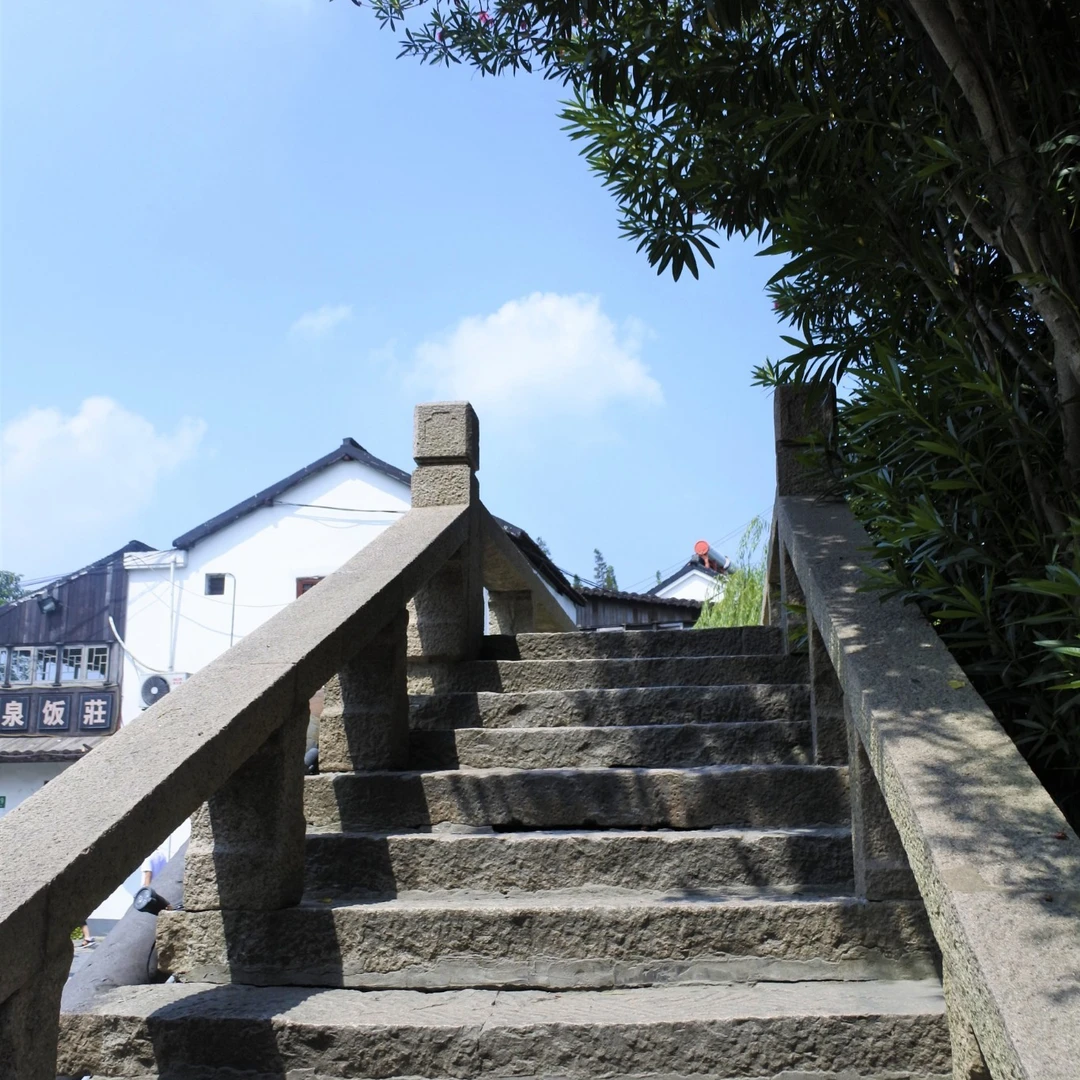
Your combo ticket includes a short boat ride. The boatman rows with a single scull, passing under Zhonglong Bridge and Yong'an Bridge, with the Yuanjin Zen Temple appearing on the water. It's the quintessential Jiangnan experience—floating through a painting.
Fangsheng Bridge: The Legend of Shanghai's First Bridge
Why It's Called "Shanghai's First Bridge"
Fangsheng Bridge (放生桥) is the longest, widest, and tallest five-arch stone bridge in Shanghai—and the largest five-arch stone bridge in all of East China. But its true value lies in the legend behind its construction.
The Legend of Xingchao
During the Ming dynasty, a vegetable-selling couple lived in Zhujiajiao. When the wife became pregnant, her husband fell ill from overwork and died. The pregnant widow rowed a boat across the Cao Gang River daily to sell vegetables. One day, a fierce storm capsized her boat. She grabbed a plank, swam to shore, gave birth prematurely to a boy, and died from massive bleeding.
An old monk from Cimen Temple adopted the child and named him Xingchao ("Tide of Nature") because he arrived with the tide. When Xingchao grew up and learned his story, he vowed to build a stone bridge across the Cao Gang River. He wandered and begged for alms for fifteen years, finally raising enough funds.
Miraculous Events During Construction
- Xingchao dreamed of an immortal old woman who taught him a "reverse" method to carve stone dragons and lions.
- He encountered a "man carrying a horse" (a carpenter carrying a three-legged wooden frame) who helped install the bridge's keystone.
- After completion, Xingchao dug a life-releasing pond at the spot where the immortal woman had stayed. On the first day of every lunar month, monks would chant sutras and release captive animals from the bridge—hence the name "Fangsheng" (Life-Releasing) Bridge.
What to Eat in Zhujiajiao: A Water Town Food Guide
Must-Try Local Dishes
After exploring Kezhi Garden and Fangsheng Bridge, you'll work up an appetite. Head to North Street for authentic local cuisine:
| Dish | Description | Price Range |
|---|---|---|
| 旁皮鱼 (Pangpi Fish) | Small local fish, fried until crispy—eat bones and all | 30-50 yuan |
| 清蒸白水鱼 (Steamed White Water Fish) | Tender fish with just one main spine | 50-80 yuan |
| 糖藕 (Sugar-Glazed Lotus Root) | Lotus root stuffed with sticky rice, sweet but not cloying | 20-30 yuan |
| 扎肉 (Zha Rou) | Pork belly wrapped in bamboo leaves, braised like grandma's red-cooked pork | 30-50 yuan |
| 米茜 (Mixi) | Wild vegetable, refreshing and cuts through richness | 15-25 yuan |
Budget tip: Prices are higher than in Shanghai's city center. Consider dining with a group to share dishes and save money.
North Street: Navigating the Commercial Heart
North Street is heavily commercialized but still worth exploring. Near Fangsheng Bridge, you'll find international chains like Häagen-Dazs, Starbucks, and chocolate shops. I recommend buying handmade chocolates as gifts—they're surprisingly good.
For a more authentic experience, venture into the smaller alleyways off North Street, where you'll find: - Local tea houses - Handicraft workshops - Traditional medicine shops - Calligraphy and painting studios
[Link: Shanghai day trips from city center]
FAQ: Everything You Need to Know About Zhujiajiao
1. How long does it take to visit Zhujiajiao?
A comfortable visit takes 4–6 hours, including travel from Shanghai. If you want to explore Kezhi Garden in depth, take a boat ride, and enjoy a meal, plan for a full day trip.
2. Is Zhujiajiao worth visiting compared to other water towns like Zhouzhuang or Tongli?
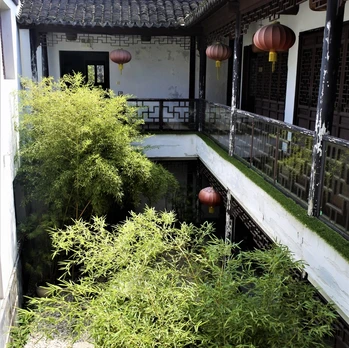
Yes. Zhujiajiao offers the unique advantage of being accessible via Shanghai's metro system—no need for expensive tours or long bus rides. It's also less crowded than Zhouzhuang on weekdays, and its Neolithic history adds depth you won't find elsewhere.
3. What's the best time to visit Zhujiajiao?
Spring (March–May) and autumn (September–November) offer pleasant weather. Summer can be hot and humid, while winter is cold but less crowded. Early morning or late afternoon provides the best lighting for photos.
4. Are there accommodation options in Zhujiajiao?
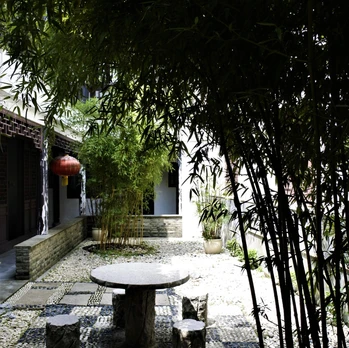
Yes. Several boutique hotels and guesthouses operate within the ancient town. Staying overnight allows you to experience the water town after day-trippers leave—a magical, quiet atmosphere.
5. What should I wear to Zhujiajiao?
Comfortable walking shoes are essential—the town's cobblestone streets and numerous bridges require plenty of walking. In summer, bring a hat and sunscreen. In winter, dress warmly as the canals create a damp chill.
Final Thoughts: Why Zhujiajiao Should Be Your Next Shanghai Adventure
The writer Sanmao once described Zhujiajiao as a place where "every corner is a painting, every moment a poem." After visiting, I understand why. This ancient water town isn't just a tourist attraction—it's a living, breathing community where history, culture, and everyday life intertwine.
From Neolithic artifacts to Ming dynasty legends, from Kezhi Garden's Sino-Western architecture to Fangsheng Bridge's miraculous story, Zhujiajiao offers an experience that's both deeply historical and refreshingly authentic.
Don't just read about it—experience it. Pack your comfortable shoes, bring your appetite, and take the metro to Zhujiajiao. The thousand-year journey awaits.
Plan your trip today: [Link: Shanghai metro map and route planner] | [Link: Best water towns near Shanghai comparison] | [Link: Jiangnan water town travel tips]
You may also like