Yunnan Road Shanghai Food Guide: A Pilgrimage of Taste Through Time-Honored Brands
Meta Description: Explore Yunnan Road, Shanghai's iconic food street, with a local foodie. Discover century-old restaurants, signature dishes like shengjian and pork chops, and the living history of Shanghai's culinary soul.
Introduction: Where Taste Buds Meet Time in Shanghai
If you ask a Shanghainese where to find the city's most authentic flavors, the answer rarely points to Michelin-starred restaurants or trendy cafés. Instead, it leads to unassuming old streets where time itself seems preserved in earthenware jars—every bite carries the saltiness and sweetness of bygone eras.

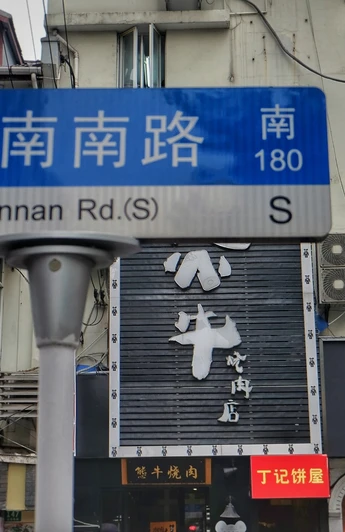
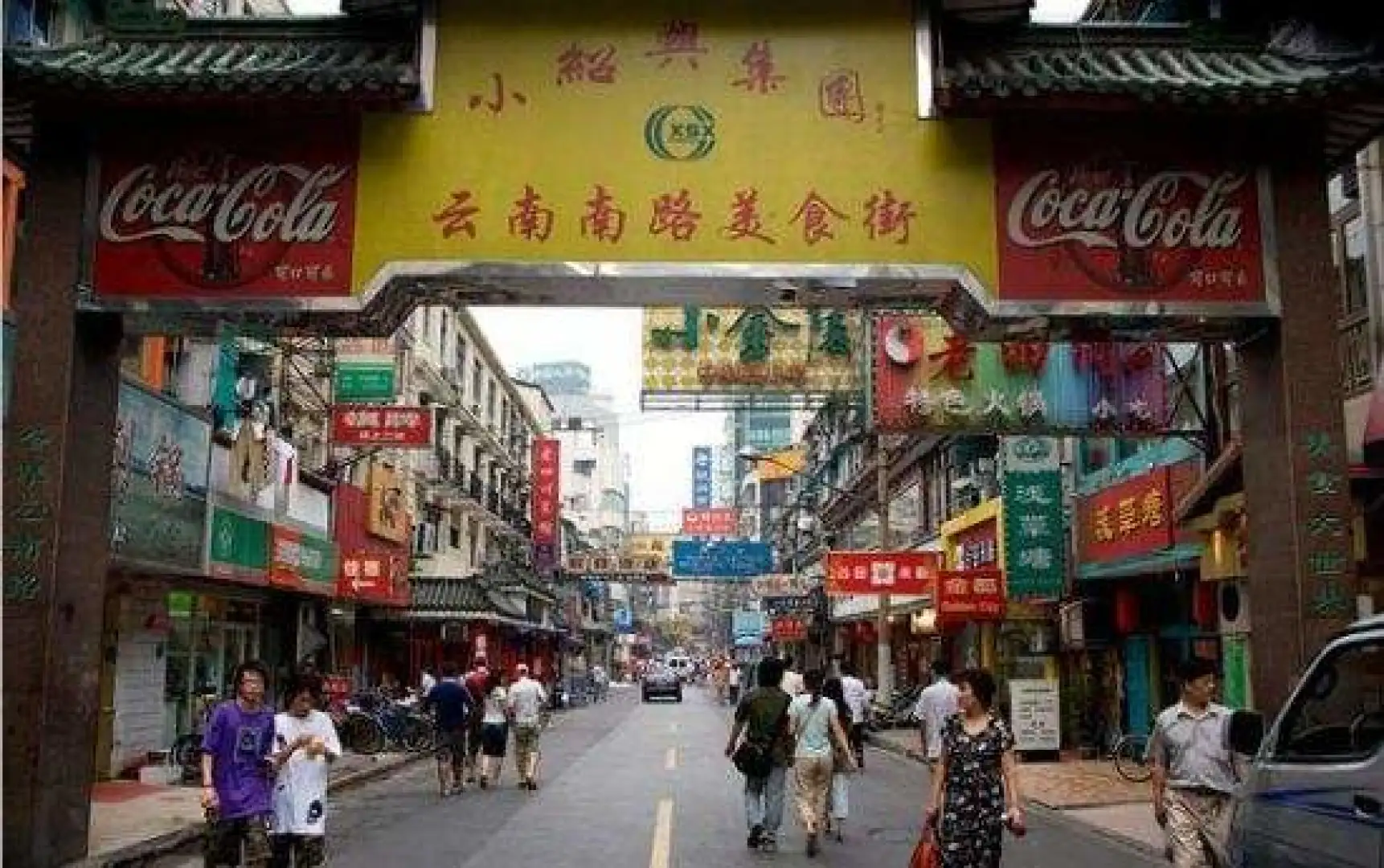
In the deep autumn of 2018, I spent a day with a lifelong Shanghainese friend, walking into what locals call a "food paradise": Yunnan South Road (云南南路). A 127-year-old restaurant, a 97-year-old eatery, an 86-year-old establishment—these numbers aren't museum exhibit tags. They are living, steaming memories of flavor, like a stack of recipe books recording nearly a century of Shanghai's culinary evolution.
Some say the taste of old Shanghai is sweet with a hint of salt, rich in dark soy sauce and caramelized sugar, refined yet steeped in street energy. But step onto Yunnan Road, and you'll find the flavors far more complex—it's a journey across time for your taste buds, and a return to the heart.
[Link: Best Shanghai food streets guide]
Yunnan Road's History: From Theater Night Snacks to Shanghai's Premier Food Street
A Century of Hearth Smoke on One Street
The legend of Yunnan South Road begins in 1917. That year, the "Great World" (大世界) amusement park opened nearby, followed by the Gong Stage (共舞台) theater in 1926. The area quickly became Shanghai's busiest entertainment hub. After shows ended, tourists, theater fans, and performers all needed somewhere to eat. Street-side snack stalls and local Shanghainese restaurants sprouted like bamboo after rain, buzzing well into the early hours.
In those days, famous actors, still in stage makeup, would slip quietly onto Yunnan Road, sit on simple wooden benches, and order a bowl of wontons or a plate of fried noodles, squeezing in among ordinary diners. No star attitude—just pure, honest hunger for good food.
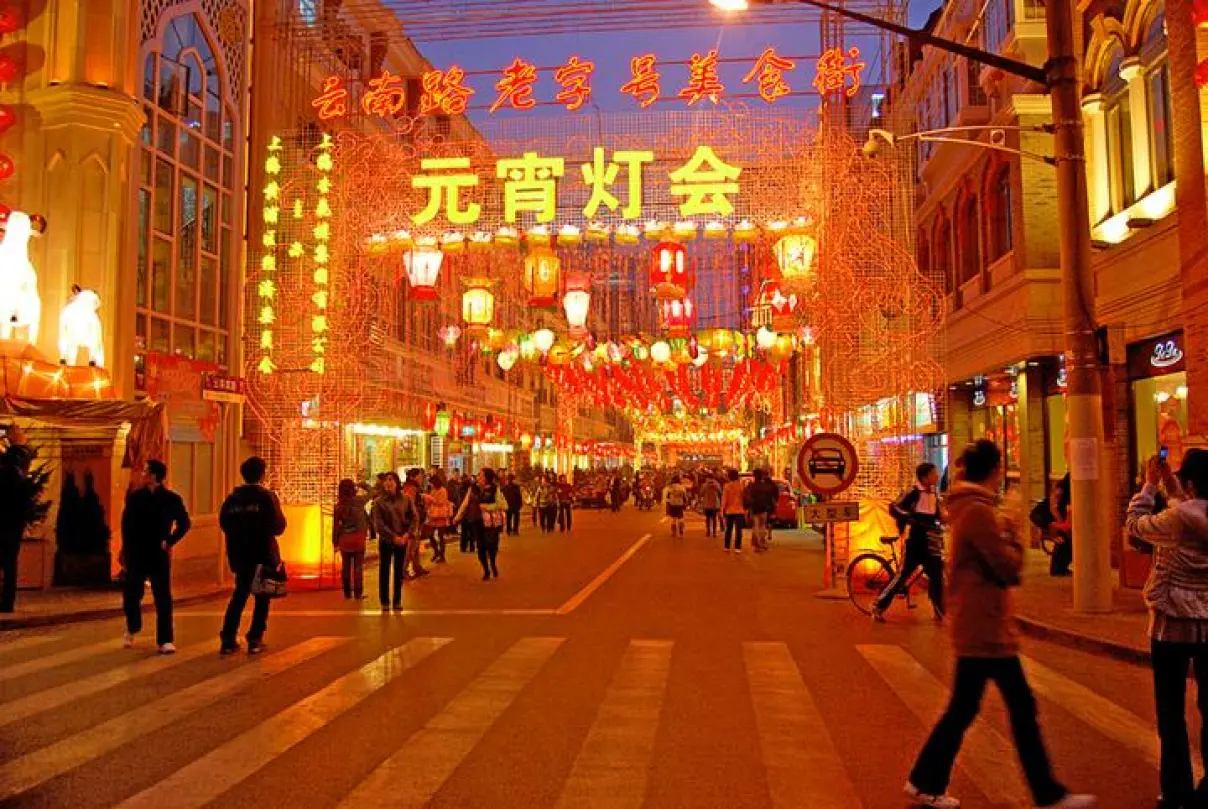
In 1991, during the first Huangpu Tourism Festival, Yunnan Road was officially named "Great World Food Street." A year later, it became "Shanghai Food Street," and in 1998, it was renamed "Yunnan South Road Food Street." The names changed, but that smoky, lively spirit never faded. For discerning Shanghainese, this street was once a window to the cuisines of all China—northern wheat-based dishes, southern dim sum, Western-style fried pork chops—all found a home here.
Today, Yunnan Road has lost some of its former hustle, but those time-honored brands (老字号) remain. Unlike trendy internet-famous shops chasing clicks, they stick to traditional craftsmanship, holding onto the stomachs—and hearts—of generations of Shanghainese.
[Link: History of Shanghai food streets]
Must-Try Dishes on Yunnan Road: Four Signature Flavors, Each with a Story
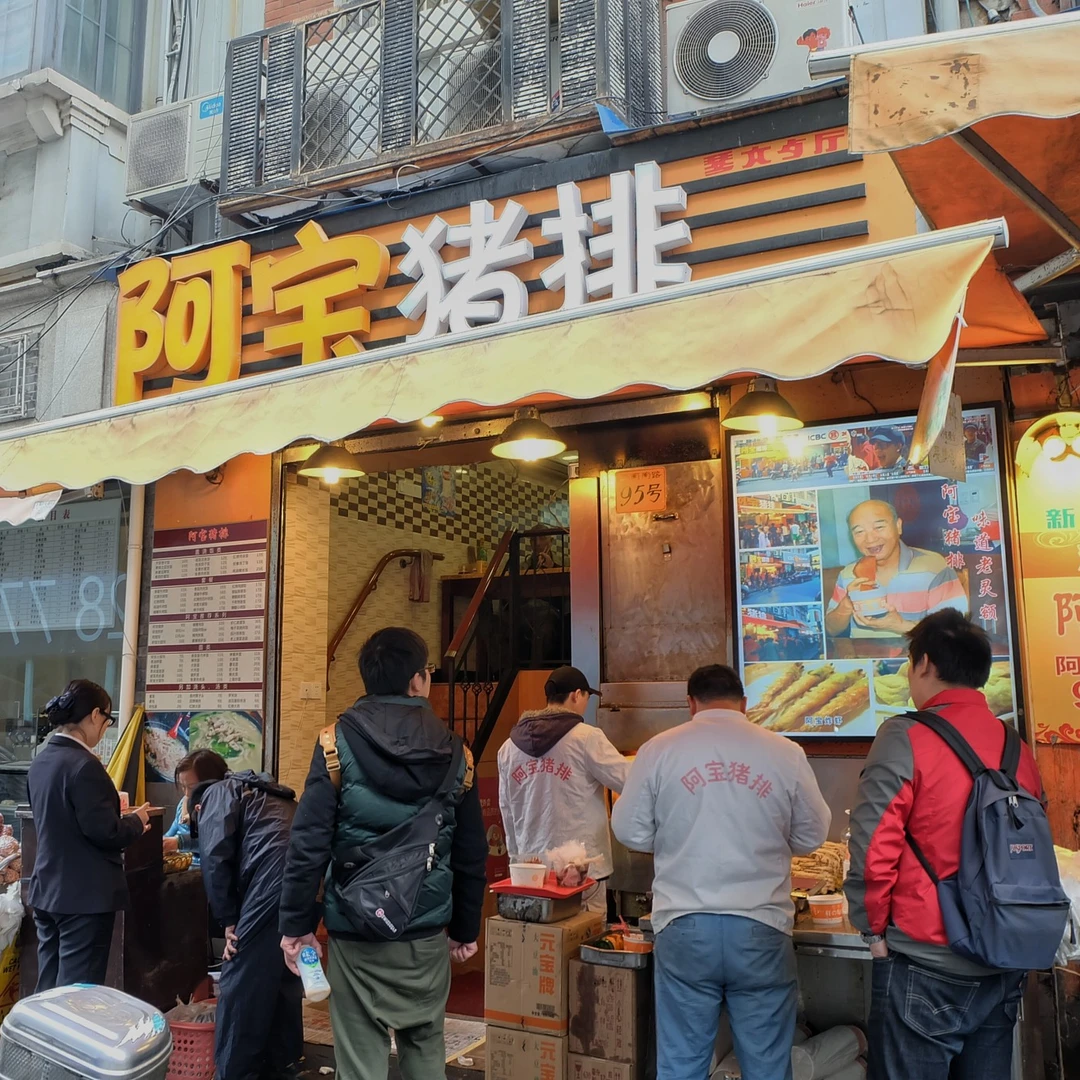
A-Bao Pork Chop (阿宝猪排): The Fried Cutlet of Shanghai Wisdom
If you had to pick the "smartest" snack in Shanghai, it would be the fried pork chop. This seemingly simple street food embodies the city's relentless pursuit of deliciousness.
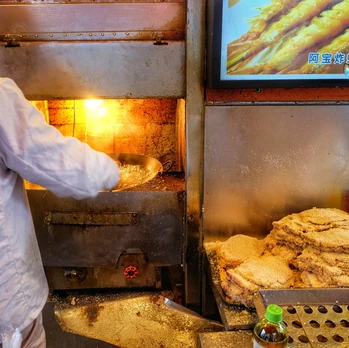
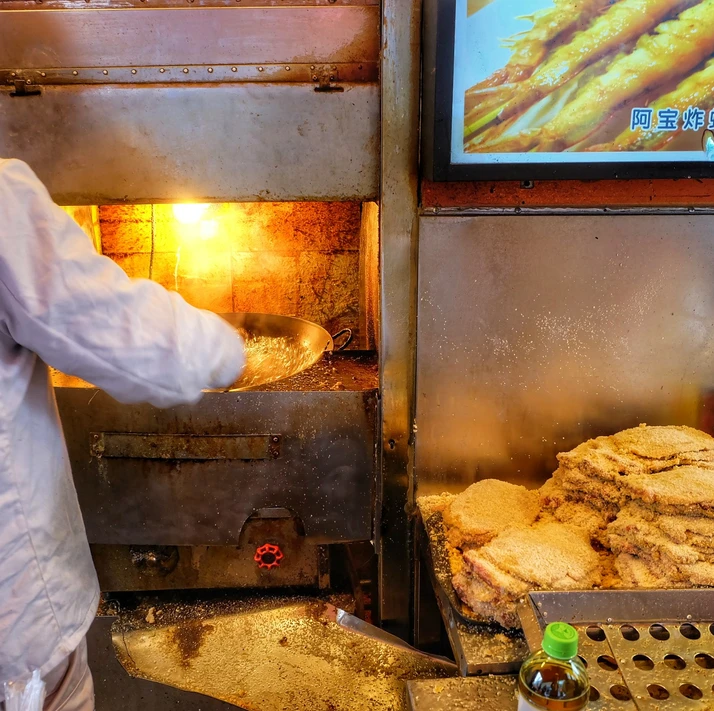
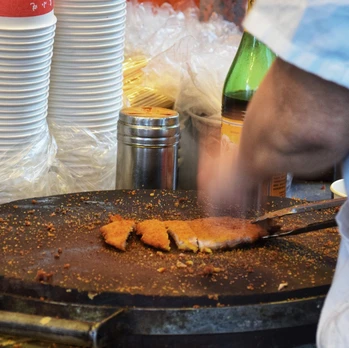
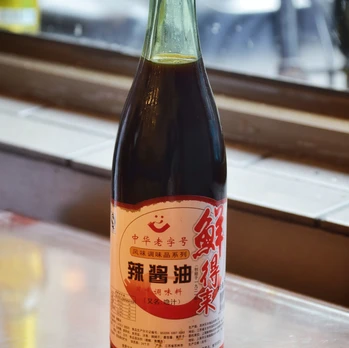
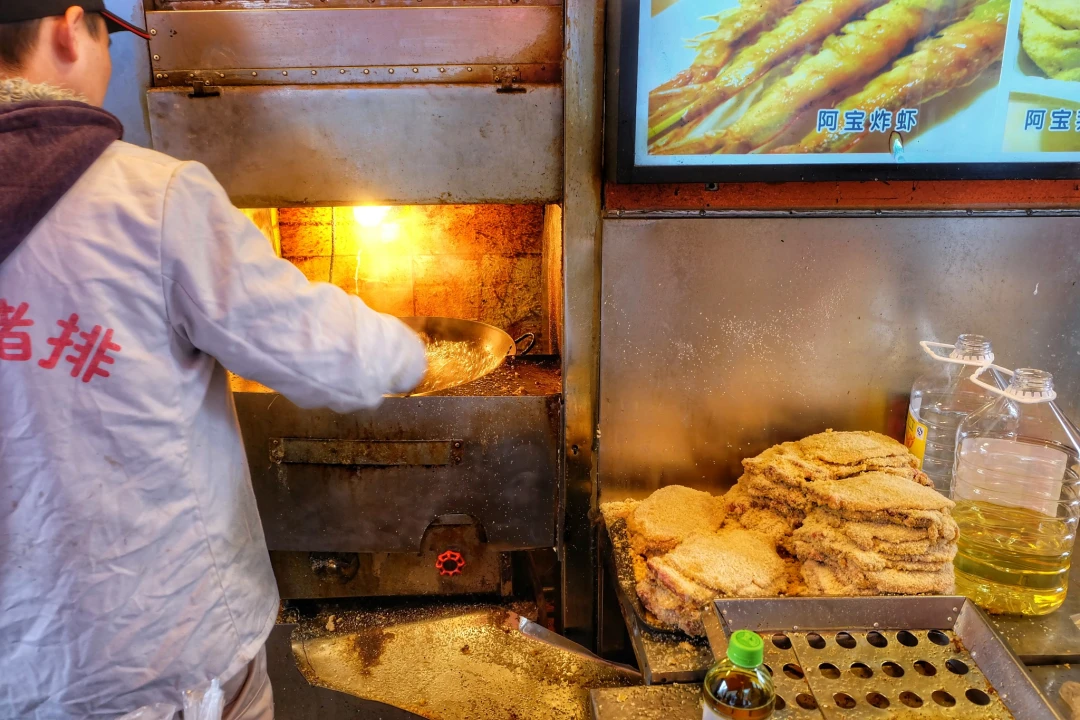
Step into "A-Bao Pork Chop", and you'll see chefs skillfully pounding pork chops with the back of a knife—not random hammering, but with even pressure to make the meat tender yet still chewy. The beaten chops are coated in a thin layer of breadcrumbs and dropped into sizzling hot oil. With a satisfying "zzzzz," the aroma explodes. Once golden, the chef slices the chop into neat strips with a swift motion and drizzles it with a circle of Worcestershire-style spicy soy sauce (辣酱油)—that's the soul of the dish.
Many Shanghai homes keep a bottle of this spicy soy sauce in the kitchen, just to recreate this street-side treat whenever a craving hits. Its slight sourness and mild heat perfectly cut through the pork chop's richness, leaving each bite crispy outside, tender inside, with juices bursting between your teeth.
Besides fried pork chops, they also offer pan-fried wontons and fried shrimp. But if it's your first time, don't hesitate—order the signature fried pork chop. That's all you need.
Pro tip: Pair it with a cold beer for the ultimate Shanghai street food experience.
[Link: Best fried pork chop Shanghai]
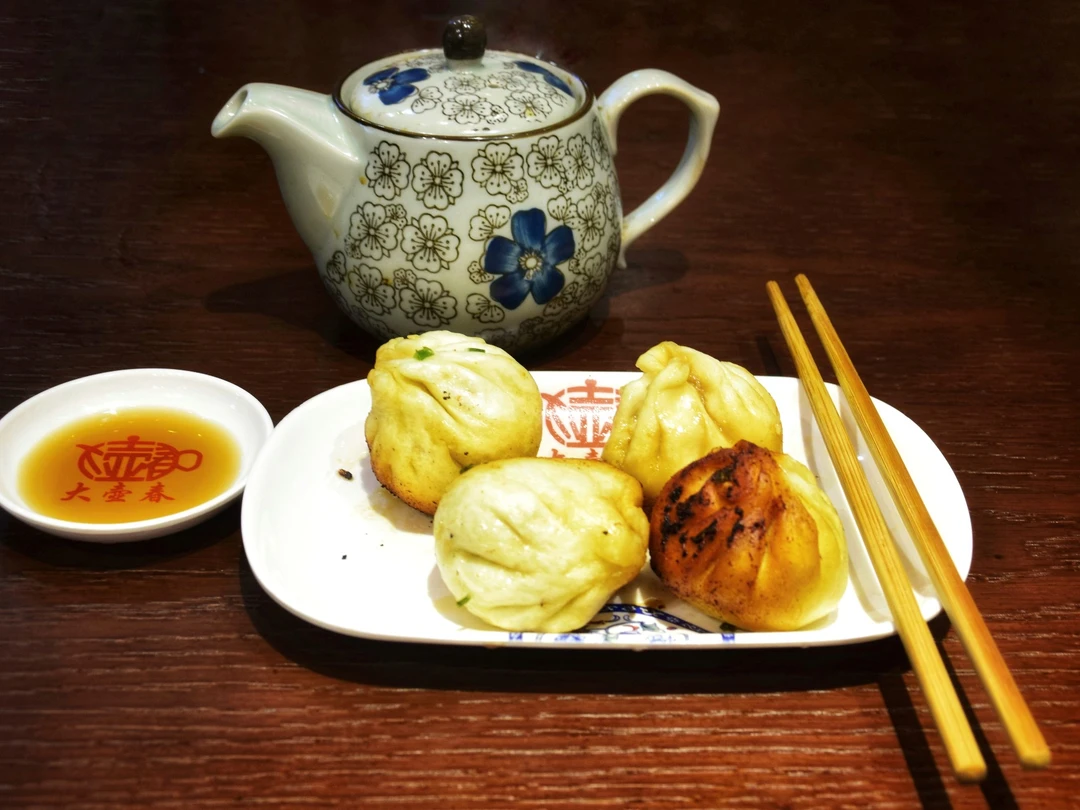
Da Hu Chun (大壶春): The "Old Fossil" of Shengjian (Pan-Fried Pork Buns)
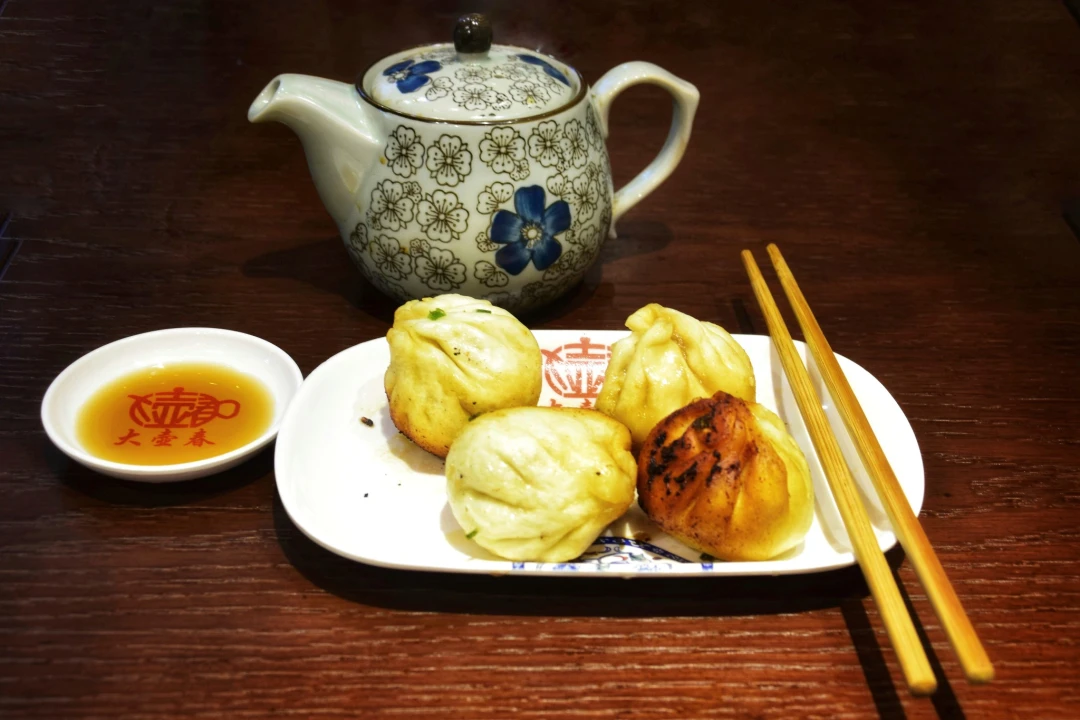
If you think shengjian (pan-fried pork buns) are all about thin skins and explosive soup—like the famous "Xiao Yang Shengjian"—then you don't really know Shanghai. What does a traditional shengjian actually look like? Go to Da Hu Chun and see for yourself.
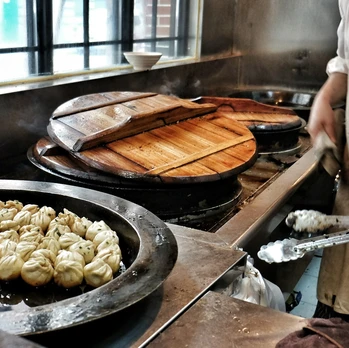
Through the glass window by the entrance, you can watch the entire process. The dough is fully fermented, and no gelatinized broth is used, so the skin is thick and the soup is minimal. Many young first-timers find it strange: "Where's the soup?" But old-timers love it precisely for this reason—you can smell the natural aroma of the flour, the texture is fluffy with a hint of sweetness, and the filling is solid, delivering pure, honest meat flavor.
When Da Hu Chun first appeared, the founder of Xiao Yang Shengjian probably wasn't even born yet. As one of Shanghai's oldest shengjian brands, it has witnessed generations of breakfasts. Some say it "isn't as good as it used to be." But I think it's not the flavor that changed—it's our tongues, spoiled by fancier tastes. Occasionally returning to Da Hu Chun, ordering a serving of shengjian with a bowl of beef soup, that simple satisfaction is something no trendy café can provide.
Ordering tip: Get 4 shengjian (one serving) plus a bowl of beef soup. That's the classic breakfast combo.
[Link: Best shengjian Shanghai Da Hu Chun]
Xiao Jinling (小金陵): A Basket of Soup Dumplings, Dreaming of the Qinhuai River
Though the name "Xiao Jinling" is only thirty years old, it has become synonymous with Nanjing-style salted duck and Jinling soup dumplings for Shanghainese. The salted duck here is made with meticulous care: "stir-fry salt for curing, clear brine for marinating." Every step is like a ritual—the salt must be dry to reduce the duck's fat; the brine must be clear to enhance the meat's aroma; the boiling must be thorough to make the meat tender without being dry.
But what I crave even more is that basket of Jinling soup dumplings. Thin skins hold a generous amount of hot broth. Gently bite a small opening, sip the sweet, savory soup, then dip it in ginger-slice vinegar, and you're instantly transported to the banks of the Qinhuai River in Nanjing. Paired with a bowl of duck-blood vermicelli soup—silky duck blood, springy noodles, a rich broth—this combination settles both stomach and soul.
Perfect combo: One basket of soup dumplings + one bowl of duck-blood vermicelli soup + a small portion of salted duck.
[Link: Nanjing soup dumplings Shanghai]
Xian De Lai (鲜得来): Pork Chop with Rice Cakes—One Portion Is Enough
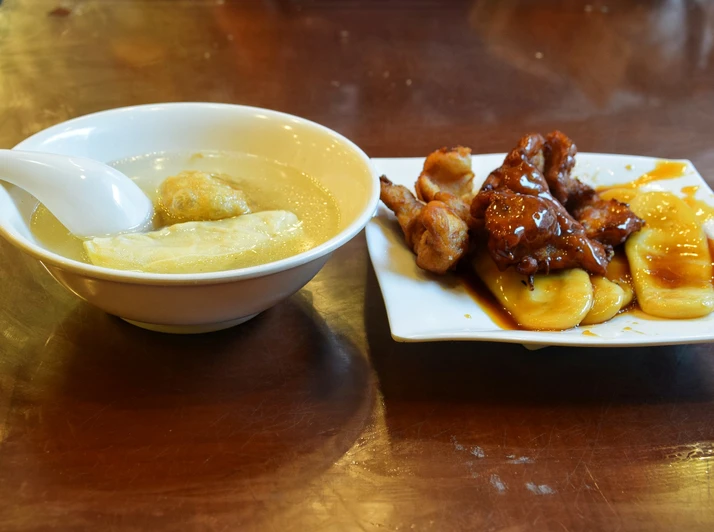
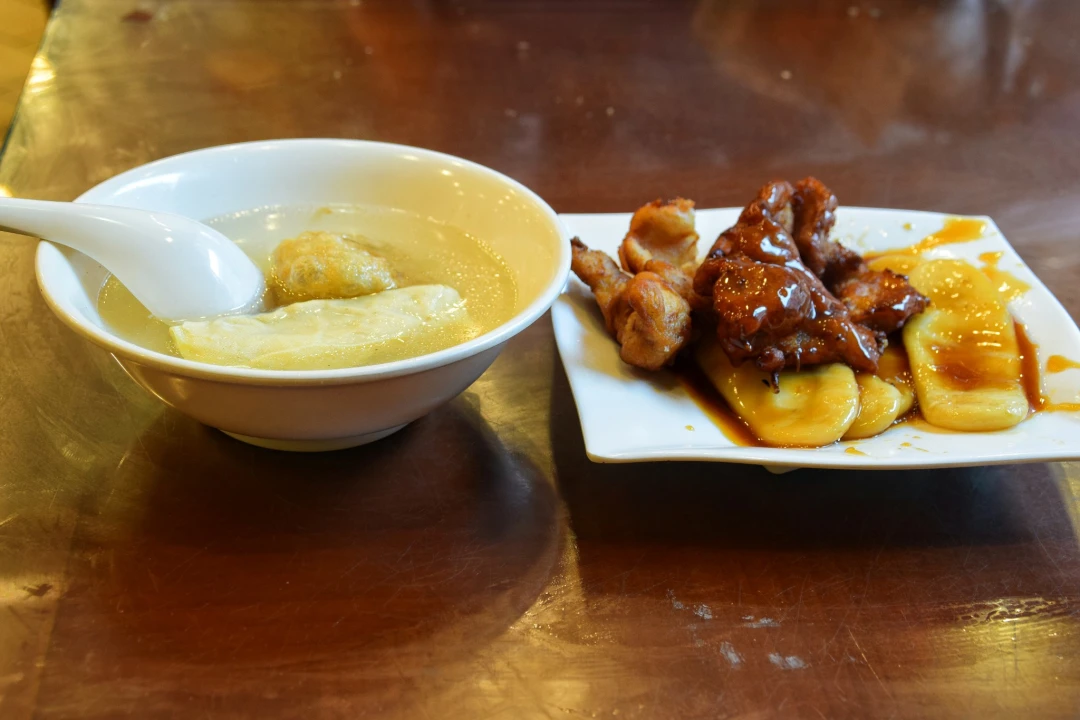
If I had to pick the "crown jewel" of Yunnan Road, I'd unhesitatingly vote for "Xian De Lai." This shop's story begins in 1921. Founder He Shide and his family set up a tiny street stall with three and a half tables, a few benches, and an iron pot. He made small rice cakes entirely by hand—white, fine, tender, and delightfully chewy. Paired with golden-fried pork chops, drizzled with sweet bean sauce and chili sauce, one bite sends the soft, sticky rice cakes and crispy pork chops into a delicious battle in your mouth, sweet and spicy, endlessly satisfying.
Because He Shide insisted on quality and affordable prices, business boomed. Customers would say, "The flavor is really 'xian de lai' (so fresh and delicious)!" He earned the nickname "Pork Chop King," and "Xian De Lai" became the shop's name.
Today, Xian De Lai offers various set meals, but I still believe the combination of pork chop with rice cakes and 单档 (dan dang, a traditional Shanghai soup with tofu skin and meat filling) is the most iconic taste of Shanghai. That complex blend of sweet and spicy, soft and crispy, mirrors the city itself—layered and addictive.
Don't miss: The classic set meal—pork chop + rice cakes + dan dang soup. It's the ultimate Shanghai comfort food.
[Link: Xian De Lai pork chop rice cakes]
Beyond Local Flavors: Yunnan Road's "Food United Nations"
What made Yunnan Road a "food holy land" for old Shanghainese isn't just its collection of local snacks. It's also a window opening onto the taste pathways of all China.
Craving halal cuisine? Go to "Hong Chang Xing" (洪长兴). This 127-year-old establishment serves authentic halal lamb dishes that have been perfected over generations.
Want Cantonese dim sum? "Xin Ya" (新雅) offers classic Cantonese fare with a Shanghai twist.
Need Western-style comfort food? "De Da" (德大) serves Shanghai-style Western dishes like fried pork chops and borscht that date back to the early 20th century.
This diversity is what makes Yunnan Road unique—it's not just a food street; it's a living museum of Shanghai's culinary history, where every shop tells a story of migration, adaptation, and delicious fusion.
[Link: Shanghai halal food Hong Chang Xing]
FAQ: Your Yunnan Road Food Questions Answered
1. What is the best time to visit Yunnan Road?
Morning (7:00-10:00 AM) is ideal for breakfast classics like Da Hu Chun shengjian. Lunch (11:30 AM-1:30 PM) is perfect for Xian De Lai pork chop rice cakes. Evening (5:00-8:00 PM) offers the full street food experience with all shops open.
2. How do I get to Yunnan Road by metro?
Take Shanghai Metro Line 8 to Dashijie Station (大世界站). Exit from Exit 1 or Exit 2, and you'll find yourself at the northern end of Yunnan South Road.
3. Are these time-honored restaurants expensive?
No! Most dishes cost between 15-40 RMB ($2-6 USD). A full meal with multiple dishes typically runs 50-80 RMB ($7-12 USD) per person—incredible value for authentic century-old recipes.
4. Is Yunnan Road suitable for vegetarians?
While most shops specialize in meat dishes, you can find vegetarian options like pan-fried vegetable buns, cold noodles, and tofu skin rolls. Xin Ya restaurant also offers some vegetable dim sum.
5. What's the must-order dish for first-timers?
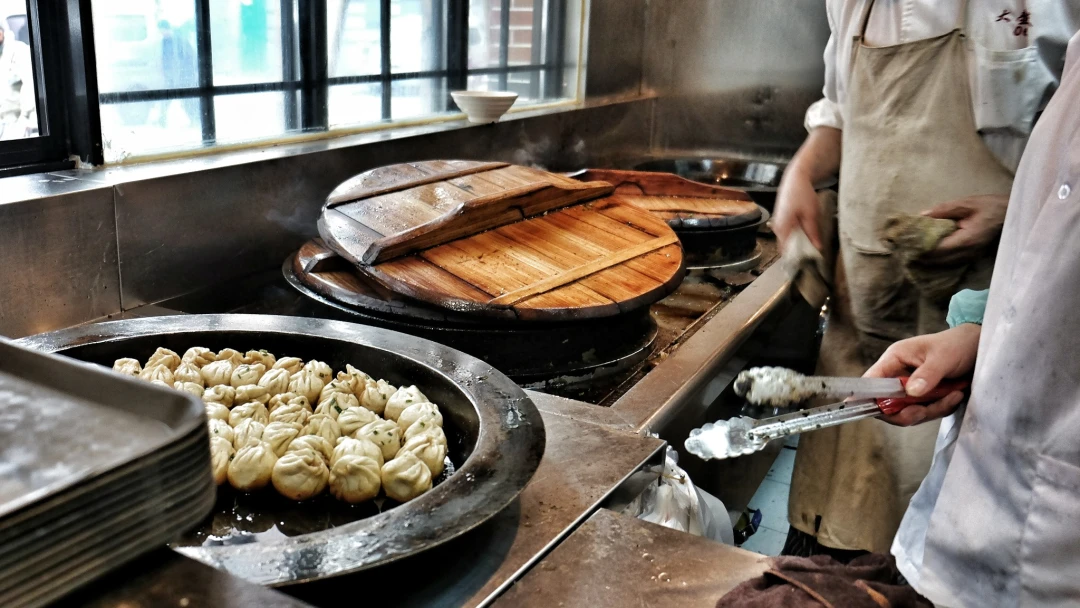
Start with Xian De Lai's pork chop with rice cakes—it's the signature dish of Yunnan Road. Then try Da Hu Chun's shengjian for a traditional Shanghai breakfast experience.
Your Yunnan Road Food Pilgrimage Awaits
Yunnan Road isn't just a street—it's a time machine for your taste buds. Every shop, every dish, every bite carries the weight of Shanghai's history, from the roaring 1920s to the bustling present day.
Whether you're a first-time visitor or a seasoned foodie, this street offers something you won't find in any guidebook: the authentic, unpretentious soul of Shanghai cuisine.
Ready to start your pilgrimage? Here's your action plan:
- Plan your visit for a weekday morning to avoid crowds
- Start at the northern end (near Dashijie metro station) and work your way south
- Bring cash—some old shops still prefer it
- Come hungry—you'll want to try everything
- Take photos—but more importantly, savor every bite
The flavors of old Shanghai are fading fast, but Yunnan Road keeps them alive, one steaming basket of shengjian, one crispy pork chop, one bowl of rice cakes at a time.
Don't just read about it. Taste it. Your taste buds will thank you for generations to come.
Have you visited Yunnan Road? Share your favorite dish in the comments below, or tag us in your food photos using #YunnanRoadFoodie!
You may also like