When Your Body Sends an SOS: How a Journey to Southern Xinjiang Became My "Endocrine Regulator"
Meta Description:
Struggling with hormonal imbalance and burnout? Discover how a 9-day Southern Xinjiang journey—from Kashgar's Old City to Tashkurgan—became the ultimate endocrine regulator. Real travel therapy for the modern soul.
Introduction: The Moment Your Body Screams "Stop"
Have you ever woken up feeling like your entire system is on strike? Sallow skin, puffy eyes, bone-deep exhaustion that no amount of sleep can fix. That was me in July 2025—two months of high-intensity work had turned my endocrine system into a battlefield. The doctor said "hormonal imbalance." My mother said, "Go out for a trip." I chose the latter.
Not because I don't trust medicine. But because I believe in something deeper: sometimes, changing your geographic coordinates changes your life's frequency.
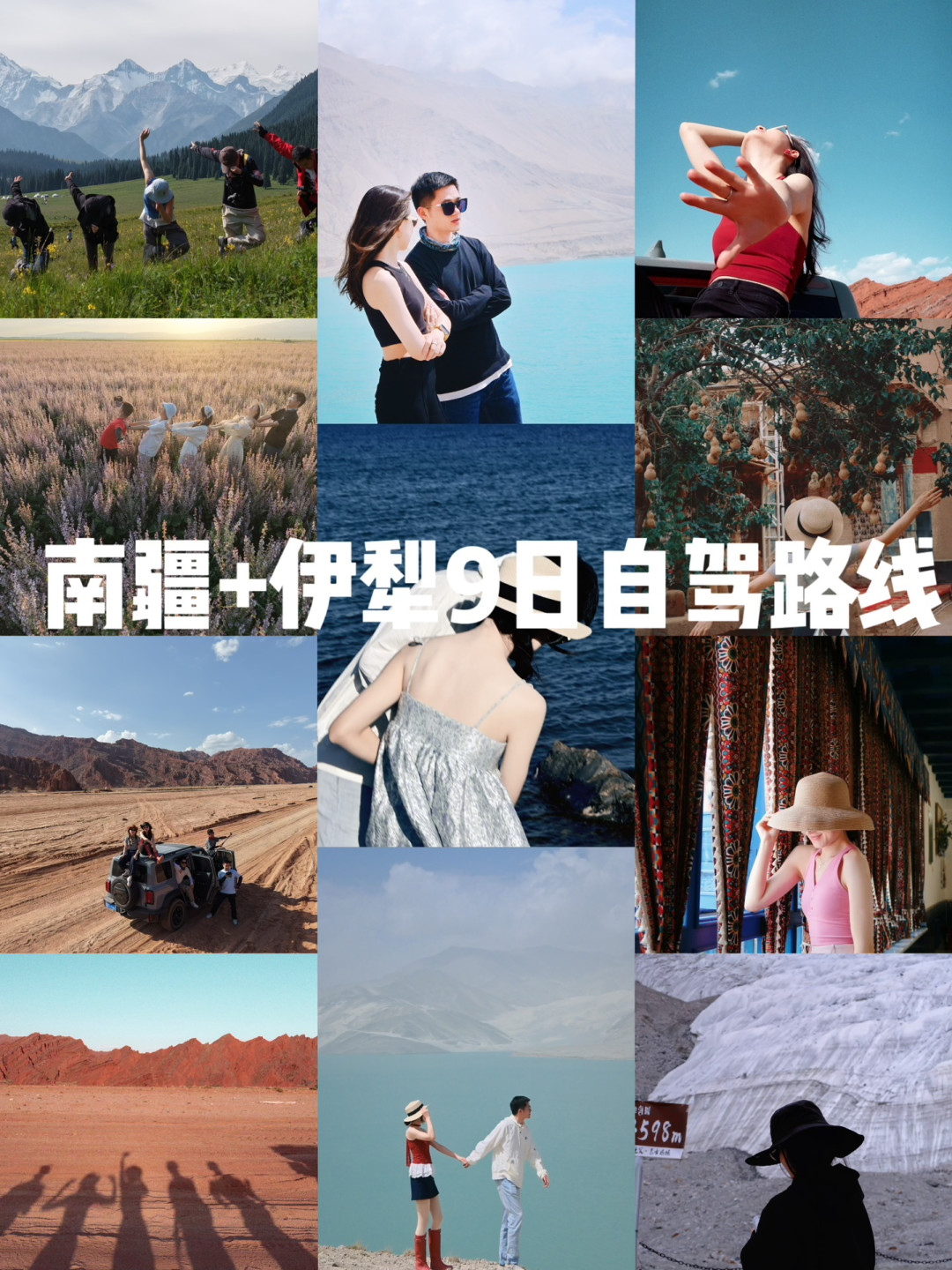
So I took five days of annual leave, added weekends, and cobbled together a nine-day journey to Southern Xinjiang. My prescription? The sunlight of Kashgar's Old City, the starry skies of Tashkurgan, the wind of Sayram Lake, and all the unexpected warmth along the way.
This isn't just a travelogue. It's a real-life record of how one modern urbanite used a journey to recalibrate her life's rhythm—and how you can, too.
Why Southern Xinjiang? The Endocrine-Regulating Power of Geography
When friends heard I was heading to Xinjiang again (I'd just returned from Northern Xinjiang), they raised eyebrows. But Northern and Southern Xinjiang are two different worlds.
- Northern Xinjiang is like an elegant noblewoman—fairy-tale lakes, misty villages, picture-perfect scenery.
- Southern Xinjiang is a weathered old man—earthen walls, thousand-year-old stories, raw authenticity.
I chose Southern Xinjiang because of childhood stories about "the foot of the Tianshan Mountains," a long-cherished obsession with Kashgar's ancient city, and—most importantly—a desire to meet a different version of myself.
Tibet was on the table, but with only one driver in our five-person team, a self-drive trip through Ngari was too risky. Southern Xinjiang became our destination, and it turned out to be the perfect endocrine regulator—a place where time slows down, and your body finally catches up with your soul.
[Link: Benefits of travel for hormonal balance]
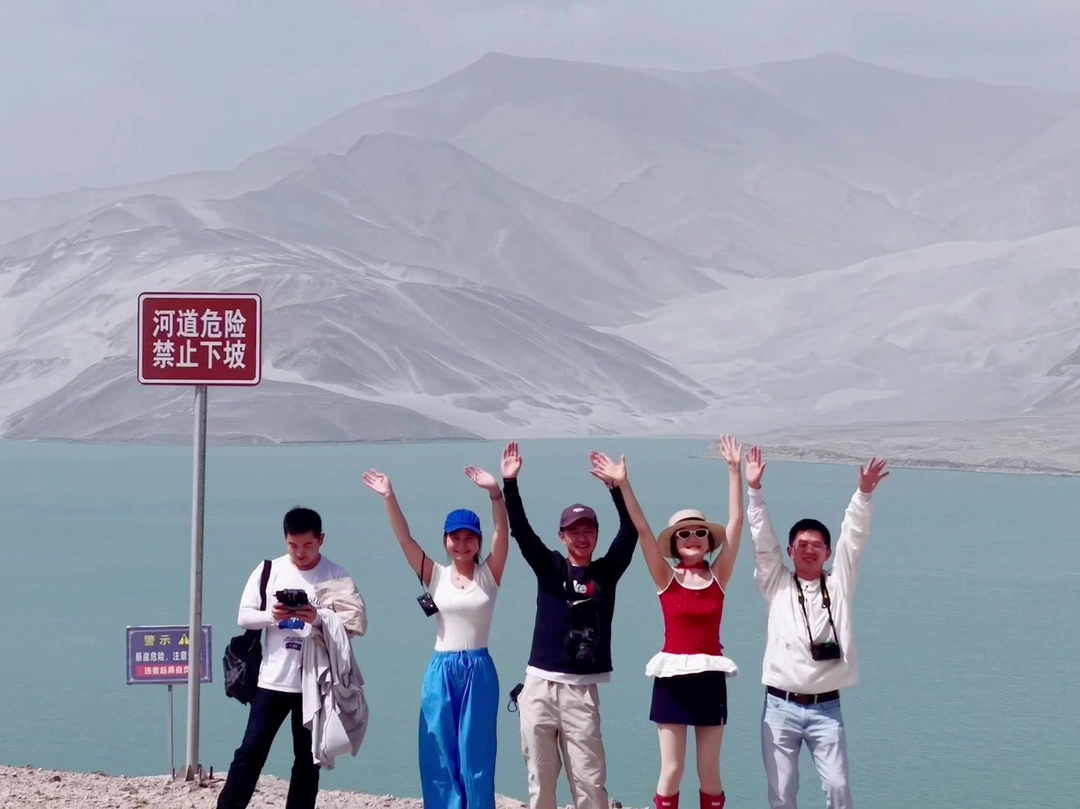
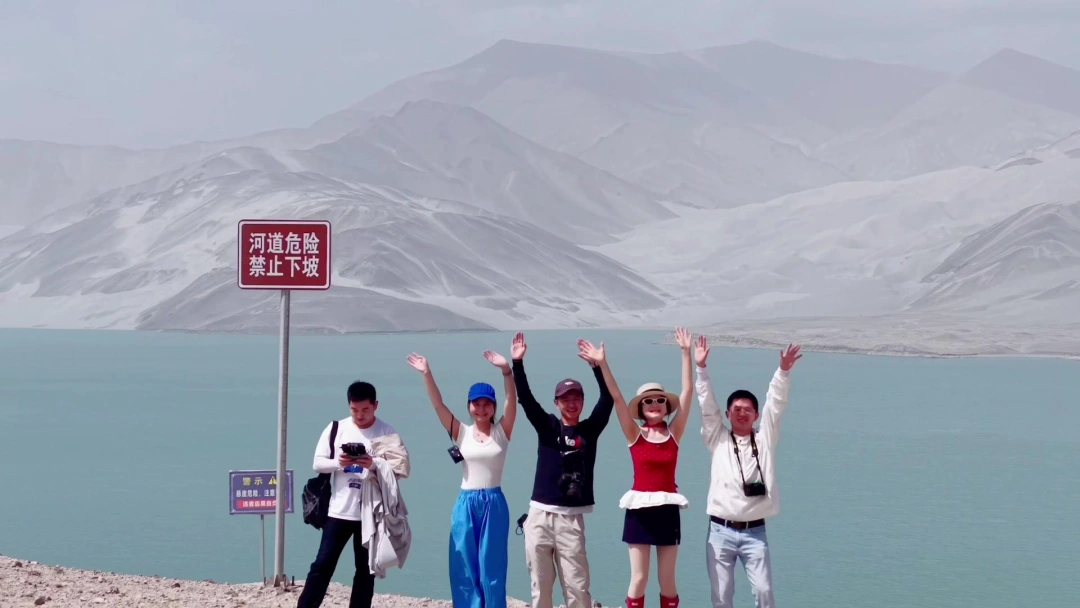
Our "Lucky Squad": Five Strangers, One Healing Community
Before departure, we were just names in a WeChat group. Nine days later, we were family—staying up late, singing together, holding each other up at 5 AM.
Nian Zong – The full-time driver and "anchoring force." While we admired scenery, he napped in the car. While we edited photos, he opened his laptop and worked. He called it "joy, not draining"—listening to everyone's stories, reflecting on life. That level of Zen? I bow to it.
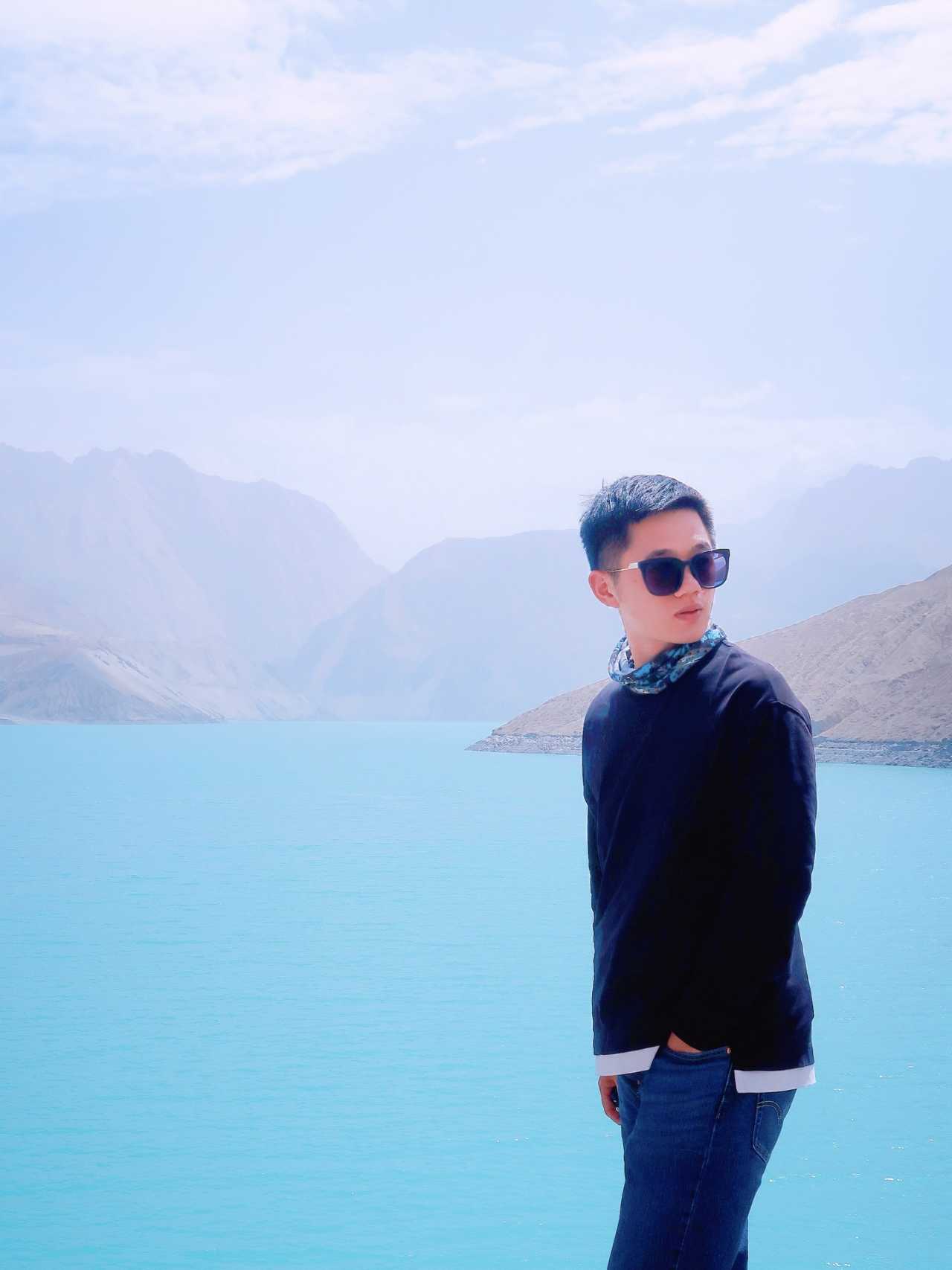
Dian Dian – The drone photographer and filming director. His WeChat name is literally "点点点" (dot dot dot). He knew exactly where to position us based on light—where to stand, what pose to strike, what angle to capture.
Hua Er – Makeup artist, in-house doctor, food guide, and host of "Sister Hua's Talk Show." She could capture your most flattering angle during portrait shoots, then immediately line up the next meal or record another episode of our show.
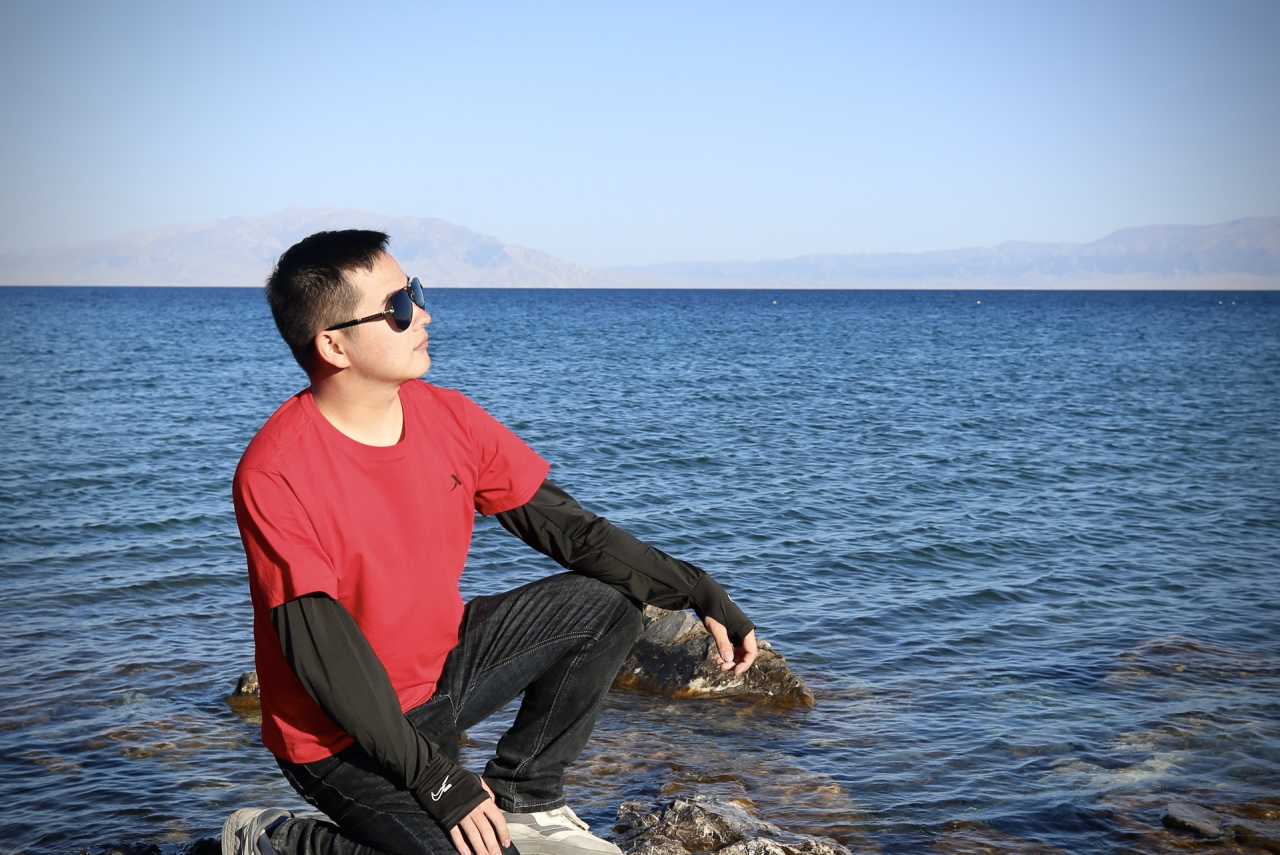
Tao Di – Videographer, 80s music ambassador, and the wellspring of joy. As long as his "imperial health" held up, wherever help was needed, he was there. Starting the day with early-morning "cold-resistance training" became our happiness ritual.
Me (Hui Hui) – Responsible for car rental, accommodation, and route planning. The upfront work was massive—comparing platforms, optimizing itineraries, preparing for everything. But seeing my travel buddies having the time of their lives? That kind of happiness is irreplaceable.
Kashgar Old City: A Living Museum for Your Endocrine System

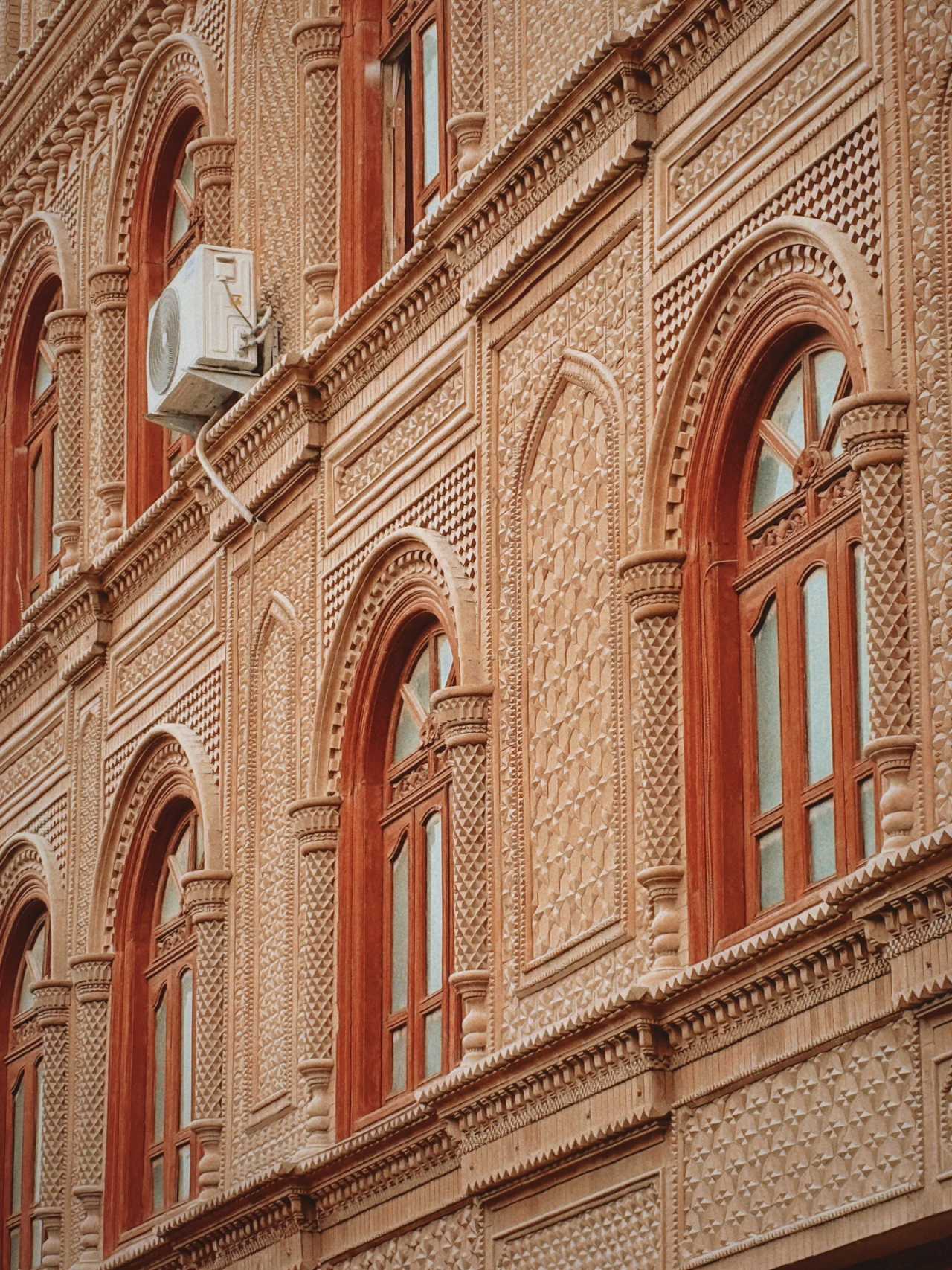
If there's a ceiling for ancient cities in China, it's Kashgar Old City. Walking through it, you'll find everyone living with such serenity, such happiness. They allow your curious eyes and camera to rest on them—their expressions, their belongings—as if they know that in this world of materialism and utilitarianism, only Kashgar protects humanity's tolerance, understanding, and kindness.
The Opening Ceremony (10 AM, East Gate)
Get there early to secure a good spot—right in front of the city gate. The energy is electric, and it sets the tone for everything that follows.
Behind Every Beautiful Door
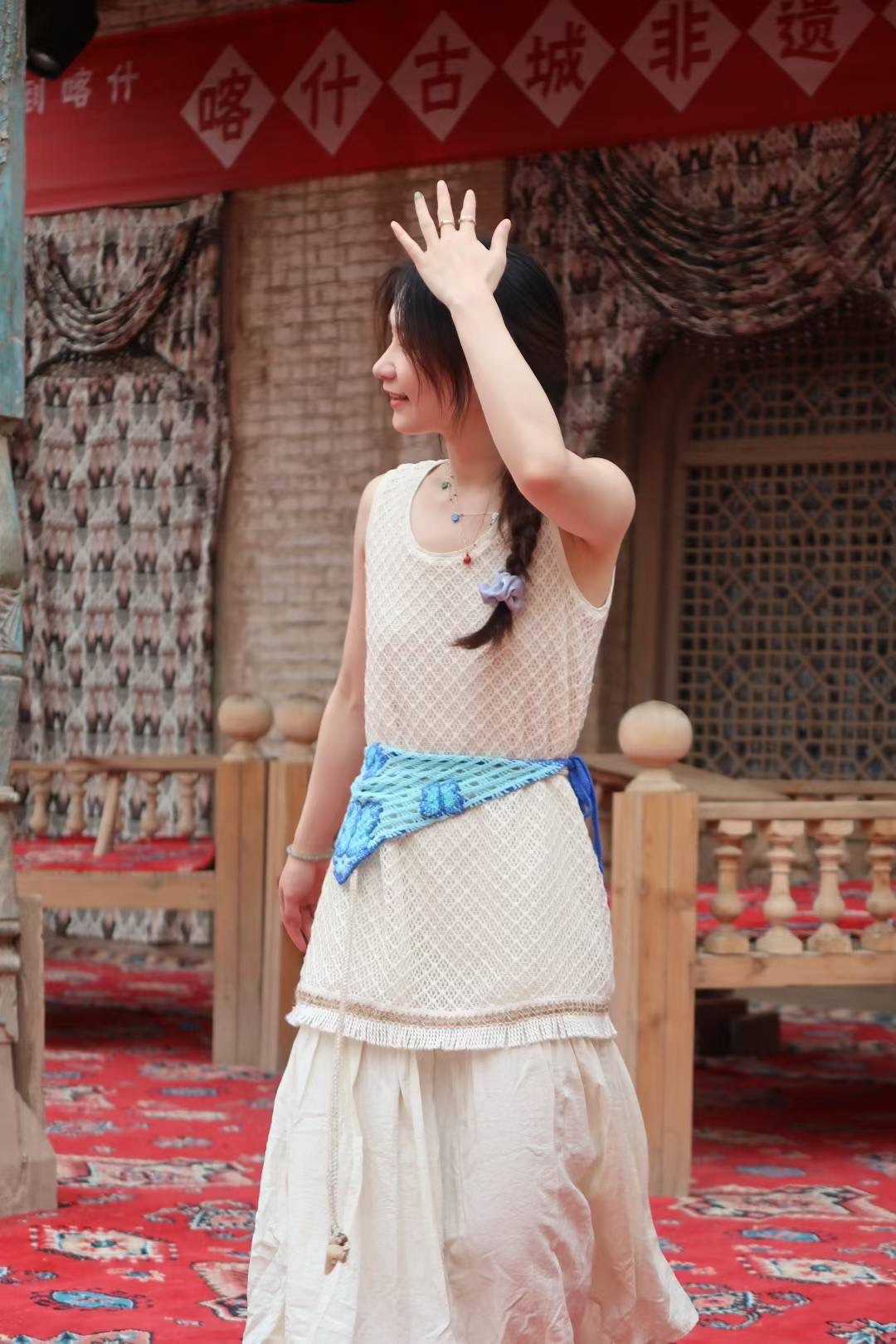
Behind every colorful door lies another world. Carpets, gourds, colors—they're Kashgar's best friends, always intertwined, always blending together. Vessels and musical instruments sit harmoniously on stalls. When travelers show curiosity, owners greet them with a smile, demonstrating how everything works.
The Century-Old Teahouse: Where Time Stands Still
We planned to spend just a little time here. We ended up staying for hours. An enthusiastic grandfather invited us to dance again and again, brought out instruments for photos, and expressed his joy in multiple languages. In the back kitchen, the auntie making tea worked methodically, respecting every ingredient.
There was a café with not a single customer inside. We lingered, wondering if the owner even expected anyone to come in. It seemed that pigeons, music, and a sense of romance were enough to make life full.
"Grandpa's Grandpa's Dad's Naan"
The down-to-earth young man behind the counter understood my desire to try everything. He patiently explained each flavor and texture in Mandarin. Looking at Kashgar, I felt it was more like an elderly person—unhurried, unflustered, but steady and powerful.
Tashkurgan: Where Unexpected Turns Become Beautiful Encounters
Border Pass: Apply for it in Kashgar, then set off the next morning at 8:30 AM.
Since this is a journey, every sight along the way deserves a cheer. Even a "muddy little hill" could make us shout, "How special!"—and thus the "drone-flying, sunflower-seed-cracking trio" was born.
I've always loved the sense of purpose that a road brings. I may not know where I'm going, but the road beneath me knows—and that gives me peace.
The Border Checkpoint: A Homecoming Surprise
When we reached the border checkpoint, the soldier on duty suddenly smiled. "You're from Ziyang, Sichuan?" he asked. "Yes... are you?" "Ah! Yes! From Anyue, Ziyang!" "No way! Us too!"—We added each other on WeChat and promised to meet for hotpot back home.
White Sand Lake: Weather-Dependent Beauty

White Sand Lake gifted us with a dreamy haze. It wasn't quite what we'd expected, but the moment it appeared in our sight, we couldn't stop saying, "We love it, we love it, we love it!" That said, White Sand Lake's beauty is heavily weather-dependent. Visit before noon—by afternoon, the weather shifts dramatically and visibility drops.
[Link: Best time to visit Southern Xinjiang]
How This Journey Became My Endocrine Regulator
The science is simple: travel changes your brain chemistry. When you step out of your routine, your body releases dopamine, serotonin, and endorphins. When you expose yourself to natural light and physical activity, your cortisol levels drop. When you connect with strangers and share authentic experiences, your oxytocin rises.
But there's something more profound about Southern Xinjiang. It's not just a change of scenery—it's a change of frequency. The unhurried pace of Kashgar, the vastness of Tashkurgan, the warmth of strangers who become friends—all of it recalibrates your internal clock.
By day nine, my sallow complexion had faded. My puffy eyes had disappeared. The bone-deep exhaustion was replaced by a quiet energy. I wasn't "cured" in a medical sense—but my body had stopped protesting. It had found its rhythm again.
FAQ: Your Southern Xinjiang Endocrine-Regulating Journey
Q1: How long should I spend in Southern Xinjiang for maximum benefit?
A: A minimum of 7–9 days is ideal. This allows you to transition from high-stress mode to relaxation without feeling rushed. The 9-day itinerary we followed—5 days of annual leave plus weekends—worked perfectly.
Q2: Is Southern Xinjiang safe for solo female travelers?
A: Yes. The local people are incredibly warm and welcoming. That said, standard travel precautions apply—stay in well-reviewed accommodations, share your itinerary with someone back home, and trust your instincts.
Q3: What's the best time of year for an "endocrine-regulating" trip?
A: Late spring (May–June) and early autumn (September–October) offer mild weather and fewer crowds. July and August are peak season—beautiful but busier. Winter can be harsh but offers a unique, quiet experience.
Q4: Do I need to be physically fit for this trip?
A: Moderate fitness helps—there's walking in Kashgar's Old City and some altitude at Tashkurgan (around 3,000m). But the pace is flexible. Listen to your body, and you'll be fine.
Q5: What should I pack for a Southern Xinjiang healing journey?
A: Comfortable walking shoes, layers (temperature swings are significant), sunscreen, a reusable water bottle, a journal for reflection, and—most importantly—an open heart.
Your Prescription for Recalibration
You don't need to wait until your body sends an SOS. You don't need a doctor's note to change your life's frequency. Sometimes, all you need is a ticket to Southern Xinjiang.
Here's what I learned: healing isn't about escaping your problems—it's about finding a place where your problems feel smaller, and your spirit feels bigger.
The sunlight of Kashgar, the starry skies of Tashkurgan, the wind of Sayram Lake, the warmth of strangers who become family—all of it is waiting for you.
Your turn.
Book that ticket. Take that leave. And let Southern Xinjiang become your endocrine regulator.
[Link: Southern Xinjiang travel packages]
[Link: Hormonal balance and travel therapy research]
Ready to recalibrate? Start planning your Southern Xinjiang journey today. Your body—and your soul—will thank you.
Have you experienced travel as therapy? Share your story in the comments below.
You may also like