Weekend Rescue Plan: Discover Hidden Shanghai – Off-the-Beaten-Path Gems & Ultimate Check-In Guide
Meta Description: Tired of Bund crowds? Discover Shanghai's secret side: sunrise at Suzhou Creek, 45km riverside promenade, historic lane houses & quirky bookstores. Your ultimate off-the-beaten-path guide awaits.
Introduction: Why Shanghai Still Surprises Locals
As a lifelong Shanghainese, I'm constantly asked: "What's there to actually do in Shanghai?" Every time I hear it, I want to fire back—have you truly explored this city beyond the tourist trail?
Two years ago, I wrote my first in-depth Shanghai travel guide, a walking route through historic buildings. Then came a second piece introducing 16 quirky bookstores. But I knew this was just the surface.
After the pandemic, I rediscovered my own city. Weekends became adventures: gallery hopping, riverside picnics, cycling along the Huangpu River with the wind in my hair. Slowly, I uncovered a different Shanghai—not the crushing crowds of the Bund or the shoulder-to-shoulder throngs on West Nanjing Road, but a Shanghai hidden in details, visible only when you slow down.
This is the third installment of "Fun in the Magic City." This time, I don't just want to give you a whirlwind tour. I want you to truly experience Shanghai.
Why We Keep Falling in Love with Shanghai
If you ask me what's most captivating about Shanghai, here's my answer:
A city that's always growing. Old and new architecture intertwine; the future and vintage collide. You never know what you'll find around the next corner.
Endless cultural life. Big exhibitions, small shows, art displays, history retrospectives—every weekend is different. If you're bored, you haven't found the right key to unlock the city.

Time-traveling lane houses. Every building tells a story; behind every door lies old Shanghai's glamour and vicissitudes.
A 45-kilometer riverside promenade. Far from traffic noise, you can cycle, stroll, or daydream. The Huangpu River's beauty is richer than you imagine.
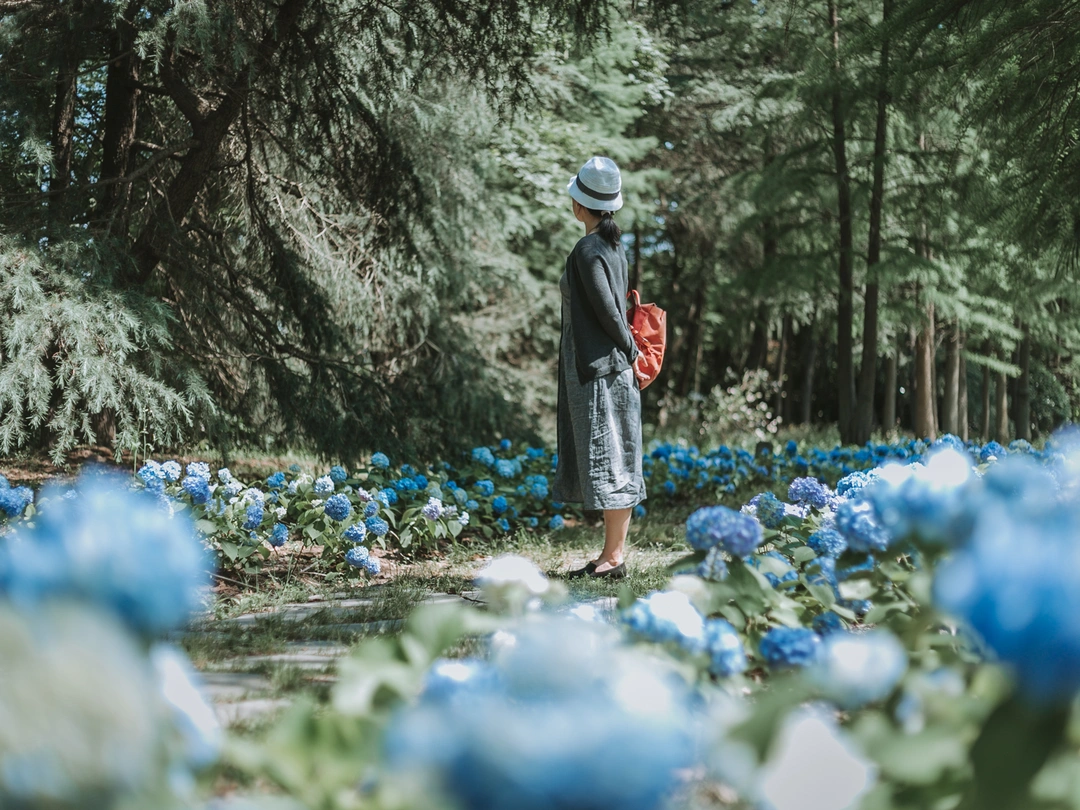
Little forests within the city. Grab friends, hike, picnic, soak up the sun. Shanghai has never been just concrete, steel, and fast-paced living.
[Link: Best parks in Shanghai for urban hiking]
🌅 Suzhou Creek: Capture Shanghai's First Light
On January 1st, 2021, I did something I hadn't done in over 30 years—watch the sunrise in Shanghai.
Dragging myself from a warm bed on a winter morning tested my willpower. But I ventured out anyway. 2020 had been surreal; I needed ritual to welcome the new year.
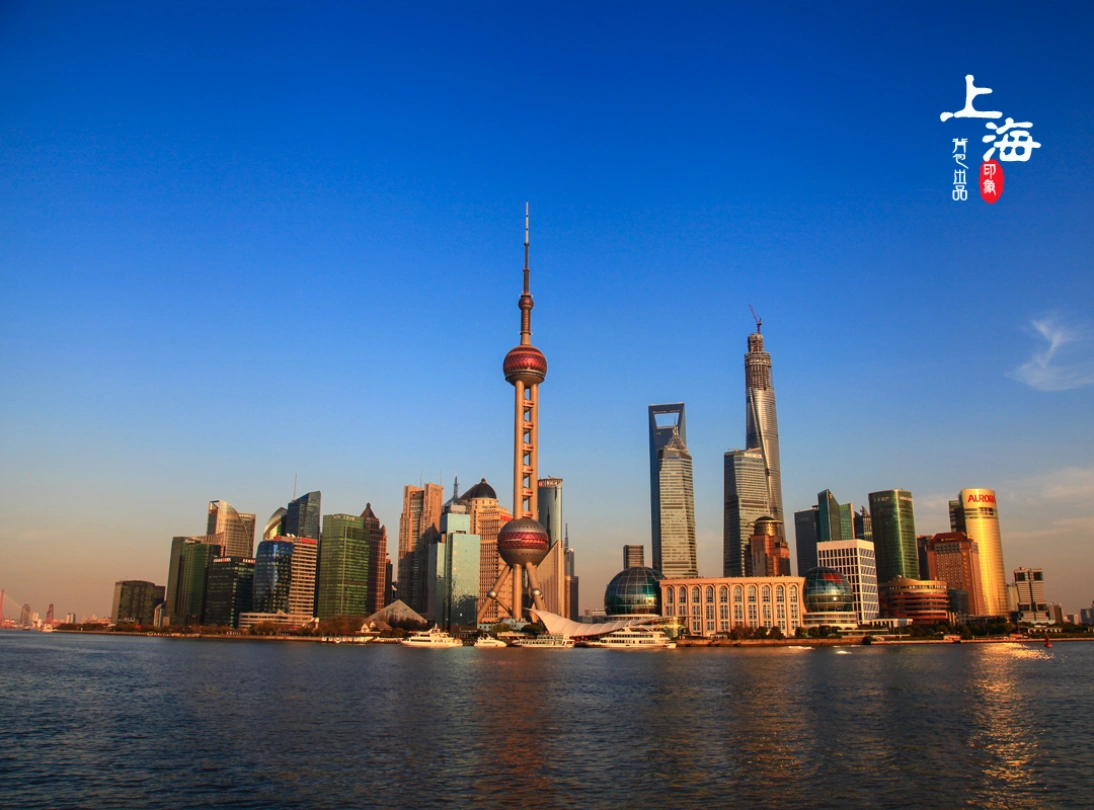
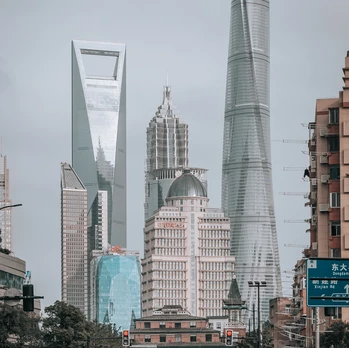
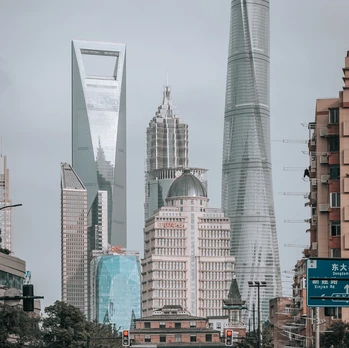
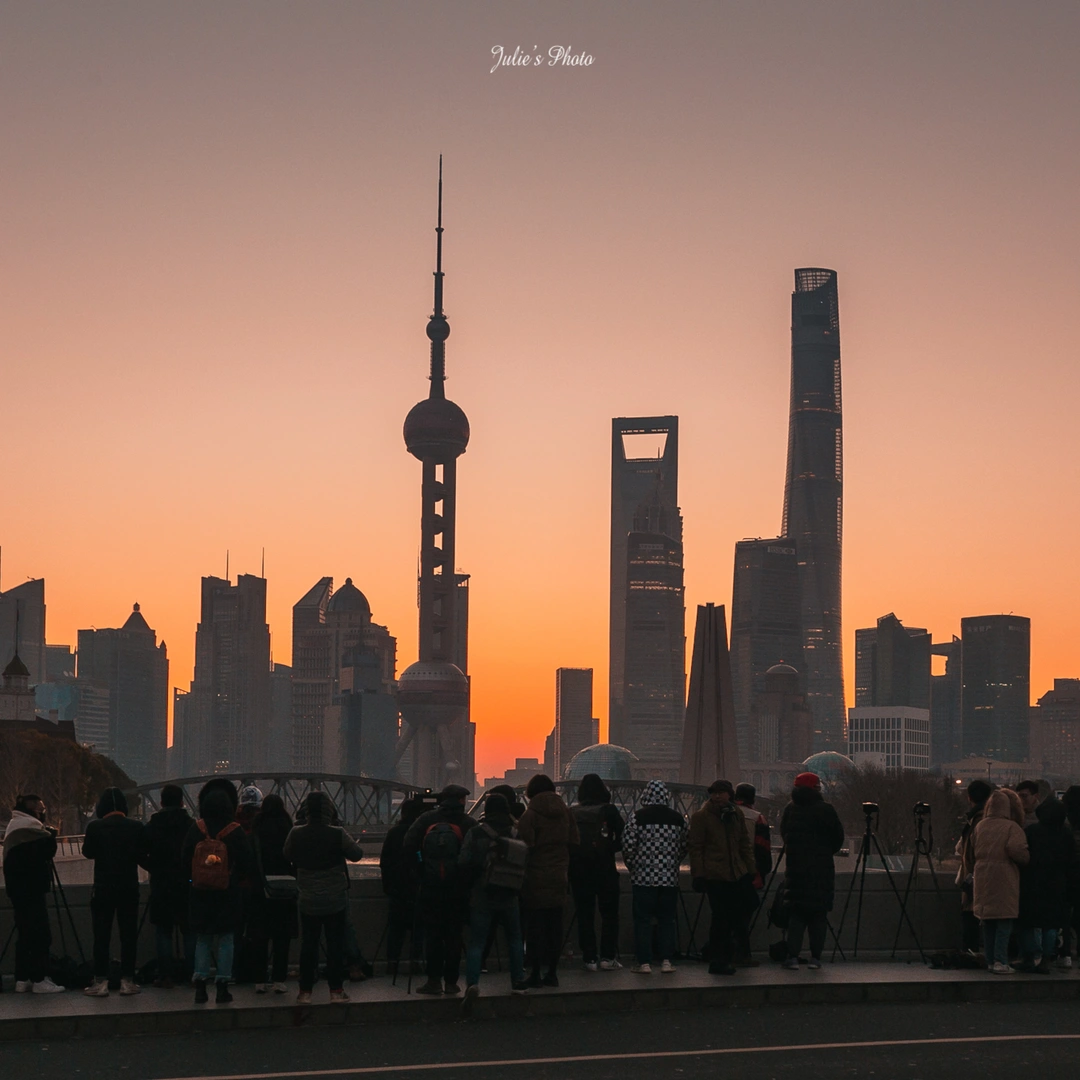
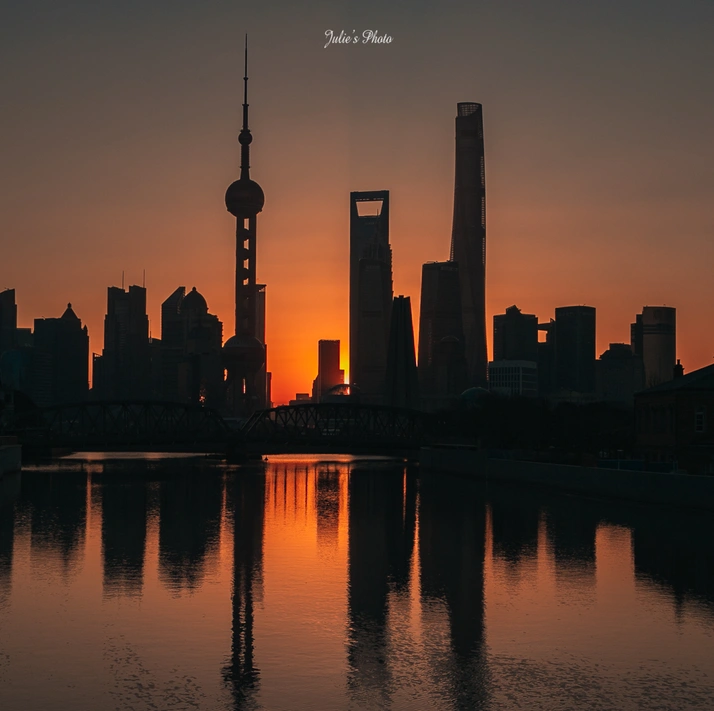
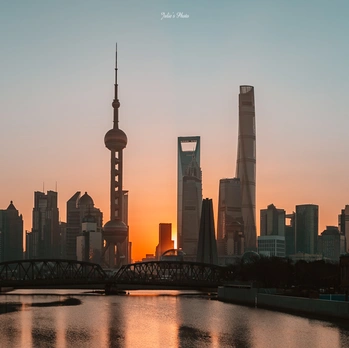
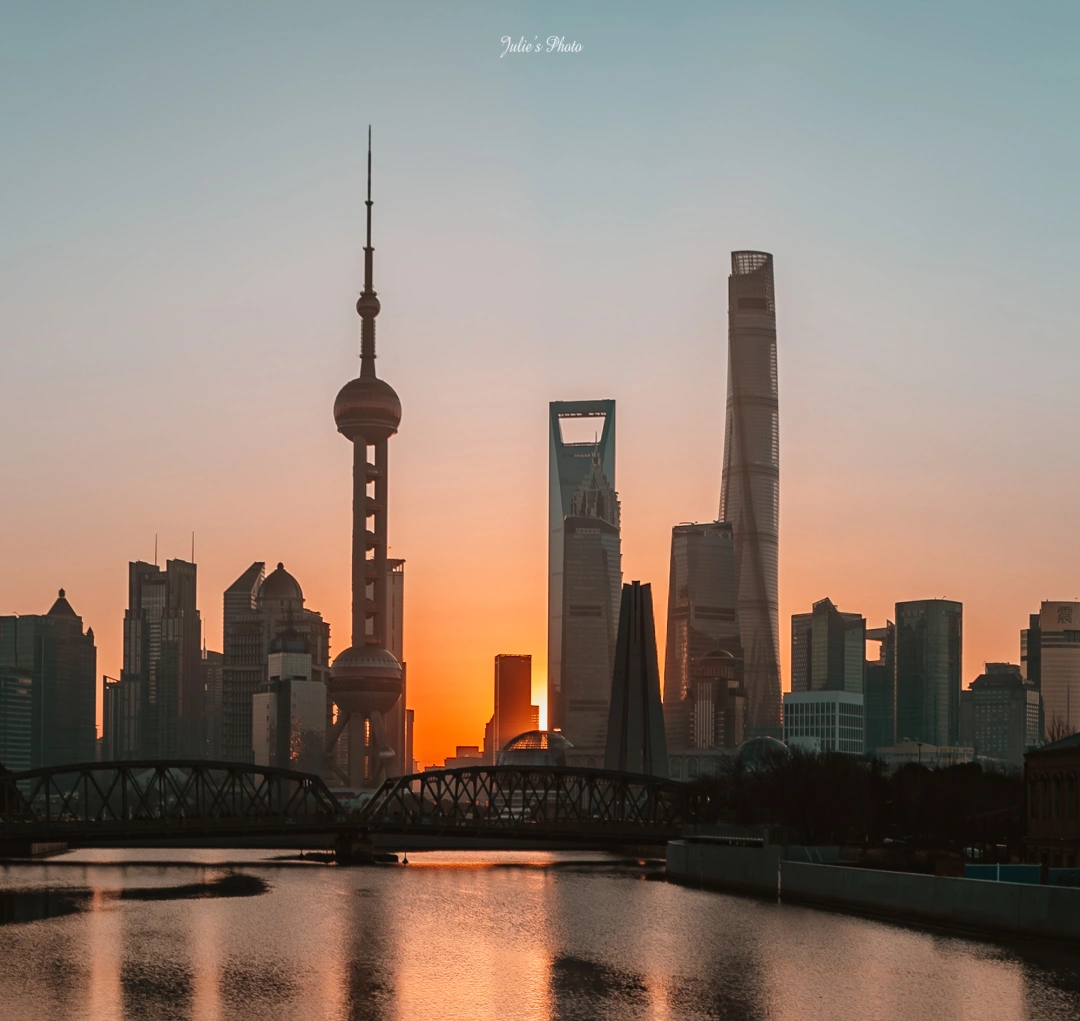
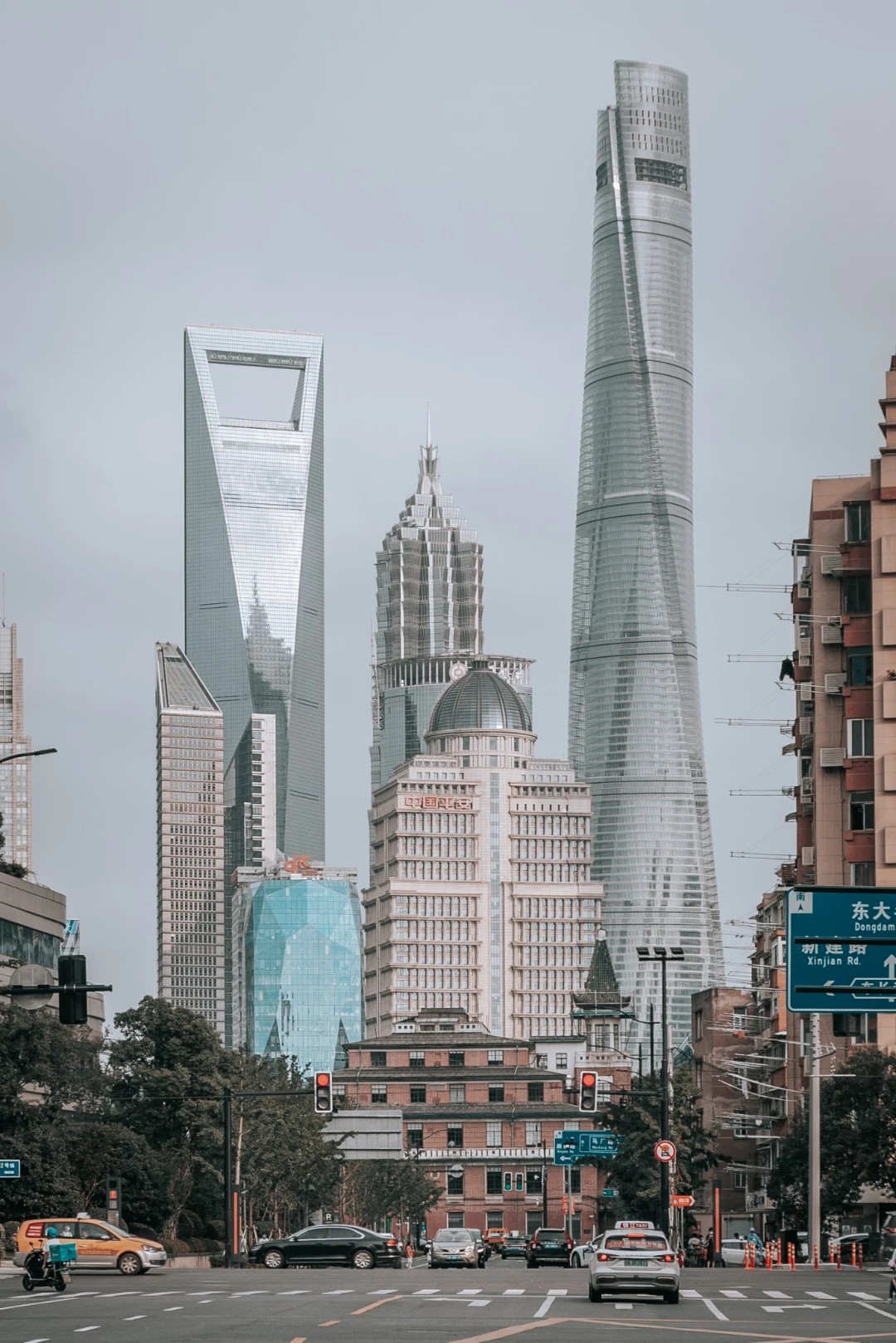
Veteran Shanghai photographers know the best spot to capture Lujiazui's full view isn't the Bund—it's Zhapu Road Bridge on Suzhou Creek. This bridge is so popular it's jokingly called "Old Masters' Bridge." Standing here, looking east toward Waibaidu Bridge, the Lujiazui skyline sits at perfect distance. Even with a cheap 50mm prime lens, you'll get decent shots.
When I arrived, the sky was just glowing. A row of "old masters" already lined the bridge, drones buzzing overhead. I squeezed into a gap, set up my tripod, and waited.
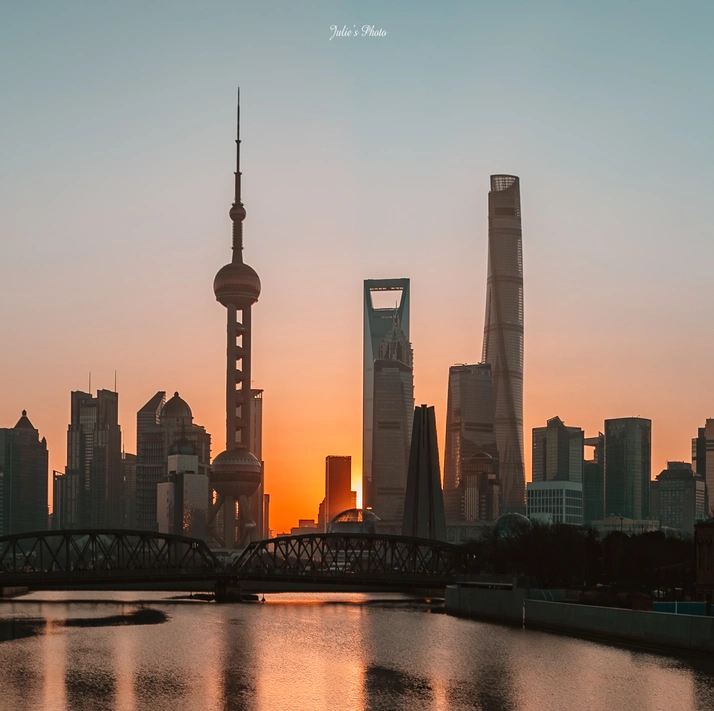
Haze softened the morning, but when dawn's first rays outlined the buildings, I felt all the waiting was worth it.
I didn't wait for full sunrise. Instead, I used that warm, slanting light to photograph my surroundings. Eastward, the sun rose; looking west, night still lingered. At that moment, I understood "one half is seawater, one half is flames."
Walking east along Waibaidu Bridge reveals other unique angles for Lujiazui. Morning light casts gentle texture over the scene. Waibaidu Bridge marks the boundary between Huangpu and Hongkou districts. To the south: the Bund's historic building cluster. To the north: the bustling North Bund.
Pro tip: Arrive 30 minutes before sunrise for the best light and fewest crowds. Winter mornings offer the clearest skies.
[Link: Best photography spots in Shanghai for sunrise]
🚢 The 45-Kilometer Golden Riverside Promenade
One day, having coffee by the river in Lujiazui, a friend said: "Ever since Shanghai renovated the riverside public spaces, I've started to think this city isn't so bad."
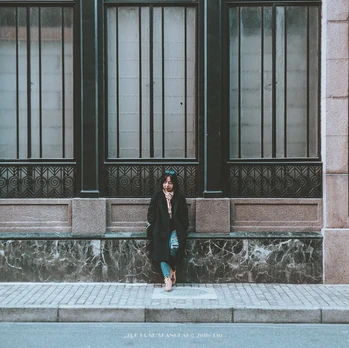
That stung a little, but I completely agree with the second half—the riverside renovation is one of Shanghai's most successful urban renewal projects.
Did you know? Although the Huangpu River has always been Shanghai's "mother river," for a long time it was distant from ordinary citizens' daily lives. It was once a towpath, an industrial zone, a shipping dock—never a leisure space for strolling, daydreaming, or cycling. The only place to see the river was the Bund, but the Bund is too short and functions more as a tourist attraction—packed with people, hardly conducive to leisure.
It wasn't until late 2017 that Shanghai finally "returned the river to the people." The 45-kilometer stretch between Yangpu Bridge and Xupu Bridge fully connected. This was 15 years of effort—relocating businesses, preserving old factories, connecting broken points, building green belts. They even planned ten classic cultural exploration routes linking historical relics, covering Yangpu's industrial civilization and the Bund's quintessential Shanghai style.
For me, the most direct impact: more options for meeting friends, wider variety of activities.
Huangpu Riverside: The Other Side of the "Ten-Mile Foreign Concession"
The area from the Bund south to Yuyuan Garden is Huangpu Riverside's core. Honestly, I wasn't originally going to write about this section—it's not off the beaten path, it's crowded, and everyone knows it too well. But flipping through my photo album, I decided to include it anyway.
Because the Bund in other people's eyes isn't necessarily the Bund in mine.
After shooting sunrise that day, I planned to go straight home. But seeing the unusually empty Bund, I thought: "Since I'm here, I might as well wander." I set myself a small goal—take a "portrait" of each building from No. 1 to No. 33 on the Bund.
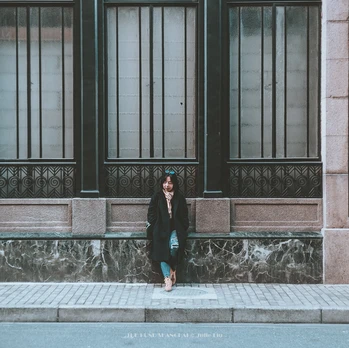
You might not know this, but the Bund's architecture has undergone several renovations. The first generation consisted of 2-3 story Sino-Western hybrid buildings, mostly designed from architects' imagination. Later, as land prices rose, buildings got taller. By the late 19th century, professional architects began participating in renovations, and the eclectic neoclassical style became dominant. The Bund we see today was mainly formed during the "Golden Age" from the 1910s until the outbreak of the Second Sino-Japanese War.
There are supposedly 33 buildings from No. 1 to No. 33 on the Bund. But I only managed to photograph 24—because the missing 9 house numbers result from property consolidation.
Why my Bund photos have almost no people: It was early morning on New Year's Day. Most people were still in bed.
[Link: Self-guided walking tour of the Bund's architecture]
🏛️ The Bund's Architecture: Every Building is a History Lesson
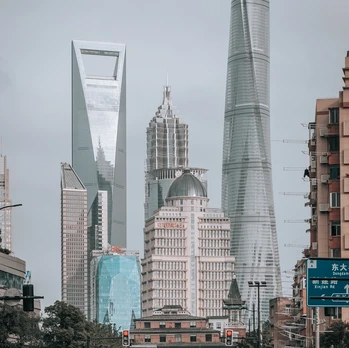
Bund No. 1: Asia Building
Completed in 1915, designed by Moorhead & Halse. Neoclassical style with Baroque features. Originally housed the Asiatic Petroleum Company, a subsidiary of the Anglo-Dutch Shell oil company.
Bund No. 2: Shanghai Club
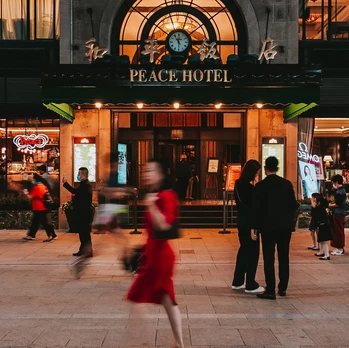
The first building on this site, built in 1865, was the first on the Bund with classical columns. The second Shanghai Club, opened in 1911, is British Neoclassical style and was Shanghai's first gentlemen's club.
Bund No. 3: Union Building
Built in 1916, this Renaissance-style building originally housed the Union Insurance Company of Canton. Today, it's home to luxury boutiques and the famous M on the Bund restaurant.
Bund No. 12: HSBC Building
Arguably the Bund's crown jewel, completed in 1923. At the time, it was the world's second-largest bank building. The dome features stunning mosaics depicting the sun, moon, and zodiac.
Bund No. 18: Bund 18
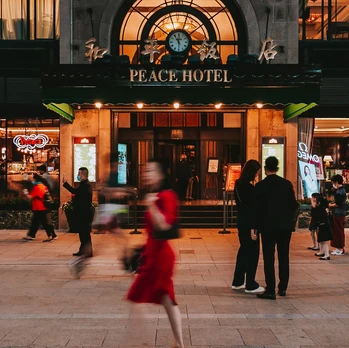
Built in 1923 as the Chartered Bank of India, Australia and China. Today, it's a luxury retail and dining destination, but the original banking hall's marble columns remain.
Architecture-spotting tip: Look for the small brass plaques near each building's entrance. They provide construction dates and original names.
🌳 Hidden Green Spaces in Shanghai's Urban Jungle
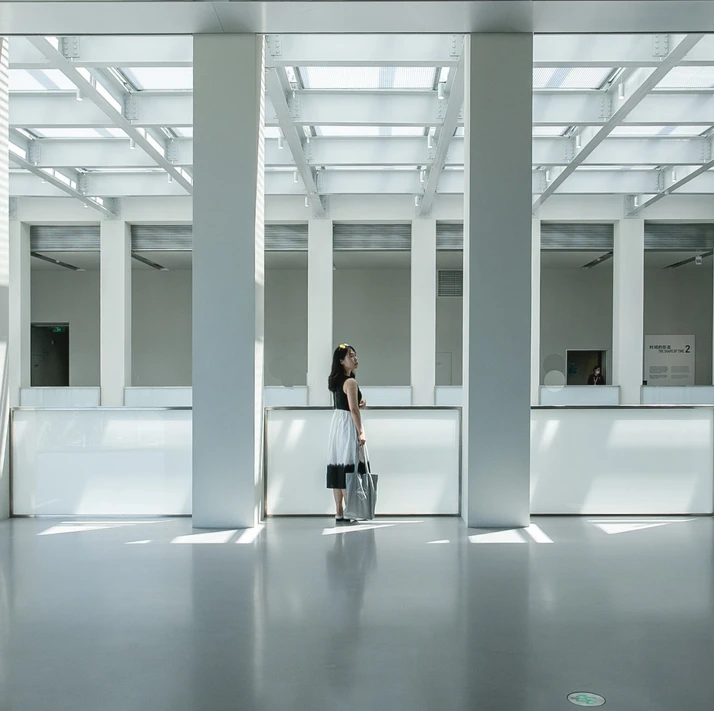
Beyond the river, Shanghai offers surprising pockets of nature that feel worlds away from the city's pace.
Fuxing Park
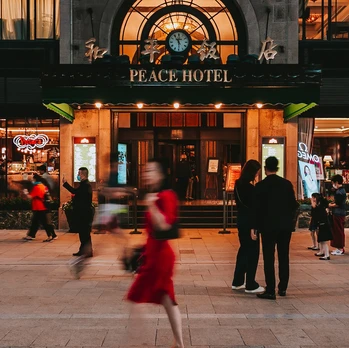
A French-style garden built in 1909, Fuxing Park is where locals practice tai chi, ballroom dance, and sing opera on weekends. It's a living museum of Shanghai's community life.
Zhongshan Park
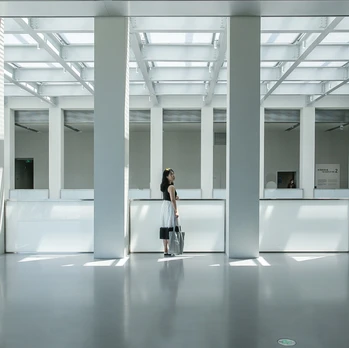
Once part of a private estate, this sprawling park features century-old plane trees, a lotus pond, and quiet corners perfect for reading or sketching.
Houtan Park
A post-industrial wetland park along the Huangpu River, Houtan Park transformed a former industrial site into a thriving ecosystem. It's perfect for birdwatching and photography.
Weekend picnic checklist: Bring a blanket, snacks, and a book. Arrive before 10 AM to claim the best spots.
[Link: Best parks in Shanghai for weekend picnics]
🚲 Cycling Routes: Explore Shanghai's Hidden Corners
Cycling is the best way to discover Shanghai's off-the-beaten-path treasures. Here are three routes to try:
Route 1: Suzhou Creek to the Bund (8 km)
Start at Zhongshan Park, follow Suzhou Creek eastward. You'll pass historic warehouses, art galleries, and the iconic M50 art district. End at the Bund for sunset.
Route 2: The 45-Kilometer Riverside Loop
The full riverside promenade is cyclist-friendly. Start at Yangpu Bridge, head south to Xupu Bridge. Allow 3-4 hours with stops for photos and coffee.
Route 3: French Concession Lane Houses (5 km)
Cycle through the tree-lined streets of the Former French Concession. Look for hidden lane houses, boutique shops, and courtyard cafes. Start at Huaihai Road, end at Fuxing Park.
Bike rental tip: Use HelloBike or Mobike apps for dockless bikes. Rent for 1-2 hours at a time.
📚 Quirky Bookstores: Shanghai's Literary Heart
Shanghai's independent bookstores are cultural institutions. Here are three worth seeking out:
1984 Bookstore
Hidden in a lane house on Hunan Road, this cozy bookstore-cafe feels like a friend's living room. It's named after George Orwell's novel and features a small garden.
Text & Image
Specializing in photography and art books, this tiny store on Fuzhou Road is a treasure trove for visual storytellers. The owner is a photographer himself and happy to chat.
Mephisto Bookstore
A second-hand bookstore on Weihai Road, Mephisto is chaotic and wonderful. You'll find everything from rare Chinese literature to vintage travel guides.
Bookstore etiquette: Browse freely, but ask before taking photos. Many stores have cats—be gentle.
❓ FAQ: Your Shanghai Weekend Questions Answered
Q: What's the best time to visit the Bund without crowds?
A: Early morning (6-8 AM) on weekdays or before 7 AM on weekends. Sunrise photography sessions are particularly peaceful.
Q: Is the 45-kilometer riverside promenade walkable in one day?
A: Yes, but it's ambitious. Most people choose sections: the Bund to Lujiazui (3 km), or Yangpu to Xupu (15 km). Allow 4-5 hours for a comfortable walk with stops.
Q: Are the lane houses accessible to visitors?
A: Some are, some aren't. Look for lane houses with open courtyards or cafes. The Former French Concession has the most accessible examples.
Q: What's the best way to get around Shanghai for a weekend?
A: Metro is fastest, but cycling gives you flexibility. For the riverside promenade, combine cycling with walking. Taxis are affordable for longer distances.
Q: Are there any free cultural activities in Shanghai?
A: Many museums have free admission days (check websites). Parks are free. The riverside promenade is free. Some galleries in M50 art district are free.
🎯 Final Thoughts: Your Weekend Rescue Plan
Shanghai isn't just the Bund or West Nanjing Road. It's the sunrise over Suzhou Creek, the quiet corners of Fuxing Park, the hidden bookstores in lane houses, and the 45 kilometers of riverside waiting to be explored.
This weekend, skip the tourist traps. Get up early. Cycle along the river. Discover a bookstore you've never visited. Watch the light change over Lujiazui.
Your heart will skip a beat—I promise.
Ready to explore? Download a metro map, rent a bike, and start your own Shanghai adventure. Share your discoveries using #ShanghaiHiddenGems—I'd love to see what you find.
Have questions about planning your Shanghai weekend? Drop them in the comments below, or [subscribe to our newsletter] for monthly off-the-beaten-path guides.
You may also like