Twelve Hours in the Magic City: A Tale of the Bund’s Lights and Wukang Road’s Memories
Meta Description: Discover Shanghai's magic in 12 hours: from Wukang Road's celebrity homes and luxury car culture to the Bund's iconic skyline. Your ultimate one-day Shanghai itinerary.
Introduction: A Spontaneous Shanghai Adventure
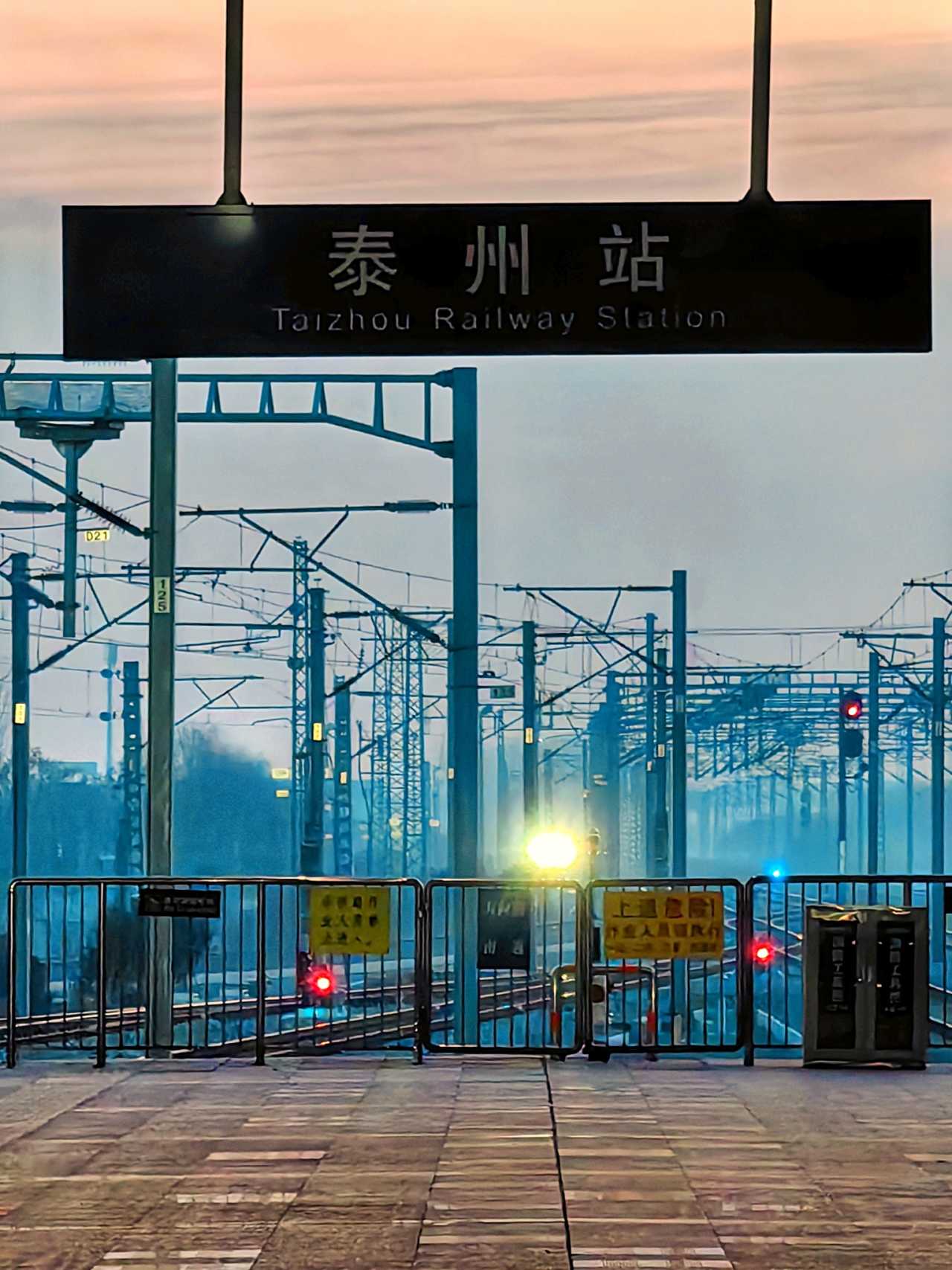
At five in the morning on a winter day, the city was still asleep as I hopped on my electric scooter and headed for the train station. The cold wind cut like a knife against my face, and I had to stop twice to warm my hands—though the temperature was technically above freezing, the biting chill seemed to pierce straight through to the bone. It wasn’t until I reached the station and cupped a hot water bottle for a long while that I felt alive again.
The reason for this trip is a bit amusing. Earlier this year, videos of luxury cars gathering on Wukang Road went viral online—those multi-million-dollar vehicles, those scenes meant to “blow the minds of Korean tourists.” As someone who knows nothing about cars and doesn’t even drive, I still felt a flicker of curiosity. Poverty might limit your imagination, but you’ve got to see with your own eyes what those legendary “Shanghai rich kids’” rides actually look like.
The high-speed train from my city to Shanghai takes about two and a half hours. Perfect time for a nap. When I woke up, the silhouette of the Magic City was already visible outside the window.
Wukang Road’s Quiet Hours: Celebrity Homes and an Instagram-Famous Balcony
The Wukang Building: Icon of Shanghai Architecture
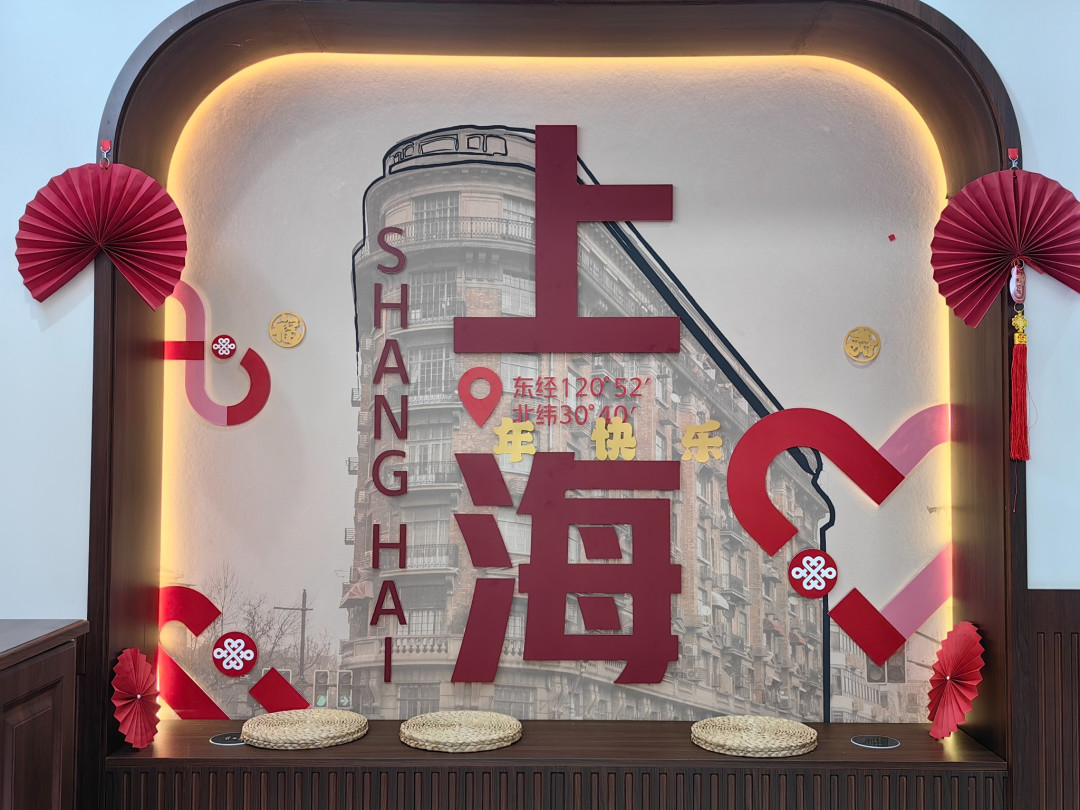
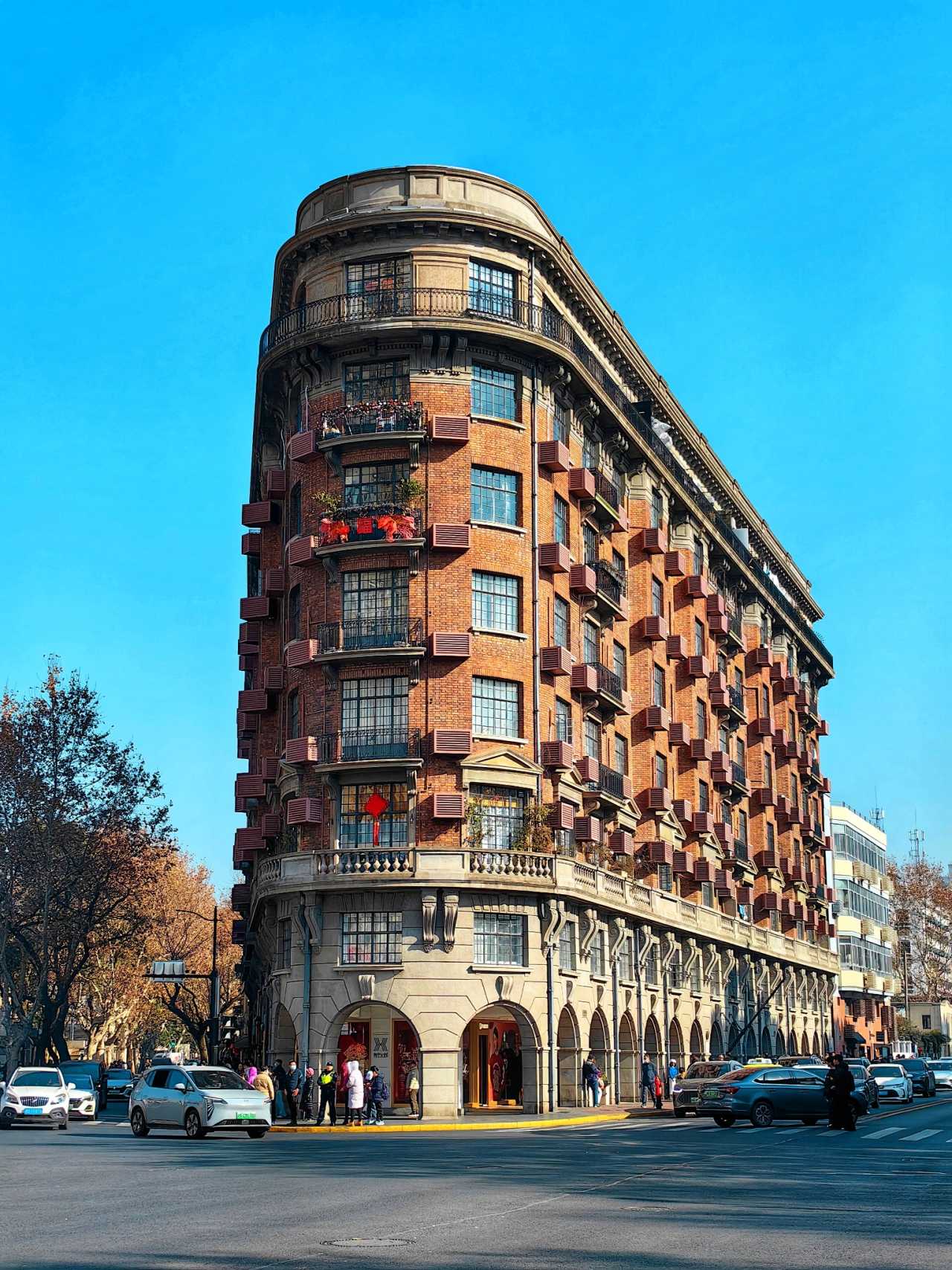
Getting off at Jiaotong University Station, I could see the Wukang Building standing tall at the intersection from afar. Strangely enough, I’ve been to Shanghai countless times but had never really taken a close look at this structure. It was only when I saw the “Bakong Building” in Wuhan two years ago that I remembered its resemblance to the Wukang Building. The Oi Kwan Hotel on the Pearl River in Guangzhou also shares this “paper-thin building” style. So when the Wukang Building suddenly became an internet sensation in recent years, it caught me off guard.
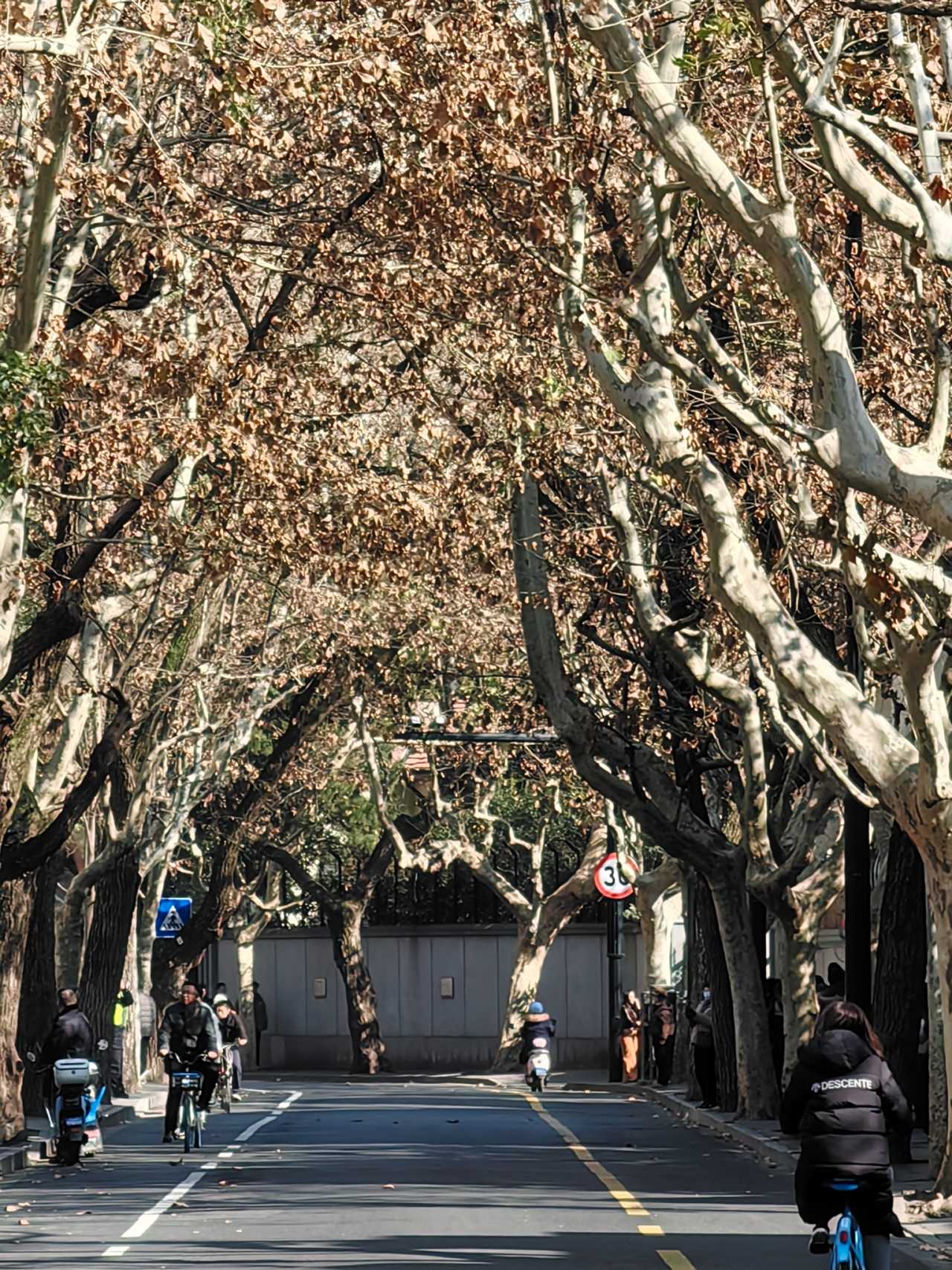
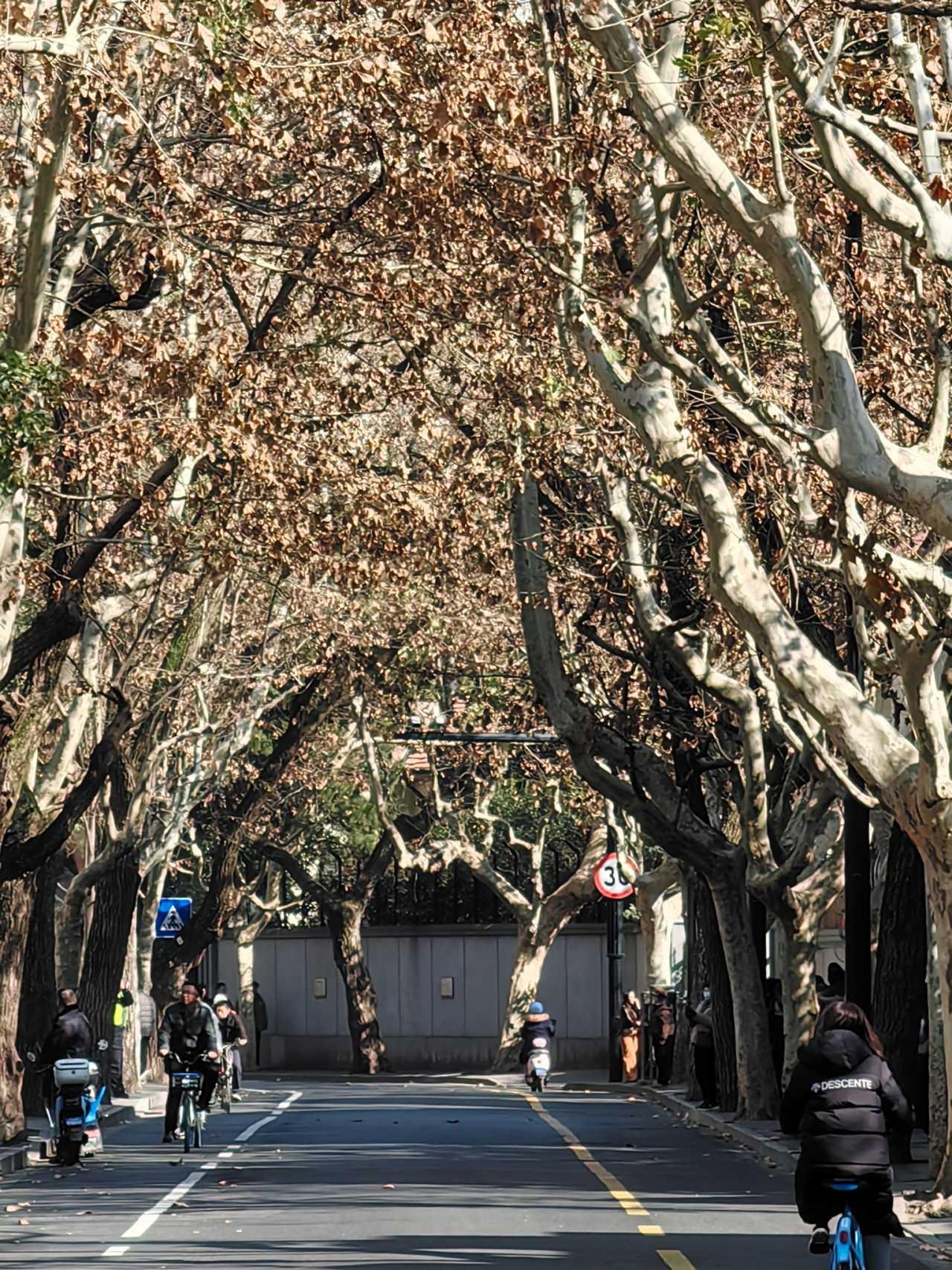
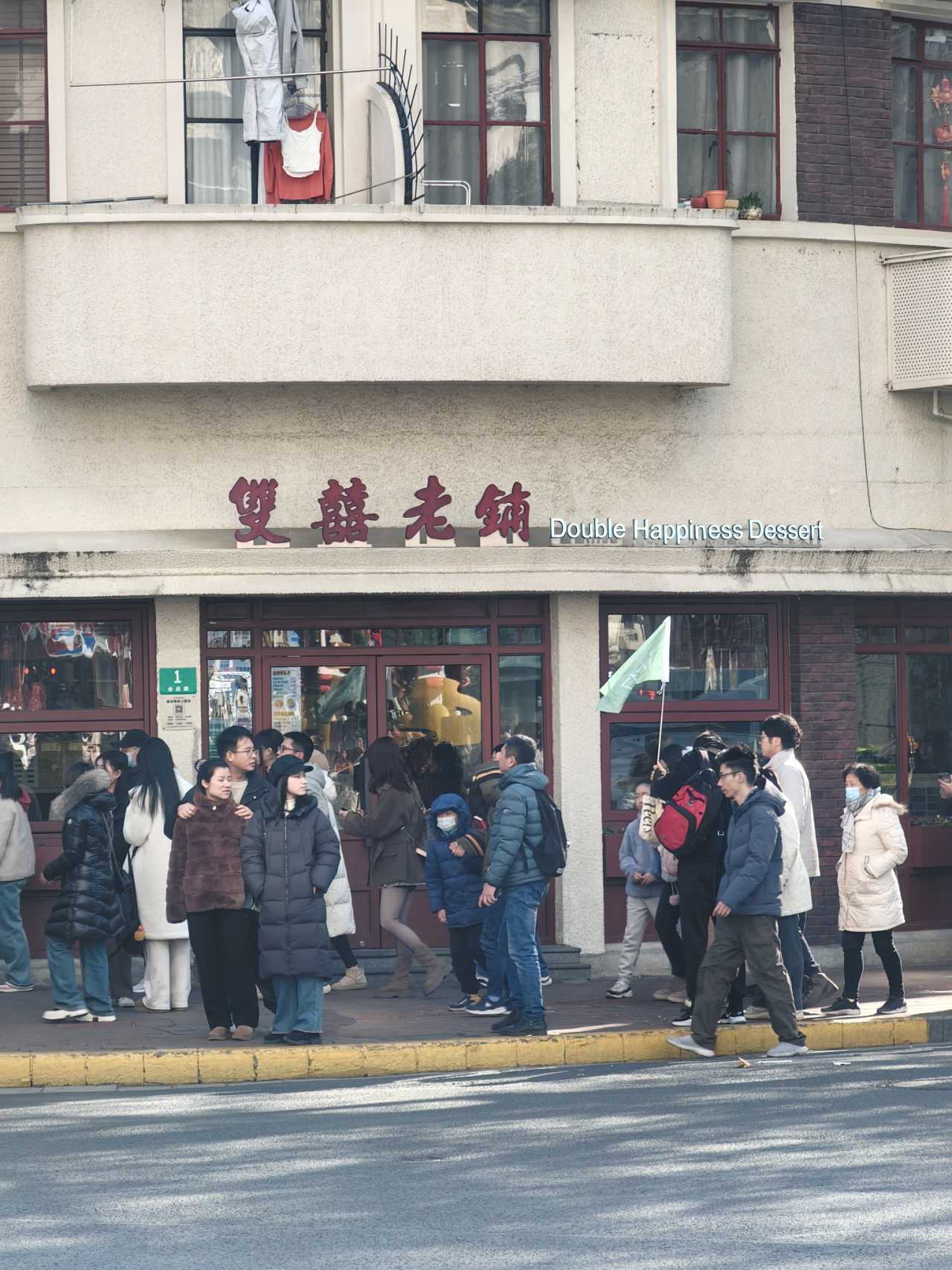
The intersection was packed—tourists, tour groups, even police officers. Everyone was craning their necks, waiting for the luxury cars to appear. But by 10:00 AM, there was still no sign of the convoy. The tourists, however, were patient, standing by the roadside as if afraid someone might steal their spot. I wasn’t so persistent—the luxury cars would eventually pass through Wukang Road anyway, so I figured I’d use the time to properly explore this little street full of stories.
Exploring Wukang Road’s Celebrity Residences
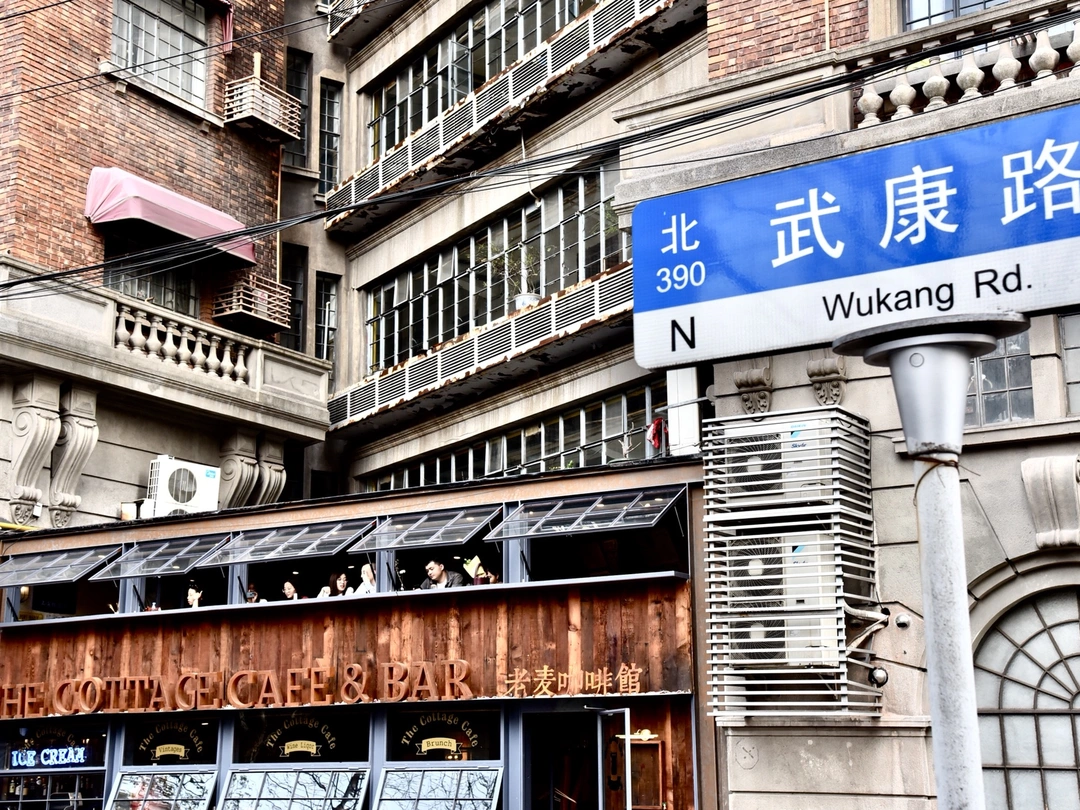
Wukang Road is one of my favorite small streets in Puxi, Shanghai. It’s home to the former residences of Soong Ching-ling, actor Sun Daolin, and writer Ba Jin, as well as the old homes of Kuomintang generals Gu Zhutong and Zheng Dongguo, and the former mansion of the Cercle Sportif Français’s manager. Among Chinese cities, the highest concentration of Republican-era celebrity homes is in Beijing, Shanghai, Tianjin, and Nanjing. Tianjin’s Five Great Avenues are packed shoulder to shoulder, but when it comes to cultural depth, Beijing and Shanghai take the crown.
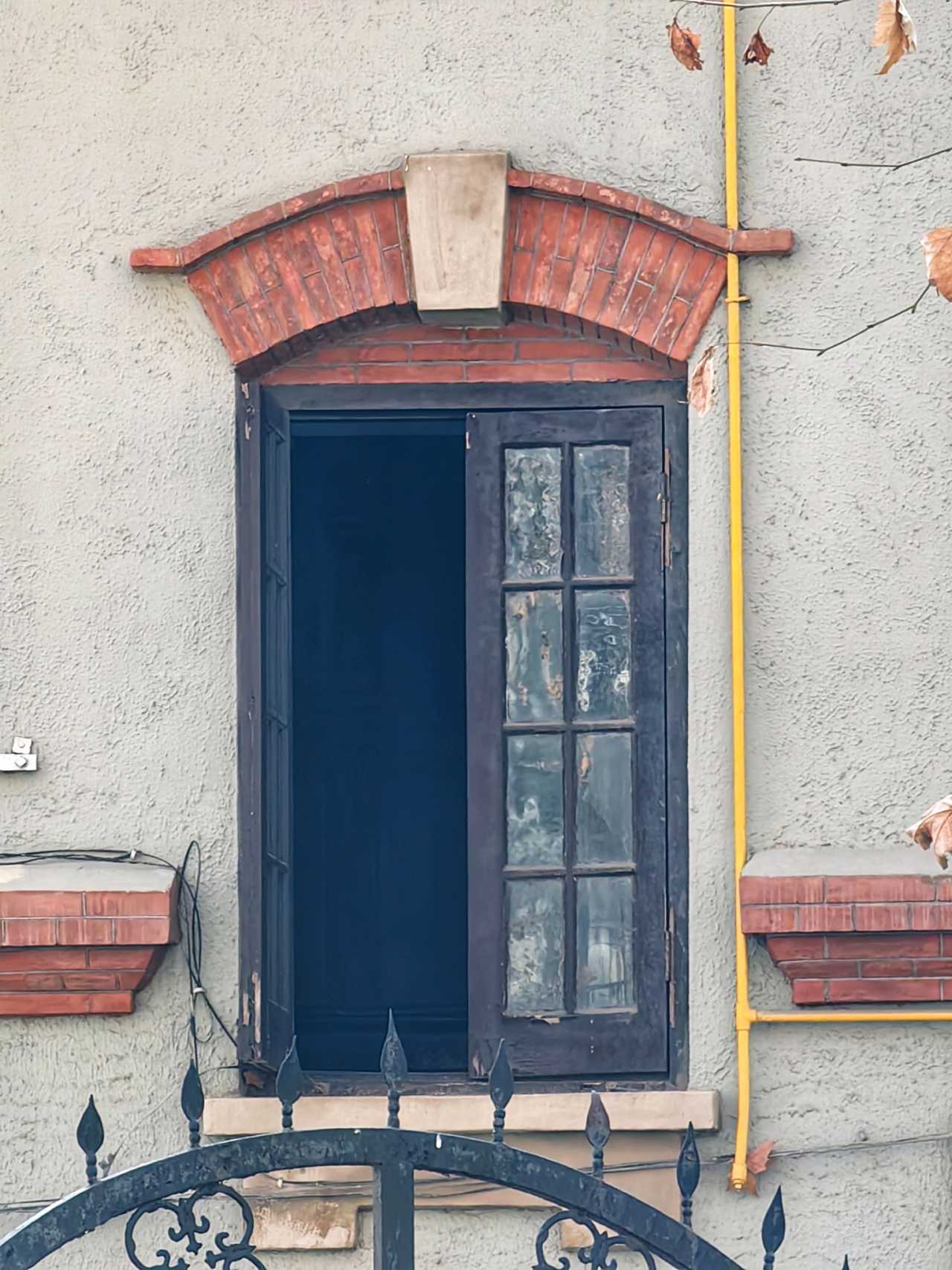
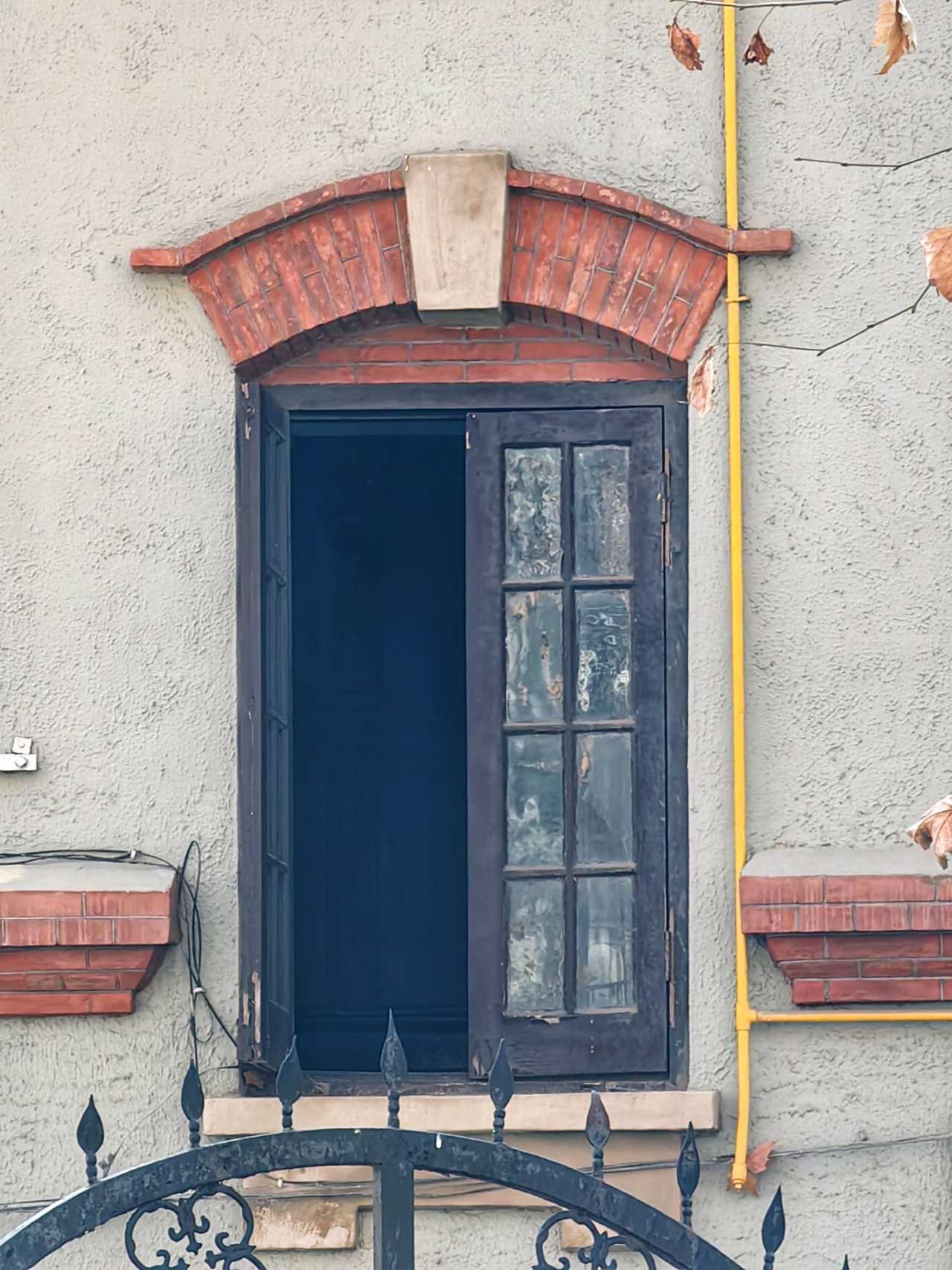
This time, I made a point to visit two balconies. One is the “Romeo Balcony” at No. 210 Wukang Road, and the other is an unnamed balcony at No. 129. I’ve heard there’s a “Juliet Balcony” at the intersection of Shaanxi North Road and Fuxing Road, but that’s just a street art installation—rough terracotta walls, lacking any sweetness or romance. If you ask me, the balcony at No. 129 deserves the name “Juliet Balcony.” It faces the Romeo Balcony from north to south, east to west, across the street. Their style and structure are remarkably similar, which is rare. Years ago, it went viral because someone hung a bow on it, but later it was overshadowed by the Wukang Building’s balcony.
To be honest, I’m not a fan of this kind of Instagram-check-in culture. Back in southern Anhui, I’d often see tourists pointing telephoto lenses at elderly villagers’ faces, calling it “humanistic photography,” only to provoke the villagers into wanting to throw punches. Apart from actors and influencers, ordinary people don’t like their lives being disturbed.
Waiting for the Luxury Cars: A Study in Urban Character
The Luxury Car Gathering Phenomenon
After wandering slowly around Wukang Road for over an hour, I returned to the intersection. Still no sign of the luxury cars. But the crowd had only grown. Some tourists asked a police officer for information; an older officer said, “They might not come.” Still, no one wanted to leave. Some stood, some sat down, some went to buy coffee—as if the waiting itself had become a kind of ritual.
Later, I learned that the luxury car gatherings had been shut down.
I sat down on a chair at the intersection, lit a cigarette, drank some water, and tried to identify the Korean tourists. Actually, they’re easy to spot—well-dressed, but compared to locals in Shanghai, they lack a certain cosmopolitan flair. Some were talking loudly, others whispering, their expressions carrying a hint of “Oh, so this is it.” In a city like Shanghai, they might behave politely, but I’ve also seen them chattering loudly on the streets of Hong Kong’s Mid-Levels, Zhangjiajie, and Guilin.
This reminds me of those old articles in Reader’s Digest and Intellectual that used to claim Chinese people were uncivilized and lacked public manners. After traveling more and seeing the world, I realized those were just deliberate attempts to undermine our confidence. In reality, it’s nothing like that.
I waited until 12:30 PM. Still no convoy. I got up and left—I wasn’t about to waste too much time on so-called luxury cars.
The “Shanghai Three-Piece Set”: From the Lihang Building to North Bund

Lihang Building: A Photographer’s Paradise
Taking Line 10 to East Nanjing Road, I first headed to the Lihang Building. Built in 1898 as a German trading company, its ground floor features a continuous series of semicircular arches, and it has now become a hotspot for photographing the Oriental Pearl Tower. Framing the tower within those arched doorways gives a very textured effect.
Saima Building and Likang Building: Architectural Gems
Next was the Saima Building. Completed in 1918 in an eclectic architectural style, its rooftop café once offered a perfect view of the Oriental Pearl Tower, but unfortunately, it has since closed. Still, using the columns at the entrance as a foreground frame to photograph the neighboring Likang Building isn’t bad either—that red triangular brick building, built in 1920 and also known as Beijing Apartments, is also undergoing renovation.
Bund Origin: Historic Beginnings
Walking north along Yuanmingyuan Road, you reach the Bund Origin. This area contains some of the Bund’s earliest historic buildings: the former British Consulate, Union Church, the Church Missionary Society Apartments, the Guanglu Building, the Guangxue Building... But now, the countless street stalls and colorful umbrellas make the neighborhood feel cluttered and fragmented. I didn’t linger long and headed straight for Zhapu Road Bridge.
Zhapu Road Bridge: The Perfect Photo Spot
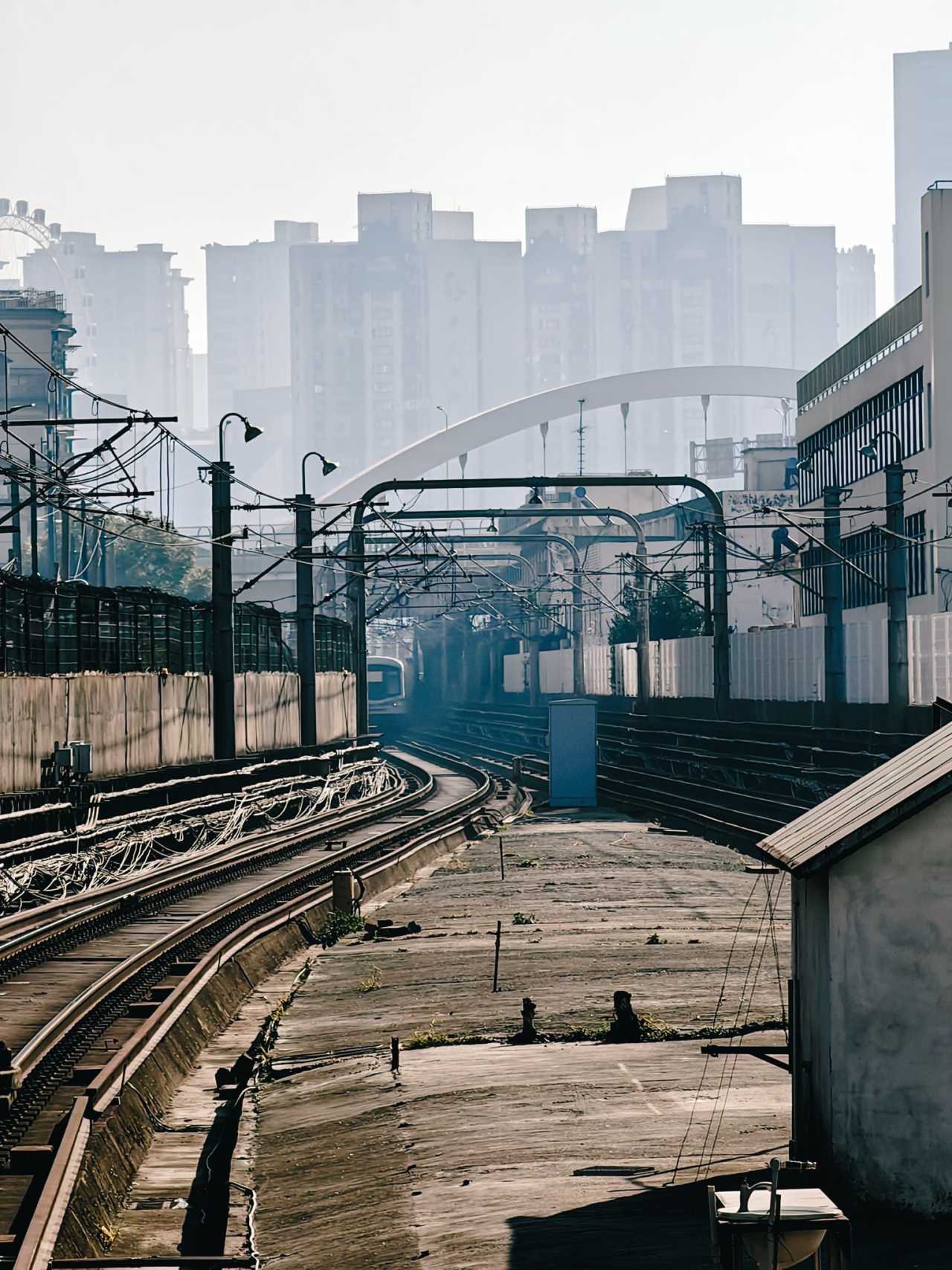
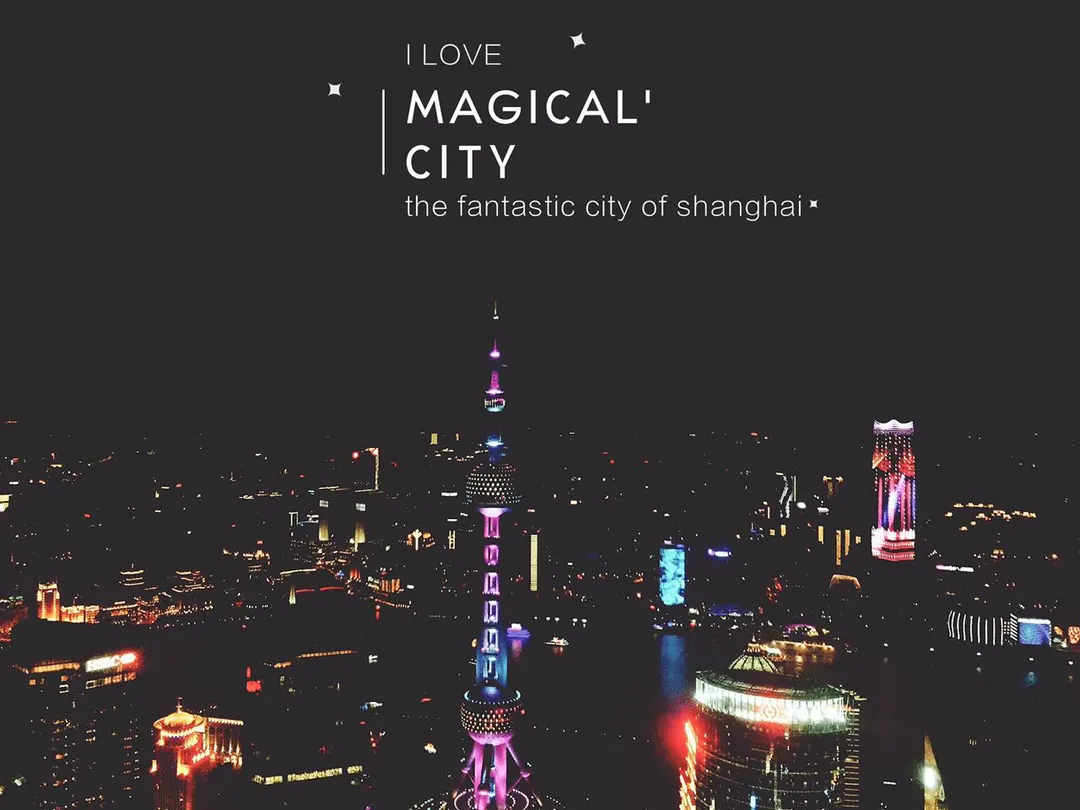
Standing on the bridge, you can capture the New Tian’an Church and the Pudong “Three-Piece Set” (the three iconic skyscrapers) in the same frame. There were plenty of veteran photographers around, along with Instagrammers striking poses. I’ve heard they sometimes pool money to hire female models for shoots. Crossing the bridge and walking along the North Suzhou Road riverside promenade, you’ll find a “Century Co-Frame” photo spot—where the Shanghai Mansion, the Garden Bridge, and the Three-Piece Set all come together in one shot, offering a unique charm.
North Bund: A Hidden Gem
Turning the corner past the Russian Consulate General in Shanghai, you reach the riverside observation walkway. Most people hang out at the South Bund, not realizing that the North Bund is far more spacious and pleasant. Near the Shanghai Port International Passenger Transport Center, there’s a pedestrian overpass. Standing on it, you can capture the “Little Egg” (a nearby architectural feature) and the Three-Piece Set in the same frame. This stretch of the North Bund actually has many great spots for photographing the Three-Piece Set.
At the intersection of Lushun Road and Changzhi East Road, the red-brick low-rise buildings of Ping’an Li and the surrounding area offer a charming contrast to the modern skyscrapers. [Link: Shanghai architecture walking tour]
FAQ: Planning Your 12-Hour Shanghai Day Trip
1. What is the best time to visit Wukang Road?
 The best time is early morning (8:00–10:00 AM) before the crowds arrive. Weekdays are quieter than weekends. The Wukang Building is especially photogenic in soft morning light.
2. Are the luxury car gatherings still happening on Wukang Road?
No, as of recent reports, the luxury car gatherings on Wukang Road have been shut down by local authorities due to traffic and safety concerns. However, the area remains a popular destination for its historic architecture and celebrity homes.
3. How do I photograph the Shanghai Three-Piece Set?
 The best spots include the Lihang Building’s arched doorways, Zhapu Road Bridge for the church + skyline frame, and the North Bund observation walkway near the Shanghai Port International Passenger Transport Center. Bring a wide-angle lens for best results.
4. What are the must-see celebrity homes on Wukang Road?
Key residences include the former homes of Soong Ching-ling, writer Ba Jin, actor Sun Daolin, and Kuomintang generals Gu Zhutong and Zheng Dongguo. The “Romeo Balcony” at No. 210 and the “Juliet Balcony” at No. 129 are also popular photo spots.
5. How long should I spend in the Bund area?
Plan for at least 3–4 hours to explore the Bund Origin, Lihang Building, Saima Building, Zhapu Road Bridge, and the North Bund. This allows time for photography and enjoying the riverside views.
Conclusion: Your Shanghai Adventure Awaits
Twelve hours in Shanghai—from the quiet streets of Wukang Road to the glittering skyline of the Bund—is enough to capture the city’s soul. Whether you’re chasing celebrity homes, architectural gems, or the perfect photo of the Three-Piece Set, this itinerary delivers.
But don’t just take my word for it. Plan your own spontaneous Shanghai adventure today. Book your high-speed train, pack your camera, and discover why this city is called the Magic City. The lights of the Bund and the memories of Wukang Road are waiting for you.
[Link: Shanghai travel guide] [Link: Best photo spots in Shanghai] [Link: Shanghai day trip itinerary]
Have you visited Shanghai’s Wukang Road or the Bund? Share your experience in the comments below or tag us in your photos on social media!
You may also like