Tuscany: Every Frame a Love Letter to Italy
Here is the SEO-optimized, rewritten article based on your source material. It is structured to rank for high-intent keywords while preserving the poetic and authentic voice of the original.
SEO Title: Tuscany Travel Guide: Why Every Frame is a Love Letter to Italy (2025)
Meta Description: Discover why Tuscany is the soul of Italy. From Renaissance art in Florence to truffle pasta and sunset views, this guide covers the best of Tuscany travel.
Tuscany Travel Guide: Why Every Frame is a Love Letter to Italy
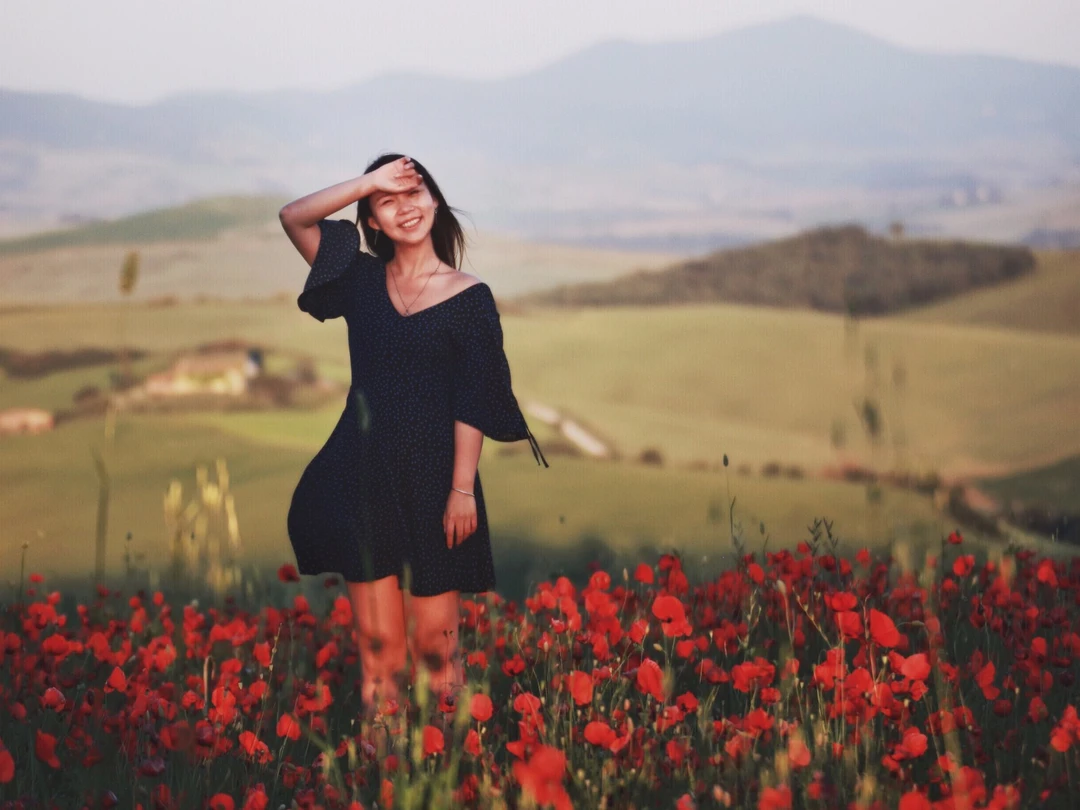
If you have ever dreamed of what Italy looks like, it surely isn’t the fashion windows of Milan or the ancient ruins of Rome. It is a landscape of rolling hills, golden wheat fields shimmering in the sunlight, and straight cypress trees standing like sentinels. It is the sound of church bells echoing through medieval hilltop towns. This is Tuscany—the very soul of Italy.
I first set foot on this land in the winter of 2017. After spending over 50 days traveling from Scandinavia southward, I saved the last two weeks entirely for Italy. Many people asked me why I was so obsessed. My answer was simple: because Italy is worth every moment you give it.
Later, I came to understand that what truly lets you grasp Italy isn’t a rushed two-night, three-day tour of Rome or a fleeting glance at Florence. It is when you slow down, walk into the Tuscan countryside, sip a glass of Brunello, and watch the sunset. That is when you realize the Italy of your dreams has been here all along.
Florence: The Heart of the Renaissance and the City of Lilies
Many travelers get confused about the relationship between Tuscany, Florence, and "Firenze." It’s simple: Tuscany is a region in central Italy, Florence is its capital, and "Firenze" is the Italian name for the city. The poetic Chinese translation "翡冷翠" (Fei Leng Cui) was coined by the poet Xu Zhimo, and it remains one of the most beautiful city name translations in existence.
But Florence means far more than a name on a map. It is the cradle of the Renaissance—the place where European civilization awoke from the darkness of the Middle Ages.
Without Florence, there would have been no Leonardo da Vinci, no Michelangelo, no Raphael. No Mona Lisa, no David, no The Creation of Adam. This single city, with its own power, changed the course of the entire world.
The Uffizi Gallery: A Conversation with the Masters

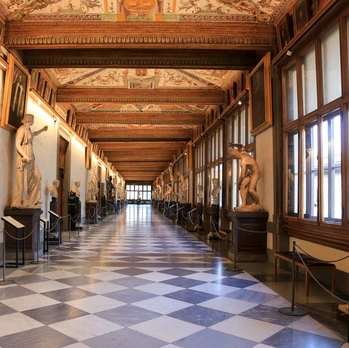
If you can only visit one place in Florence, make it the Uffizi Gallery. It houses the most precious works of the Renaissance: Botticelli’s Primavera and The Birth of Venus, Raphael’s Madonna of the Goldfinch, and countless other masterpieces.
One detail has stayed with me. In the Uffizi, there is a replica of the Laocoön sculpture. When the original was excavated, its right arm was missing. Craftsmen restored it with an arm raised vertically upward. Years later, the original right arm was found—bent back tightly, conveying far more pain and struggle. Comparing the two, you suddenly understand the difference between a craftsman and a master.
After the Uffizi, visit the Accademia Gallery to see the real David. The sheer scale and power of that marble giant is something no documentary can replicate.
Piazzale Michelangelo: A Sunset for a Lifetime
Florence’s most important panoramic square is named after Michelangelo. Watching the sunset here is something everyone should add to their bucket list.
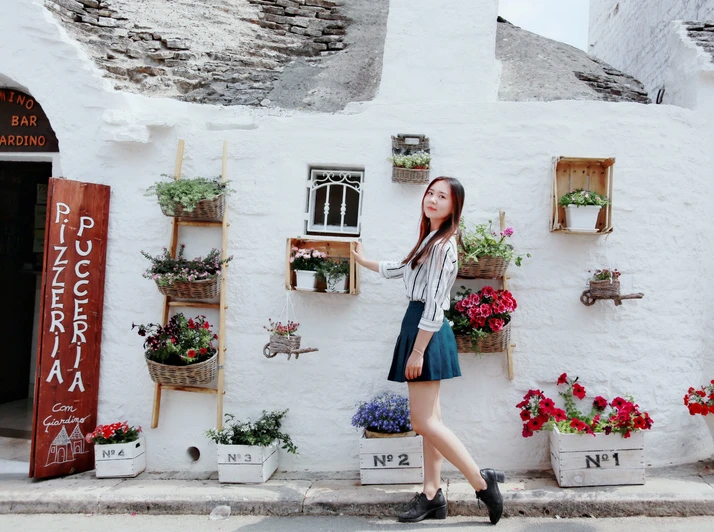
I remember that winter evening. I met a Chinese girl on the square. We listened to a street musician singing All of You as the sunset painted all of Florence in honey-pink tones. In that moment, I truly understood the meaning of "the setting sun is infinitely beautiful."
[Link: Best sunset spots in Tuscany]
The Taste of Tuscany: From Truffles to Florentine Steak
If Florence is the cultural heart of Tuscany, then its flavors are the soul of this land. Tuscan cuisine is rustic, bold, and deeply tied to the land.
Truffle Pasta: A Flavor More Precious Than Gold
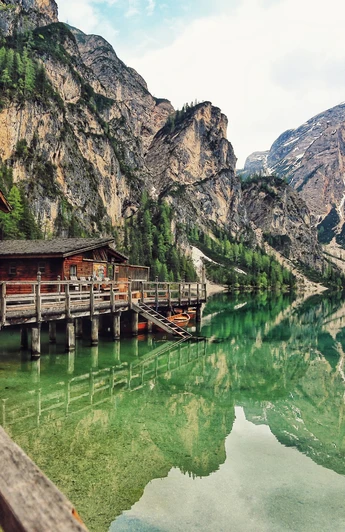
Truffles are rare fungi that grow in the Alpine region. Harvesting them is difficult, and preserving them even harder, but because of their delicate marbled patterns and unique aroma, they were once more expensive than gold.
The best truffle pasta is found right here in Tuscany. A plate of thin Italian spaghetti coated in rich truffle sauce, topped with freshly shaved black truffle—the complex aroma, like cheese mixed with garlic and a hint of earthiness, lingers long after the last bite.
Florentine Steak: The King of Dishes
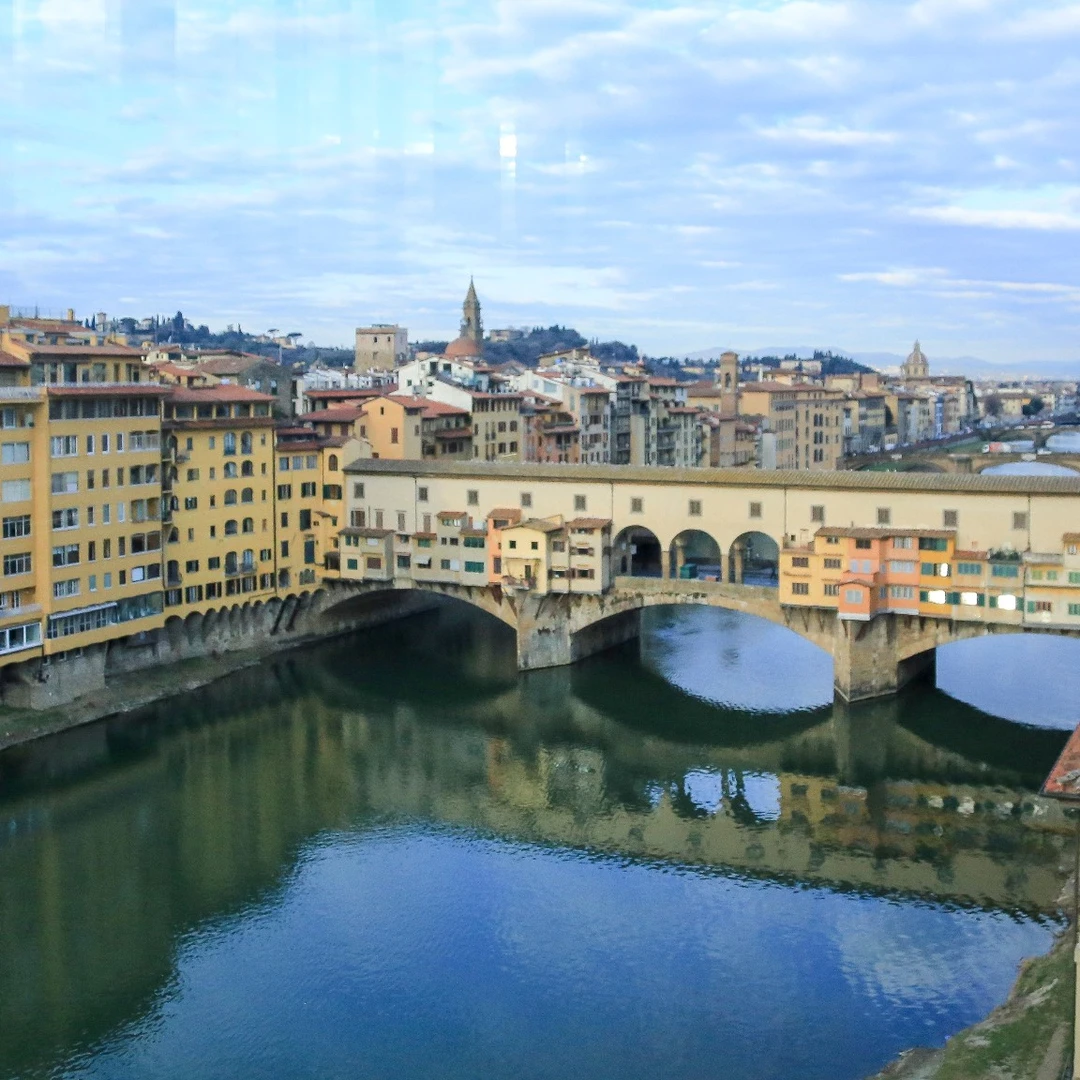
Florence also boasts a dish fit for royalty: the Florentine steak (Bistecca alla Fiorentina). Made from T-bone beef weighing at least one kilogram and cut to a thickness of five centimeters, the raw whole steak is first brought to the table for the diner’s inspection—a highly ritualistic part of the experience.
Grilled to rare, the outside is crispy, the inside is juicy, and the center near the bone still has a hint of pink. Sprinkled with coarse salt and black pepper, no other seasoning is needed. This massive steak requires at least two people to finish.
Gucci Cafe: A Touch of Luxury, Down to Earth
At the outlet shopping village near Florence, there is a Gucci Cafe. A cup of coffee costs just €1.30. The pastries and sandwiches are also reasonably priced. This is probably the most down-to-earth luxury restaurant you will ever find.
[Link: Best restaurants in Florence]
Hotel Milu: When Classic Meets Modern
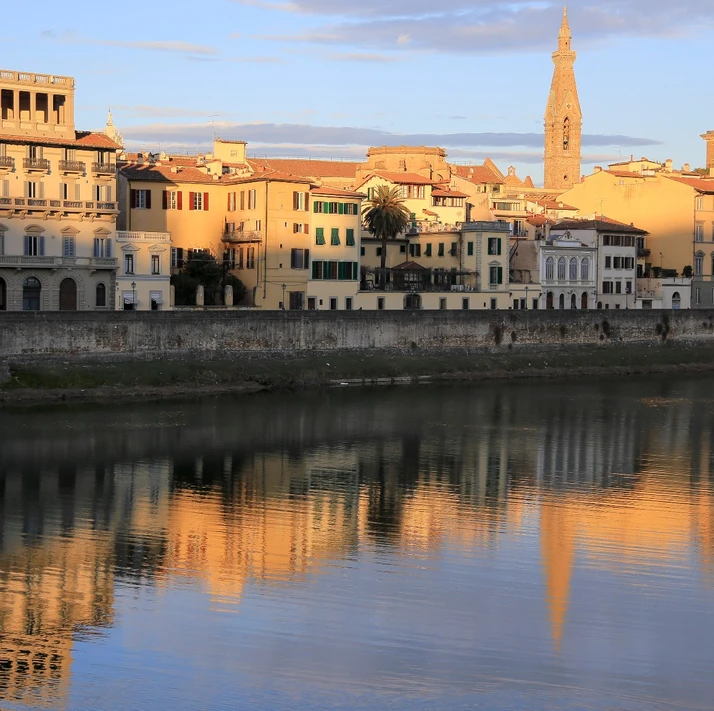
In the heart of Florence’s old town, there is a hotel I still think about: Hotel Milu. It has a rating of 9.4, and some people even say "every penny is worth it." For a room that costs nearly $300 a night, what makes it so special?
A 600-Year-Old Palace with a Modern Soul
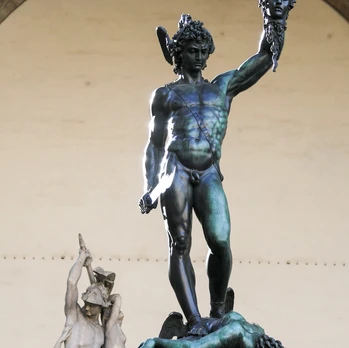
Hotel Milu sits on Florence’s most bustling street, just a five-minute walk from the Duomo. With Fendi on its left, Armani on its right, and Prada across the street, it’s clear the hotel knows its place in the world.
The building itself is a 15th-century neoclassical palace, over 600 years old, once the residence of Renaissance nobility. But it doesn’t just rest on its "antique" laurels. To meet international four-star standards, the hotel installed a glass-walled elevator in the center—a minimalist design that looks like a work of art.
22 Rooms, 22 Surprises
Hotel Milu has only 22 rooms, each with its own theme. Booking a room here is like opening a box of chocolates—you never know what you’re going to get until you open the door.
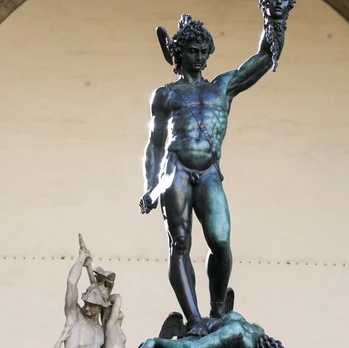
My room featured a jewel-red color scheme, paired with an irregularly shaped mirror in the same tone and a painting. High-purity red can easily look cheap, but Milu balanced it with varying shades of sophisticated gray, keeping the red from feeling gaudy and making the whole space more visually appealing.
[Link: Luxury hotels in Tuscany]
FAQ: Tuscany Travel Tips
1. When is the best time to visit Tuscany?
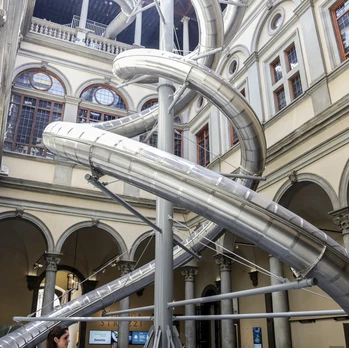 The best time to visit Tuscany is spring (April to June) and fall (September to October). The weather is mild, the crowds are smaller, and the countryside is at its most beautiful.
2. How many days do you need in Tuscany?
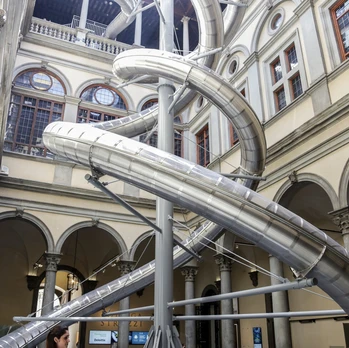 We recommend at least 5 to 7 days to explore Florence, the Chianti wine region, and a few hilltop towns like Siena or San Gimignano.
3. Is Tuscany expensive?
Tuscany can be affordable if you plan wisely. Accommodation in Florence is pricier, but smaller towns offer budget-friendly options. Street food and local markets are great for saving money.
4. Do I need a car in Tuscany?
 A car is useful for exploring the countryside and hilltop towns. However, for Florence, a car is more of a hindrance. Consider renting a car only for the rural parts of your trip.
5. What should I eat in Tuscany?
Must-try dishes include truffle pasta, Florentine steak, ribollita (a bread soup), and cantucci (almond cookies) with Vin Santo dessert wine.
Conclusion: Your Love Letter to Italy Starts Here
Tuscany is not a destination you simply visit—it is a place you feel. From the Renaissance masterpieces of Florence to the golden hills of the countryside, every frame is a love letter to Italy.
Whether you are a first-time traveler or a seasoned explorer, Tuscany offers something for everyone: art, food, history, and the kind of beauty that stays with you long after you leave.
Ready to write your own love letter to Italy? Start planning your Tuscany itinerary today. Book your flights, secure your hotel, and prepare for a journey that will change the way you see the world.
[Link: Tuscany travel packages] [Link: Florence guided tours] [Link: Best Italian wine tours]
CTA: “Pin this guide for your next trip to Tuscany. And if you’ve already been, tell us—what was your most unforgettable moment in Italy?”