Three Days Across Time: An Artistic Journey Through Shanghai’s Glitter and Nanjing’s Ancient Soul
Meta Description: Discover Shanghai's contemporary art scene and Nanjing's ancient heritage in this 3-day itinerary. From Yayoi Kusama's polka-dot pumpkins to the Ming Dynasty's Great Bao'en Temple—a cultural journey through China's past and future.
There’s something magical about stepping from the future into the past in a single breath. One morning, you’re standing before a giant polka-dotted pumpkin that feels like it belongs on another planet. By afternoon, you’re walking through a 600-year-old temple site, your fingers brushing against relics that have survived dynasties, wars, and centuries of change.
This is the kind of trip that doesn’t just show you a city—it shows you what happens when human creativity refuses to be bound by time. Over three days in May, I took a friend and set out to do exactly that: bounce between Shanghai’s glittering contemporary art scene and Nanjing’s profound historical depths. The result? A 72-hour immersion that left me breathless, inspired, and slightly dizzy (in the best possible way).
Let me take you along.
Day One: Shanghai Contemporary Art Immersion
The Polka Dot Queen Arrives in Shanghai: Yayoi Kusama Exhibition
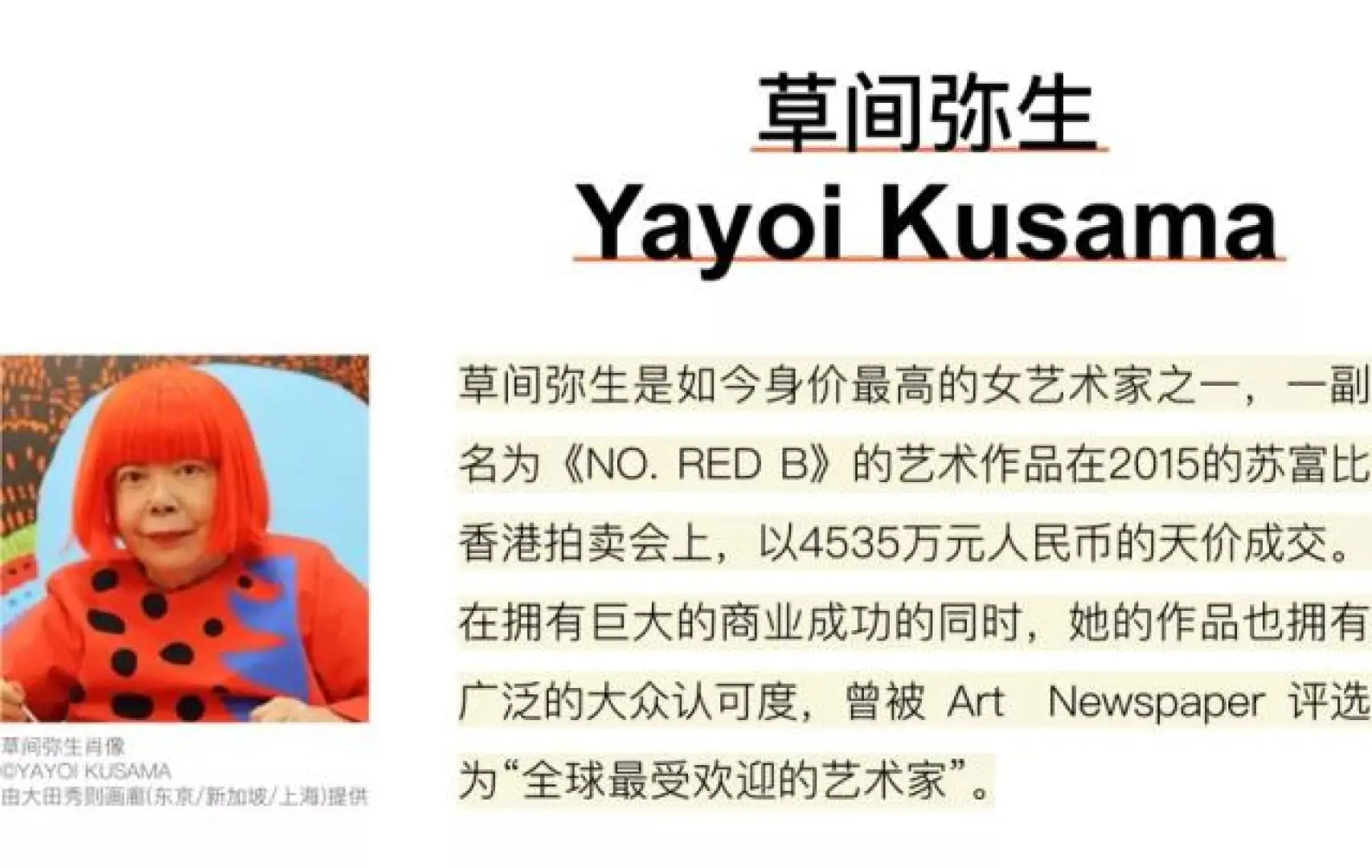
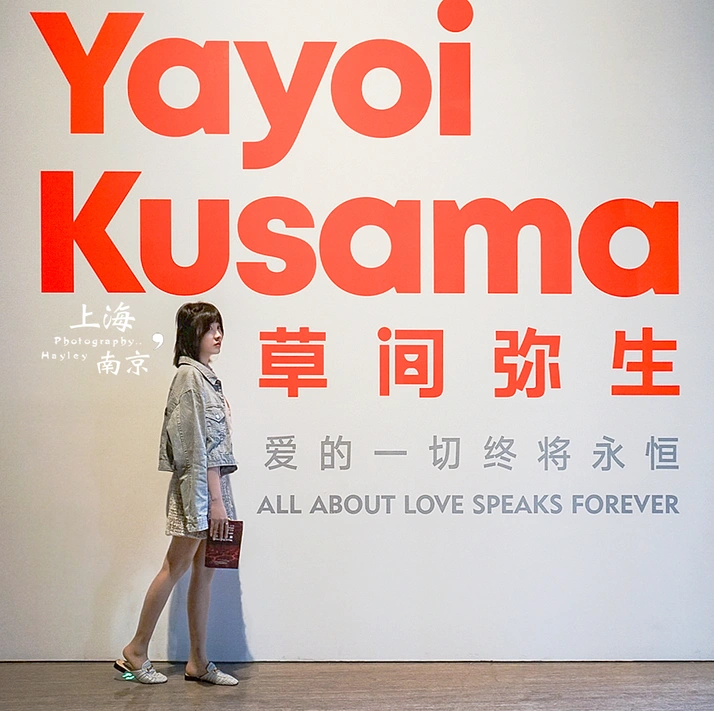
If you’ve never heard of Yayoi Kusama, you’ve almost certainly seen her work. That iconic polka-dotted pumpkin? That’s her. The red-haired artist who turns dots into entire universes? Also her. For years, I’d missed every single one of her major exhibitions—the one in Tokyo, the outdoor pumpkin sculptures on Naoshima Island, even the Hong Kong installation last year. Each miss felt like a personal failure.
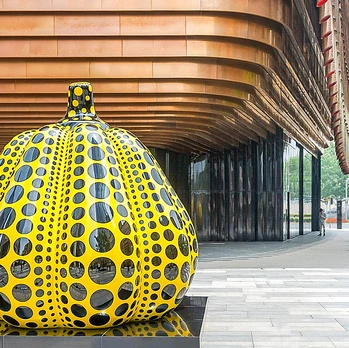
So when I learned that Kusama was bringing her first major Shanghai exhibition in six years to the Fosun Foundation, I practically dragged my poor companion through the doors. The exhibition, titled “Yayoi Kusama: All About Love Speaks Forever,” ran from March to June 2019 and featured 42 brand-new works, including several large-scale immersive installations and—finally—that outdoor pumpkin sculpture I’d been dreaming about.
The Pumpkin That Started It All
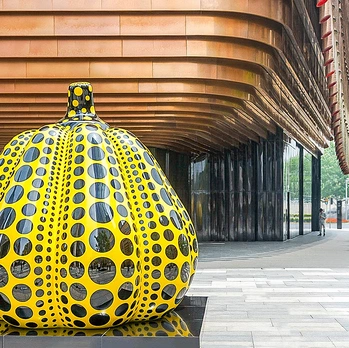
Standing three meters tall outside the Fosun Art Center, the bronze “Pumpkin (2019)” is exactly what you’d expect from Kusama: bold, playful, and somehow both childlike and deeply philosophical. She designed it specifically for Shanghai, hoping to spread a message of peace to everyone who passes by. For me, it was a long-overdue reunion with an artist whose work makes you feel like the whole world is made of candy-colored dots.

Inside the Mirror Maze: Kusama’s Immersive Installations
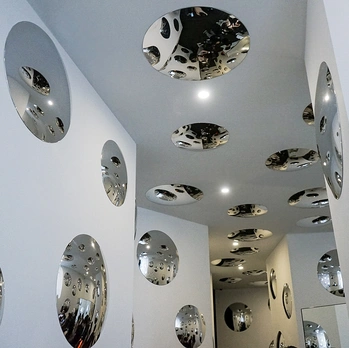
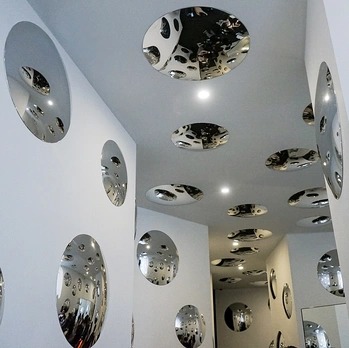
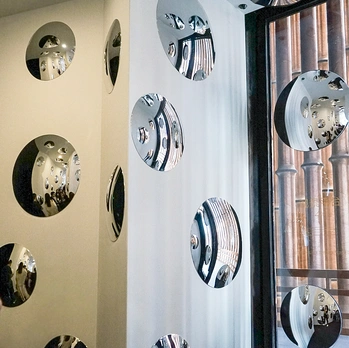
We took the elevator straight to the second floor, where the first installation, “The Spirits of the Pumpkins Descended into the Heavens,” awaited. But before that, we wandered through “The Obliteration Room”—a white room that visitors slowly cover with colorful dot stickers until it becomes a chaotic, joyful explosion of color. Then came “Infinity Mirror Room – Phalli’s Field,” a small room filled with polka-dotted phallic shapes reflected endlessly in mirrors. It’s disorienting, mesmerizing, and oddly calming.
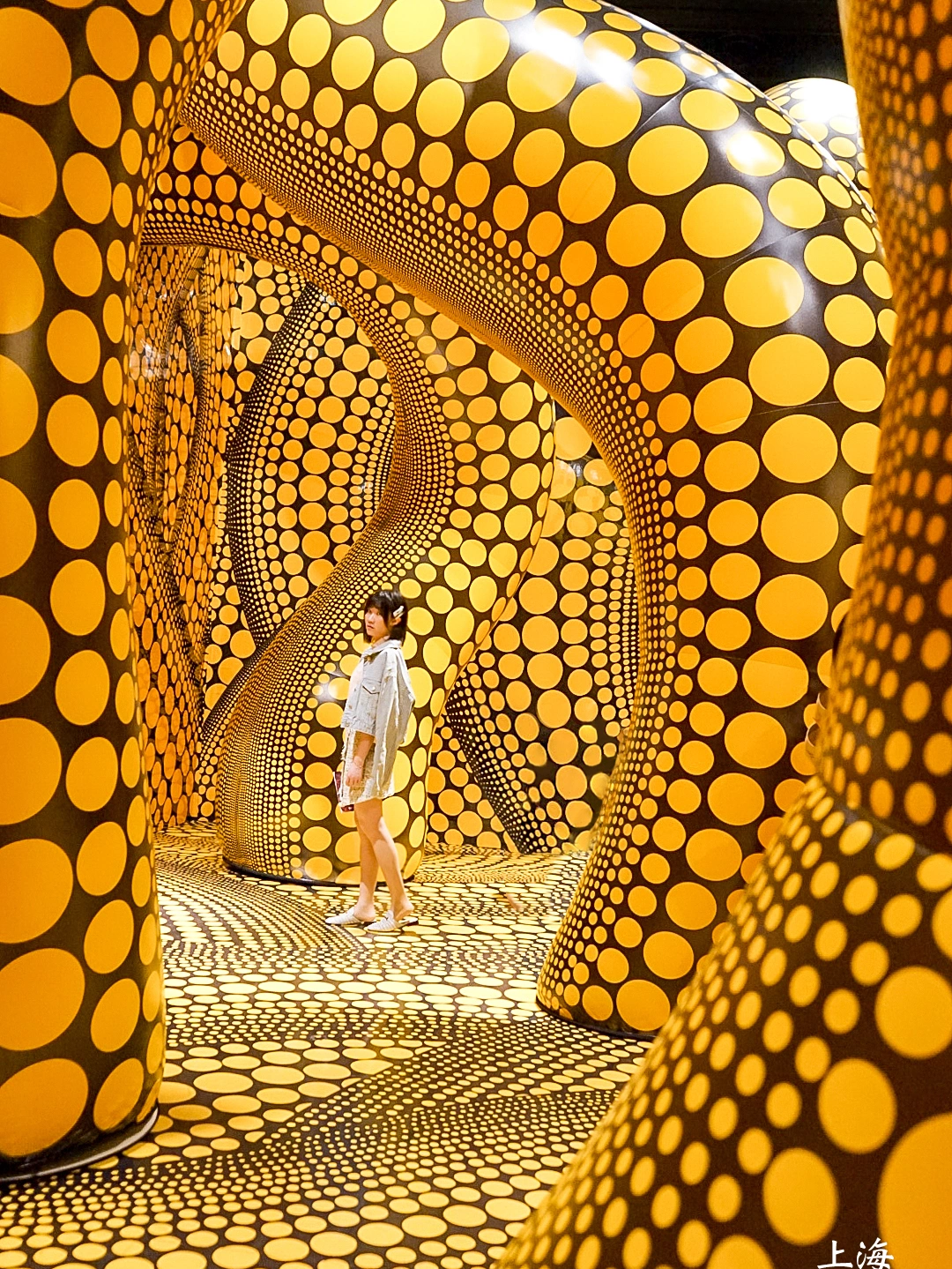
The real showstopper, though, was “The Hope of the Polka Dots Buried in Infinity Will Eternally Cover the Universe.” This massive yellow room features 6-meter-tall yellow stems covered in black polka dots, stretching from floor to ceiling. The stems twist and curl like living creatures, and standing among them feels like being inside a fever dream—or a very cheerful alien planet.
Photography tip: Use the yellow stems as foreground elements to create depth. If you can, shoot from a low angle to make the stems look even more towering. And for the love of all things art, avoid standing directly under the ceiling lights—they cast unflattering shadows.
The Eternal Soul Gallery: Kusama’s Paintings
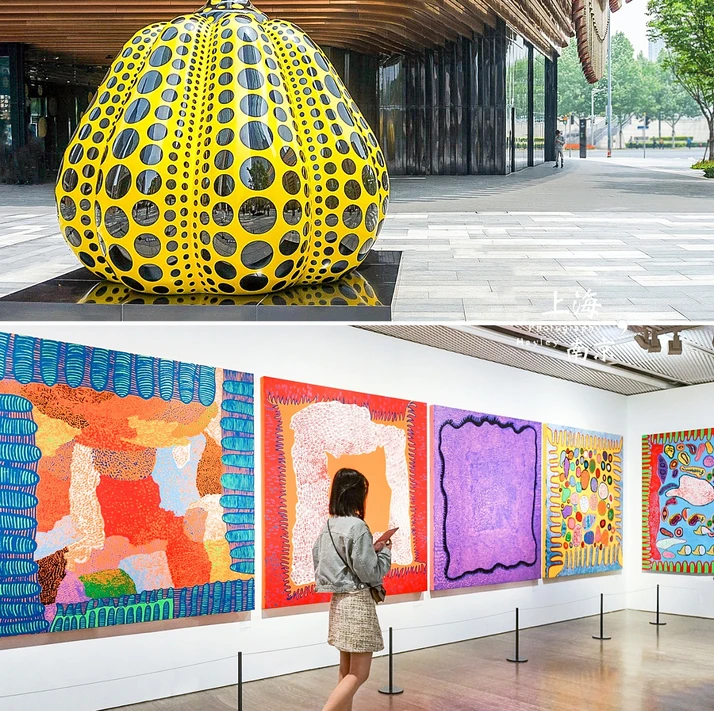
Up on the third floor, five colorful flower sculptures greet you. For Kusama, flowers represent “the unknown and the wonder of life.” The sculptures are surrounded by her “My Eternal Soul” series—nearly 30 paintings bursting with dots, nets, and organic shapes. Each painting is a world unto itself, and the longer you look, the more you see: faces, flowers, abstract patterns that seem to shift and breathe.
Pro tip: To capture the flowers and yourself in one frame, stand between two sculptures and have your photographer shoot from the opposite side. The vibrant backgrounds make for stunning portraits.
The Rooftop Surprise: Digital Sky Garden
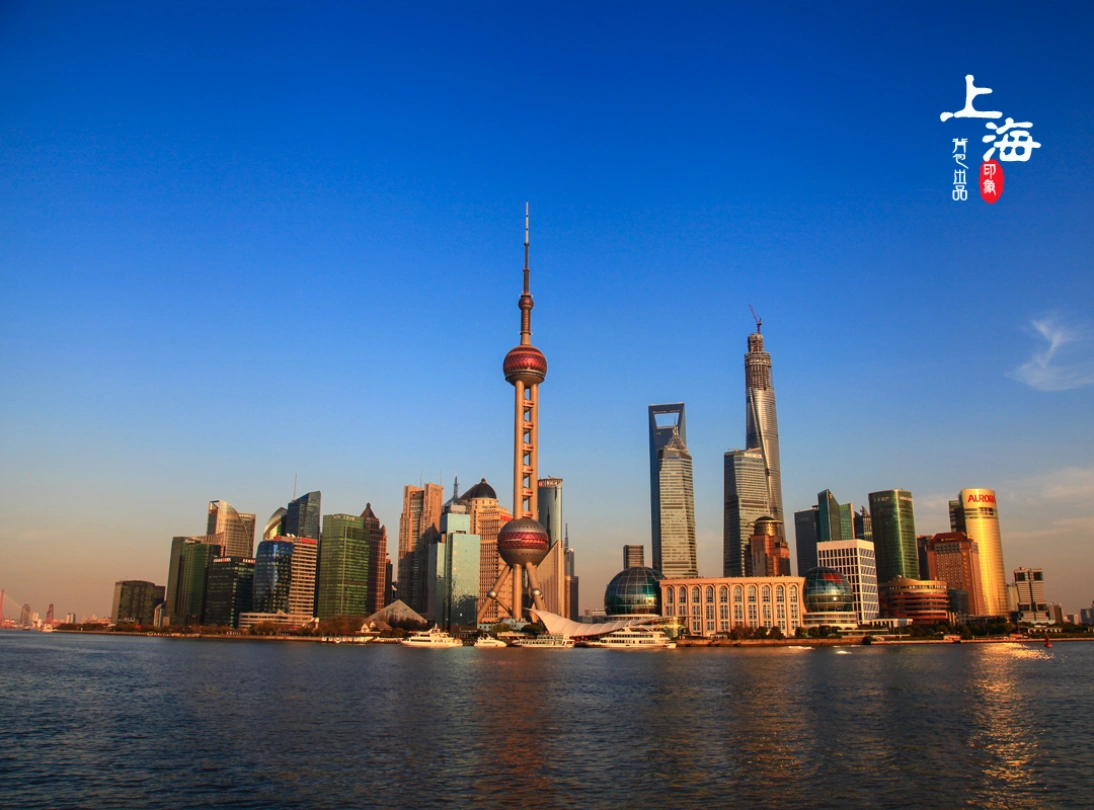
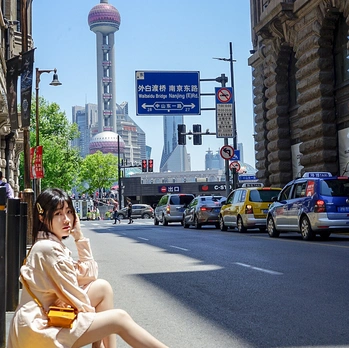
After the exhibition, we climbed to the rooftop “Digital Sky Garden,” where we found an unexpected bonus: a panoramic view of the Bund, the Oriental Pearl Tower, and the “three-piece suit” of Shanghai’s skyline (Shanghai Tower, Shanghai World Financial Center, and Jin Mao Tower). The reflective metal railings made for perfect mirror shots, especially during golden hour.
[Link: Best Shanghai rooftop views for photography]
A Detour into Fashion History: Chanel Mademoiselle Privé Exhibition
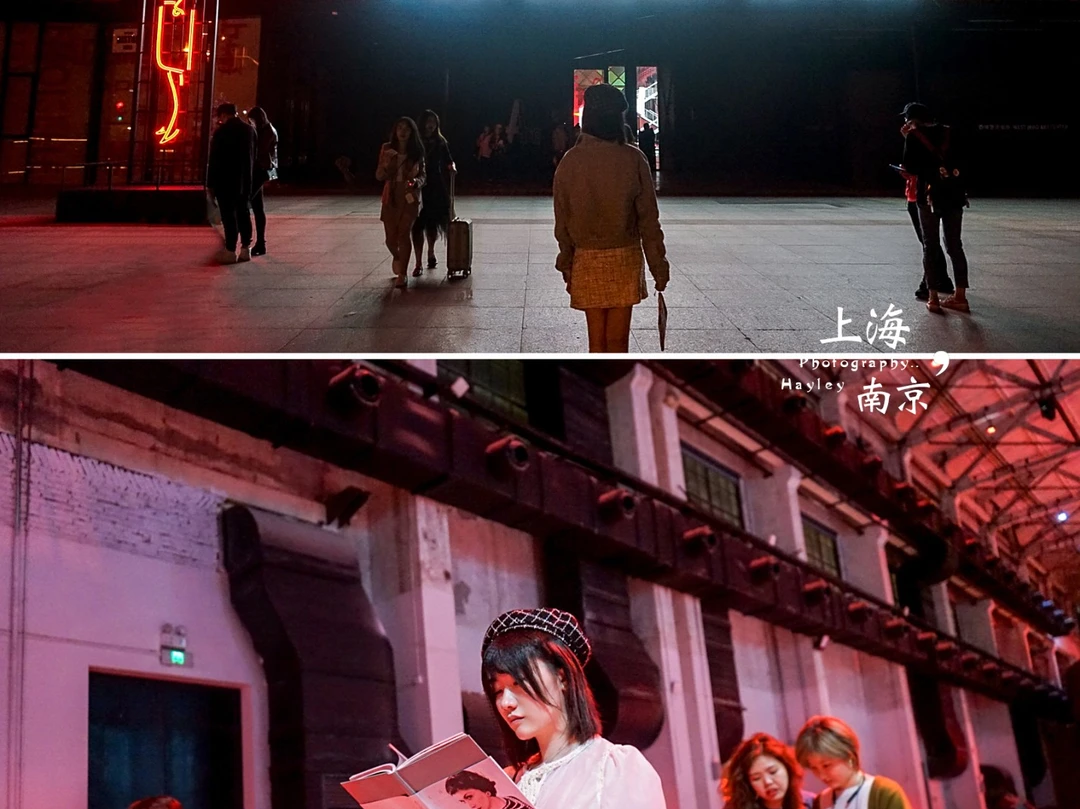
The same week, we caught another must-see: “Mademoiselle Privé,” the Chanel exhibition at the West Bund Art Center. This traveling exhibition had already visited London, Seoul, and Hong Kong, and Shanghai was its fourth stop. The name, which translates to “lady private,” was taken from the sign on Coco Chanel’s studio door at 31 Rue Cambon.
Three Doors, Three Worlds: Chanel Exhibition Rooms
The exhibition was divided into three themed rooms, each representing a legendary Chanel location:
- 31 Rue Cambon: Karl Lagerfeld’s creative studio and the haute couture workshop
- 18 Place Vendôme: The temple of Chanel fine jewelry
- Grasse: The birthplace of Chanel No. 5
We entered through a replica of the famous mirrored staircase from Rue Cambon—the same staircase where Coco Chanel used to sit and watch guests’ reactions to her collections through the mirrors.
The No. 5 Experience: Perfume Room
The perfume room was a sensory overload in the best way. The walls were covered in blackboard-like diagrams of chemical formulas, and one wall was entirely covered with 1,400 bottles of Chanel No. 5, glowing under spotlights. In the center, a column displayed Karl Lagerfeld’s original sketches—a rare glimpse into his creative process.
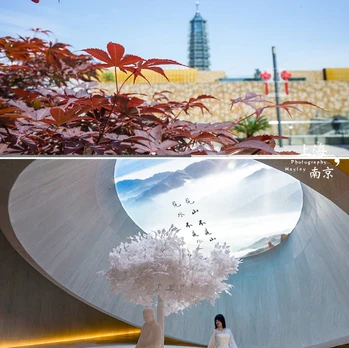
Surrounding the column were paper flowers representing the five key ingredients of No. 5: jasmine, May rose, ylang-ylang, orange blossom, and vanilla. Some of the flowers moved, opening and closing like real blooms, creating the illusion of walking through a field in Grasse.
The Haute Couture Maze: Fashion Innovation
The second room was a labyrinth of white fabric panels, behind which hung 33 haute couture dresses from six collections between 2013 and 2018. Each dress was a masterpiece of innovation: one used 3D-printed flowers, another incorporated ceramic beads, and a third was made from neoprene (the material used for wetsuits). Karl Lagerfeld had pushed the boundaries of what fashion could be, and seeing these pieces up close was like witnessing a revolution in fabric and form.
Photography tip: Shoot through the white fabric panels for a soft, dreamy effect. Position your subject in the center of the frame, and let the fabric create a natural vignette.
The Jewelry Room: Coco Chanel’s Legacy
The final room recreated the entrance to Chanel’s first jewelry boutique at 18 Place Vendôme. Inside, we saw replicas of Coco Chanel’s 1932 “Bijoux de Diamants” collection—the only jewelry collection she ever designed herself. The pieces featured stars, suns, feathers, bows, and tassels, all designed to be lightweight and comfortable. Chanel wanted her jewelry to feel like “a ribbon wrapped around a woman’s finger,” and these pieces did exactly that.
The Hidden Cinema: Inside Chanel Films
After the three main rooms, we discovered a small cinema showing “Inside Chanel” short films. Before May 3, they also screened four films directed by Karl Lagerfeld himself. It was a quiet, contemplative end to an otherwise sensory-packed experience.
[Link: Top fashion exhibitions in Shanghai]
Day Two: Stepping into Nanjing’s Ancient Soul
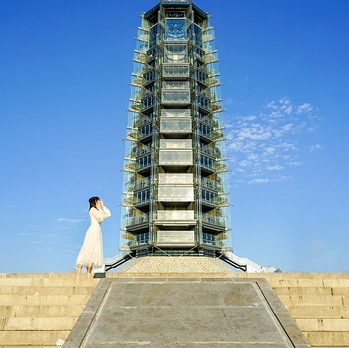
The Great Bao’en Temple Site Park: Nanjing’s Buddhist Heritage
The next morning, we took the high-speed train from Shanghai to Nanjing—just over an hour, but it felt like traveling back centuries. Our destination: the Great Bao’en Temple Site Park, one of the most significant Buddhist sites in China.
A Brief History of Great Bao’en Temple
The original temple was built during the Ming Dynasty (1368–1644) and was once one of the most important Buddhist temples in China. It housed the famous Porcelain Pagoda, a 78-meter-tall structure covered in white porcelain tiles that glowed at night—earning it the nickname “The First Wonder of the World” among Western travelers.
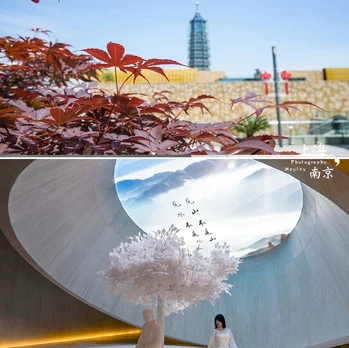
The temple complex was destroyed during the Taiping Rebellion in the 19th century, but recent archaeological excavations have uncovered the original foundations. Today, the site park offers visitors a chance to walk through history, with exposed ruins, ancient artifacts, and a museum that tells the story of this once-magnificent structure.
What to See at the Site Park
- The Foundation Ruins: Walk along the original temple foundations, where you can see the layout of the ancient buildings
- The Porcelain Pagoda Replica: A modern reconstruction that gives you a sense of the original’s grandeur
- The Museum: Houses artifacts excavated from the site, including glazed tiles, Buddhist statues, and architectural fragments
- The Sacred Relic Hall: Displays a relic believed to be a finger bone of the Buddha
Pro tip: Visit early in the morning to avoid crowds and enjoy the peaceful atmosphere. The site is particularly beautiful in the soft morning light.
[Link: Nanjing historical sites guide]
Day Three: Bridging Past and Present
Morning: Nanjing’s Ming Dynasty Heritage
Start your final day exploring Nanjing’s Ming Dynasty legacy. Visit the Ming Xiaoling Mausoleum, the burial site of the Hongwu Emperor, founder of the Ming Dynasty. The complex features a 1.8-kilometer-long Sacred Way lined with stone statues of animals and officials, leading to the main tomb structure.
Afternoon: Return to Shanghai’s Contemporary Scene
Take the high-speed train back to Shanghai for one last dose of contemporary culture. Visit the West Bund area, home to several art galleries and museums, including the Long Museum and the Yuz Museum. The area is perfect for a leisurely afternoon stroll along the Huangpu River.
Evening: Final Impressions
End your journey with dinner at a restaurant overlooking the Bund, watching the lights of Pudong’s skyline reflect on the water. It’s a fitting conclusion to a trip that spans centuries and styles—from ancient temples to futuristic skyscrapers, from polka-dot pumpkins to porcelain pagodas.
FAQ: Shanghai and Nanjing Art and Culture Trip
Q1: How long does it take to travel from Shanghai to Nanjing by high-speed train?
The high-speed train from Shanghai to Nanjing takes approximately 1 hour and 15 minutes. Trains depart frequently from Shanghai Hongqiao Railway Station, with tickets starting at around ¥100 (approximately $14 USD). [Link: China high-speed rail travel guide]
Q2: When is the best time to visit Shanghai and Nanjing for art exhibitions?
Spring (March to May) and autumn (September to November) offer the best weather and the highest concentration of art exhibitions. Shanghai’s art calendar is particularly active during April and May, while Nanjing’s historical sites are most pleasant in the mild temperatures of spring and fall.
Q3: Are Yayoi Kusama exhibitions permanent in Shanghai?

No, Yayoi Kusama exhibitions are typically temporary. The “All About Love Speaks Forever” exhibition ran from March to June 2019. To catch future Kusama exhibitions, check the Fosun Foundation’s website or follow Shanghai’s major art venues for announcements.
Q4: Can I visit the Great Bao’en Temple site without a guide?
Yes, the site is well-signposted in both Chinese and English. The museum has informative displays, and audio guides are available. However, hiring a local guide can provide deeper historical context about the temple’s significance and the Ming Dynasty.
Q5: What other historical sites should I visit in Nanjing besides the Great Bao’en Temple?
Nanjing is rich in historical attractions. Top recommendations include: - Ming Xiaoling Mausoleum: The tomb of the first Ming emperor - Confucius Temple (Fuzimiao): A historic temple and shopping area - Nanjing Museum: One of China’s largest museums - Zhongshan Mountain: The final resting place of Dr. Sun Yat-sen
[Link: Complete Nanjing travel itinerary]
Your Journey Awaits
Three days across time—from Shanghai’s glittering art galleries to Nanjing’s ancient soul—is more than just a trip. It’s a reminder that creativity knows no boundaries, whether expressed through a 3-meter bronze pumpkin or a 600-year-old temple foundation.
Ready to plan your own artistic journey through China? Start by booking your high-speed train ticket from Shanghai to Nanjing, then dive into the exhibitions that speak to your soul. Whether you’re a contemporary art lover, a history enthusiast, or simply someone who appreciates beauty in all its forms, this itinerary will leave you inspired, transformed, and already planning your next visit.
Book your Shanghai art exhibition tickets today and experience the magic of China’s past and future colliding in the most beautiful ways.
You may also like