The Ultimate Shanghai Travel Guide: A Local's Insider Look at the Magic City (2025 Edition)
Meta Description: Discover Shanghai through the eyes of a local raised in its historic longtang alleyways. This comprehensive guide covers top attractions, hidden gems, classic itineraries, and insider tips for an unforgettable trip.
Introduction: Where Shanghai's Soul Truly Lives
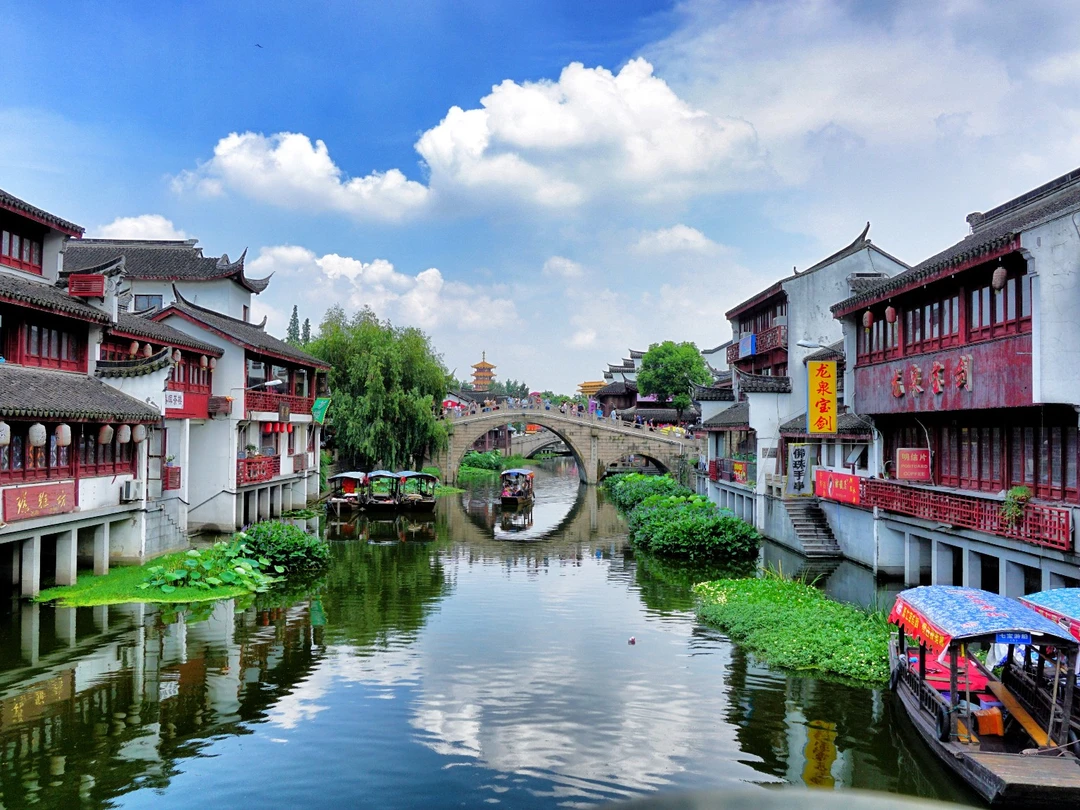
If you ask me where Shanghai's soul truly lies, I'll tell you it's not in the glittering skyscrapers of Lujiazui, nor under the neon lights of Nanjing Road. It's hidden deep inside the winding longtang—the traditional alleyways where life unfolds at a slower, more intimate pace. I'm Xiaonan, a Shanghai guide who grew up in one of these alleys, listening to gossip drifting out of shikumen (stone-gate houses) and smelling scallion pancakes sizzling on street corners.
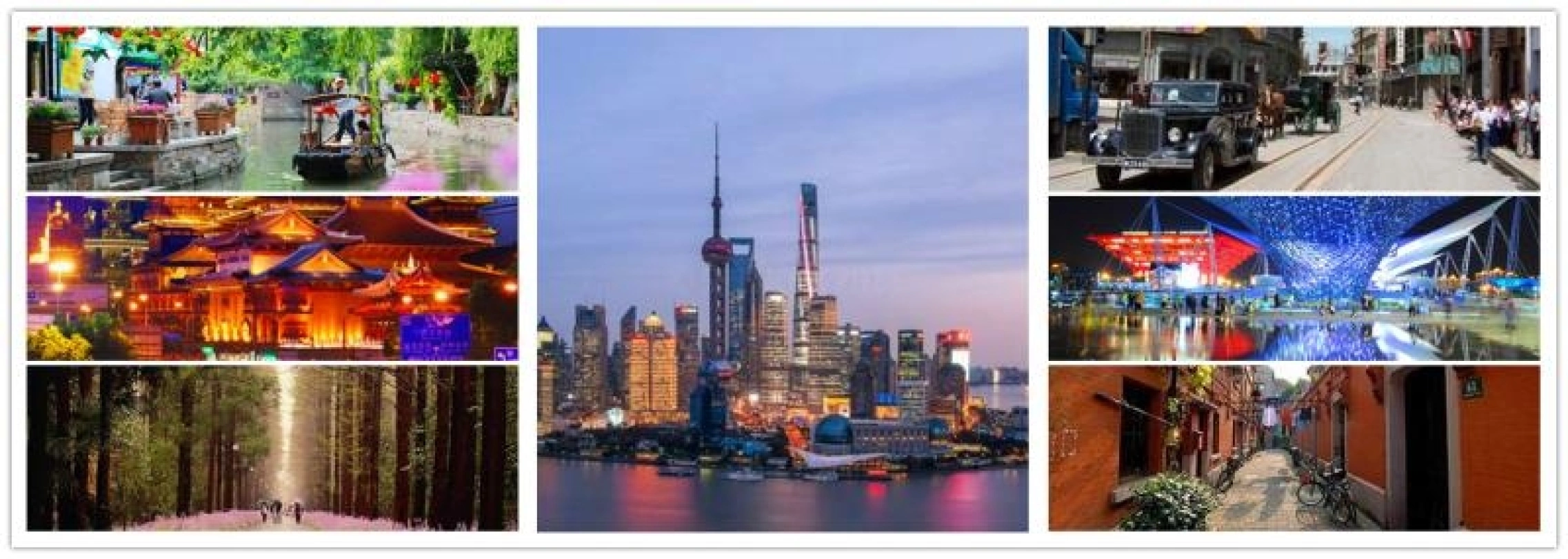
Today, I'm opening a door to the real Shanghai using six simple words: Eat, Stay, Travel, Sightsee, Shop, and Play. Whether you're visiting for the first time or rediscovering this city, this guide will show you the Shanghai that locals see—a metropolis that blends international glamour with old-world warmth and character.
1. Getting to Know Shanghai: Geography, Culture & Identity
1.1 Where Is Shanghai Located?
Shanghai sits on the western shore of the Pacific Ocean, on the eastern edge of the Asian continent, at the midpoint of China's north-south coastline. Known as the "dragon head" of the Yangtze River Delta, it borders the East China Sea to the east, Hangzhou Bay to the south, Jiangsu and Zhejiang provinces to the west, and the Yangtze River mouth to the north. The city's average elevation is only about 4 meters (13 feet), so you'll barely notice any hills as you explore.
1.2 Why Is Shanghai Called "Hu" and "Shen"?
- "Hu" (沪): Ancient Shanghai residents wove bamboo into fish traps called hu (扈) and placed them where rivers met the sea. Since the place where a river enters the sea is called du (渎), the lower reaches of the Songjiang River became known as "Hudu" (扈渎). Over time, hu (扈) evolved into hu (沪), becoming the city's shorthand.
- "Shen" (申): During the Spring and Autumn and Warring States periods, Shanghai first belonged to the Wu and Yue kingdoms, then to the Chu state. King Xiaowang of Chu granted this land to his prime minister, Huang Xie, also known as Lord Chunshen. Legend has it that Shanghai was his fiefdom, hence the nickname "Shen." The Huangpu River also owes its name to him—the waterway he dredged was first called "Huang Xie Pu" (Huang Xie's Creek), which later became the Huangpu River.
1.3 Shanghai's "Family Background" – Districts & Demographics
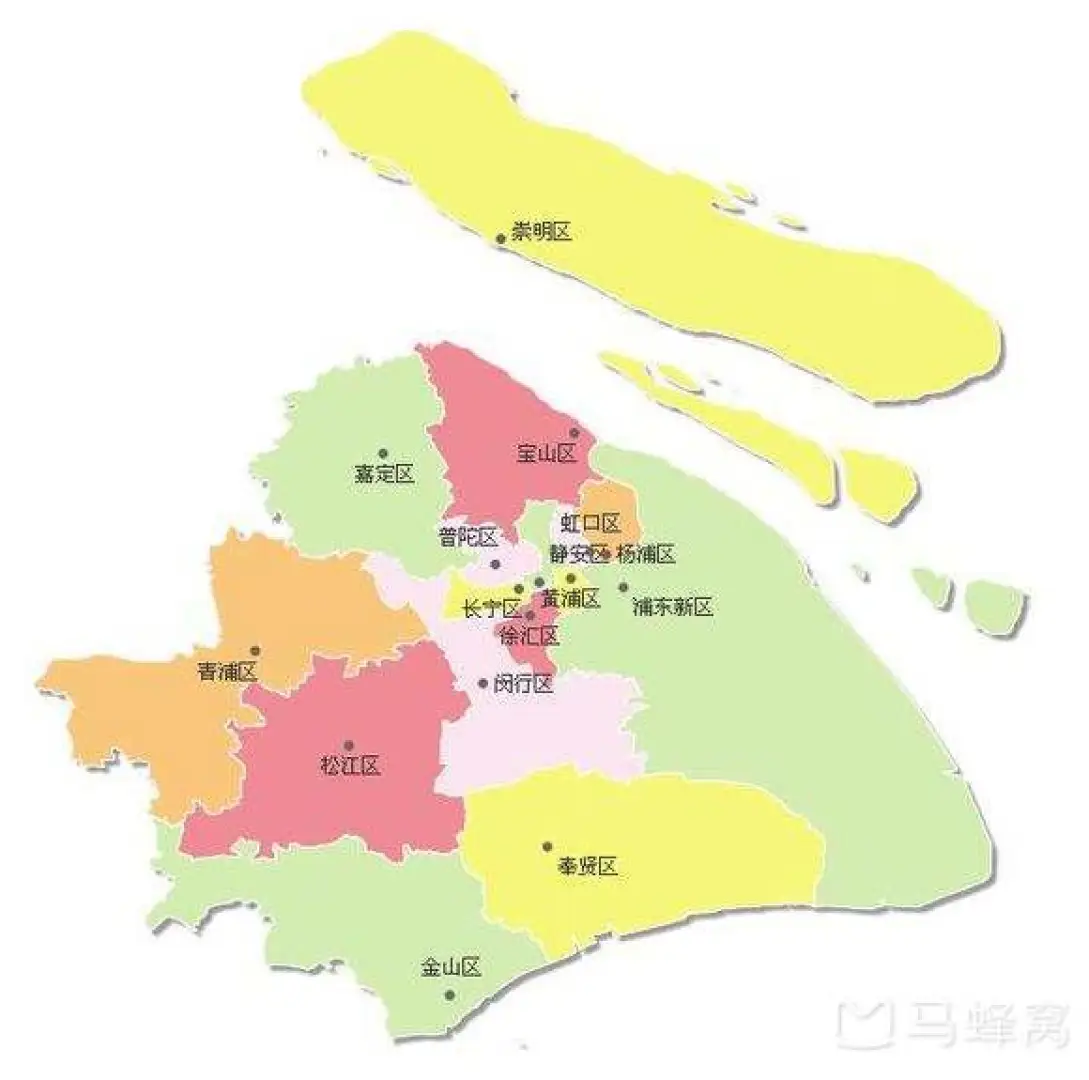
As of 2016, Shanghai has 16 districts: Pudong New Area, Huangpu, Xuhui, Changning, Putuo, Jing'an (which absorbed the former Zhabei District), Hongkou, Yangpu, Baoshan, Jiading, Minhang, Qingpu, Songjiang, Jinshan, Fengxian, and Chongming. The permanent population exceeds 24 million. The city flower is the magnolia (baiyulan), and the climate is subtropical monsoon with four distinct seasons—coldest in January, hottest in July.
1.4 Getting Around: Transportation Made Easy
Long-Distance Travel: - Airports: Hongqiao Airport (Terminals 1 & 2) and Pudong Airport. Hongqiao connects to Metro Lines 2 and 10, with free shuttle buses between terminals. Pudong Airport has Metro Line 2 direct service, plus airport buses and long-distance coaches to nearby cities. - Train Stations: Shanghai Station, Shanghai South Station, and Shanghai Hongqiao Station. - Bus Stations: Shanghai Long-Distance Bus Terminal, Shanghai South Long-Distance Bus Station, and Hengfeng Road Bus Station.
City Transportation: - Metro: 16 lines crisscross the city. Ticket options include single-ride tickets, 1-day/3-day passes, transport cards (valid for both metro and buses with transfer discounts, refundable deposit), magnetic-levitation combo tickets, the "Metro Dàdūhuì" QR code app, and the new "Transport Union" card (works for metro, bus, and ferry). I recommend tourists choose day passes, transport cards, or mobile payments. - Buses: Your smartphone navigation app will handle everything. - Taxis/Ride-Hailing: Available on demand. - City Sightseeing Buses: Routes include Line 1 (Puxi, west of the Huangpu River), Line 2 (Pudong, east of the river), Line 3 (Expo special), and Line 5. Line 1 runs every 10–15 minutes, Line 2 every 25 minutes, and Lines 3 and 5 every 45 minutes—so be patient.
1.5 Six Major Sightseeing Zones

Shanghai's core sightseeing areas are: The Bund, Oriental Pearl Tower, People's Square, Yuyuan Garden, Longhua, and Xujiahui Origin. Each zone has its own unique charm, which I'll explore in detail later.
1.6 Festivals and Events
- Shanghai Tourism Festival: Mid-September to early October annually.
- Shanghai International Film Festival: Mid-June annually.
- F1 Chinese Grand Prix (Shanghai): Mid-April annually.
- Yuyuan Lantern Festival: From before Chinese New Year through the Lantern Festival, lasting over a month.
- Flower Seasons: Cherry blossoms at Gucun Park, tulips at Century Park, a hundred flowers at Nanhui Flower Port, and various floral displays at Chenshan Botanical Garden and Shanghai Botanical Garden. If you visit in spring, the city is a sea of blooms.
2. Deep Dive into the Six Major Sightseeing Zones
2.1 The Bund Zone: One River, One Bridge, One Promenade, One Signal Tower
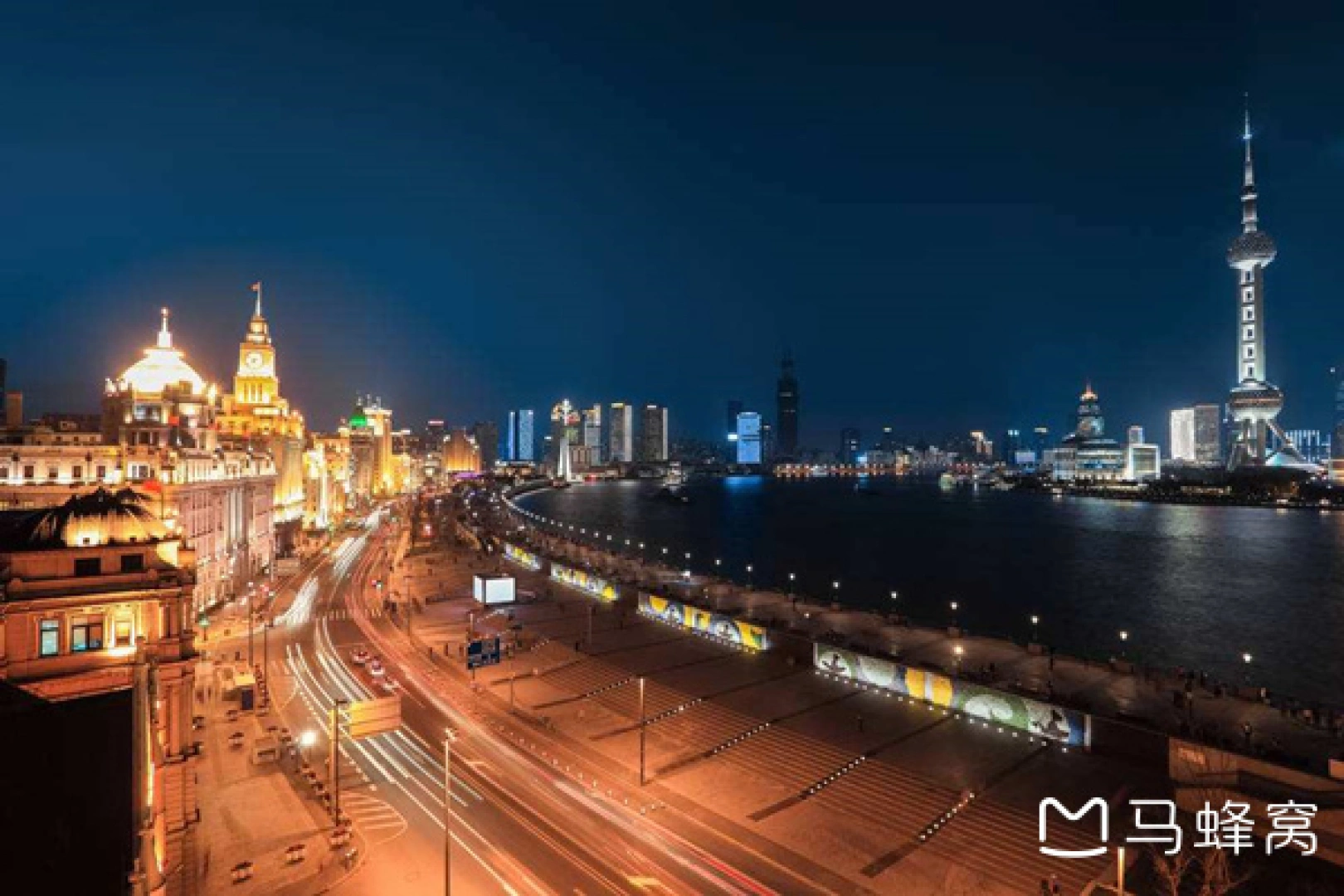
The essence of the Bund can be summed up as "One Bridge, One River, One Promenade, One Tower": Waibaidu Bridge, the Huangpu River, the Sightseeing Promenade, and the Signal Tower. Here you'll also find the "Exposition of World Architecture"—the Waldorf Astoria, Customs House, the former Bank of Communications Building, the Bank of China Shanghai Branch, the Peace Hotel—every building has a story.
Top Experiences: - Take a night cruise on the Huangpu River to see glittering lights on both banks. - Stroll along the promenade, where every step takes you from Pudong's futuristic skyscrapers to Puxi's century-old buildings. - Visit the Signal Tower for panoramic views and historical exhibits. [Link: Best photo spots on the Bund]
2.2 Oriental Pearl Tower Zone: Lujiazui's "Kitchen Three-Piece Set"
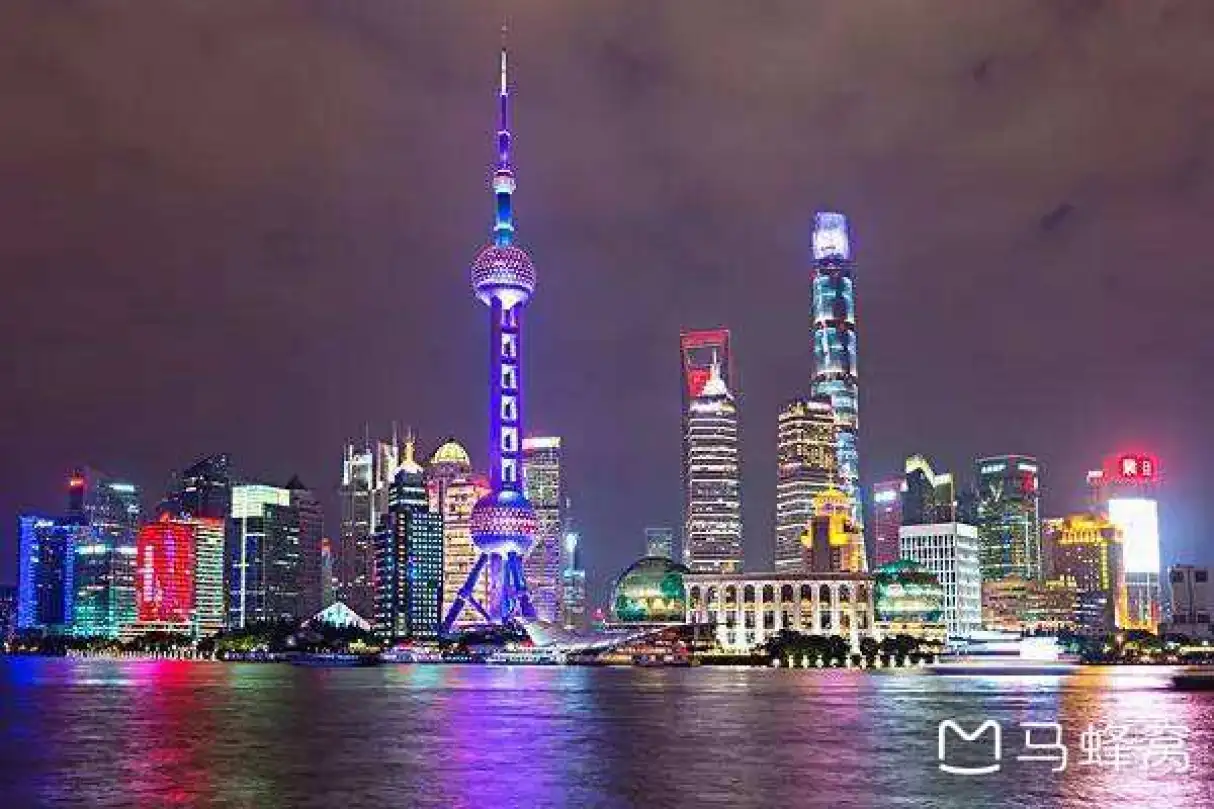
In the heart of Pudong's Lujiazui financial district, the iconic landmarks are the Oriental Pearl Tower and the "Three Kitchen Utensils"—Jin Mao Tower, Shanghai World Financial Center, and Shanghai Tower.
- Oriental Pearl Tower (468 meters/1,535 feet, opened 1994): At ground level, the Shanghai History Museum (a microcosm of the city's past) and the VR Landmark Park; at 259 meters (850 feet), a fully transparent glass observation deck (a thrilling glass-floor experience); at 267 meters (876 feet), a revolving restaurant; at 350 meters (1,148 feet), the "Space Capsule."
- Jin Mao Tower (420.5 meters/1,379 feet, opened 1999): The 88th-floor observation deck is best visited in the afternoon for stunning night views. There's also a "Love Postbox" for mailing postcards, and an outdoor glass walkway called "Cloud Walk" (with safety harnesses, don't worry).
- Shanghai World Financial Center (492 meters/1,614 feet, completed 2008): The 94th-floor observation hall (423 meters/1,388 feet) has a column-free design; the 97th-floor Sky Bridge (439 meters/1,440 feet) features an open glass ceiling; the 100th-floor Sky Deck (474 meters/1,555 feet) is a 55-meter-long (180-foot) suspended corridor with a transparent glass floor—walking on it feels like floating in the clouds.
- Shanghai Tower (632 meters/2,073 feet, opened 2017): The tallest building in Shanghai and the second tallest in the world. Floors 118–119 house the "Top of Shanghai" observation deck; floors 125–126 feature "Peak Light" and the glass sculpture "Shanghai Eye"; the 37th floor is home to the Guanfu Museum.
Pro Tip: For the best skyline photos, visit the Bund at sunset and capture the "Kitchen Three-Piece Set" lit up against the twilight sky. [Link: Shanghai Tower vs. Oriental Pearl – which observation deck is best?]
2.3 People's Square Zone: The "Cultural Heart" of the City Center
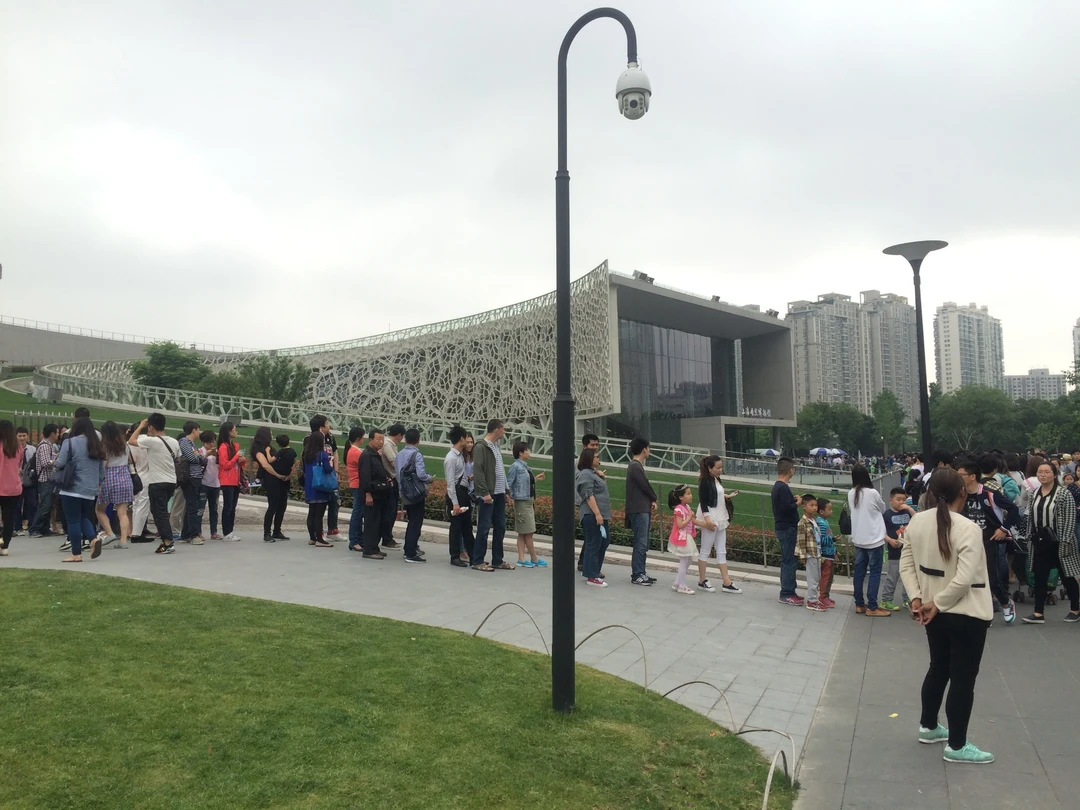
People's Square is Shanghai's geographic center, surrounded by the Shanghai Museum (free admission), the Music Fountain, the Shanghai Grand Theatre, the Shanghai Urban Planning Exhibition Center (free), and the Shanghai History Museum. To the south is Nanjing Road Pedestrian Street; to the west are the Park Hotel and the Shanghai Concert Hall.
Extended Attractions: Xintiandi, a trendy pedestrian street with restored shikumen architecture, and the French Concession's tree-lined avenues. [Link: Shanghai Museum guide – must-see exhibits]
2.4 Yuyuan Garden Zone: Classical Chinese Beauty in the Heart of the City
Yuyuan Garden is a Ming Dynasty-era classical garden with pavilions, rockeries, and ponds. Adjacent is the Yuyuan Bazaar, a bustling market selling traditional crafts, snacks, and souvenirs. Don't miss the Huxinting Teahouse, one of Shanghai's oldest teahouses, and the Nine Zigzag Bridge.
Insider Tip: Visit early morning to avoid crowds and enjoy the garden's serene atmosphere. Afterward, grab a bowl of xiaolongbao (soup dumplings) at the famous Nanxiang Steamed Bun Restaurant. [Link: Best xiaolongbao in Shanghai – local favorites]
2.5 Longhua Zone: Ancient Temples & Modern Spirituality
Longhua Temple is Shanghai's oldest and most complete Buddhist temple, dating back to the Three Kingdoms period (220–280 AD). The Longhua Pagoda, a seven-story octagonal structure, is a city landmark. The area also includes the Longhua Martyrs' Cemetery and a lively temple fair during the Lunar New Year.
2.6 Xujiahui Origin Zone: Where East Meets West
Xujiahui is a historic Jesuit mission site with St. Ignatius Cathedral, the Xujiahui Library, and the Tushanwan Museum. Today, it's a commercial hub with major shopping malls, but the original mission buildings offer a glimpse into Shanghai's multicultural past.
3. Classic Shanghai Itineraries for Every Traveler
3.1 One-Day Shanghai Highlights Tour
- Morning: Start at the Bund for sunrise photos, then walk to People's Square to visit the Shanghai Museum.
- Lunch: Xiaolongbao at a local dianxin (dim sum) restaurant near Yuyuan Garden.
- Afternoon: Explore Yuyuan Garden and the bazaar, then take the metro to Lujiazui for the Oriental Pearl Tower or Shanghai Tower.
- Evening: Night cruise on the Huangpu River, followed by dinner in the French Concession.
3.2 Two-Day Cultural Immersion Itinerary
Day 1: - Morning at the Bund and Waibaidu Bridge. - Late morning at the Shanghai Museum. - Afternoon at Yuyuan Garden and bazaar. - Evening at Xintiandi for dinner and nightlife.
Day 2: - Morning at Longhua Temple. - Lunch in the French Concession (try a local bistro). - Afternoon exploring Tianzifang, a maze of alleyways with art studios and boutiques. - Evening at the Shanghai Tower observation deck for sunset.
3.3 Three-Day Extended Shanghai Adventure
Day 1: Bund + People's Square + Nanjing Road. Day 2: Lujiazui skyscrapers + Yuyuan Garden + night cruise. Day 3: French Concession + Tianzifang + Zhujiajiao Water Town (day trip).
4. Where to Eat, Stay, and Shop in Shanghai
4.1 Eat: Must-Try Local Dishes
- Xiaolongbao (soup dumplings) – Nanxiang Steamed Bun Restaurant or Din Tai Fung.
- Shengjianbao (pan-fried pork buns) – Yang's Fried Dumplings.
- Scallion oil noodles – Local noodle shops.
- Shanghai hairy crab (seasonal, autumn) – Specialized crab restaurants.
- Red braised pork belly – Home-style eateries.
4.2 Stay: Best Neighborhoods for Tourists
- The Bund: Luxury hotels with river views.
- French Concession: Boutique hotels and guesthouses with old-world charm.
- Lujiazui: Modern high-rise hotels for skyline views.
- Jing'an: Central location with easy metro access.
4.3 Shop: Where to Find Unique Souvenirs
- Nanjing Road: Major shopping street with everything from luxury brands to local snacks.
- Tianzifang: Art studios, handmade crafts, and quirky boutiques.
- Yuyuan Bazaar: Traditional Chinese crafts, tea, and silk.
- French Concession: Vintage shops and independent designers.
5. Frequently Asked Questions (FAQ)
Q1: What is the best time to visit Shanghai?
 A: Spring (March–May) and autumn (September–November) offer mild weather and fewer crowds. Summer is hot and humid, while winter is cold but less crowded.
Q2: Is Shanghai expensive for tourists?
A: It depends. Luxury hotels and fine dining can be pricey, but street food, public transport, and budget accommodations are affordable. A daily budget of $50–$100 per person is reasonable for mid-range travel.
Q3: How do I get from Pudong Airport to the city center?
A: Take the Maglev train (7 minutes to Longyang Road Station, then transfer to Metro Line 2), airport bus, or taxi (30–45 minutes, ~$15–$25).
Q4: Do I need a visa to visit Shanghai?
A: Most foreign travelers need a visa. However, citizens of 54 countries can enjoy a 144-hour visa-free transit if they have a confirmed onward ticket. Check with your local Chinese embassy for updates.
Q5: What should I not miss in Shanghai?
A: Don't miss the Bund at sunset, a night cruise on the Huangpu River, Yuyuan Garden, the Shanghai Tower observation deck, and a stroll through the French Concession's tree-lined streets.
6. Final Tips from a Local
- Learn a few Mandarin phrases: "Ni hao" (hello), "Xie xie" (thank you), and "Duo shao qian?" (how much?) go a long way.
- Download WeChat and Alipay: Mobile payments are ubiquitous in Shanghai.
- Stay connected: Rent a portable Wi-Fi device or buy a local SIM card at the airport.
- Respect local customs: Remove shoes when entering homes, and don't point with your index finger.
Your Shanghai Adventure Awaits
Shanghai is a city of contrasts—old and new, East and West, fast-paced and serene. Whether you're sipping tea in a centuries-old teahouse, gazing at the futuristic skyline from the Shanghai Tower, or getting lost in the longtang alleyways, this city will leave an indelible mark on your soul.
Ready to explore? Book your Shanghai trip today and experience the Magic City like a local. For more insider tips, check out our guides on [Shanghai's best street food] and [hidden gems in the French Concession]. Your unforgettable Shanghai journey starts now!
This article was written by Xiaonan, a Shanghai native who grew up in the historic longtang alleyways. All recommendations are based on personal experience and local knowledge.
You may also like