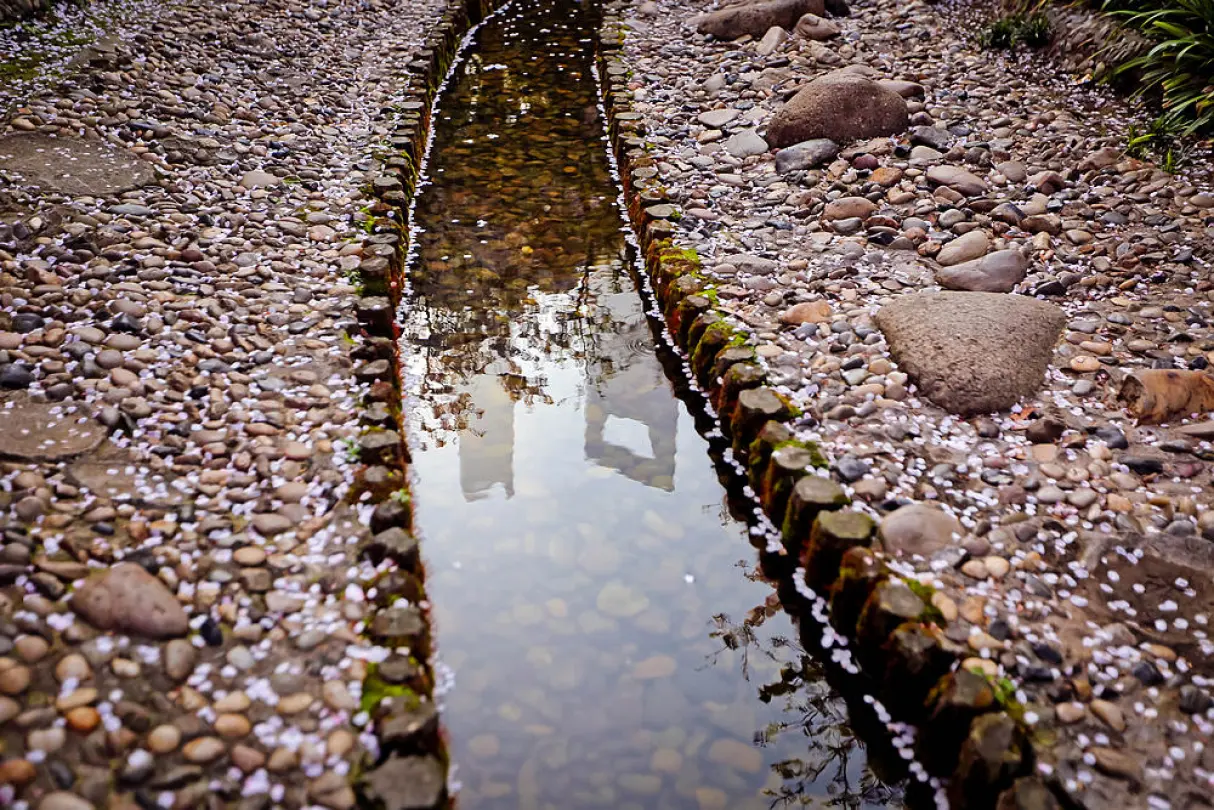
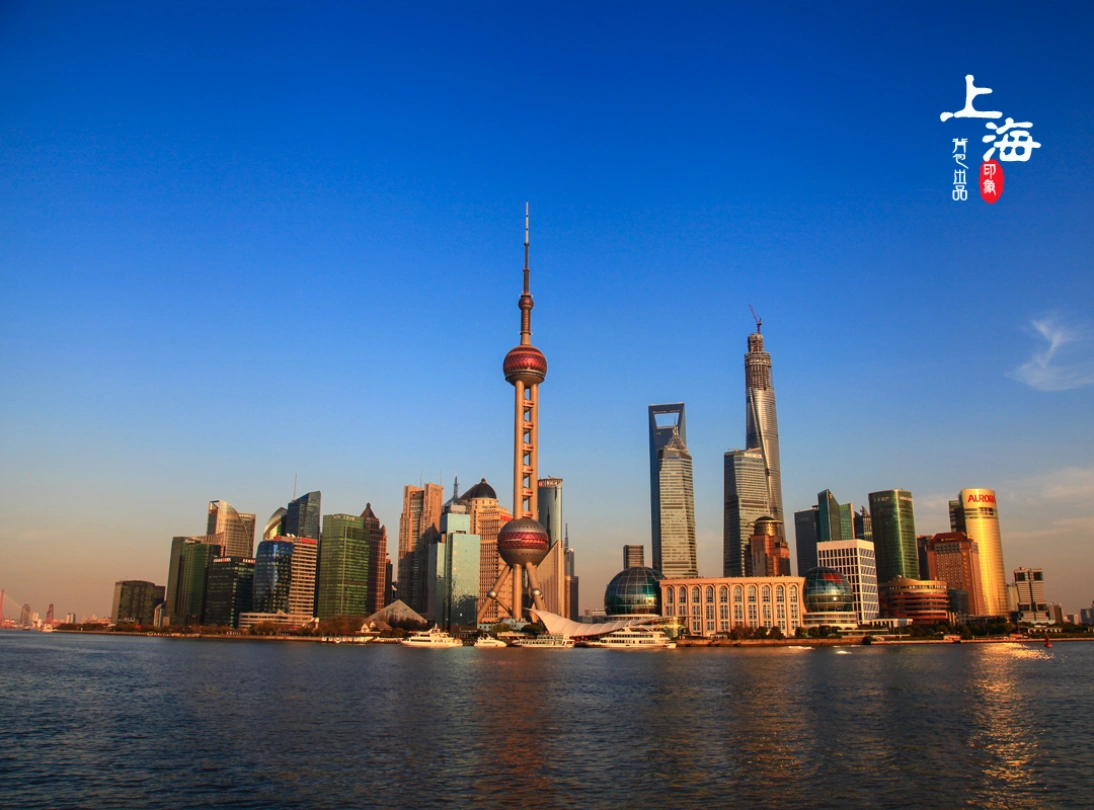
The Two Ends of the Jiaoji Railway: A Perfect Encounter Between Spring City and Piano Island
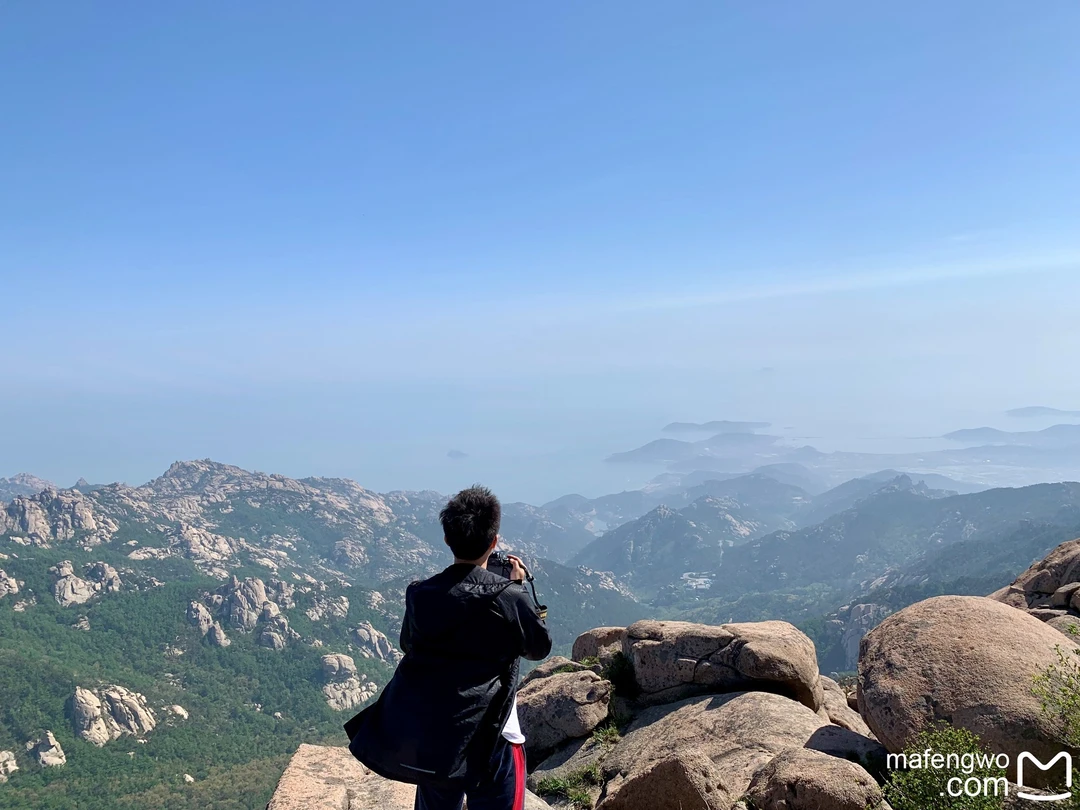
Meta Description: Explore the Jiaoji Railway journey from Jinan (Spring City) to Qingdao (Piano Island). Discover century-old history, local cuisine, Baotu Spring, Daming Lake, and Qingdao's coastal charm in this SEO-optimized travel guide.
Introduction: Why the Jiaoji Railway Journey Matters
In the annals of modern Chinese railway history, few lines carry the weight of memory like the Jiaoji Railway. Built by German colonists in the early 20th century, this 393-kilometer corridor connects two iconic Shandong destinations: Jinan, known as "Spring City" for its 72 artesian springs, and Qingdao, the "Piano Island" famed for red-tiled roofs, green trees, and azure seas.
This isn't just a train ride—it's a cultural dialogue spanning over a century. Whether you're a history buff, a foodie, or a nature lover, this Jiaoji Railway travel guide will help you plan the perfect trip from Spring City to Piano Island.
H2: The Historical Significance of the Jiaoji Railway
The Jiaoji Railway (Jinan–Qingdao Railway) was completed in 1904 under German colonial rule, alongside the Chinese Eastern Railway in the northeast and the Yunnan-Vietnam Railway in the southwest. Its construction transformed Shandong's economy and left an architectural legacy visible today.

Key historical facts: - Original Jinan Station was once called "Asia's Number One Station" by West Germany's Far East Travel magazine. - The station appeared in architecture textbooks at Tsinghua and Tongji universities. - Tragically, it was demolished in the 1990s—a loss mourned by heritage enthusiasts.
Today, the railway itself remains a living museum, carrying thousands of passengers daily between two vastly different urban personalities.
H2: Day One – Exploring Jinan (Spring City)
H3: Arriving at Jinan Station – A Bittersweet Welcome
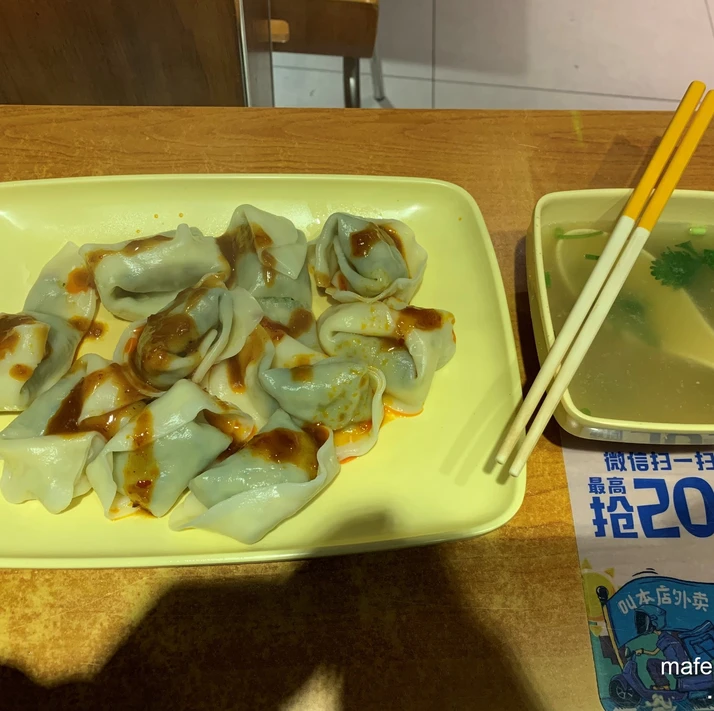
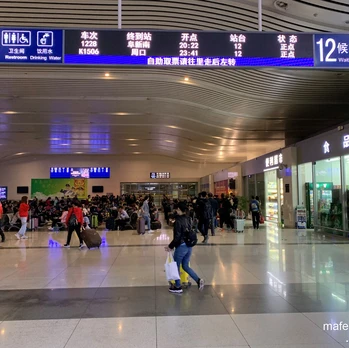
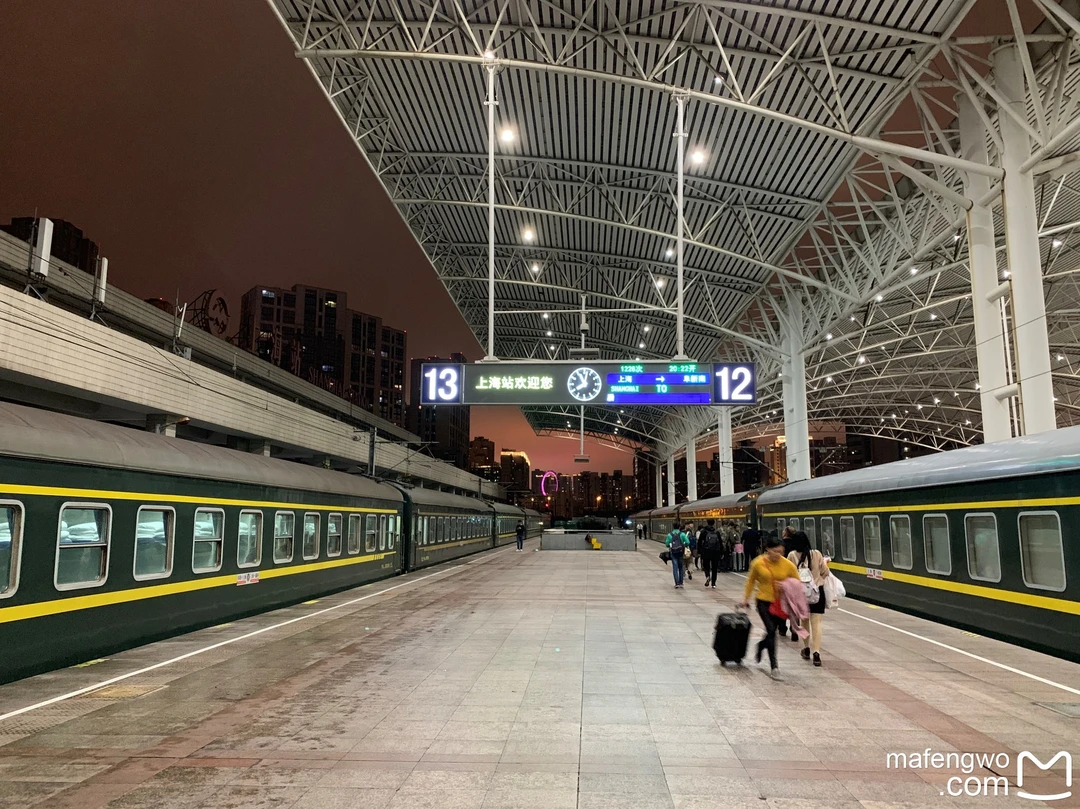
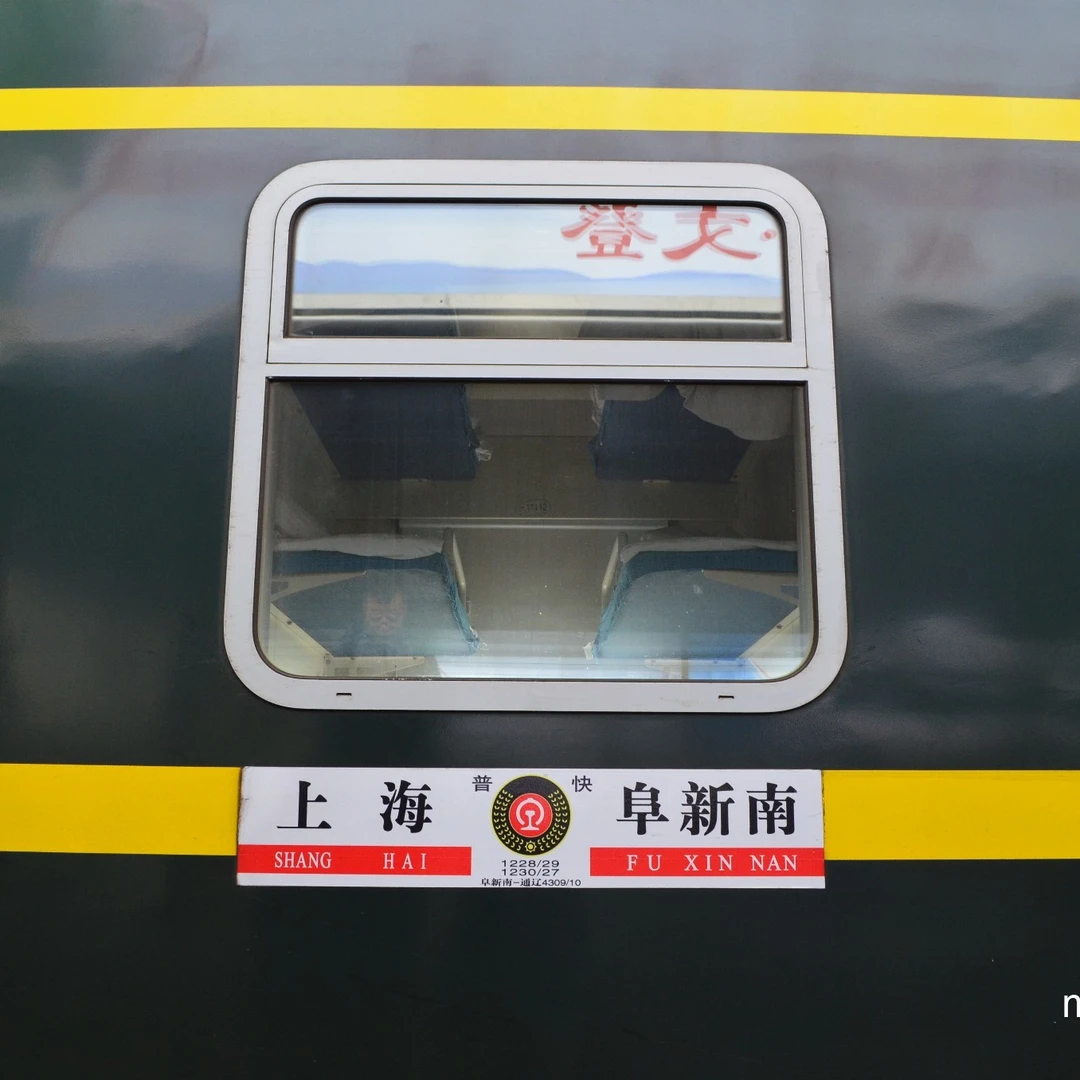
After an overnight train from Shanghai (1228 service, departing 20:22, arriving 09:04), I stepped into Jinan Station expecting grandeur. Instead, the modern station felt generic—a stark contrast to the original German-designed masterpiece that once stood here.
Tip: If you're a railway history enthusiast, visit the [Link: Jiaoji Railway Museum] (open Thursday–Saturday, 9:00–16:30). I arrived on a Sunday and found the doors locked—plan accordingly.
H3: Jufengde – The Wild Flavors of Shandong Cuisine
With the museum closed, I turned to Jinan's culinary scene. Jufengde (聚丰德) is a time-honored Shandong restaurant known for massive portions and bold flavors. My companion and I ordered two dishes:
- Stir-fried pork kidney (bao chao yao hua) – tender and crunchy
- Nine-turn large intestine (jiu zhuan da chang) – sweet, salty, and rich with fermented soybean paste
The verdict? Authentically "wild." If you're new to Shandong cuisine, start with milder options like sweet and sour carp or braised sea cucumber.
H3: Baotu Spring – A Pipe or a Spring?
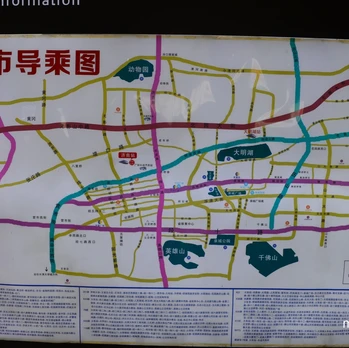
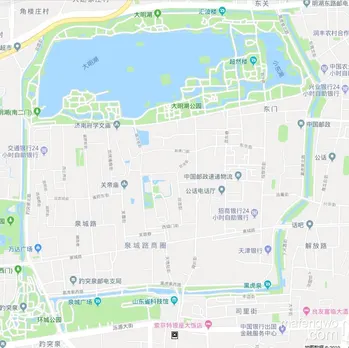
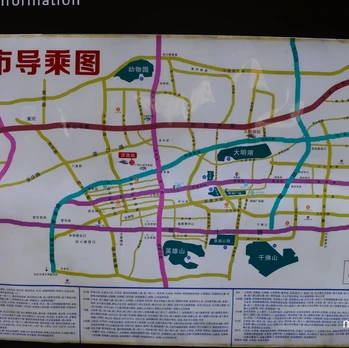
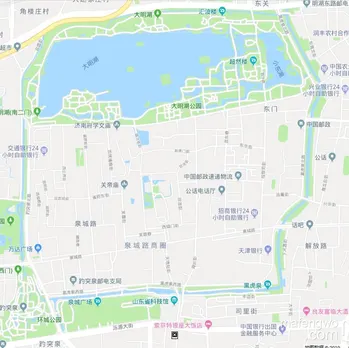
Baotu Spring is one of Jinan's "three great landmarks" alongside Thousand Buddha Mountain and Daming Lake. I'll admit: standing there, I wondered if pipes were pumping water upward. But visiting Black Tiger Spring (Heihu Quan) in the evening changed my mind.
What makes Baotu Spring special: - The water is drinkable straight from the source. - QR code stations let you fill your bottle for free. - The "living water" experience feels precious in a modern city.
Pro tip: Visit early morning to avoid crowds and witness locals practicing tai chi by the springs.
H3: Daming Lake – The Legend of Xia Yuhe
"Your Majesty, do you still remember Xia Yuhe by Daming Lake eighteen years ago?" – This line from a classic Chinese opera echoes through the lake's misty shores. I came in the wrong season (no lotus blooms yet), but the shimmering waters and weeping willows still offered tranquility.
Best time to visit: July–August for lotus flowers; autumn for golden foliage.
H3: Spring City Food Stalls – The Surprise of Zaozhuang Spicy Chicken
For dinner, I visited Quancheng Dapaidang (Spring City Food Stalls). Every city has its "old yogurt," and Jinan's version is a must-try. But the real star was Zaozhuang spicy chicken (Zaozhuang la zi ji):
- Tender chicken pieces
- Fragrant, non-harsh chili peppers
- Served with rice – pure bliss
I also sampled: - Pork and beef baked flatbreads (huoshao) - Crispy pot (su guo) - Oil swirl pastries (you xuan)
Each bite was authentic Jinan flavor.
H3: The Moat Ring City Park – Where I Fell in Love with Jinan
The moat has two scenic sections: 1. Baotu Spring–Five Dragon Pool (daytime) 2. Black Tiger Spring–Spring City Square (evening)
The second section alone made me fall in love with Jinan. Here, square dancing isn't just for aunties—people of all ages dance and laugh under the night sky. This is what "the烟火 of human life" (renjian yanhuo) truly means.
H2: Day Two – From Spring City to Piano Island
H3: Breakfast – Sweet Foam That Isn't Sweet
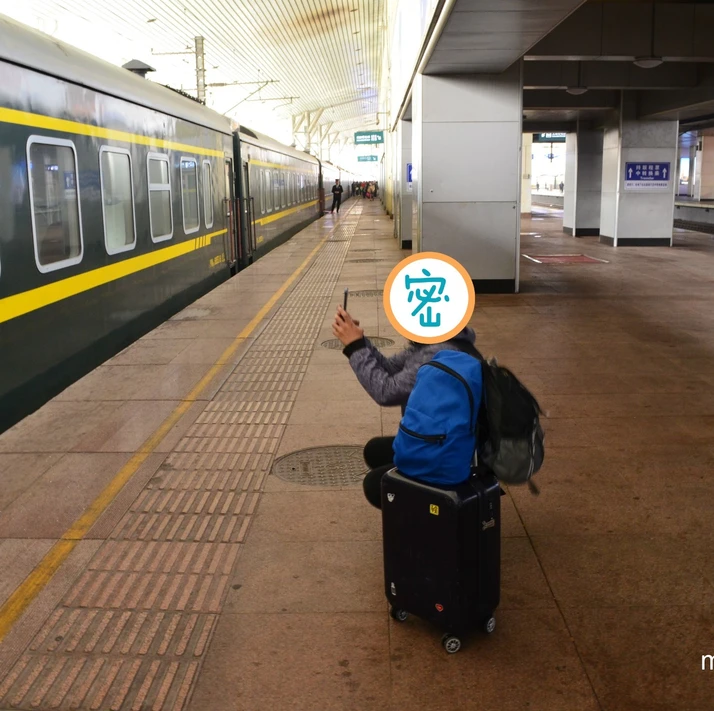
Jinan's "two oddities" (er guai) include sweet foam (tian mo). Despite the name, it's not sweet. This soup contains tofu skin, vermicelli, peanuts, and spinach—salty with a hint of umami. Perfect for warming both stomach and soul.
H3: Same-Platform Transfer – A Little Adventure
From Jinan to Qingdao, I chose high-speed rail. Train D6020 took me from Jinan Station to Jinan West Station with a same-platform transfer—no need to exit and re-enter. This maneuver caught railway staff's attention, but my companion explained it logically.
Train G6913 departed Jinan West Station, arriving at Qingdao North Station at 13:31. As we crossed the Jiaozhou Bay Bridge, the sea and sky merged into one—a spectacular sight.
H3: Beidahuangren – Eating Northeast Chinese in Qingdao
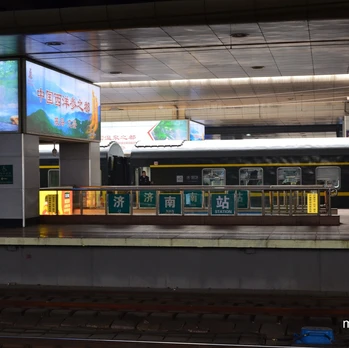
In Qingdao, I didn't eat seafood—my companion still holds it against me. Instead, I visited Beidahuangren (北大荒人), a Northeast Chinese restaurant. Since leaving the Northeast in 2017, I'd craved "three treasures from the earth" (di san xian): stir-fried eggplant, green peppers, and potatoes. The taste was incredibly authentic.
Location tip: East of Yan'an Third Road (Yan'an San Lu) is the 1990s-developed area, now the city center. May Fourth Square, the Olympic Sailing Center, and Lover's Dam are all along the eastern coast.
H3: May Fourth Square and the Olympic Sailing Center
It was the May Fourth Marathon weekend, so the square was packed. I bought a "Qindao Tong" (Piano Island Pass) transit card—a sign I'd be returning to Qingdao.
H2: Day Three – Old Qingdao's Red Tiles and Green Trees
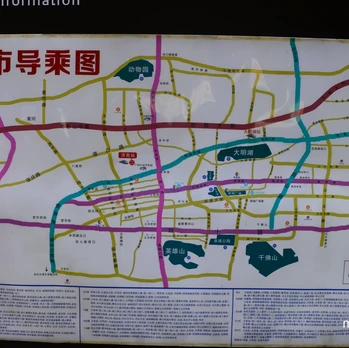
H3: Breakfast – First Taste of San Soup
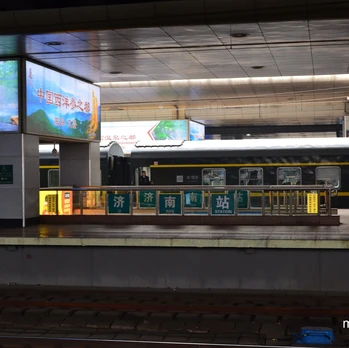
Breakfast was at Tongshengji Beef San Soup (Tongshengji niu rou sa tang). San soup (糁汤) is a famous Shandong specialty made by simmering beef bones with rice, ginger, and spices. It's hearty, warming, and perfect for a coastal morning.
H3: Walking Old Qingdao – A Visual Feast
Old Qingdao's charm lies in its German colonial architecture: red-tiled roofs, green trees, and cobblestone streets. Key spots include: - Zhanqiao Pier – the iconic Qingdao landmark - St. Michael's Cathedral – a neo-Romanesque gem - Badaguan Scenic Area – eight passes named after Chinese military fortifications
Photography tip: Visit Badaguan in autumn for golden ginkgo leaves against red roofs.
H2: FAQ – Jiaoji Railway Travel Questions
Q1: How long does the Jiaoji Railway journey take?
 A: High-speed trains from Jinan to Qingdao take approximately 1.5–2 hours. Regular trains take 4–5 hours.
Q2: What's the best season to visit Jinan and Qingdao?
A: Spring (April–May) and autumn (September–October) offer mild weather. Qingdao's summer (June–August) is popular for beach activities, while Jinan's springs are best seen in spring when water levels are high.
Q3: Is the Jiaoji Railway Museum worth visiting?
 A: Yes, if you're a railway history enthusiast. It's open Thursday–Saturday, 9:00–16:30. Plan your visit accordingly.
Q4: Can I drink the spring water in Jinan?
 A: Yes! Baotu Spring and Black Tiger Spring have QR code stations where you can fill your bottle for free. The water is safe and refreshing.
Q5: What's the must-try food in Qingdao?
A: Seafood is the star—try grilled squid, clams in beer sauce, and Qingdao beer. For non-seafood options, Northeast Chinese restaurants like Beidahuangren offer hearty alternatives.
H2: Internal Linking Suggestions

- [Link: Best Shandong Cuisine Restaurants in Jinan]
- [Link: Qingdao's German Colonial Architecture Guide]
- [Link: How to Plan a Shandong Province Road Trip]
- [Link: Spring City vs Piano Island – Which Destination Suits You?]
Conclusion: Your Jiaoji Railway Adventure Awaits
The Jiaoji Railway is more than a transportation route—it's a bridge between two worlds. From Jinan's ancient springs and fiery cuisine to Qingdao's coastal charm and colonial history, this journey offers something for every traveler.
Your next step: Book your high-speed rail ticket from Jinan to Qingdao today. Pack comfortable walking shoes, an empty stomach, and a camera. The "perfect encounter" between Spring City and Piano Island is waiting.
CTA: Ready to explore? Share your Jiaoji Railway photos with #SpringCityPianoIsland and tag us for a chance to be featured in our next travel guide. Safe travels! 🚆🌊
You may also like