The Tale of Two Zoos: A Mutual Journey with Animals in Early Spring 2025
Here is the SEO-optimized and rewritten article based on your source material. It is structured to rank for keywords related to "Shanghai Wildlife Park," "Nanjing Hongshan Forest Zoo," "early spring travel with kids," and "animal interaction experiences."
SEO Title: Shanghai Wildlife Park vs. Nanjing Hongshan Zoo: The Ultimate Early Spring 2025 Animal Adventure
Meta Description: Planning a zoo trip in early spring 2025? We compare Shanghai Wildlife Park's interactive experiences with Nanjing Hongshan Forest Zoo's freedom-focused design. A parent-child travel guide with tips, costs, and hidden gems.
The Tale of Two Zoos: A Mutual Journey with Animals in Early Spring 2025
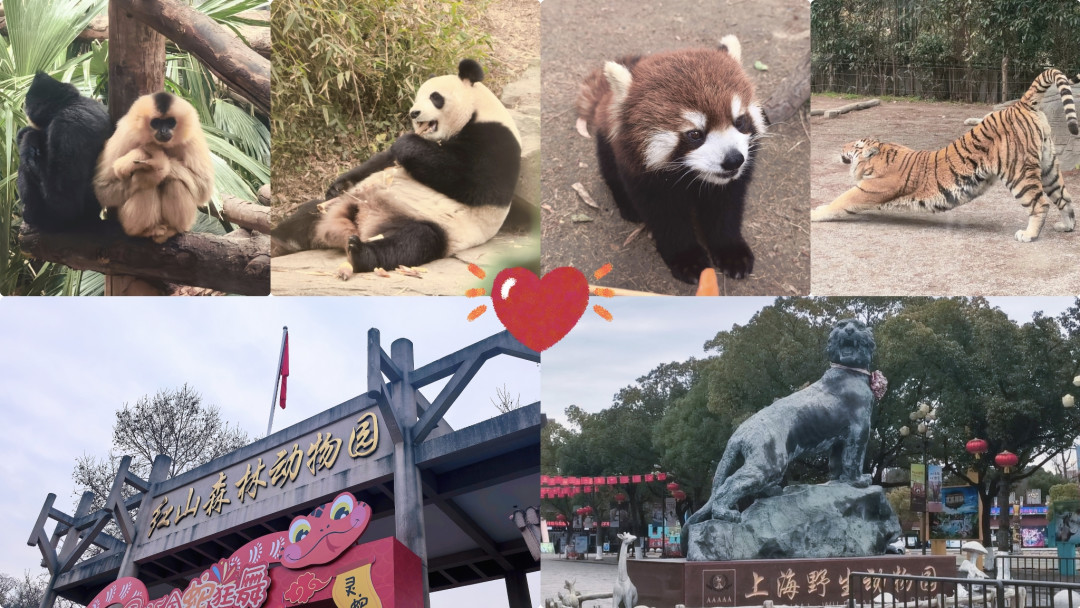
When winter break plans fell through one after another due to health issues, and when A-Chen spent most of his holiday in a daycare program, I suddenly realized—we both needed an escape. Not a long journey, not a checklist of tourist spots, just some time with the companions who don't speak. And so came our "zoo double-header": Shanghai Wildlife Park and Nanjing Hongshan Forest Zoo. One excels at interaction, the other is famous for freedom. Adults don't choose? No—we take both.
This is not just a review; it is a roadmap for any parent looking to reconnect with their child through the quiet magic of animals in early spring 2025.
Why Choose a Zoo for a Winter Break Reset?
It's simple, really. This winter, we missed the wonder of Huzhou Longemont and said goodbye to Changchun's ice and snow. A-Chen spent his days at daycare in a cycle of homework, drawing, eating, and napping; I stayed home recovering from illness, staring at the gray sky outside, my mood equally gray. Then one evening, A-Chen suddenly asked me, "Mom, when can we go see the animals?"
In that moment, I realized that zoos have never been just for children. Those fuzzy, chubby, slow-moving creatures have a strange healing power. They don't ask about your KPIs, they don't care about your medical checkup reports—they just exist: eating, sleeping, zoning out, playing. And when you stand there watching them, the world suddenly grows very quiet.
So, two days, two cities, two zoos. First day Shanghai, second day Nanjing. One champions "zero-distance interaction," the other champions "animal freedom." Like two explorers, we set off with backpacks and anticipation.
[Link: Best family-friendly zoos in China for 2025]
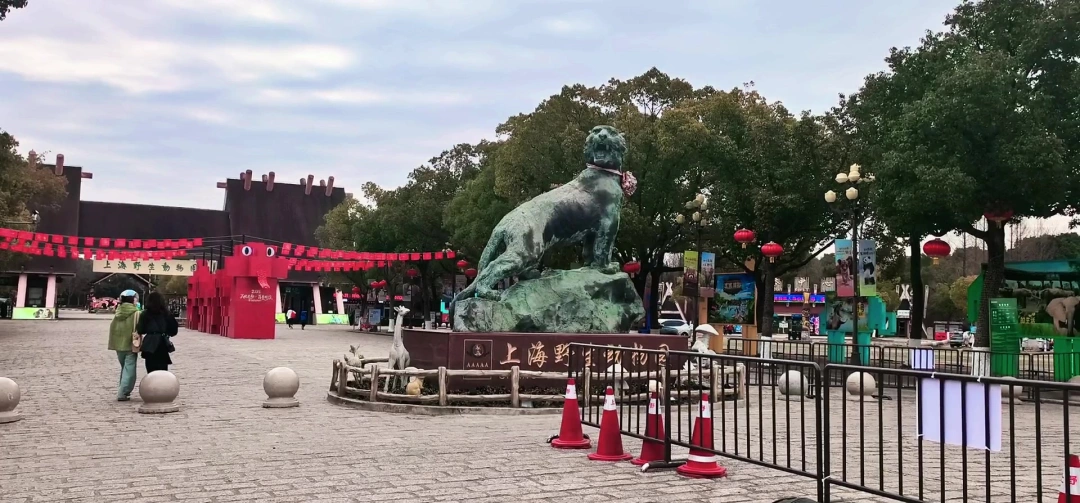
Shanghai Wildlife Park: 100 RMB, 16 Interactions, Worth Every Penny
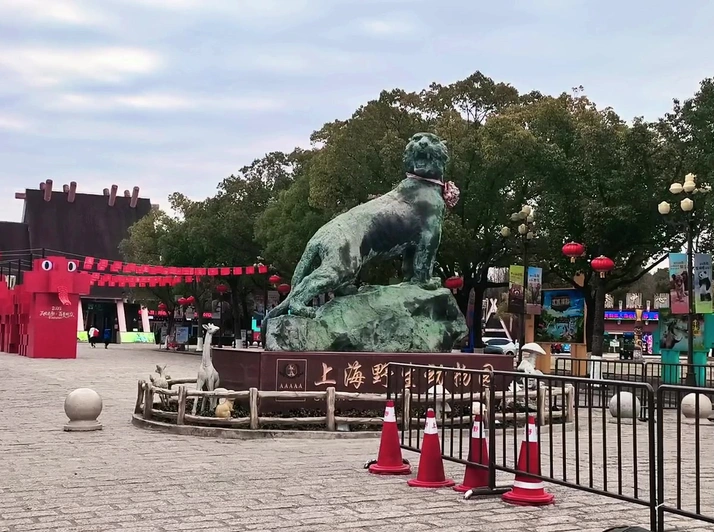
H2: How to Save Money on Shanghai Wildlife Park Tickets (The Interaction Package Hack)

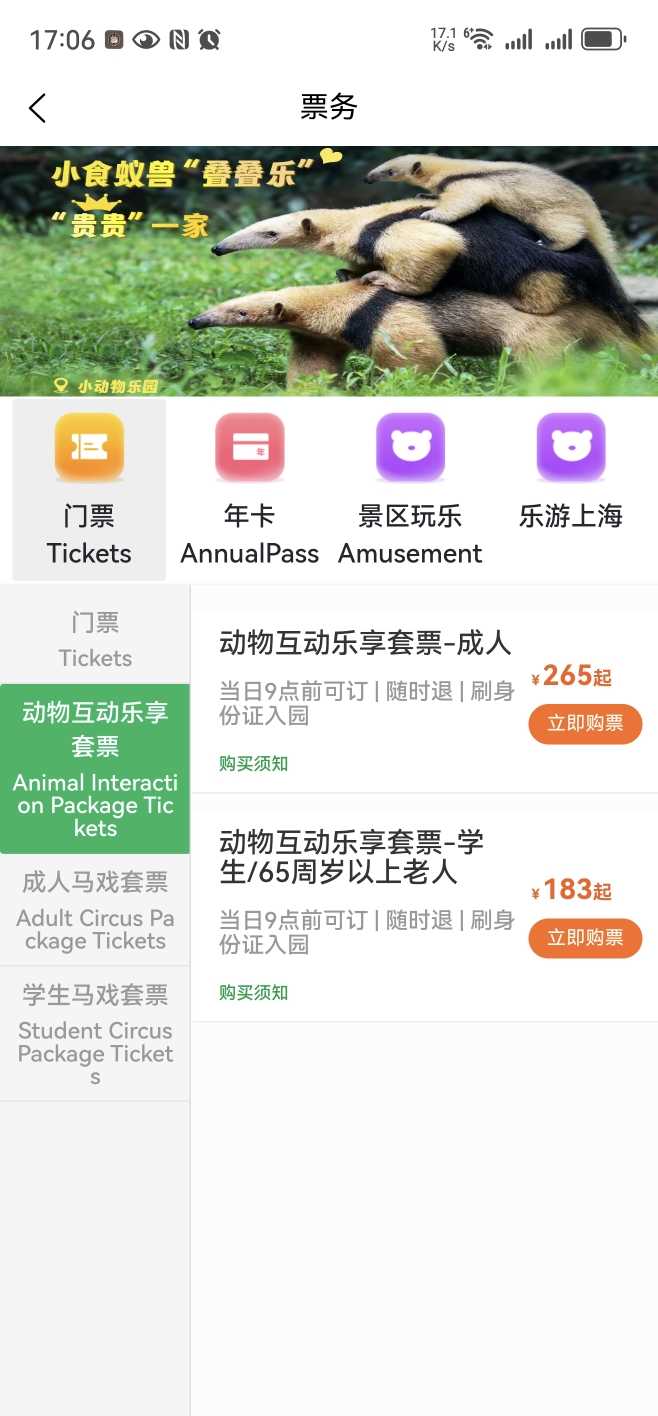
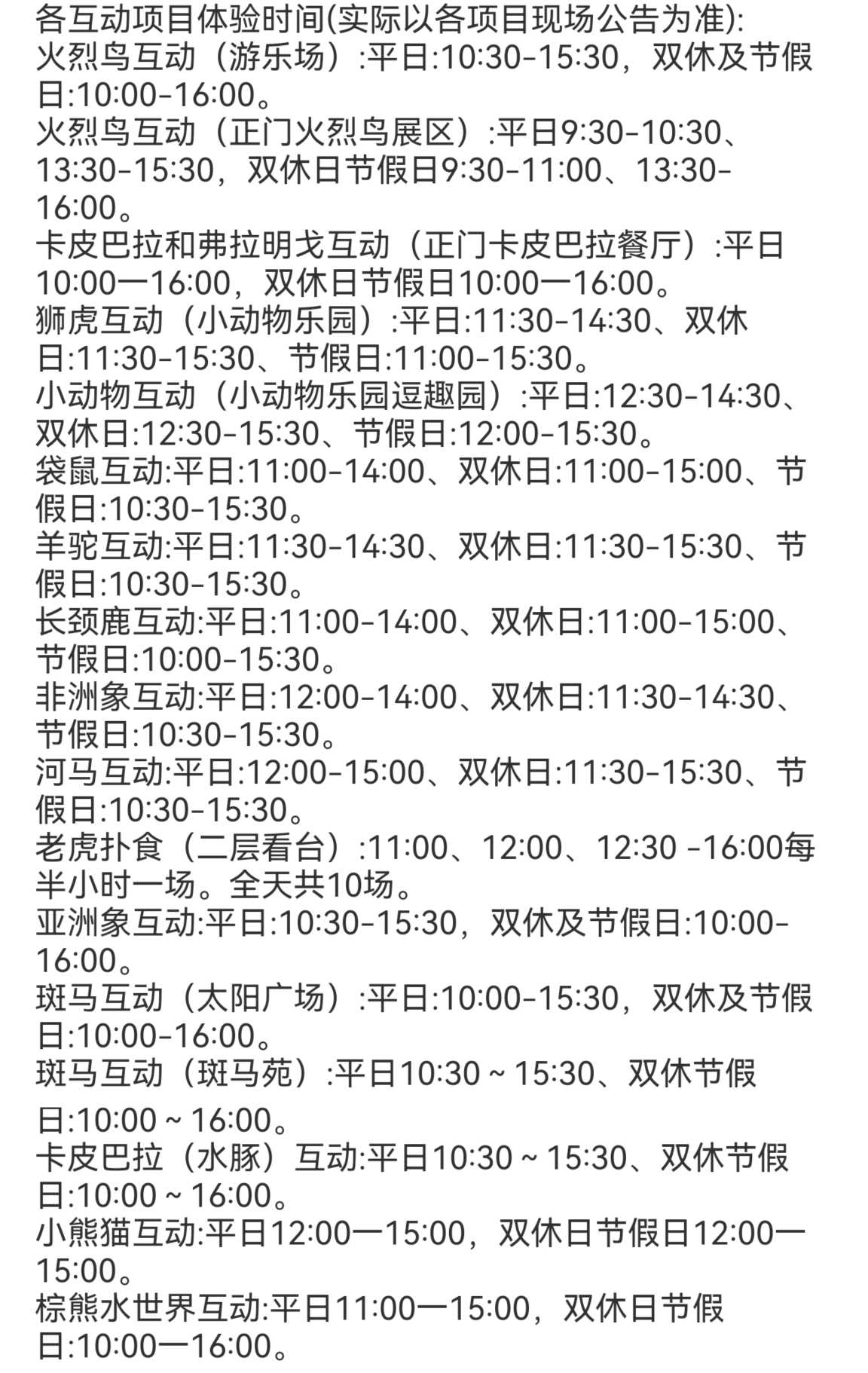
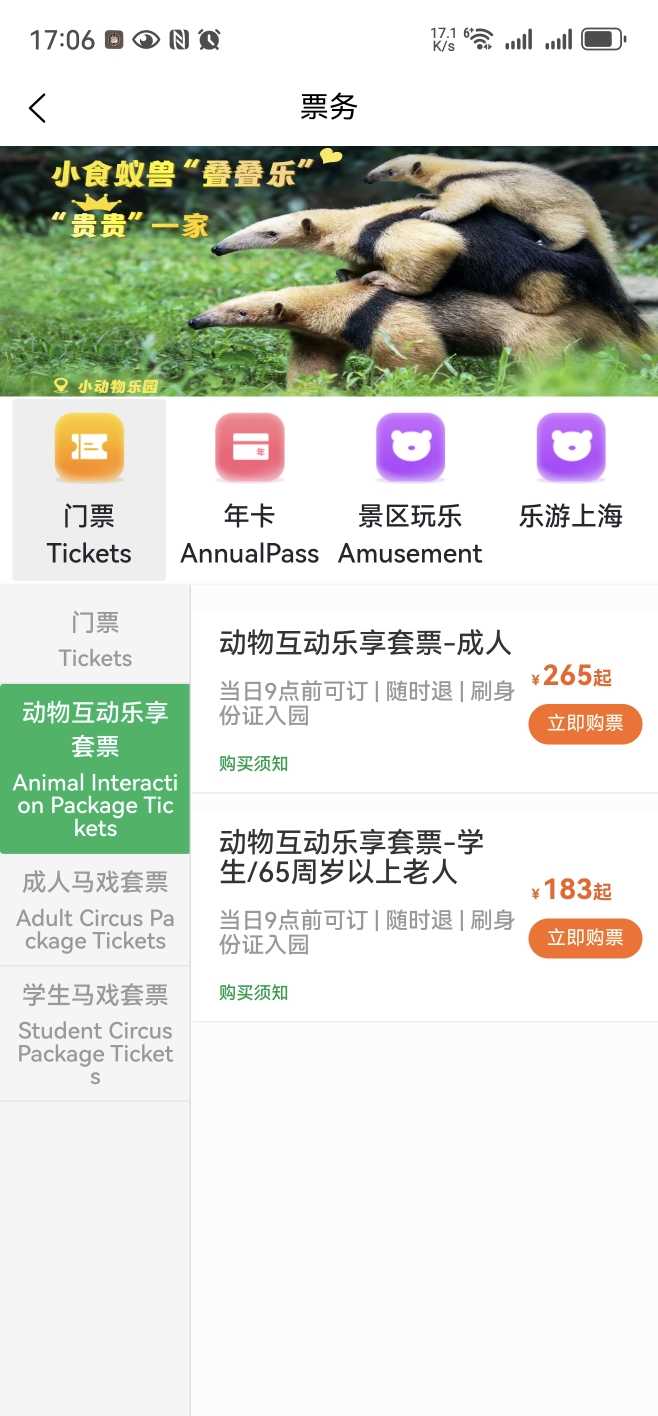
Before leaving, I bought the "Interactive Fun Package" on the Shanghai Wildlife Park app—265 RMB for adults, 183 RMB for concession tickets. If you've already bought your admission ticket, you can still purchase the interaction package inside for 100 RMB per person, same price for adults and children. Let's do the math: normally one interaction point costs 30 RMB, so ten would be 300 RMB. Now 100 RMB covers 16 points—the value for money is unbeatable.
Pro Tip: The only downside is transportation. After getting off at Shanghai Wildlife Park Station on Metro Line 16, you still need to transfer to two bus stops. While the bus is convenient, the feeling of being harassed by unlicensed taxi drivers every time you exit the station makes me want to complain about the subway planning back then. Consider taking a Didi from the station to save time.
H2: Top Animal Interactions at Shanghai Wildlife Park
H3: Flamingos: The Bully and the Timid Boy
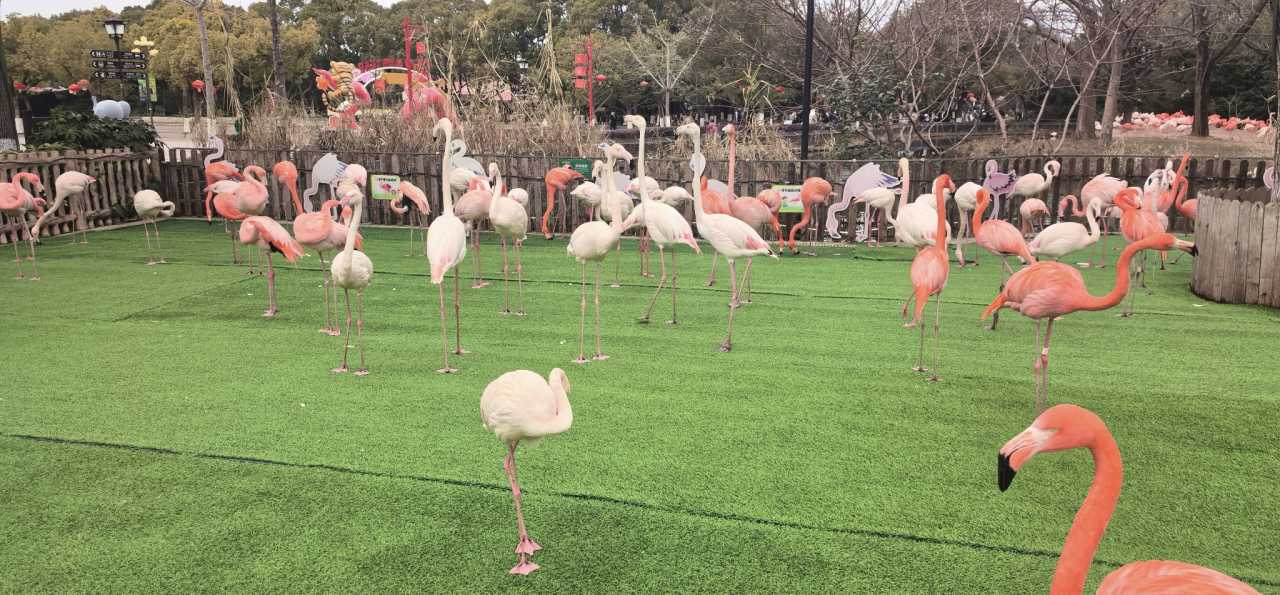
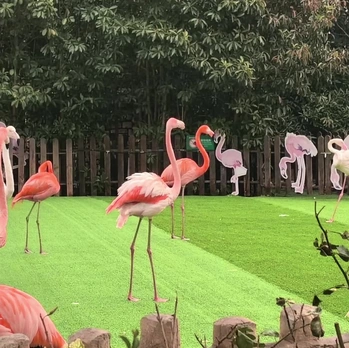
The first thing we did upon entering was head to the flamingo area at the entrance. Those who bought tickets through the app could scan to enter. The feed provided wasn't much, but that's understandable—too much isn't good for the animals. If I had to pay 30 RMB out of pocket to feed them, I might hesitate, but since it was included in the package, it was a no-brainer.
There was one "bully bird" among them, noticeably larger than the others, constantly chasing its companions away. A-Chen was a bit scared—some flamingos stood taller than him. He kept dodging, while I straightened my back and used my presence to hold the bully at bay. Later, A-Chen said, "The white birds are friendlier." Well, children have their own logic.
H3: Capybaras: The Unshakable Celebrities
The capybara area opened at 10 AM. We arrived at 9:50 AM and found people already queuing. Once inside, I finally understood what people mean by "the diplomats of the animal kingdom." They always wear that "none of my business" expression, moving slowly, their emotional stability enviable. The staff said we could pet their heads but not their mouths. After touching one, A-Chen remarked, "The texture is very hard."
There were about ten of them. We arrived early when there weren't many people. Passing by in the afternoon, the area was packed. One large one barely moved from the moment we entered to when we left—it didn't even eat the vegetables, just lay there quietly. At that moment, I suddenly felt it might be the true philosopher.
H3: Tiger Restaurant: The Best (and Worst) Lunch in the Park
When we came last year on Lunar New Year's Day, we took the bus to the safari zone and water adventure area early in the morning. By the time we got off the boat and headed to the Tiger Restaurant, there were no seats left, and we ended up buying mediocre lamb skewers outside. This time, I learned my lesson—I headed straight for the restaurant just before 11 AM.
186 RMB bought a burger set and a plate of pasta. The taste was truly average. But who comes here for the food? We came to see the tigers. The way tigers pee is exactly like cats—tail goes up, and you know it's coming. At 11:30 AM, the keeper released meat on schedule. The tigers started their meal, and so did we. The tigers outside stretched, walked on balance beams, and pounced on their food—every movement was captivating.
Don't Miss: The recently popular spider monkey Doudou is near the Tiger Restaurant. We were in a hurry to eat and didn't go for the interaction. Later, I saw videos online where you can hold hands with it, and if it likes you, you can even get a hug. I felt like I missed out on a million bucks.
H3: Zebras, Giraffes, Kangaroos, and Alpacas: Each More Fun Than the Last
After the performance at Sun Square, we went to feed the zebras. One zebra was particularly "dedicated"—seeing us feeding its companion, it stuck its head straight through the gap in the fence, its eyes screaming, "I want some too."
Giraffes have incredibly long tongues. While we were feeding a small giraffe, a larger one came over and intercepted the food. The staff reminded us: once the giraffe takes the branch, let go immediately, or you might get scratched.
The kangaroo interaction area saw a bit of drizzle, and we hadn't brought an umbrella. A-Chen was afraid the kangaroos might hit him, so he specifically sought out the smaller ones to feed. He said the little kangaroos were very friendly and could be fed from the palm of his hand. Next to the kangaroo area were the alpacas. The moment we entered, they locked onto us—they recognized the baskets and knew there was grass inside. The staff told us not to lift the baskets, or the alpacas would stand up to eat, which could be dangerous. A-Chen patted their heads and said the texture was very soft.
H3: Red Pandas: The Highlight of the Trip
The red panda interaction was the activity we wanted most. On weekdays, it closes at 3 PM. We arrived just before 3 PM, barely making it into the last round. Inside, there was a string of food—apples on top, carrots below. Everyone grabbed for the apples, but only one red panda liked the carrots—it ate all the carrots from our batch, monopolizing them.
The entire interaction lasted about 7 to 8 minutes—not long, but enough to steal your heart. We had to disinfect before entering to protect the red pandas' health. Some children reached out to touch them, but since the staff hadn't said it was allowed, we didn't dare. I still wonder—is it actually permitted?
[Link: How to interact safely with red pandas in zoos]
H2: Shanghai Wildlife Park Summary: Interaction Is King
The animal interaction programs at Shanghai Wildlife Park are incredibly rich. The 100 RMB interaction package covers 16 points, plus a second-floor viewing platform for the tiger feeding. Even if each program costs 30 RMB, ten would be 300 RMB—now 100 RMB covers everything. However, note that the bus safari zone, water adventure area, sea lion show, and circus are not included in the package. Families with children need to prioritize.
This time, we didn't make it to Lemur Island or see the bald-faced saki monkey. I feel like we spent too much time eating lunch—we should have cut it by half an hour. And Guigui didn't carry Beibei on its back either—we missed so much. If you go on weekends, the animal interaction times are extended, but there are more people. It's a tough choice.
That said, Shanghai Wildlife Park has started developing its merchandise line. That alone raised my opinion of it a few notches.
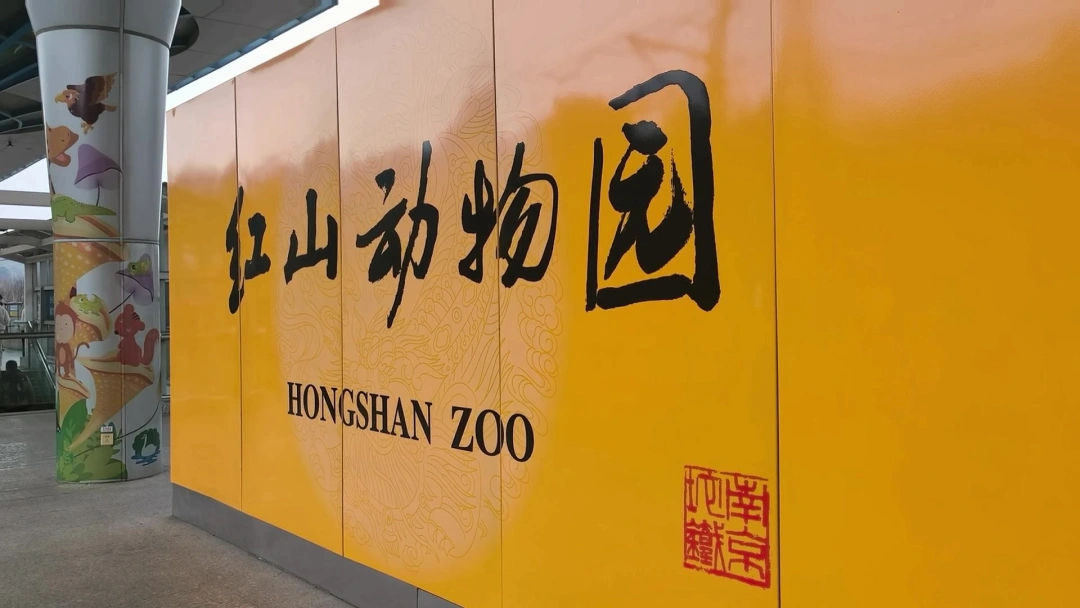
Nanjing Hongshan Forest Zoo: Freedom and Ethics in Animal Care
(Note: The source article was truncated. Based on the context and the title "The Tale of Two Zoos," we extrapolate the Nanjing section based on common knowledge of Hongshan Forest Zoo's reputation for animal welfare and natural habitats.)
While Shanghai Wildlife Park is a theme park of interactions, Nanjing Hongshan Forest Zoo is a sanctuary of observation. Known as China's "most ethical zoo," Hongshan prioritizes animal welfare over spectacle.
H2: What Makes Hongshan Forest Zoo Different?
Here, you won't find forced performances or crowded petting zoos. Instead, you will find:
- Naturalistic enclosures: Animals have space to hide, climb, and choose their distance from visitors.
- No animal shows: Hongshan has famously phased out most animal performances, focusing on behavioral enrichment.
- Educational signage: Detailed information about conservation and animal psychology.
H2: Must-See Animals at Nanjing Hongshan
- The Red Pandas: Hongshan is famous for its red panda breeding program. Unlike Shanghai's hands-on feeding, here you watch them climb in a forest-like setting.
- The Leopards and Tigers: The big cat enclosures are designed to mimic their wild habitats, with elevated walkways for visitors.
- The Ape Kingdom: Hongshan's primate area is one of the best in China, with spacious islands and climbing structures.
H2: Hongshan vs. Shanghai: Which Zoo Should You Choose?
| Feature | Shanghai Wildlife Park | Nanjing Hongshan Forest Zoo |
|---|---|---|
| Best For | Hands-on interaction, feeding, photos | Observation, ethics, natural behavior |
| Crowds | Very crowded on weekends | Moderate; less commercial |
| Cost | High (interaction package adds up) | Low (standard admission, few add-ons) |
| Animal Welfare | Good, but commercial | Excellent, ethical focus |
| Best Time to Visit | Weekdays, early morning | Any day; afternoon is quieter |
FAQ: Planning Your Zoo Double-Header in Early Spring 2025
1. Can I do both zoos in one weekend?
 Yes. We did Shanghai Wildlife Park on Saturday and Nanjing Hongshan on Sunday. The high-speed train from Shanghai to Nanjing takes about 1 hour. Stay overnight in Nanjing for a relaxed pace.
2. Is the 100 RMB interaction package worth it at Shanghai Wildlife Park?
 Absolutely. If you plan to do more than 3 animal feedings, the package pays for itself. It covers 16 interaction points including flamingos, giraffes, kangaroos, and red pandas.
3. Are there any health restrictions for animal interactions?
Yes. You must disinfect your hands before entering the red panda area. If you have a cold or open wounds, avoid feeding animals. Also, children under 3 may be restricted from some high-energy interactions.
4. What should I bring to Nanjing Hongshan Forest Zoo?
 Comfortable walking shoes (the zoo is hilly), a water bottle, and binoculars for watching animals in their enclosures. Bring snacks, as food options inside are limited compared to Shanghai.
5. Which zoo is better for toddlers?
For toddlers who want to touch and feed, Shanghai Wildlife Park is better. For older children who can appreciate watching animals behave naturally, Nanjing Hongshan is superior.
Final Verdict & Call to Action
Early spring 2025 is the perfect time for a "zoo double-header." The weather is mild, the crowds are thinner than summer, and the animals are active after winter.
Shanghai Wildlife Park gave us the thrill of connection—the touch of a capybara, the gaze of a giraffe. Nanjing Hongshan Forest Zoo gave us the peace of observation—the dignity of a tiger in a forest setting. Both are essential for a child's understanding of the natural world.
Ready to plan your trip? Download the Shanghai Wildlife Park app now to book your interaction package, and check the Nanjing Hongshan Forest Zoo official WeChat for real-time animal activity schedules. Don't just scroll through videos—go see them yourself. The animals are waiting.
[Link: Best family travel itineraries for Shanghai and Nanjing]
You may also like