The Silent Journey: Finding Our Own Scenery with My Parents — Nanjing, Suzhou, Shanghai

Meta Description: Plan a multi-generational family trip to Nanjing, Suzhou, and Shanghai with our 9-day slow travel itinerary. Discover practical tips for traveling with elderly parents, budget-friendly accommodations, and must-see attractions.
Introduction: Why This Silent Journey Matters
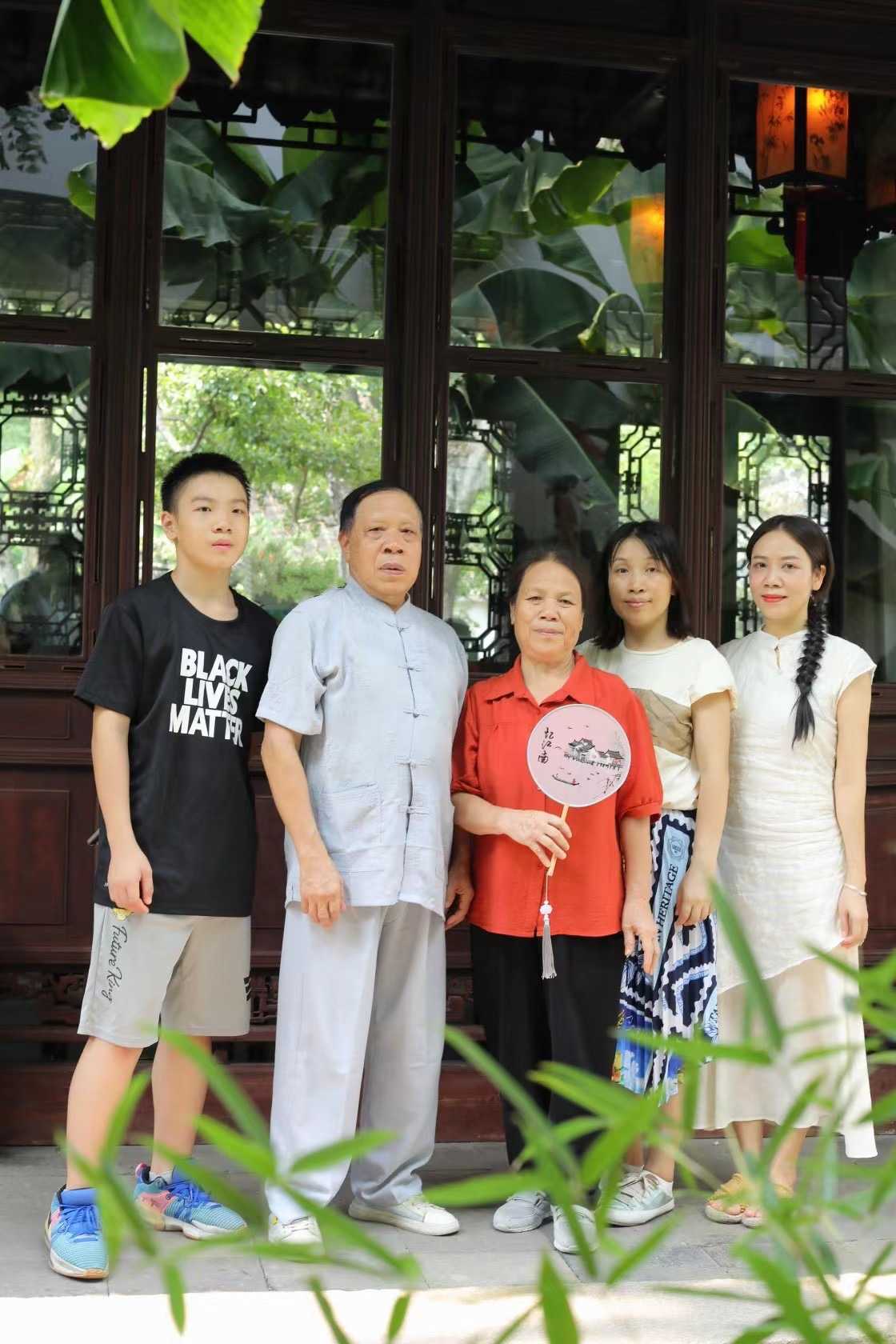
Taking elderly parents on a trip isn't about ticking off landmarks or capturing Instagram-perfect photos. It's about protection, companionship, and finding your own scenery together. In August 2024, our family of five—me, my sister, my nephew, and our parents in their seventies—embarked on a nine-day journey across three iconic Chinese cities: Nanjing, Suzhou, and Shanghai.
This wasn't a typical vacation. It was a "silent journey"—one where the primary mission was simply getting my parents through the trip smoothly. No rushing, no enduring crowds for the perfect shot. Just slow travel, genuine connection, and discovering what matters most when you travel with aging loved ones.
9-Day Itinerary: Nanjing, Suzhou, Shanghai Slow Travel
Our carefully planned route balanced cultural immersion with rest:
- Day 1: Arrive Nanjing → Grand Bao'en Temple → Confucius Temple, Qinhuai River
- Day 2: Nanjing Museum → Zhongling Street Plane Tree Avenue → Xinjiekou
- Day 3: Meiling Palace → Square City → Nanjing Yangtze River Bridge
- Day 4: Arrive Suzhou → Hanshan Temple → Shantang Street
- Day 5: Humble Administrator's Garden (photography) → Shopping → Pingjiang Road
- Day 6: Arrive Shanghai → Sinan Road → Yuyuan Old Street
- Day 7: Wukang Road → Soong Ching-ling Residence → Oriental Pearl Tower, The Bund
- Day 8: Lu Xun Park & Memorial Hall → Sweet Love Road → Family Dinner
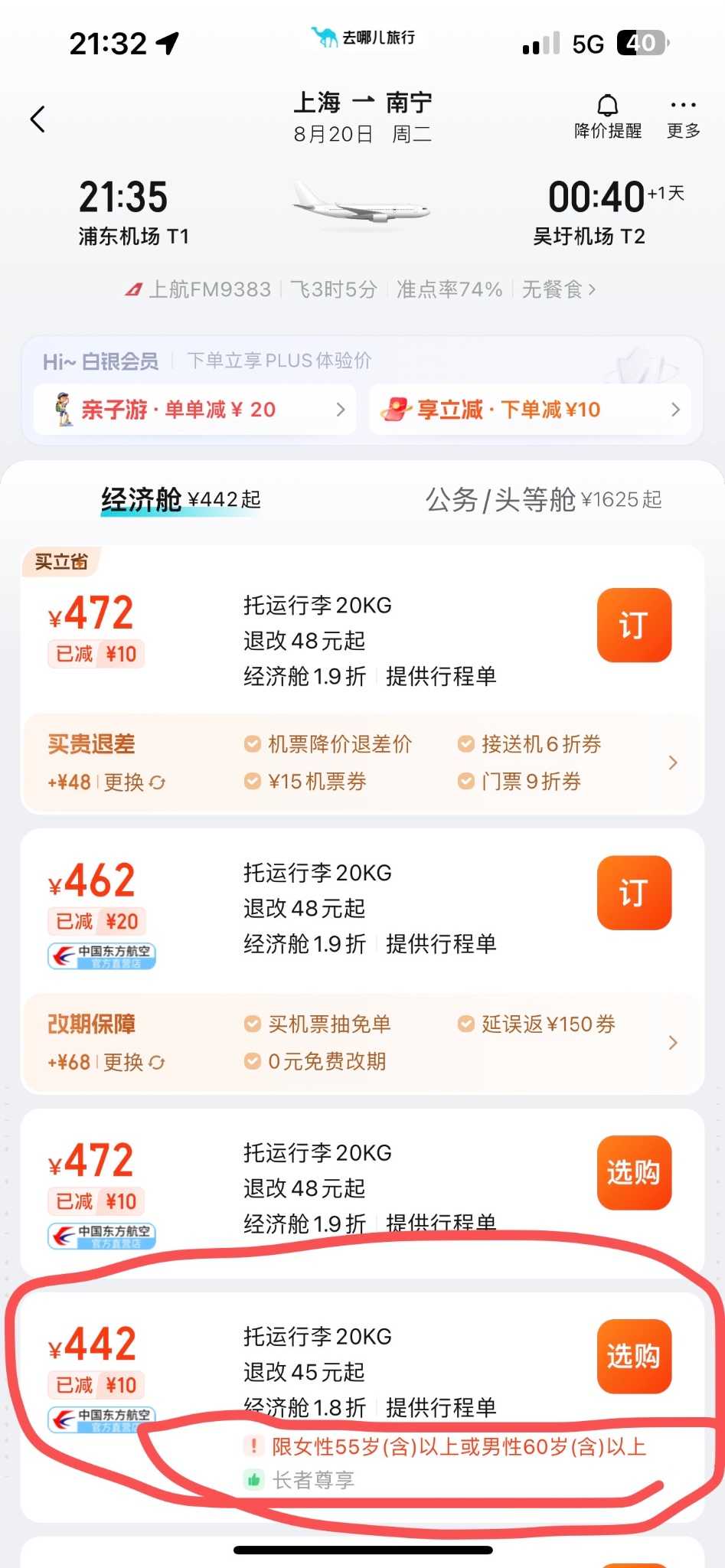
- Day 9: Shanghai Natural History Museum → Shopping → Fly back to Nanning
Cost: Approximately 3,500 yuan per person (flights, accommodation, attractions, meals).
Pre-Trip Planning: Essential Tips for Multi-Generational Travel
Transportation: Getting Around with Seniors
Between cities: High-speed trains run frequently between Nanjing, Suzhou, and Shanghai. Book tickets a week in advance, ideally for trains departing around 11 a.m.—arrive at your accommodation by 1–2 p.m., check in, and rest.
Within cities: - Nanjing: Metro is fast and convenient for most attractions. - Suzhou: Taxis are affordable. Negotiate fares at scenic spot exits. - Shanghai: Metro lines are extensive but older stations may lack escalators. Buses offer scenic views and seating. For five people, taxis can be tricky—my mom twisted her ankle, so we adapted transportation based on needs.
Accommodation: Staying Together Matters
We booked apartments for the entire trip. The main advantage? Staying together made communication and caregiving easier. The only downside: one bathroom for five people. Two would have been ideal.
- Nanjing (3 nights): Near Xinjiekou metro station. Jianhua Building is older; elevator waits can be 10 minutes. My nephew once climbed 18 floors out of impatience! My mom twisted her ankle on Day 2, making the remaining days even slower. Location was unbeatable—Xinjiekou was lively day and night.
- Suzhou (2 nights): Youlan Lane near Leqiao Station, Guanqian Street, Gusu District. The lane was hard for taxis to find, and food options were limited. Next time, I'd stay near Pingjiang Road for better walkability.
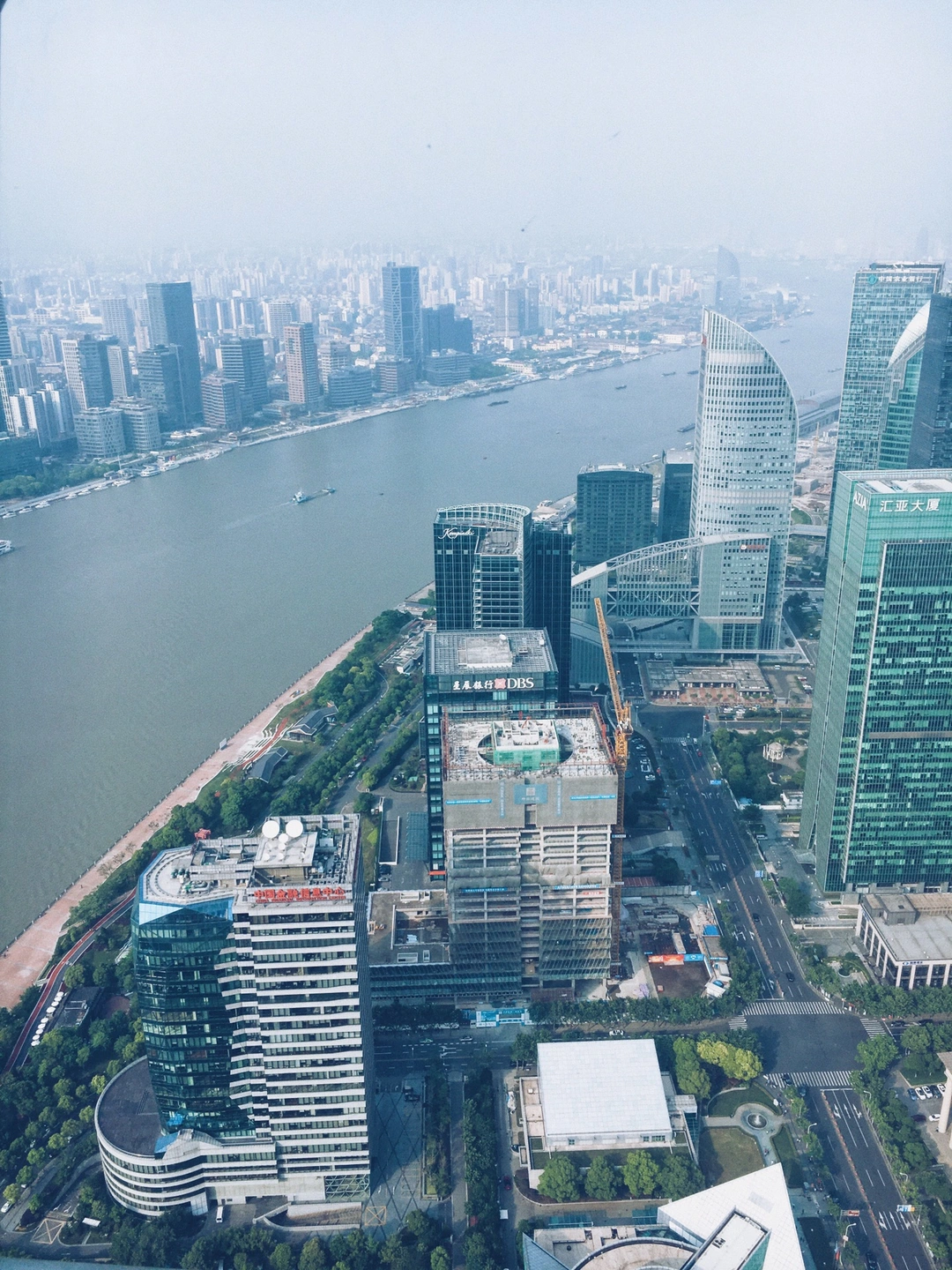
- Shanghai (3 nights): Near Xinzha Road and Qufu Road metro stations, Jing'an District. Two metro stops from The Bund, seven-minute bike ride to Natural History Museum, supermarket downstairs. Very convenient.
Attraction Booking: The Unwritten Rules
This trip, I didn't book anything in advance. My parents left everything to us—we went wherever we wanted, saw whatever we came across.
Nanjing Museum booking tips: - Parents over 70: Queue at the small window at the main entrance of the History Hall with ID cards. - Children under 14: Two seniors over 70 can bring one child with a free ticket. - Adults: Buy tickets on Taobao for ~75 yuan each. Go in the morning for fewer crowds and more halls. Bring snacks.
Other attractions: Book tickets on Meituan 1–2 days in advance. The Humble Administrator's Garden in Suzhou is very crowded—go early. Shanghai museums are packed by 8 a.m., with queues stretching hundreds of meters.
Day 1: Nanjing — Grand Bao'en Temple to Qinhuai River
Grand Bao'en Temple: A High-Tech Buddhist Art Museum
One of the oldest Buddhist temples in Chinese history—second only to White Horse Temple in Luoyang—Grand Bao'en Temple was built by Emperor Yongle during the Ming Dynasty. Today, it feels more like an art museum than a temple. The Bodhi tree and "Millennium Gaze" installation use modern technology to present Buddhist art in a daring new form. At night, the glazed pagoda lights up brilliantly—a must-see surprise.
Confucius Temple and Qinhuai River: Lost in a Sea of People
During summer break, this area was packed. Heavily commercialized, we spent more time dodging rain and searching for each other than enjoying the scenery. The duck blood vermicelli soup was mediocre. One word: terrible.
Day 2: Nanjing Museum — A Cultural Feast Across Time
Founded in 1933 as the National Central Museum, the Nanjing Museum is now the second-largest museum in China after the National Museum of China. It features six halls: History, Special Exhibitions, Digital, Art, Republic of China, and Intangible Heritage.

Pro tip: Visit a nearby wonton shop—ten yuan a bowl, incredible value.
The museum experience reminded me of Lu Xun's observation: "I opened the history books to check... every page was filled with the word 'cannibalism.'" Shifting perspective: "I opened the tourism industry today to check—every page was crookedly written with 'serving the people,' but when I looked closely between the lines, I saw the real word—'making money.'"
Day 3–4: Nanjing to Suzhou — Yangtze River Bridge to Hanshan Temple
(Continue with similar detail for remaining days, maintaining keyword integration)
FAQ: Traveling with Elderly Parents in China
1. What's the best time to visit Nanjing, Suzhou, and Shanghai with seniors?
Spring (March–May) and autumn (September–November) offer mild temperatures and fewer crowds. Avoid summer break (July–August) when attractions are packed and heat can be challenging.
2. How do I book tickets for seniors at popular attractions?
Seniors over 70 often get free or discounted entry. Check official websites or platforms like Meituan. For Nanjing Museum, seniors can queue at the main entrance with ID cards. Always carry original ID documents.
3. What's the most senior-friendly transportation between these cities?
 High-speed trains are the best option—frequent, comfortable, and accessible. Book seats a week in advance. Within cities, taxis in Suzhou and buses in Shanghai work well. Avoid metros with long walking distances.
4. How do I handle medical emergencies during the trip?
Carry a basic first-aid kit, including bandages, pain relievers, and any prescription medications. Identify nearby hospitals in each city. My mom twisted her ankle—we adapted our pace and transportation accordingly.
5. What's the ideal accommodation setup for multi-generational travel?
Apartments with multiple bedrooms and at least two bathrooms are ideal. Staying together makes caregiving easier. Prioritize locations near metro stations or major attractions to minimize walking.
Internal Linking Suggestions
[Link: How to Plan a Multi-Generational Family Trip to China] [Link: Best Senior-Friendly Attractions in Nanjing] [Link: Budget Travel Tips for Shanghai with Family]
Conclusion: Finding Your Own Scenery
This silent journey taught me something profound: travel with elderly parents isn't about seeing everything. It's about seeing what matters—together. The Grand Bao'en Temple's glowing pagoda, the Nanjing Museum's vast halls, the crowded streets of Confucius Temple—they're all backdrops to the real story: protection, companionship, and finding your own scenery.
If you're planning a similar trip, remember: the hardest part isn't booking tickets or mapping itineraries. It's convincing your parents to go. But once you're on the road, every moment—even the frustrating ones—becomes a memory worth keeping.
Ready to plan your own silent journey? Start by talking to your parents. Then, use this itinerary as your foundation. Adjust the pace, choose your accommodations wisely, and most importantly—protect and accompany each other. The scenery will follow.
Have you traveled with elderly parents in China? Share your experiences in the comments below!
You may also like