The Fierce Spirit of Chu: Exploring the 2,000-Year Legacy of the Chu Kingdom in Jianghuai
Meta Description: Discover the Chu Kingdom's 2,000-year journey from Jing Mountain to Shouchun. Explore Chu culture artifacts, bronze weapons, and the final capital at Shou County in this SEO-optimized guide.
Introduction: Unearthing the Chu Kingdom in Modern China
When most people think of ancient Chinese kingdoms, the Chu Kingdom often fades into the shadows of the Qin and Han dynasties. Yet this southern power—known as Jing, Jingchu, or Chuman—ruled for over 800 years, spanning territories from modern-day Hunan to Shanghai. During a recent visit to the Minhang Museum in Shanghai, I discovered that Chu's final capital was not in Hubei or Hunan, but in present-day Shou County, Anhui—a fact that reshaped my understanding of this forgotten dynasty.
This article takes you on a 2,000-year journey through the Jianghuai region, exploring Chu's rise, its cultural artifacts, and the fierce spirit that made it one of the "Five Hegemons of the Spring and Autumn Period."
What Was the Chu Kingdom? A Brief Overview
The Chu Kingdom (also called Jingchu) emerged during the Western Zhou dynasty when its ancestor, Xiong Yi, received a fief from King Cheng. Over eight centuries, it grew from a tiny state of barely 100 li (about 50 kilometers) into a vast empire spanning parts of modern-day Hunan, Hubei, Henan, Anhui, Jiangsu, Zhejiang, Shandong, Jiangxi, Chongqing, and Sichuan.
Chu was historically renowned as one of the "Five Hegemons of the Spring and Autumn Period" and one of the "Seven Warring States." Its cultural legacy—particularly its bronze artifacts, musical instruments, and weapons—remains a treasure trove for historians and archaeologists today.
The Chu Kingdom's Capital Relocations: A History of Migration
From Danyang to Shouchun: Tracing the Chu Capital Moves
One of the most fascinating aspects of Chu history is its multiple capital relocations. Unlike many ancient kingdoms that remained in one location, Chu moved its political center several times:
- Danyang (present-day Nanzhang and Baokang counties, Hubei) – Founding capital
- Ying (present-day Jiangling, Jingzhou, Hubei) – Early capital
- Ruo and Du (present-day Yicheng, Hubei)
- Chencheng (present-day Huaiyang, Henan)
- Shouchun Ying (present-day Shou County, Anhui) – Final capital
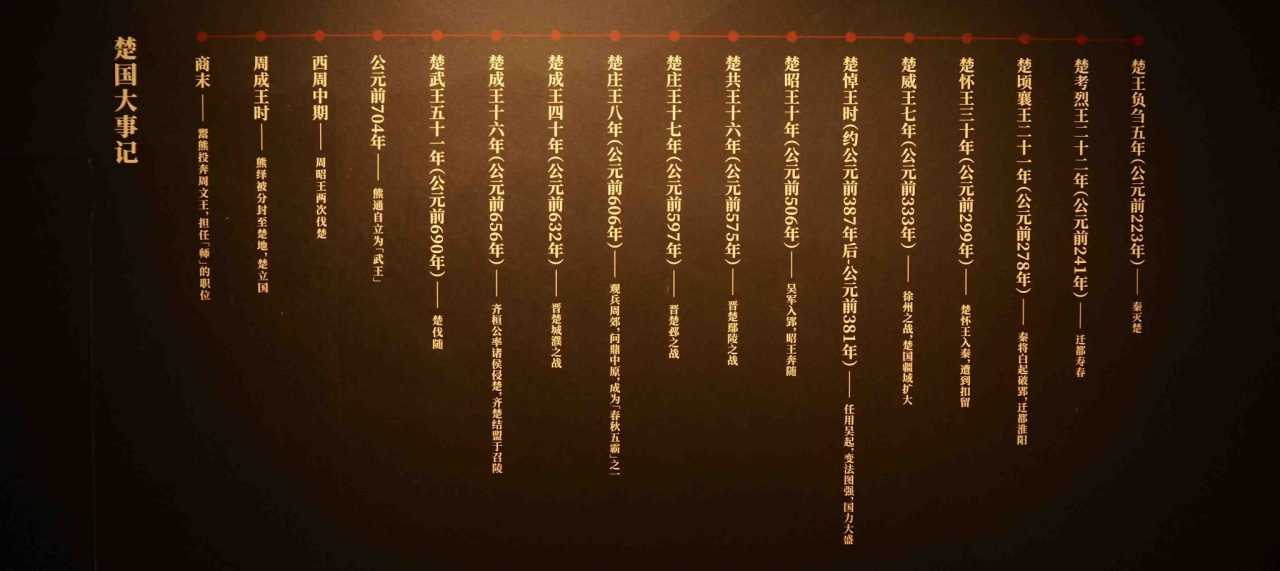
In 241 BCE, King Kaolie of Chu moved the capital eastward to Shouchun, naming it "Ying." This final capital served for only 19 years under three kings—King You, King Ai, and King Fuchu—until Chu was conquered by the Qin state in 223 BCE. Yet those 19 years condensed the essence of eight centuries of Chu culture.
Why Did Chu Move Its Capital to Jianghuai?
The Jianghuai region—the area between the Yangtze and Huai Rivers—was a strategic pivot between north and south. From the mid-Spring and Autumn period onward, Chu engaged in fierce struggles with states like Wu, Yue, and Cai in this region. By the early Warring States period, Chu had achieved unification of the Jianghuai area, making it a natural choice for the final capital.
Chu's governance of the Jianghuai region lasted over 400 years—more than half of its entire historical timeline. During this period, Chu constructed irrigation projects like Shaobei (also known as Anfengtang) in present-day Shou County, developing agriculture and laying the foundation for northward expansion.
Chu Artifacts: The Cultural Codes Within Bronze and Iron
The Wuwangdun Tomb: Newly Excavated Treasures
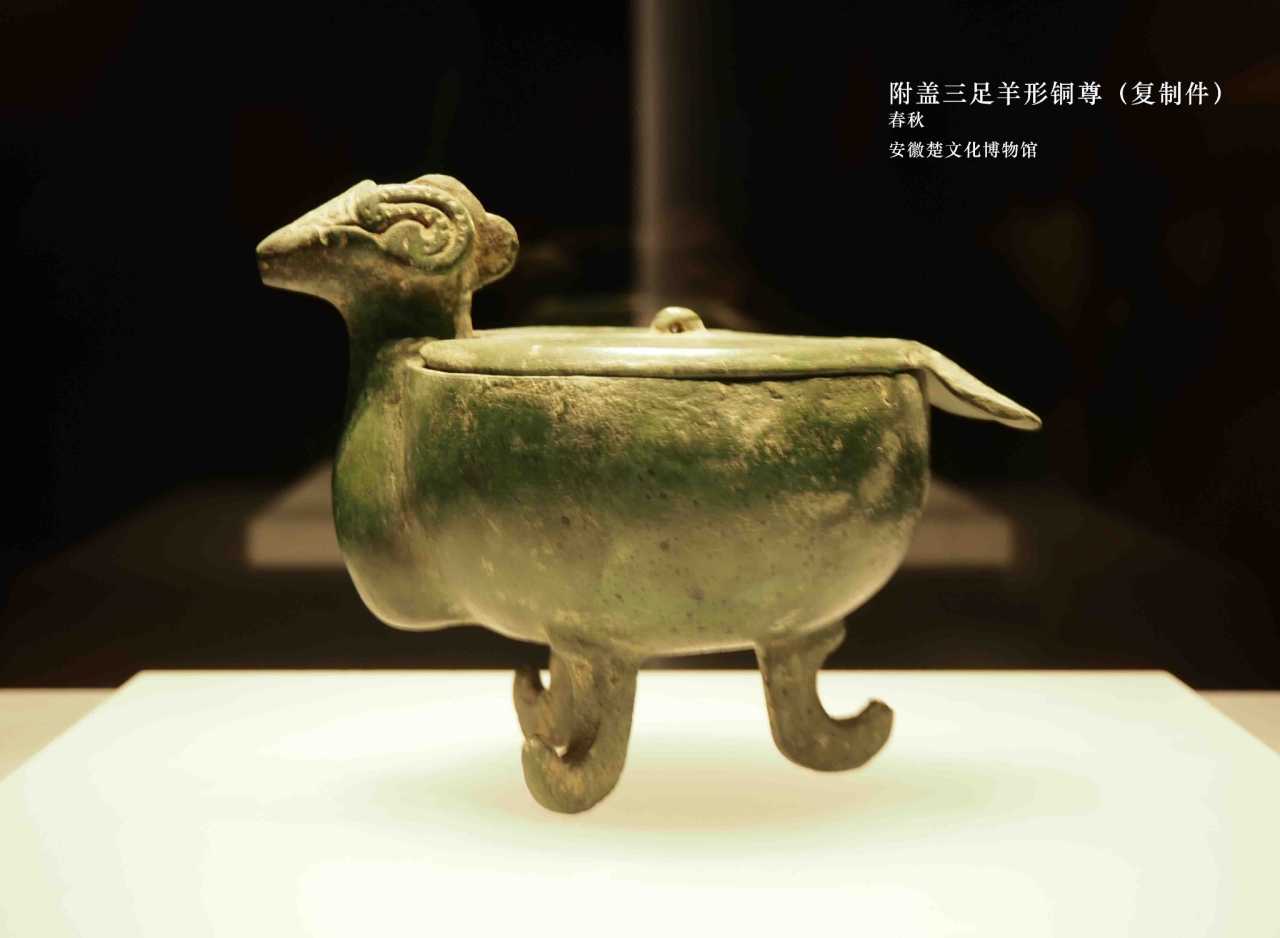
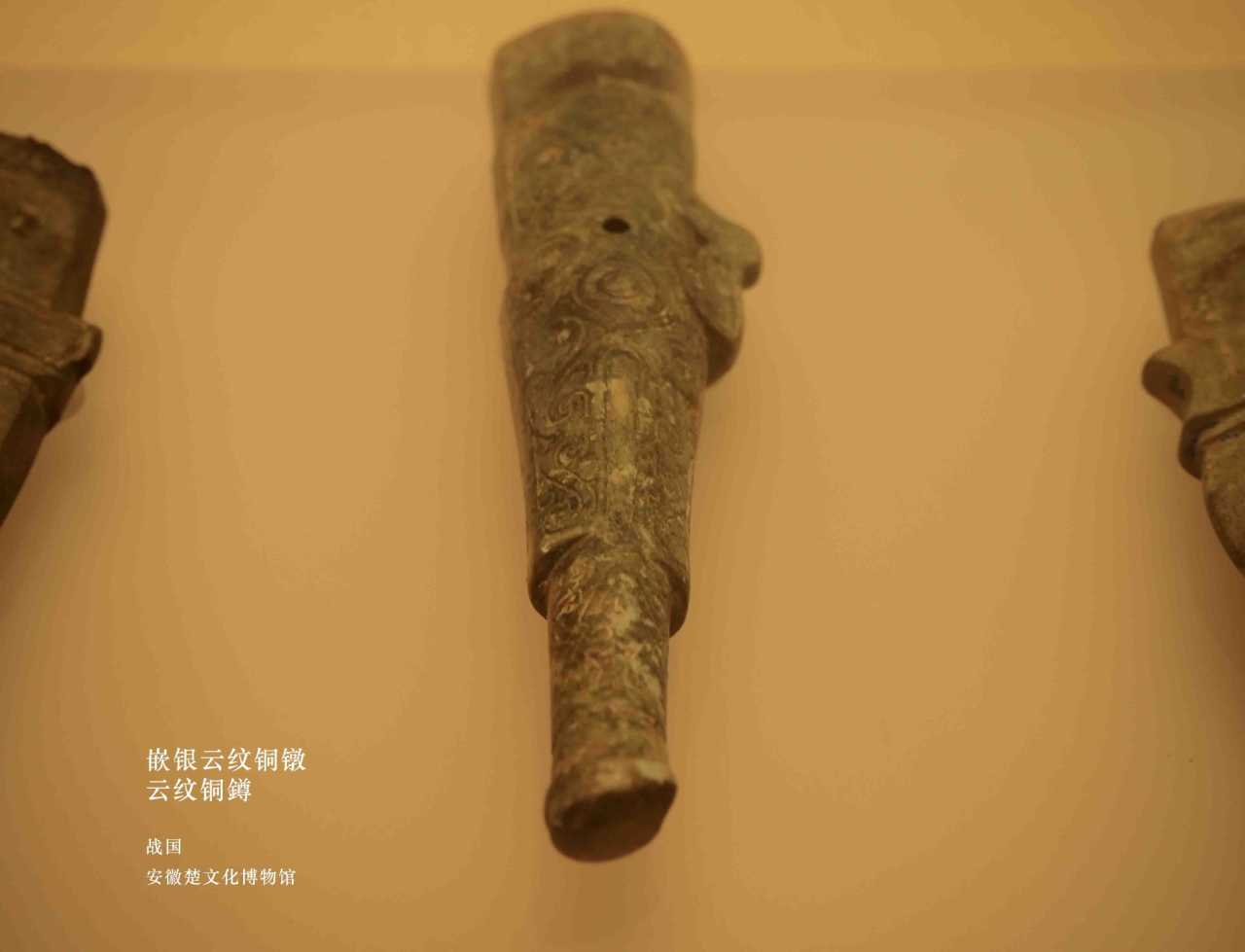
The most eye-catching pieces at the Minhang Museum's "Fierce Spirit of Chu" exhibition came from the Wuwangdun (King Wu's Mound) tomb, which had just completed archaeological excavation and was being publicly displayed for the first time. These items were primarily musical instruments, offering a rare glimpse into Chu's ritual life.
[Link: Wuwangdun tomb excavation findings]
Chu Bronze Culture: A Unique Blend of Central Plains and Southern Style
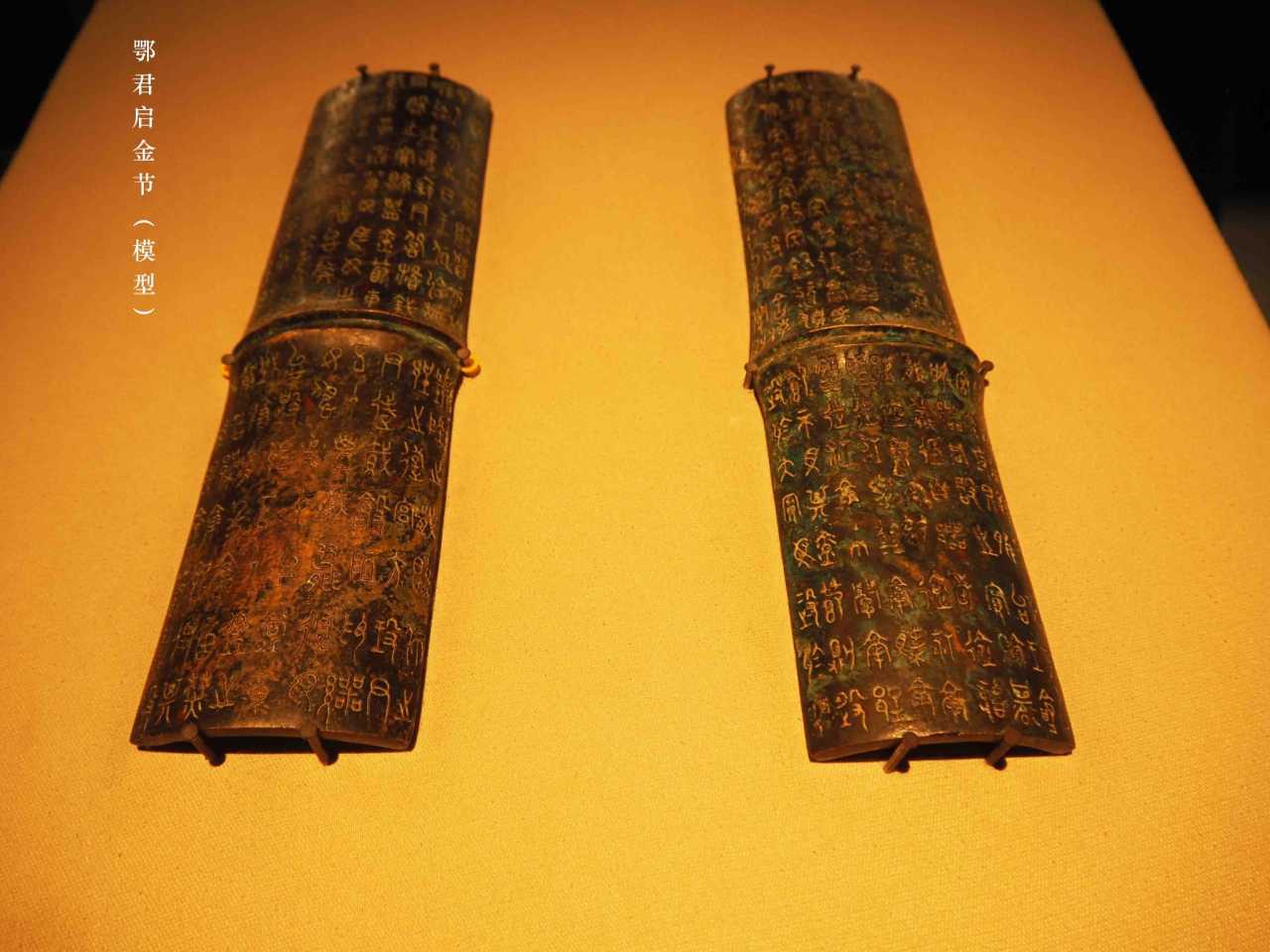
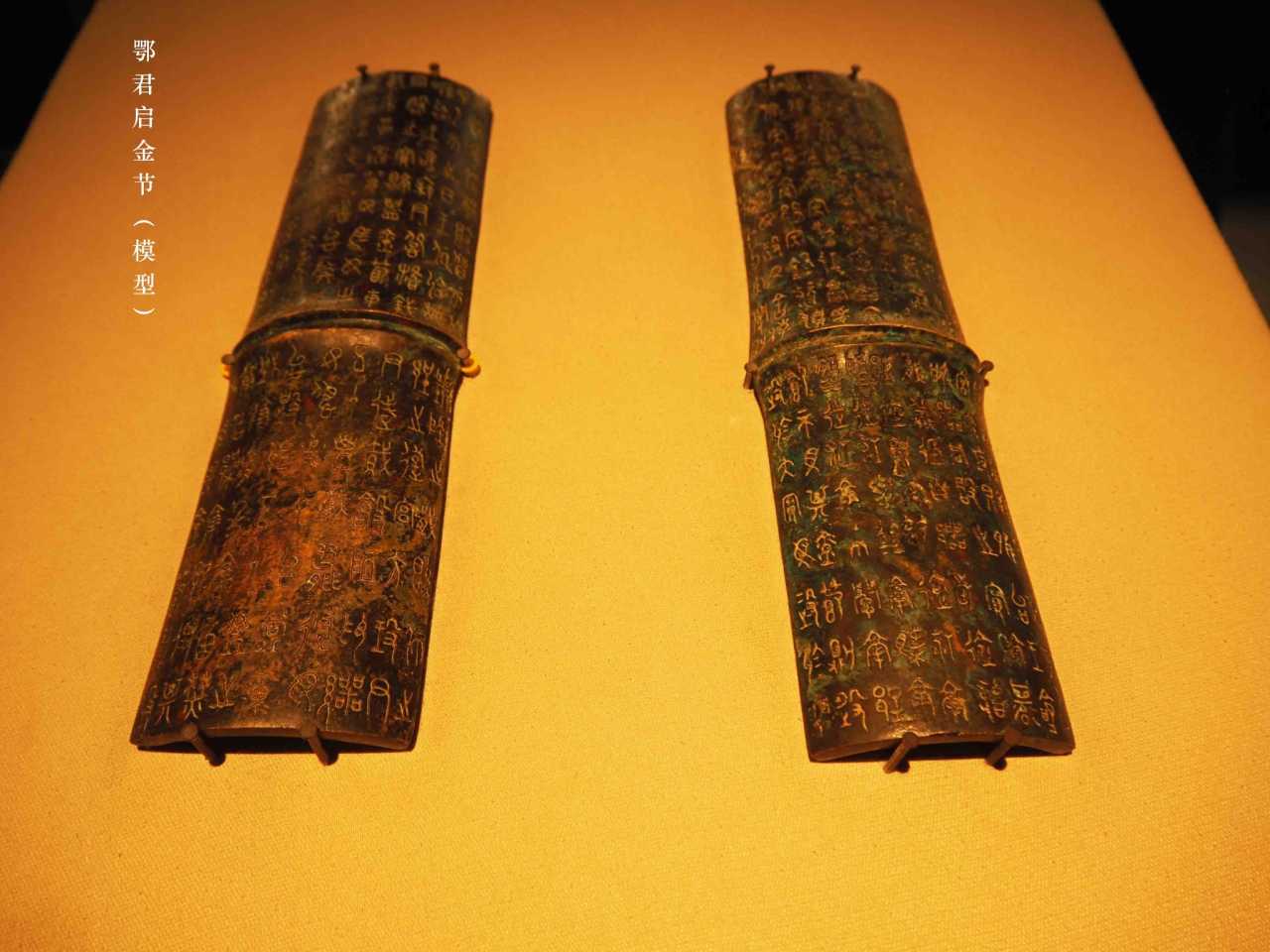
Chu's bronze culture held a pivotal position in Eastern Zhou civilization. Existing archaeological data shows that the number of bronze ritual vessels unearthed in Chu exceeds that of any other feudal state. While Chu's rites and music were inherited from the Central Plains and belonged to the same Chinese cultural system, they incorporated Chu's unique lifestyle and aesthetic tastes:
- Solemnity and elegance from the Central Plains
- Liveliness and splendor from Chu
- Romance and rationality intertwined
- Chinese and "barbarian" styles blended
This fusion created a distinctive artistic tradition that still captivates scholars and collectors today.
Chu Weapons: A Symphony of Iron and Bronze
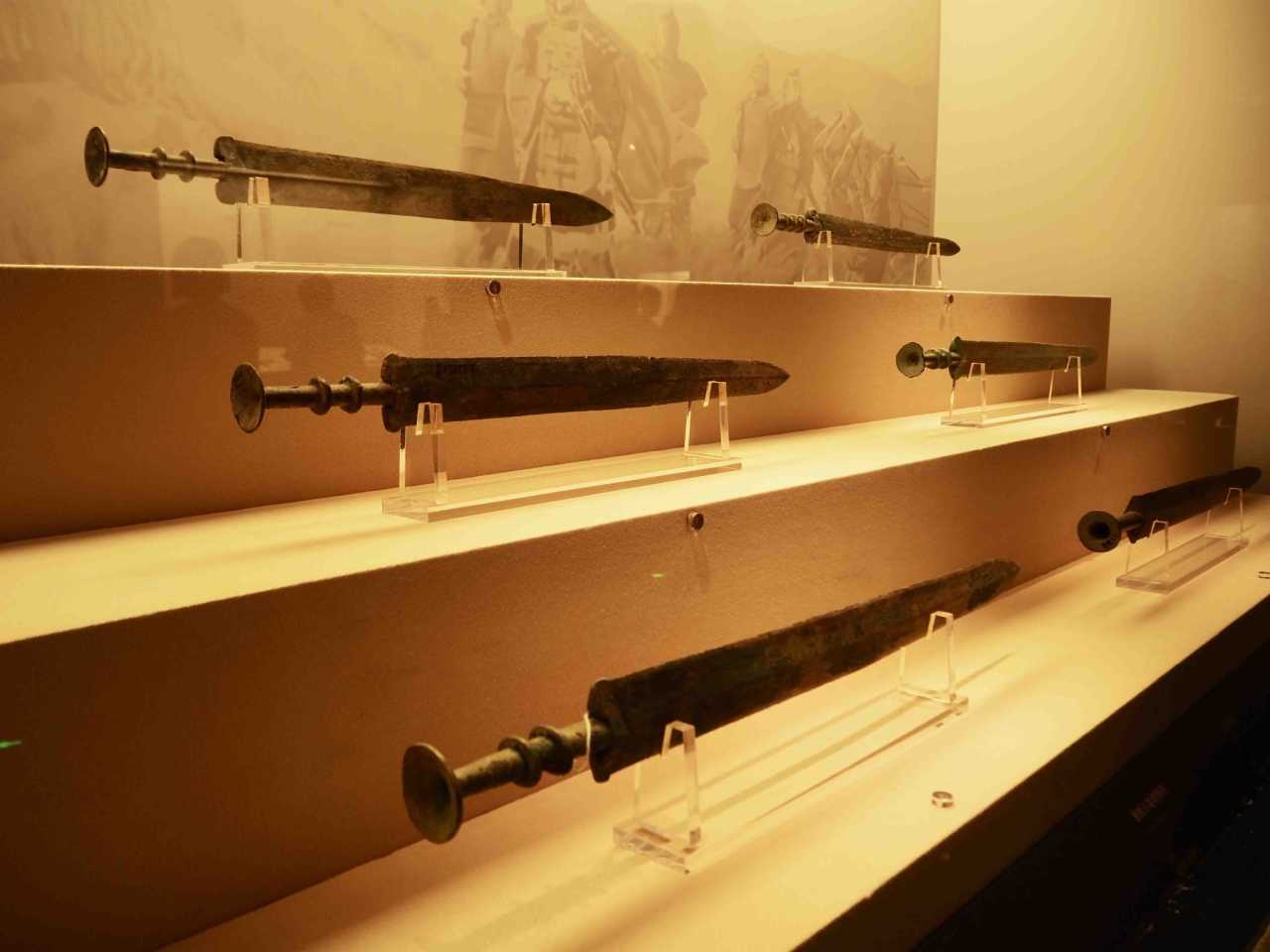
Chu produced a vast quantity and variety of weapons, including:
- Offensive weapons: Bows, arrows, dagger-axes, spears
- Defensive weapons: Armor, helmets, daggers
- Materials: Iron, bronze, wood and bamboo, leather products

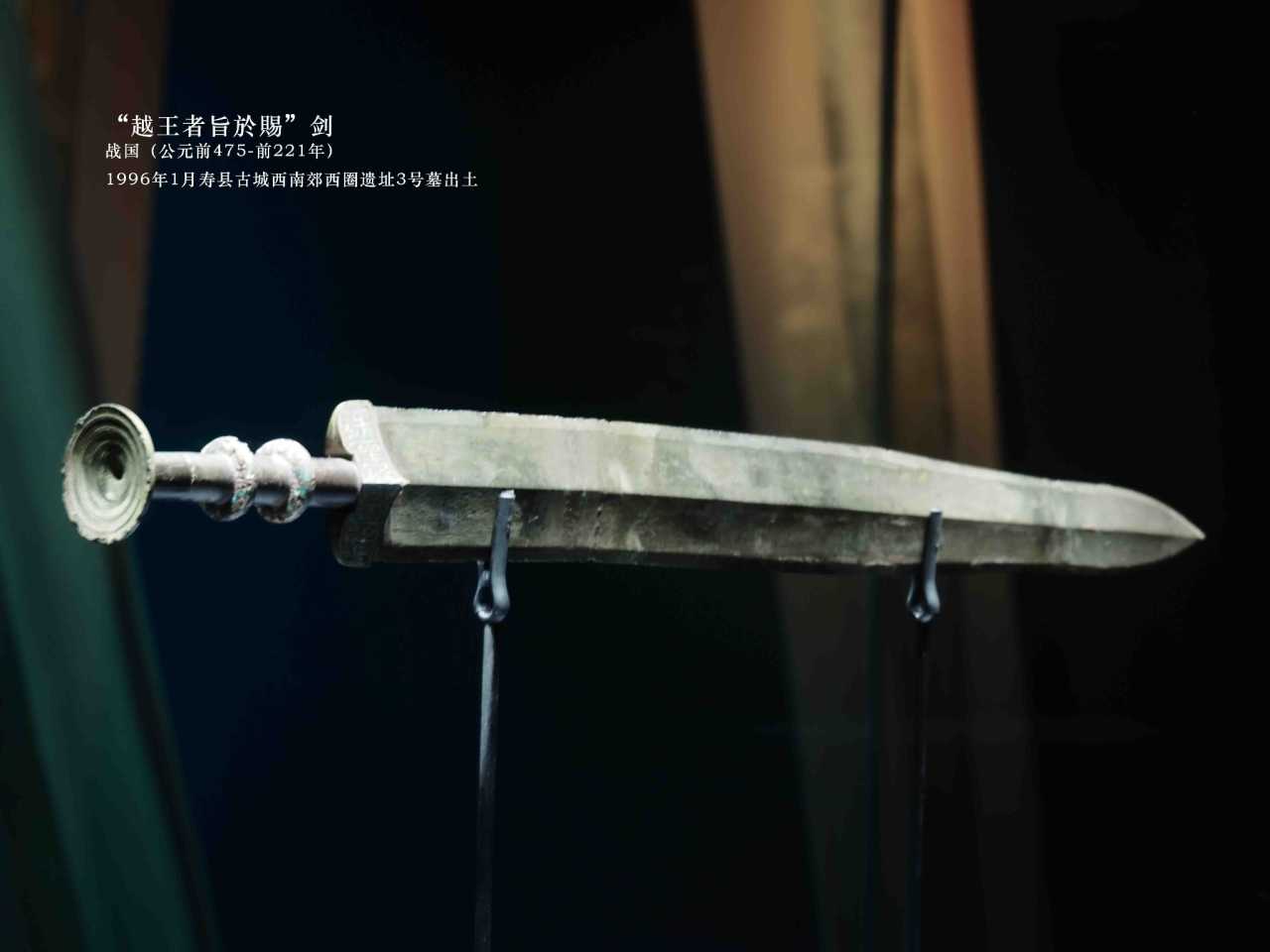
In the 1980s, archaeologists discovered a burial ground at the Xiquan cemetery in Shouchun Town, Shou County. Artifacts unearthed there included:
- A double-linked dagger-axe and halberd inscribed "For Use by Cai Hou Chan"
- A double-linked halberd inscribed "Cai Shu Xian Wu"
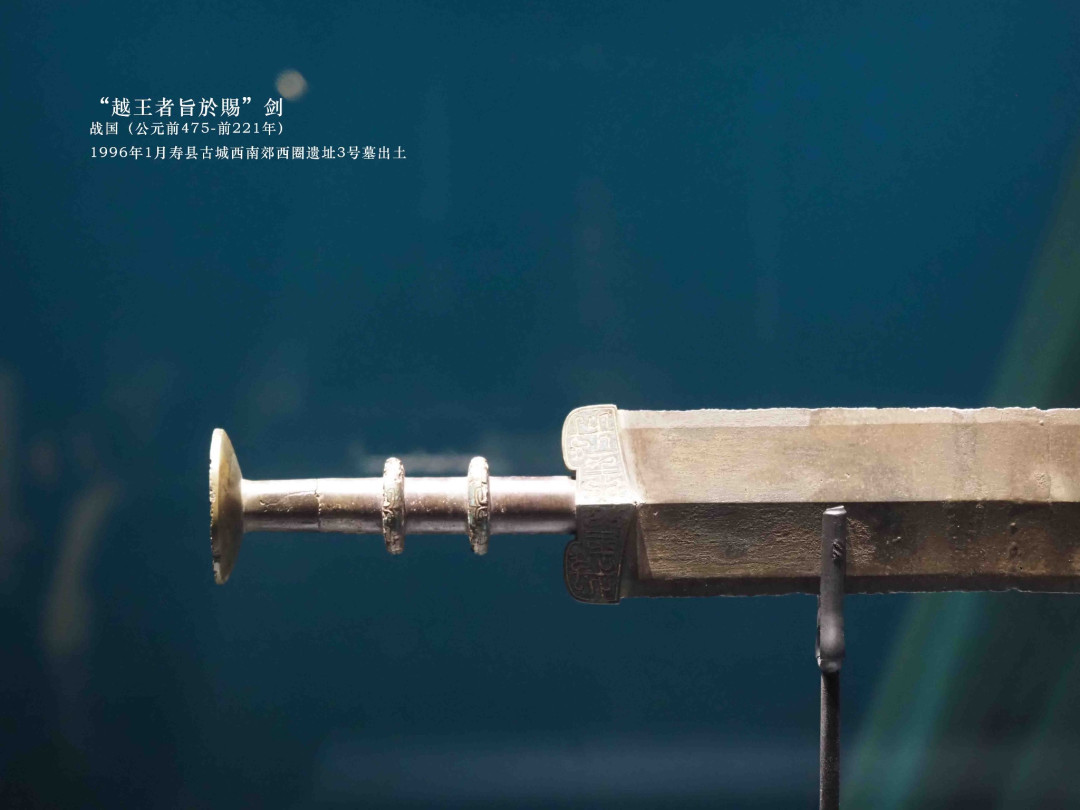
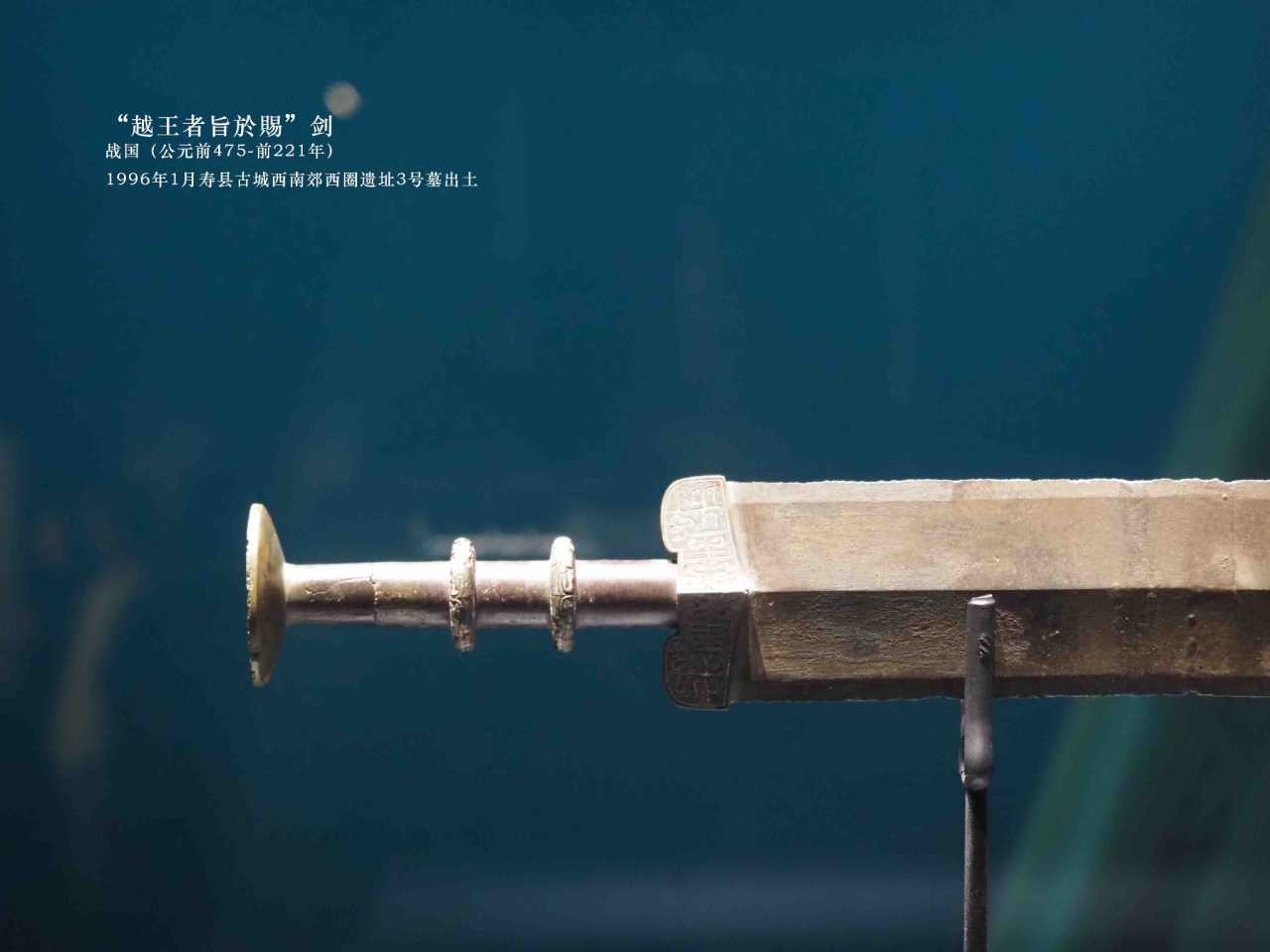
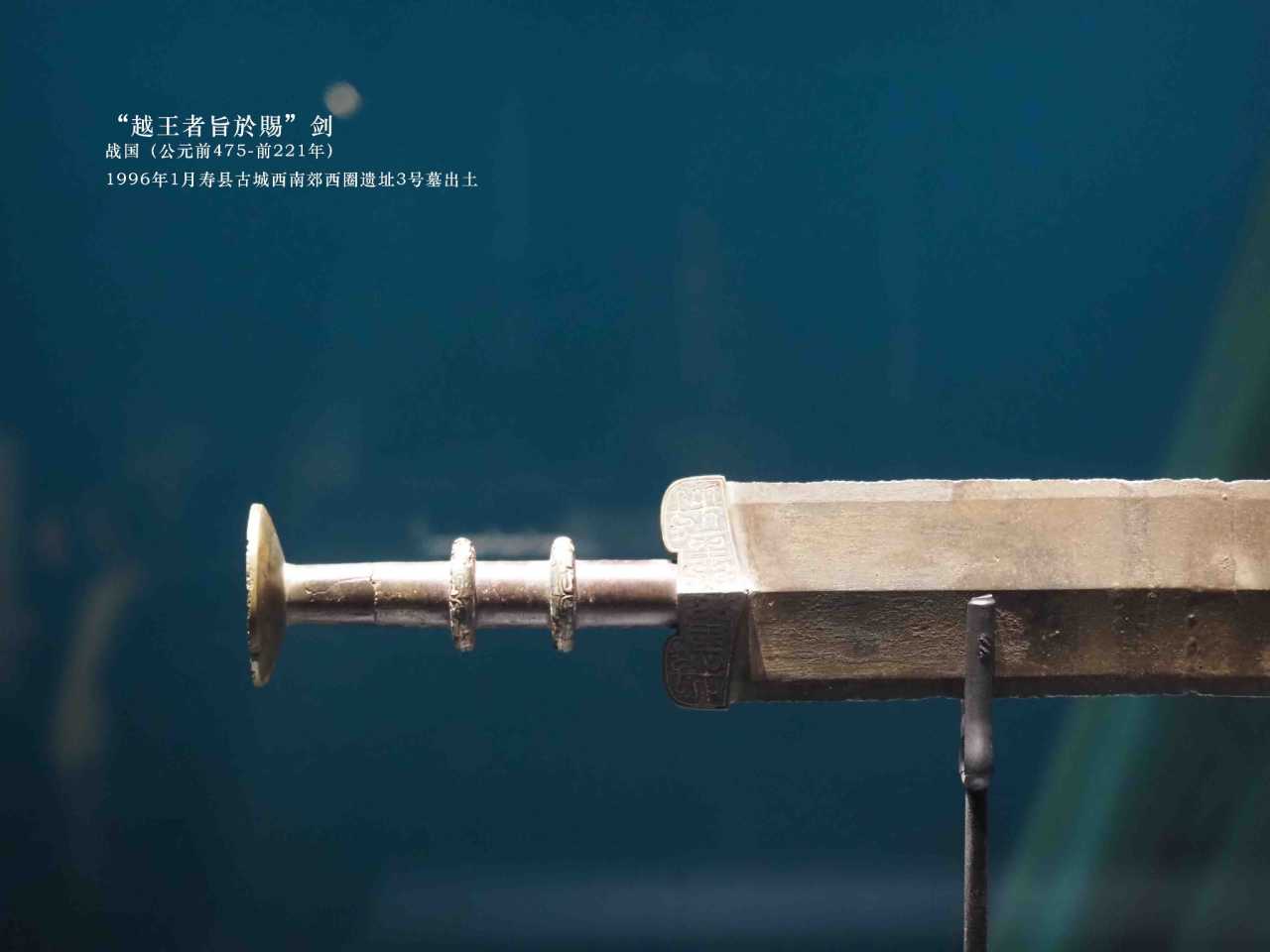
- A sword inscribed "Yuezhe Zhuyu Ci"
These national treasure-level bronze weapons demonstrate Chu's military sophistication and artistic achievement.
The Final Years: Chu's Last Stand in Shouchun
The Conquest of Cai and the Unification of Jianghuai
In the 42nd year of King Hui of Chu (447 BCE), Chu—which boasted "a million armored soldiers, a thousand chariots, and ten thousand cavalry"—finally conquered the Cai state located in the middle reaches of the Huai River. This victory achieved unification of the Jianghuai and Huaihe regions.
But this success was short-lived. In the 21st year of King Qingxiang of Chu (278 BCE), the Qin general Bai Qi launched a devastating campaign that would eventually lead to Chu's downfall.
Why Did Chu Fall to Qin?
The Qin state's military reforms under Shang Yang, combined with Chu's internal political divisions, ultimately led to its defeat. Despite its vast territory and cultural achievements, Chu could not withstand the Qin war machine. In 223 BCE, after 19 years of rule from Shouchun, Chu was conquered, ending an 800-year dynasty.
Chu Culture's Lasting Impact on Chinese Civilization
Despite its political defeat, Chu's cultural legacy endures. The romantic, ethereal quality of Chu art and literature—exemplified by Qu Yuan's poetry and the artifacts from Shouchun—continues to influence Chinese aesthetics today.
The "Fierce Spirit of Chu" exhibition at the Minhang Museum (running from June 15 to October 8, 2025) offers a rare opportunity to see these treasures firsthand. If you're interested in pre-Qin history or want to see newly unearthed artifacts from a Chu king's tomb, this exhibition is worth a dedicated trip.
[Link: Minhang Museum Chu exhibition details]
Frequently Asked Questions About the Chu Kingdom
1. Where was the Chu Kingdom's final capital?
The final capital of the Chu Kingdom was Shouchun (present-day Shou County, Anhui). King Kaolie moved the capital there in 241 BCE, and it served for 19 years until Chu's conquest by Qin in 223 BCE.
2. How long did the Chu Kingdom exist?
The Chu Kingdom existed for approximately 800 years, from the Western Zhou dynasty (when Xiong Yi received his fief) until its conquest by Qin in 223 BCE.
3. What made Chu culture unique?
Chu culture blended Central Plains solemnity with southern liveliness, creating a distinctive artistic tradition. Its bronze artifacts, musical instruments, and weapons are particularly renowned for their quality and aesthetic appeal.
4. Where can I see Chu artifacts today?
The Minhang Museum in Shanghai is currently hosting the "Fierce Spirit of Chu" exhibition (June 15 to October 8, 2025), featuring newly excavated artifacts from the Wuwangdun tomb. Other museums in Anhui and Hubei also house significant Chu collections.
5. Why is Chu called "Jingchu" or "Chuman"?
"Jingchu" refers to the Chu state's origins in the Jing Mountain area of Hubei. "Chuman" was a term used by Central Plains states to describe Chu as a "barbarian" (Man) state from the south, reflecting cultural and political tensions.
Conclusion: Experience the Fierce Spirit of Chu
The Chu Kingdom's 2,000-year journey from a tiny fief in Jing Mountain to a vast empire spanning half of China is a story of resilience, cultural fusion, and artistic brilliance. Whether you're a history buff, an archaeology enthusiast, or simply curious about China's ancient past, the Chu Kingdom offers a fascinating window into a world that shaped modern Chinese civilization.
Plan your visit to the Minhang Museum today and witness the fierce spirit of Chu for yourself. With newly excavated artifacts from the Wuwangdun tomb and a comfortable viewing experience even during peak season, this exhibition is a must-see for anyone interested in pre-Qin history.
[Link: Book tickets for Minhang Museum Chu exhibition]
Article originally inspired by a visit to the Minhang Museum. For more information on Chu culture and archaeology, explore our related guides on ancient Chinese kingdoms and Warring States history.
You may also like