The Age of Tutankhamun: Crossing Three Millennia to Encounter the Splendor of Ancient Egypt at the Shanghai Museum
Here is the SEO-optimized, rewritten article based on the source material. It includes strategic keyword placement, a FAQ section, internal linking suggestions, and a strong call to action.
The Age of Tutankhamun at the Shanghai Museum: A Complete Guide to the "Peak of the Pyramids" Exhibition
Meta Description: Experience the splendor of Ancient Egypt at the Shanghai Museum. Our guide to the "Peak of the Pyramids" exhibition covers Tutankhamun artifacts, viewing tips, and must-see highlights from the largest Egyptian exhibition in Asia.
Introduction: Why "Egypt Fever" is Still Burning in Shanghai
In early December 2024, as winter settled over Shanghai, I arrived at the Shanghai Museum expecting a quiet afternoon. The Peak of the Pyramids exhibition had been running for over five months. Surely, I thought, the crowds would have thinned. I was wrong.
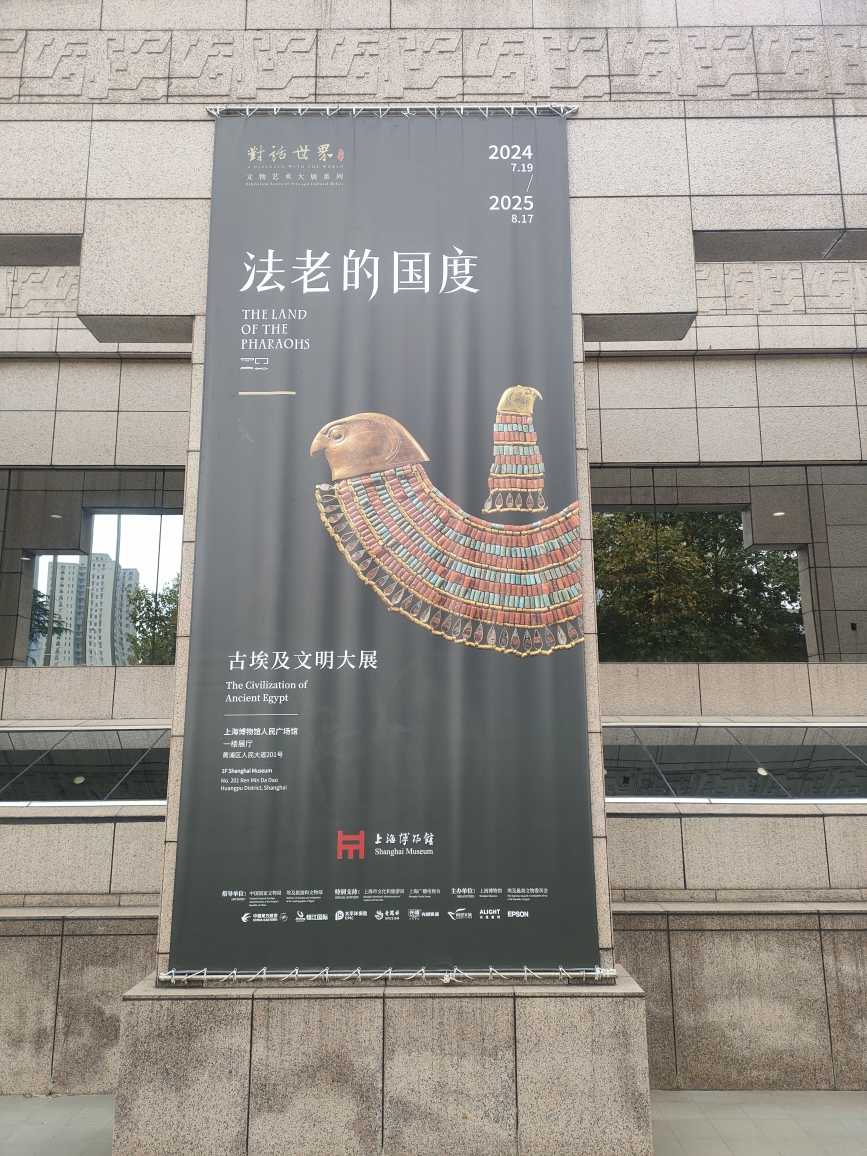
Not only was the museum packed, but I also grossly underestimated the scale of the exhibition. On my first visit, I booked the 11:15 AM slot, confident that eight hours would be enough. By 5 PM—not 7 PM as I had mistakenly thought—the closing announcement forced me out of the Realm of the Pharaohs gallery. I had only scratched the surface of 788 artifacts.
Three days later, on December 6th, I returned. From 9 AM to 4:30 PM, I finally completed this three-thousand-year journey through civilization. This exhibition is worth two dedicated trips.
What is "Peak of the Pyramids"? An Unprecedented Cultural Feast
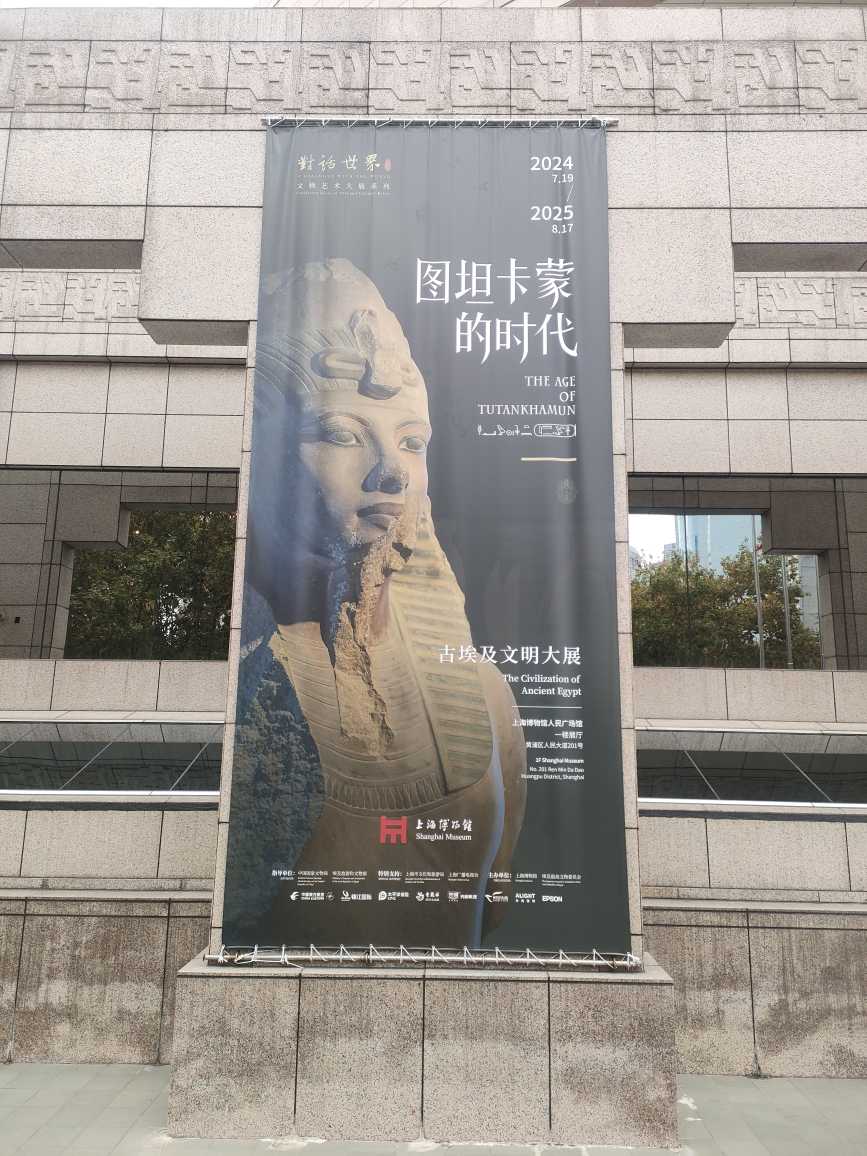
Running from July 19, 2024, to August 17, 2025, the Peak of the Pyramids exhibition is the largest overseas exhibition of Ancient Egyptian artifacts ever held globally and the highest-level one in Asia. Co-guided by China’s National Cultural Heritage Administration and Egypt’s Ministry of Tourism and Antiquities, it brings together 492 sets (788 total) precious artifacts.

These exhibits span every period of Ancient Egyptian civilization. You will see statues of pharaohs like Tutankhamun, Amenemhat III, and Ramesses II, complete mummy coffins, queen’s gold ornaments, and the latest discoveries from the Saqqara region—including painted wooden coffins and animal mummies.
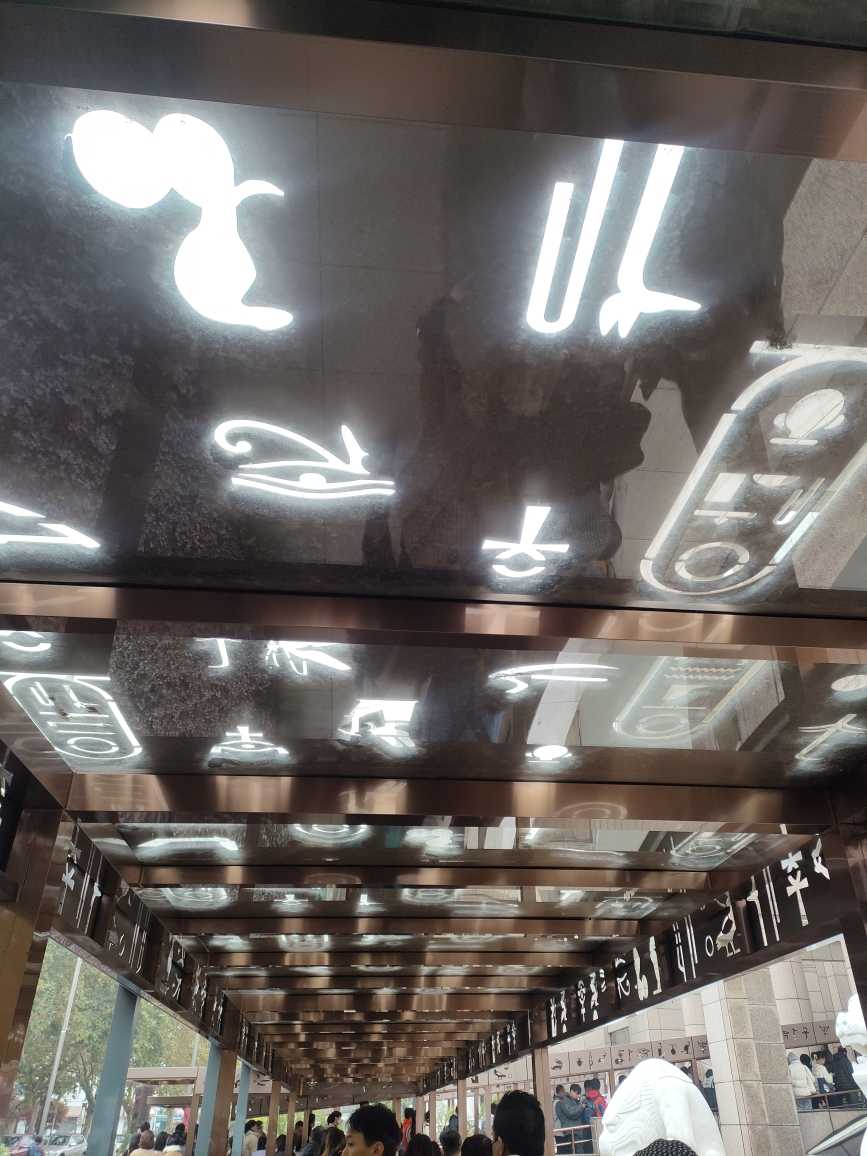
Even the ceiling of the museum’s waiting corridor is decorated with symbols: the Eye of Horus, the Ankh, the Djed pillar, and the lotus flower. Before you enter the main hall, you are already immersed in that mysterious world.
Best Viewing Order: A Lesson Learned the Hard Way
The exhibition is divided into three galleries. On my first visit, I went in the order The Age of Tutankhamun → The Secrets of Saqqara → Realm of the Pharaohs. I was "evicted" from the last gallery before finishing.
My recommended viewing order for the Shanghai Museum Egyptian exhibition is:
- Realm of the Pharaohs — The largest gallery, structured around a timeline of Ancient Egyptian history. Visit this first to avoid rushing.
- The Age of Tutankhamun — Fewer exhibits, focusing on the Amarna period and the boy pharaoh’s family. Best placed second.
- The Secrets of Saqqara — Features recently excavated animal mummies. A light, fascinating finale.
Must-See Artifacts in the Exhibition
The Standing Statue of Merneptah
The exhibition’s overture begins on the museum plaza. The Standing Statue of Merneptah is a 240 cm granite figure from the New Kingdom (1550–1069 BCE).
Merneptah was the thirteenth son of Ramesses II. Ramesses ruled for 66 years and outlived his first twelve sons. The statue depicts Merneptah as a robust young man—a classic technique of Ancient Egyptian art where the pharaoh is always idealized and eternally youthful. The back pillar is inscribed with hieroglyphic texts. Notably, the Merneptah Victory Stele is the first artifact to mention the name "Israel," making this a significant historical piece.
The Head of Senusret I (and Ramesses II’s "Copyright Troll" Habit)
In the ground floor lobby, the Head of Senusret I is always surrounded by visitors. This granite statue, 235 cm high, dates to the 12th Dynasty (c. 1985–1773 BCE). However, it was later "appropriated" by Ramesses II.
Ramesses II was the "copyright troll" of Ancient Egypt. His favorite pastime was taking over statues of his predecessors and carving his own name onto them. In this statue, Senusret I wears the White Crown of Upper Egypt, but Ramesses II’s name is conspicuously inscribed on it. Behind this lies a political logic: using an illustrious predecessor’s glory to reinforce legitimacy. It was "riding on coattails"—except this coattail-riding lasted three thousand years.
The Age of Tutankhamun: The Legend of a Boy Pharaoh
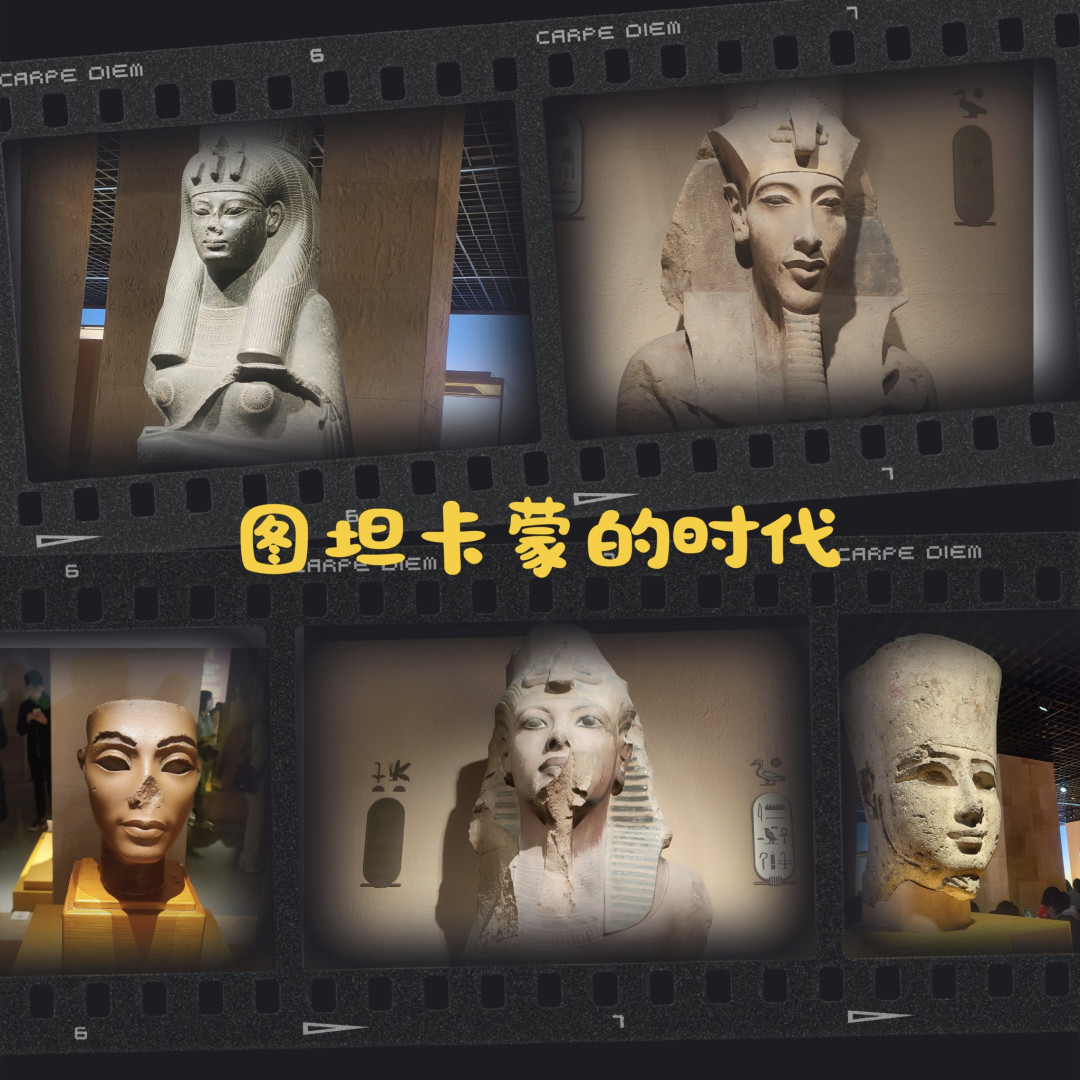
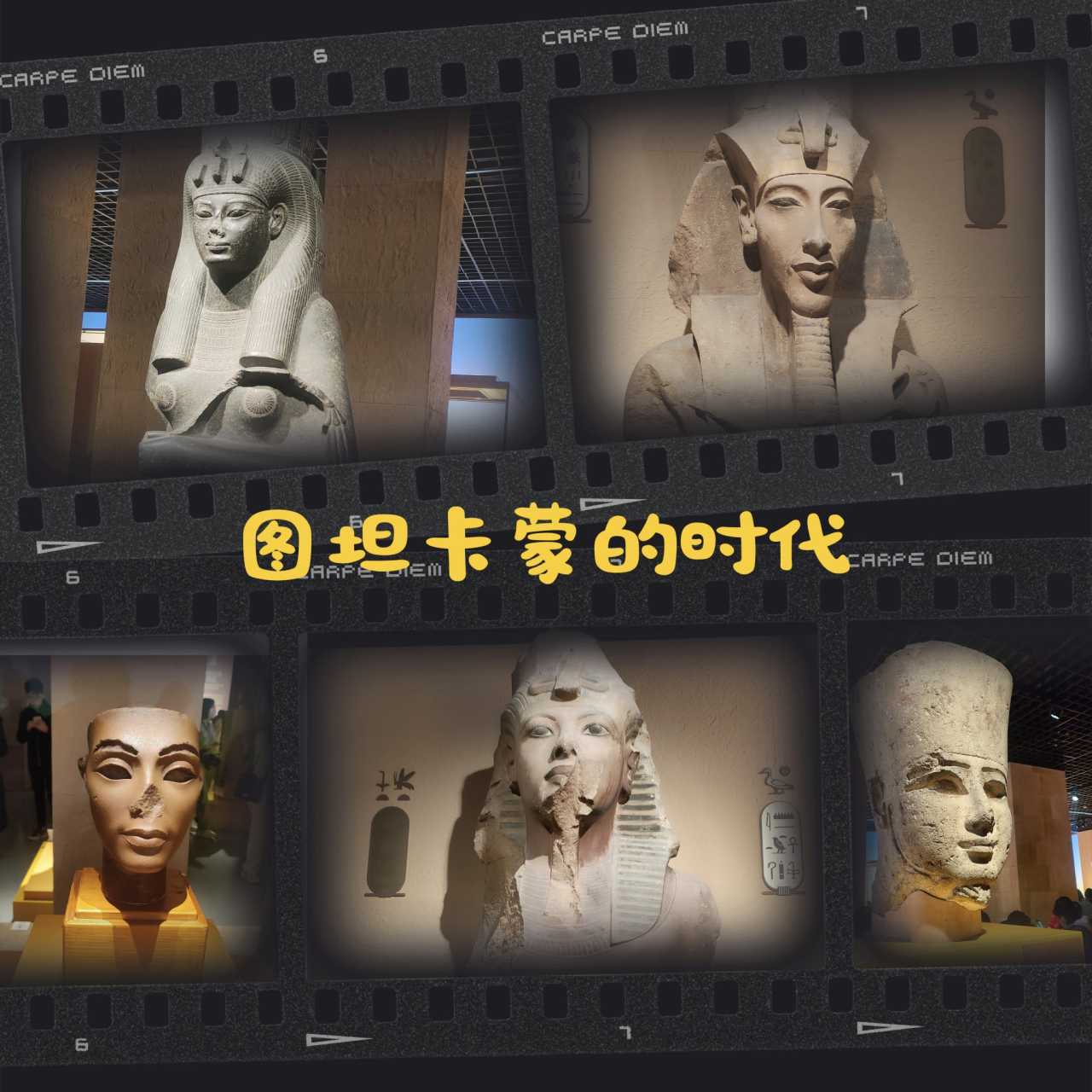
The Age of Tutankhamun gallery is the emotional core of the exhibition.
That Night in 1922 Late on November 26, 1922, British archaeologist Howard Carter discovered Tutankhamun’s tomb in the Valley of the Kings. When his patron Lord Carnarvon asked, "Can you see anything?" Carter replied, "Yes, wonderful things."
This quote became one of the most famous in archaeological history. The tomb yielded nearly five thousand artifacts, sparking a global "Egyptomania." However, a hundred years later, historians are more concerned with: What transformation was Ancient Egypt undergoing during the 18th Dynasty? Why did monotheistic worship emerge? How did a boy pharaoh who died at 19 complete a return to tradition?
This gallery uses these questions as its guiding thread, recreating the earth-shattering upheaval of the Amarna period and the religious revolution of Akhenaten.
Must-See Film: The Rebirth of Tutankhamun Before entering the gallery, watch the short film The Rebirth of Tutankhamun. It tells the story of how the boy king restored the old gods after his father’s revolution. This film provides essential context for the artifacts you will see.
Practical Tips for Visiting the Shanghai Museum Egyptian Exhibition
- Time Management: The museum closes at 5 PM, not 7 PM. Arrive early.
- Ticket Booking: Book your time slot in advance. The exhibition is popular even months after opening.
- Exhibition Duration: Plan for at least 4-6 hours. If you are a history enthusiast, budget two visits.
- What to Bring: A notebook for notes and a camera (flash photography is usually prohibited).
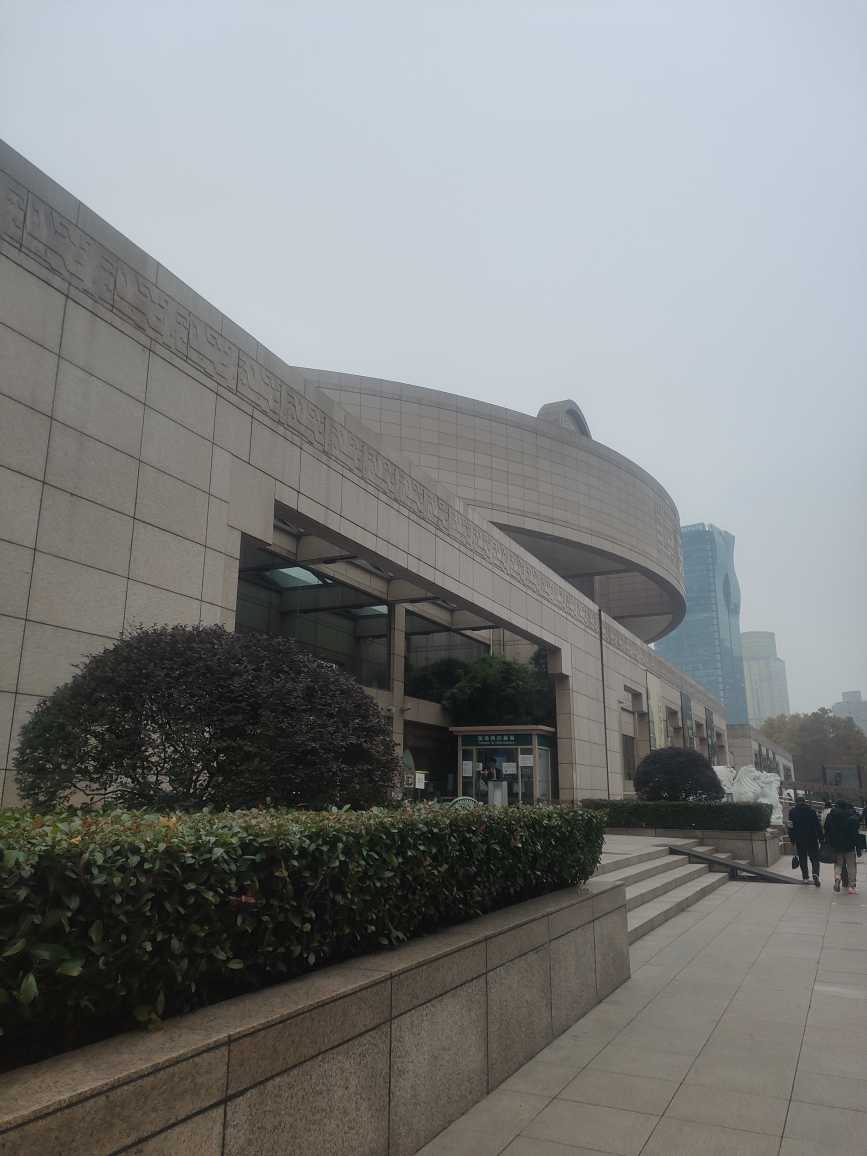
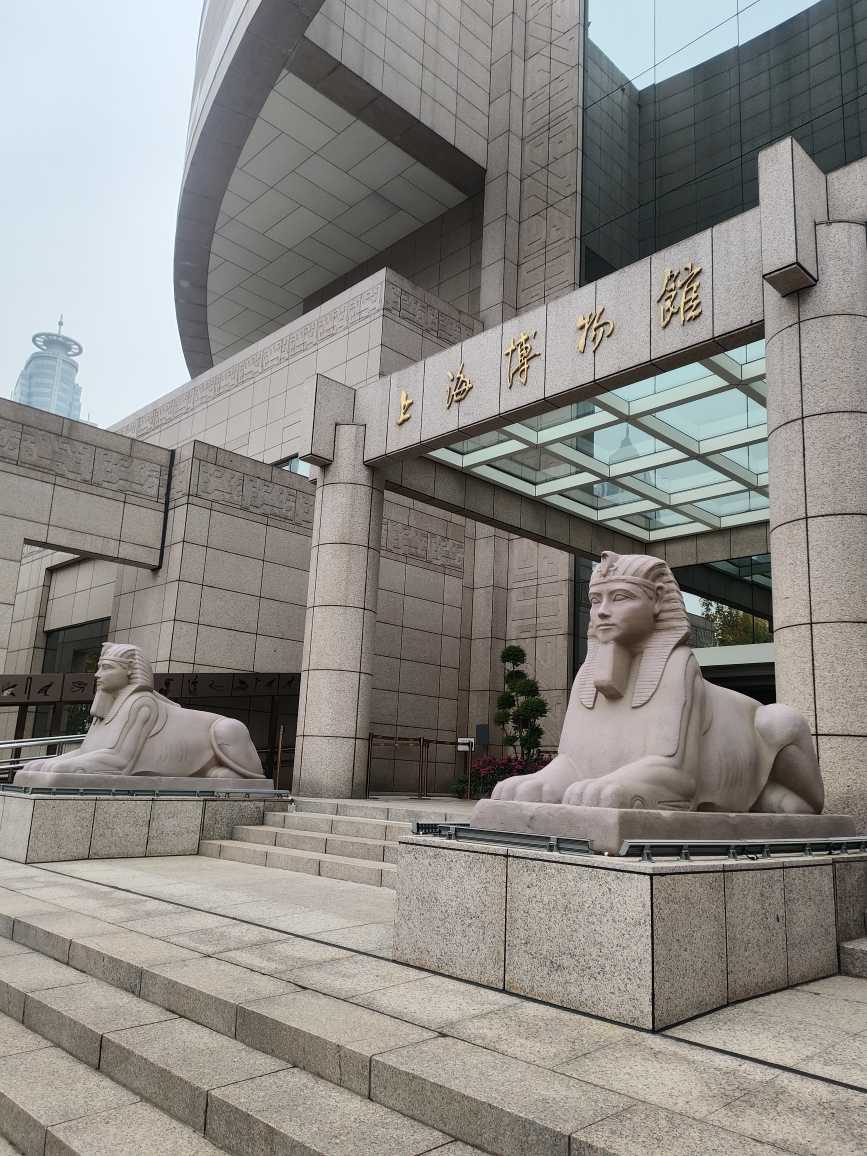
- Location: Shanghai Museum, People’s Square.
FAQ: Everything You Need to Know
1. When does the "Peak of the Pyramids" exhibition end? The exhibition runs from July 19, 2024, to August 17, 2025. This gives you a full 13 months to plan your visit.
2. How many artifacts are on display? The exhibition features 492 sets, totaling 788 precious artifacts. This is the largest overseas exhibition of Ancient Egyptian artifacts ever held.
3. Is the Tutankhamun golden mask on display? No, the original golden mask is not on display. However, the exhibition features statues of Tutankhamun, artifacts from his era, and items from the Amarna period. The focus is on the historical context of his reign.
4. What is the best time to visit to avoid crowds? Weekday mornings (right at 9 AM opening) are the best time. Avoid weekends and public holidays. Even five months after opening, the exhibition remains packed.
5. Can I take photos inside the exhibition? Generally, photography is allowed in most areas, but flash photography is strictly prohibited to protect the artifacts. Check specific gallery rules upon entry.
Conclusion: Your Journey Awaits
The Peak of the Pyramids exhibition at the Shanghai Museum is more than just a display of artifacts—it is a three-thousand-year journey through civilization. From the "copyright troll" antics of Ramesses II to the "wonderful things" found in Tutankhamun’s tomb, every exhibit tells a story.
[Link: For more on Ancient Egyptian history, read our guide to the Valley of the Kings.] [Link: Planning a trip to Shanghai? Check out our Shanghai Museum visitor guide.]
Don’t miss your chance to witness the splendor of Ancient Egypt. Book your tickets for the Shanghai Museum today and step into the world of the pharaohs.
You may also like