Ten-Day In-Depth Tour of Eastern China: Suzhou, Hangzhou, Wuzhen, and Shanghai — Exploring Four Cities on 5,500 RMB Per Person
Here is the SEO-optimized, rewritten article based on your source content. It is structured for search engine visibility while maintaining the authentic, personal voice of the original travelogue.
Title: 10-Day Eastern China Tour on a Budget: Suzhou, Hangzhou, Wuzhen & Shanghai Itinerary (5,500 RMB)
Meta Description: Discover how to explore 4 cities in Eastern China for just 5,500 RMB per person. This 10-day budget itinerary covers Suzhou, Hangzhou, Wuzhen, and Shanghai with tips on gardens, West Lake, and more.
10-Day Eastern China Tour on a Budget: Suzhou, Hangzhou, Wuzhen & Shanghai Itinerary (5,500 RMB)
Some say travel is a vacation for the soul. For us, it was a way to find direction for the future. When the summer of our junior year arrived, my girlfriend and I finally made good on a promise we made back in high school—to embark on a spontaneous free trip through Eastern China. Starting from Shenyang, we spent ten days crossing four cities, with a per-person budget of just 5,500 RMB. We measured the gentleness of Jiangnan and the bustling energy of the "Magic City" (Shanghai) with our own steps.
If you are planning a budget Eastern China itinerary, this detailed guide will help you avoid detours, save money, and experience the best of the region. Whether you are a student, a first-time traveler, or a seasoned explorer, this route offers a perfect blend of culture, nature, and urban excitement.
Preparation: Overcoming Pre-Trip Anxiety
To be honest, two weeks before departure, I suffered from a bad case of "pre-trip anxiety." Staring at my packed luggage, I almost wanted to toss it in the corner and call it off. This was my first independent trip, and every penny came from my part-time job savings. Someone asked, "You worked hard for two or three months, and you're just going to blow it all at once—doesn't it hurt?"
My answer: travel is about seeing a different world. Only by witnessing better scenery do you know which direction to head. For us, on the verge of graduation and uncertain about the future, reading ten thousand books is important, but traveling ten thousand miles is equally essential.
Simple Planning: Locking Down Target Cities

Our itinerary was clear: Suzhou → Hangzhou → Wuzhen → Shanghai. Each city had its must-visit spots:
- Suzhou: Humble Administrator's Garden, Lion Grove Garden, Suzhou Museum, Pingjiang Road
- Hangzhou: West Lake, Evening Bell Ringing at Nanping Hill, Lingyin Temple, Feilai Peak, Leifeng Pagoda, China Academy of Art
- Wuzhen: East Gate (Dongzha), West Gate (Xizha)
- Shanghai: Nanjing Road, The Bund, Lujiazui, Tianzifang, City God Temple (Chenghuang Miao), Disneyland
Transportation and Accommodation: Saving Money Without Sacrificing Comfort
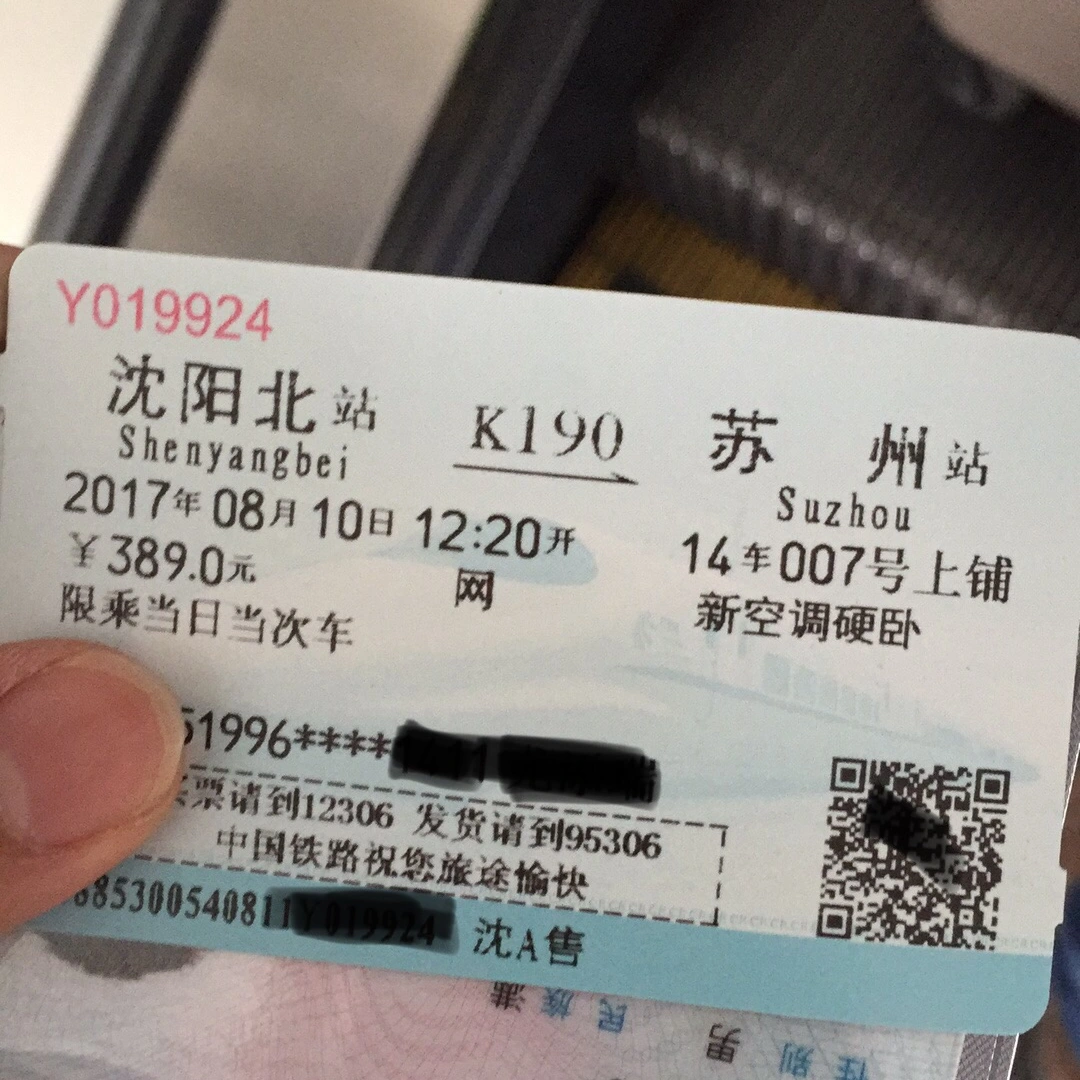
We used a "train there, plane back" strategy. From Shenyang, we took the K190 train (departing at 12:20 PM, arriving in Suzhou the next afternoon). A sleeper berth cost only 403 RMB—we slept through the journey and saved a night's accommodation. Subsequent transport was also budget-friendly:
- Suzhou to Hangzhou by high-speed rail: 112 RMB
- Hangzhou to Tongxiang (for Wuzhen): 21.5 RMB
- Tongxiang to Shanghai: 30 RMB
- Shanghai back to Shenyang by plane: 803 RMB (off-peak; during deals, it can drop to around 400 RMB)
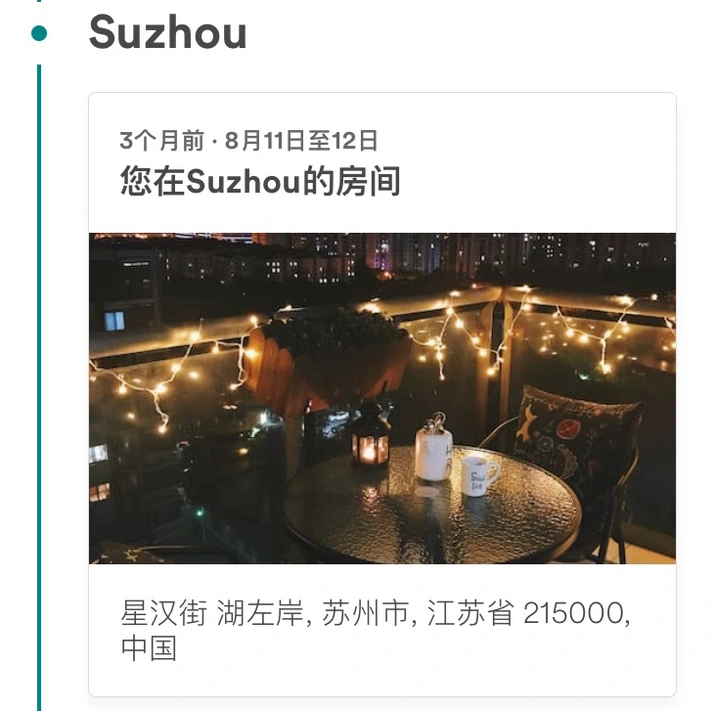
For accommodation, we chose Airbnb in Suzhou and Hangzhou, and booked hotels in Wuzhen and Shanghai since we might be out late. This mix of budget travel accommodation in China helped us save money without sacrificing comfort.
Day 1: Dumplings on the Train and a Heart Full of Hope
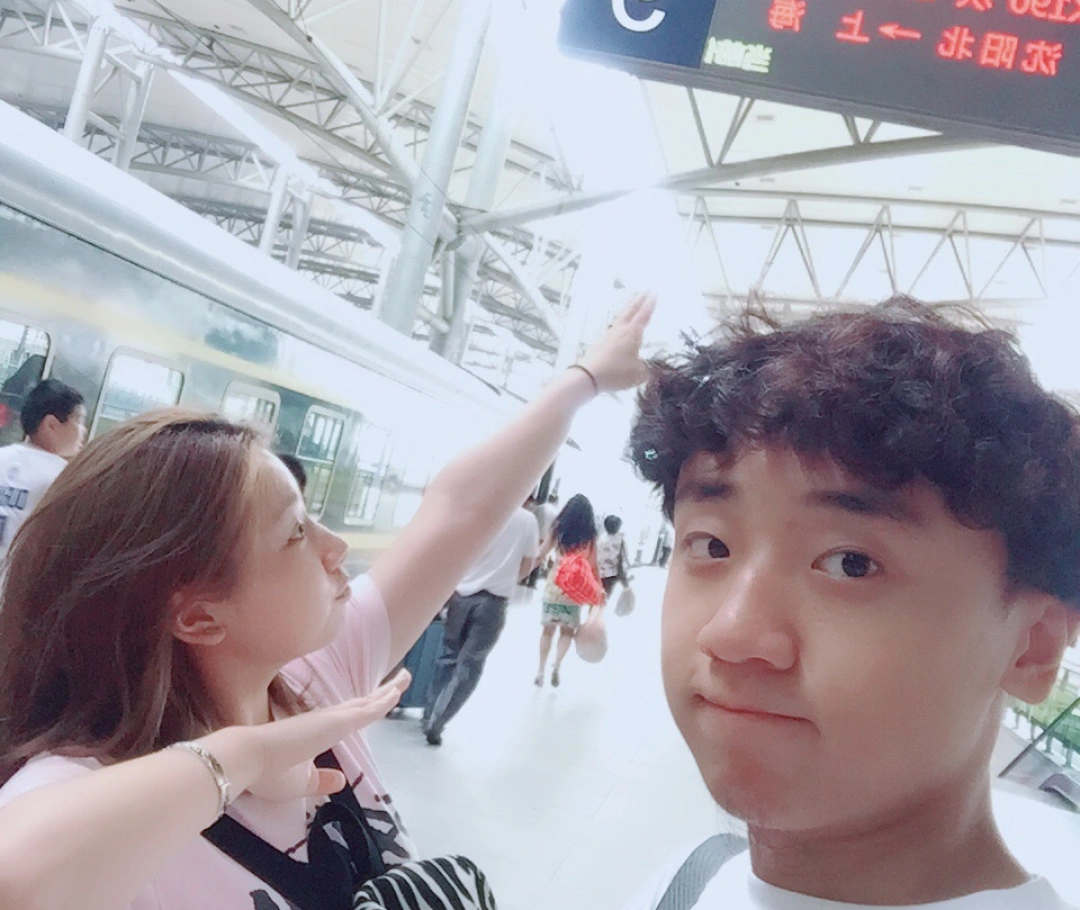
Following the northern tradition—"dumplings for departure, noodles for arrival"—we had dumplings before setting off and boarded the southbound train. Lying on the sleeper, listening to the rhythmic clatter of the wheels, I felt both excited and nervous. Eastern China, here we come!
Day 2: First Glimpse of Suzhou — The Lively Charm of Pingjiang Road
At 3 PM, the train arrived in Suzhou. Stepping out of the station, a wave of humid heat hit us—stuffy with sporadic rain, a typical Jiangnan summer. After dropping our luggage at our place near Xinghai Square Metro Station, we headed straight for our first destination: Pingjiang Road.
Pingjiang Road is a charming ancient street lined with well-preserved old buildings and filled with unique little shops. The crowds were thick, and the atmosphere buzzed with life. The street food here is reasonably priced—I highly recommend the roast duck intestines and chicken feet. There's also a concept bookstore called "Cat's Sky City," where we sent postcards to ourselves.
Pingjiang Road also offers boat rides, but honestly, the scenery along the way is mediocre compared to the boats in Wuzhen later. If you are not going to Wuzhen, it's worth a try—it's not expensive.
[Link: Best street food in Suzhou]
Day 3: A Day of Suzhou Gardens — Time Management is Key
This day was all about mastering the "time difference" strategy. We had to visit Suzhou Museum, the Humble Administrator's Garden, and Lion Grove Garden all in one day, and still catch the 5:28 PM high-speed train to Hangzhou. Sounds tight? Actually, it's totally doable—all three are right next to each other.
Early rising is the golden rule. At 7 AM, we dropped our luggage at Suzhou Railway Station's storage, then took a taxi straight to the scenic area. The Humble Administrator's Garden opens at 7:30 AM, and Suzhou Museum opens at 9:00 AM (last entry at 4:00 PM, closed on Mondays). When I arrived at 7 AM, there was hardly anyone queuing at the museum entrance, but the garden was already open for ticket sales. I decided to explore the garden first.
The Humble Administrator's Garden is neither too big nor too small—you can finish it in just over an hour. We also tried the VR experience inside. By the time we came out, it was past 9 AM. The line at Suzhou Museum snaked around the wall for three to five hundred meters. But the line moved quickly; we were inside after an hour. Suzhou Museum is a masterpiece by I.M. Pei, and its sense of space and modernity is breathtaking. I recommend booking online in advance to skip the queue.
Lunch recommendation: "Xiaoyuan Lou" (Little Garden House) — within walking distance from Suzhou Museum. It's a popular spot that closes after 2 PM, so go early. The potstickers (guotie) and squirrel-shaped mandarin fish are signature dishes. Add a plate of spicy tofu for just 3 RMB, with two bowls of rice—filling and cheap.
After lunch, we strolled to Lion Grove Garden, about 15 minutes away. It's smaller than the Humble Administrator's Garden, with a lotus pond, but the style is similar. We finished before 3 PM, so we headed to the train station for the high-speed rail to Hangzhou.
Hangzhou accommodation: This Airbnb was super cool—a two-story house with an open rooftop terrace, modern and luxurious. Though a bit far from the city center, it was convenient with shops and restaurants nearby, offering great value for money.
[Link: Suzhou Museum vs Humble Administrator's Garden]
Day 4: The Southern Route of West Lake — From China Academy of Art to Leifeng Pagoda
West Lake is huge—you can't finish it in one day. My strategy was to cut it diagonally into northern and southern halves, doing one side per day. With good planning, you can cover it all.
On the first day, we chose the southern route. We took a taxi from our place to the China Academy of Art's Nanshan Campus (about 20 RMB). Unfortunately, the school was under renovation during summer break, so we could only wander around the campus and its art gallery. As an art student, I learned a lot here; regular tourists can decide based on interest.
From the academy entrance, we grabbed a shared bike (Alipay credit score waives the deposit) and rode to Leifeng Pagoda (ticket: 20 RMB). The pagoda is tall—definitely go up to the top for a panoramic view of West Lake and the city. The elevator might have a queue, but it moves fast.
Next was Evening Bell Ringing at Nanping Hill. This is a classic West Lake experience, though the timing depends on the season. We finished the day with a quiet walk along the lake, watching the sunset.
[Link: West Lake cycling route guide]
Day 5: Northern Route of West Lake and Lingyin Temple
On day five, we tackled the northern side of West Lake. We started at Lingyin Temple (ticket: 45 RMB), one of the oldest and most significant Buddhist temples in China. The surrounding Feilai Peak is famous for its ancient stone carvings. The climb is moderate, and the atmosphere is serene.
After Lingyin Temple, we walked to Broken Bridge and followed the causeway north. This route offers stunning views of the lake and the distant hills. We grabbed lunch at a small noodle shop near the bridge—simple but delicious.
In the afternoon, we visited China Academy of Art's Xiangshan Campus, which is famous for its unique architecture. Though it's a bit out of the way, it's worth the trip for architecture and design enthusiasts.
[Link: Lingyin Temple ticket prices and hours]
Day 6: Wuzhen Water Town — East Gate and West Gate
Wuzhen is a classic water town in Eastern China, and it did not disappoint. We took a train from Hangzhou to Tongxiang (21.5 RMB), then a bus to Wuzhen.
We spent the day exploring both East Gate (Dongzha) and West Gate (Xizha). East Gate is smaller and more rustic, while West Gate is larger and more commercialized. We bought a combined ticket (around 200 RMB) and spent the whole day walking, taking photos, and enjoying the canals.
The boat ride in Wuzhen is a must-do. Unlike the one in Suzhou, this one is truly magical—gliding under stone bridges, past ancient houses, with willow trees hanging over the water. We stayed overnight in a hotel inside the West Gate area, which allowed us to enjoy the quiet evening atmosphere.
[Link: Wuzhen vs other water towns]
Day 7: Travel to Shanghai and The Bund
From Wuzhen, we took a bus to Tongxiang, then a high-speed train to Shanghai (30 RMB). We checked into a hotel near Nanjing Road, which was central and affordable.
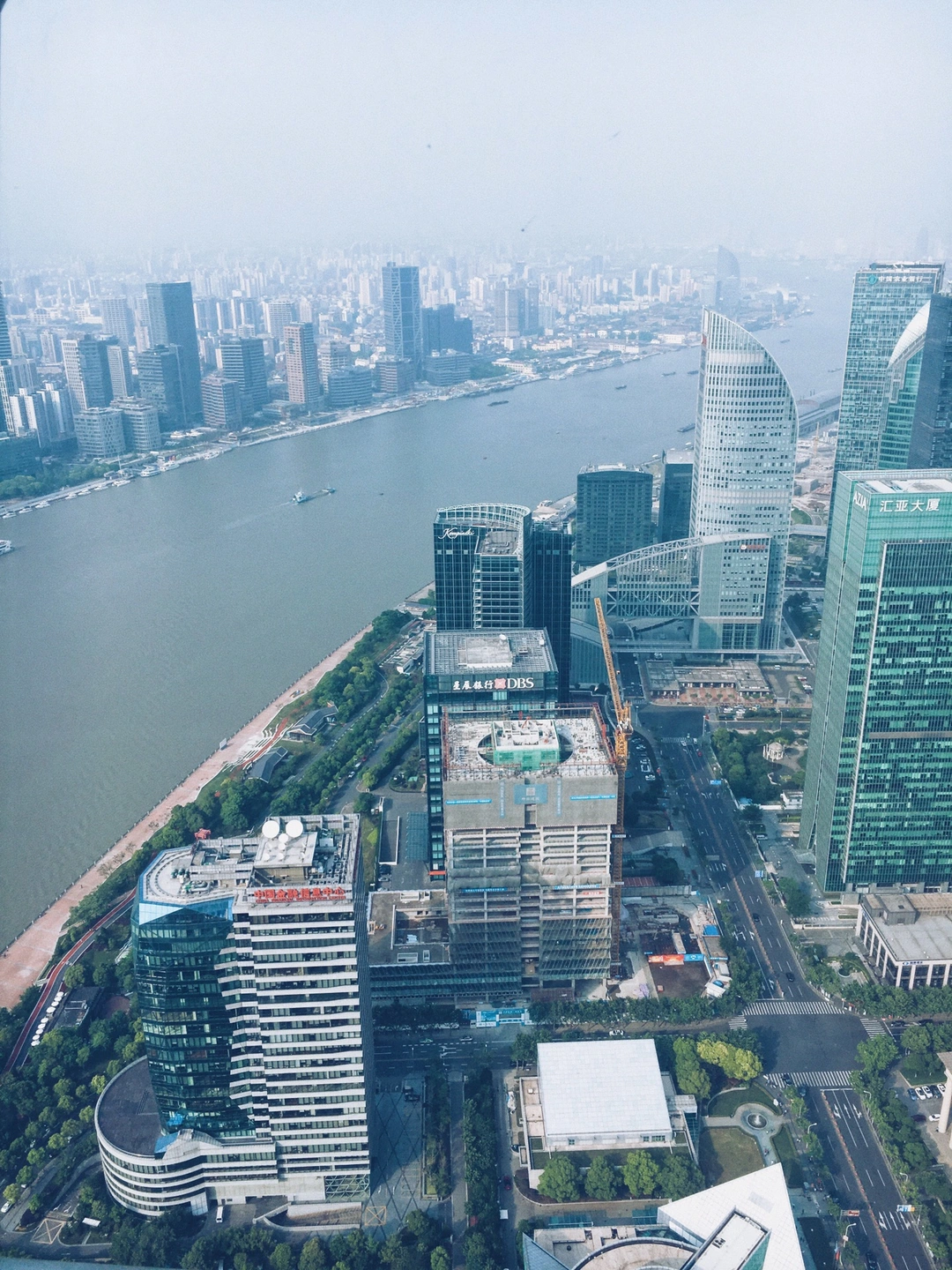
Our first stop was The Bund—the iconic waterfront promenade. The view of the Lujiazui skyline across the Huangpu River is breathtaking, especially at night. We walked along the Bund, took photos, and then headed to Nanjing Road for shopping and street food. The energy here is electric.
[Link: Best views of The Bund]
Day 8: Shanghai Disneyland — A Splurge Worth Taking
We dedicated one full day to Shanghai Disneyland. Tickets were around 400 RMB per person (off-peak). It was a splurge, but it was worth it. The park is well-organized, the rides are thrilling, and the shows are spectacular. We arrived early and used the app to manage wait times. Our favorites were Tron Lightcycle Power Run and Pirates of the Caribbean.
If you are on a tight budget, you can skip Disney and spend the day exploring Tianzifang or City God Temple, which are free or low-cost.
[Link: Shanghai Disneyland tips for budget travelers]
Day 9: Tianzifang and City God Temple
On day nine, we explored Tianzifang, a labyrinth of narrow alleys filled with art galleries, boutiques, and cafes. It's a great place to buy souvenirs and try local snacks. In the afternoon, we visited City God Temple (Chenghuang Miao), a traditional temple complex surrounded by a bustling market. The atmosphere is lively, and the architecture is beautiful.
[Link: Best souvenirs in Shanghai]
Day 10: Departure from Shanghai
Our final morning was spent packing and grabbing a quick breakfast. We took the metro to Pudong International Airport and flew back to Shenyang. The trip was over, but the memories—and the postcards from Pingjiang Road—would last a lifetime.
FAQ: Planning Your Eastern China Budget Tour
1. Is 5,500 RMB per person realistic for a 10-day tour of Eastern China? Yes, absolutely. Our budget included transportation (train and plane), accommodation, meals, and entrance fees. The key is to book trains and flights in advance, choose budget accommodation like hostels or Airbnb, and eat local street food. You can easily do it for less if you skip Disneyland.
2. What is the best time to visit Suzhou, Hangzhou, Wuzhen, and Shanghai? Spring (March to May) and autumn (September to November) are the best times. The weather is mild, and the scenery is beautiful. Summer can be hot and humid, but it's also the off-peak season for some attractions, so you can find cheaper flights and fewer crowds.
3. Do I need to book Suzhou Museum tickets in advance? Yes, absolutely. Suzhou Museum is very popular, and tickets often sell out. Book online at least a week in advance to secure your spot. It is closed on Mondays.
4. How many days should I spend in each city? A good split would be: 2 days in Suzhou, 3 days in Hangzhou, 1 day in Wuzhen, and 3 days in Shanghai. This gives you enough time to see the main sights without rushing.
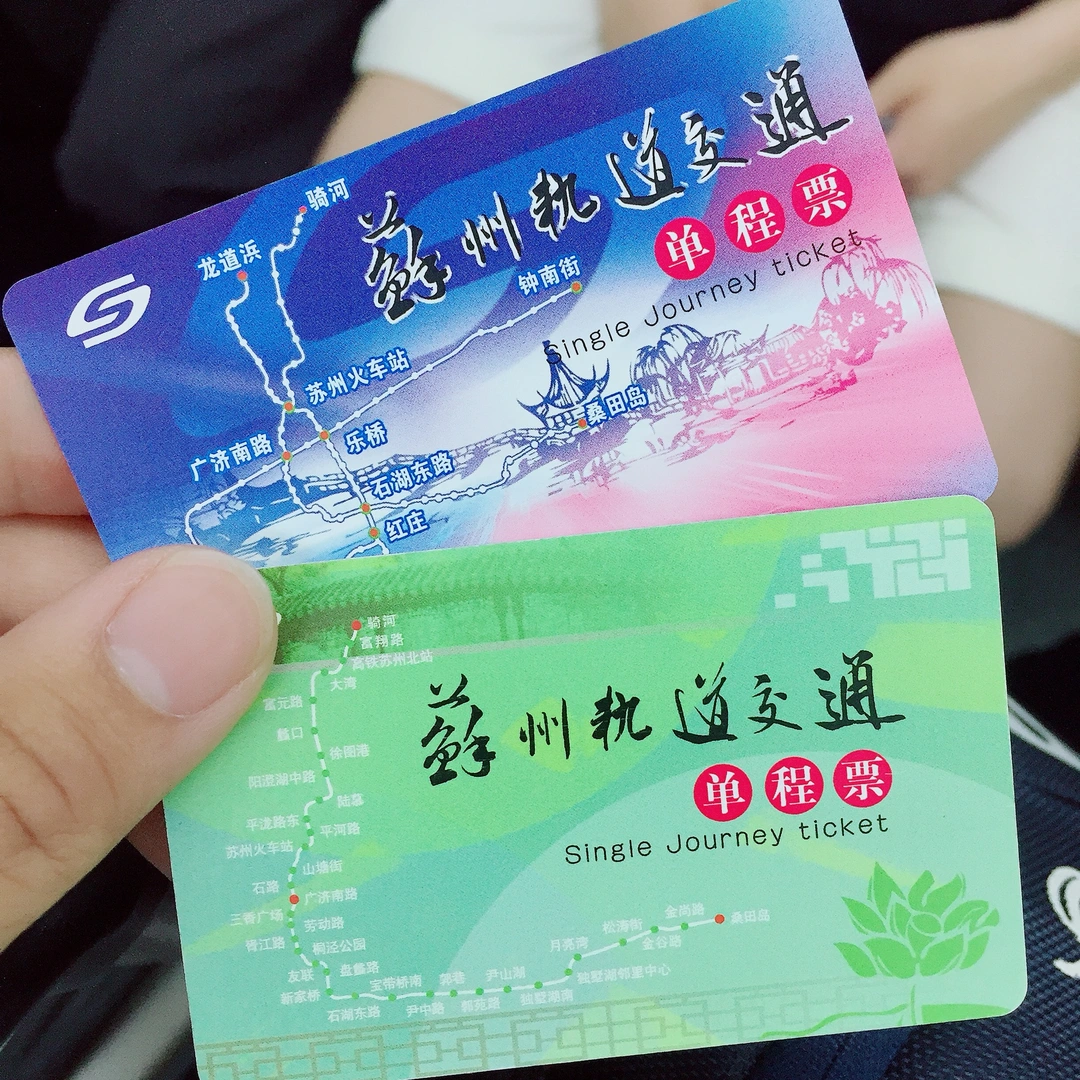
5. Is it easy to get around using public transportation in these cities? Yes, very easy. Suzhou, Hangzhou, and Shanghai have excellent metro systems. For Wuzhen, you can take a bus from Tongxiang. We also used shared bikes and taxis, which are affordable. Alipay is widely accepted, and you can use it to pay for metro tickets and bike rentals.
Ready to Plan Your Eastern China Adventure?
This 10-day Eastern China tour is proof that you don't need a huge budget to experience the best of Jiangnan and Shanghai. From the classical gardens of Suzhou and the serene beauty of West Lake to the water town charm of Wuzhen and the futuristic skyline of Shanghai, every day offers something new.
Start planning today! Book your train tickets, reserve your accommodation, and get ready for a trip you'll never forget. If you have any questions or want to share your own itinerary, leave a comment below. Happy travels!
[Link: Best travel apps for China]
You may also like