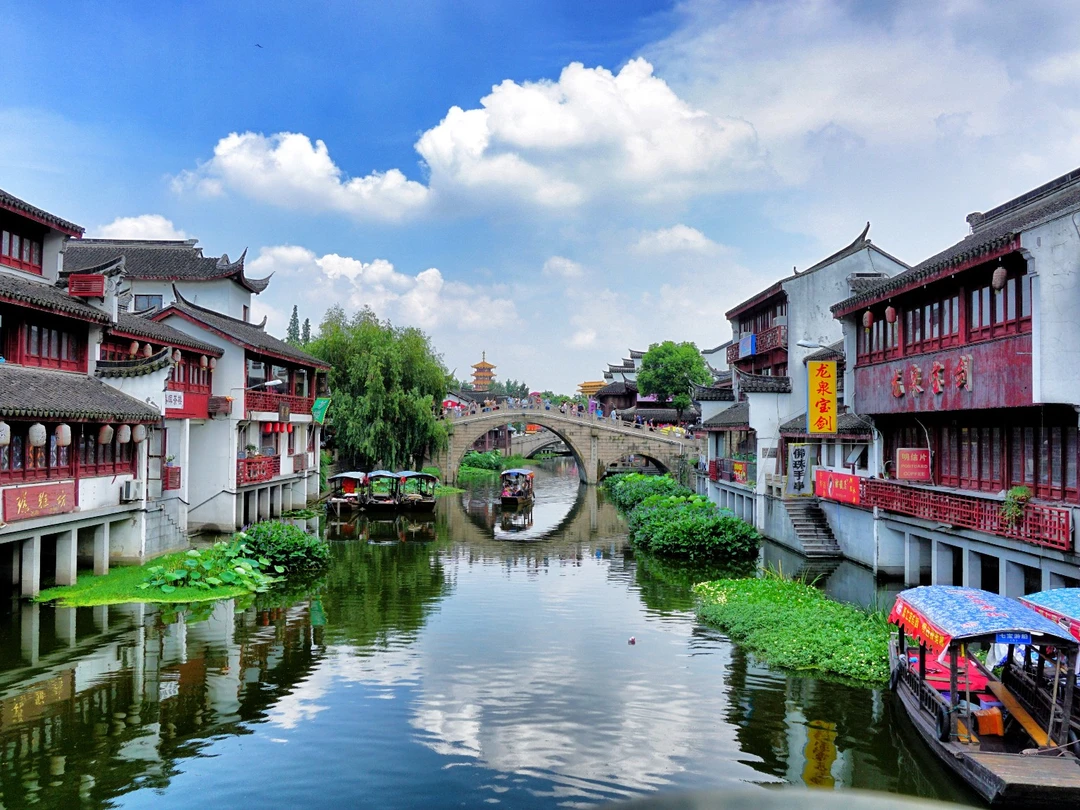
Taishun Travel Guide: Exploring the Mountain City Secret Realm – A Nature Lover's Paradise
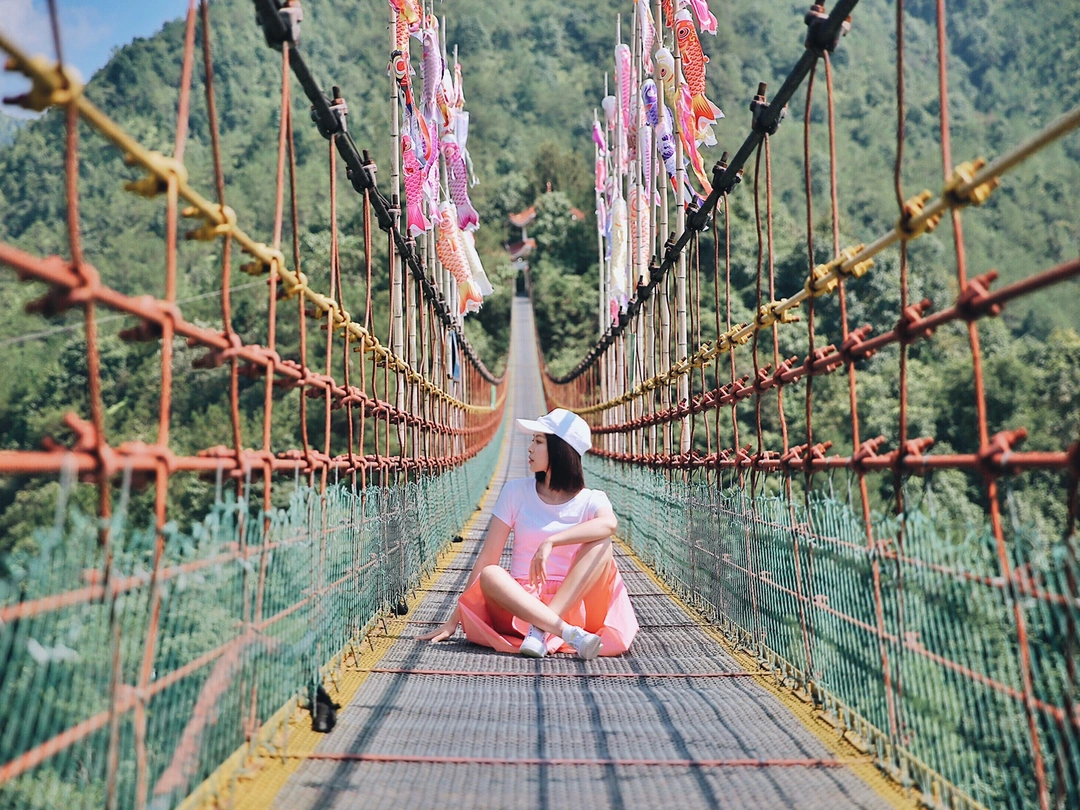
Meta Description: Discover Taishun, Wenzhou's hidden "back garden" with 70% vegetation coverage. Explore ancient covered bridges, pottery villages, highland ranches, and hot springs. Perfect 4-day itinerary for nature lovers.
Introduction: Why Taishun Deserves Your Next Getaway
At the southern tip of Zhejiang Province lies a hidden realm gently wrapped in mountains and clouds—Taishun. Here, there are no noisy traffic jams, no crowded throngs of people. Only ancient covered bridges quietly rest over streams, century-old houses tell stories of time, and a staggering 70% vegetation coverage makes every breath a conversation with nature.
If you're tired of the concrete jungles of the city and yearn for a true spiritual cleansing, then Taishun is the "Shangri-La" you've been searching for. As Tao Yuanming once wrote, "Dimly seen the distant village, softly rises the cooking smoke"—this poetic imagery can be found everywhere here. It is rightly called Wenzhou's "back garden."
[Link: Best Wenzhou day trips]
Why Taishun? — A Spontaneous "Sisters' Trip" to the Mountains
It was the Mid-Autumn Festival, and I planned a special trip with my family—a "ditch the husbands and kids" sisters' getaway. No complicated plans, no lengthy itineraries. We just wanted to find that long-lost sense of ease and laughter among the mountains and waters.

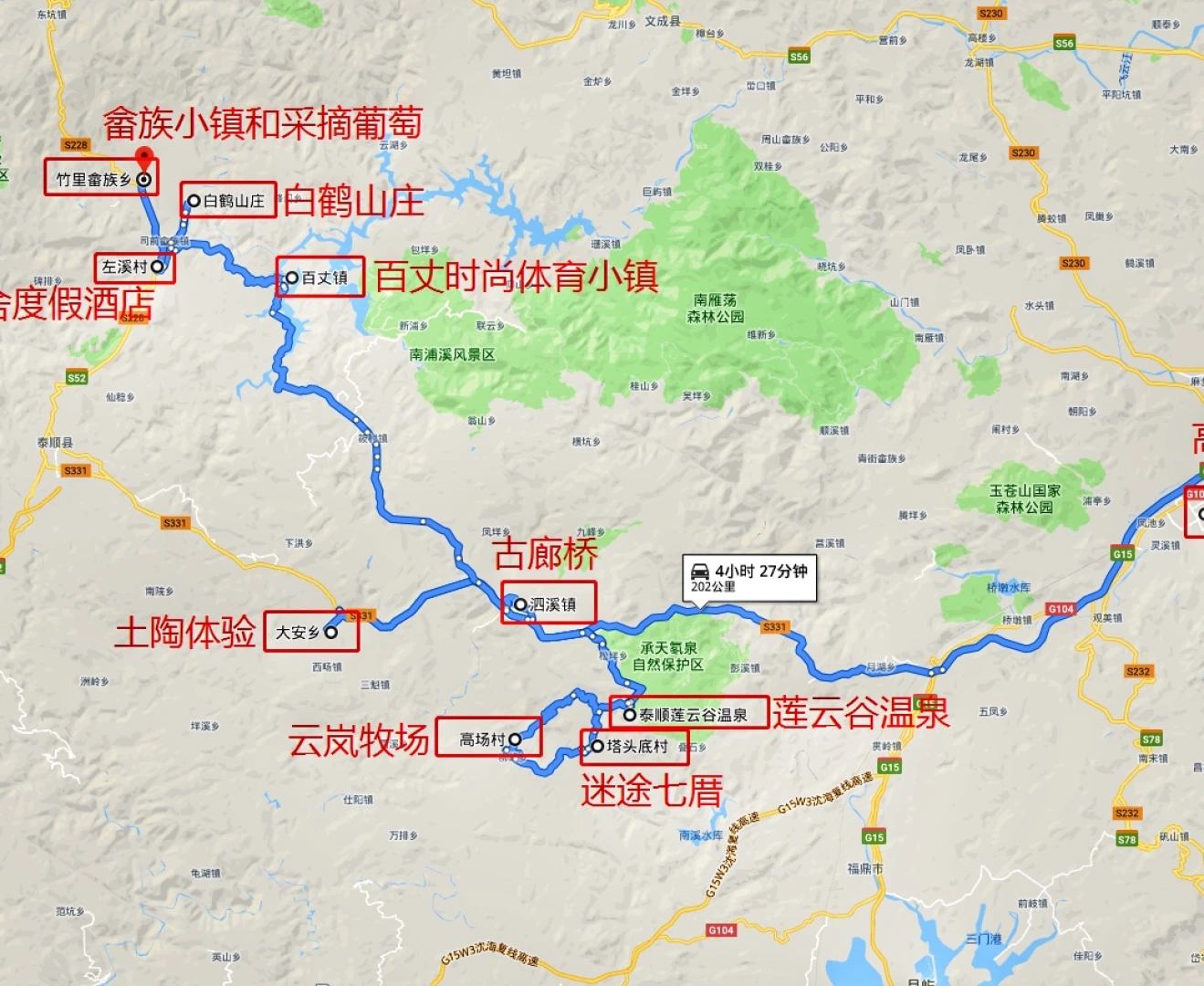
Taishun's attractions are relatively scattered, so self-driving is undoubtedly the best option. For those coming from afar, I recommend flying to Wenzhou first, or taking the high-speed train to Cangnan Station, then renting a car. Our four-day, three-night Taishun itinerary slowly unfolded with anticipation.
[Link: Zhejiang road trip itineraries]
Day One: A Rendezvous with Ancient Charm and Craftsmanship
Daqiuping Pottery Cultural Village: Art in the Mud
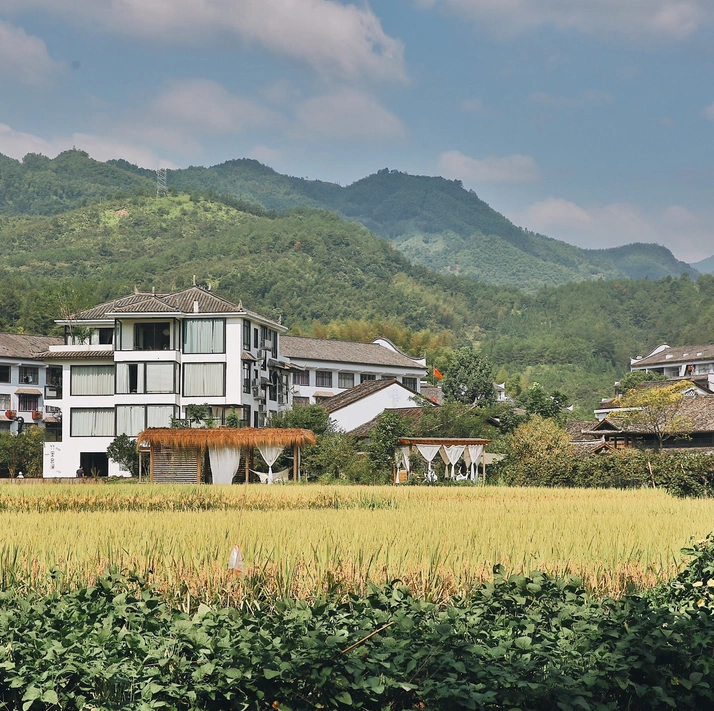
As our car slowly drove into Daqiuping, the view suddenly opened up: orderly ancient houses set against a bamboo forest, pottery jars of various shapes dotting the front and back yards, and a large expanse of green wheat fields in front of the courtyards. The handcrafted pottery technique here has a history of over 300 years, and the "niche" activity of letting tourists experience pottery-making themselves only opened last year.
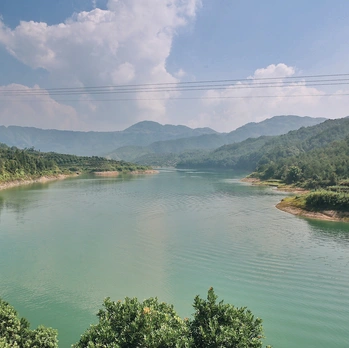
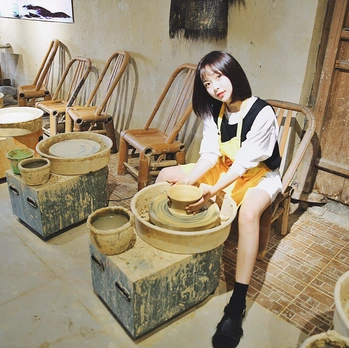
The pottery experience costs only 20 RMB per person, with no time limit. An old master gave each of us a lump of clay. As the wheel spun, with the right hand pressure and curvature, within a few minutes, the clay took a rough shape—it could become a large bowl or a vase, the final form entirely up to everyone's own "skill."
As someone with two left hands, I started off smoothly enough, but after posing for photos, it all went downhill, causing everyone to burst into laughter. My sister-in-law, however, showed real talent, producing a piece that actually looked decent. Although it was still far from the finished pieces on the display shelf, the joy of "experiencing it firsthand" was precious enough.
[Link: Zhejiang pottery workshops]
The Dream of Covered Bridges: Ancient Trees and Nail-less Wonders
Taishun is known as the "Land of Ancient Covered Bridges in China." Among its 33 ancient covered bridges, the Beijian Bridge in Sixi Town is the most famous. A wide stream, century-old houses, and thousand-year-old trees merge with the covered bridge to form a unique "Covered Bridge Cultural Park."
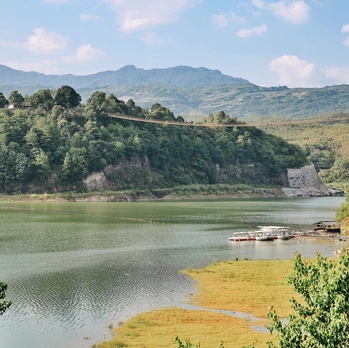
The wooden arch structure of Beijian Bridge is steep and elegant, with the roof eaves extending on both sides in a lively curve. What's most astonishing is that the entire bridge was built without a single iron nail, relying entirely on mortise-and-tenon joints. Legend has it that even when floodwaters once reached the bridge eaves, it stood firm—a testament to its incredible strength.
By the stream, a camphor tree caught our attention. When we saw the sign reading "1200 years," we were instantly stunned. This 27-meter-tall ancient tree, with its lush, dense canopy, had weathered countless storms. And right next to it, another Chinese tallow tree was also 1,000 years old.
Just a hundred meters away from Beijian Bridge lies Xidong Bridge, known as the "sister bridge." It's equally popular, as it's the daily route for students of Taishun No. 2 Middle School. Beneath the bridge, the stream babbles and carp swim in schools. Villagers set up stalls selling local specialties like green tofu, fiddlehead ferns, and pickled ginger, all brimming with the flavor of everyday life.
[Link: China's most beautiful covered bridges]
Lost · Seven Residences: A Night Traveling Back in Time in a Century-Old Mansion
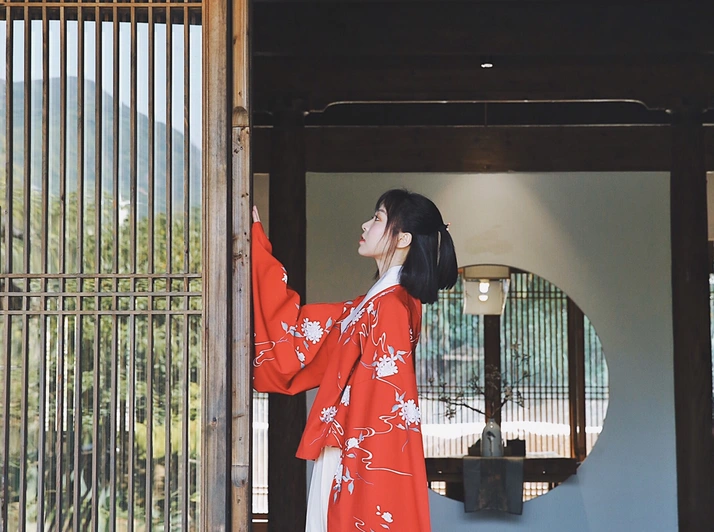
As night fell, we checked into the Lost · Seven Residences Hot Spring Resort in Tatoudi Village. This century-old Qing Dynasty residence has been restored, preserving its mud walls, black tiles, and brick-and-wood structure on the outside, while hiding a completely different world inside. The courtyard-style architecture exudes a strong Tang Dynasty charm, making you feel like you've traveled back a thousand years.
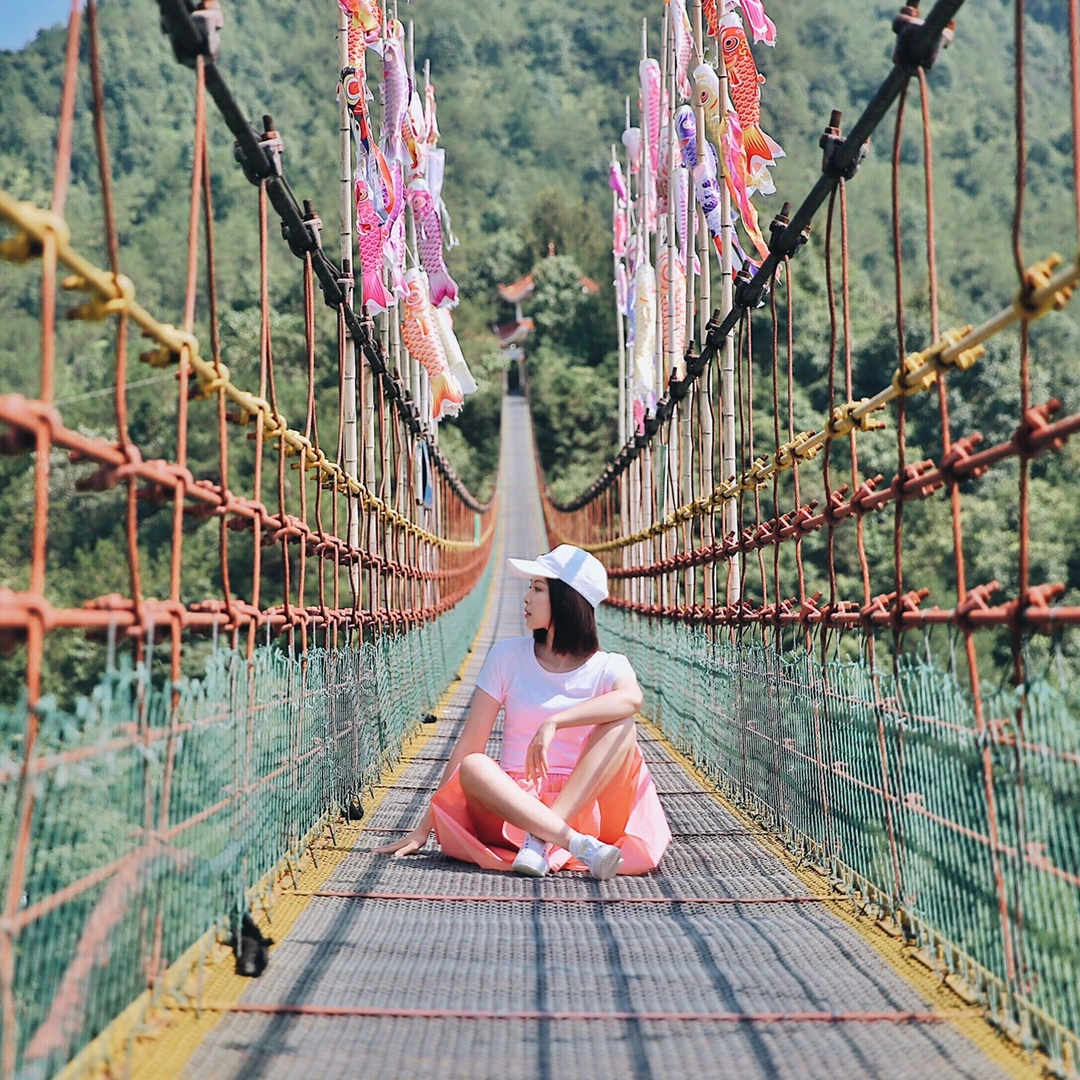
The seven residences are named: Cloud Peak at Sunset, Spring Dawn at Pine Mountain, Tea Grove in Misty Rain, Sunset Returning to the Pool, New Bamboo Sprouts Singing, Fields Wrapped in Haze, and Moon Reflected in the Pond. Each name reads like a poem. The hotel offers complimentary Hanfu (traditional Chinese clothing) rental. We couldn't wait to change into them and take photos and play in the courtyard. While I was focused on taking a picture of my eldest sister-in-law, my younger sister-in-law suddenly called out "Jia Ling" (a famous Chinese comedian), and we all doubled over laughing until tears streamed down our faces. It had been so long since we'd had this much fun!
We stayed in a hot spring tatami room. The room featured a large wooden soaking tub, blending ancient charm with minimalist style—unique and cozy. The price on the night before Mid-Autumn Festival was excellent value for money.
[Link: Boutique hotels in Taishun]
Day Two: Highland Pastures and Hot Spring Appointments
Yunlan Ranch: The "Little Switzerland" of the Highlands
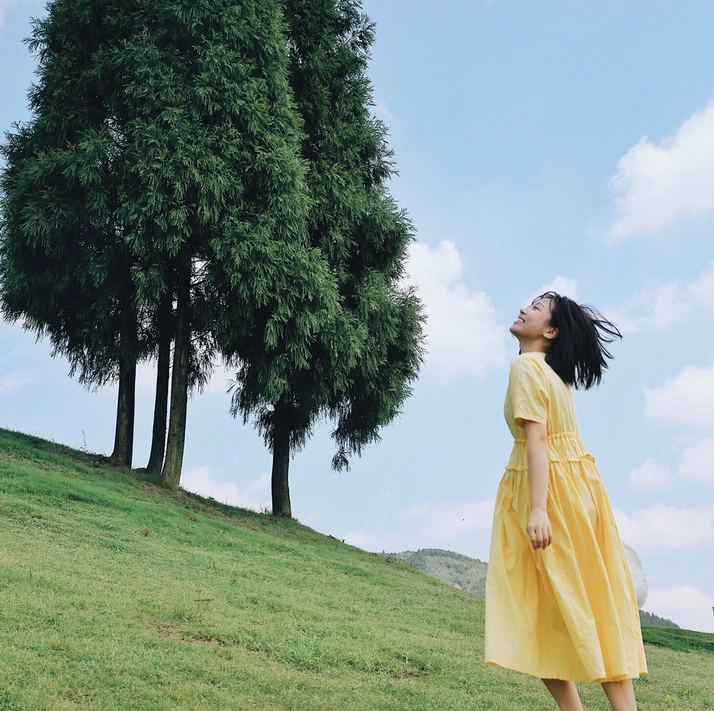
Yunlan Ranch sits at an altitude of 800 meters and is known as the "Little Switzerland of the Highlands." It boasts Australian-style grasslands, and its windmill logo instantly brings to mind the windmill villages of the Netherlands—fresh and natural.
The entrance fee is 80 RMB, which includes a bottle of yogurt drink. We brought our own fruit, snacks, and a tent, spread out a picnic mat, and slipped into full "couch potato" mode. It's also a paradise for parent-child interaction, with rock climbing, slides, swings, and other playground facilities.
Besides picnicking, the ranch offers a variety of hands-on activities: milking cows (88 RMB), DIY nougat and snowflake crisps (50 RMB), DIY handmade soap (18 RMB), and grass sledding (10 RMB per ride). We tried grass sledding. Zooming down in colorful carts, my hat flew off and was run over by my sister-in-law's sled, sparking another round of laughter.
We climbed the wooden railing path to the highest point for a panoramic view of the entire ranch. Even though it was the autumn equinox, it still felt like summer.
[Link: Best highland ranches in Zhejiang]
Lianyun Valley Hot Springs: A Wellness Paradise in the Canyon
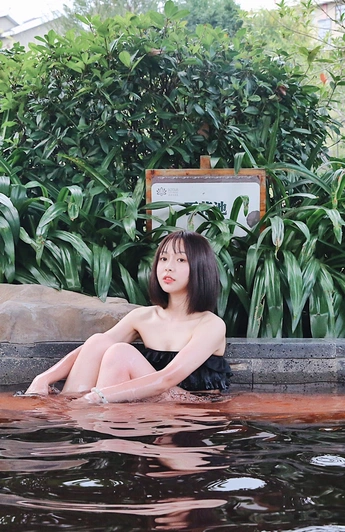
The Chengtian Radon Hot Spring Nature Reserve is home to several hot spring hotels. We chose the Lianyun Valley Hot Spring Hotel. Built against the mountain and valley, it offers a wide view of the canyon landscape, but its most attractive feature is the infinity pool.
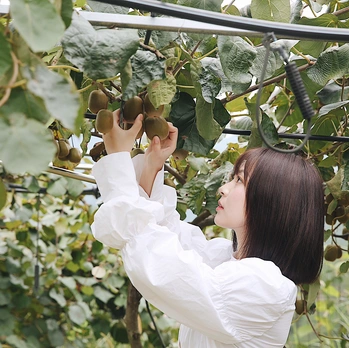
The unique "radon hot springs" contain various trace elements and have significant therapeutic value. The hot spring ticket is 198 RMB at the door, 188 RMB when purchased online, and 158 RMB with a room card discount. There are dozens of outdoor hot spring pools of various sizes, each with different benefits. We soaked and relaxed, "venting" about life, from dusk until sunset.
[Link: Radon hot springs in China]
Day Three: Sports Town and Natural Oxygen Bar
Baizhang Fashion Sports Town: A Colorful World by the Lake
Leaving Lianyun Valley, the Feiyun Lake shoreline accompanied us all the way. The mountains rolled in layers of green, making us stop frequently to take photos. Baizhang Town is famous for its colors—from the rainbow tunnel to the rainbow road, and the brightly colored houses, everything exudes a playful vibe.
This is a fashion sports town that hosts events like American billiards and marathons every year. The combination of lakeside scenery and modern sports facilities makes it a unique destination for active travelers.
[Link: Active travel destinations in Zhejiang]
Practical Tips for Your Taishun Trip
Best Time to Visit Taishun
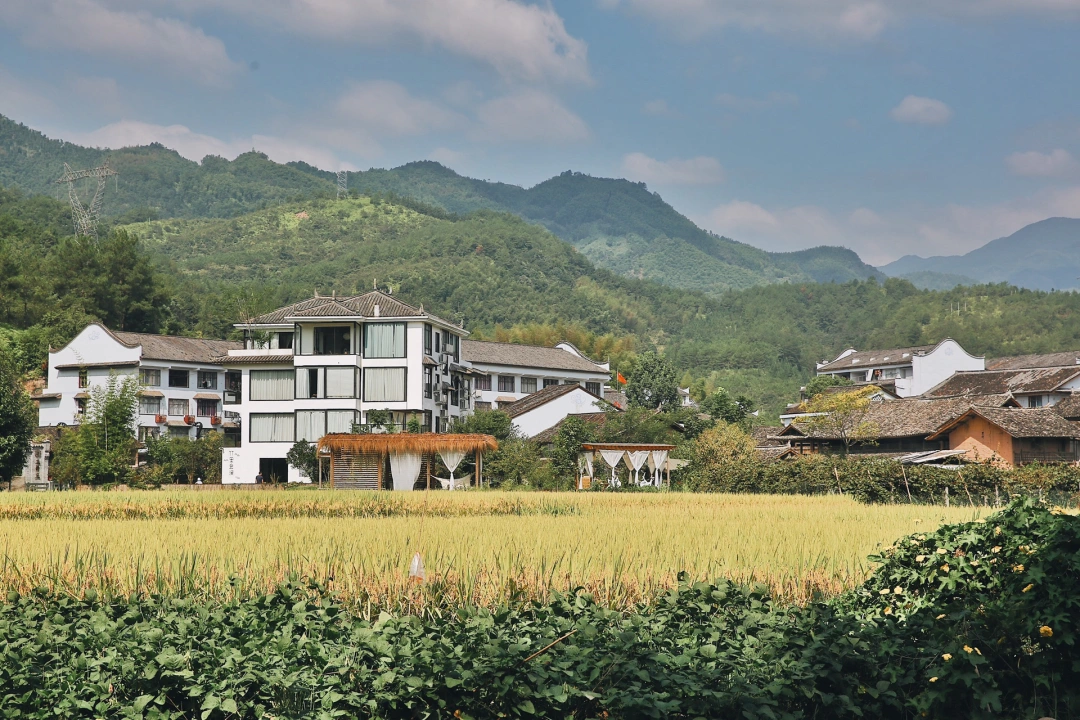
Spring (March-May) and autumn (September-November) offer the most pleasant weather. Summer can be hot but the high altitude areas like Yunlan Ranch remain cool. Winter brings fewer crowds but some outdoor activities may be limited.
Getting to Taishun
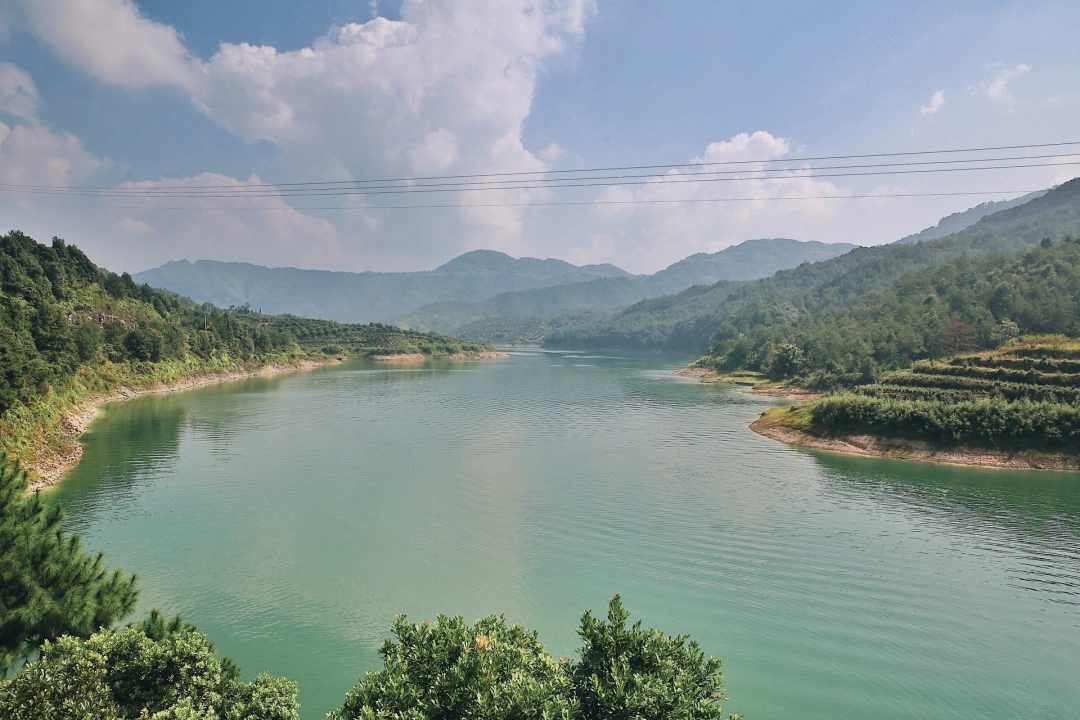
- By air: Fly to Wenzhou Longwan International Airport, then drive 1.5-2 hours to Taishun
- By train: Take high-speed rail to Cangnan Station, then rent a car (approximately 1 hour drive)
- By car: Self-driving is highly recommended for maximum flexibility
What to Pack for Taishun
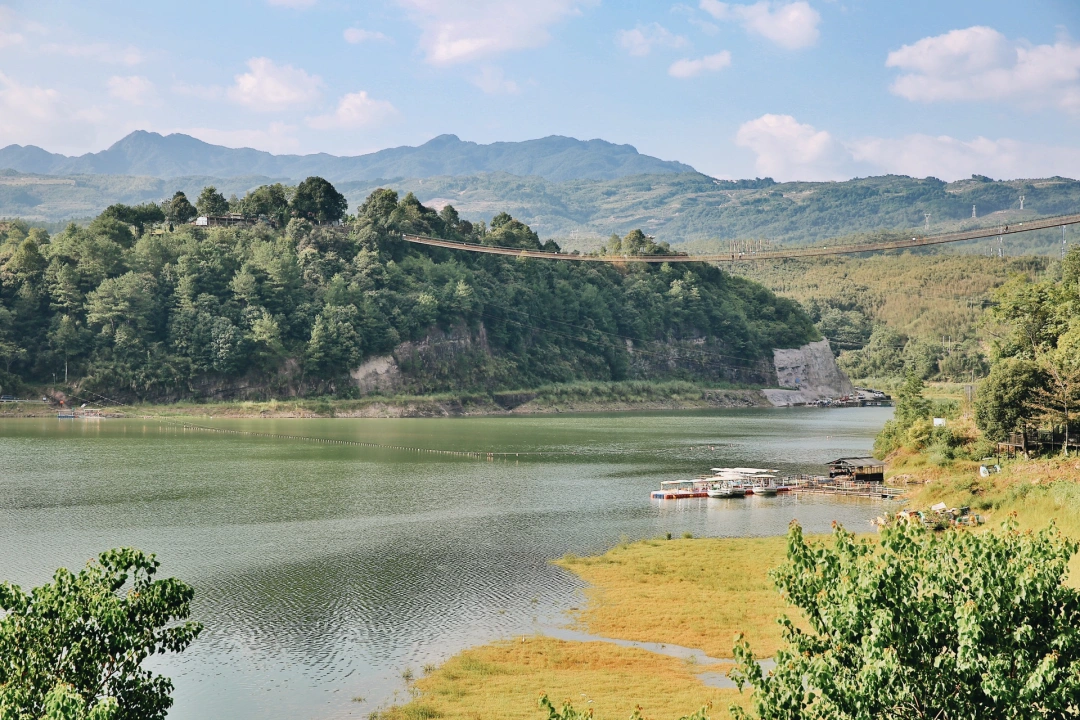
- Comfortable walking shoes for exploring ancient villages
- Light jacket for cooler mountain evenings
- Swimsuit for hot springs
- Camera for stunning landscapes
- Snacks and picnic supplies for Yunlan Ranch
Frequently Asked Questions About Taishun
Q: How many days do you need to visit Taishun? A: We recommend 3-4 days to experience the main attractions including covered bridges, pottery villages, highland ranches, and hot springs without rushing.
Q: Is Taishun suitable for family travel with children? A: Absolutely! Yunlan Ranch offers excellent parent-child activities, and the covered bridge area is safe and educational for kids. The pottery experience is also great for families.
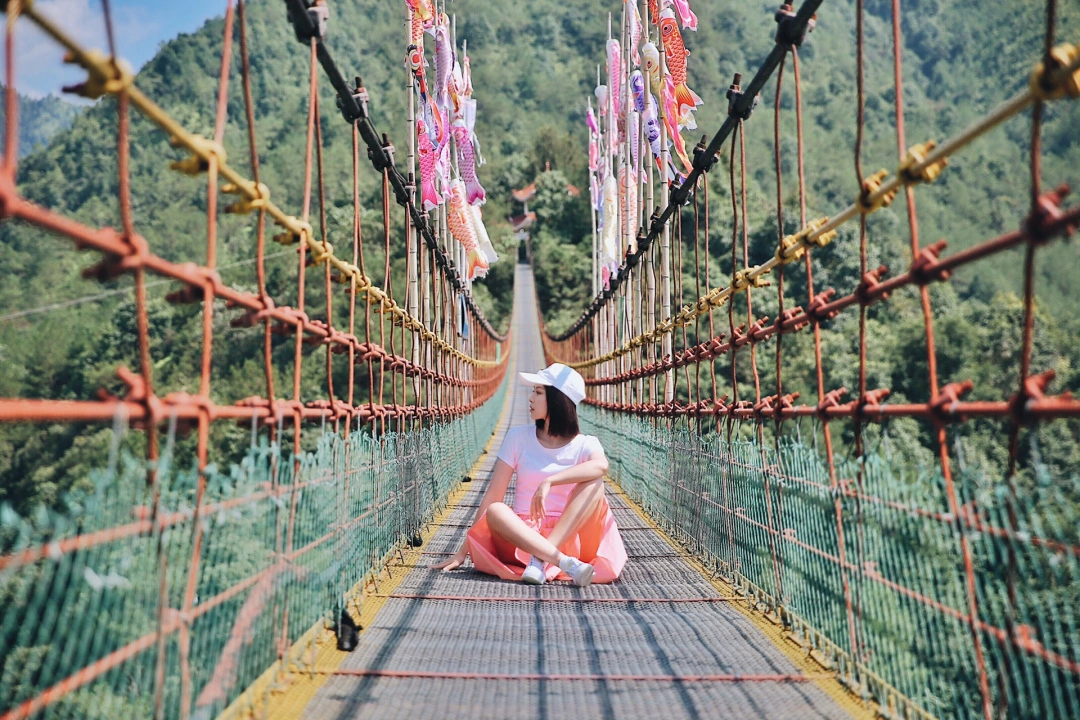
Q: What is the best way to get around Taishun? A: Self-driving is highly recommended as attractions are spread across the county. Rental cars are available at Wenzhou airport and Cangnan train station.
Q: Are the hot springs in Taishun natural? A: Yes, the Chengtian Radon Hot Springs are natural mineral springs with therapeutic properties. The radon content is unique to this area.
Q: What local foods should I try in Taishun? A: Don't miss green tofu, fiddlehead ferns, pickled ginger, and local yogurt drinks. Many villagers sell homemade specialties near the covered bridges.
Conclusion: Your Taishun Adventure Awaits
From ancient covered bridges built without a single nail to highland ranches that feel like Switzerland, from 300-year-old pottery traditions to healing radon hot springs—Taishun offers a rare escape into authentic Chinese countryside beauty. Whether you're planning a sisters' getaway, a family vacation, or a solo nature retreat, this mountain city secret realm promises unforgettable memories.
Ready to plan your Taishun trip? Book your accommodations early, especially during holidays like Mid-Autumn Festival. Pack your sense of adventure and leave your worries behind. The mountains are calling.
[Book Your Taishun Experience Now] – Discover why travelers call it Wenzhou's best-kept secret.
Note: Prices mentioned are accurate as of the time of writing. Please verify current rates before booking.