Summer 2025 Family Trip: 12 Days in Jiangnan – Shanghai, Suzhou, Nanxun & Hangzhou Itinerary
Meta Description: Plan your perfect Summer 2025 family trip through Jiangnan with this 12-day itinerary covering Shanghai, Suzhou, Nanxun & Hangzhou. Budget tips, hidden gems, and practical advice for a memorable Chinese vacation.
Introduction: A Promise Kept in Jiangnan
Travel, sometimes, is a ritual of keeping promises. When our child earned a spot in the top 50 of her grade through sheer hard work, we originally planned a grand celebration. Reality, however, had other ideas – flights to Changbai Mountain were expensive, hotels non-refundable, and total costs nearing 20,000 yuan. Sensibly, our daughter said, "That's too expensive. Let's go somewhere else." So we pivoted, heading to Shanghai, Suzhou, Nanxun, and Hangzhou for a 12-day, 11-night self-guided Jiangnan family adventure. Hangzhou, as it turned out, was the second venue for the The Lost Tomb "Ten-Year Promise" event – fate, it seemed, had its own plans.
The trip cost about 11,000 yuan per person, covering transportation, accommodation, meals, tickets, and some shopping. No luxury indulgences, but plenty of rich experiences. Below is the complete Summer 2025 Jiangnan itinerary and practical tips I've put together for you.
Pre-Trip Preparation: The Art of Saving and Planning
The essence of independent travel lies in the word "freedom," but it hinges on doing your homework. Airfare is one of the biggest variables – I booked tickets two weeks in advance, only to see prices drop before departure. I decisively canceled and rebooked, saving 187 yuan. Don't be bothered by the hassle; every yuan saved counts, especially since we're not rolling in cash.
For accommodation, I chose Home Inn Neo (Shanghai Lujiazui South Pudong Road Metro Station) at 364 yuan per night. The room was small, but "a sparrow may be small, but it has all the vital organs" – a decent deal in pricey Shanghai. I left a note asking for a quiet room and received a small gift at checkout – the service industry these days is impressively attentive.
I recommend using the metro as your primary mode of transport – no traffic jams, convenient, and cheap. Book popular attractions in advance via WeChat mini-programs (like Duoyun Bookstore) to avoid the anxiety of on-site queues.
[Link: Best budget hotels in Shanghai for families]
Day 1: Chengdu → Shanghai – A Cloudtop Bookstore and First Glimpses of Lujiazui
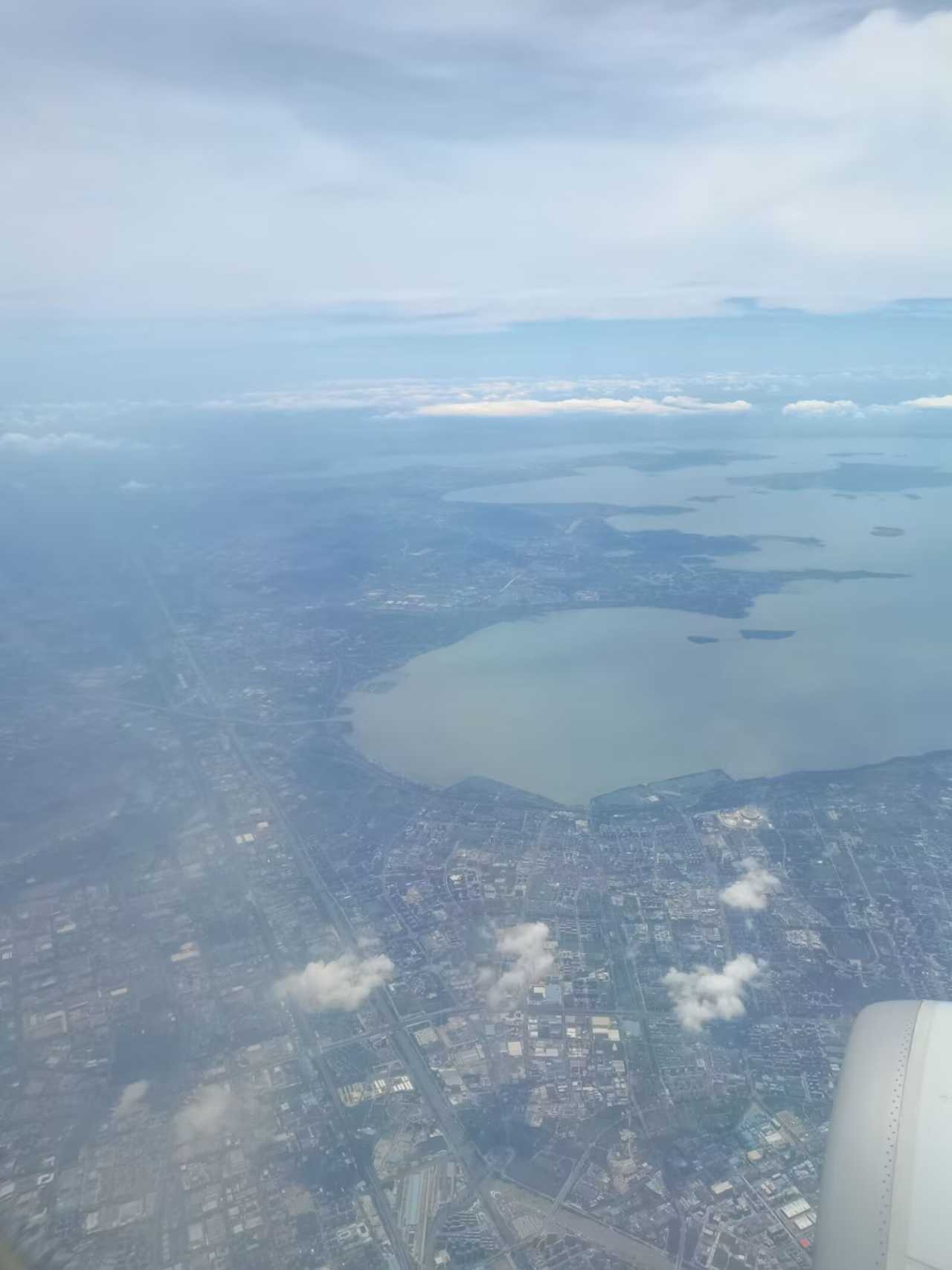
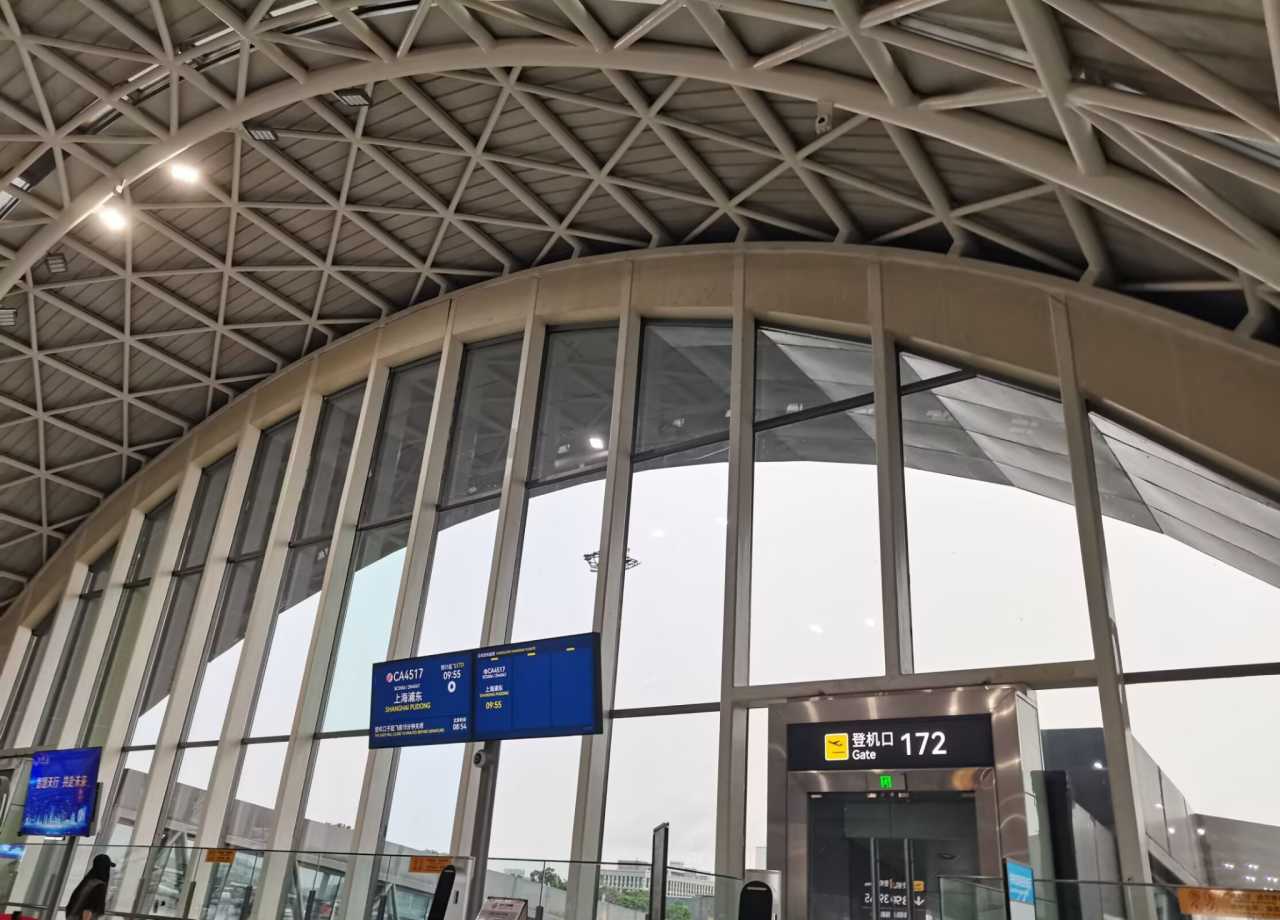
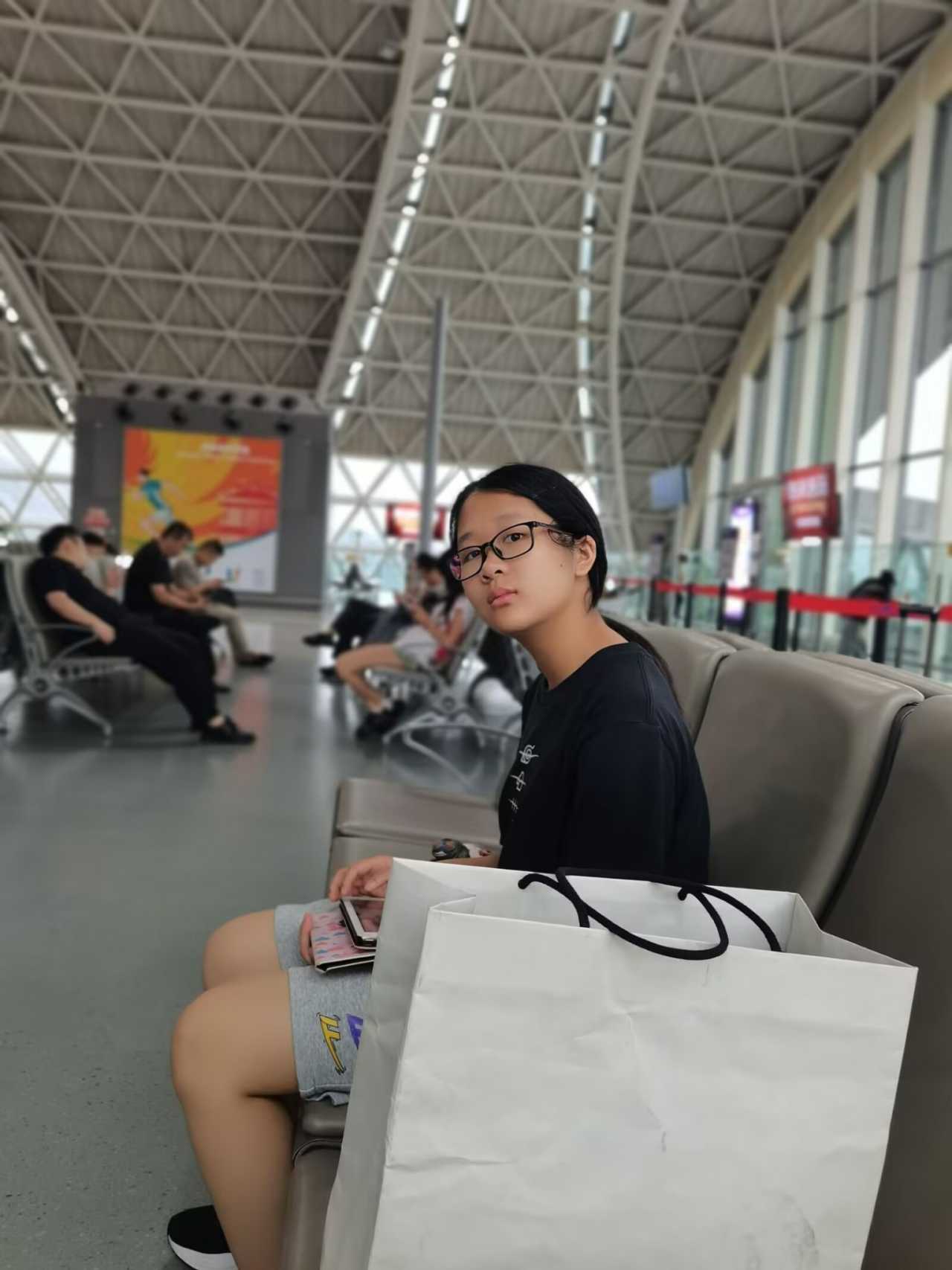
August 7th. A light rain fell over Chengdu. We took Metro Line 8, then transferred to Line 19, arriving at Shuangliu International Airport in about 50 minutes. The last time we were here, our daughter was just six years old. Eight years had passed, and while the airport hadn't changed, our perspectives certainly had.
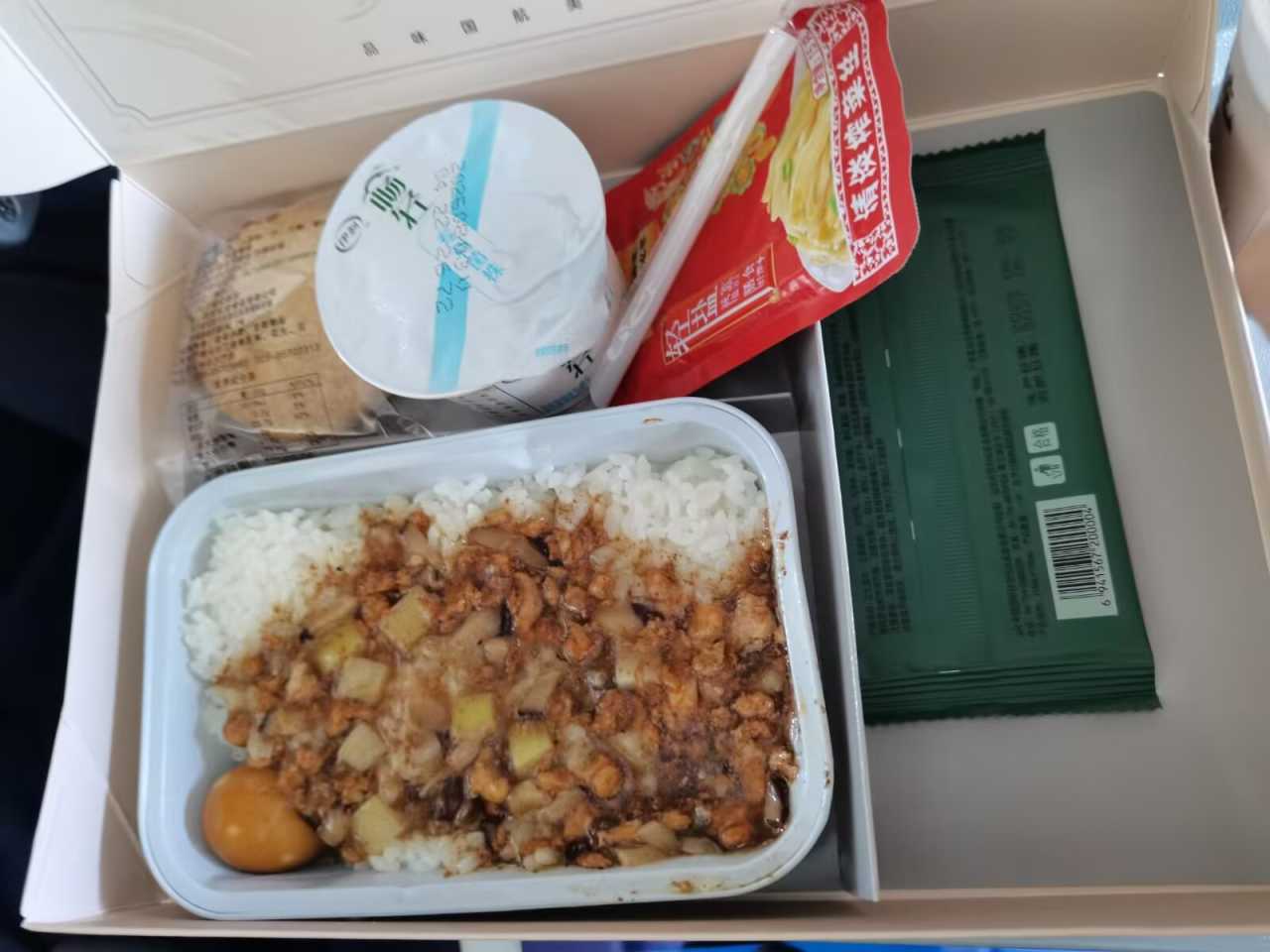
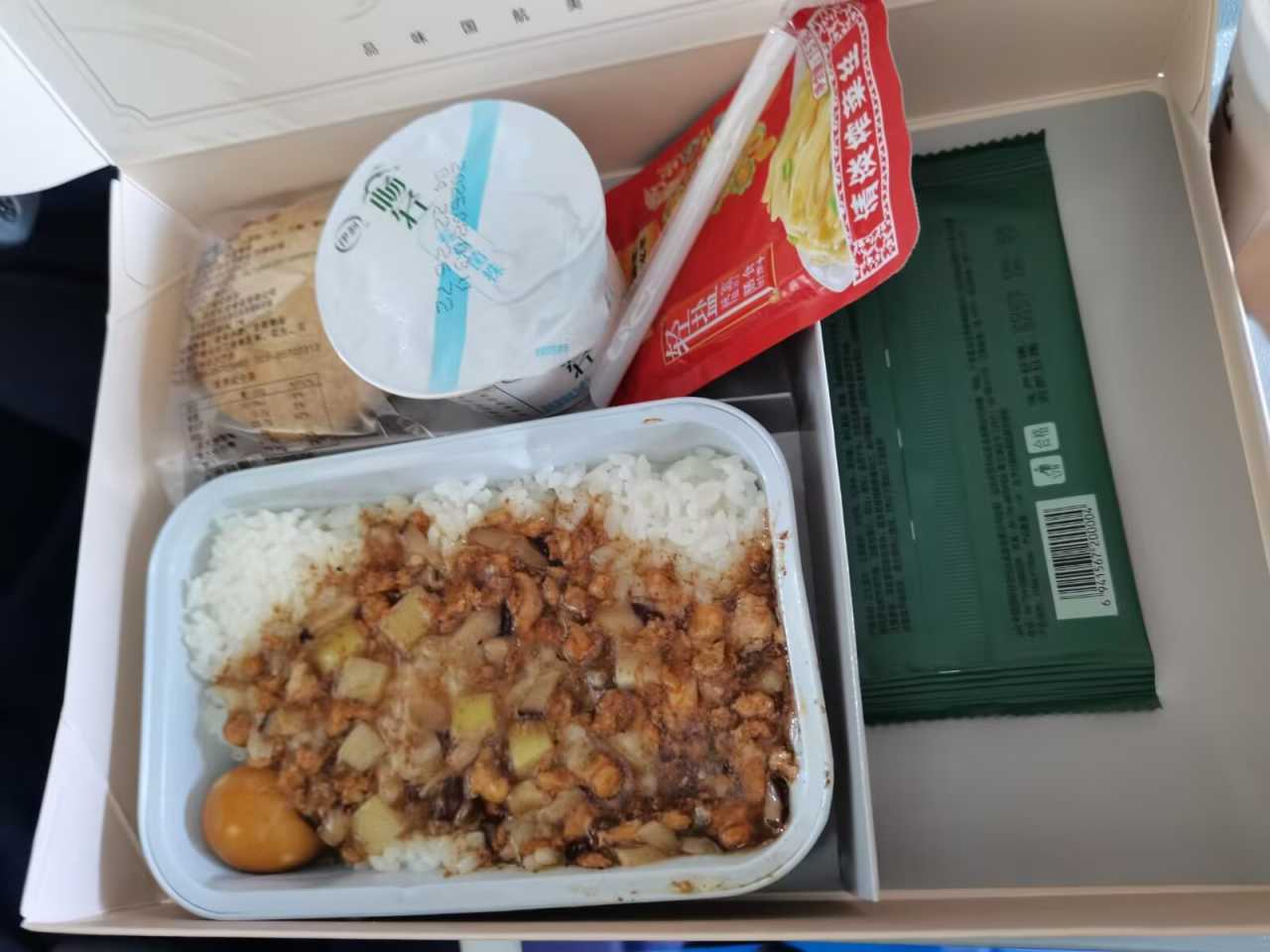
Air China's flight departed on time. The in-flight meal was curry beef – decent, nothing special. After three hours in the air, we landed in Shanghai at 12:30 PM. Peering down at the city from the window, I felt a flutter of excitement.
Duoyun Bookstore: Reading at 239 Meters High
By 2:00 PM we checked into the hotel and headed straight for Lujiazui. Our first stop was Duoyun Bookstore, perched on the 52nd floor of the Shanghai Tower, 239 meters above ground. Reservations must be made two days in advance via the WeChat mini-program. To access the observation area, you need to buy a drink – the cheapest was a 32-yuan Americano. The coffee was mediocre, but the view was priceless. Overlooking the Huangpu River, it rivals the 168-yuan observation decks in nearby skyscrapers, with similar wait times. Getting the best experience for the least money – why not?
The Lujiazui Trio: Bottle Opener, Syringe, and Egg Beater
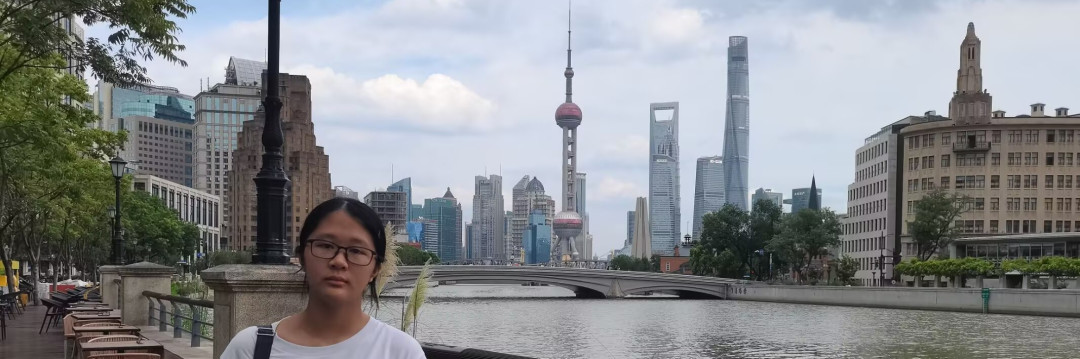
Downstairs were Lujiazui's iconic trio – the Shanghai World Financial Center (the "bottle opener"), the Jin Mao Tower (the "syringe"), and the Shanghai Tower (the "egg beater"). The "perfect photo spot" I found online was impossible to locate on site, so we just snapped a few casual shots. They didn't compare to professional photography, but looking up at these sky-piercing giants, you can still feel the ambition and allure of Shanghai.
Nanjing Road: The Bustling Spirit of a Century-Old Commercial Street

In the evening, we strolled down Nanjing Road and stopped by the M&M's flagship store – colorful M&M's at 168 yuan per jin (half a kilo) – pretty but pricey. At Lai Lai Xiaolong (a Michelin Bib Gourmand for two consecutive years), we had fresh pork soup dumplings (28 yuan per basket) – thin-skinned, soup-filled, hot enough to burn your tongue but utterly satisfying. A bowl of duck blood soup (15 yuan) was light, and the shrimp wontons (15 yuan) were fresh and flavorful. By the end of the day, we'd clocked over 10,000 steps. Back at the hotel, we crashed into bed.
[Link: Top 10 things to do in Shanghai with kids]
Day 2: Wukang Road, Jing'an Temple, Yu Garden, and City God Temple
Wukang Building: A Giant Ship Docked at the Street Corner
The Wukang Building, originally named the Normandie Apartments, was designed in 1924 by Hungarian architect László Hudec. Shaped like a giant ship, it was Shanghai's first arcade-style apartment building. With its ground-floor colonnades, triangular window pediments, and wrought-iron balconies, the French Renaissance style makes it stand out at the intersection of five streets. Celebrities like Zhao Dan, Qin Yi, and Sun Daolin once lived here. Today, it's a social media hotspot. Be careful when taking photos – traffic is heavy.
Jing'an Temple: A Thousand-Year-Old Monastery in the Heart of the City
Jing'an Temple's history dates back to the Three Kingdoms period, making it the oldest Buddhist temple in Shanghai. Glittering with gold, it attracts a steady stream of worshippers. Admission is 50 yuan per person. Situated in the bustling heart of West Nanjing Road, the temple itself feels serene and detached – a striking contrast. Don't miss the paintings by the Eight Eccentrics of Yangzhou and the authentic calligraphy by Wen Zhengming housed inside.
Yu Garden: A Jiangnan Garden Where Every Step Reveals a New View
Yu Garden is a private Ming Dynasty garden, spanning over 30 mu (about 5 acres), designed by the renowned garden master Zhang Nanyang. Though compact, it's hailed as "uniquely beautiful in the Southeast." Every step reveals a new scene, showcasing the ingenuity of ancient craftsmen. Adult tickets are 40 yuan, student tickets 20 yuan. Exiting Yu Garden brings you to the City God Temple (城隍庙) area – heavily commercialized, worth a glance but not much more.
For lunch, we ate at Hai Jin Zi Shanghai Home-Style Cuisine – soy-sauce duck (22 yuan per plate), sweet with a hint of spice; crab-and-egg stir-fry (22 yuan per plate), which had an odd fermented rice flavor; and green beans with pork (28 yuan per plate), the most comforting dish. In the afternoon, we retreated to the hotel to escape the 38°C (100°F) heat. For dinner, we bought braised dishes near the hotel – moderately spicy, and surprisingly reminiscent of the flavors of Chengdu.
[Link: Best Shanghai family-friendly restaurants under 50 yuan]
Day 3: The Bund, Waibaidu Bridge, and the Postal Museum
The 2-Yuan Ferry: Unlocking the Bund's Stunning Night Views
Today was all about the Huangpu River. I highly recommend the 2-yuan ferry – unbeatable value for money. Three classic routes:
- Tai Gong Line (6:00 AM – 9:50 PM): Gongping Road Ferry ↔ Tai Tong Zhan Ferry – great for views of the Bund's nightscape and the illuminated Oriental Pearl Tower.
- Dong Jin Line (7:15 AM – 6:30 PM): East Jinling Road Ferry ↔ Dongchang Road Ferry – best for daytime, when sunlight sparkles on the river, framing the Bund's architecture with the Oriental Pearl.
- Dong Fu Line (6:00 AM – 10:00 PM): East Fuxing Road Ferry ↔ Dongchang Road Ferry – conveniently connects to Yu Garden and City God Temple.
We chose the Dong Jin Line. For two yuan, we soaked in the splendor of both sides of the Huangpu. The Oriental Pearl Tower, standing 468 meters tall, features eleven spheres of varying sizes arranged in a cascading pattern – like "big pearls and small pearls falling onto a jade plate."
The Bund: A Century of Vicissitudes on the "Ten-Mile Foreign Concession"
The Bund stretches 1.5 kilometers along the western bank of the Huangpu River. It showcases 52 classical buildings in Gothic, Baroque, Romanesque, and Renaissance styles – collectively known as the "Exhibition of World Architecture." In the evening, the neon lights on both sides of the river create a dazzling display. We walked from the Bund to Waibaidu Bridge – a century-old steel structure bridge that's a symbol of Shanghai's romance. It's free and perfect for photos.
Shanghai Postal Museum: A Century of Postal History
Near Waibaidu Bridge, the Shanghai Postal Museum is housed in the former Shanghai General Post Office building. It's free to enter (bring your ID). The building itself is a masterpiece of European neoclassical architecture, with a 19-meter-high domed hall featuring intricate murals. Inside, you'll find exhibits spanning from ancient postal relay stations to modern postal systems. It's a niche spot, quiet and educational – perfect for a family visit.
[Link: Free attractions in Shanghai for budget travelers]
Frequently Asked Questions
Q1: Is 12 days enough for a Jiangnan family trip covering Shanghai, Suzhou, Nanxun, and Hangzhou?
A: Yes, 12 days is ideal. You can spend 3 days in Shanghai, 2 days in Suzhou, 1 day in Nanxun, and 3 days in Hangzhou, with travel days in between. This pace allows you to see major attractions without rushing.
Q2: What is the best time of year for a Jiangnan family vacation?
 A: Spring (March-May) and autumn (September-November) offer mild weather and beautiful scenery. Summer (June-August) can be hot and humid, but it's also when many festivals and events occur. Our Summer 2025 trip was in August – we managed by staying indoors during peak heat.
Q3: How much does a 12-day Jiangnan family trip cost per person?
A: Based on our experience, expect around 11,000 yuan per person including flights, accommodation, meals, tickets, and some shopping. Budget options can reduce this to 8,000-9,000 yuan, while luxury travel can exceed 15,000 yuan.
Q4: Are there kid-friendly attractions in these Jiangnan cities?
A: Absolutely. Shanghai has the Bund, science museums, and theme parks. Suzhou offers classical gardens and canal boat rides. Nanxun is a quiet water town perfect for walking. Hangzhou has West Lake bike rentals, tea plantations, and the Song Dynasty Town.
Q5: How do I book popular attractions like Duoyun Bookstore in advance?
A: Use WeChat mini-programs. For Duoyun Bookstore, search "朵云书店" and book at least 2 days ahead. For other attractions, search the attraction name in WeChat and follow their official mini-program for reservations.
Final Tips for Your Summer 2025 Jiangnan Family Trip
Packing essentials: Light clothing, comfortable walking shoes, sun protection, reusable water bottle, and a portable fan for hot days.
Transportation: High-speed trains connect all four cities efficiently. Book train tickets via 12306 app or Trip.com. Within cities, metro systems are excellent and cheap.
Food: Each city has unique specialties – try xiaolongbao in Shanghai, squirrel-shaped mandarin fish in Suzhou, local river fish in Nanxun, and Longjing shrimp in Hangzhou.
Language: English is limited outside major tourist areas. Download a translation app and have your hotel's name written in Chinese for taxi drivers.
Your Turn: Start Planning Your Jiangnan Adventure
This 12-day Jiangnan family itinerary proves that a memorable Chinese vacation doesn't require a massive budget. With careful planning, you can experience the best of Shanghai's modernity, Suzhou's classical gardens, Nanxun's water town charm, and Hangzhou's natural beauty.
Ready to book your Summer 2025 trip? Start by: 1. Checking flight prices to Shanghai (consider flexible dates) 2. Booking accommodation near metro stations 3. Making advance reservations for popular attractions 4. Downloading essential apps: WeChat, Alipay, 12306, and Didi
Share your own Jiangnan travel stories or questions in the comments below – we'd love to hear from you!
[Link: Complete guide to traveling China on a budget] [Link: Best family-friendly hotels in Suzhou and Hangzhou] [Link: How to use WeChat for travel in China]
You may also like