Strolling Through Zhujiajiao: An Encounter with Time-Forgotten Years in a Misty Water Town
Meta Description: Discover Zhujiajiao Water Town, Shanghai’s hidden Jiangnan gem. Explore ancient bridges, Ming-Qing streets, and free-entry attractions. Your ultimate guide to Zhujiajiao travel tips, routes, and tickets.
Introduction: Why Zhujiajiao Water Town Beckons the Soul
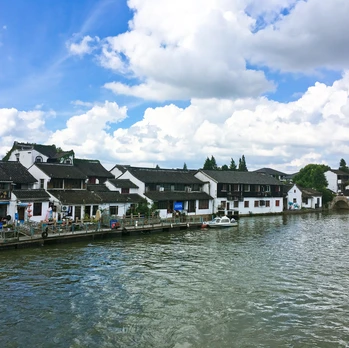
What is the true meaning of travel? Is it conquering distant coordinates on a map, or escaping the city’s relentless rhythm? For those living in Shanghai’s Qingpu District, the answer lies just an hour away—Zhujiajiao Water Town. This misty, time-forgotten Jiangnan village offers something rare: a chance to slow down, breathe deeply, and reconnect with centuries-old charm.
As someone who grew up in the Jiangnan region, I’ve visited countless ancient towns. Yet Zhujiajiao stands apart. It’s not just the blue stone paths or the small bridges over flowing water—it’s the leisurely magnetic field that unconsciously slows your pace. Here, weathered stone slabs and gliding rivers soften time itself. And with a direct bus from Qingpu, convenience makes this water town dream irresistible.
[Link: Best Shanghai day trips from Qingpu]
How to Get to Zhujiajiao: Modern Paths to an Ancient Water Town

Zhujiajiao Ancient Town sits in Qingpu District, Shanghai. While other Jiangnan towns like Zhouzhuang, Tongli, or Wuzhen compete for attention, Zhujiajiao remains one of the most accessible options for Shanghai-based travelers.
Transportation Tips for Zhujiajiao
- Metro Route (Recommended): Take Shanghai Metro Line 17 to Zhujiajiao Station. The ancient town is about 1.5 km away. From the station, take a taxi, rent a shared bike, or walk—the scenic approach is a perfect warm-up.
- Bus Route (Historical Note): Previously, visitors could take a bus to Xujing East and transfer to the “Zhuxu Line.” However, with metro expansion, this route may be adjusted or discontinued. Always check current schedules.
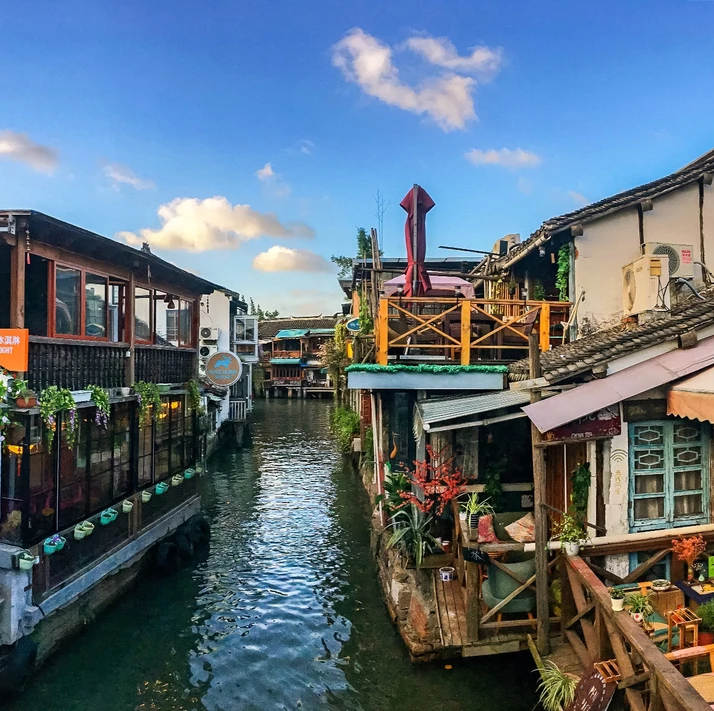
Travel Tip: The walk from the metro station to the town entrance passes through a modern park—ideal for stretching your legs before immersing in history.
[Link: Shanghai Metro Line 17 guide for tourists]
Zhujiajiao Tickets: Free Entry, Paid Attractions
First-time visitors often ask: “Does Zhujiajiao require a ticket?” The answer is clear: The ancient town itself is free to enter. You can wander its streets and alleys without charge. “Tickets” refer to fees for specific attractions within the town.
Zhujiajiao Ticket Tiers
| Ticket Type | Price (RMB) | Includes |
|---|---|---|
| Combo (with boat ride) | 80 | 8 major attractions + 1 boat ride |
| Combo (without boat) | 60 | 8 major attractions |
| Core attractions | 30 | Kezhi Garden, Imperial Post Office, Tongtianhe Pharmacy, Humanities Art Museum |
Pro Tip: Purchase tickets online a day in advance on travel platforms (Ctrip, Fliggy) for discounts. Redeem at the entrance.
What’s Included in the Combo Ticket?
- Kezhi Garden – A classical Jiangnan garden with rockeries and ponds
- Shanghai Quanhua Watercolor Art Museum – Contemporary art in a historic setting
- Yuanchan Buddhist Temple – Serene temple with centuries-old statues
- Handicraft Museum – Local crafts and traditions
- City God Temple – Taoist temple dedicated to the city’s guardian deity
- Imperial Post Office – Ming Dynasty postal station (more below)
- Tongtianhe Pharmacy – Traditional Chinese medicine shop
- Humanities Art Museum – Cultural exhibits
Zhujiajiao Walking Route: A Circular Dream
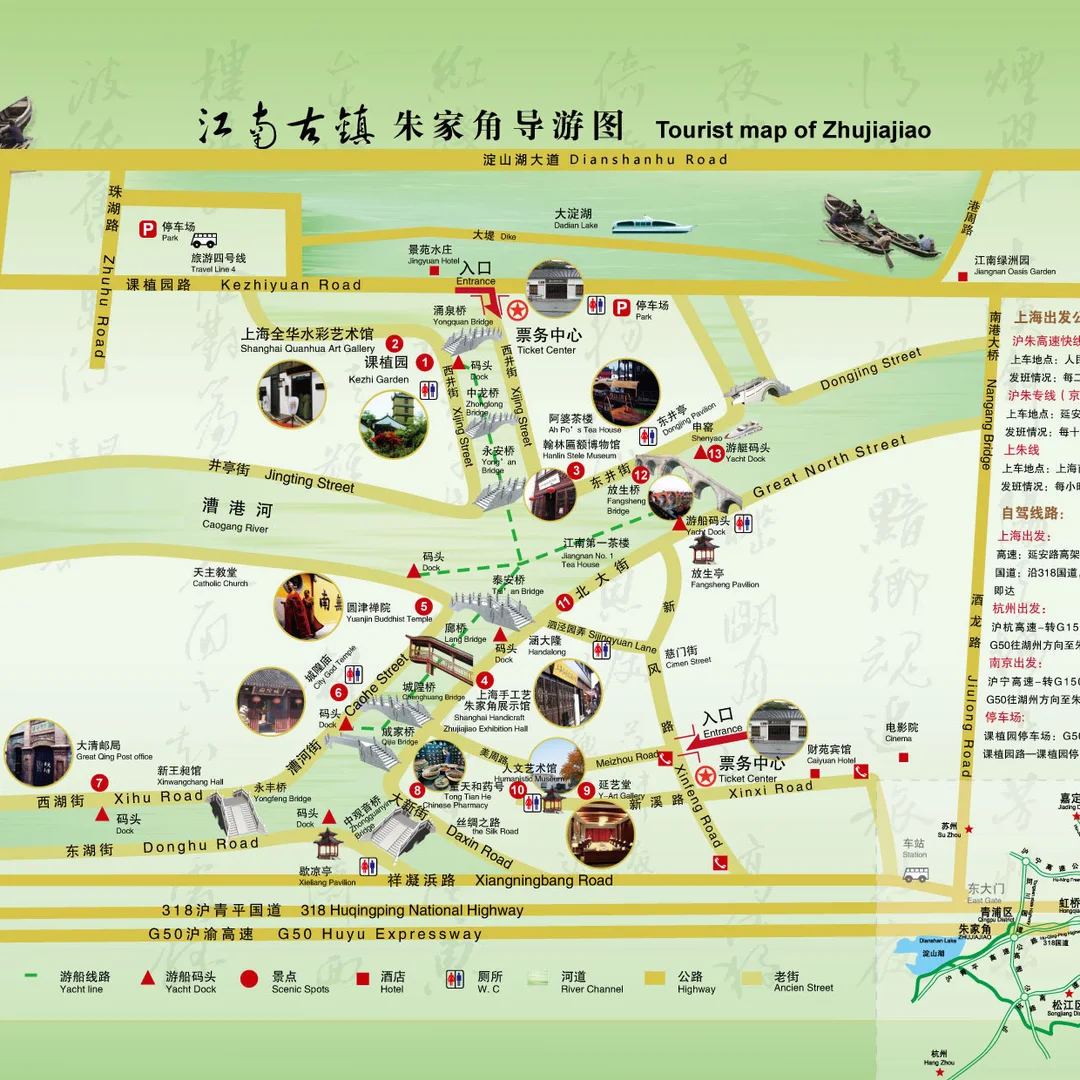
My recommended route covers all highlights without backtracking:
South Entrance → Fangshengting (Release Life Pavilion) → North Street → Daxin Street → Zhongguanyin Bridge → Yongfeng Bridge → Caohe Street → City God Temple → Yuanchan Buddhist Temple → Tai’an Bridge → North Street → Fangsheng Bridge → Dongjing Street → Xijing Street → Kezhi Garden → Yong’an Bridge → Dongjing Street → Fangsheng Bridge → South Exit
This loop takes 3–4 hours at a leisurely pace. Let’s explore the key stops.
Fangsheng Bridge: Shanghai’s Premier Bridge
Fangsheng Bridge (Release Life Bridge) is the soul of Zhujiajiao. Spanning the Caohe River, this five-arch stone bridge was built during the Wanli era of the Ming Dynasty (1573–1620) and renovated in 1812 during the Qing Dynasty. It’s the longest, largest, and tallest stone bridge in Shanghai, earning the title “Shanghai’s Premier Bridge.”
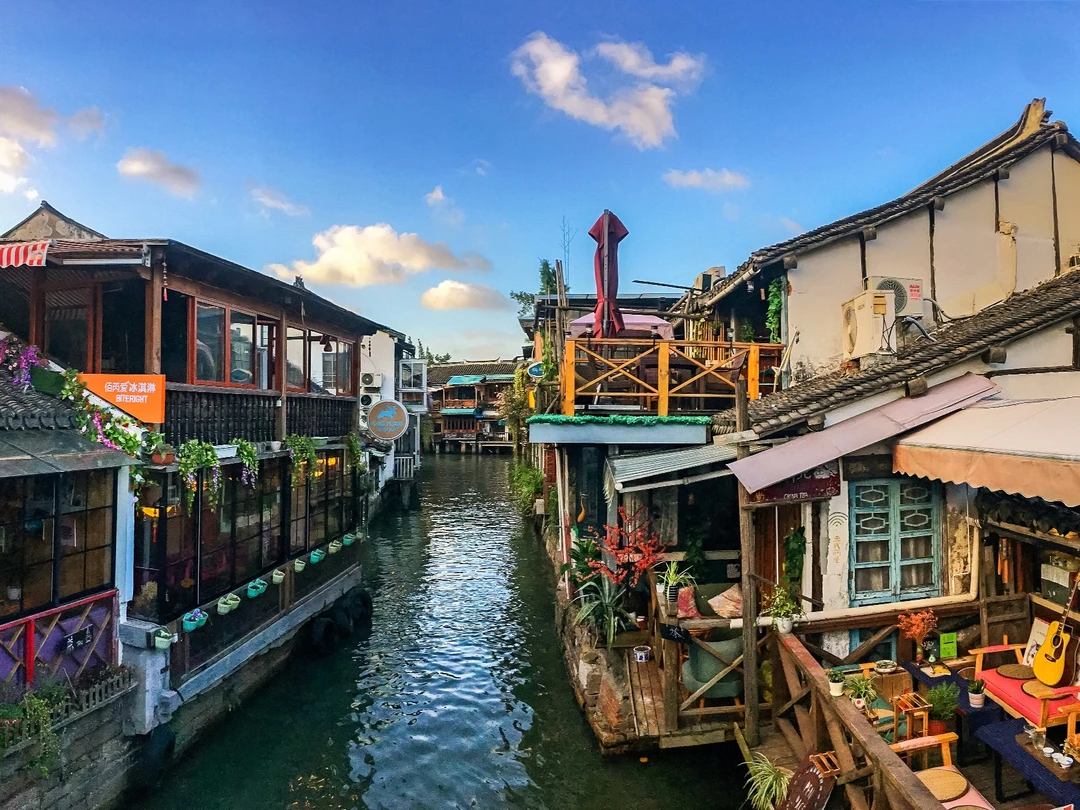
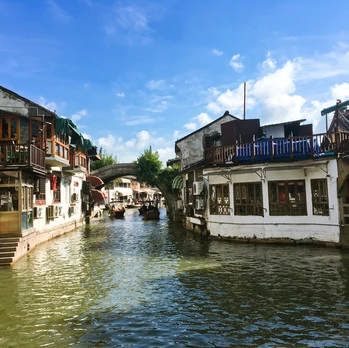
Stand at the top, and the view opens dramatically. To the left, lakeside restaurants where diners enjoy local cuisine with water views. To the right, observation decks where tourists watch black-canopied boats glide beneath. The name “Fangsheng” means “release life”—an act of Buddhist merit. Gazing at the blue sky reflected in the river, you’ll feel city worries dissolve instantly.
Photo Tip: Visit at sunrise or sunset for golden light reflecting on the water.
North Street: A “Thread-Like Street” Through 400 Years
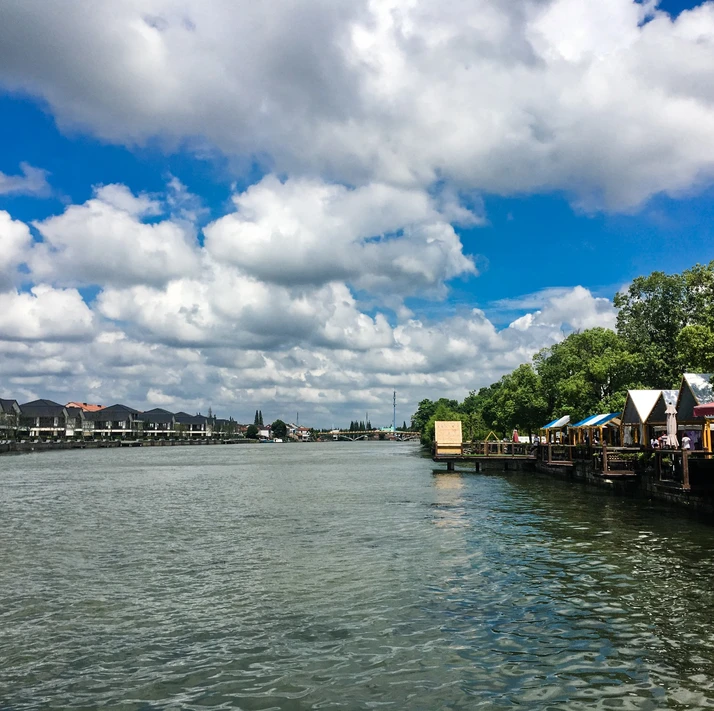
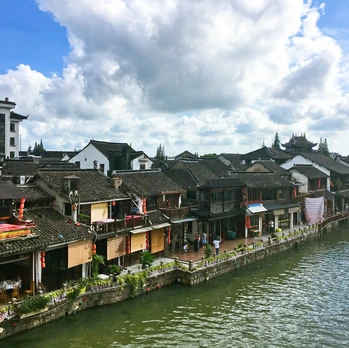
Descending from Fangsheng Bridge, you step onto North Street, also called “Thread-Like Street” for its narrow width. Hailed as “Shanghai’s Premier Street of the Ming and Qing Dynasties,” it boasts over 400 years of history.
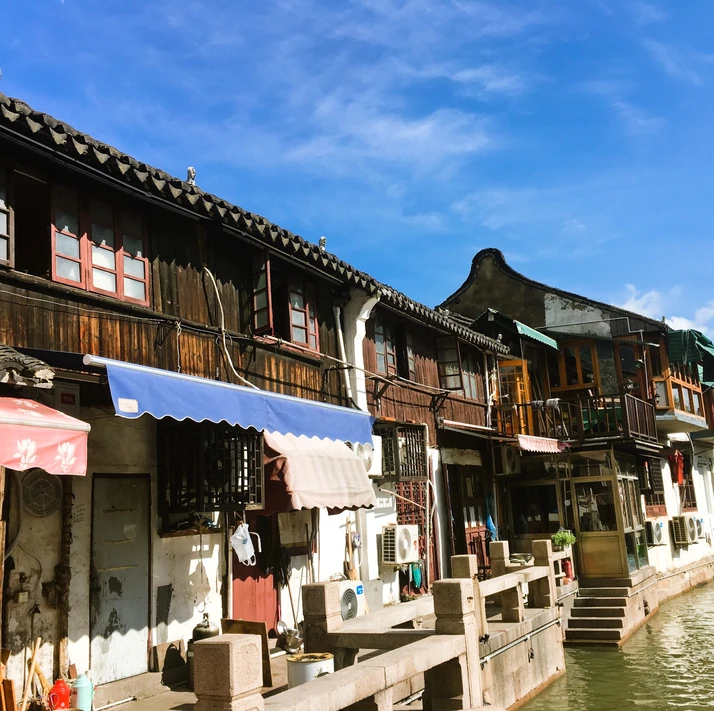
The street is lined with old-style residential buildings—white walls, black tiles, and winding stone paths. This was once the town’s most prosperous commercial center, famously described as “three miles of long street, a thousand shops.”
What to Eat on North Street
- Han Dalong Sauce Garden – Century-old sauce shop with traditional flavors
- Maosun Guan – Recently reopened century-old restaurant
- Old Town Teahouse – Perfect for a cup of Longjing tea
- Local Snacks: Braised pork (zha rou), zongzi (glutinous rice dumplings), stinky tofu (chou doufu), sugar paintings (tang hua)
Insider Tip: Try the zha rou (braised pork wrapped in lotus leaves)—it’s a Zhujiajiao specialty.
[Link: Best Jiangnan street food guide]
Daxin Street: Quiet Escape from the Crowds
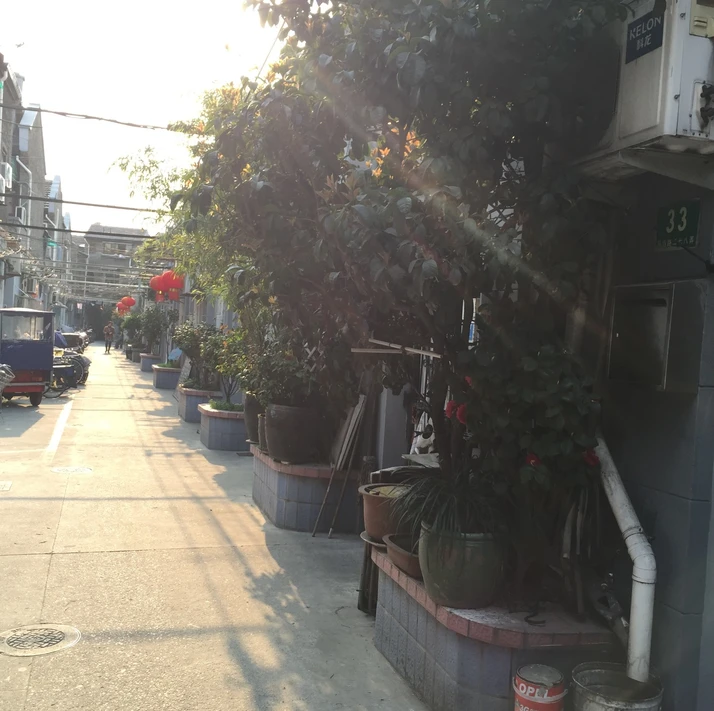
Turn into Daxin Street, and the world falls silent. Here, no crowds—only a few local residents and occasional tourists. Sunlight filters through leaves, casting dappled shadows on blue stone slabs. Slow your pace, stop to daydream, and feel time slipping through your fingers. This is where Zhujiajiao reveals its true, unhurried soul.
Yongfeng Bridge: History and Art Collide
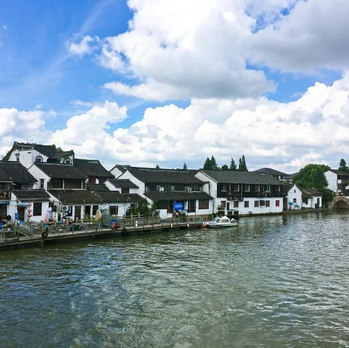
Yongfeng Bridge (also called Wind-Chanting Bridge) was built in 1627 during the Ming Dynasty. Its brick base and stone-paved surface appear ordinary, but it carries a painful memory: one stone slab was destroyed by a Japanese military aircraft bomb during World War II—a scar that remains visible.
Today, both sides of Yongfeng Bridge are lined with quaint coffee shops and artistic guesthouses. It feels like stumbling into a corner of Lijiang Ancient Town. On a free afternoon, order a coffee, bask in the sun, watch water flow beneath the bridge, and savor a truly slow moment.
Imperial Post Office: Sending a Letter Across Centuries
Located in the core area, the Imperial Post Office is one of Zhujiajiao’s most unique attractions. Established during the Ming Dynasty, it served as a key postal station for imperial communications. Today, it’s a museum where you can see ancient postal tools, stamps, and letters.
Interactive Experience: You can write a postcard and mail it from here—a tangible connection to the past.
Kezhi Garden: A Classical Jiangnan Masterpiece
Kezhi Garden is the finest example of classical Jiangnan garden architecture in Zhujiajiao. Built during the Qing Dynasty, it features rockeries, ponds, pavilions, and winding corridors. The garden’s name means “overcoming oneself”—a Confucian ideal of self-cultivation.
Must-See: The “Moon-Viewing Pavilion” offers a perfect frame for the garden’s central pond. Visit during spring for blooming flowers.
FAQ: Your Zhujiajiao Questions Answered
1. Is Zhujiajiao worth visiting from Shanghai?
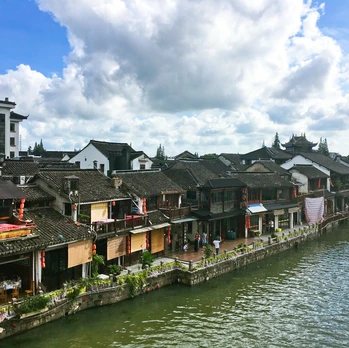
Absolutely. It’s the most convenient water town from Shanghai—just 1 hour by metro. Unlike Zhouzhuang or Wuzhen, Zhujiajiao offers free entry to the town itself, making it budget-friendly. Its authentic Ming-Qing architecture and slower pace make it ideal for a day trip.
2. How much time do I need in Zhujiajiao?
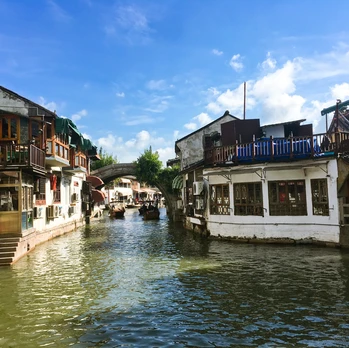
Half a day (4–5 hours) is enough to explore the main attractions and enjoy a meal. For a more relaxed experience, consider an overnight stay at a guesthouse to enjoy the town after day-trippers leave.
3. What’s the best time to visit Zhujiajiao?
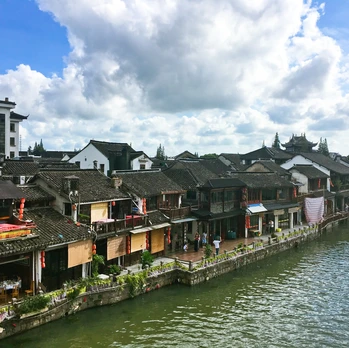
Spring (March–May) and autumn (September–November) offer mild weather and beautiful scenery. Weekdays are less crowded. Avoid Chinese public holidays (National Day, Labor Day) for a peaceful experience.
4. Can I bring my pet to Zhujiajiao?
Yes, pets are allowed in the open streets and most outdoor areas. Some indoor attractions and restaurants may have restrictions—check in advance.
5. What should I eat in Zhujiajiao?
Don’t miss: zha rou (braised pork), stinky tofu, zongzi (glutinous rice dumplings), and sugar paintings. For a sit-down meal, try Maosun Guan or a lakeside restaurant near Fangsheng Bridge.
Internal Linking Suggestions
- [Link: Shanghai weekend getaways] – For travelers seeking more day trips
- [Link: Jiangnan ancient town comparison] – Compare Zhujiajiao with Zhouzhuang, Tongli, etc.
- [Link: Qingpu District travel guide] – Explore more of Shanghai’s western suburbs
- [Link: Chinese water town photography tips] – Capture Zhujiajiao’s beauty
Conclusion: Your Water Town Dream Awaits
Zhujiajiao is more than a tourist destination—it’s a time machine that slows the frantic pace of modern life. From the majestic Fangsheng Bridge to the quiet corners of Daxin Street, from the bustling North Street food stalls to the serene Kezhi Garden, every step whispers stories of centuries past.
Whether you’re a Shanghai local seeking a weekend escape or a traveler exploring Jiangnan’s water towns, Zhujiajiao offers an authentic, affordable, and deeply soulful experience. The misty canals, the weathered stone bridges, the scent of braised pork drifting through ancient alleys—these moments will linger long after you leave.
Ready to stroll through time? Plan your Zhujiajiao trip today. Take Metro Line 17 to Zhujiajiao Station, walk through the park to the ancient town, and let the water town’s magic wash over you. Your encounter with time-forgotten years awaits.
Have you visited Zhujiajiao? Share your favorite memory in the comments below!
You may also like