Strolling Along Wukang Road: A Time Travel on a Century-Old Plane Tree Avenue in Shanghai
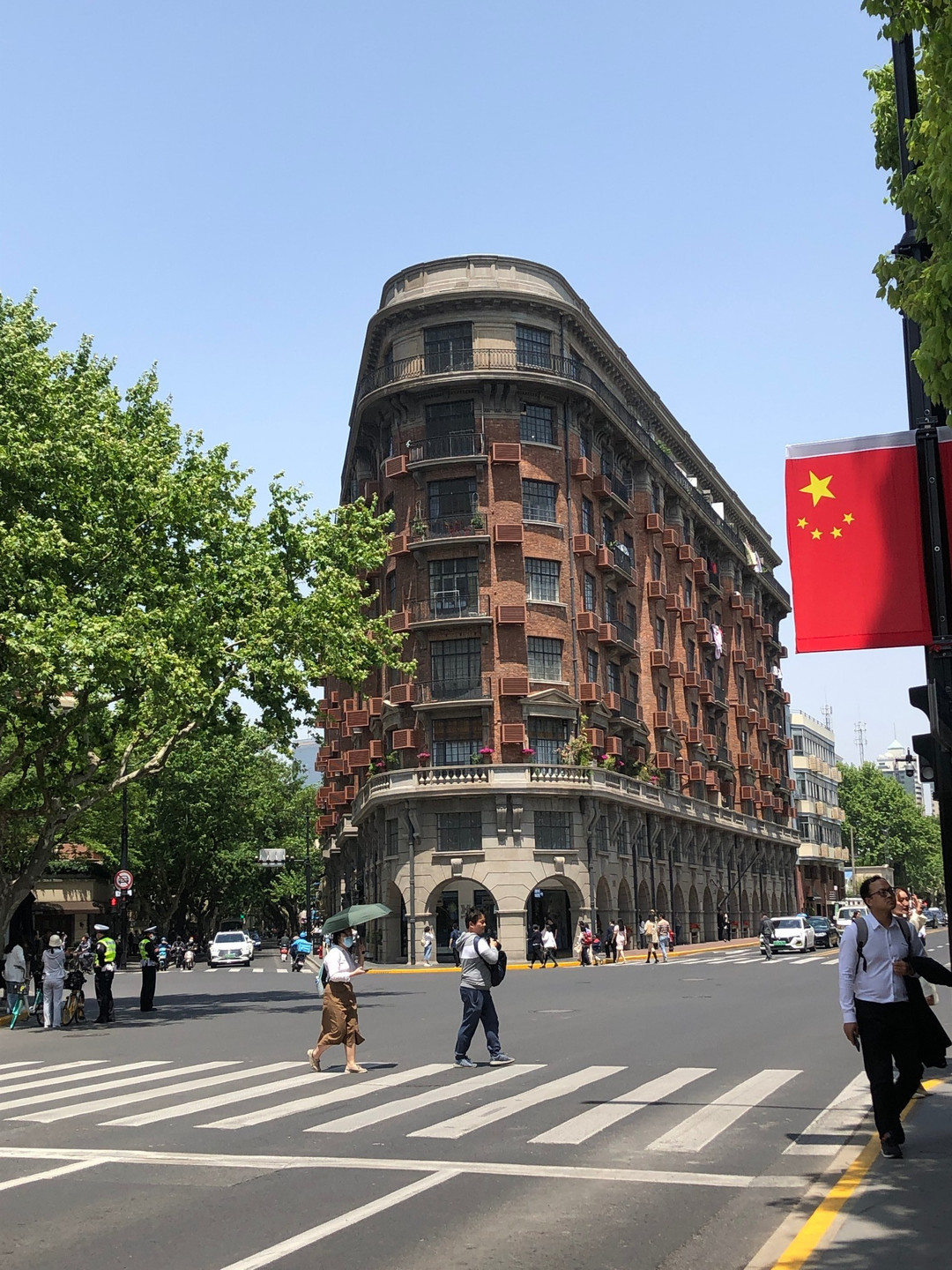
Meta Description: Discover Shanghai's soul on Wukang Road, a century-old plane tree avenue. Explore celebrity homes, hidden histories, and cultural landmarks on this iconic street. Your ultimate guide to Wukang Road walking tour.
Shanghai locals often whisper a secret when asked which street best captures the city's essence: Wukang Road. This plane tree-lined lane, stretching less than two kilometers, weaves together a century of Shanghai's triumphs, tragedies, and everyday rhythms. I called this city home for sixteen years. Every year after my physical checkup, I'd turn from Tianping Road onto Wukang Road, walk past the Anfu Road intersection, buy a theater ticket, catch a play, and let the days flow quietly by.
Today, Wukang Road has exploded as an internet-famous hotspot. Tourists swarm for wedding photos and portrait shoots. But the street's charm goes far deeper than Instagram aesthetics. Behind every iron gate lies a dramatic story—from Republican-era prime ministers to literary giants, from silk kings to machine tycoons. Let's bike along Wukang Road from north to south and rediscover this "old neighbor" together.
The History of Wukang Road: From Ferguson Road to a Century-Old Plane Tree Avenue
How Did Wukang Road Get Its Name?

The name "Wukang Road" hides a fascinating East-West fusion story. During the late Qing and early Republican eras, Shanghai's French Concession named streets after famous French figures—Rue Molière, Avenue Joffre. But Wukang Road's original name, "Ferguson Road," honored an American.
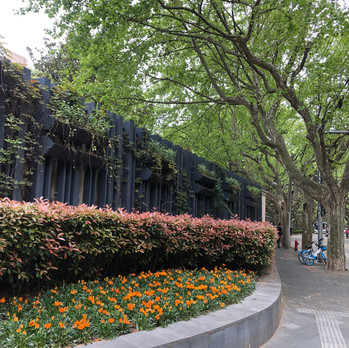
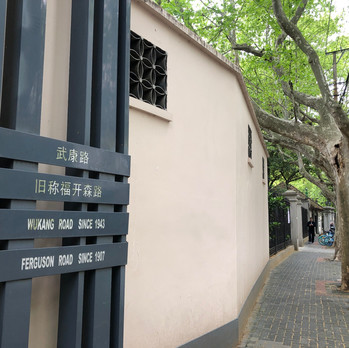
John Calvin Ferguson was a missionary and educator. In 1897, while traveling in Shanghai, Sheng Xuanhuai hired him as dean of Nanyang Public School—the predecessor of Shanghai Jiao Tong University. Noticing poor transportation near the school, Ferguson paid out of pocket to build a road from Rue Yao (today's Tianping Road) to Rue de Say Zoong (today's Changshu Road). Grateful locals named it "Ferguson Road." Originally a dirt path, it underwent several renovations until 1943, when authorities renamed it "Wukang Road" after old Wukang County in Zhejiang Province.
Interestingly, today's Wukang Road doesn't follow Ferguson's exact route. But that spirit of "paving the way for others" lingers on this street.
Wukang Road Architecture: A Living Museum of Shanghai History
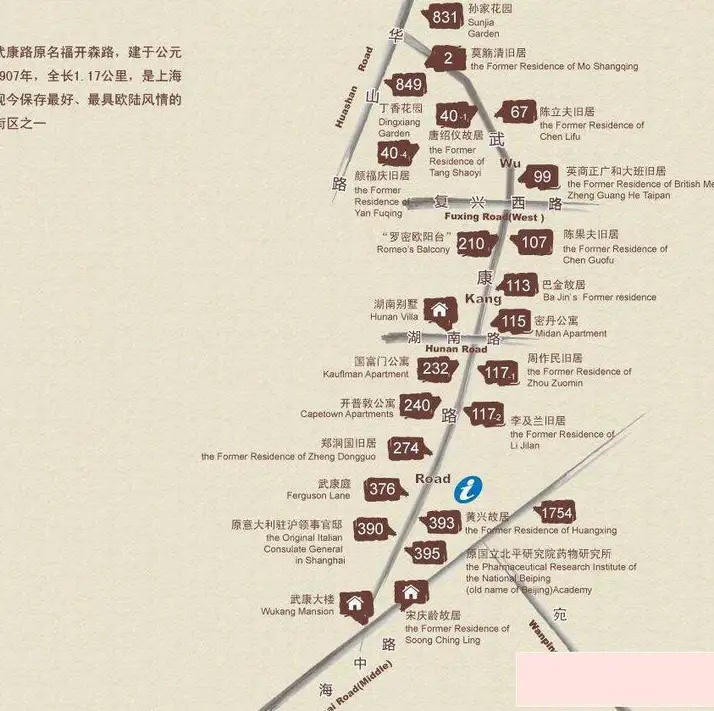
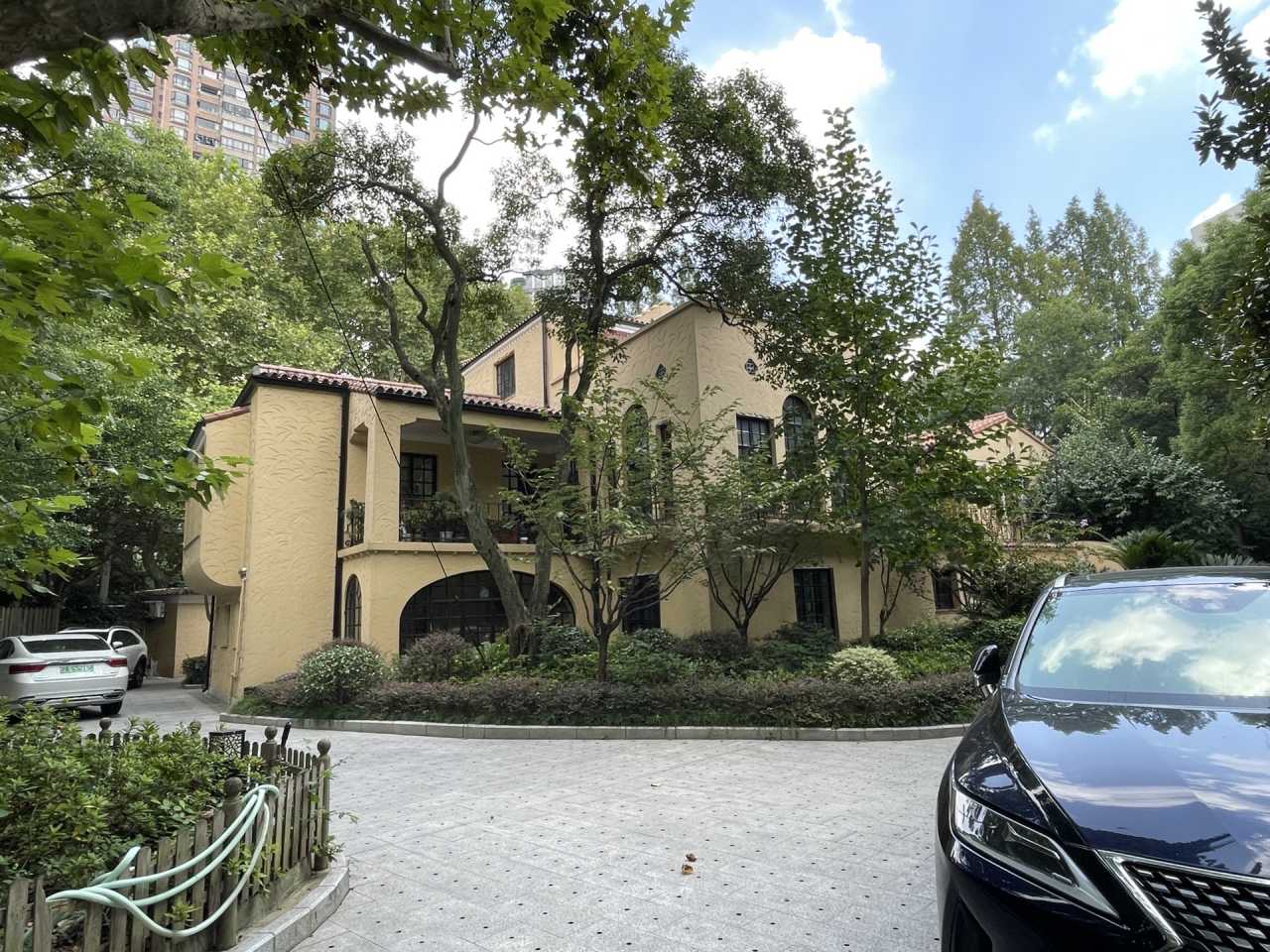
The architecture along Wukang Road reads like a textbook of Shanghai's colonial and modern history. Spanish-style garden houses, English country villas, and Art Deco apartments line the avenue. Each building tells a story of foreign influence, Chinese resilience, and cultural fusion. [Link: Shanghai French Concession architecture walking tour]
Northern Section: Huashan Road to Anfu Road—Celebrities and Everyday Life
Starting Point: Huashan Road Intersection—The Mo Residence and Sun Family
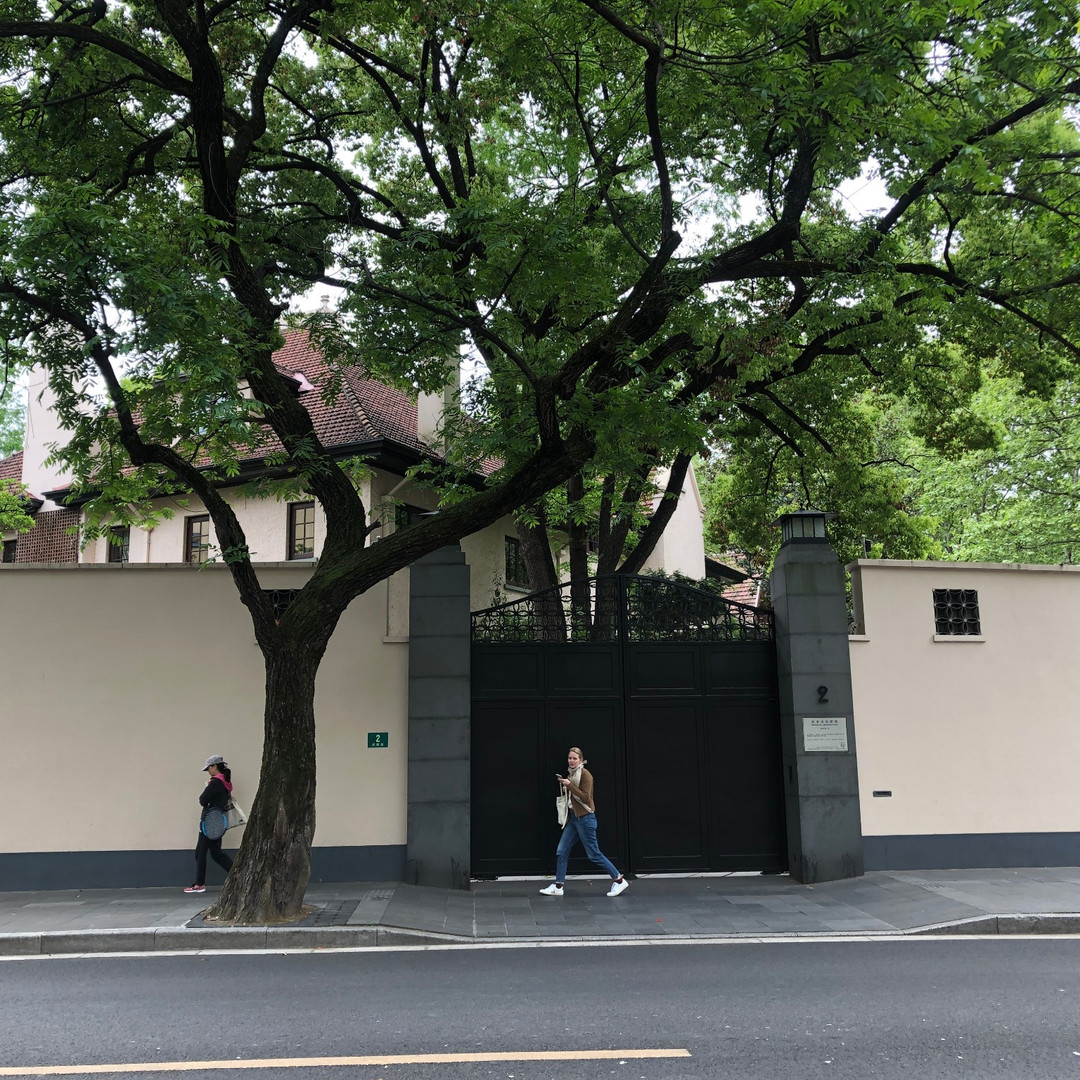
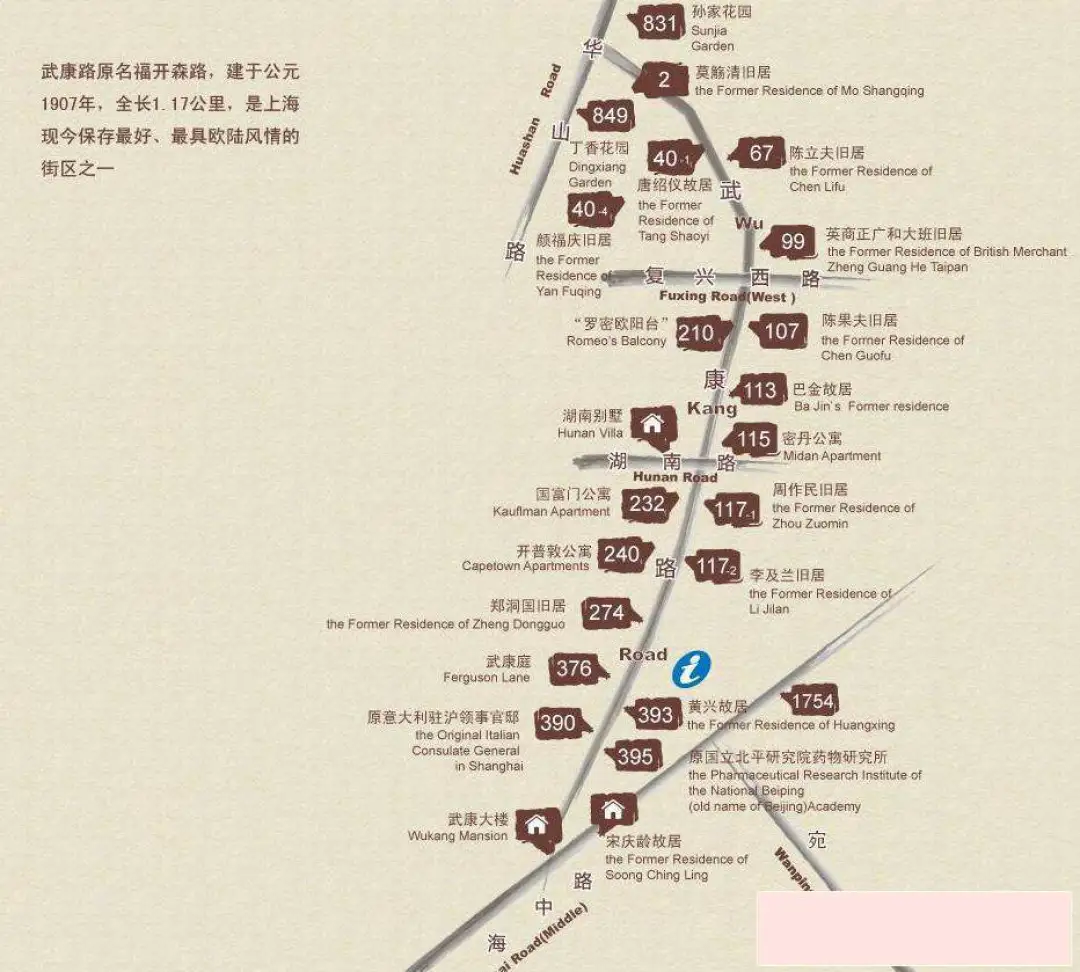
Wukang Road's northern end begins at Huashan Road. Two old mansions stand at the intersection: No. 2 and No. 1 Wukang Road.
No. 2 Wukang Road was the home of Mo Shangqing, the "Silk King." This Zhejiang native once owned over a dozen silk factories. In 1917, he founded Meiya Silk Weaving Factory, later handing the reins to his returned overseas son-in-law, Cai Shengbo. Cai introduced Taylor's management system, making Meiya China's first modern silk enterprise. Back then, movie stars modeled Meiya silk in advertisements—a golden moment for China's national industry.
No. 1 Wukang Road belonged to the Sun Duosen family. Sun Duosen founded Shanghai Fufeng Flour Mill, China's first mechanized flour mill. His great-uncle was Sun Jianai, tutor to Emperor Guangxu. His maternal grandfather was Li Hanzhang, elder brother of Li Hongzhang, the towering Qing dynasty statesman. From flour to banking, the Sun family remained a pillar of national industry for over half a century.
Anfu Road Intersection: Where Theater Meets Life
Reaching the Anfu Road intersection, the Shanghai Dramatic Arts Centre comes into view. This is my regular haunt—the most "artistic" node on Wukang Road. Every year after my checkup, I'd buy a ticket here, watch a play, and head home content.
The unassuming addresses of Lane 6, Nos. 1–4, and No. 12 Wukang Road once housed Tan Yuan, a professor at Tongji University and a pioneer of modern architectural education in China. A classmate of Liang Sicheng and Lin Huiyin at the University of Pennsylvania, Tan ran an architectural studio in his own villa, training dozens of architecture experts. The Nie Er Memorial Park at the intersection of West Fuxing Road and Huaihai Middle Road was his design.
Wukang Road Nos. 63–67: The Journalist's Spine and the Rise and Fall of the "Four Families"
No. 63 Wukang Road was once the home of Zhu Zuotong, general manager of the Chinese American Evening News. In 1936, he founded the paper under an American name to evade Nationalist Party press censorship, steadfastly advocating for resistance against Japan. In 1941, he was assassinated by Wang Jingwei's secret agents, leaving behind a young widow and six children, the oldest only six. Today, it's an ordinary residence, but the journalist's integrity from that "isolated island" period still echoes under the plane trees.
Nos. 65 and 67 housed Chen Lifu and Chen Guofu, the influential Chen brothers. As key figures of the "Four Families" that dominated Nationalist China, they once wielded immense power. But when history turned the page, Chen Lifu fled to the United States, making a living by raising chickens and selling eggs. In his later years, he returned to Taiwan and turned to studying traditional Chinese medicine, becoming a guardian of Chinese cultural heritage. This dramatic twist of fate mirrors the dappled shadows cast by the plane trees on Wukang Road.
Middle Section: From Tang Shaoyi to Ba Jin—The Weight and Warmth of History
Wukang Road Lane 40: A Republican Prime Minister's Tragedy and the "Three Giants" of Medicine
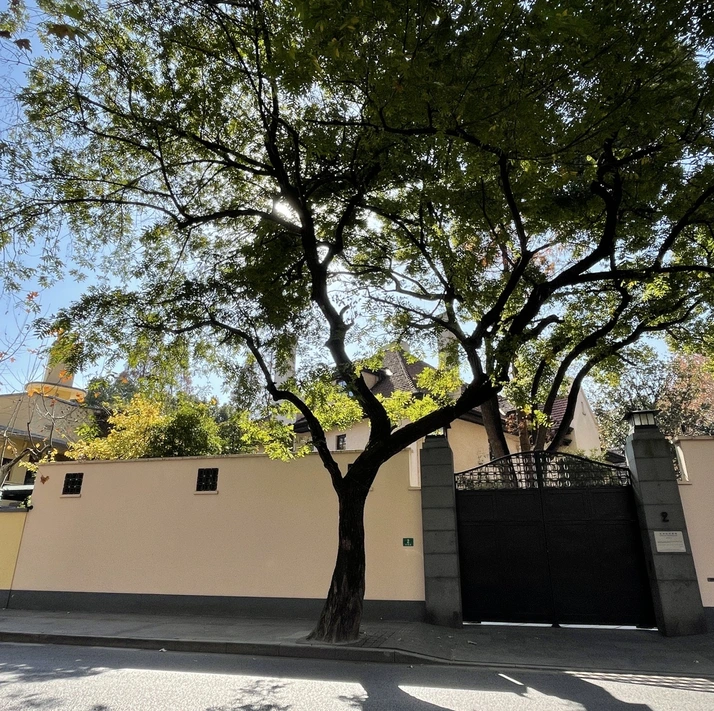
No. 1, Lane 40, is the former residence of Tang Shaoyi, the first prime minister of the Republic of China. In 1938, this once-powerful politician was assassinated here by military intelligence agents (or possibly Japanese operatives), in a political murder case that shocked China and the world. Today, this Spanish-style garden house stands quietly, as if nothing ever happened.
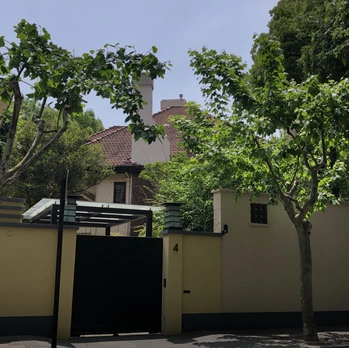
No. 4, Lane 40, was the home of Yan Fuqing, one of the "Three Yan Brothers." Yan Fuqing was a founder of modern medical education in China. His legacy to Shanghai includes Zhongshan Hospital, Huashan Hospital, and Shanghai Medical College. His elder brother Yan Huiqing served as prime minister of the Beiyang Government, while another brother, Yan Deqing, was a pioneer of China's railway industry. Three brothers, each a titan in their field—a true legend.
Wukang Road Nos. 99–113: From Foreign Tycoons to Literary Masters
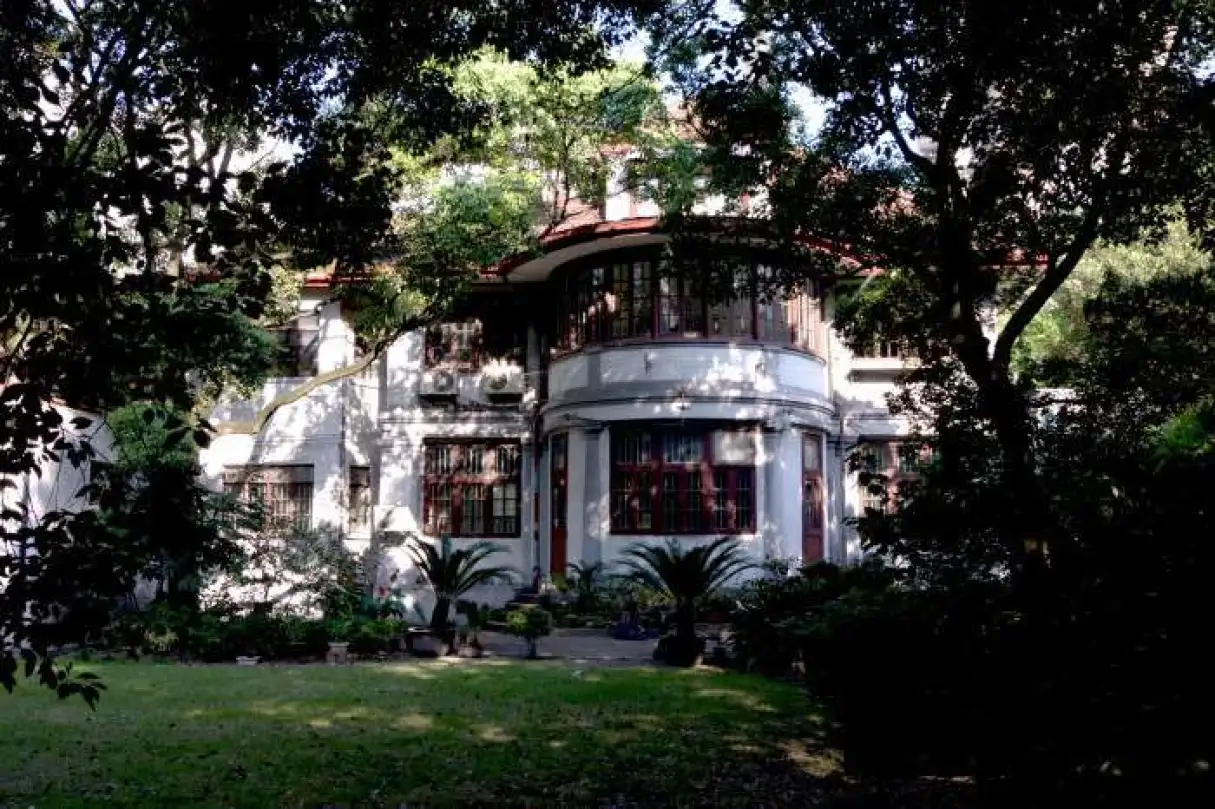
No. 99 Wukang Road was originally the residence of a British executive from Calbeck MacGregor & Co., a British trading firm. This English country-style garden villa served as a filming location for the movie Lust, Caution. It also housed Pan Hannian, Wei Wenbo, Wang Zhen, and other leaders of New China, as well as Liu Jingji, vice chairman of the Chinese People's Political Consultative Conference. One building witnessed the transition from the colonial era to New China.
No. 113 Wukang Road was Ba Jin's final home in Shanghai. From 1955, Ba Jin lived here for over forty years, writing Random Thoughts and other "great books that speak the truth." In the backyard stands a bronze sculpture gifted by Huang Yongyu, titled The New Century No Longer Sorrowful—a ragged sufferer embracing the world with open arms. This statue seems to capture Ba Jin's life: enduring hardship, yet always holding onto hope. [Link: Ba Jin故居参观指南]
Southern Section: From "Romeo's Balcony" to the "Machine King"
Wukang Road No. 210: Romeo's Balcony and the Legend of Yan Yutang
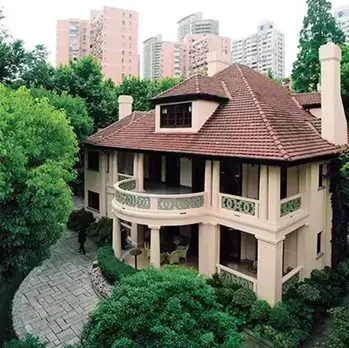
No. 210 Wukang Road was playfully dubbed "Romeo's Balcony" by a writer, and it's become a must-visit spot for art-loving youth. But the street's truly "hardcore" story lies at No. 212. This was the former residence of Yan Yutang, the "Machine King." In 1902, he founded Dalong Machinery Factory, starting with repairing and fitting textile machine parts, gradually becoming a pioneer of China's national machine-building industry.
FAQ: Everything You Need to Know About Wukang Road
1. How long is Wukang Road, and how long does it take to walk?
Wukang Road is less than 2 kilometers (about 1.2 miles). A leisurely stroll takes 30–45 minutes, but with stops at historical sites, plan for 2–3 hours.
2. What is the best time to visit Wukang Road?
Early morning (7–9 AM) offers fewer crowds and soft light for photos. Late afternoon (3–5 PM) provides golden hour lighting through the plane trees. Avoid weekends if possible.
3. Are there guided tours of Wukang Road?
Yes. Many local tour operators offer walking tours focused on Shanghai French Concession history. Self-guided audio tours are also available through apps like Mafengwo.
4. What other attractions are near Wukang Road?

Nearby highlights include Anfu Road (boutique shops and cafes), Huaihai Middle Road (shopping), and the former French Concession area. The Shanghai Dramatic Arts Centre is at the Anfu Road intersection. [Link: 上海武康路周边景点推荐]
5. Is Wukang Road accessible for wheelchairs and strollers?
The main road is flat and paved. Some side lanes and older buildings may have steps. Most cafes and shops are ground-floor accessible.
Why Wukang Road Remains Shanghai's Most Soulful Street
Wukang Road isn't just a tourist attraction—it's a living, breathing timeline of Shanghai's century-long journey. From the silk king's mansion to the journalist's last stand, from the prime minister's tragedy to the literary master's home, every corner holds a story waiting to be discovered.
The plane trees that line this avenue have witnessed it all: colonial ambitions, national struggles, artistic flourishing, and quiet everyday moments. They've seen wedding photos, theatergoers, and a writer named Ba Jin penning his truths.
Your turn: Next time you're in Shanghai, skip the Bund crowds. Come to Wukang Road. Walk slowly. Look up at the plane trees. Read the plaques. Imagine the lives that unfolded behind those iron gates. And if you're lucky, you might catch a play at the theatre—just like I did every year after my checkup.
Plan your visit today. Book a guided walking tour, download a self-guided audio map, or simply show up and let the street reveal its secrets. Shanghai's soul is waiting for you under the plane trees.
Have you walked along Wukang Road? Share your favorite spot or hidden gem in the comments below!
You may also like